A Glimpse of Lucknow’s Past A Tour Package Have you ever wondered what it would be like to walk through streets that whisper tales of royal grandeur, architectural brilliance, and cultural refinement? Welcome to Lucknow, the capital city of Uttar Pradesh and a living museum of India’s glorious past. Known affectionately as the City of Nawabs, Lucknow offers travelers an enchanting journey through time, where every monument tells a story and every corner resonates with history.
Stepping into Lucknow is like opening a beautifully illustrated history book. The city has been shaped by various dynasties and cultures, each leaving behind an indelible mark on its landscape, cuisine, language, and traditions. From the majestic architecture of the Nawabi era to the poignant reminders of colonial struggles, Lucknow’s past is as layered as it is fascinating.
Why Lucknow Should Be on Your Travel Bucket List
What makes Lucknow stand out among India’s many historical destinations? It’s the unique blend of elegance and authenticity. Unlike some tourist-heavy cities where commercialization has overshadowed heritage, Lucknow retains its old-world charm while embracing modernity. The city’s famous hospitality, or “Lucknowi tehzeeb,” ensures that visitors feel welcomed and valued.
Whether you’re a history buff, a food enthusiast, an architecture lover, or simply someone seeking a cultural immersion, Lucknow has something extraordinary to offer. The city doesn’t just showcase its past—it invites you to experience it, taste it, and feel it. And what better way to explore this magnificent city than through a carefully designed tour package that takes you on a curated journey through its most significant historical landmarks?
Understanding Lucknow’s Rich Historical Heritage
The Mughal Influence
Before the Nawabs made Lucknow their own, the Mughals left their mark on this region. The Mughal architectural style, with its grand domes, intricate calligraphy, and beautiful gardens, influenced many structures that would later be built in Lucknow. This foundation set the stage for what would become one of India’s most culturally rich cities.
The Nawabi Era and Its Cultural Impact
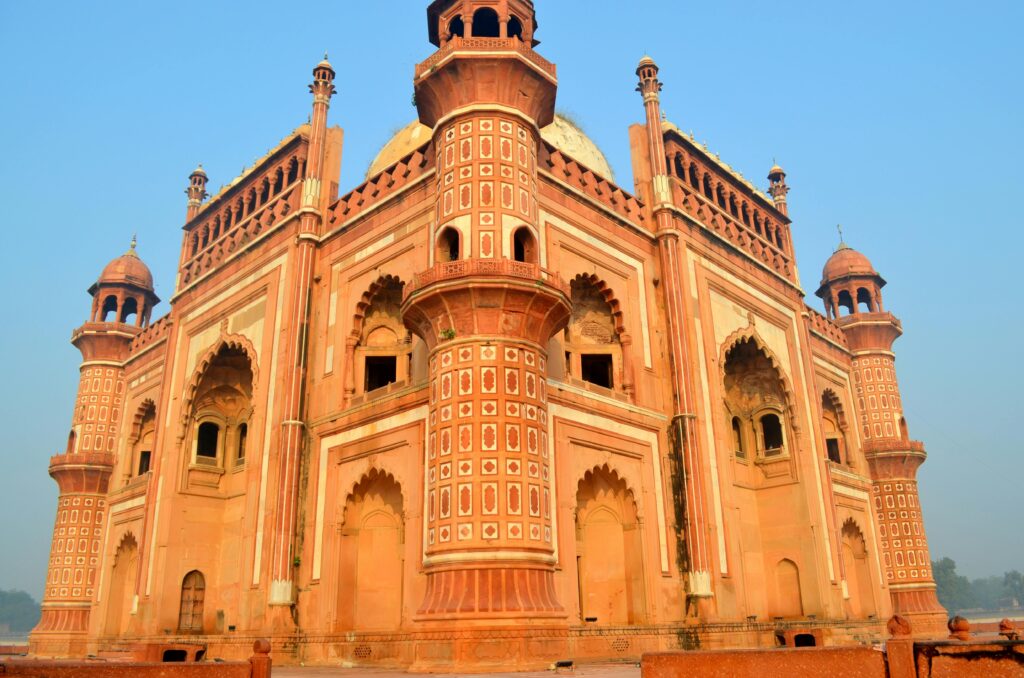
The golden age of Lucknow truly began with the Nawabs of Awadh, particularly during the 18th and 19th centuries. These rulers were not just administrators but patrons of art, literature, music, and architecture. They transformed Lucknow into a cultural capital where poets, musicians, and artists flourished. The Nawabs’ refined taste and love for beauty are evident in every monument they commissioned, from the grand Bara Imambara to the exquisite Chota Imambara.
This era gave birth to the distinctive Awadhi culture—characterized by its sophisticated etiquette, refined language, sumptuous cuisine, and elaborate festivals. The architectural style developed during this period combined Persian, Mughal, and indigenous Indian elements, creating structures that are both aesthetically pleasing and technically remarkable.
British Colonial Legacy
The British annexation of Awadh in 1856 marked a turning point in Lucknow’s history. The subsequent Siege of Lucknow during the Indian Rebellion of 1857 left deep scars on the city but also added another layer to its historical narrative. The British Residency, with its battle-scarred walls, stands as a powerful reminder of this turbulent period. Colonial architecture from this era, including churches and government buildings, coexists with Nawabi structures, creating a fascinating architectural tapestry.
What Makes a Historical Tour Package Special?
Curated Experiences vs. Independent Travel
While independent travel has its charms, a well-designed historical tour package offers something different—a thoughtfully curated experience that connects the dots between various historical sites. Instead of wandering randomly, you follow a narrative thread that helps you understand how different events, personalities, and architectural styles relate to one another.
Tour packages eliminate the stress of planning logistics, finding reliable guides, and navigating unfamiliar streets. They allow you to focus entirely on absorbing the history and culture around you.
Expert Guides Bringing History to Life
The difference between seeing a monument and truly understanding it often comes down to having a knowledgeable guide. Historical tour packages typically include expert local guides who don’t just recite facts but bring history to life with anecdotes, legends, and contextual information. They can explain the symbolism in architectural details, share stories about the people who lived in these places, and answer your questions with depth and nuance.
Key Historical Attractions Included in the Tour Package
Bara Imambara – The Architectural Marvel
No historical tour of Lucknow is complete without visiting the Bara Imambara, built by Nawab Asaf-ud-Daula in 1784. This architectural wonder is famous for its central hall, one of the largest arched constructions without support beams. The structure was built during a famine as a relief project, providing employment to thousands.
The Bara Imambara complex includes the fascinating Bhul Bhulaiya, a labyrinth of narrow passageways on the upper floor that’s both mysterious and entertaining. Getting lost in these passages is part of the fun, though having a guide ensures you eventually find your way out! The complex also houses the Asfi Mosque and a stepwell, all showcasing exceptional architectural craftsmanship.
Chota Imambara – The Palace of Lights
Built by Nawab Muhammad Ali Shah in 1838, the Chota Imambara is another gem of Nawabi architecture. Also known as the Hussainabad Imambara, this monument is particularly spectacular during special occasions when it’s illuminated with thousands of lights—hence its nickname, the “Palace of Lights.”
The interiors feature ornate chandeliers, intricate Arabic calligraphy, and beautiful decorative elements. The peaceful atmosphere makes it a perfect place for reflection, while the stunning architecture provides endless opportunities for photography enthusiasts.
Rumi Darwaza – The Gateway to History
Standing tall at 60 feet, the Rumi Darwaza is an imposing gateway that has become one of Lucknow’s most recognizable symbols. Built in 1784 by Nawab Asaf-ud-Daula, this structure was modeled after the Sublime Porte (Bab-i Hümayun) in Istanbul. It serves as an excellent example of Awadhi architecture and marks the entrance to the old city.
The ornamental gateway features intricate floral designs and is particularly beautiful when lit up at night. It’s not just an architectural monument but a symbol of the sophistication and cosmopolitan outlook of the Nawabs.
British Residency – Echoes of the 1857 Revolt
For a different perspective on Lucknow’s history, the British Residency offers a poignant glimpse into the colonial era and the First War of Indian Independence. The ruins of this complex still bear bullet marks and cannonball damage from the Siege of Lucknow in 1857.
Walking through these ruins is an emotional experience. The preserved cemetery, the model room depicting the siege, and the informational plaques help visitors understand this critical chapter in India’s struggle for independence. It’s a stark contrast to the opulent Nawabi monuments and provides important historical context.
Hazratganj – A Blend of Past and Present
While primarily a modern shopping district, Hazratganj retains elements of colonial-era architecture and serves as a living example of how Lucknow has evolved. This bustling area was developed during the British period and features wide roads, old bookshops, and heritage buildings alongside contemporary stores and cafes. It’s the perfect place to experience how Lucknow honors its past while embracing the present.
Exploring Lucknow’s Culinary Heritage
The Famous Tunday Kababi
Lucknow’s history isn’t confined to monuments—it’s also deliciously preserved in its cuisine. No historical tour of Lucknow is complete without sampling the legendary kebabs from Tunday Kababi, an establishment that dates back to 1905. The galouti kebabs here are so tender they literally melt in your mouth, made from a secret recipe containing over 160 spices.
The story goes that these kebabs were originally created for a toothless Nawab who still wanted to enjoy meat dishes. Whether that tale is entirely true or not, the kebabs are certainly an authentic taste of Lucknow’s culinary history.
Traditional Awadhi Cuisine Experiences
Beyond kebabs, Awadhi cuisine offers a rich array of dishes that reflect the refinement of Nawabi culture. From aromatic biryanis cooked using the dum method to creamy kormas, from delicate roomali rotis to sweet delicacies like shahi tukda and malai gilori—every dish tells a story of culinary evolution and cultural exchange.
Many tour packages include dining experiences at heritage restaurants or traditional Awadhi meals, allowing you to taste history quite literally. The slow-cooking techniques, the careful blending of spices, and the elegant presentation all reflect the sophistication that characterized Nawabi court life.
Art, Literature, and Music of Old Lucknow
The Legacy of Urdu Poetry
Lucknow has been a major center for Urdu literature and poetry. The city produced legendary poets like Mir Taqi Mir and later became home to mushairas (poetry gatherings) that attracted the finest literary talents. The elegant Urdu spoken in Lucknow, with its refined vocabulary and courteous expressions, is considered the standard form of the language.
Some tour packages include visits to cultural centers or opportunities to attend poetry recitals, giving visitors insight into this rich literary tradition.
Classical Music Traditions
The Nawabs were great patrons of classical music, particularly the Kathak dance form and Hindustani classical music. The gharanas (schools) of music that developed in Lucknow have influenced Indian classical music for generations. While on your historical tour, you might have the opportunity to witness Kathak performances or listen to classical music that continues traditions established centuries ago.
What’s Typically Included in a Lucknow Historical Tour Package?
Accommodation Options
Most tour packages offer a range of accommodation options to suit different budgets and preferences. You might stay in heritage hotels that were once palaces or havelis, providing an immersive historical experience. Alternatively, comfortable modern hotels with easy access to historical sites are available for those who prefer contemporary amenities while exploring the past.
Transportation and Logistics
A good tour package handles all transportation needs—from airport or railway station pickups to comfortable vehicles for traveling between attractions. This eliminates the stress of navigating unfamiliar roads or haggling with auto-rickshaw drivers, allowing you to relax and focus on experiencing the city.
Guided Tours and Entry Fees
Comprehensive packages include professional guides, entry fees to monuments, and sometimes even special access or experiences not available to general visitors. Some packages also include cultural performances, culinary tours, or craft workshops where you can learn traditional arts like chikankari embroidery.
Best Time to Visit Lucknow for Historical Tours
Timing can significantly impact your experience of Lucknow. The best period for historical tours is between October and March when the weather is pleasant and conducive to outdoor exploration. Summers (April to June) can be extremely hot, making it uncomfortable to spend hours visiting monuments.
Winter months are particularly lovely, with comfortable temperatures during the day and cool evenings. This is also when you’ll find the city at its festive best, with various cultural events and celebrations taking place.
The monsoon season (July to September) brings relief from the heat but can make traveling around slightly challenging due to occasional heavy rains. However, the monuments look particularly beautiful against monsoon skies, and you’ll encounter fewer crowds.
Tips for Making the Most of Your Lucknow Tour
Dress Appropriately for Heritage Sites
When visiting religious sites like the Imambaras, modest clothing is respectful and sometimes required. Comfortable walking shoes are essential as you’ll be covering considerable ground. Remember that some sites might require you to remove shoes, so wearing socks can be practical.
Photography Guidelines
While most monuments allow photography, some have restrictions on using flash or taking pictures of certain areas. Always check with your guide or site officials. Some locations charge a nominal fee for camera use. Respect these rules—they’re often in place to preserve delicate artwork or maintain the sanctity of religious spaces.
Engaging with Local Culture
Lucknow’s greatest treasure is its people and their legendary hospitality. Don’t hesitate to interact with locals, sample street food (from hygienic vendors), and explore markets. Learning a few basic Urdu phrases will be appreciated and can enhance your experience. Remember that the famous “pehle aap” (you first) courtesy is still practiced in Lucknow—embrace this gracious culture!
Customizing Your Lucknow Tour Package
While pre-designed packages offer convenience, many tour operators allow customization based on your interests. Are you particularly interested in architecture? Your guide can spend more time explaining structural details and design elements. Fascinated by the 1857 revolt? Additional time at the British Residency and other related sites can be arranged.
Food enthusiasts can request culinary-focused itineraries with visits to traditional markets, cooking demonstrations, or meals at multiple heritage establishments. Photography buffs might want schedules that allow for optimal lighting at monuments. Don’t hesitate to communicate your preferences when booking—a good tour operator will accommodate reasonable requests.
Budget Considerations for Lucknow Historical Tours
Lucknow offers excellent value for money compared to many other tourist destinations. Tour packages can range from budget-friendly options covering essential attractions to luxury experiences with heritage accommodations and exclusive experiences.
Budget packages (typically ranging from ₹3,000-₹5,000 per person per day) usually include basic accommodation, transportation, guided tours, and entry fees. Mid-range packages (₹5,000-₹10,000 per person per day) offer better hotels, more comprehensive itineraries, and meals at quality restaurants. Luxury packages (₹10,000+ per person per day) feature heritage hotels, private guides, exclusive experiences, and fine dining.
Remember that the experience matters more than the price tag. Even budget packages in Lucknow can offer rich, memorable experiences because the city’s history is accessible and well-preserved.
Safety and Travel Tips
Lucknow is generally a safe city for tourists, but standard travel precautions apply. Keep valuables secure, be cautious in crowded areas, and use reputable transportation services. When part of an organized tour, safety is largely managed for you.
Stay hydrated, especially during warmer months, and be mindful of food hygiene. While Lucknow’s street food is legendary and delicious, start slowly if your stomach isn’t accustomed to Indian spices and oil. Your tour guide can recommend safe, hygienic places to eat.
Always carry identification, keep emergency numbers handy, and inform your tour operator or hotel about your plans if you venture out independently. Most importantly, approach your journey with an open mind and heart—Lucknow rewards curious, respectful travelers with unforgettable experiences.
Conclusion
A historical tour of Lucknow isn’t just a vacation—it’s a journey through time that enriches your understanding of India’s cultural tapestry. From the architectural brilliance of the Imambaras to the poignant ruins of the British Residency, from melt-in-your-mouth kebabs to soul-stirring Urdu poetry, Lucknow offers layers of experiences that reveal themselves gradually.
Choosing a well-designed tour package ensures you don’t miss the hidden gems while covering all the essential landmarks. It provides context, convenience, and cultural insights that transform sightseeing into genuine understanding. Whether you’re wandering through the bewildering passages of the Bhul Bhulaiya, gazing at the elegant Rumi Darwaza, or savoring traditional Awadhi cuisine, every moment in Lucknow connects you to a rich heritage that continues to thrive.
So why wait? Pack your curiosity along with your bags and embark on this fascinating journey. Lucknow’s past is waiting to share its secrets with you, and trust me, it has some truly captivating stories to tell.
FAQs
1. How many days are ideal for a comprehensive historical tour of Lucknow?
A comprehensive historical tour of Lucknow typically requires 2-3 days. This allows sufficient time to visit major monuments like Bara Imambara, Chota Imambara, Rumi Darwaza, and British Residency, while also experiencing the city’s culinary heritage and cultural attractions. If you want a more relaxed pace with time for shopping and additional sites, consider extending to 4 days.
2. Are Lucknow’s historical monuments accessible for elderly visitors or those with mobility challenges?
Most major monuments in Lucknow have reasonable accessibility, though some areas like the Bhul Bhulaiya at Bara Imambara involve stairs and may be challenging. Many tour operators offer customized itineraries for elderly visitors or those with mobility concerns, focusing on accessible areas and providing appropriate support. It’s best to discuss any specific requirements when booking your tour package.
3. Can vegetarians enjoy Lucknow’s famous cuisine, or is it mostly meat-based?
While Lucknow is famous for its meat dishes, especially kebabs and biryanis, the city offers excellent vegetarian Awadhi cuisine as well. Dishes like paneer pasanda, navratan korma, dum aloo, and various dal preparations showcase the same refined cooking techniques and aromatic spices. Many restaurants offer comprehensive vegetarian menus, and tour packages can accommodate dietary preferences
4. Is it safe for solo female travelers to join a Lucknow historical tour?
Yes, Lucknow is generally considered safe for solo female travelers, especially when traveling as part of an organized tour package. The city is known for its respectful culture and hospitality. However, standard safety precautions apply—dress modestly, avoid isolated areas after dark, and use reputable transportation. Group tours provide additional security and companionship for solo travelers.
5. What souvenirs or local crafts should I look for in Lucknow?
Lucknow is famous for chikankari (intricate white embroidery on fabric), which makes beautiful clothing and home décor items. Other authentic souvenirs include ittar (traditional perfumes), zardozi work (metallic embroidery), pottery, and traditional jewelry. Markets like Hazratganj, Aminabad, and Chowk are excellent shopping destinations. Many tour packages include visits to authentic craft centers where you can purchase directly from artisans, ensuring quality and fair prices.