
Asthi Visarjan in Prayagraj Process Cost & Location , Death is not the end in Hindu philosophy—it’s a transition. And Asthi Visarjan, the immersion of cremated remains, is one of the most significant rituals that helps the departed soul on its spiritual journey. If you’ve lost a loved one and are considering performing this sacred ceremony, you’ve probably heard that Prayagraj is among the holiest places to do so.
But what exactly is Asthi Visarjan? In simple terms, it’s the ceremonial immersion of ashes (asthi) in holy waters, preferably at sacred confluences like Triveni Sangam in Prayagraj. This ritual is believed to liberate the soul from the cycle of rebirth and grant it eternal peace. It’s a final act of love and respect that brings closure to the family while ensuring spiritual well-being for the departed.
Understanding the process, knowing the costs involved, and finding the right location can make this emotional journey smoother. Let’s walk through everything you need to know about performing Asthi Visarjan in the sacred city of Prayagraj.
Why Prayagraj is Sacred for Asthi Visarjan
Why do millions of families choose Prayagraj for this ritual? The answer lies in the extraordinary spiritual power of Triveni Sangam—the confluence of three holy rivers: Ganga, Yamuna, and the mythical Saraswati. Hindu scriptures declare that these waters possess the unique ability to wash away sins and grant moksha (liberation).
Asthi Visarjan in Prayagraj Process Cost & Location Ancient texts like the Puranas specifically mention Prayagraj as one of the four holiest places for performing last rites and immersing ashes. It’s believed that when ashes are immersed at the Sangam, the departed soul is immediately freed from earthly attachments and reaches higher spiritual realms.
Lord Brahma himself is said to have performed the first-ever yagna (sacred ritual) at this very spot, making it eternally blessed. The spiritual vibrations here are so powerful that even a simple visit is considered purifying—imagine the merit of performing Asthi Visarjan at such a sacred location!
Understanding the Asthi Visarjan Ritual
Let’s dig deeper into what this ritual actually means. In Hindu tradition, the physical body is considered temporary, while the soul is eternal. Cremation releases the soul from the physical form, and the immersion of ashes symbolizes the final return to the elements—particularly water, which represents life and purification.
Asthi Visarjan in Prayagraj Process Cost & Location ,Asthi Visarjan isn’t just about disposing of remains; it’s a spiritual act that helps the departed soul move forward. The flowing waters of holy rivers are believed to carry the essence of the deceased toward spiritual liberation. Family members performing this ritual also find emotional closure, knowing they’ve fulfilled their sacred duty.
The ritual connects us to an ancient tradition that’s been practiced for thousands of years. It reminds us of our impermanence while affirming our faith in something greater than ourselves. Isn’t there something profoundly comforting about that?
Best Locations for Asthi Visarjan in Prayagraj
Triveni Sangam
Without a doubt, Triveni Sangam is the most revered location for Asthi Visarjan in Prayagraj. This is where the three sacred rivers meet, creating a powerful spiritual vortex. The exact confluence point, visible from boats, is where most families choose to perform the immersion.
You can reach the Sangam by boat from various ghats. The boat ride itself is peaceful, giving you time to prepare mentally and emotionally for the ceremony. Many priests are available at the boat launching points who can accompany you and guide you through the ritual.
Sangam Ghats
If you prefer performing the ritual from the shore, several ghats along the Sangam are equally sacred. Saraswati Ghat, Bharadwaj Ghat, and Dashashwamedh Ghat are popular choices. These ghats have steps leading into the water, making it easier for families to perform the ceremony together.
During major festivals like Kumbh Mela or Makar Sankranti, these ghats see thousands of pilgrims. While the atmosphere is spiritually charged during these times, it can also be crowded. Plan accordingly based on your preference for privacy or community participation.
Other Sacred Spots
While Triveni Sangam is the primary location, Prayagraj offers other sacred spots for those who might face accessibility issues. The banks of Ganga and Yamuna at various points within the city are also considered holy. Some families also visit the Akshayvat (immortal banyan tree) inside Allahabad Fort for prayers after the immersion.
Step-by-Step Process of Asthi Visarjan
Pre-Ritual Preparations
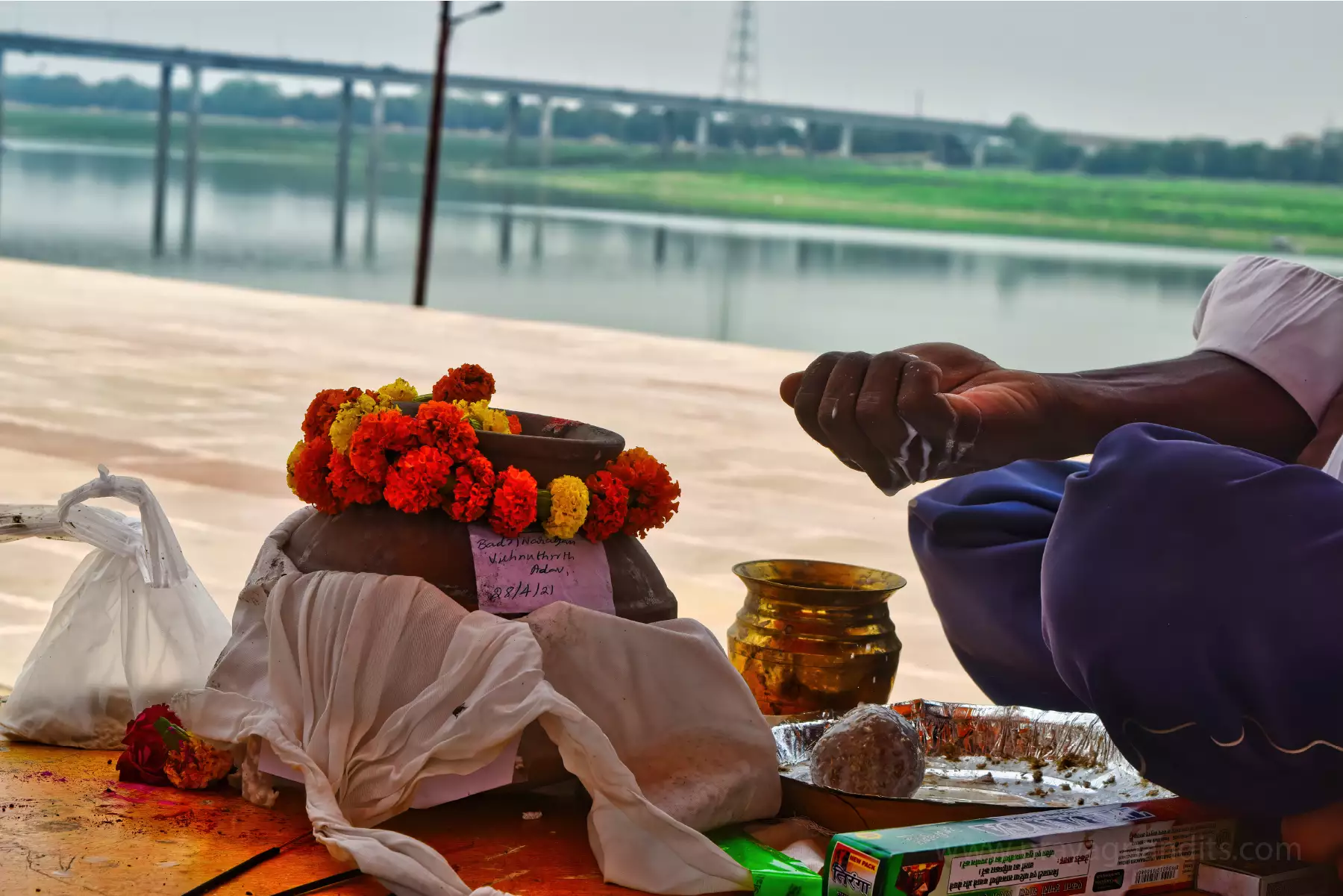
Preparation begins even before you reach Prayagraj. First, ensure you have the ashes properly stored in a clean, preferably copper or earthen pot. Traditional practice suggests using a white cloth to cover the container.
Mentally and spiritually prepare yourself by maintaining purity—many families observe a simple vegetarian diet and avoid intoxicants for a few days before the ceremony. Inform your family members about the date and gather everyone who wishes to participate.
When packing for the trip, bring fresh clothes for changing after the ritual, flowers, incense, and if possible, sesame seeds and rice for offerings. Don’t worry if you forget something—vendors near all ghats sell puja materials.
The Immersion Ceremony
On the day of Asthi Visarjan, start early morning if possible. The serene atmosphere and the rising sun add to the spiritual ambiance. Once you reach your chosen location, you’ll typically engage a priest who will guide you through the proper rituals.
The ceremony usually begins with prayers invoking the rivers and seeking blessings for the departed soul. The priest will chant specific mantras from the Vedas designed for this purpose. Family members then take turns holding the container and offering prayers.
The actual immersion involves wading into the water to a comfortable depth or doing it from a boat. While reciting prayers, slowly release the ashes into the flowing water. Watch as they dissolve and merge with the river—it’s a poignant moment that often brings tears and healing simultaneously.
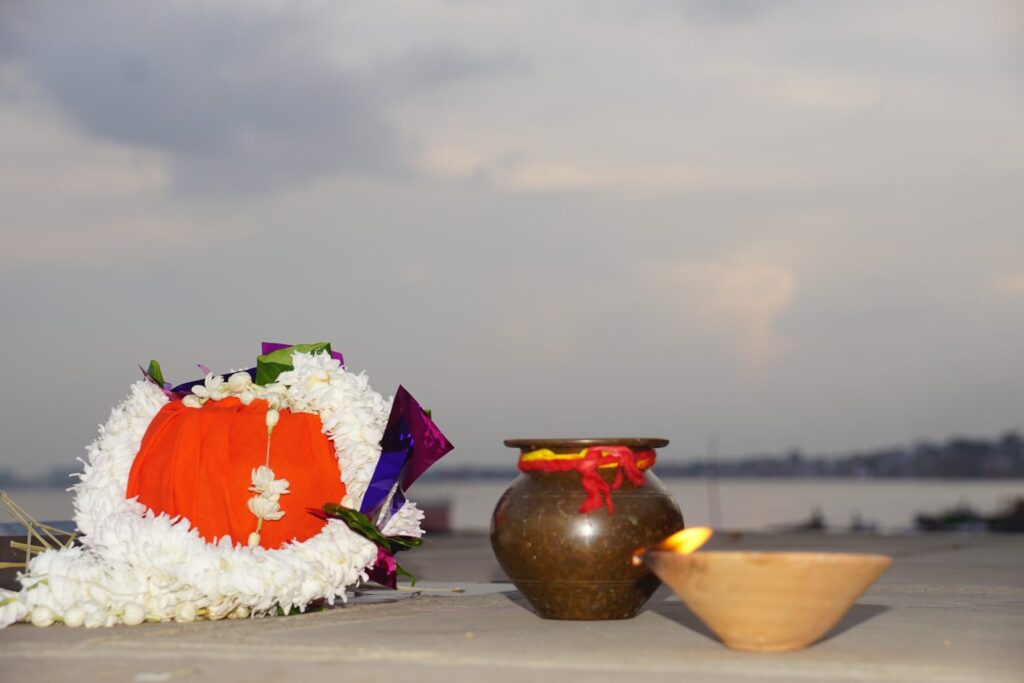
After the immersion, offer flowers, float earthen lamps if it’s evening, and say your final goodbyes. Many families find speaking directly to their loved one’s spirit brings comfort—there’s no right or wrong way to express your feelings during this deeply personal moment.
Post-Visarjan Rituals
Once the ashes are immersed, it’s customary to perform additional rituals. Taking a holy dip yourself in the same waters is considered purifying for the living family members. Change into fresh clothes after bathing.
Pind Daan is often performed after Asthi Visarjan. This involves offering rice balls to ancestors and seeking their blessings. The priest will guide you through this ceremony, which typically takes 30-45 minutes.
Many families also choose to donate to the poor, feed Brahmins, or contribute to temples as an act of charity in the name of the departed. These acts of kindness are believed to generate spiritual merit that benefits the deceased soul.
Cost of Asthi Visarjan in Prayagraj
Priest Charges (Dakshina)
Let’s talk numbers, because understanding costs helps you plan better. Priest charges can vary significantly based on the complexity of rituals you choose. For a basic Asthi Visarjan ceremony with essential mantras and prayers, expect to pay anywhere between ₹1,100 to ₹3,100.
If you want a more elaborate ceremony including Pind Daan and extended rituals, costs can range from ₹5,100 to ₹11,000. During special occasions like Kumbh Mela or on particularly auspicious days, prices may be slightly higher due to increased demand.
Remember, these are dakshina (offerings) rather than fixed fees. While priests may suggest an amount, you’re free to give what you feel is appropriate based on your financial capacity and the service provided. Genuine priests won’t pressure you or demand specific amounts.
Puja Materials and Offerings
Beyond the priest’s dakshina, you’ll need to purchase puja materials. A basic puja kit including flowers, incense, kumkum, sandalwood paste, rice, sesame seeds, and earthen lamps typically costs ₹200 to ₹500. Many ghats have vendors selling pre-assembled kits at reasonable prices.
If you’re performing Pind Daan, you’ll need additional items like rice flour, black sesame seeds, milk, and honey. These materials cost approximately ₹300 to ₹700 depending on quality and quantity.
Fresh flower garlands for offering range from ₹50 to ₹200 each. Earthen lamps (diyas) are quite inexpensive at ₹5 to ₹10 per piece. If you plan to float lamps as a tribute, buying a dozen gives you enough for a beautiful ceremony.
Additional Expenses
Factor in transportation costs—boat rides to the Sangam typically cost ₹200 to ₹500 per person for a shared boat, or ₹1,500 to ₹3,000 for a private boat that can accommodate your family. The boat ride takes about 20-30 minutes each way.
If you’re traveling from outside Prayagraj, consider your travel expenses. Train tickets, flight fares, or road transportation need to be budgeted. Local transportation within Prayagraj via auto-rickshaws or taxis will cost approximately ₹200 to ₹500 per trip depending on distance.
Accommodation expenses vary widely—from ₹500 per night for basic dharamshalas to ₹3,000-₹10,000 for comfortable hotels. Most families stay for 1-2 nights to complete all rituals without rushing.
Donations and charity are discretionary but highly encouraged. Many families donate ₹500 to ₹5,000 or more to feed the poor, support temple activities, or help pilgrims. This is considered highly meritorious and honors the departed.
Total estimated cost for Asthi Visarjan in Prayagraj typically ranges from ₹5,000 to ₹25,000 depending on the scale of ceremonies and your personal choices.
When to Perform Asthi Visarjan
Timing matters in Hindu rituals. Traditionally, Asthi Visarjan should be performed as soon as possible after cremation—ideally within 3 to 10 days. However, practical circumstances often make immediate immersion difficult, so performing it when you can arrange the journey is perfectly acceptable.
Certain days are considered especially auspicious for this ritual. Amavasya (new moon day) is highly favorable, particularly Mahalaya Amavasya. Purnima (full moon day) is also propitious. Sankranti days, especially Makar Sankranti, carry special significance.
If possible, performing Asthi Visarjan during Kumbh Mela or Ardh Kumbh Mela multiplies the spiritual benefits manifold. The next Maha Kumbh in Prayagraj is in 2025—millions will gather during this time, making it an extraordinary period for such rituals.
Seasonal considerations matter too. The winter months from October to March offer pleasant weather, making the physical aspects of the ceremony more comfortable. Avoid peak summer when temperatures soar above 45°C.
How to Reach Asthi Visarjan Locations in Prayagraj
Getting to the sacred sites is straightforward. If you’re arriving by train, Prayagraj Junction is well-connected to all major Indian cities. From the railway station, Sangam is approximately 7-8 kilometers away, easily accessible by taxi or auto-rickshaw.
Prayagraj Airport has flights from Delhi, Mumbai, and other metros. The airport is about 12 kilometers from the city center and 15 kilometers from Sangam. Pre-paid taxis are available at the airport.
Once in Prayagraj, hire a local guide or ask your hotel to arrange transportation to the ghats. Most hotels catering to pilgrims have tie-ups with reliable priests and boatmen who can assist with the entire process.
For reaching Triveni Sangam, boats depart from several ghats including Saraswati Ghat, which is the main launching point. Your hotel or local guide can direct you to the nearest boat service. During festival times, special transportation arrangements including shuttle services operate from various points in the city.
Booking Priests and Pandas
Finding a trustworthy priest is crucial for a smooth ceremony. Pandas (hereditary priests) at Prayagraj have been serving pilgrims for generations. Many families have ancestral connections with specific panda families who maintain records of previous visits.
If you don’t have a family panda, you can find priests at the ghats. Look for priests recommended by your hotel or fellow pilgrims. Genuine priests will explain the process clearly, quote reasonable fees, and won’t pressure you into unnecessary elaborate rituals.
Some tips for choosing a priest: observe how they interact with other pilgrims, ask about their experience, and clarify all costs upfront. Good priests are patient, respectful, and focused on the spiritual aspects rather than purely commercial interests.
Many temples and organizations in Prayagraj also offer services for helping pilgrims arrange proper ceremonies. The Prayagraj administration has set up help desks during major festivals where you can get guidance.
Rules and Etiquette During Asthi Visarjan
Respect is paramount during this sacred ceremony. Dress modestly—men typically wear dhotis or simple cotton pants with kurtas, while women wear sarees or salwar kameez. White clothing is traditional for mourning rituals, though it’s not mandatory.
Maintain silence or speak softly during the ceremony. This is a solemn occasion, and loud conversations or laughter are inappropriate. Follow the priest’s instructions carefully and participate with full attention and devotion.
Don’t bring non-biodegradable materials to the river. The container holding the ashes should ideally be made of copper, brass, or earthen material that either dissolves or can be respectfully disposed of. Remove any plastic bags or synthetic coverings before immersion.
Photography during the actual immersion is generally discouraged as it can feel disrespectful to the departed and other pilgrims. However, taking a few respectful photos of the journey or the location for memory is acceptable if done discreetly.
Be patient if there are crowds. During auspicious days, many families perform these rituals simultaneously. Wait your turn graciously and help create a peaceful atmosphere for everyone.
Pind Daan After Asthi Visarjan
Pind Daan is an integral ritual often performed alongside or immediately after Asthi Visarjan. It involves offering rice balls (pindas) to ancestors, seeking their blessings and peace. This ritual has been practiced for thousands of years and is considered essential for the spiritual well-being of departed souls.
The ceremony requires specific materials: rice flour, black sesame seeds, milk, honey, and kusha grass. The priest prepares small balls from these ingredients while chanting mantras. Family members then offer these pindas to the ancestors, typically making offerings for three generations.
Pind Daan is best performed at Triveni Sangam or at specific ghats designated for this purpose. The entire ceremony takes about 45 minutes to an hour. It’s believed that performing Pind Daan properly satisfies the ancestors and ensures their souls don’t wander restlessly.
Accommodation Options for Pilgrims
Where you stay can significantly impact your experience. For budget-conscious pilgrims, numerous dharamshalas offer basic, clean accommodation for ₹300 to ₹800 per night. These are simple but sufficient, often located near temples and ghats.
Mid-range hotels in Civil Lines and other central areas provide better amenities with attached bathrooms, air conditioning, and meals. Expect to pay ₹1,500 to ₹3,500 per night for decent comfort.
Several heritage hotels and premium properties have opened in Prayagraj, offering luxury accommodation with modern facilities. These range from ₹5,000 to ₹15,000 per night and provide a comfortable retreat after emotionally taxing rituals.
During major festivals like Kumbh Mela, tent accommodations are set up offering various categories from basic to luxury. Booking well in advance is crucial during these peak periods.
Common Questions About Asthi Visarjan
Many families have questions and concerns when planning this ritual. Can women participate? Absolutely—all family members can and should participate if they wish. Some orthodox families may follow different traditions, but there’s no religious prohibition against women’s participation.
What if you can’t visit Prayagraj immediately after cremation? Don’t worry—while sooner is traditionally better, the ritual remains effective whenever you can perform it. The sincerity of your devotion matters more than perfect timing.
Can you immerse ashes of non-Hindus? Yes, many people from various faiths choose to immerse their loved ones’ ashes at Triveni Sangam, respecting the universal sanctity of this location.
Is it necessary to immerse all the ashes? Traditionally, yes, but some families keep a small portion for personal reasons or to immerse at multiple sacred sites. This is acceptable.
Environmental Considerations
While honoring traditions, we must also protect these sacred rivers. Use only biodegradable materials for your ceremony. Choose earthen pots, natural flowers, and cotton clothes. Avoid plastics, thermocol, or synthetic materials completely.
Don’t throw plastic bags, bottles, or wrappers into the river. Carry a bag to collect any waste and dispose of it properly in designated bins. The rivers are sacred but also fragile ecosystems that need our care.
Consider using minimal packaging for offerings. Traditional leaf plates and cups are eco-friendly alternatives to modern disposables. Several organizations now offer green puja kits—using these supports both tradition and environment.
Educate others in your group about keeping the ghats and rivers clean. Small conscious efforts by millions of pilgrims can make a huge difference. Remember, protecting these holy waters is also a form of devotion.
Conclusion
Performing Asthi Visarjan at Prayagraj’s sacred Triveni Sangam is a profound spiritual experience that brings closure, peace, and liberation. Understanding the process, locations, and costs helps you plan this important journey without unnecessary stress during an already emotional time.
From choosing the right location at Triveni Sangam to following proper rituals, from finding trustworthy priests to managing expenses sensibly—every aspect contributes to a meaningful ceremony. The sacred waters of Prayagraj have witnessed countless such rituals over millennia, each one a testament to humanity’s enduring faith in something beyond the material world.
Whether you’re fulfilling a loved one’s last wish, honoring tradition, or seeking spiritual solace for yourself, Asthi Visarjan in Prayagraj offers all of this and more. May your journey be peaceful, your ceremony be blessed, and may the departed soul find eternal liberation in the sacred confluence of these holy rivers.
FAQs
1. How long does the complete Asthi Visarjan ceremony take in Prayagraj?
The basic Asthi Visarjan ceremony typically takes 1-2 hours, including the boat ride to Sangam, prayers, and immersion. If you’re also performing Pind Daan and other extended rituals, plan for 3-4 hours. Starting early morning helps you complete everything peacefully before crowds increase. Most families complete their visit within a day, though some prefer staying 2-3 days to visit other sacred sites and temples in Prayagraj.
2. Can we perform Asthi Visarjan during the monsoon season?
While it’s possible, it’s not recommended due to safety concerns. During monsoon months (July-September), river levels rise significantly, currents become stronger, and accessing the Sangam by boat can be dangerous. Many boat services are suspended during heavy rains. If you must perform the ritual during this season, consult local authorities about safety conditions and consider doing it from the shore rather than venturing deep into the water.
3. Is it necessary to perform the ritual in the presence of a priest?
While having a priest ensures the ceremony follows traditional procedures and proper mantras are chanted, it’s not absolutely mandatory. If you know the prayers and rituals, you can perform a simple ceremony on your own. However, most families prefer engaging a priest for guidance, especially since this is typically a once-in-a-lifetime event for which they want to ensure everything is done correctly. Priests also provide emotional support during this difficult time.
4. What should we do with the container after immersing the ashes?
If you’re using an earthen or biodegradable pot, you can immerse it along with the ashes—it will naturally dissolve in the water. Copper or brass containers should be retrieved and can be donated to temples, given to priests, or kept as a memorial. Never leave non-biodegradable containers in the river. Many priests can guide you on the proper disposal of containers according to tradition.
5. Can Asthi Visarjan be performed for someone who died years ago?
Yes, absolutely. While ideally performed soon after cremation, Asthi Visarjan can be conducted months or even years later. Life circumstances, distance, or other factors might delay the ritual—this is completely acceptable. The spiritual significance remains intact regardless of when it’s performed. Some families also perform symbolic Asthi Visarjan or Pind Daan for ancestors whose actual ashes weren’t preserved, using sacred items as substitutes. The intention and devotion matter most.