
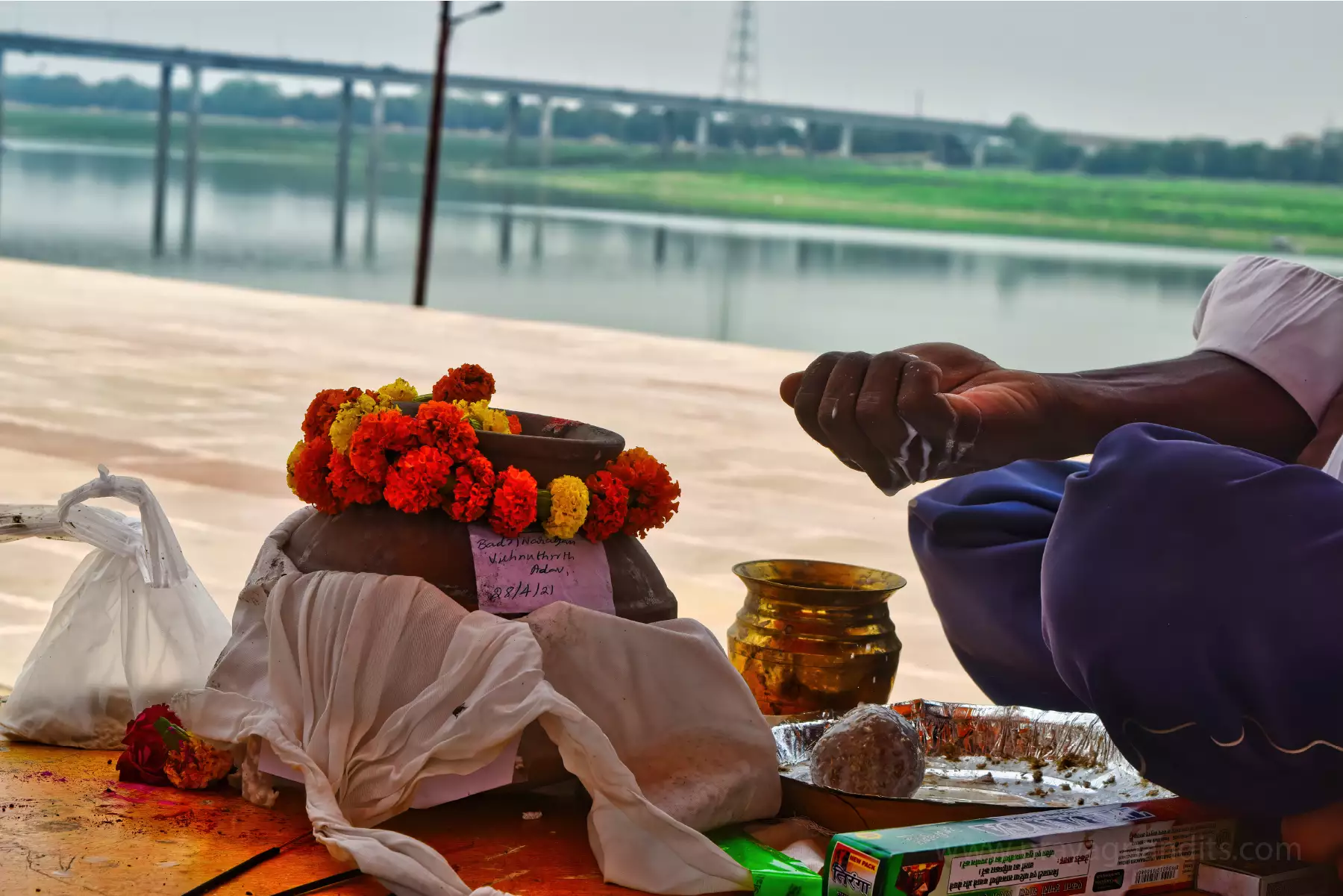
Asthi Visarjan in Varanasi Complete Process Cost & Ghat , Losing a loved one is one of life’s most profound experiences, and in Hindu tradition, the rituals that follow death are considered sacred duties that help the departed soul achieve peace. Asthi Visarjan—the immersion of cremated remains—holds special significance, particularly when performed in the holy city of Varanasi.
If you’re reading this, you might be planning to perform Asthi Visarjan for a departed family member or simply seeking to understand this ancient tradition. Either way, this comprehensive guide will walk you through everything you need to know about the process, costs, and the most auspicious ghats in Varanasi for this sacred ceremony.
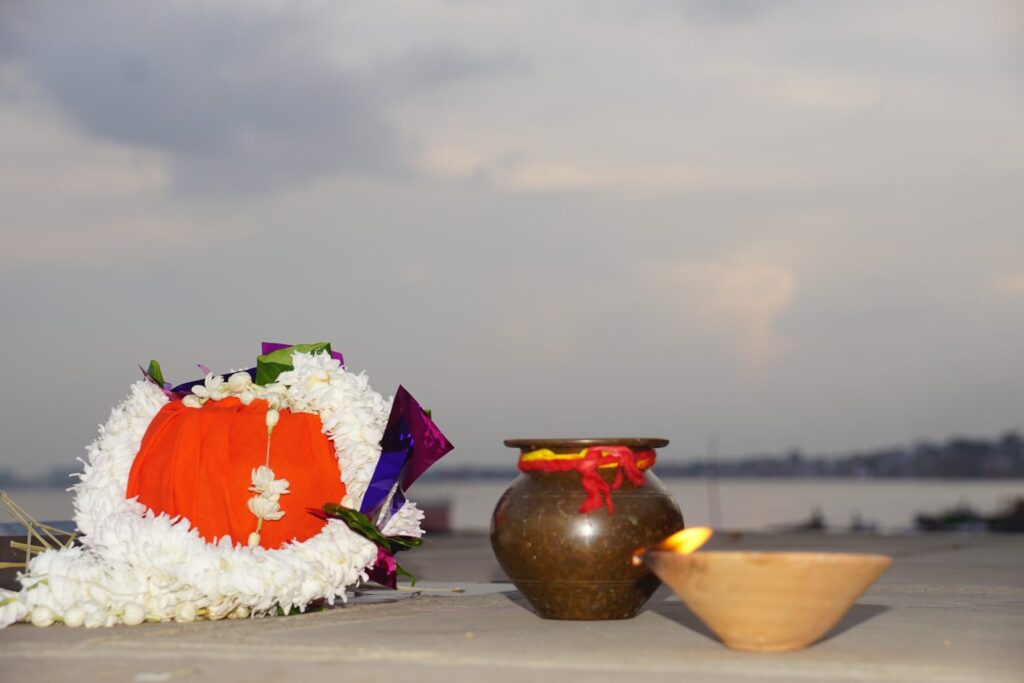
The Spiritual Significance of Asthi Visarjan in Varanasi
Why Varanasi is Chosen for Final Rites
Varanasi, also known as Kashi or Benares, is considered one of the seven sacred cities in Hinduism. It’s believed that Lord Shiva himself founded this city, making it eternally auspicious. The Ganges River flowing through Varanasi is thought to possess purifying properties that wash away sins accumulated over lifetimes.
Asthi Visarjan in Varanasi Complete Process Cost & Ghat ,Performing Asthi Visarjan here is considered highly meritorious. Families from across India and even abroad bring the ashes of their loved ones to immerse them in the sacred Ganges, believing this act ensures the soul’s peaceful transition.
The Belief in Moksha and Liberation
Asthi Visarjan in Varanasi Complete Process Cost & Ghat ,According to Hindu philosophy, the ultimate goal of human existence is moksha—liberation from the cycle of birth and death. Varanasi is said to be a gateway to moksha. When ashes are immersed in the Ganges here, accompanied by proper rituals and mantras, it’s believed the soul receives divine grace and moves closer to or achieves liberation.
Asthi Visarjan in Varanasi Complete Process Cost & Ghat ,This belief isn’t just superstition for millions of Hindus; it’s a deeply held faith that brings comfort during grief and provides a sense of completion to the mourning process.
Understanding Asthi Visarjan: What Does It Mean?
The Hindu Funeral Tradition
Hindu funeral customs are detailed and meaningful, with each step designed to honor the deceased and support their spiritual journey. After death, the body is typically cremated within 24 hours. The cremation can happen anywhere, but the subsequent immersion of ashes is where Varanasi becomes the preferred destination.
Difference Between Cremation and Asthi Visarjan
Cremation is the process of burning the physical body, which typically takes 3-4 hours at modern crematoriums or 5-6 hours in traditional pyres. After cremation, the ashes (asthi) and bone fragments are collected and stored temporarily.
Asthi Visarjan is the subsequent ritual where these collected remains are immersed in a holy river, preferably the Ganges in Varanasi. This usually happens on the 3rd, 4th, 10th, or 12th day after death, though it can be performed later if families need time to travel to Varanasi.
Best Ghats for Asthi Visarjan in Varanasi
Varanasi has over 80 ghats, but some are particularly significant for Asthi Visarjan. Let’s explore the most important ones.
Manikarnika Ghat
This is the most famous and oldest cremation ghat in Varanasi. It’s believed that people cremated here attain moksha directly. The ghat operates 24/7, with cremations happening continuously. The fire at Manikarnika Ghat is said to have been burning for thousands of years.
For Asthi Visarjan, Manikarnika is considered extremely auspicious. The atmosphere is intense and solemn, with the constant presence of funeral pyres reminding visitors of life’s impermanence.
Harishchandra Ghat
Named after the legendary King Harishchandra, who worked here as a cremation ground keeper, this is the second most important cremation ghat. It’s slightly less crowded than Manikarnika and offers a more peaceful environment while maintaining the same spiritual significance.
Many families prefer Harishchandra Ghat for Asthi Visarjan because it allows for more privacy and contemplation during the ceremony.
Assi Ghat
Located at the confluence of the Assi and Ganges rivers, this ghat is popular among pilgrims and tourists alike. While not primarily a cremation ghat, Assi Ghat is considered highly auspicious for Asthi Visarjan. The atmosphere is more serene and the surroundings are cleaner and more peaceful.
The ghat hosts evening Ganga Aarti, and many families combine the Asthi Visarjan with witnessing this beautiful ceremony.
Dashashwamedh Ghat
This is Varanasi’s main ghat and one of the oldest. The name means “the ghat of ten sacrificed horses,” referring to a mythological sacrifice performed by Lord Brahma. While famous for its evening Aarti ceremony, Dashashwamedh is also an appropriate location for Asthi Visarjan.
The advantage here is excellent accessibility and the presence of experienced priests who can guide you through the entire process.
Other Significant Ghats
Other ghats suitable for Asthi Visarjan include:
- Panchganga Ghat: Where five rivers are believed to meet
- Kedar Ghat: Associated with Lord Shiva
- Tulsi Ghat: Named after the saint-poet Tulsidas
- Raj Ghat: Known for its cleanliness and peaceful ambiance
Each ghat has its own unique character and spiritual significance, so you can choose based on personal preference or family tradition.
The Complete Asthi Visarjan Process
Understanding the process helps you prepare mentally and practically for this important ritual.
Preparation Before Arrival
Before traveling to Varanasi, ensure you have the cremated remains properly stored in a sealed container. Traditional families use earthen pots, while modern containers made of biodegradable materials are also acceptable.
Some families perform preliminary pujas at home before departing for Varanasi. Consult with your family priest about any specific customs relevant to your community.
Rituals Performed at the Ghat
Puja and Mantras
Upon reaching the chosen ghat, you’ll need to engage a pandit (priest) who will guide the ceremony. The ritual typically includes:
- Sankalp: A formal declaration of intention, where family members state their names, gotra (lineage), and the purpose of the ceremony
- Ganesh Puja: Invoking Lord Ganesha to remove obstacles
- Ganga Puja: Worshipping the river goddess
- Pind Daan: Offering rice balls to satisfy the departed soul
- Tarpan: Offering water to ancestors
- Specific mantras: Recited by the priest for the peace of the departed soul
Immersion of Ashes
After completing the pujas, the family proceeds to the riverbank. The chief mourner (usually the eldest son or closest male relative) enters the water waist-deep or performs the ritual from a boat. The ashes are then gradually released into the flowing waters while chanting mantras.
Some families prefer to scatter all the ashes at once, while others do it gradually. Both methods are acceptable according to religious texts.
Post-Visarjan Rituals
After the immersion, additional rituals may include:
- Taking a holy dip in the Ganges to purify oneself
- Offering flowers and diyas (oil lamps) to the river
- Feeding Brahmins and the poor (considered highly meritorious)
- Donating clothes, food, or money to the needy
- Visiting nearby temples, particularly the Kashi Vishwanath Temple
Step-by-Step Guide to Performing Asthi Visarjan
Let me break down the typical three-day process, though it can be compressed or extended based on your circumstances.
Day One: Arrival and Registration
Upon arriving in Varanasi, settle into your accommodation and rest from the journey. In the evening, visit the ghat where you plan to perform the ceremony. Speak with local priests to understand their fees and schedule. Some ghats require informal registration or booking, especially during peak seasons.
Use this day to purchase any required puja materials (samagri) from shops near the ghats. Most items cost between ₹200-500, depending on the completeness of the kit.
Day Two: The Main Ceremony
Wake up early, ideally before sunrise. Morning is considered the most auspicious time for such ceremonies. After bathing and wearing fresh clothes, proceed to the ghat with the ashes and family members.
The priest will guide you through the entire ritual, which typically takes 1.5 to 3 hours depending on the elaborateness. Follow the instructions carefully, and don’t hesitate to ask questions if you’re unsure about any step.
After the immersion, take time to sit by the river, reflect, and offer prayers. Many find this quiet moment of contemplation deeply healing.
Day Three: Final Prayers and Donation
The final day is typically reserved for additional prayers, temple visits, and charitable acts. Visit the Kashi Vishwanath Temple if you haven’t already. Many families also visit other significant temples like Sankat Mochan Hanuman Temple or Durga Temple.
Perform acts of charity such as feeding the poor, donating to temples, or giving clothes to those in need. These actions are believed to earn merit for the departed soul. Before leaving Varanasi, take one final bath in the Ganges as a closing ritual.
Cost of Asthi Visarjan in Varanasi 2025
Let’s talk numbers. The total cost can vary significantly based on how elaborate you want the ceremony to be.
Basic Asthi Visarjan Cost
A basic, no-frills Asthi Visarjan ceremony can cost as little as ₹2,000-3,000 ($24-36 USD). This includes minimal puja materials and a simple immersion without extensive rituals.
Pandit/Priest Fees
Priest fees are perhaps the most variable component. Expect to pay:
- Basic ceremony: ₹1,500-2,500 ($18-30 USD)
- Standard ceremony with all rituals: ₹3,000-5,000 ($36-60 USD)
- Elaborate ceremony with multiple priests: ₹7,000-15,000 ($84-180 USD)
The fee depends on the ghat, the duration of the ceremony, and the priest’s experience. Always negotiate respectfully and clarify what’s included before beginning.
Puja Materials and Offerings
Puja samagri (materials) includes items like flowers, incense, fruits, sweets, sacred thread, ghee, and wood for the havan (fire ritual). A complete kit costs:
- Basic kit: ₹300-500 ($3.60-6 USD)
- Standard kit: ₹800-1,500 ($10-18 USD)
- Premium kit with additional offerings: ₹2,000-3,000 ($24-36 USD)
You can purchase these from shops near the ghats or have the priest arrange them (often at a markup).
Boat Charges
If you prefer to perform the immersion from a boat rather than wading into the water, expect to pay:
- Shared boat: ₹500-800 ($6-10 USD)
- Private boat: ₹1,000-2,000 ($12-24 USD)
Boat immersion is often preferred as it allows you to reach deeper waters where the current is stronger, ensuring the ashes disperse properly.
Additional Expenses
Other costs to factor in:
- Accommodation: ₹1,000-5,000 per night ($12-60 USD) depending on comfort level
- Meals: ₹500-1,500 per day ($6-18 USD)
- Transportation: ₹500-2,000 ($6-24 USD) for local travel
- Donations to the poor: ₹1,000-5,000 ($12-60 USD) as per your capacity
- Temple offerings: ₹500-2,000 ($6-24 USD)
- Photography/videography (if desired): ₹2,000-5,000 ($24-60 USD)
Total estimated cost: A complete Asthi Visarjan ceremony in Varanasi typically costs between ₹10,000-30,000 ($120-360 USD) for a family, excluding travel and accommodation.
How to Arrange Asthi Visarjan in Varanasi
You have several options for organizing the ceremony, each with its own advantages.
DIY Approach
If you’re familiar with the rituals or have family members who know the process, you can arrange everything yourself. This involves:
- Finding a suitable ghat
- Locating a priest directly at the ghat
- Purchasing puja materials
- Coordinating the timing and logistics
This approach is most economical but requires confidence and some knowledge of local customs and Hindi language.
Through Pandits and Priests
Many families prefer hiring a priest who handles all arrangements. Some priests offer complete packages that include:
- Picking you up from your hotel
- Providing all necessary materials
- Conducting the ceremony
- Arranging boat services if needed
- Guiding post-ceremony activities
This convenience comes at a premium, typically adding ₹2,000-5,000 ($24-60 USD) to the total cost.
Professional Service Providers
Several professional agencies in Varanasi specialize in arranging religious ceremonies for visitors. They offer comprehensive packages that include:
- Airport/railway station pickup and drop
- Accommodation booking
- Complete ceremony arrangement
- Multilingual assistance
- Photography and videography
- Temple visit coordination
These services are particularly helpful if you’re coming from abroad or unfamiliar with Varanasi. Packages typically range from ₹15,000-50,000 ($180-600 USD) depending on the inclusions and duration.
Reputable service providers include local tour operators and some temple trusts that offer these services. Always verify credentials and read reviews before committing.
Documents Required for Asthi Visarjan
While there aren’t extensive documentary requirements for performing Asthi Visarjan, it’s wise to carry:
- Death certificate: Though not always checked, it’s good to have
- Identity proof: Aadhaar card, passport, or driver’s license
- Proof of relationship: If you’re performing the ceremony on behalf of someone else
- Cremation certificate: If available from the crematorium
For NRIs (Non-Resident Indians) and foreign nationals:
- Valid passport
- Visa documents
- Proof of relationship to the deceased
Most ghats don’t formally check these documents, but they may be required if you’re booking through official channels or if any questions arise.
Best Time to Perform Asthi Visarjan
Timing matters both practically and spiritually.
Auspicious Days: According to Hindu calendar, certain days are considered particularly auspicious:
- Amavasya (new moon day)
- Ekadashi (11th day of the lunar fortnight)
- Poornima (full moon day)
- During Pitru Paksha (fortnight dedicated to ancestors, typically in September)
- Solar and lunar eclipses
- The 10th or 12th day after death
Best Season: October to March offers pleasant weather and is ideal for visiting Varanasi. The ghats are comfortable to access, and the river water levels are moderate.
Time of Day: Early morning (5:00-9:00 AM) is considered most auspicious. The ghats are less crowded, the atmosphere is serene, and the spiritual energy is believed to be strongest. However, ceremonies can be performed at any time.
Festivals to Consider: Performing Asthi Visarjan during Mahashivratri, Kartik Purnima, or other significant festivals is considered highly meritorious, though ghats will be extremely crowded.
Accommodation Options Near Major Ghats
Staying close to the ghats makes the process much more convenient.
Budget Options (₹500-1,500 per night):
- Guesthouses in the lanes near Dashashwamedh and Assi Ghats
- Dharamshalas (pilgrim rest houses)
- Basic hotels in Godowlia area
Mid-Range Options (₹2,000-5,000 per night):
- Heritage hotels in the old city
- Modern hotels near Cantonment area
- River-facing properties with ghat access
Luxury Options (₹5,000-15,000+ per night):
- Palace hotels with Ganges views
- Premium heritage properties
- International chain hotels in newer areas
Book in advance, especially during peak season (October-March) and major festivals. Properties with direct ghat access eliminate the need for transportation and provide spiritual ambiance.
Important Guidelines and Etiquette
Respecting local customs and traditions is essential when performing sacred rituals.
Dress Appropriately: Wear traditional, modest clothing. White is commonly worn by mourning families. Avoid bright colors and revealing clothes.
Photography Restrictions: Always ask permission before photographing cremation sites or ongoing ceremonies. Manikarnika and Harishchandra ghats have strict photography restrictions. Respect the privacy of grieving families.
Respect the Deceased: At cremation ghats, maintain a respectful demeanor. Avoid loud conversations, laughter, or behavior that could be considered insensitive.
Environmental Consciousness: Use biodegradable containers for ashes. Avoid adding plastic flowers, synthetic materials, or non-biodegradable items to the river.
Handle Negotiations Diplomatically: Priests and service providers may quote inflated prices initially. Negotiate firmly but respectfully. Research typical costs beforehand.
Mind Your Belongings: The ghats can be crowded with aggressive touts. Keep valuables secure and be aware of your surroundings.
River Safety: The Ganges current can be strong, especially after monsoons. If entering the water, do so carefully and don’t venture too deep if you’re not a confident swimmer.
Common Mistakes to Avoid
Learning from others’ experiences can save you stress and money.
Arriving Unprepared: Not having a clear plan or understanding of the process can lead to confusion and being taken advantage of by touts. Research thoroughly or hire a reliable guide.
Trusting Random Touts: Aggressive touts at railway stations and ghats often overcharge or provide substandard services. Book through verified sources or your hotel.
Overpaying for Services: Without research, you might pay 2-3 times the actual cost. Know the standard rates before entering negotiations.
Skipping Post-Ceremony Rituals: The complete process includes charitable acts and temple visits that provide closure. Don’t rush away immediately after immersion.
Bringing Inappropriate Containers: Some modern containers don’t fully dissolve. Use traditional earthen pots or certified biodegradable urns.
Visiting During Extreme Weather: Monsoon and extreme summer make the experience uncomfortable and sometimes unsafe. Choose the season wisely.
Not Clarifying Inclusions: Always clarify exactly what services are included in quoted prices. Hidden charges are common.
Forgetting to Carry Cash: Many priests and service providers don’t accept digital payments. Carry sufficient cash in small denominations.
Conclusion
Performing Asthi Visarjan in Varanasi is a profound spiritual journey that brings closure and peace to grieving families. While the process might seem complex initially, understanding the steps, costs, and customs makes it manageable and meaningful.
Whether you choose the intense atmosphere of Manikarnika Ghat or the serene environment of Assi Ghat, the essence remains the same—honoring your loved one and helping their soul find peace. With costs ranging from ₹10,000-30,000 for a complete ceremony, this sacred ritual remains accessible to most families.
Remember, beyond the logistics and expenses, what truly matters is the intention and love with which you perform these final rites. Varanasi, with its timeless spirituality and sacred Ganges, provides the perfect setting for this ultimate act of devotion.
May your journey to Varanasi bring peace to both the departed soul and your family.
FAQs
1. How long does the Asthi Visarjan ceremony take in Varanasi?
The actual immersion ceremony typically takes 1.5 to 3 hours, depending on the elaborateness of the rituals. However, plan for a full day to include travel to the ghat, preparations, the ceremony itself, and post-ritual activities. Most families stay in Varanasi for 2-3 days to complete all associated rituals and temple visits comfortably.
2. Can women participate in the Asthi Visarjan ceremony?
Yes, women can and do participate in Asthi Visarjan. Traditional practices varied by community, with some restricting women’s direct participation, but modern interpretation of scriptures and changing social norms now welcome women’s involvement. Female family members can attend the ceremony, participate in prayers, and in many cases, even perform the immersion if they are the closest relative.
3. What if we couldn’t perform Asthi Visarjan within the traditional 10-13 day period?
Don’t worry—Hindu scriptures provide flexibility for genuine reasons. Many families perform Asthi Visarjan months or even years after death due to logistical constraints, health issues, or travel limitations. The important aspect is the sincerity of intention. Some families wait for particularly auspicious occasions like Kartik Purnima or during Pitru Paksha, which is perfectly acceptable.
4. Is it mandatory to hire a priest, or can we perform the ritual ourselves?
While not strictly mandatory, hiring a priest is highly recommended unless you’re thoroughly familiar with the rituals and Sanskrit mantras. The ceremony involves specific procedures and chants that are important for the spiritual effectiveness of the ritual. A knowledgeable priest ensures everything is done correctly and also provides the spiritual authority that makes the ceremony more meaningful. If budget is a concern, even a basic ceremony with a priest is better than attempting it entirely alone.
5. Can NRIs and foreigners perform Asthi Visarjan in Varanasi?
Absolutely. Varanasi welcomes people from all over the world to perform final rites. NRIs and foreign nationals of Hindu faith can perform Asthi Visarjan just like Indian citizens. Some additional considerations include ensuring ashes are transported legally according to airline regulations (usually allowed in carry-on luggage in sealed containers), carrying proper documentation, and possibly hiring service providers familiar with assisting international visitors to navigate language and cultural barriers more smoothly.




Comments are closed.