
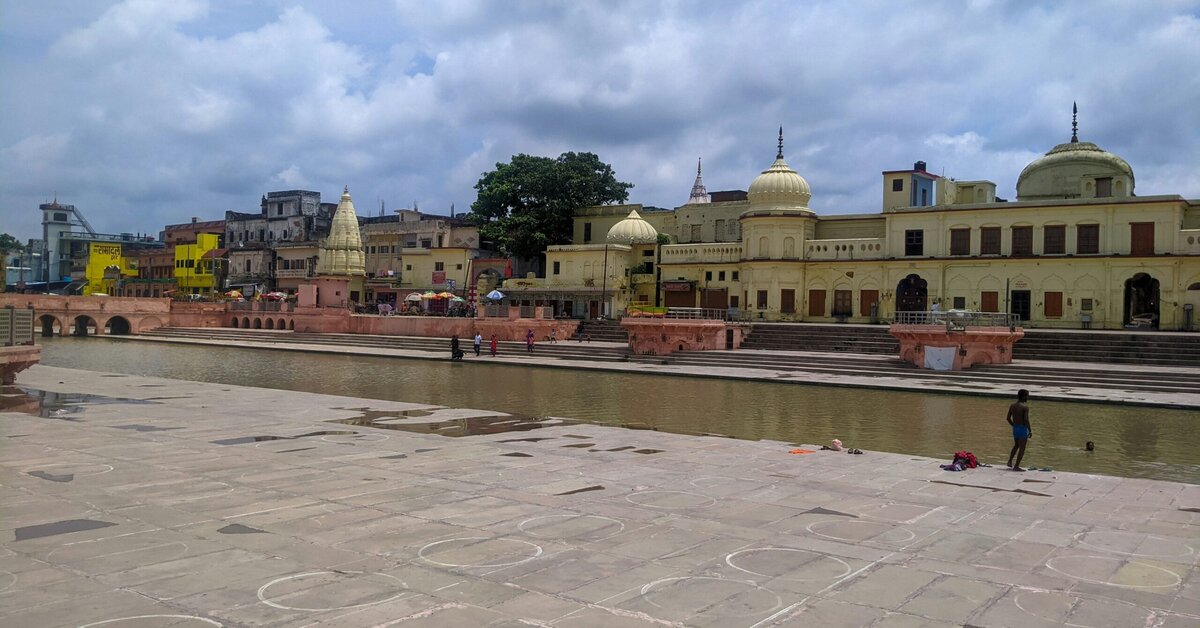
Ayodhya Evening Ram Ki Paidi Aarti Booking , Have you ever witnessed thousands of diyas floating on holy waters while devotional chants fill the air? The evening aarti at Ram Ki Paidi in Ayodhya is not just a religious ceremony—it’s a spiritual spectacle that touches your soul. As the sun dips below the horizon and the Sarayu River reflects the golden glow of countless lamps, you’ll understand why this ancient ritual has captivated hearts for generations. But here’s the thing: experiencing this divine moment requires proper planning and booking, especially during peak seasons.

What Makes Ram Ki Paidi Aarti Special?
Spiritual Significance
Ayodhya Evening Ram Ki Paidi Aarti Booking , Ram Ki Paidi, literally meaning “Lord Ram’s steps,” is the sacred bathing ghat on the banks of the Sarayu River where Lord Ram is believed to have taken his holy bath. The evening aarti performed here is a tribute to the river, to Lord Ram, and to the divine energy that permeates Ayodhya. This isn’t just a tourist attraction—it’s a living tradition that connects modern devotees with ancient spirituality.
The Enchanting Atmosphere
Ayodhya Evening Ram Ki Paidi Aarti Booking , Picture this: priests dressed in saffron robes standing in perfect formation, massive brass lamps with multiple wicks creating mesmerizing patterns in the air, devotional songs echoing across the river, and thousands of devotees swaying in collective prayer. The atmosphere becomes electric with devotion, and even first-time visitors report feeling an inexplicable sense of peace and connection. It’s like watching the entire universe pause to offer gratitude.
Understanding the Aarti Ceremony
Timing and Duration
The Ram Ki Paidi aarti typically begins around sunset, which varies seasonally. During winter months (October-March), the aarti usually starts between 6:00-6:30 PM, while in summer (April-September), it begins around 7:00-7:30 PM. The entire ceremony lasts approximately 45 minutes to an hour, but arriving early is essential for good viewing positions and to soak in the pre-aarti atmosphere.
The Ritual Process
The aarti follows a structured sequence that has been performed for years. It begins with the chanting of mantras and hymns dedicated to the Sarayu River and Lord Ram. Priests perform synchronized movements with the massive aarti lamps, creating stunning visual patterns against the darkening sky. The ceremony includes offerings of flowers, incense, and fire to the river, symbolizing gratitude and purification. The grand finale features the floating of diyas on the river—a sight so beautiful it often brings tears to devotees’ eyes.
Why Book in Advance for Ram Ki Paidi Aarti?
Guaranteed Entry and Better Viewing
Ram Ki Paidi attracts massive crowds, especially during festivals, weekends, and the peak tourist season. Without advance booking, you might find yourself watching from a distance where the experience loses its intimacy and impact. Booking ensures you actually get entry to the designated viewing areas and aren’t left struggling to see over countless heads.
VIP Seating Options
Premium bookings offer VIP seating sections that provide unobstructed views of the aarti. These areas are closer to the action, allowing you to truly feel the energy of the ceremony. For photographers and videographers, these premium spots are invaluable—you’ll capture stunning shots without the chaos of general crowds. Some packages even include prasad and special darshan opportunities.
How to Book Your Ram Ki Paidi Aarti Experience
Online Booking Platforms
The digital age has made booking incredibly convenient. The official Ayodhya tourism website and various travel platforms offer online booking for Ram Ki Paidi aarti. Simply visit the website, select your preferred date, choose your ticket category, and complete the payment. You’ll receive a confirmation email with a QR code or booking reference number that serves as your entry pass.
Popular booking platforms include the UP Tourism official portal, MakeMyTrip, Yatra, and dedicated Ayodhya pilgrimage websites. These platforms often bundle aarti bookings with accommodation and transportation packages, making trip planning seamless.
Offline Booking Options
Prefer the traditional route? You can book tickets at the Ayodhya Tourist Information Center located near major temples. Local travel agencies throughout Ayodhya also facilitate bookings. Hotels in Ayodhya often have tie-ups with aarti organizers and can arrange bookings for their guests. This personal touch sometimes comes with helpful local insights about the best viewing spots.
What’s Included in the Booking
Standard bookings typically include entry to the designated viewing area, a seated or standing spot depending on the category, and sometimes a complimentary prasad packet. Premium packages may include priority entry, reserved seating with cushions, prasad, a small pooja kit, and occasionally refreshments. Always check what’s included before booking to avoid surprises.
Different Ticket Categories and Pricing
Ticket categories usually range from general admission (₹50-₹100 per person) to premium VIP sections (₹300-₹500 per person). Special packages for groups or families are often available at discounted rates. During major festivals like Ram Navami or Diwali, prices may increase, and VIP sections sell out weeks in advance. Children below a certain age (usually 5 years) often get free entry, though they still need to be registered.
Best Time to Experience the Aarti
While the aarti happens daily throughout the year, certain times offer extraordinary experiences. Ram Navami celebrations transform the aarti into a grand festival with elaborate decorations and special rituals. Kartik Purnima (October-November) sees the ghat illuminated with lakhs of diyas, creating an unforgettable spectacle. Winter months offer pleasant weather for the outdoor ceremony, while monsoons bring a different charm with the swollen Sarayu adding dramatic beauty.
What to Expect During Your Visit
Arrival and Entry Process
Arrive at least 45-60 minutes before the aarti begins. This gives you time to navigate security checks, locate your designated section, and settle in. Security is tight—bags are checked, and prohibited items are not allowed inside. Carry your booking confirmation (printed or on your phone), a valid ID, and minimal belongings. The entry gates close once the aarti begins, so punctuality is crucial.
Photography and Videography Rules
Personal photography is generally allowed and encouraged, but flash photography during the aarti may be restricted as it disturbs the ceremony. Video recording for personal use is permitted, but commercial filming requires special permission. Drones are strictly prohibited for security reasons. Respect the sanctity of the ceremony—sometimes the best memories are captured in your heart, not on camera.
Tips for an Unforgettable Aarti Experience
Dress modestly and comfortably—you’ll be sitting for extended periods. Wear shoes that are easy to remove as you may need to go barefoot in certain areas. Carry a small mat or cloth to sit on if you’re in general seating. Stay hydrated but avoid drinking too much water beforehand as restroom facilities are limited during the ceremony. Most importantly, approach the experience with reverence and an open heart. Participate in the chanting, watch the rituals mindfully, and allow yourself to be fully present in the moment.
Keep your phone on silent mode and minimize distractions. The aarti is a time for spiritual connection, not social media updates. Those can wait until after this divine experience concludes.
Conclusion
Booking the Ram Ki Paidi evening aarti in Ayodhya is your gateway to one of India’s most mesmerizing spiritual experiences. The combination of ancient rituals, natural beauty, and collective devotion creates moments that transcend ordinary tourism. Whether you’re a devout pilgrim seeking blessings or a traveler searching for authentic cultural experiences, the aarti at Ram Ki Paidi delivers on every level. With proper booking and planning, you ensure that technical hassles don’t interfere with your spiritual journey. So go ahead—book your spot, arrive with an open heart, and prepare to witness devotion in its purest, most beautiful form.
FAQs
1. Can I book Ram Ki Paidi aarti tickets on the same day?
While same-day bookings are sometimes available through on-site counters, availability is not guaranteed, especially during weekends and festivals. It’s highly recommended to book at least 2-3 days in advance, and during peak seasons like Ram Navami or Diwali, book several weeks ahead to secure good viewing spots.
2. Is there a dress code for attending the aarti?
There’s no strict dress code, but modest, respectful clothing is expected. Avoid shorts, sleeveless tops, and revealing outfits. Traditional Indian wear or conservative western clothing works well. Since you may need to sit on the ground, comfortable clothing is advisable. Remember, this is a sacred religious ceremony.
3. Are there facilities for elderly and differently-abled visitors?
Yes, Ram Ki Paidi has designated sections with easier access for elderly and differently-abled visitors. Wheelchair accessibility is available, though some areas may still be challenging due to steps and crowds. When booking, mention any special requirements so arrangements can be made. Volunteers are usually available to assist those who need help.
4. What items are not allowed during the aarti?
Prohibited items typically include large bags, alcohol, tobacco products, weapons or sharp objects, outside food (though water bottles are usually allowed), and pets. Excessive jewelry and valuables should be avoided for safety reasons. Security checks are thorough, so carry only essentials to speed up entry.
5. Can I participate in the aarti ceremony or just watch?
While the main aarti is performed by designated priests, devotees are encouraged to participate spiritually by joining in the chanting and prayers. You can bring your own small diya to float on the river after the main ceremony (small diyas are also sold near the ghat). This participatory element transforms you from a spectator into an active part of this beautiful tradition.
Please don’t forget to leave a review.
Explore more by joining me on Patreon