
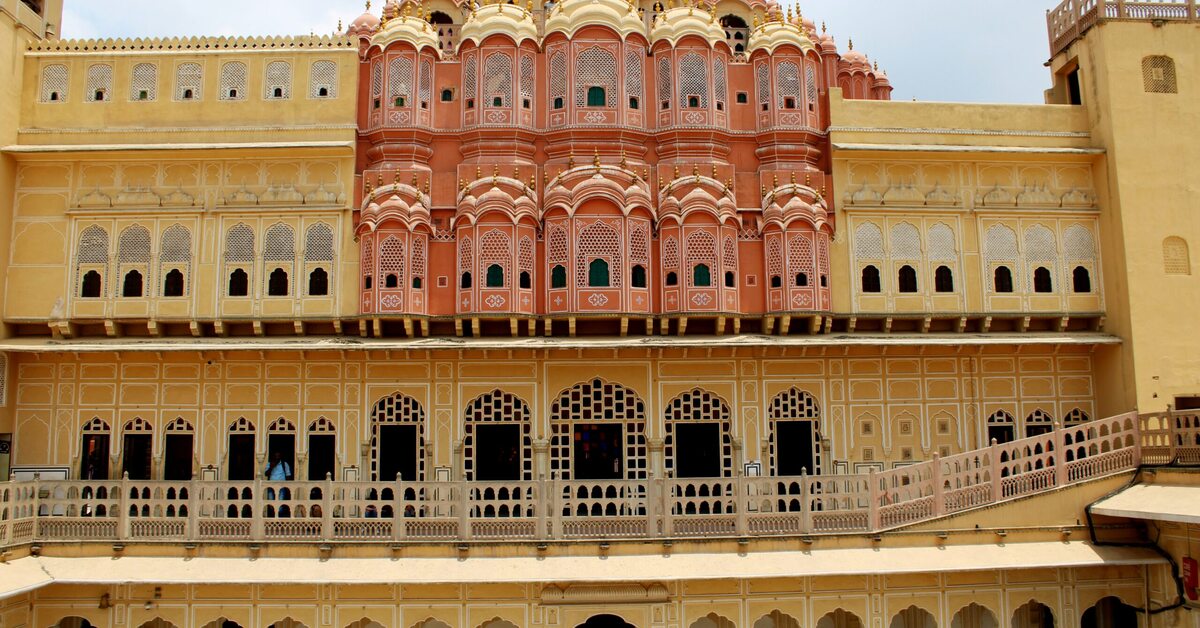
Ayodhya Ram Mandir Tour 2026 , The Ayodhya of 2026 presents a remarkable blend of ancient devotion and modern amenities. New regulations, improved facilities, and growing visitor numbers have created a dynamic landscape that differs significantly from pre-inauguration experiences. Whether you’re planning your first pilgrimage or returning to witness the completed temple complex, staying informed about current conditions, costs, and best practices maximizes both your spiritual fulfillment and practical comfort during this sacred journey.
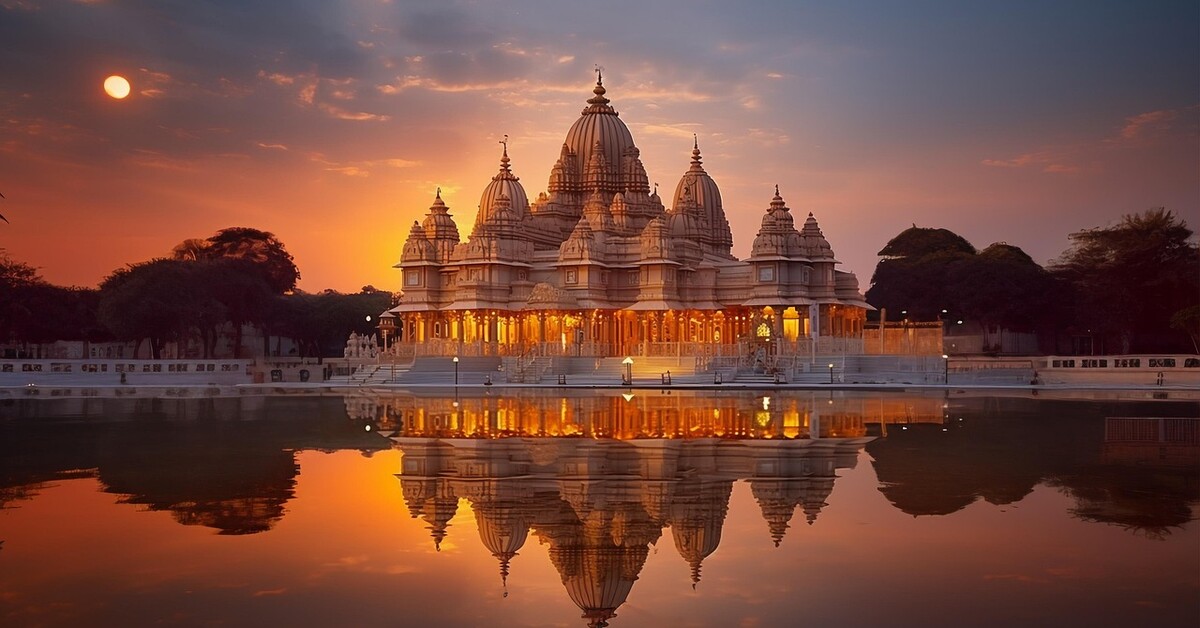
Major Changes in Ayodhya Tourism (2024-2026)
Ayodhya has witnessed unprecedented transformation over the past two years, with developments that directly impact how pilgrims experience the holy city.
Enhanced Temple Complex Infrastructure: The Ram Mandir complex now features completed phases including expanded darshan pathways, improved queue management systems with digital token facilities, dedicated areas for senior citizens and differently-abled visitors, and climate-controlled waiting zones. These upgrades have reduced average waiting times from 4-6 hours in 2024 to 2-3 hours currently, with special VIP darshan options available for premium bookings.
New Airport and Connectivity: The Maharishi Valmiki International Airport, fully operational since late 2024, has revolutionized Ayodhya accessibility. Direct flights now connect Ayodhya with Delhi, Mumbai, Bangalore, Kolkata, and other major cities, reducing travel time significantly. The airport’s proximity to the temple complex (just 25 kilometers) means pilgrims can complete darshan within hours of landing.
Revamped Saryu Riverfront: The beautifully developed Saryu Ghat area now features illuminated ghats, landscaped gardens, cultural performance zones, and boating facilities. Evening aarti ceremonies have become major attractions, drawing thousands daily. The riverfront development includes pedestrian-friendly walkways, food courts, and viewing platforms enhancing the spiritual experience.
Digital Darshan Systems: Ayodhya has implemented advanced booking systems allowing pilgrims to schedule darshan slots online, reducing uncertainty and crowding. QR code-based entry, real-time crowd monitoring, and mobile app integration have modernized the pilgrimage experience while maintaining spiritual sanctity.
Expanded Accommodation Options: Hotel inventory has tripled since 2024, with properties ranging from budget dharamshalas to luxury chain hotels. Most new accommodations are within 5 kilometers of the temple complex, offering unprecedented convenience compared to earlier years when accommodation scarcity posed major challenges.
Improved Safety and Amenities: Enhanced security protocols, medical facilities, cleanliness standards, and visitor amenities ensure comfortable, safe pilgrimages. Free WiFi zones, clean restrooms, drinking water stations, and information kiosks are now standard throughout the temple area.
Current Darshan Entry and Regulations (2026)
Understanding current entry procedures prevents confusion and ensures smooth temple visits.
Free General Darshan: Standard darshan remains free for all devotees. Queue-based entry operates from 6:00 AM to 9:00 PM, with peak crowds between 8:00 AM and 6:00 PM. Early morning (6:00-8:00 AM) and late evening (7:00-9:00 PM) typically offer shorter wait times.
Online Token System: Pilgrims can book free time-slot tokens through the official Ayodhya Darshan portal or mobile app, guaranteeing entry during specified windows. This system significantly reduces waiting times and provides schedule certainty, highly recommended for those with limited time.
Premium Darshan Options: Special darshan packages (₹500-2,000 per person) offer expedited entry, reduced waiting times (30-60 minutes versus 2-3 hours), dedicated queue access, and sometimes include additional facilities like guided tours or prasad. These premium options are especially valuable during festivals and weekends when regular queues stretch longest.
Prohibited Items: Security restrictions prohibit mobile phones, cameras, electronic devices, bags, leather items, and outside food within the main temple premises. Free locker facilities near entrance gates provide secure storage. Consider carrying only essential items—ID proof and minimal cash.
Dress Code: Modest traditional attire is strongly encouraged. Men should wear dhoti-kurta, kurta-pajama, or at minimum full-length trousers with shirts. Women should wear sarees, salwar-kameez, or modest traditional dress. Shorts, sleeveless tops, and revealing clothing are inappropriate and may be denied entry.
Photography Restrictions: Photography and videography are prohibited inside the main temple sanctum. Designated areas outside allow photography. Respecting these regulations honors the sacred nature of the site and prevents delays.
Ayodhya Tour Package Costs in 2026
Ayodhya Ram Mandir Tour 2026 , Tour packages to Ayodhya vary significantly based on duration, accommodation standards, transportation modes, and included experiences.
Budget Pilgrimage Packages (₹5,000-10,000 per person for 2 days/1 night): These economical packages cater to devotees prioritizing darshan over luxury. Include basic accommodation in dharamshalas or budget hotels, shared transportation from nearby cities (Lucknow, Varanasi, or Prayagraj), temple darshan assistance, and visits to key sites like Hanuman Garhi and Kanak Bhawan. Meals typically excluded or limited to breakfast. Ideal for groups and pilgrims comfortable with simple amenities.
Standard Tour Packages (₹10,000-18,000 per person for 2-3 days): The most popular choice offering balanced comfort and value. Include comfortable three-star hotels within 3-5 kilometers of Ram Mandir, AC transportation, professional guides explaining Ramayana connections, darshan at all major temples, Saryu aarti attendance, some meals (breakfast and dinner), and sometimes premium darshan arrangements. Suitable for families and first-time visitors seeking hassle-free experiences.
Premium Packages (₹18,000-35,000 per person for 3-4 days): Designed for comfortable spiritual journeys featuring quality four-star hotels or heritage properties, private AC vehicles, expert guides with deep Ramayana knowledge, premium darshan tickets minimizing wait times, extended itineraries including nearby Naimisharanya or Shringverpur, cultural programs, most meals at good restaurants, and personalized service. Appeals to travelers valuing comfort alongside spirituality.
Luxury Spiritual Retreats (₹35,000-70,000+ per person for 4-5 days): Ultra-premium experiences combining pilgrimage with exceptional comfort. Include luxury hotel stays, private darshan arrangements through VIP protocols, helicopter transfers (for select packages), extended spiritual experiences with scholars and spiritual leaders, meditation sessions, Ayurvedic wellness treatments, gourmet vegetarian cuisine, and curated cultural immersion. Perfect for discerning devotees seeking transformative journeys without compromising luxury.
Transportation Costs to Ayodhya (2026)
By Air: Direct flights to Ayodhya Airport from major cities cost ₹4,000-12,000 depending on origin city, booking timing, and season. Early bookings (45-60 days ahead) secure lowest fares. Airport to temple complex taxis cost ₹600-800.
By Train: Ayodhya Junction railway station connects to major cities. AC chair car/sleeper fares from Delhi cost ₹800-2,500, from Mumbai ₹1,500-4,000, and from Kolkata ₹1,000-3,000. Railway station to temple taxis cost ₹300-500.
By Road: Self-drive or hired cars from Lucknow (130 kilometers) cost ₹2,500-4,000 including fuel and driver charges. Regular bus services operate from nearby cities at ₹200-500 per person.
Local Transportation: Auto-rickshaws within Ayodhya charge ₹50-200 for short distances. App-based cabs (Ola/Uber) are increasingly available. Many pilgrims prefer walking from nearby hotels to the temple complex during pleasant weather.
Accommodation Costs in Ayodhya (2026)
Budget Options (₹1,000-2,500 per night): Dharamshalas, guesthouses, and basic hotels offer clean, simple rooms near the temple complex. Facilities include fan or basic AC, attached or shared bathrooms, and minimal amenities. Some dharamshalas offer even lower rates (₹500-1,000) for pilgrims with basic requirements. Location proximity often justifies slightly higher rates.
Mid-Range Hotels (₹2,500-6,000 per night): Comfortable properties with AC rooms, modern bathrooms, complimentary breakfast, in-house restaurants, and helpful staff. Popular choices include hotels within 2-3 kilometers of Ram Mandir offering good value. During regular seasons, excellent options exist at ₹3,000-4,500, rising to ₹5,000-6,000 during Ram Navami and major festivals.
Premium Hotels (₹6,000-15,000 per night): Quality chain hotels and boutique properties provide superior comfort, prime locations, restaurants serving traditional Awadhi cuisine, travel desks arranging darshan, and modern amenities. The Ramayana Hotel and similar establishments offer exceptional experiences at ₹8,000-12,000 typically, with premium suites reaching ₹13,000-15,000.
Luxury Properties (₹15,000-40,000+ per night): High-end hotels offering heritage experiences, spa facilities, gourmet dining, concierge services, and sometimes private darshan arrangements. These properties cater to travelers seeking premium comfort alongside spiritual experiences.
Food and Meal Costs
Ayodhya Ram Mandir Tour 2026 , Ayodhya offers excellent vegetarian cuisine reflecting the holy city’s spiritual character.
Street Food and Simple Eateries (₹100-300 per meal): Local dhabas and small restaurants serve wholesome vegetarian thalis, chole bhature, kachori-sabzi, and traditional sweets. Perfect for budget pilgrims, these authentic eateries provide satisfying meals at minimal costs.
Mid-Range Restaurants (₹300-700 per meal): Hotel restaurants and established eateries offer comfortable dining with diverse menus including North Indian, South Indian, and traditional Awadhi dishes. Family-friendly ambiance and clean facilities justify moderate pricing.
Premium Dining (₹700-1,500 per meal): Upscale hotel restaurants serve refined vegetarian cuisine, traditional thalis with multiple dishes, and special Ayodhya delicacies. Ideal for those seeking comfortable, quality dining experiences.
Total Daily Food Budget: Budget travelers manage with ₹500-800 daily, while comfortable dining requires ₹1,000-2,000 per person daily depending on restaurant choices and dietary preferences.
Festival Season Pricing and Crowds
Ram Navami (March-April): Ayodhya’s most significant festival witnesses massive pilgrim influx. Accommodation costs double or triple (budget hotels reach ₹4,000-5,000, mid-range ₹8,000-10,000). Book 6-9 months ahead as hotels sell out completely. Darshan waiting times extend to 5-8 hours despite crowd management improvements.
Diwali (October-November): Ayodhya celebrates Deepotsav with spectacular ghat illuminations and cultural programs. Hotel rates increase 60-100%, and advance booking (4-6 months) becomes essential. The festival ambiance offers unforgettable experiences justifying the premiums.
Regular Weekends: Friday-Sunday sees 40-50% higher pilgrim numbers than weekdays, with modestly increased hotel rates (10-20% premiums). Weekday visits offer better value and comfort.
Off-Season (June-August): Monsoon season sees reduced crowds and lowest accommodation rates (30-40% below peak). However, extreme heat in June-July can be challenging. September offers good balance—improving weather with reasonable prices.
Smart Booking Tips for Ayodhya Tours
Book Early for Festivals: Ram Navami and Diwali require 6-9 months advance booking. Even regular peak season (October-March) benefits from 3-4 months advance reservations securing better hotels and rates.
Consider Weekday Visits: If flexible, Tuesday-Thursday visits offer shorter queues, lower accommodation costs, and more relaxed atmospheres compared to weekend crowds.
Package vs. Independent Travel: Quality packages from operators like TripCosmos.co often provide better overall value through wholesale hotel rates, darshan assistance, local expertise, and logistical support—especially beneficial for first-time visitors unfamiliar with Ayodhya’s layout and systems.
Combine with Nearby Destinations: Ayodhya pairs excellently with Varanasi (200 kilometers) and Prayagraj (165 kilometers), creating comprehensive spiritual circuits. Multi-city packages often cost less per destination than separate bookings.
Use Digital Darshan Booking: Always book darshan time slots online when available, eliminating uncertainty and reducing waiting times significantly.
What Your Ayodhya Package Should Include
Temple Darshan Arrangements: Assistance with darshan logistics, knowledge of optimal timing, and sometimes premium darshan tickets reducing wait times.
Major Site Coverage: Ram Mandir, Hanuman Garhi, Kanak Bhawan, Ramkot, and other significant temples. Quality packages include knowledgeable guides explaining Ramayana connections.
Saryu Aarti Experience: Evening aarti at Saryu Ghat offers deeply moving spiritual experiences. Ensure packages include this beautiful ceremony.
Transportation: Airport/railway transfers, local sightseeing, and comfortable vehicles appropriate for group size.
Accommodation: Clearly specified hotels with locations, ratings, and amenities. Avoid packages listing only “similar category” properties without specific names.
Meals: Understand exactly which meals are included and at what quality level. Ayodhya’s spiritual significance means all food is vegetarian.
Making Your Ayodhya Pilgrimage Meaningful
Ayodhya Ram Mandir Tour 2026 , offers profound spiritual experiences that touch hearts and inspire devotion. Beyond logistics and costs, approaching your pilgrimage with reverence, patience, and open hearts ensures the journey fulfills its sacred purpose.
TripCosmos.co specializes in creating meaningful Ayodhya experiences that honor both the site’s spiritual significance and pilgrims’ practical needs. Their 2026 packages reflect current realities while delivering exceptional value through expert knowledge, reliable service, and genuine commitment to facilitating transformative spiritual journeys.
Lord Ram’s sacred birthplace awaits your visit. With proper planning, smart booking, and understanding of current conditions, your Ayodhya pilgrimage will create cherished memories and deepen your spiritual connection to this eternally holy land.
Frequently Asked Questions (FAQs)
u003Cstrongu003EQ1: What is the current average waiting time for Ram Mandir darshan in 2026?u003C/strongu003E
General darshan waiting times currently average 2-3 hours during regular weekdays, extending to 4-5 hours on weekends and 6-8 hours during major festivals like Ram Navami. Early morning visits (6:00-8:00 AM) and late evening (7:00-9:00 PM) offer shorter waits. Online time-slot booking reduces uncertainty, while premium darshan tickets (₹500-2,000) cut waiting times to 30-60 minutes through dedicated queues.
u003Cstrongu003EQ2: How much does a complete Ayodhya tour package cost in 2026?u003C/strongu003E
A quality 2-3 day Ayodhya tour package in 2026 typically costs ₹10,000-18,000 per person, including comfortable accommodation, AC transportation, darshan assistance, guide services, major temple visits, Saryu aarti, and some meals. Budget packages start at ₹5,000-10,000 with basic amenities, while premium packages range ₹18,000-35,000 offering superior hotels and expedited darshan. Prices increase 50-100% during Ram Navami and major festivals.
u003Cstrongu003EQ3: Is it better to visit Ayodhya independently or book a tour package?u003C/strongu003E
For first-time visitors, tour packages offer significant advantages—expert guides explaining Ramayana significance, darshan logistics support, efficient time management, better accommodation rates through operator agreements, and stress-free experiences. Packages are especially valuable during peak seasons and festivals when independent navigation proves challenging. Experienced travelers familiar with temple protocols and comfortable handling logistics independently might save 15-20% through self-planning.
u003Cstrongu003EQ4: What are the best months to visit Ayodhya in 2026?u003C/strongu003E
October-March offers optimal weather (15-25°C) making this the peak pilgrimage season, though accommodation costs 30-50% more than off-season. September and April provide excellent shoulder season balance—pleasant temperatures with 20-30% lower costs. For maximum savings (40-50% off), June-August monsoon season works for budget travelers tolerating heat and humidity. Avoid festival dates unless specifically seeking that experience, as crowds and costs surge dramatically.
u003Cstrongu003EQ5: Can we book darshan tickets online for Ram Mandir, and is it recommended?u003C/strongu003E
Yes, online darshan booking is available through the official Ayodhya Darshan portal and mobile app. Itu0027s highly recommended as time-slot booking guarantees entry during specified windows, eliminates queue uncertainty, and often reduces waiting times. Free general darshan slots and paid premium options (₹500-2,000) are bookable online. Book 3-7 days ahead for regular visits, and 2-4 weeks ahead for weekends and festival dates when slots fill quickly.