Ayodhya Treta Ke Thakur Temple , Have you ever stood before something so ancient that you could almost hear the whispers of millennia past? Treta Ke Thakur Temple in Ayodhya offers precisely that sensation—a sacred space where time seems to bend, connecting you directly to events that unfolded in the Treta Yuga, the second of Hinduism’s four cosmic ages. This isn’t your typical temple with recently carved idols and modern construction; it’s a living link to one of the most significant moments in the Ramayana—Lord Rama’s Ashwamedha Yajna.
Nestled in the heart of Ayodhya, the ancient capital of Lord Rama, Treta Ke Thakur stands somewhat apart from the city’s more famous temples, maintaining a quieter, more contemplative atmosphere. While pilgrims flock in millions to Ram Janmabhoomi and Hanuman Garhi, those who discover Treta Ke Thakur often describe it as a hidden gem—a place where authentic spiritual energy flows undiminished by excessive commercialization or overwhelming crowds. For serious devotees seeking deeper connection rather than just checking off pilgrimage sites, this temple offers something profoundly special.
The Meaning Behind the Name
Understanding “Treta Yuga”
To truly appreciate Treta Ke Thakur, you must understand Hindu cosmology’s concept of yugas—cosmic ages that cycle through creation. According to Hindu philosophy, time moves in vast cycles consisting of four yugas: Satya Yuga (the golden age of truth), Treta Yuga (the silver age), Dvapara Yuga (the bronze age), and Kali Yuga (the current iron age of discord).
Treta Yuga is the age in which Lord Rama lived and the events of the Ramayana unfolded. It was a time when dharma (righteousness) still held strong, though diminished from the perfect Satya Yuga. The age witnessed great sages, powerful kingdoms, and divine incarnations walking among humans. When a temple carries “Treta” in its name, it claims direct connection to that specific cosmic era—not merely commemorating events but marking the actual location where they occurred.
Who Are “Thakur” in This Context
“Thakur” is a respectful Hindi term for deity or lord, commonly used in North India to refer to the divine. So “Treta Ke Thakur” translates to “The Lords of the Treta Yuga” or “The Deities from the Treta Age.” This name specifically refers to Lord Rama, Goddess Sita, and Rama’s brothers Lakshmana and Bharata—the principal divine figures of the Ramayana who lived during Treta Yuga.
The term “Thakur” carries warmth and personal affection beyond the formal word “deity.” It suggests a relationship—these aren’t distant, abstract divine forces but beloved lords who care for their devotees like a benevolent landlord cares for his people. This linguistic choice reflects the intimate devotion that characterizes Rama worship, where the divine is approached with both reverence and personal love.
The Temple’s Sacred Purpose
Treta Ke Thakur isn’t just another temple dedicated to Lord Rama—its purpose is specifically to mark the spot where Rama performed the Ashwamedha Yajna (horse sacrifice) after returning from Lanka and being crowned king. This elaborate Vedic ritual, described in detail in the Ramayana, was performed by kings to establish sovereignty and ensure prosperity for their kingdom.
According to tradition, the four idols housed here were installed during that very yajna, making them not modern representations but actual sacred objects from that cosmic age. Whether you interpret this literally or symbolically, the belief invests the temple with extraordinary sanctity. You’re not just visiting a place that commemorates an event—you’re standing at the event’s actual location, before the very idols that witnessed it.
Mythological and Historical Significance
Lord Rama’s Ashwamedha Yajna
The story of Rama’s Ashwamedha Yajna is both triumphant and bittersweet. After defeating Ravana and returning to Ayodhya, Rama was crowned king, ushering in the legendary Ram Rajya—the ideal kingdom where dharma prevailed perfectly. However, Sita was pregnant with twin sons, Lava and Kusha, and circumstances led to her living in the hermitage of sage Valmiki rather than the palace.
During the Ashwamedha Yajna, a ritual where a consecrated horse roams freely for a year and the king must defend his sovereignty against anyone who captures it, Rama’s sons Lava and Kusha, not knowing their heritage, captured the horse. This led to confrontation, eventual recognition, and one of the Ramayana’s most emotional episodes. The yajna itself was completed successfully, establishing Rama’s undisputed sovereignty and bringing prosperity to his kingdom. Treta Ke Thakur marks the sacred ground where these momentous events unfolded.
The Four Divine Idols
The temple houses four black stone idols representing Lord Rama, Goddess Sita, Lakshmana, and Bharata. According to temple tradition, these aren’t later artistic creations but the actual idols worshipped during the Ashwamedha Yajna itself. Local belief holds that they were either installed by Rama himself or appeared divinely at the yajna site.
What makes these idols particularly significant is their supposed self-manifested (swayambhu) nature. In Hindu tradition, swayambhu idols—those that appeared naturally or through divine intervention rather than human creation—hold special power and sanctity. Whether this origin story is historically verifiable or not, the deep-rooted belief has made these idols objects of intense devotion for countless generations.
Ancient Texts and References
References to the Ashwamedha Yajna site appear in various texts and commentaries on the Ramayana. While Valmiki’s original epic describes the yajna in detail, later texts and local tradition identify this specific location as the yajna ground. Historical accounts from pilgrims and scholars over centuries mention this temple, confirming its long-standing importance.
The Ayodhya Mahatmya, a text describing the sacred geography of Ayodhya, specifically mentions Treta Ke Thakur among the city’s most important shrines. Travel accounts from medieval period pilgrims also reference this temple, establishing its continuous significance across centuries. These textual references anchor the temple firmly in both religious tradition and historical consciousness.
The Unique Features of Treta Ke Thakur
The Black Stone Deities
Material and Origin
The four idols are carved from black stone, giving them a distinctive appearance that sets them apart from the more common marble or metal deities found in most temples. The stone’s dark color creates a striking visual effect, especially when illuminated by oil lamps during evening aarti. The idols emanate a sense of age and authenticity that newer, brighter sculptures cannot replicate.
The exact origin of the stone itself is debated. Some traditions claim it came from the sacred Shaligram stones found in the Gandaki River in Nepal, which are naturally formed stones considered manifestations of Lord Vishnu. Others suggest the idols were carved from locally available black granite. Regardless of the stone’s geological origin, its spiritual significance is paramount—devotees believe touching or viewing these ancient idols brings blessings accumulated over millennia.
Artistic Excellence
Despite their age and the weathering of centuries, the idols display remarkable artistic skill. The proportions are harmonious, the expressions serene and divine, and the overall craftsmanship superior. The artists, whether human or divine, captured not just physical forms but spiritual essences—Rama’s dignified kingship, Sita’s gentle grace, Lakshmana’s devoted service, and Bharata’s noble character.
The idols are simpler in style than the elaborate sculptures found in some later temples, reflecting perhaps the artistic conventions of their time or a deliberate choice for symbolic simplicity. This aesthetic restraint actually enhances their spiritual impact—there’s nothing to distract from the divine presence itself. The black stone’s natural luster, polished by countless devotees’ hands and offerings over centuries, creates a luminous quality that seems almost alive.
Architectural Splendor
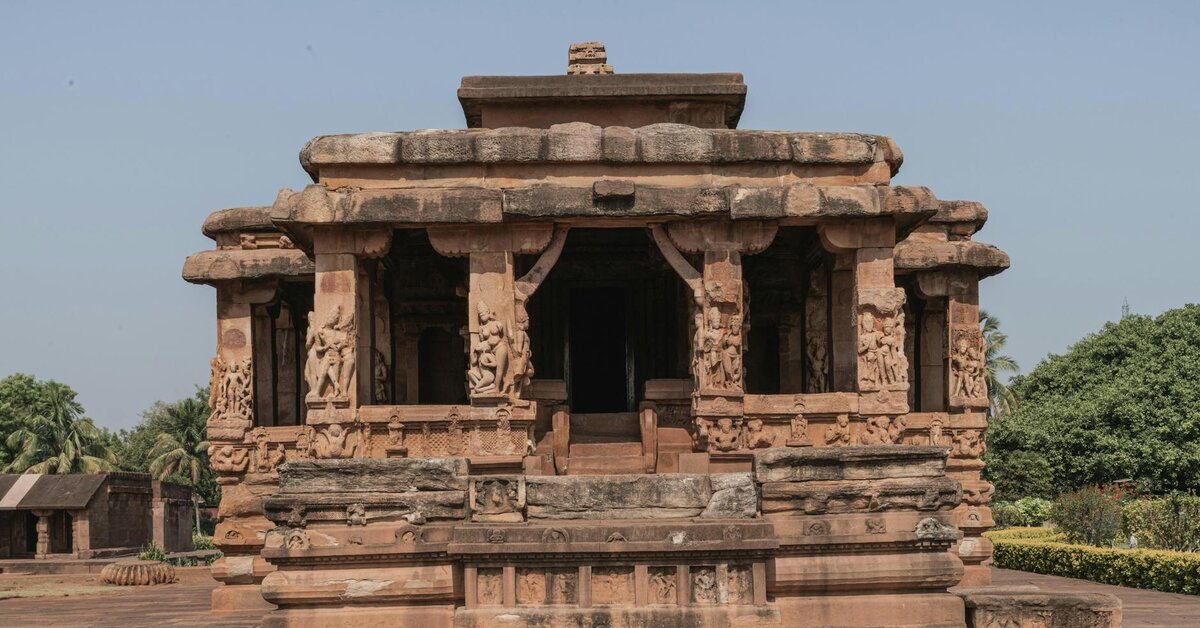
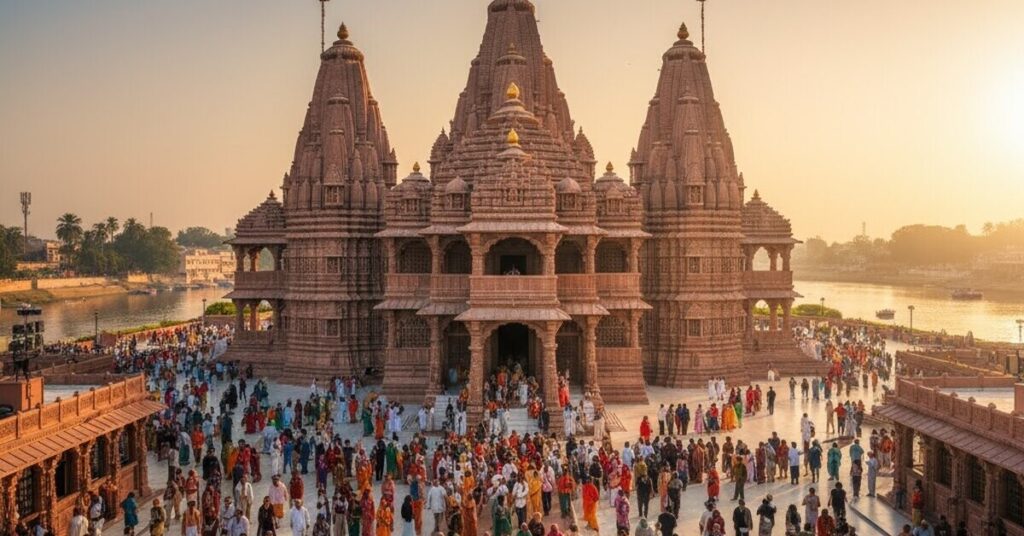
The temple’s architecture, while not as grand as some of Ayodhya’s larger temples, possesses its own dignified beauty. The structure follows traditional North Indian temple design with a prominent shikhara (spire) marking the sanctum sanctorum. The exterior features carved stone panels depicting scenes from the Ramayana, turning the walls into visual scripture.
The temple has been renovated and expanded multiple times over centuries, with different periods contributing their architectural signatures. This layering of styles creates a rich historical texture—you can see medieval additions alongside more recent restoration work, all unified by devotion to the central purpose. The overall effect is harmonious rather than chaotic, suggesting careful stewardship across generations.
The Sacred Yajna Kund
One of the temple’s most significant features is the yajna kund—the ancient fire pit where Rama’s Ashwamedha Yajna was performed. This pit, preserved within the temple complex, connects directly to the temple’s foundational story. For many devotees, seeing this actual ritual space where one of the Ramayana’s key events occurred creates a profound sense of connection to the epic.
The kund is typically roped off to prevent damage, but its presence is palpable. During special ceremonies, ritual fires are lit here, recreating in miniature the great yajnas of ancient times. The smoke rising from the kund seems to carry prayers directly to the heavens, bridging the gap between earth and the divine realms.
Historical Journey Through Time
Ancient Establishment
Establishing the temple’s exact age proves difficult, as is often the case with ancient Indian shrines. Local tradition dates the temple’s origins to the Treta Yuga itself—making it thousands of years old if taken literally. More historically grounded estimates suggest continuous worship at this location for at least 2,000 years, possibly longer.
Archaeological evidence indicates significant religious activity at this site during the ancient period. While the current structure isn’t thousands of years old, the site’s sanctity has been maintained through successive reconstructions. This pattern—ancient sacred sites with newer structures built atop older foundations—is common throughout India, where continuity of worship trumps preservation of original buildings.
Medieval Period Changes
The medieval period brought significant changes to Treta Ke Thakur, as it did to many Hindu temples. Historical records suggest the temple was damaged or destroyed during various invasions and religious conflicts. However, the site never lost its sacred character in local consciousness, and worship continued in some form even during difficult periods.
Reconstruction efforts by devotees and various rulers during more peaceful times restored the temple multiple times. Each rebuilding attempted to honor the original sacred character while incorporating contemporary architectural styles and engineering knowledge. These reconstructions demonstrate the persistent devotion that refused to let this sacred site fade into obscurity.
Modern Restoration and Development
Recent decades have seen significant restoration and development at Treta Ke Thakur. The temple has been renovated with care to preserve its ancient character while improving facilities for growing numbers of pilgrims. Modern amenities like better lighting, improved drainage, and visitor facilities have been added sensitively, without compromising the temple’s spiritual atmosphere.
Conservation experts have worked to preserve the ancient idols and protect them from further weathering. The temple trust has also invested in documentation, creating archives of the temple’s history, traditions, and significance. These modern efforts balance preservation of heritage with accessibility for contemporary devotees, ensuring the temple remains vibrant and relevant.
Religious Importance
Connection to Ashwamedha Ritual
The temple’s connection to the Ashwamedha Yajna gives it unique significance in Hindu ritual tradition. The Ashwamedha is one of the most powerful and complex Vedic rituals, historically performed only by the most powerful kings. It wasn’t merely a display of power but a sacred ceremony with deep spiritual and cosmic implications—establishing divine sanction for kingship and ensuring universal prosperity.
By marking the site where Rama, the ideal king, performed this ritual, Treta Ke Thakur becomes a touchstone for righteous governance and proper ritual practice. The temple reminds devotees that power and spirituality must unite, that kingship carries religious responsibilities, and that proper performance of sacred duties brings blessings to entire kingdoms.
Significance in Hindu Tradition
Beyond its specific connection to the Ashwamedha, Treta Ke Thakur represents the broader tradition of Rama worship that has shaped Hindu religious life for millennia. Rama stands as the maryada purushottam—the supreme upholder of limits and propriety. His life demonstrates how to maintain dharma even when it requires personal sacrifice.
The temple provides a focal point for this devotion, allowing worshippers to connect with Rama not in abstract principle but in concrete form—standing before idols believed to date from his actual lifetime, at the location of his royal ceremony. This specificity and tangibility deepen devotional experience, making theological concepts immediate and personal.
Role in Ayodhya Pilgrimage Circuit
While perhaps less famous than Ram Janmabhoomi or Hanuman Garhi, Treta Ke Thakur occupies an important place in the traditional Ayodhya pilgrimage circuit. Knowledgeable pilgrims ensure they visit this temple to complete their darshan of the major Rama-related sites. The temple represents Rama’s triumphant period as king, complementing sites that commemorate his birth or his devotees.
Many pilgrimage guides and traditional priests recommend visiting Treta Ke Thakur specifically for those seeking blessings related to governance, justice, proper conduct, or fulfillment of duties. The temple’s association with Rama’s successful kingship makes it particularly appropriate for these intentions.
The Temple Complex
Main Sanctum Layout
The main sanctum of Treta Ke Thakur follows traditional Hindu temple architecture with the garbhagriha (innermost chamber) housing the principal deities. The sanctum is relatively intimate compared to massive modern temples, creating a sense of closeness with the divine that some devotees find more personally meaningful than grand spaces that inspire awe but can feel distant.
The layout facilitates traditional circumambulation (pradakshina), with a designated path allowing devotees to walk around the sanctum in a clockwise direction. This ritual movement, combined with prayer and contemplation, forms an essential part of temple worship. The sanctum’s design also ensures proper orientation according to vastu shastra principles, aligning sacred spaces with cosmic directions.
The Four Deities
Lord Rama
The idol of Lord Rama stands at the center of the sanctum, depicting him in his royal form. The black stone figure shows Rama with characteristic iconography—holding bow and arrow, standing in the dignified posture of a king. His expression conveys both divine authority and compassionate benevolence, capturing the dual nature of Rama as powerful ruler and loving lord.
The idol is adorned with traditional decorations, flowers, and sacred clothing that change with different ceremonies and seasons. Devotees approach Rama’s idol first, offering prayers and seeking blessings for righteous conduct, strength in facing life’s challenges, and success in fulfilling their duties.
Goddess Sita
Sita’s idol stands beside Rama, representing the divine consort and the ideal of feminine strength and devotion. Despite the tribulations she faced—kidnapping by Ravana, trial by fire, eventual separation from Rama—Sita maintained her dignity and dharma. Her idol embodies this resilient grace.
Devotees, particularly women, pray to Sita for marital harmony, strength in adversity, and the wisdom to maintain righteousness even in impossible situations. Her presence beside Rama also reminds worshippers that the divine masculine and feminine are complementary, not competing forces.
Lakshmana
Lakshmana’s idol represents devoted service and brotherly love. He accompanied Rama into fourteen years of forest exile, served him selflessly, and fought beside him against Ravana’s forces. His presence in the temple honors the principle that supporting righteous causes, even at personal cost, has divine significance.
Devotees pray to Lakshmana for strength in supporting family, guidance in serving worthy causes, and the selflessness to put others’ welfare above personal comfort. His example particularly resonates with younger siblings and those in service professions.
Bharata
Bharata’s inclusion among the four idols is significant. He refused to take the throne when it was offered, instead ruling only as Rama’s representative and placing Rama’s sandals on the throne as a symbol. His idol represents principled renunciation of power when righteously obtained through unjust means.
Bharata’s presence reminds devotees that dharma sometimes requires refusing even legitimate opportunities if their basis is unjust. His story inspires those facing ethical dilemmas, showing that true greatness sometimes lies in what we refuse, not what we accept.
Surrounding Structures
The temple complex includes various subsidiary structures supporting worship and pilgrim needs. Small shrines to Hanuman, Ganesha, and other deities dot the compound, allowing devotees to pay respects to the broader pantheon. A hall for religious discourses and bhajan singing accommodates group activities.
The compound also includes practical facilities—offices for temple administration, areas where priests prepare offerings, and spaces where visitors can rest. The integration of sacred and functional spaces reflects traditional Indian temple architecture, where religious sites served as community centers, not just worship locations.
Daily Worship and Rituals
Morning Ceremonies
The temple day begins before dawn with the Mangala Aarti—the ceremony that “awakens” the deities. Priests perform this ritual with devotional songs, ringing bells, and waving lamps before the idols. The morning ceremony creates an atmosphere of fresh devotion, as if greeting the divine at the start of a new day.
Following the aarti, the shringar (adornment) ceremony takes place, where the idols are decorated with fresh flowers, sacred clothing, and ornaments. This ritual transforms the sanctum visually, creating beauty that honors the divine. Morning darshan, after these ceremonies, is considered particularly auspicious, as devotees believe receiving the divine’s first blessings of the day carries special merit.
Afternoon and Evening Prayers
Throughout the day, various prayers and offerings punctuate the temple schedule. Midday brings bhog aarti, where freshly prepared food is offered to the deities before being distributed as prasad to devotees. This ritual acknowledges that all sustenance comes ultimately from the divine and should be offered before consumption.
Evening brings the Sandhya Aarti, perhaps the day’s most beautiful ceremony. As daylight fades, multiple lamps illuminate the sanctum, creating a magical atmosphere. The rhythmic singing, bells, and incense create a multisensory experience that elevates consciousness beyond ordinary perception. Many devotees time their visits to attend this evening ceremony, considering it the spiritual highlight of their pilgrimage.
Special Pujas Available
The temple offers various special pujas that devotees can book through the temple office. These include abhishek (ritual bathing of the deities), special aartis performed for specific intentions, and personalized prayer ceremonies. During these pujas, priests chant appropriate mantras, make special offerings, and invoke blessings for the devotee’s particular needs.
Common intentions for special pujas include family welfare, success in endeavors, health recovery, marriage blessings, and spiritual progress. The priests guide devotees on which puja suits their situation and ensure ceremonies follow proper traditional procedures. Participating in or sponsoring these rituals allows deeper engagement with temple worship beyond simple darshan.
Festivals and Celebrations
Ram Navami, celebrating Lord Rama’s birth, naturally holds great significance at Treta Ke Thakur. While Ram Janmabhoomi draws the largest crowds as the actual birthplace, Treta Ke Thakur offers a somewhat quieter but equally devotional celebration. The temple decorates elaborately, and special ceremonies mark the auspicious moment of Rama’s birth according to traditional timing.
The festival includes continuous Ramayana recitations, devotional singing, and special offerings to the deities. Many devotees prefer celebrating at Treta Ke Thakur precisely because the smaller crowds allow for more intimate participation and personal prayer time. The temple’s connection to Rama’s later life as king provides a different perspective on the birthday celebration—honoring not just his birth but his complete life arc.
Diwali Celebrations
Diwali in Ayodhya commemorates Rama’s return from exile, and every temple participates in the citywide celebration. At Treta Ke Thakur, the festival takes on added meaning given the temple’s connection to Rama’s successful kingship period. The temple illuminates with thousands of diyas (earthen lamps), creating a golden glow that reflects off the black stone idols magnificently.
Special pujas honor both Rama’s return and Lakshmi, the goddess of prosperity whose worship is central to Diwali. The combination of these themes—victorious return, righteous kingship, and divine prosperity—makes Diwali at Treta Ke Thakur particularly meaningful. The celebration reminds devotees that dharma ultimately triumphs and brings prosperity.
Other Important Occasions
Beyond Ram Navami and Diwali, the temple observes various other occasions. Vivah Panchami, commemorating Rama and Sita’s wedding, sees special celebrations. Hanuman Jayanti honors Rama’s greatest devotee. Various Ekadashi days (the eleventh day of lunar fortnights, sacred to Vishnu) draw devotees for special fasting and prayers.
Each festival brings its own character to the temple—some joyous and celebratory, others more contemplative. Regular visitors often have favorite occasions when they make special effort to visit, finding that particular festivals resonate with their personal spiritual needs or preferences.
The Spiritual Experience
What Devotees Feel
Visitors to Treta Ke Thakur consistently report a distinctive spiritual atmosphere. Many describe feeling a sense of ancient peace, as if the centuries of accumulated devotion have saturated the very stones of the temple. Unlike some busy pilgrimage sites where crowds and commercial activity can be distracting, Treta Ke Thakur maintains a contemplative quality that allows deeper spiritual engagement.
The black stone idols themselves seem to emanate a presence that many find profoundly moving. Devotees report unexpected emotional responses—tears, joy, peace, or simply a feeling of coming home. Whether these experiences stem from genuine divine presence, the psychological power of sacred spaces, or the fulfillment of long-held spiritual aspirations, their reality for those experiencing them is undeniable.
Peaceful Atmosphere
One of Treta Ke Thakur’s most commented-upon features is its relatively peaceful atmosphere compared to Ayodhya’s more famous temples. While major festivals bring crowds, on regular days the temple offers space for quiet contemplation and unhurried prayer. This peacefulness allows visitors to actually absorb the experience rather than rushing through darshan.
The temple’s layout and management contribute to this atmosphere. The sanctum’s intimate size naturally limits crowd density. The absence of excessive commercialization in the immediate temple vicinity maintains spiritual focus. The priests and staff generally encourage reverent behavior, preserving the temple’s sacred character.
Personal Transformation Stories
Like all significant pilgrimage sites, Treta Ke Thakur has its share of transformation stories—devotees whose lives changed after visiting. Some report prayers answered in unexpected ways, difficult situations resolving, health improvements, or simply finding the strength to face their challenges with renewed courage and faith.
Temple priests can recount numerous such instances—couples blessed with children after years of waiting, individuals finding peace after loss, people discovering life direction when feeling lost. Whether these transformations result from divine intervention, the psychological power of pilgrimage, or simply the perspective shift that comes from stepping outside ordinary routine, they form part of the temple’s living tradition.
Visitor’s Guide
Location and How to Reach
Treta Ke Thakur is located in central Ayodhya, roughly 2-3 kilometers from major sites like Ram Janmabhoomi and Hanuman Garhi. The temple is accessible by auto-rickshaw, cycle-rickshaw, or taxi from anywhere in Ayodhya. Many pilgrims choose to walk between temples, making the journey itself part of their spiritual practice.
If arriving from Ayodhya Junction railway station, the temple is approximately 3-4 kilometers away—a short rickshaw ride or moderate walk. From the bus station or airport area, distances are similar. The temple’s central location makes it easy to include in a comprehensive pilgrimage circuit of Ayodhya’s major sites.
Temple Timings
Treta Ke Thakur typically opens around 5:30-6:00 AM for morning aarti and remains accessible until approximately 8:00-9:00 PM after evening ceremonies. These timings can vary slightly with seasons and special occasions. The temple may close briefly during afternoon hours (usually 12:00-3:00 PM) in summer months for rest period.
For the best experience, visit during aarti times—early morning or evening—when ceremonies create the most spiritually charged atmosphere. Mid-morning (9:00-11:00 AM) or late afternoon (4:00-6:00 PM) typically see fewer crowds if you prefer quieter darshan. Always verify current timings before visiting, especially during festivals when schedules change.
Entry and Darshan Process
Entry to Treta Ke Thakur is free, though donations toward temple maintenance are appreciated. The darshan process is straightforward—remove shoes at the designated area (shoe-keeping facilities available), proceed through basic security screening if applicable, and enter the temple complex.
The sanctum typically remains open for darshan, allowing devotees to view the deities from the appropriate distance. During major festivals or special ceremonies, queue systems may be implemented. Photography inside the main sanctum is generally restricted, though outer areas may permit it—always ask permission before photographing.
Photography Guidelines
Photography policies at Treta Ke Thakur are fairly relaxed compared to some temples. You can usually photograph the temple exterior, compound areas, and architectural features freely. However, photography inside the main sanctum, especially of the ancient idols themselves, typically requires permission from temple authorities.
Even where photography is permitted, practice sensitivity—don’t obstruct others’ darshan for photos, avoid flash during ceremonies, and never photograph priests or devotees in prayer without explicit permission. Remember that you’re in a sacred space where people are engaged in deeply personal spiritual practices deserving of respect.
Nearby Attractions
Ram Janmabhoomi
Located approximately 2 kilometers from Treta Ke Thakur, Ram Janmabhoomi (Rama’s birthplace) is obviously the most significant nearby site. The newly constructed grand temple complex has become one of India’s premier pilgrimage destinations. Most visitors to Ayodhya will visit both sites, experiencing different aspects of Rama’s story—his birth at Ram Janmabhoomi and his kingship at Treta Ke Thakur.
The proximity allows easy inclusion of both temples in a single day’s pilgrimage. Many devotees follow a traditional circuit: taking a holy dip in the Sarayu River, visiting Hanuman Garhi, proceeding to Ram Janmabhoomi, then completing their pilgrimage at other sites including Treta Ke Thakur.
Hanuman Garhi
Hanuman Garhi, the fortress-temple of Lord Hanuman, sits about 2 kilometers away. This imposing structure atop a hill, accessible by 76 steps, offers both spiritual significance and beautiful views of Ayodhya. As Rama’s greatest devotee, Hanuman holds special importance, and his temple is considered essential to complete Ayodhya pilgrimage.
The tradition of visiting Hanuman Garhi before Ram Janmabhoomi—greeting the devoted servant before the master—extends naturally to visiting before other Rama temples including Treta Ke Thakur. The proximity makes this sequence convenient and spiritually appropriate.
Kanak Bhawan
Kanak Bhawan, the golden temple housing beautiful idols of Rama and Sita as divine couple, is another nearby attraction about 2-3 kilometers away. While Treta Ke Thakur focuses on Rama’s kingship and the Ashwamedha Yajna, Kanak Bhawan celebrates the married life of the divine couple. Visiting both provides complementary perspectives on Rama and Sita’s relationship and life together.
The architectural beauty of Kanak Bhawan’s Rajasthani-influenced design contrasts nicely with Treta Ke Thakur’s more austere sacred atmosphere. Together, they showcase the diversity of Rama worship and temple architecture within a small geographical area.
The Archaeological Perspective
Historical Studies
Archaeological interest in Treta Ke Thakur has grown alongside broader studies of Ayodhya’s ancient history. Researchers have conducted surveys and limited excavations in and around the temple, attempting to establish historical timelines and understand the site’s evolution.
Findings indicate continuous religious activity at this location for many centuries, though precisely dating the origins remains challenging. The presence of older structural remains beneath current buildings suggests the temple has been rebuilt multiple times while maintaining the same sacred function—a common pattern in Indian temple history where continuity of purpose trumps preservation of original structures.
Architectural Analysis
From an architectural perspective, Treta Ke Thakur displays typical North Indian temple characteristics—the shikhara form, the garbhagriha layout, and decorative elements common to the region. Stylistic analysis suggests contributions from multiple periods, with the current structure incorporating elements from medieval reconstruction overlaid on potentially ancient foundations.
The temple’s architectural significance lies not in revolutionary design but in how well it fulfills its sacred function. The proportions create appropriate atmosphere, the layout facilitates traditional worship patterns, and the overall design focuses attention on the central divine presence rather than distracting with architectural gymnastics.
Cultural Impact on Ayodhya
Treta Ke Thakur’s cultural impact extends beyond its immediate function as a worship site. The temple contributes to Ayodhya’s identity as a living city of Rama, not just a historical location. Its connection to the Ashwamedha Yajna keeps alive memory of Rama’s period as king, reminding visitors that the Ramayana doesn’t end with defeating Ravana but continues with establishing righteous governance.
The temple also influences local religious practice and education. Children growingup in Ayodhya learn about Treta Ke Thakur alongside other major sites, absorbing stories about the Ashwamedha and its significance. Local priests and religious teachers use the temple as a teaching tool for explaining complex Vedic rituals and the ideals of Ram Rajya.
Economically, the temple supports local livelihoods—priests, maintenance workers, flower sellers, prasad vendors, and others whose income depends on the steady stream of pilgrims. While not generating the massive economic impact of larger temples, Treta Ke Thakur contributes meaningfully to local economic ecosystems.
Practical Tips for Pilgrims
Best Time to Visit
The ideal time for visiting Treta Ke Thakur mirrors general Ayodhya pilgrimage timing—winter months (October through March) offer comfortable weather. Early morning visits (6:00-8:00 AM) provide the most peaceful experience with the added spiritual benefit of attending morning aarti. Evening visits (5:00-7:00 PM) around sunset and evening aarti create beautiful atmospheric experiences.
If you visit during summer (April-June), go early morning or late evening to avoid midday heat. Monsoon season (July-September) brings rains that can make travel challenging but also creates lush, green scenery and typically means fewer crowds. Festival times like Ram Navami or Diwali offer the most vibrant atmosphere but also largest crowds.
What to Wear
Modest clothing is essential when visiting Treta Ke Thakur. Both men and women should ensure shoulders and knees are covered. Traditional Indian attire—sarees, salwar-kameez, kurta-pajama, or dhoti—is ideal and culturally appropriate. Western clothing is acceptable if modest; avoid shorts, short skirts, sleeveless tops, or revealing clothing.
Comfortable footwear that’s easy to remove and secure is practical, as you’ll be barefoot in the temple itself. In cooler months, bring a shawl or light jacket for morning or evening visits. If you plan to sit for extended prayer or meditation, a small mat or cloth to sit on can add comfort.
Local Etiquette
Understanding and following local etiquette enhances both your experience and your welcome. Remove shoes before entering the temple compound—never wear them past designated points. Maintain respectful behavior—speak softly, avoid loud conversations or laughter, and silence mobile phones. If attending ceremonies, avoid talking or moving around excessively during rituals.
When offering prayers, follow observed customs even if you don’t fully understand them—the temple priests or fellow devotees usually help newcomers. Accept prasad with your right hand (the left is considered impure in traditional practice). If you’re not Hindu and choose to observe rather than participate in rituals, do so respectfully from appropriate locations without disrupting worship.
The Temple’s Role in Modern Times
In contemporary India, Treta Ke Thakur continues to serve important functions beyond simple worship. The temple stands as a reminder of cultural continuity—connecting modern India to ancient traditions and mythological narratives that continue to shape identity and values. In an age of rapid change and globalization, such connections provide anchoring points for cultural identity.
The temple also serves educational purposes, teaching younger generations about the Ramayana, Vedic rituals like the Ashwamedha, and the ideals of governance represented by Ram Rajya. School groups and religious education programs regularly visit, using the temple as a living classroom where abstract teachings become tangible and memorable.
Additionally, Treta Ke Thakur functions as a social space where community bonds strengthen. Regular devotees build relationships, families mark life milestones with temple visits, and the shared devotion creates social cohesion that extends beyond the religious into the communal. The temple thus serves multiple overlapping roles—spiritual, cultural, educational, and social.
Conclusion
Ayodhya’s Treta Ke Thakur Temple stands as a remarkable testament to enduring faith and cultural continuity. This sacred shrine, marking the spot where Lord Rama performed the Ashwamedha Yajna, offers pilgrims something increasingly rare in our modern world—a direct connection to ancient times, a space where mythology and history, devotion and tradition converge.
From the ancient black stone idols believed to date from the Treta Yuga itself to the sacred yajna kund where mighty rituals were performed, every element of Treta Ke Thakur tells a story that spans millennia. The temple’s relative quietness compared to Ayodhya’s more famous sites becomes an asset, allowing for contemplative experiences and personal spiritual encounters often difficult to achieve in overwhelming crowds.
Whether you visit as a devoted pilgrim seeking blessings from Lord Rama, a cultural explorer interested in India’s living traditions, or simply a traveler drawn to places with genuine spiritual atmosphere, Treta Ke Thakur rewards your visit with authenticity, peace, and profound meaning. The temple reminds us that some places retain their sacred character across vast stretches of time, that ancient stories continue to nourish modern souls, and that connections to the divine remain accessible to those who seek them with sincere hearts.
As you complete your darshan and step back into Ayodhya’s bustling streets, you carry with you something precious—a memory of standing where Rama once stood, of viewing idols that have received devotion for countless generations, and perhaps a deeper understanding of why certain places become and remain sacred across the endless turning of the ages.
FAQs
1. What makes Treta Ke Thakur different from other Rama temples in Ayodhya?
Treta Ke Thakur is unique because it specifically marks the location where Lord Rama performed the Ashwamedha Yajna after his coronation, rather than just commemorating his birth or other life events. The temple houses four black stone idols believed by devotees to be from the actual Treta Yuga when Rama lived, making them potentially the oldest idols in Ayodhya. Additionally, the preserved yajna kund (fire pit) where the actual ritual was performed adds tangible connection to this specific Ramayana episode. While Ram Janmabhoomi celebrates Rama’s birth and other temples honor different aspects of his story, Treta Ke Thakur focuses uniquely on his period as the ideal king performing sacred royal duties.
2. How much time should I allocate for visiting Treta Ke Thakur?
A typical visit to Treta Ke Thakur takes 45 minutes to 1.5 hours, depending on crowd levels and how long you wish to spend in prayer or contemplation. This includes time for security procedures, walking through the complex, darshan of the deities, and perhaps sitting quietly in the compound. If you wish to attend a specific ceremony like morning or evening aarti, add an extra 30-45 minutes. The temple’s generally peaceful atmosphere and smaller crowds compared to major sites like Ram Janmabhoomi mean you can usually take your time without feeling rushed. For those who appreciate quieter spiritual experiences, you might want to allocate even more time simply to absorb the temple’s contemplative atmosphere.
3. Can I perform special pujas at Treta Ke Thakur for specific intentions?
Yes, the temple offers various special pujas that can be booked through the temple office for specific intentions. Common pujas include abhishek (ritual bathing of the deities), special aartis, and personalized prayer ceremonies. These are particularly sought for intentions related to righteous governance, success in fulfilling duties and responsibilities, family welfare, and general blessings from Lord Rama. The temple priests can guide you on which puja is most appropriate for your specific situation and explain the procedures and associated donations. Given the temple’s connection to Rama’s successful kingship and the powerful Ashwamedha ritual, many devotees specifically choose Treta Ke Thakur for pujas related to leadership, duty fulfillment, and establishing righteous order in their lives or endeavors.
4. Is Treta Ke Thakur suitable for first-time visitors to Ayodhya, or should I prioritize other temples?
Treta Ke Thakur is absolutely suitable for first-time visitors and should be included in a comprehensive Ayodhya pilgrimage. While Ram Janmabhoomi and Hanuman Garhi typically top most pilgrims’ lists due to their fame, Treta Ke Thakur offers a more intimate, contemplative experience that many visitors find deeply meaningful. If you have limited time and must prioritize, the traditional sequence would be: Hanuman Garhi, Ram Janmabhoomi, then Kanak Bhawan and Treta Ke Thakur. However, if you have a full day or more in Ayodhya, definitely include Treta Ke Thakur—its connection to the Ashwamedha Yajna and the ancient black stone idols make it a unique experience you won’t find elsewhere. Many visitors actually appreciate its quieter atmosphere as a pleasant contrast to busier temples.
5. What is the significance of the black stone idols, and can devotees touch them?
The black stone idols are believed by devotees to be self-manifested (swayambhu) or installed during the actual Ashwamedha Yajna in Treta Yuga, making them extraordinarily ancient and sacred. The black stone itself, possibly Shaligram stone which is considered a natural manifestation of Lord Vishnu, adds to their spiritual potency. Devotees believe that viewing or worshipping these idols brings blessings accumulated over thousands of years of continuous devotion. However, as with most temple idols, devotees cannot physically touch them—they remain in the sanctum sanctorum protected by the temple structure, and darshan is conducted from an appropriate viewing distance. This protection preserves the idols from damage and maintains their ritual purity. The priests who perform daily worship rituals are the only ones who directly interact with the idols during ceremonies like abhishek and adornment.