
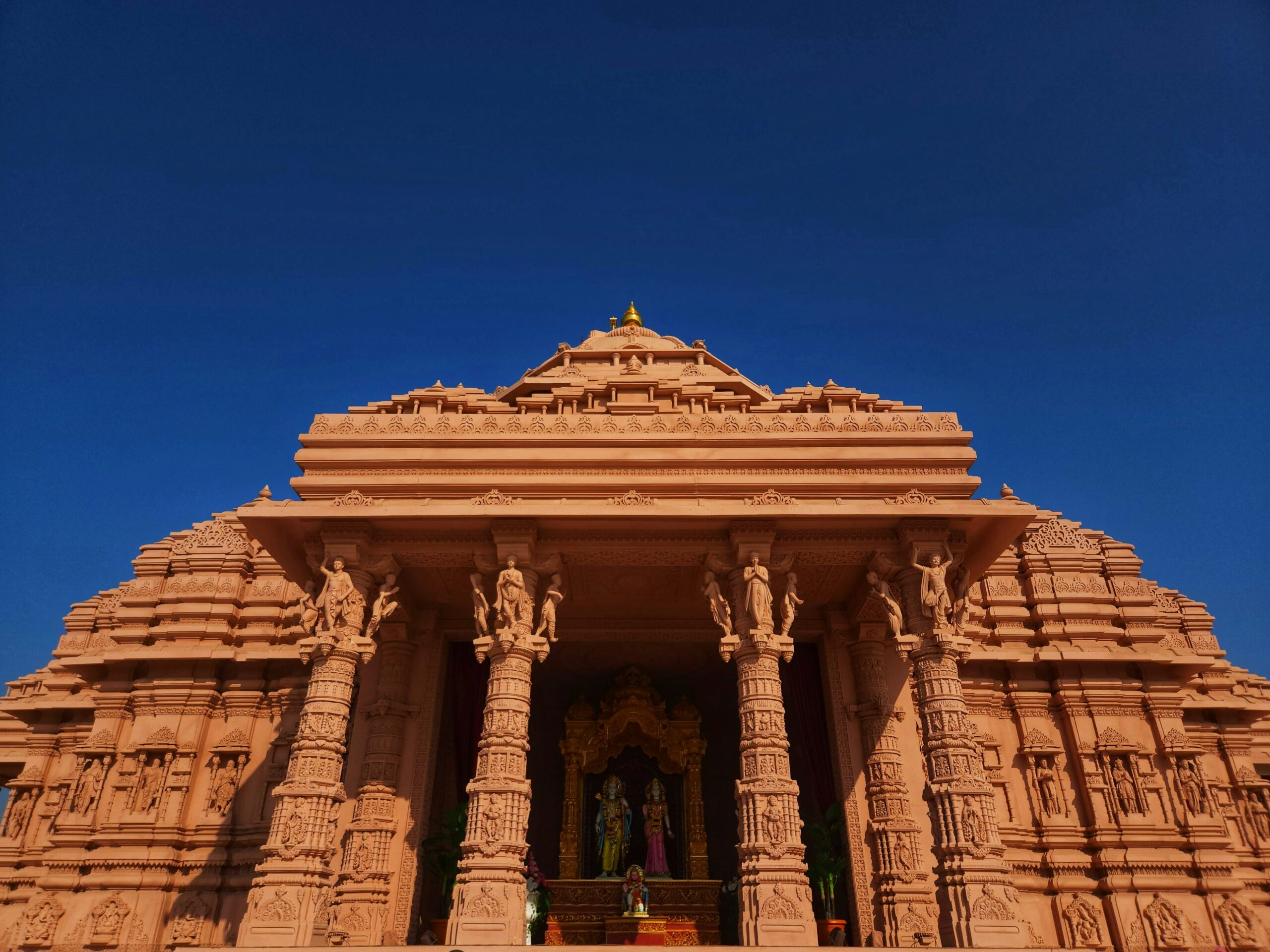
Ayodhya’s Festivals Celebrate , Imagine a city where every festival isn’t just a celebration but a living, breathing manifestation of ancient mythology. Where the air itself seems charged with devotion, where millions of lamps transform darkness into divine light, and where the entire population—residents and pilgrims alike—becomes part of a spiritual spectacle that has unfolded for thousands of years. Welcome to Ayodhya during festival season!
Ayodhya’s festivals are unlike celebrations anywhere else in the world. This isn’t merely about marking dates on a calendar or enjoying holidays. Here, festivals represent the city’s very soul expressing itself—reconnecting with its divine heritage, reliving the glorious moments of Lord Ram’s life, and reaffirming the eternal values of dharma, devotion, and righteousness that Ram embodied.
What makes Ayodhya’s festival culture truly unique is the intimate connection between the celebrations and the city’s identity. This is, after all, Lord Ram’s birthplace and kingdom. Every festival related to Ram’s life carries special significance here. When Ayodhya celebrates Ram Navami, it’s not just commemorating a deity’s birth—it’s celebrating their beloved king’s birthday. When Diwali lights illuminate the city, it’s not just symbolic—it’s recreating the historical moment when citizens lit lamps to welcome their returning king.
The festivals of Ayodhya offer visitors something extraordinary: the opportunity to experience how mythology, history, and devotion merge into living tradition. Whether you’re deeply religious or simply culturally curious, whether you’re seeking spiritual transformation or just want to witness spectacular celebrations, Ayodhya’s festivals promise experiences that touch your heart and stay with you forever.
In this comprehensive guide, we’ll explore Ayodhya’s major festivals, understand their significance, discover what makes each celebration special, and learn how you can participate meaningfully in these vibrant spiritual gatherings.

Significance and Mythology
Ram Navami, celebrating the birth of Lord Ram, stands as Ayodhya’s most important annual festival. This isn’t just another religious observance—it’s the birthday celebration of the city’s most beloved son, its ideal king, and the embodiment of dharma itself. The festival falls on the ninth day (navami) of the bright fortnight in the Hindu month of Chaitra (usually March-April).
Ayodhya’s Festivals Celebrate , According to mythology, King Dasharatha of Ayodhya, after years of childlessness, performed a special yajna (fire sacrifice). Pleased with his devotion, the gods granted him four sons. Ram, born to Queen Kaushalya, was the eldest and an incarnation of Lord Vishnu who descended to Earth to destroy the demon king Ravana and restore dharma.
The timing of Ram’s birth itself holds cosmic significance. He was born during Punarvasu Nakshatra (a specific constellation), at noon, when celestial alignments were perfectly auspicious. This moment marked not just the birth of a prince but the manifestation of divine consciousness in human form—an event that would reshape history and inspire billions across millennia.
For Ayodhya’s residents, Ram Navami is deeply personal. Imagine your city celebrating the birthday of its greatest hero, a king who ruled so justly that his reign (Ram Rajya) became synonymous with the ideal society. The pride, devotion, and joy that Ayodhya feels during Ram Navami is palpable and infectious.
Nine Days of Devotion
While Ram Navami itself is a single day, the celebration actually spans nine days (the Chaitra Navratri period), building to a grand climax on the ninth day. This progression mirrors the spiritual journey from preparation to realization, from anticipation to celebration.
The festivities begin on the first day of Chaitra with the installation of Ram Lalla (infant Ram) idols in homes and temples. Devotees undertake fasts, ranging from complete fasting to simple, sattvic (pure) vegetarian meals. Many people recite the entire Ramayana or Ramcharitmanas during these nine days, immersing themselves in Ram’s life story.
Temples throughout Ayodhya organize continuous readings of sacred texts. The melodious recitation of Sanskrit shlokas and Hindi verses fills the air, creating an atmosphere of concentrated devotion. Many temples keep their doors open 24 hours during this period, allowing devotees to visit and pray at any time.
As the days progress, the celebrations intensify. Cultural programs featuring classical music, traditional dance, and theatrical performances of Ramayana episodes are organized at various venues. These aren’t just entertainment—they’re devotional expressions, reminding everyone of Ram’s virtues and adventures.
Special Rituals and Ceremonies
The ninth day—Ram Navami itself—is when Ayodhya truly explodes with celebration. The day begins at dawn with special abhishekams (ritual bathing of deity) performed at all major temples. Ram’s idols are bathed with milk, honey, yogurt, ghee, and other auspicious substances while Vedic mantras are chanted.
At Ram Janmabhoomi, the main temple marking Ram’s birthplace, elaborate ceremonies begin early morning. Thousands of devotees queue from the pre-dawn hours, eager to have darshan (viewing) of Ram Lalla on his birthday. The temple is decorated magnificently with flowers, lights, and traditional ornaments. The deity is dressed in new, specially prepared clothes and jewels.
The exact moment of Ram’s birth (noon) is marked with special puja. This “Janmotsav” (birth celebration) ceremony is the emotional high point. Bells ring, conch shells blow, priests chant sacred verses, and devotees sing devotional songs. Many people experience overwhelming emotion—tears of joy, feelings of divine presence, a sense of blessing washing over them.
Throughout Ayodhya, households perform their own Ram Navami pujas. Families gather, invite priests to conduct ceremonies, and share prasad (blessed food). The spirit of community and shared devotion strengthens social bonds and keeps tradition alive across generations.
Temple Decorations and Processions
Ayodhya’s temples transform into visual spectacles during Ram Navami. Elaborate floral decorations—marigolds, roses, and jasmine arranged in intricate patterns—adorn temple entrances and sanctums. Colorful rangoli designs cover floors. Traditional lamps and modern lighting combine to create enchanting atmospheres.
The processions are perhaps Ram Navami’s most spectacular aspect. Grand processions featuring decorated idols of Ram, Sita, Lakshman, and Hanuman wind through Ayodhya’s streets. The idols are placed on elaborately decorated palanquins or chariots, carried by devoted volunteers. Accompanying the procession are musicians playing traditional instruments, singers chanting devotional songs, and dancers performing traditional folk dances.
The procession routes pass through major streets, allowing maximum people to participate in the celebration. Residents line the streets, throwing flower petals, offering prayers, and experiencing the divine presence moving through their city. The energy is electric—drumbeats, chanting, singing, and the collective joy of thousands create an unforgettable sensory experience.
Multiple processions happen throughout the day and into the evening. The evening processions are particularly beautiful, with illuminated chariots moving through streets lit by thousands of lamps. The sight of decorated deities glowing against the night sky, surrounded by devotees singing and dancing, embodies the festival’s vibrant spirit.
Cultural Programs and Performances
Ram Navami features extensive cultural programming celebrating Ram’s legacy through various art forms. Classical music concerts by renowned artists perform ragas associated with devotion and springtime (Ram Navami falls in spring). These concerts, often free and held in temple courtyards or public spaces, showcase India’s musical heritage while expressing devotion.
Dance performances present episodes from the Ramayana through Kathak, Bharatanatyam, and other classical forms. Watching skilled dancers portray Ram’s life—his childhood, marriage to Sita, exile, battle with Ravana, and triumphant return—is both aesthetically beautiful and emotionally powerful.
Ram Lila performances (dramatic enactments of Ramayana) run throughout the nine-day period, with grand finales on Ram Navami. Unlike the elaborate Ram Lilas performed during Dussehra, these versions focus specifically on Ram’s birth and childhood. Local actors, often amateurs performing out of devotion, bring these ancient stories to life with enthusiasm and sincerity that professional polish sometimes lacks.
Poetry competitions, devotional singing contests, and religious discourse sessions provide platforms for devotees to express their faith. Scholars deliver lectures on the Ramayana, explaining its deeper philosophical meanings and contemporary relevance. These intellectual engagements complement the emotional and devotional aspects of the festival.
Diwali: The Festival of Lights in Lord Ram’s City
Ayodhya’s Special Connection to Diwali
While Diwali is celebrated across India, Ayodhya holds a unique claim to this festival’s origin story. According to the Ramayana, Diwali commemorates the day Lord Ram returned to Ayodhya after fourteen years of exile, having defeated Ravana and rescued Sita. The citizens of Ayodhya, overjoyed at their beloved king’s return, illuminated the entire city with countless lamps, creating a celebration of lights that has continued for millennia.
This historical connection makes Diwali in Ayodhya something special—it’s not just celebrating a mythological event but commemorating what happened right here, in this very city. Ayodhya’s Diwali is, in essence, the original Diwali, the first celebration that inspired billions of subsequent Diwalis across the world.
The festival falls in the Hindu month of Kartik (October-November), typically on the new moon night (Amavasya). The timing is symbolic—bringing light to darkness, returning prosperity after hardship, celebrating good’s triumph over evil. For Ayodhya, it’s also deeply personal: welcoming home their rightful king and the beginning of Ram Rajya, the ideal governance that became legendary.
The Spectacular Illumination
Ayodhya’s Diwali illumination is breathtaking—a visual spectacle that has garnered international attention and even broken world records. In recent years, the Uttar Pradesh government has organized massive celebrations that have lit millions of diyas (traditional clay oil lamps) simultaneously, creating the world’s largest display of oil lamps—a feat recognized by Guinness World Records.
The entire city transforms into a glowing wonderland. Every home, shop, temple, and public building is adorned with traditional diyas and modern lights. The ghats along the Sarayu River become ribbons of light stretching for kilometers. Ram Ki Paidi, in particular, becomes a spectacular sight with lakhs (hundreds of thousands) of diyas arranged in decorative patterns along the steps and riverbank.
The Sarayu River itself seems to become a river of light, with reflections of countless lamps shimmering on the water surface. The effect is magical—as if earth and sky, land and water have all merged into one luminous celebration. Standing at the ghats, surrounded by this sea of lights while devotional songs fill the air, creates an almost otherworldly experience.
The Ram Janmabhoomi complex receives special illumination treatment. The temple and surrounding areas glow with artistic lighting designs that highlight architectural features while maintaining the spiritual atmosphere. Traditional motifs and modern lighting technology combine to create spectacular visual effects.
Beyond the organized displays, every household participates in the illumination. Families spend the afternoon of Diwali cleaning homes and decorating with rangoli patterns, flower arrangements, and lights. As evening approaches and each lamp is lit, you witness the gradual transformation—darkness giving way to light, the visual metaphor at the heart of Diwali’s meaning.
Record-Breaking Celebrations
Ayodhya has made international headlines multiple times for its record-breaking Diwali celebrations. In 2018, the city lit over 300,000 diyas simultaneously. In 2019, this number increased to 400,000. The ambition and scale continue growing each year as Ayodhya reclaims its position as Diwali’s spiritual capital.
These record attempts aren’t merely about numbers or publicity. They represent Ayodhya’s pride in its heritage and its desire to share this legacy with the world. The organized attempts involve thousands of volunteers—from teenagers to elderly residents—who enthusiastically participate in setting up and lighting the lamps. The collective effort strengthens community bonds and creates shared memories.
The coordinated lighting ceremony is itself spectacular. At a predetermined moment, as a signal is given, thousands of volunteers simultaneously light the diyas. Within minutes, entire areas transform from darkness to radiant light. The visual transformation, happening so quickly and dramatically, often moves people to tears—it’s a powerful reminder of how collective action can transform darkness to light, both literally and metaphorically.
The record attempts happen primarily at Ram Ki Paidi, where the ghat’s extensive steps provide perfect staging for the massive lamp displays. Geometric patterns, artistic designs, and symbolic arrangements are created using the millions of diyas. Aerial photographs and videos capture these designs, revealing intricate beauty visible only from above.
Best Viewing Spots
Experiencing Ayodhya’s Diwali requires strategic planning to find the best vantage points:
Ram Ki Paidi: The epicenter of celebrations and the primary site for record attempts. Arrive early afternoon to secure a good spot. The ghat becomes extremely crowded by evening, but the atmosphere—the collective energy, devotional singing, and spectacular lighting—makes the crowd part of the experience rather than a nuisance.
Hanuman Garhi: The elevated position offers panoramic views of illuminated Ayodhya. From here, you can see the city spread below like a vast glowing tapestry. The temple itself is beautifully lit, and the viewpoint provides excellent photography opportunities. Less crowded than the ghats, it offers a more peaceful viewing experience.
Sarayu River Boat Rides: Several boat operators offer special Diwali evening rides. Viewing the illuminated ghats from the river provides unique perspectives. The reflections of lights dancing on water, the reverberating sounds of celebrations echoing across the river, and the comparative quiet of being on water creates a memorable, somewhat magical experience.
Guptar Ghat: Typically less crowded than Ram Ki Paidi, Guptar Ghat offers beautiful illuminations in a more intimate setting. The spiritual significance of this location adds depth to the Diwali experience here.
Local Neighborhoods: Simply wandering through Ayodhya’s residential areas offers authentic experiences. Seeing how local families celebrate, the rangoli designs outside homes, the aroma of festival foods, children playing with sparklers, and the warm glow of diyas in windows provides intimate glimpses into traditional celebration.
Safety Tips During Diwali
The massive crowds and extensive celebrations require safety awareness:
Crowd Management: Stay alert in dense crowds. Keep valuables secure and close to your body. Establish meeting points with companions in case you get separated. Avoid pushing in crowds—patience and politeness keep everyone safer.
Fire Safety: With millions of oil lamps burning, fire awareness is crucial. Keep safe distances from large flame concentrations. Avoid wearing highly flammable synthetic fabrics—cotton clothing is safer. Be cautious where you walk, as oil from toppled lamps can make surfaces slippery.
Firecrackers: While traditional Diwali includes firecrackers, Ayodhya’s administration sometimes restricts them to reduce pollution and fire risk. Respect any restrictions. If firecrackers are permitted, maintain safe distances, especially if you have children. Firecracker noise can be overwhelming—consider earplugs if you’re sensitive to loud sounds.
Health Precautions: The crowds, smoke from lamps and incense, and long standing periods can be physically demanding. Stay hydrated, take breaks when needed, and don’t push beyond your physical limits. People with respiratory conditions should be especially cautious of smoke exposure.
Accommodation Security: With the city overflowing with visitors, secure your accommodation well in advance. Ensure your hotel is in a safe area and has proper security measures. Keep copies of important documents separately from originals.
Kartik Purnima: The Festival of Lamps on the Sarayu
Religious Significance
Kartik Purnima, the full moon day in the Hindu month of Kartik (October-November), holds immense religious significance. This day is considered among the most auspicious in the Hindu calendar for several reasons. It marks the end of the holy Kartik month, during which devotees observe various religious practices and fasts. For Vaishnavites (worshippers of Vishnu), it’s also believed to be the day when Lord Vishnu incarnated as Matsya, the fish avatar.
In Ayodhya specifically, Kartik Purnima has special connection to the Sarayu River. Bathing in sacred rivers on this day is considered extremely meritorious, washing away sins and granting spiritual blessings. The Sarayu, already sacred as the river associated with Lord Ram, becomes even more potent on Kartik Purnima.
The full moon adds symbolic and aesthetic dimensions. In Hindu philosophy, the full moon represents completeness, spiritual illumination, and divine consciousness fully manifested. Celebrating near sacred waters under a full moon creates a powerful spiritual atmosphere that devotees believe amplifies their prayers and spiritual practices.
The Deep Daan Ceremony
The centerpiece of Kartik Purnima celebrations in Ayodhya is “Deep Daan”—the offering of lighted lamps. This ancient ritual involves devotees lighting small earthen lamps (diyas) filled with ghee or oil and floating them on the Sarayu River. The sight of thousands upon thousands of these small flames floating on the dark water creates a breathtaking spectacle.
The ritual begins as dusk approaches. Families and individuals gather along the ghats, carrying their diyas. Priests conduct short pujas, blessing the lamps. As darkness descends and the full moon rises, the lighting begins. The collective activity—thousands of people simultaneously lighting and launching their lamps—creates a powerful sense of shared devotion.
Watching the lamps float away carries deep symbolic meaning. Each lamp represents an individual prayer, a wish, a hope being sent to the divine. As the lamps drift with the current, carrying their tiny flames into the distance, it symbolizes releasing attachments, sending prayers heavenward, and trusting the divine flow of existence.
From vantage points like bridges or elevated ghat areas, the view is spectacular—the dark river transformed into a constellation of moving lights, like stars that have descended from the sky to dance on the water. The visual beauty is profound, and the experience often moves people to tears with its combination of aesthetic beauty and spiritual significance.
The ritual also includes releasing flowers and sometimes small floats carrying multiple lamps. Some devotees create elaborate floating vessels decorated with flowers and carrying multiple diyas, creating miniature illuminated boats drifting down the Sarayu. The creativity and devotion people bring to this ritual adds to its charm.
Boat Rides and River Festivities
Kartik Purnima transforms the Sarayu riverfront into a festival ground. Boat operators offer special evening rides, allowing people to experience the Deep Daan ceremony from the water. Being amidst the floating lamps, surrounded by hundreds of flickering flames gently moving with the current, creates an intimate and magical experience.
The boat rides aren’t just for viewing—many people light and release their diyas from boats, feeling a deeper connection with the water element while performing the ritual. Boatmen, aware of the spiritual significance, often incorporate devotional singing and storytelling into the experience, sharing local legends and religious stories as you float among the lights.
The ghats themselves host various festivities. Small stalls sell diyas, flowers, and puja materials. Street food vendors do brisk business. Religious music and bhajan performances echo along the riverfront. The atmosphere is festive yet devotional—people are joyful and celebratory but also mindful of the spiritual purpose behind the gathering.
Many people choose to take ritual baths in the Sarayu during Kartik Purnima, believing the holy waters on this auspicious day provide extraordinary spiritual cleansing. The sight of devotees, often in traditional white clothing, descending the ghats for sacred bathing while the full moon illuminates the scene creates memorable visual images.
The festivities continue late into the night. Unlike some festivals that conclude by midnight, Kartik Purnima celebrations along the Sarayu often extend past midnight, as the full moon reaches its zenith. The combination of moonlight, floating lamps, devotional music, and the gentle sound of water creates an atmosphere of ethereal beauty and deep peace.
Vivah Panchami: Celebrating Ram and Sita’s Marriage
The Sacred Wedding Anniversary
Vivah Panchami, falling on the fifth day (panchami) of the bright fortnight in the month of Margashirsha (November-December), commemorates the wedding of Lord Ram and Goddess Sita. This isn’t just any wedding anniversary—it’s the celebration of the union between the ideal man and ideal woman, a marriage that represents the perfect partnership embodying duty, devotion, and dharma.
According to the Ramayana, King Janaka of Mithila (modern-day Janakpur in Nepal) organized a swayamvara (bride-choice ceremony) for his daughter Sita. The condition was to string Shiva’s mighty bow, a task thought impossible. Ram not only strung the bow but broke it while doing so, winning Sita’s hand. This marriage united two great royal houses and, spiritually, represented the union of the divine masculine and feminine principles.
For Ayodhya, Vivah Panchami is particularly sweet celebration. While the wedding technically occurred in Mithila, the festivities focus on the union that brought their beloved king the perfect life partner. Ram and Sita’s relationship—characterized by mutual respect, devotion, and standing together through extreme hardships—offers the ideal marriage model that Indian culture has cherished for millennia.
Special Pujas and Rituals
Vivah Panchami celebrations in Ayodhya center on re-enacting the divine wedding. Temples, especially those dedicated to Ram and Sita, organize elaborate wedding ceremonies where the deities’ idols undergo all traditional Hindu marriage rituals.
The festivities begin days in advance with preparation ceremonies similar to pre-wedding traditions in Indian households. The idols are given special baths, dressed in new clothes, and adorned with jewelry and flowers. Invitations are symbolically sent to other deities. Wedding songs traditionally sung in Indian weddings are performed in temples.
On Vivah Panchami day itself, the wedding ceremony unfolds with full traditional ritual. The idols are seated under a decorative mandap (wedding canopy). Priests chant Vedic mantras while performing various rites—kanyadaan (giving away the bride), pheras (walking around sacred fire), and other rituals that constitute Hindu weddings. Devotees gather as “wedding guests,” witnessing the divine marriage as if it’s happening before their eyes.
The emotional investment devotees have in this ceremony is touching. Many cry tears of joy during the ritual, experiencing genuine happiness at “witnessing” their beloved Lord’s wedding. The devotional mindset transforms a symbolic ritual into a deeply felt reality for participants.
After the wedding ceremony, celebratory rituals follow. There’s a feast (bhandara) where prasad is distributed to all attendees. Music, dance, and singing create a festive atmosphere. The temples remain open late, allowing maximum people to visit and offer congratulations to the divine couple.
Processions and Cultural Events
Vivah Panchami features colorful processions depicting the wedding party. These processions recreate the “baraat”—the groom’s procession in Indian weddings. Decorated idols of Ram, accompanied by his brothers Bharata, Lakshmana, and Shatrughna, along with Hanuman and other companions, are carried through streets in an elaborately decorated palanquin or chariot.
The procession is accompanied by traditional wedding music—drums, shehnai (traditional wind instrument), and singing. Dancers perform traditional folk dances. The atmosphere is jubilant, mirroring actual Indian wedding celebrations. The streets are decorated with torans (decorative door hangings), flowers, and lights. Residents throw flower petals and offer sweets to the “wedding party.”
The procession routes wind through major areas of Ayodhya, eventually reaching the main temple where the wedding ceremony is performed. Multiple processions might occur if several temples organize separate celebrations, creating an entire day of festive activity.
Cultural programs celebrating marital love and devotion are organized. Classical music concerts feature ragas associated with the shringar rasa (romantic sentiment). Dance performances depict episodes from Ram and Sita’s courtship and married life. Poetry recitations celebrate divine love and ideal partnership.
Ram Lila performances during this period focus on the wedding episode, showcasing the swayamvara, the bow-breaking feat, the marriage ceremony, and the couple’s return to Ayodhya. These performances, combining devotion with entertainment, make the ancient story accessible and engaging for all ages.
Shravan Jhula Festival
Traditional Swing Celebrations
The Shravan Jhula Festival, celebrated during the monsoon month of Shravan (July-August), offers a unique and charming celebration. “Jhula” means swing, and this festival centers on the tradition of placing deity idols on beautifully decorated swings.
The origins of this practice connect to several traditions. In one interpretation, the swing represents the joy of monsoon season—the gentle swaying evokes the pleasant breeze and the swinging motion of trees during rains. Spiritually, it represents the soul’s longing to merge with the divine, swinging between worldly and spiritual consciousness.
Temples throughout Ayodhya install decorative swings (jhulas or hindolas) during this period. The idols of Ram and Sita are placed on these swings, which are often elaborately decorated with flowers, especially jasmine and champak. The fragrances, combined with the monsoon’s fresh air, create a sensory delight.
Devotees take turns gently swinging the deities while singing devotional songs. This practice, called “Hindola Seva,” is considered a form of worship that allows intimate, playful interaction with the divine. The mood is lighthearted and joyful—devotees imagine they’re entertaining the Lord and his consort, providing them pleasure through the swinging motion.
The swings themselves become artistic expressions. Some are simple wooden swings decorated with flowers and silk fabric. Others are elaborate, carved structures adorned with precious materials, depending on the temple’s resources and tradition. The decoration is refreshed daily during the festival period, ensuring the divine couple always has fresh flowers and beautiful surroundings.
Monsoon Devotion
The timing of Shravan Jhula during monsoon season adds special charm. Monsoon in Indian spirituality symbolizes renewal, fertility, and divine grace descending like rain. The rainy season is considered highly auspicious for spiritual practices, and many Hindus observe special fasts and rituals during Shravan month.
Ayodhya during monsoon has particular beauty. The Sarayu flows full and powerful. The surrounding landscape turns lush green. The air, washed clean by rain, carries the fresh smell of wet earth and blooming flowers. The cooler temperatures make outdoor temple visits more comfortable than summer’s heat.
Evening programs during Shravan Jhula are particularly atmospheric. As dusk falls and light rain might drizzle, devotees gather in temple courtyards. Lamps are lit around the decorated swings. Musicians perform monsoon ragas—traditional melodies specifically associated with rainy season. The combination of music, gentle rain, the fragrance of wet flowers, and the sight of the divine couple on their swing creates an enchanting, romantic devotional atmosphere.
Special bhajans (devotional songs) associated with this festival speak of Lord Krishna and Radha (another divine couple often celebrated during this festival across India), but in Ayodhya, the focus naturally remains on Ram and Sita. The songs express the soul’s longing for the divine, using the metaphor of swinging—the back and forth movement representing spiritual seeking.
The festival encourages participation across ages. Children especially enjoy the swinging tradition, and many temples allow children to participate in gently pushing the deity’s swing. This creates positive associations with religious practice from young age, ensuring tradition’s continuation through generations.
Ramcharitmanas Mela
Literary and Spiritual Gathering
The Ramcharitmanas Mela is a unique festival celebrating literature and spirituality together. It commemorates the writing of the Ramcharitmanas, the beloved Hindi retelling of the Ramayana by the poet-saint Tulsidas. This festival, typically held in December, attracts scholars, devotees, and literature enthusiasts from across India.
Tulsidas holds special place in Ayodhya’s cultural history. Though born elsewhere, he spent considerable time in Ayodhya and Varanasi. His Ramcharitmanas made Ram’s story accessible to common people who couldn’t understand the Sanskrit of Valmiki’s original Ramayana. Written in Awadhi (a Hindi dialect spoken in the Ayodhya region), the Ramcharitmanas became one of India’s most beloved religious texts, memorized and recited by millions.
The Ramcharitmanas Mela isn’t a typical religious festival with processions and rituals. Instead, it’s an intellectual and devotional gathering where the focus is on understanding, appreciating, and celebrating this great literary work. It combines religious devotion with literary appreciation, scholarly discourse with folk celebration.
Recitations and Discourses
The centerpiece of Ramcharitmanas Mela is continuous recitation (path) of the entire text. Skilled reciters, some professional and some devoted amateurs, take turns reading the Ramcharitmanas in its traditional musical style. The melodious recitation, following conventions established over centuries, creates a hypnotic, devotional atmosphere.
Listeners gather in designated areas, often in temple courtyards or special pandals (temporary structures). Many people sit for hours, absorbing the text they might have heard countless times before but which never loses its power to move hearts. The recitation isn’t just reading—it’s a performance art, with reciters modulating their voice, emphasizing emotional passages, and using traditional tunes that enhance the text’s meaning.
Scholarly discourses complement the recitations. Respected scholars and spiritual leaders deliver lectures analyzing the Ramcharitmanas—its literary qualities, philosophical depth, cultural significance, and contemporary relevance. These discussions can be surprisingly deep, exploring complex theological concepts, literary techniques, and social commentary embedded in the text.
Debate competitions test participants’ knowledge of the text. Contestants must quote specific passages, explain meanings, and discuss interpretations. These competitions, while competitive, maintain a devotional spirit—the goal isn’t just to win but to deepen understanding of Tulsidas’s work.
Book stalls selling various editions of Ramcharitmanas—from pocket-sized versions to elaborately illustrated editions—do brisk business. Many people purchase new copies as gifts or for personal study. Commentary texts explaining difficult passages and scholarly works analyzing the Ramcharitmanas attract serious students of literature and philosophy.
Cultural programs feature music and dance based on Ramcharitmanas episodes. Classical musicians perform compositions inspired by Tulsidas’s text. Dance performances interpretkey scenes, bringing the poetry to visual life. These artistic expressions demonstrate how the Ramcharitmanas continues inspiring creative work centuries after its composition.
The Mela also honors contemporary poets, writers, and scholars working in devotional literature. Awards are presented, recognizing contribution to religious and literary culture. This acknowledgment encourages continued creative work in these traditions, ensuring their vitality for future generations.
Ganga Dussehra
Celebrating the Sacred River
Ganga Dussehra, celebrated on the tenth day (dussehra) of the bright fortnight in Jyeshtha month (May-June), commemorates the descent of the Ganga from heaven to earth. While the festival is primarily associated with the Ganga, Ayodhya celebrates it on the Sarayu River, acknowledging the sacred nature of all rivers and particularly the Sarayu’s importance in local religious life.
According to Hindu mythology, the Ganga originally flowed only in the heavens. King Bhagiratha performed severe penance to bring the Ganga to earth to purify the ashes of his ancestors. Pleased with his devotion, the gods agreed, but the force of the heavenly river falling to earth would have been destructive. Lord Shiva intervened, catching the Ganga in his matted locks and releasing it in controlled streams, allowing it to flow on earth without causing destruction.
The Ganga’s descent is celebrated as the victory of perseverance and devotion—Bhagiratha’s determination achieved the impossible, bringing divine grace to earth for humanity’s benefit. It’s also a celebration of water, that essential element sustaining all life, reminding us to respect and protect rivers.
Ritual Bathing Traditions
Ganga Dussehra is particularly important for ritual bathing. Bathing in sacred rivers on this day is believed to wash away ten sins (hence “dussehra”—das means ten), provide spiritual purification, and grant blessings. While many devotees travel to the Ganga itself, those in Ayodhya perform these rituals in the Sarayu, equally sacred and equally capable of granting spiritual merit.
The ghats fill with devotees from early morning. The scene is visually striking—thousands of people in traditional bathing clothes descending the steps into the river. The collective activity, the sound of prayers and mantras echoing along the riverbanks, and the sight of sunrise over the water creates powerful atmosphere.
Special pujas are performed along the riverbank. Devotees offer flowers, incense, and prayers to the river, acknowledging it as a form of the divine mother. Some perform elaborate rituals involving brass vessels, coconuts, and other traditional offerings. Others keep it simple—a heartfelt prayer and a grateful bath in the sacred waters.
The belief in the purifying power of these sacred baths is strong. Many devotees report feeling physically refreshed and spiritually lighter after bathing. Whether this is physical effect, psychological relief, spiritual cleansing, or some combination, the experience is meaningful and valued.
Families often attend together, making it a bonding experience. Parents bring children to the river, teaching them about traditions and instilling religious values. The inter-generational transmission of culture happens naturally in these settings—children absorb not just information but the emotional and spiritual attitudes their elders demonstrate.
Evening activities on Ganga Dussehra include aarti ceremonies dedicated to the river. Priests perform elaborate rituals with lamps, flowers, and incense, offering worship to the river deity. The evening aarti, with hundreds of lamps floating on the water, creates beautiful visual spectacle while expressing gratitude for water, that precious resource so central to life.
Holi in Ayodhya
The Festival of Colors
Holi, the exuberant festival of colors celebrated in early spring (February-March), transforms Ayodhya into a vibrant, joyful celebration of life, renewal, and the triumph of good over evil. While Holi is celebrated enthusiastically across North India, Ayodhya’s celebrations carry unique spiritual dimensions connected to Lord Ram.
Holi’s mythology includes several stories. Most prominently, it celebrates the defeat of the demoness Holika and the salvation of young Prahlad, a devotee of Lord Vishnu. The night before Holi, bonfires (Holika Dahan) are lit, symbolically burning away evil and negativity. The next day, the festival of colors erupts—people throw colored powders and water at each other in joyful, playful celebration.
The spring timing is significant. Holi marks winter’s end and spring’s arrival—a time of renewal, blossoming, and celebration of life’s vibrancy. The colors themselves represent nature’s diversity and beauty, the various emotions of human experience, and the colorful richness of life when lived fully.
In Ayodhya, Holi takes on additional meaning connected to Ram’s righteousness. The festival celebrates the ultimate triumph of good over evil, dharma over adharma—principles Ram embodied. Playing Holi becomes not just fun but a symbolic participation in this eternal battle, choosing joy, color, and goodness over darkness and negativity.
Unique Local Traditions
Ayodhya’s Holi celebrations blend general North Indian traditions with local customs specific to this sacred city. The celebrations maintain the joyful, playful spirit while respecting the city’s religious atmosphere—there’s exuberance but generally less rowdiness than in some other places.
The day begins with temple visits. Many people first take darshan at Ram Janmabhoomi and other major temples, offering prayers before beginning the celebrations. This grounds the festivities in spirituality, reminding participants of Holi’s deeper meanings beyond just playful color-throwing.
The public celebrations often center around temple complexes and public spaces. Organized Holi events feature music, dance, and controlled color-play in designated areas. Traditional instruments create rhythmic music, and people dance in groups, throwing colors while singing Holi songs—many of which have devotional themes in Ayodhya, mentioning Ram and Sita alongside general Holi lyrics.
Community organizations prepare special Holi treats—gujiya (sweet dumplings), mathri (savory snacks), thandai (a special drink with milk, nuts, and spices), and other traditional foods. These treats are shared freely, strengthening community bonds. The emphasis on sharing and community rather than individual pleasure reflects Ayodhya’s spiritual culture.
Families celebrate within their neighborhoods, with color-play among known community members rather than the complete free-for-all that happens in some cities. This maintains Holi’s joy while respecting boundaries and ensuring everyone’s comfort and safety, particularly for women and children.
The use of natural, organic colors is increasingly emphasized, both for health reasons and environmental consciousness. Traditional colors made from flowers, turmeric, and other natural materials replace synthetic chemical colors. This aligns with the spiritual principle of ahimsa (non-harm) and environmental stewardship.
Evening gatherings feature cultural programs—music, poetry, and storytelling related to Holi and its various mythological connections. As the color-play winds down and people clean up, these programs provide a contemplative conclusion to the day’s exuberance, bringing participants back to a more centered, spiritual state.
Lesser-Known Festival Celebrations
Beyond the major festivals, Ayodhya celebrates numerous other religious occasions, each adding to the city’s rich festival culture.
Janmashtami
Though Janmashtami primarily celebrates Lord Krishna’s birth and is most grandly celebrated in Mathura and Vrindavan (Krishna’s birthplaces), Ayodhya also observes this festival with devotion. Temples dedicated to Krishna organize special programs. The midnight celebration—Krishna was born at midnight—features special pujas, devotional singing, and distribution of prasad.
The celebration acknowledges the connection between Ram and Krishna—both Vishnu avatars, both ideal kings, both embodying different aspects of the divine. Ayodhya’s Janmashtami celebrations, while smaller than Ram-focused festivals, demonstrate Hinduism’s interconnected nature and the city’s openness to celebrating all aspects of the divine.
Makar Sankranti
Makar Sankranti, marking the sun’s transition into Capricorn (Makar) in mid-January, is celebrated as a harvest festival and a day of taking holy dips. Ayodhya’s ghats fill with devotees bathing in the Sarayu, followed by charitable activities—donation of food, clothes, and money is considered particularly meritorious on this day.
Traditional foods—til-gud laddoos (sesame and jaggery sweets), khichdi (rice and lentils cooked together)—are prepared and shared. Kite flying, popular during Makar Sankranti in many parts of India, adds colorful spectacle to Ayodhya’s skies. The festival’s focus on gratitude for harvest and nature’s cycles fits well with Ayodhya’s agrarian surroundings.
Hanuman Jayanti
Hanuman Jayanti, celebrating Hanuman’s birth, holds special significance in Ayodhya given Hanuman’s intimate connection with Lord Ram. Hanuman Garhi, the prominent temple dedicated to Hanuman, becomes the focal point of celebrations. Massive crowds gather for special pujas, recitation of Hanuman Chalisa (a devotional hymn), and various religious activities.
The festival typically falls in Chaitra month (March-April). Devotees offer traditional items to Hanuman—vermillion (sindoor), which Hanuman loved, and special sweets. The atmosphere is charged with devotional fervor, as Hanuman represents the ideal devotee, demonstrating how complete surrender to the divine transforms an individual.
Physical strength displays—traditional wrestling matches, demonstrations of martial arts—sometimes feature in Hanuman Jayanti celebrations, honoring Hanuman’s legendary physical prowess. These events combine religious devotion with celebration of physical culture and discipline.
Daily Aarti: The Everyday Festival
While major festivals occur on specific dates, Ayodhya’s spiritual vibrancy manifests daily through the regular aarti ceremonies performed at temples and ghats.
Morning Aarti: Just before sunrise, temples awaken with morning aarti—the practice of offering worship with lamps, incense, and song. This “awakening ceremony” symbolically wakes the deity, beginning the day’s religious activities. Morning aartis are typically more intimate, attended by devoted early risers and priests. The peaceful dawn atmosphere, the melodious prayers, and the gradual strengthening of sunlight create meditative beginnings to the day.
Evening Aarti: The evening aarti, particularly at Ram Ki Paidi, is more elaborate and draws larger crowds. As dusk approaches and darkness descends, the aarti begins. Priests perform coordinated movements with large, multi-tiered lamps while devotional music plays. The sight of flames moving in patterns against the darkening sky, reflected in the river, creates mesmerizing visual spectacle.
The collective participation is powerful—hundreds or thousands of people singing together, clapping rhythmically, offering prayers in unison. This daily ritual, performed regardless of whether it’s a festival day or ordinary day, maintains Ayodhya’s spiritual energy continuously. For visitors, attending daily aarti provides accessible entry into Ayodhya’s devotional life without waiting for major festivals.
The daily aarti represents the philosophy that every moment can be sacred, every day a celebration if approached with proper consciousness. This mindset—treating each day as an opportunity for devotion and celebration—perhaps explains Ayodhya’s sustained spiritual atmosphere.
Planning Your Festival Visit
Booking Accommodations in Advance
Festival periods in Ayodhya see massive influxes of pilgrims and tourists, making advance accommodation booking absolutely essential.
Timing Your Booking: For major festivals like Ram Navami and Diwali, book 2-3 months in advance minimum. Six months advance booking isn’t excessive for these peak periods. For medium-sized festivals like Kartik Purnima or Vivah Panchami, 4-6 weeks advance booking suffices. Smaller festivals may not require special advance booking beyond usual travel planning.
Expect Higher Prices: Festival periods see significant price increases—sometimes 2-3 times normal rates for popular dates like Ram Navami and Diwali. Budget accordingly. The increased cost reflects both higher demand and the additional services hotels provide during festivals (extended hours, special meals, etc.).
Alternative Accommodation: If Ayodhya hotels are full or too expensive, consider staying in Faizabad (7 km away) or even Lucknow (140 km away) and traveling to Ayodhya for festival days. This requires more logistics but can significantly reduce accommodation costs and stress.
Dharamshalas: Religious rest houses (dharamshalas) operate on first-come-first-served basis or require connections with managing trusts. During major festivals, they fill almost immediately, often with long-term devotees who’ve established relationships over years. However, if you can secure dharamshala accommodation, it offers authentic cultural immersion and often places you right in the heart of festival activity.
Transportation During Festivals
Arrival Transportation: Book flights or trains well in advance for festival periods—tickets sell out quickly. Consider arriving a day or two before major festivals to avoid last-minute travel stress and secure your accommodation before peak crowds arrive.
Local Transportation: During major festivals, some streets close to regular traffic, and general congestion increases significantly. Plan for longer travel times within the city. Auto-rickshaw and taxi prices may increase due to high demand—agree on prices before starting journeys. Walking becomes increasingly practical during festivals, as vehicular movement slows to a crawl in congested areas.
Parking: If driving to Ayodhya during festivals, research parking options in advance. Designated parking areas may be established away from main festival sites, requiring walks or shuttle buses to reach celebration areas.
What to Pack
Essential Items for Festival Attendance
Comfortable Footwear: You’ll walk extensively and often need to remove shoes at temples. Comfortable, easy-to-remove footwear is essential. Sandals or slip-on shoes work better than laced shoes.
Modest Clothing: Cotton clothes covering shoulders and knees respect religious environment and are comfortable in crowds. Avoid expensive jewelry or flashy accessories that attract attention or risk loss in crowds.
Small Backpack: Carry essentials—water bottle, snacks, first aid supplies, phone charger, copies of important documents—in a small, secure backpack worn on front in dense crowds.
Sun Protection: Sunscreen, hat, sunglasses for daytime festival activities. Even winter sun can be strong, and you’ll spend extensive time outdoors.
Rain Gear: For monsoon festivals like Shravan Jhula or if weather is uncertain, carry a compact umbrella or lightweight raincoat.
Cash: Carry adequate cash in small denominations. ATMs may run out during festivals, and most vendors don’t accept cards. Secure cash in multiple locations (wallet, bag, hotel safe) for safety.
Basic Medications: Headache medicine, upset stomach remedies, any personal prescriptions, and basic first aid supplies. Medical facilities may be overwhelmed during major festivals.
Phone and Power Bank: Keep phone charged for navigation, photos, and emergency contact. Carry a power bank as charging opportunities may be limited when you’re out all day.
Offerings: If participating in rituals, have traditional offerings ready—flowers, coconuts, small amounts of money for donations, incense. These are also easily purchased near temples.
Festival Etiquette and Cultural Sensitivity
Respecting Religious Traditions: Remember you’re participating in genuine religious ceremonies, not tourist shows. Maintain respectful attitude even during joyful, boisterous celebrations. Follow instructions from priests and temple authorities. If unsure about proper behavior, observe and follow what devotees around you do.
Photography Guidelines: Always ask permission before photographing people, especially during worship. Many temples restrict photography in certain areas—respect these rules absolutely. Be discreet with photography—don’t let camera use distract you or others from the spiritual experience. Never use flash near deity idols or during ceremonies—it’s considered disrespectful and disruptive.
Appropriate Behavior: Keep conversations quiet and respectful near temples and during ceremonies. Turn phone ringers off. Don’t eat, smoke, or engage in obviously worldly activities in sacred spaces. Show patience in crowds—pushy or aggressive behavior is inappropriate and counterproductive.
Participation Boundaries: Some rituals are specifically for Hindus or initiated practitioners. Respect these boundaries if they exist. However, many festivals welcome all sincere participants regardless of background. When in doubt, ask politely or simply observe respectfully from appropriate distance.
Gift and Money Giving: If giving donations or gifts to priests, temples, or beggars, do so discreetly. Ostentatious displays of wealth or charity are considered poor taste. Use your right hand or both hands when giving or receiving anything—using only the left hand is considered disrespectful in Indian culture.
Cultural Immersion vs. Appropriation: Participate sincerely and respectfully, but recognize boundaries between genuine appreciation and superficial appropriation. If wearing traditional Indian clothing, do so properly and respectfully. Understand at least basic meanings of rituals you participate in—sincere engagement, even if imperfect, is valued over tokenistic participation.
Festival Food and Culinary Traditions
Special Festival Preparations: Each festival has associated traditional foods. Ram Navami features prasad including panchamrit (a mixture of milk, yogurt, ghee, honey, and sugar) and seasonal fruits. Diwali brings a deluge of sweets—barfi, laddo, gujiyas, and more. Holi is incomplete without gujiya and thandai. These special foods aren’t just sustenance—they’re part of the festival’s ritual and cultural fabric.
Street Food During Celebrations: Festival periods see explosion of street food activity. Vendors set up temporary stalls near temples and festival sites, offering everything from traditional snacks to festival specialties. The quality is generally good as competition is fierce, but use common sense—choose busy stalls with visible preparation areas and hot, freshly cooked food.
Temple Prasad: Receiving and consuming prasad (blessed food distributed at temples) is an important part of Hindu festival experience. Prasad typically includes simple sweets, fruits, or other vegetarian items. Accept prasad with right hand, consume at least a small portion respectfully (unless dietary restrictions prevent it), and never waste it—prasad is considered sacred.
Bhandaras (Community Feasts): Many organizations host free community meals during festivals. These bhandaras exemplify the festival spirit of sharing and community. Everyone is welcome—rich, poor, local, visitor. Participating in a bhandara provides authentic cultural experience and reminds us of values like equality, generosity, and community that festivals ideally promote.
Dietary Restrictions: Ayodhya maintains strict vegetarian (and often vegan) food culture, especially during festivals. This reflects religious principles of ahimsa (non-violence). Alcohol is also generally unavailable and socially inappropriate in this sacred city. Respect these norms, even if they differ from your usual habits.
Experiencing Festivals as a Tourist
Tips for First-Time Visitors:
Research Beforehand: Understanding festival’s religious and cultural significance enhances your experience. Read about the mythology, symbolism, and traditional practices beforehand. This context transforms what might otherwise seem like mere spectacle into meaningful spiritual celebration.
Manage Expectations: Festivals, especially major ones, involve huge crowds, long waits, heat or weather challenges, and occasional disorganization. Approach with patience and flexibility. The discomforts are part of the authentic experience and often create lasting memories and stories.
Engage Meaningfully: Don’t just observe from distance—participate appropriately. Buy a diya and float it during Kartik Purnima. Apply colors during Holi (if comfortable). Sing along with bhajans even if you don’t know the words. Engaged participation creates deeper, more memorable experiences than passive observation.
Connect with Locals: Festival times bring out community spirit. People are generally open, friendly, and happy to explain traditions, share stories, and include visitors in celebrations. Simple, respectful interactions—a smile, a greeting, a genuine question—open doors to meaningful cultural exchange.
Balance Planning and Spontaneity: Have a general plan (which festivals to attend, where to stay) but remain open to spontaneous experiences. Some of the best festival memories come from unexpected moments—being invited to a family’s celebration, discovering a small, beautiful ritual in a side-street temple, or simply sitting on ghat steps sharing snacks with fellow pilgrims.
Document Thoughtfully: By all means, take photos and videos, but don’t experience the entire festival through your phone screen. Sometimes, put the camera away and simply be present. The memories you absorb through full sensory engagement often prove more valuable than perfect photographs.
Practice Self-Care: Festival attendance can be physically and emotionally exhausting. Take breaks, stay hydrated, eat properly, and get adequate rest. Pushing yourself to exhaustion diminishes enjoyment and can lead to illness. It’s perfectly fine to skip some activities to maintain energy for what matters most to you.
Cultural Humility: Approach with humility and openness to learning. You’re a guest in sacred space, experiencing traditions developed over millennia. What might seem unusual or incomprehensible often has deep meaning to participants. Curiosity and respect serve you better than judgment or assumptions based on your own cultural norms.
Conclusion
Ayodhya’s festivals aren’t mere events marked on calendars—they’re the city’s heartbeat made visible, the continuous stream of devotion crystallizing into spectacular celebrations. Each festival offers unique window into the profound connection between this ancient city and Lord Ram, between timeless mythology and living tradition, between individual spirituality and collective celebration.
From the grand spectacle of Ram Navami, when millions gather to celebrate their beloved Lord’s birth, to the intimate beauty of Kartik Purnima’s floating lamps glowing on the Sarayu’s dark waters; from Diwali’s record-breaking illuminations to Vivah Panchami’s joyful celebration of divine marriage—Ayodhya’s festivals encompass the full spectrum of human devotional expression.
What makes these celebrations truly special isn’t just their scale or beauty, though both can be breathtaking. It’s the genuine devotion, the sincere faith, the centuries-old traditions maintained with care, and the warm inclusivity that welcomes all sincere seekers to participate. Ayodhya during festivals reveals Hinduism at its most vibrant—not as abstract philosophy but as lived experience, not as individual practice but as community celebration, not as escape from the world but as transformation of the world into sacred space.
Whether you attend seeking spiritual blessings, cultural understanding, spectacular experiences, or simply following curiosity, Ayodhya’s festivals offer gifts that extend far beyond the festival dates themselves. The memories, insights, connections, and perhaps transformations you experience become part of your own story, linking you to the endless chain of devotees who’ve celebrated here across millennia.
As you plan your festival visit to Ayodhya, remember that the logistics—booking hotels, arranging transport, packing appropriately—are just means to an end. The true preparation is internal: cultivating openness, respect, patience, and willingness to engage deeply with experiences that may challenge your assumptions and expand your understanding. Come with open heart and mind, and Ayodhya’s festivals will reward you with experiences that illuminate both the city and your own inner landscape.
May your festival journey to Ayodhya be blessed with joy, insight, and the kind of memories that last a lifetime. Jai Shri Ram!
FAQs
1. Which is the best festival to visit Ayodhya for the first time?
For first-time visitors, Diwali offers the most spectacular visual experience and manageable participation. The illumination is breathtaking, the atmosphere is joyful rather than overwhelming, and cultural sensitivity requirements are relatively straightforward compared to more ritual-intensive festivals. However, be prepared for massive crowds and book accommodations 2-3 months in advance. Alternatively, Kartik Purnima provides beautiful experiences with slightly smaller crowds than Diwali or Ram Navami, making it ideal for those wanting significant festival atmosphere without extreme crowding. Ram Navami is spiritually most significant but involves enormous crowds and complex logistics—perhaps better experienced after you’ve visited Ayodhya during quieter periods and understand the city’s layout.
2. Can non-Hindus participate in Ayodhya’s festivals?
Absolutely! Ayodhya’s festivals welcome respectful participants of all backgrounds. While these are Hindu religious celebrations, the inclusive philosophy recognizes sincere seekers from any tradition. Non-Hindus should dress modestly, follow basic temple etiquette (removing shoes, respectful behavior), and participate with genuine interest rather than treating festivals as mere tourist entertainment. Some specific rituals might be reserved for Hindus, but most festival activities—watching processions, attending cultural programs, floating lamps on Kartik Purnima, experiencing aarti ceremonies—are open to all. Local people generally appreciate visitors who show genuine interest and respect for their traditions, often enthusiastically explaining significance and helping visitors participate appropriately.
3. How can I avoid crowds during major festivals while still experiencing the celebration?
Complete crowd avoidance during major festivals is impossible, but strategic timing helps. Visit major sites very early morning (before 7 AM) or late evening when crowds are relatively lighter. Explore smaller temples and neighborhood celebrations rather than focusing only on Ram Janmabhoomi or Ram Ki Paidi. Consider staying a day or two beyond the main festival date—post-festival days often retain celebratory atmosphere with fewer crowds. During festivals, explore secondary ghats like Guptar Ghat or Janki Ghat instead of Ram Ki Paidi. Book hotels slightly away from main temple areas for peaceful retreat space while still accessing festivals. Remember that crowds are part of the authentic festival experience—embrace them as expressions of collective devotion rather than mere obstacles.
4. What is the typical budget for attending a major festival in Ayodhya?
Budget varies significantly based on accommodation choices and travel style. Economical approach (dharamshala or budget hotel, train travel, eating street food, local transportation): ₹2,000-3,000 per day per person. Mid-range approach (comfortable hotel, mix of travel modes, restaurant meals, occasional guided activities): ₹5,000-8,000 per day per person. Luxury approach (premium hotel, flights or private car, fine dining, private guides): ₹15,000+ per day per person. Remember that festival periods see 2-3x normal accommodation prices. Add buffer for shopping (religious items, souvenirs) and donations. International visitors should budget for visa, travel insurance, and other overhead costs. Multi-day festivals increase total cost but reduce per-day expenses as accommodation becomes fixed cost. Consider sharing accommodation to reduce costs—many hotels offer family rooms or allow multiple guests per room.
5. Are Ayodhya’s festivals family-friendly and suitable for children?
Most Ayodhya festivals are very family-friendly, and you’ll see many families with children participating. The devotional atmosphere is peaceful, and celebrations typically don’t involve anything frightening or inappropriate for children. However, consider your children’s age, temperament, and tolerance for crowds and long events. Festivals like Diwali with its lights and Holi with its colors particularly appeal to children. Ram Navami’s processions and cultural programs offer visual interest. However, long religious ceremonies might bore younger children—break these up with other activities like boat rides, exploring markets, or simply playing on ghat steps. Practical considerations: carry snacks and water, plan rest breaks, ensure children have comfortable footwear, watch them carefully in crowds, and be prepared to modify plans if children become tired or overwhelmed. Many children find festival experiences exciting and memorable, creating positive associations with religious and cultural traditions.