
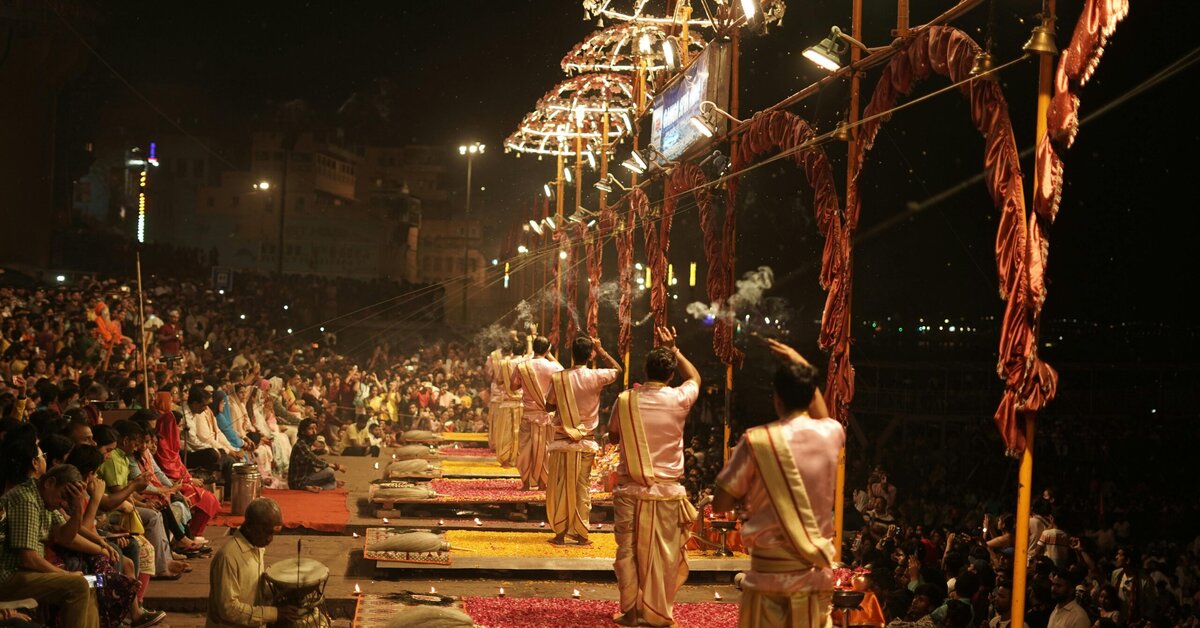
How to Plan a Hassle-Free Varanasi Trip with Old Parents , Taking your elderly parents to Varanasi can be one of the most meaningful gifts you’ll ever give them. For many older Indians, visiting the holy city represents a lifelong dream—a chance to connect with their faith in the spiritual heart of India. But let’s be honest: the thought of navigating Varanasi’s crowded ghats, narrow lanes, and intense energy with aging parents can feel overwhelming. How do you honor their spiritual aspirations while ensuring their comfort and safety? With thoughtful planning and the right approach, you can create a memorable, hassle-free pilgrimage that your parents will cherish forever.

Understanding Your Parents’ Needs and Limitations
Assessing Physical Capabilities
How to Plan a Hassle-Free Varanasi Trip with Old Parents ,Before booking anything, have an honest conversation with your parents about their physical abilities. Can they walk for 15-20 minutes at a stretch? Do they have joint problems that make climbing stairs difficult? Are they comfortable in crowded spaces?
How to Plan a Hassle-Free Varanasi Trip with Old Parents , How to Plan a Hassle-Free Varanasi Trip with Old Parents , Understanding these limitations isn’t about discouraging them—it’s about designing a trip that works for their reality. Varanasi’s ghats involve stairs, the lanes are uneven, and some temples require walking. Knowing what’s manageable helps you plan alternatives like hiring a wheelchair, choosing ground-floor accommodations, or arranging vehicle access to sites that others might walk to.
Medical Considerations Before Travel
How to Plan a Hassle-Free Varanasi Trip with Old Parents , How to Plan a Hassle-Free Varanasi Trip with Old Parents , Schedule a pre-trip checkup with your parents’ doctor. Discuss the travel plans and get medical clearance, especially if they have conditions like diabetes, heart disease, or breathing difficulties. Ask the doctor to prescribe any necessary medications and get written instructions for managing chronic conditions during travel.
How to Plan a Hassle-Free Varanasi Trip with Old Parents , Carry a comprehensive medical summary including blood type, current medications, allergies, and emergency contact information. Having this documentation in both English and Hindi can be invaluable if you need medical assistance in Varanasi.
Choosing the Right Time to Visit Varanasi
Weather and Comfort
Timing can make or break your trip. The ideal months for visiting Varanasi with elderly parents are October through February when temperatures are pleasant and manageable. November and December are particularly comfortable, with daytime temperatures around 20-25°C (68-77°F).
Avoid the scorching summer months (April-June) when temperatures soar above 40°C (104°F)—this extreme heat can be dangerous for elderly travelers. The monsoon season (July-September) brings humidity and potential flooding, making navigation difficult.
Avoiding Peak Crowds
While festivals like Dev Deepawali and Mahashivratri are spiritually significant, they also bring massive crowds that can be stressful and potentially unsafe for elderly visitors. If your parents have mobility issues or get anxious in crowds, visit during quieter periods.
Mid-week visits tend to be less crowded than weekends. Early morning hours (6-9 AM) offer the best combination of spiritual atmosphere and manageable crowds at the ghats.
Booking Comfortable Accommodations
Location Matters
Location is everything when traveling with elderly parents. Stay as close to the main ghats as possible to minimize travel time and fatigue. However, “close” doesn’t mean right in the chaotic heart of the old city.
Consider hotels near Assi Ghat or slightly away from the main action but with easy vehicle access. This gives you proximity to key sites while providing a quieter environment where your parents can rest properly. Hotels along the cantonment area offer excellent facilities while being just 10-15 minutes from the ghats.
Essential Amenities for Elderly Travelers
Don’t compromise on these must-have amenities:
Elevator access: Ground floor rooms work if elevators aren’t available, but confirm this when booking. Climbing stairs multiple times daily exhausts elderly travelers.
Attached bathrooms with safety features: Look for rooms with Western-style toilets, grab bars, and non-slip flooring. Many older Indians prefer Indian-style toilets, so check your parents’ preference.
Air conditioning and heating: Temperature control is essential for comfort and health.
Reliable WiFi and communication: You’ll want to stay connected for navigation, booking services, and emergencies.
On-site dining: Having breakfast and dinner at the hotel reduces the need to venture out when your parents are tired.
Planning a Senior-Friendly Itinerary
Prioritizing Key Spiritual Sites
Your parents probably have specific places they dream of seeing. Make a list together and prioritize. The must-visit sites typically include Dashashwamedh Ghat for the evening aarti, Kashi Vishwanath Temple, Assi Ghat for morning prayers, and perhaps Sarnath.
Instead of trying to see everything, focus on 2-3 meaningful experiences per day. Quality trumps quantity, especially when your parents might remember the spiritual connection more than checking off a long list.
Building in Rest Time
This is crucial and often overlooked. Plan for substantial rest periods in your hotel between morning and evening activities. The 2-5 PM window is perfect for rest, especially when afternoon heat peaks.
Don’t schedule back-to-back activities. If you visit Kashi Vishwanath Temple in the morning, keep the afternoon light or free. Your parents will appreciate the chance to process their spiritual experiences and physically recover.
Accessible Transportation Options
Forget about walking everywhere. Hire a reliable driver with a comfortable car for your entire stay. The cost is minimal compared to the convenience and safety it provides.
For reaching ghats where vehicles can’t enter, arrange for wheelchairs in advance. Many local services provide this. For very narrow lanes, e-rickshaws (battery-powered cycle rickshaws) offer a good middle ground—they’re narrow enough to access tight spaces but save your parents from walking.
Practical Tips for a Smooth Journey
Packing Smart for Elderly Parents
Create a comprehensive packing list: comfortable walking shoes with good grip, light cotton clothes, a warm shawl for early mornings, modest outfits for temple visits, sun hats, and sunscreen.
Pack a small day bag with essentials: water bottles, tissues, hand sanitizer, basic first-aid supplies, and energy snacks. Having these readily available prevents problems before they start.
Managing Medications and Health
Carry double the required medication quantity—keep one set in your bag and another in your parents’ possession. This protects against loss or damage.
Bring a digital thermometer and blood pressure monitor if your parents have relevant conditions. Knowing their vital signs helps you make informed decisions about when to rest or seek medical help.
Keep the contact information for good hospitals in Varanasi. Heritage Hospital and Sunderlal Hospital are well-regarded facilities that can handle emergencies.
Dietary Considerations
Varanasi is vegetarian-friendly, but street food might not suit sensitive elderly stomachs. Stick to established restaurants and your hotel dining for main meals.
Carry familiar snacks from home—digestive biscuits, packaged nuts, or energy bars your parents already eat. This ensures they have safe options when hunger strikes between meals.
Ensure they stay hydrated but with bottled water only. Dehydration is a serious risk, especially if they’re not accustomed to traveling.
Making the Spiritual Experience Meaningful
Beyond logistics, focus on the spiritual heart of the journey. Encourage your parents to share stories about their faith, their dreams of visiting Varanasi, and what these sites mean to them. Record these conversations—they become precious family history.
Participate in the rituals with them. Offer prayers together, take the boat ride at sunrise, witness the aarti as a family. Your engagement makes their experience more meaningful and creates shared memories.
Hire a knowledgeable guide who can explain the significance of what you’re seeing. Understanding the “why” behind the rituals and sites deepens the spiritual impact.
Conclusion
Planning a Varanasi trip with elderly parents requires more effort than a typical vacation, but the rewards are immeasurable. Seeing the joy in your parents’ eyes as they fulfill a lifelong spiritual dream, witnessing their peace during the Ganga aarti, and sharing these profound moments together creates bonds that last forever.
The key is balancing their spiritual aspirations with physical realities. Prioritize comfort, build in flexibility, prepare for health needs, and focus on meaningful experiences over exhaustive sightseeing. With thoughtful planning, you can give your parents the gift of a safe, comfortable, and deeply fulfilling pilgrimage to one of India’s most sacred cities.
Remember, this isn’t just about seeing Varanasi—it’s about honoring your parents, their faith, and creating final chapters in your family’s spiritual story. That’s worth every bit of planning effort.
FAQs
Q1: Is it safe for elderly parents with heart conditions to visit Varanasi?
Yes, but with proper precautions. Consult their cardiologist before traveling and get written guidelines for managing their condition during the trip. Carry all medications in original packaging with extra quantities. Avoid physically strenuous activities like climbing steep ghat stairs—use wheelchairs or vehicles instead. Keep nitroglycerin or other emergency medications easily accessible. Have contact information for good hospitals in Varanasi. The emotional and spiritual significance of visiting Varanasi often benefits cardiac patients, but physical comfort and medical preparedness are essential.
Q2: How do I arrange wheelchair access at Varanasi’s ghats and temples?
Many local services rent wheelchairs specifically for temple and ghat visits. Ask your hotel to arrange this or contact tour operators in advance. For Kashi Vishwanath Temple, wheelchair access is available through the main entrance. Some ghats have ramps, though many still have stairs. The Dashashwamedh Ghat aarti can be viewed from boats, which eliminates stair navigation. E-rickshaws can get quite close to most ghats. Planning ahead and hiring local assistants who know accessible routes makes a significant difference.
Q3: What should I do if my parents get overwhelmed or tired during the visit?
Always have a backup plan. Keep your vehicle and driver on standby so you can return to the hotel quickly if needed. Don’t force completion of planned activities if your parents are exhausted—there’s no shame in cutting a visit short. Build flexibility into your itinerary so missing one activity doesn’t ruin the day. Carry a portable chair or identify seating areas at each location. Sometimes just sitting quietly at a ghat or temple offers more spiritual value than rushing through a checklist while exhausted.
Q4: Are Western-style toilets available at major sites in Varanasi?
Availability varies significantly. Major hotels and restaurants along the cantonment area have Western-style toilets, but traditional sites and street-level establishments often have only Indian-style toilets. If your parents require Western toilets, plan bathroom breaks at your hotel or established restaurants. Some temples now have Western-style facilities, but don’t count on it. Consider using toilet seat covers and carrying wet wipes for hygiene. Planning your route around known facilities reduces stress considerably.
Q5: How much should I budget for a 3-4 day comfortable trip to Varanasi with elderly parents?
For a comfortable, hassle-free trip for three people (you and two parents), budget approximately ₹40,000-60,000 ($480-720). This includes mid-range hotel accommodation (₹3,000-5,000 per night), hired car with driver (₹2,500-3,500 per day), meals at good restaurants (₹1,500-2,000 per day for three), temple donations and puja costs (₹2,000-5,000), entrance fees, guide services, and contingencies. Luxury accommodations or special services increase this. Budget hotels reduce costs but may compromise comfort that’s important for elderly travelers. Having extra funds for unexpected medical needs or comfort services provides peace of mind.