Private Tour Operator in Varanasi for Pilgrimage , Have you ever dreamed of a pilgrimage where every sacred moment unfolds at your own pace, where rituals are explained with depth and reverence, and where your spiritual needs take priority over rushed schedules? A private tour operator specializing in pilgrimage transforms your Varanasi journey from a typical tourist experience into a profound spiritual odyssey. Unlike group tours where you’re one among many, or independent travel where you might miss crucial spiritual insights, a private pilgrimage operator creates a sacred journey tailored exclusively to your devotional aspirations. Let’s explore why engaging a private tour operator for your Varanasi pilgrimage might be the most meaningful decision you make for your spiritual journey.
Why Choose a Private Tour Operator for Your Pilgrimage
Personalized Spiritual Itineraries
Private Tour Operator in Varanasi for Pilgrimage , Every pilgrim arrives in Varanasi with unique spiritual intentions. Perhaps you’re seeking moksha blessings, performing ancestral rituals, fulfilling a vow, or simply immersing yourself in India’s spiritual heart. A private tour operator designs your itinerary around these personal goals rather than forcing you into a one-size-fits-all template.
Want to spend extra time in meditation at a particular temple? Your private operator accommodates this. Need to schedule activities around specific auspicious timings recommended by your family priest? They make it happen. Interested in visiting lesser-known but spiritually significant sites? Your operator knows exactly where to take you.
This personalization extends to pacing. Some pilgrims prefer intensive schedules covering multiple sites daily, while others need contemplative space between sacred experiences. Private operators respect your rhythm, creating itineraries that honor both your spiritual aspirations and physical capabilities.
Flexibility and Comfort
Group tours operate on fixed schedules—if the bus leaves at 7 AM, you’re either on it or left behind. Private operators offer flexibility that transforms pilgrimage from obligation into joy. Woke up feeling unwell? Adjust today’s schedule. Experienced something profound and want to return to that temple? Your operator arranges it immediately.
This flexibility proves especially valuable during multi-day pilgrimages covering destinations beyond Varanasi. If road conditions delay travel or you want to spend extra time at Bodh Gaya, private operators adjust seamlessly. You’re not bound by the constraints of coordinating dozens of travelers.
Comfort matters too. Private vehicles mean you’re not cramped in buses with strangers, you control air conditioning and music, and you can stop whenever needed for breaks, prayers, or photographs. For elderly pilgrims or those with health considerations, this comfort can mean the difference between completing the pilgrimage joyfully or enduring it uncomfortably.
Deep Cultural and Religious Insights
The finest private pilgrimage operators employ guides who aren’t merely knowledgeable—they’re devotees themselves. They don’t recite temple histories mechanically; they share the living faith that makes these sites sacred. They explain not just what rituals occur but why they matter, how they’ve evolved, and what they mean to practitioners.
These guides often have personal relationships with temple priests, allowing them to facilitate experiences unavailable to typical tourists—perhaps participating in special pujas, receiving blessings in inner sanctums, or understanding Sanskrit prayers being chanted. This access transforms intellectual understanding into experiential spirituality.
What Makes a Great Pilgrimage Tour Operator
Knowledge of Sacred Sites and Rituals
Superior private operators possess encyclopedic knowledge of Varanasi’s spiritual landscape. They know not just the famous Kashi Vishwanath Temple but also the 108 Shiva lingams scattered across the city, the significance of each ghat, the stories behind every sacred stone.
More importantly, they understand rituals. If you want to perform tarpan (ancestral offerings) in Gaya, they know the proper procedures, required materials, and appropriate priests. Planning a sankalp (sacred vow) at the Ganges? They guide you through correct protocols ensuring spiritual validity.
This knowledge extends to timing. Experienced operators understand that certain rituals gain special potency during particular lunar phases, planetary positions, or festival periods. They help you schedule your pilgrimage to maximize spiritual benefits.
Connections with Temple Authorities
Varanasi’s major temples often have long queues, restricted access areas, and special timings. Private operators with established relationships can sometimes arrange darshan (sacred viewing) during quieter periods, facilitate meetings with learned pandits, or help navigate complex temple regulations.
These connections prove invaluable during major festivals when crowds swell exponentially. While independent travelers struggle through chaos, pilgrims with connected operators often gain access through alternative routes or at optimal times.
Relationships with boatmen, ritual specialists, and local spiritual leaders mean your operator can assemble the right team for your specific pilgrimage needs—whether that’s a Sanskrit scholar to explain Vedic verses or a priest qualified to conduct elaborate ceremonies.
Understanding Pilgrim Needs
The best pilgrimage operators understand that pilgrims aren’t tourists. Your priorities differ—you need vegetarian food prepared with purity, accommodations where morning prayers won’t disturb others, and schedules respecting religious obligations like morning ablutions or evening prayers.
Sensitive operators accommodate dietary restrictions for fasting days, arrange for early wake-up calls for sunrise rituals, and know which hotels maintain sattvic (spiritually pure) environments. They understand that for pilgrims, travel isn’t about luxury but about facilitating spiritual practice with minimal worldly distraction.
Services Offered by Private Pilgrimage Operators
Complete Pilgrimage Packages
Comprehensive packages typically include airport/railway station pickup, accommodation for your entire stay, all transportation, guide services, entrance fees, and often meals. Some operators offer all-inclusive pricing while others itemize costs—clarify this upfront to avoid surprises.
Premium packages might include stays at temple guesthouses or heritage properties near sacred sites, enhancing your spiritual immersion. Budget packages provide clean, simple accommodations that meet pilgrims’ basic needs without excessive luxury that might feel inappropriate during sacred journeys.
Temple and Ghat Access Arrangements
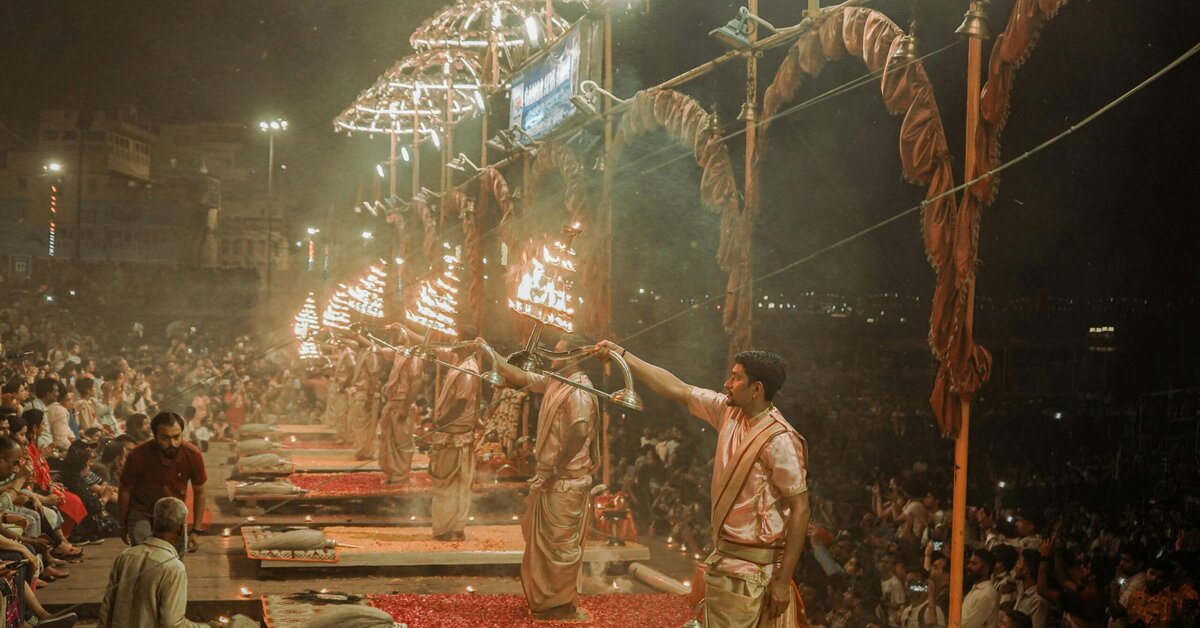
Private operators handle logistical complexities so you can focus on devotion. They arrange entry passes where required, navigate queue systems at popular temples, coordinate boat timings for Ganga Aarti viewings, and ensure you’re at the right place at the right time for significant rituals.
For pilgrims with mobility challenges, they arrange wheelchair access, proximity parking, or sedan chair services at locations with many stairs. This accessibility planning transforms potentially impossible pilgrimages into achievable spiritual journeys.
Ritual and Puja Facilitation
Many pilgrims wish to perform specific rituals—birth ceremonies, memorial rites, thanksgiving pujas, or fulfillment of vows. Private operators connect you with qualified priests, arrange necessary materials (flowers, incense, offerings), book appropriate venues, and coordinate timing.
They also educate you about what’s happening during rituals, translating Sanskrit verses, explaining symbolism, and helping you participate meaningfully rather than just observing passively. This guidance transforms rituals from mysterious ceremonies into profound personal experiences.
Comfortable Transportation and Accommodation
Private operators provide vehicles matching your group size—perhaps a comfortable sedan for couples, a spacious SUV for families, or a tempo traveler for larger groups. Vehicles are typically air-conditioned, well-maintained, and driven by experienced drivers familiar with Varanasi’s challenging traffic and narrow lanes.
Accommodations range from budget dharamshalas (pilgrim rest houses) to premium hotels, based on your preferences and budget. Operators often have partnerships ensuring rooms meet cleanliness and safety standards—crucial when you’re focused on spiritual practice rather than hotel hunting.
Key Pilgrimage Destinations Covered
Varanasi’s Sacred Ghats and Temples
Core pilgrimage includes Kashi Vishwanath Temple (dedicated to Lord Shiva), Annapurna Temple (goddess of nourishment), Sankat Mochan Temple (Lord Hanuman), and Durga Temple. Private operators ensure you visit during optimal times when crowds are manageable and spiritual atmosphere is most palpable.
The ghats themselves—Dashashwamedh, Manikarnika, Harishchandra, Assi, and dozens of others—each hold unique significance. Your operator explains these distinctions, helps you perform appropriate rituals at each location, and arranges boat journeys providing perspective on this sacred riverfront.
Extended Pilgrimage Circuits
Many pilgrims combine Varanasi with nearby sacred sites. Sarnath, where Buddha first taught, lies just 10 kilometers away—essential for Buddhist pilgrims. Gaya and Bodh Gaya, about 250 kilometers from Varanasi, attract those performing ancestral rituals or seeking Buddhist enlightenment sites.
Prayagraj (100 kilometers away) offers darshan at the Triveni Sangam where three sacred rivers meet. Ayodhya (200 kilometers distant) draws devotees to Lord Rama’s birthplace. Vindhyachal, home to Vindhyavasini Devi, completes many pilgrims’ sacred circuit.
Private operators design multi-day itineraries covering these extended circuits with comfortable overnight stays, proper meal arrangements, and guides knowledgeable about each location’s specific spiritual significance.
How to Choose the Right Private Operator
Checking Credentials and Experience
Verify that operators hold proper licenses from UP Tourism or Government of India Tourism departments. Established operators display these certifications prominently on websites and in offices. Ask how long they’ve specialized in pilgrimage tours—experience with spiritual travelers differs significantly from general tourism.
Request references from previous pilgrims, particularly those with similar spiritual backgrounds or pilgrimage goals. A good operator readily provides contact information for satisfied clients who can speak authentically about their experiences.
Understanding Package Inclusions
Get detailed written quotations specifying exactly what’s included. Does “accommodation” mean sharing rooms or private rooms? Are all meals included or just breakfast? Does “guide services” cover the entire pilgrimage or just major sites?
Clarify payment terms—total cost, deposit requirements, refund policies if you must cancel, and whether prices might change due to factors like fuel costs or entrance fee increases. Transparency about finances prevents misunderstandings that could mar your spiritual journey.
Reading Reviews from Fellow Pilgrims
Online reviews provide valuable insights, but read critically. Look for detailed reviews mentioning specific spiritual experiences, guide knowledge, and how operators handled unexpected situations. Single-sentence reviews offer less information than thoughtful narratives from genuine pilgrims.
Pay attention to how operators respond to negative reviews—professional, constructive responses indicate businesses that value improvement and customer satisfaction. Defensive or dismissive responses might signal problems.
Cost Considerations for Private Pilgrimage Tours
Private pilgrimage tours typically cost ₹3,000-8,000 per person per day, depending on accommodation standards, group size, and inclusions. Larger groups reduce per-person costs as vehicle and guide expenses are shared.
Budget pilgrimages (₹3,000-4,500 daily) provide simple, clean accommodations, reliable transportation, and knowledgeable guides covering major sites. Mid-range options (₹5,000-6,500 daily) offer better hotels, more comprehensive itineraries, and additional services like ritual arrangements. Premium packages (₹7,000-8,000+ daily) include superior accommodations, private expert guides, and extensive ritual facilitation.
Extended pilgrimages covering multiple cities cost more due to longer distances and additional accommodations. A 5-day Varanasi-Bodh Gaya-Prayagraj circuit might range from ₹20,000-45,000 per person depending on selected service levels.
While private tours cost more than group alternatives, the personalization, flexibility, and depth of spiritual experience often justify the investment for pilgrims who view this journey as a once-in-a-lifetime spiritual opportunity.
Conclusion
Your pilgrimage to Varanasi represents more than vacation—it’s a sacred journey connecting you with millennia of spiritual tradition, with ancestors who walked these paths before you, and with the divine presence that makes Varanasi eternal. A private tour operator specializing in pilgrimage understands this profound significance and crafts experiences honoring your spiritual intentions.
From personalized itineraries and flexible scheduling to deep religious insights and ritual facilitation, private operators transform pilgrimage from logistical challenge into spiritual gift. They handle worldly details so you can focus on what truly matters—connecting with the sacred, fulfilling religious obligations, and experiencing the transformative power of India’s holiest city.
Whether you’re performing ancestral rites, seeking spiritual awakening, or simply offering devotion at sacred sites, the right private operator becomes more than a service provider—they become your guide, facilitator, and companion on a journey that may profoundly change your life. Choose wisely, communicate clearly about your spiritual goals, and prepare for a pilgrimage that touches your soul in ways you never imagined possible.
FAQs
Q1: What’s the difference between a private pilgrimage operator and a regular tour operator in Varanasi?
Private pilgrimage operators specialize in spiritual journeys and understand religious significance, ritual requirements, and devotional needs that regular tour operators might overlook. They employ guides knowledgeable about scriptures, temple protocols, and ritual procedures—not just historical facts. Pilgrimage operators maintain relationships with priests and temple authorities, facilitating religious ceremonies unavailable through standard tourism. They respect sattvic (spiritually pure) practices like vegetarian-only dining and accommodate religious schedules like early morning prayers or fasting days. Regular tour operators focus on sightseeing, entertainment, and general tourism, while pilgrimage specialists prioritize spiritual experience, religious authenticity, and devotional practice.
Q2: Can private pilgrimage operators arrange for priests to conduct specific rituals?
Yes, reputable private pilgrimage operators connect pilgrims with qualified priests for various rituals including tarpan (ancestral offerings), sankalp (sacred vows), pind daan (memorial rites), and specialized pujas. They explain ritual significance, coordinate necessary materials (flowers, grains, sacred items), arrange appropriate venues (temple courtyards, ghat platforms), and translate proceedings so you understand what’s happening. Operators typically work with priests they’ve used repeatedly, ensuring qualified practitioners who follow proper protocols. Costs for priests and ritual materials are usually additional to tour packages—operators provide estimates upfront. This service proves especially valuable for pilgrims unfamiliar with Varanasi’s complex ritual landscape or those without family priests to guide them.
Q3: How far in advance should I book a private pilgrimage operator in Varanasi?
Book 3-4 weeks in advance during regular season (July-September, April-June) and 6-8 weeks ahead during peak pilgrimage season (October-March) and major festivals. Advance booking ensures operator availability, allows time for itinerary customization, and helps secure preferred accommodations. Last-minute bookings (within a week) are sometimes possible but limit choices and might incur premium charges. If planning extended pilgrimages covering multiple cities or requiring special ritual arrangements, book even earlier—8-12 weeks ahead—to coordinate complex logistics. During major events like Dev Deepawali or Mahashivratri, book 2-3 months early as demand surges. Early booking also allows operators time to understand your spiritual goals and design truly personalized experiences.
Q4: Do private pilgrimage operators accommodate dietary restrictions for religious reasons?
Absolutely. Understanding dietary requirements is fundamental to good pilgrimage operators’ services. They arrange strictly vegetarian (lacto-vegetarian) meals, accommodate vegan requirements, provide sattvic food excluding onions/garlic for those observing such practices, and respect fasting days by arranging appropriate light foods or fruit. Many operators partner with restaurants and hotels that maintain ritual purity in food preparation—important for orthodox pilgrims. If you’re observing specific dietary vows during pilgrimage (fruit-only, single-meal days, etc.), communicate this when booking. Good operators also know which restaurants maintain high hygiene standards—crucial since food-related illness could compromise your pilgrimage. Some packages include meals while others leave dining flexible; clarify this based on your comfort with independent restaurant selection.
Q5: What happens if I need to cancel or modify my pilgrimage tour?
Cancellation and modification policies vary by operator, so understand terms before booking. Typical policies charge 10-25% if canceling 3-4 weeks before departure, 40-60% if canceling 1-2 weeks out, and 75-100% for cancellations within a week or no-shows. Modifications like date changes often incur smaller fees (10-20%) if made well in advance. Reputable operators state these policies clearly in booking confirmations. Consider travel insurance covering trip cancellations for medical emergencies or unforeseen circumstances—increasingly important for elderly pilgrims or those with health conditions. Some operators offer flexible booking options (possibly at slightly higher rates) allowing changes with minimal penalties. Always get cancellation policies in writing, and if paying significant deposits, verify the operator’s legitimacy thoroughly before committing funds.