Best Places to Visit in Varanasi , Have you ever experienced a Varanasi winter? If you’re planning your escape from Gujarat’s relatively mild winter, Varanasi offers something truly magical between November and February. While Gujaratis are wrapping themselves in light shawls during Ahmedabad’s cool evenings, Varanasi transforms into a mystical wonderland where fog kisses the Ganges, and the chill in the air adds an ethereal quality to everything.
Winter isn’t just about comfortable weather—it’s when Varanasi reveals its most photogenic, spiritually intense, and culturally vibrant side. The crowds thin out slightly after Diwali (except during Dev Deepawali), the air becomes breathable after the monsoon humidity, and you can actually enjoy walking through the narrow lanes without breaking into a sweat. For travelers from Gujarat seeking both spiritual enrichment and pleasant exploration, winter is undeniably the golden period.
What Makes Varanasi Special in Winter?
The Weather Advantage for Gujarat Visitors
Best Places to Visit in Varanasi , Let’s talk temperature. Gujarat’s winter sees daytime highs around 25-30°C, which is pleasant but not exactly what you’d call “chilly.” Varanasi, on the other hand, experiences genuine winter with temperatures ranging from 5°C to 20°C. For someone from Ahmedabad or Surat, this might feel quite cold initially!
The mornings are particularly crisp, with dense fog rolling over the Ganges creating mystical scenes that photographers dream about. Unlike Gujarat where fog is rare, Varanasi’s winter fog transforms the ghats into something from another era. You’ll want to pack proper woolens—not just the light sweaters that suffice in Gujarat, but actual jackets, scarves, and warm layers.
Festival Season and Cultural Vibrancy
Winter in Varanasi coincides with several significant festivals. Dev Deepawali, celebrated fifteen days after Diwali, illuminates every ghat with thousands of earthen lamps—a sight that rivals Gujarat’s own Diwali celebrations in Ahmedabad. The Ganga Mahotsav, usually held in November, showcases classical music, dance, and cultural programs right on the ghats.
These festivals aren’t tourist traps; they’re genuine expressions of local devotion and culture. Gujarati travelers familiar with elaborate festival celebrations will appreciate Varanasi’s authentic, less commercialized approach to these events.
The Majestic Ghats of Varanasi
Dashashwamedh Ghat: The Heart of Spiritual Varanasi
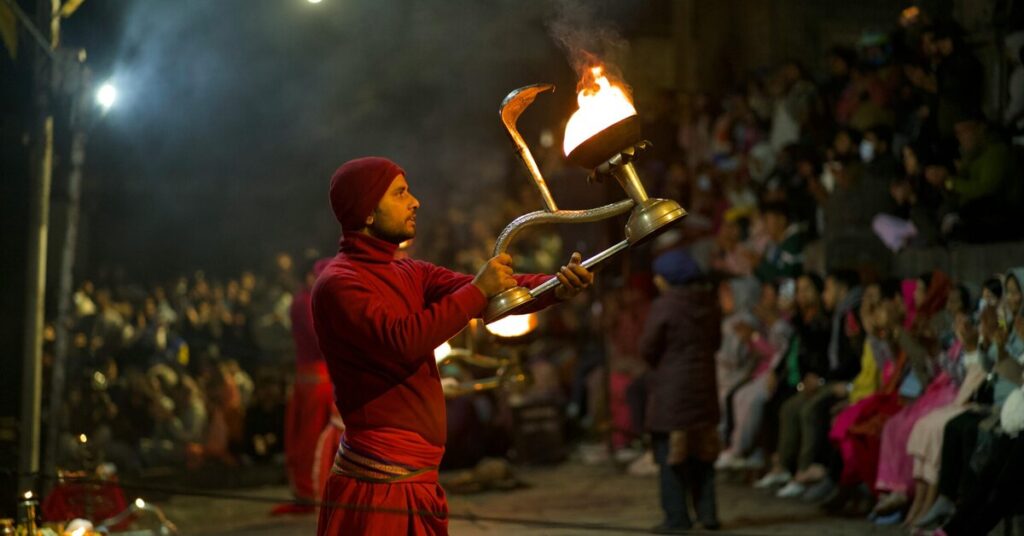
This is the ghat that appears in every Varanasi photograph, and for good reason. Dashashwamedh Ghat hosts the famous evening Ganga Aarti, a synchronized fire ceremony that attracts hundreds daily. But have you experienced it on a cold winter evening?
The winter adds dramatic effect—the flames appear brighter against the darkening sky, the smoke rises more visibly in the cold air, and huddling together for warmth creates a sense of community among spectators. Arrive at least 45 minutes early during winter season to secure a good viewing spot, as Indian tourists from across the country, including many Gujarati groups, flock here during the pleasant weather.
The morning scene is equally captivating. The early morning fog creates an otherworldly atmosphere as priests perform personal pujas along the ghats. For Gujarati travelers accustomed to sunrise darshans at Somnath or Dwarka, the Varanasi sunrise offers a different kind of divinity—more raw, more intimate.
Manikarnika Ghat: Understanding Life and Death
This is Varanasi’s main cremation ghat, operating 24/7 throughout the year. While it might seem morbid, understanding Varanasi requires understanding Manikarnika. The winter makes visiting more comfortable—the smoke from the pyres is less overwhelming in the cool air, and you can observe from a respectful distance without the oppressive summer heat.
Hindus believe dying in Varanasi brings moksha (liberation from the cycle of rebirth). Watching the cremation rituals, you’ll see families fulfilling their final duties with remarkable composure. For Gujarati visitors who often encounter death in more sanitized contexts, this open acknowledgment of mortality can be profound and transformative.
Why Winter is Ideal for Ghat Visits
Walking the 5-kilometer stretch connecting all the major ghats becomes a pleasure in winter rather than an endurance test. You can actually explore during midday without feeling exhausted. The stone steps are comfortable to sit on, and spending hours watching life unfold along the river—the boatmen, the devotees, the sadhus, the chai wallahs—becomes meditative rather than merely tolerable.
Assi Ghat: The Cultural Hub
Located at the southern end of the ghats, Assi Ghat has evolved into a cultural center attracting artists, musicians, and seekers. Winter mornings here feature yoga sessions, classical music performances, and the famous Subah-e-Banaras (Morning of Varanasi) program.
This ghat feels less intense than the main ghats, making it perfect for Gujarati families or first-time visitors. The cafes and restaurants nearby serve hot masala chai and pakoras—comforting on cold winter mornings. Many Gujarati travelers base themselves in the Assi area because it offers modern amenities while keeping the authentic Varanasi experience accessible.
Temples That Shine Brighter in Winter
Kashi Vishwanath Temple: The Golden Shrine
The most revered temple in Varanasi, dedicated to Lord Shiva, experiences massive crowds year-round. Winter sees slightly fewer visitors compared to peak festival seasons, though it’s never exactly “quiet.” The temple’s golden spire gleams particularly brilliantly in winter’s clear air.
The recently developed Kashi Vishwanath Corridor has transformed the temple approach, making it more accessible. Gujarati pilgrims will appreciate the organized queue system and modern facilities—a stark contrast to the chaotic lanes surrounding it. Carry valid ID proof as security is strict, and photography isn’t allowed inside.
Winter tip: Visit early morning (around 5-6 AM) when the temple opens. The winter chill keeps many pilgrims in their warm beds a bit longer, giving you slightly better access. The morning aarti in the cold air creates an atmosphere of intense devotion that’s unforgettable.
Sankat Mochan Hanuman Temple: The Musical Sanctuary
Founded by Tulsidas in the 16th century, this temple dedicated to Lord Hanuman holds a special place in Varanasi’s spiritual landscape. What makes it exceptional for winter visits? The evening bhajans (devotional songs) sound more beautiful in the cold, clear air.
Every Tuesday and Saturday evenings, the temple hosts classical music performances as part of its tradition. Wrapping yourself in a shawl, sitting in the courtyard, and listening to devotional music as darkness falls and temperatures drop—it’s an experience that Gujarat’s air-conditioned auditorium concerts can’t replicate.
New Vishwanath Temple at BHU Campus
Located within Banaras Hindu University’s sprawling campus, this marble temple offers a serene alternative to the crowded Kashi Vishwanath. Built in 1966, it replicates the original temple but with more space and less chaos.
Winter makes walking through the beautiful BHU campus a joy. The tree-lined avenues, the colonial architecture, and the spacious temple complex provide a contemplative experience. Gujarati families particularly appreciate this temple because it’s clean, organized, and allows photography—making it easier to share your spiritual journey with folks back home.
Historical and Archaeological Wonders
Ramnagar Fort and Museum
Situated across the Ganges from the main city, Ramnagar Fort still serves as the residence of the Maharaja of Varanasi. The fort-museum houses vintage cars, royal costumes, medieval weaponry, and astronomical clocks—a glimpse into royal life.
Winter makes the ferry ride to Ramnagar Fort pleasant rather than scorching. The museum isn’t air-conditioned, so summer visits can be uncomfortable. During winter, you can leisurely explore the collections, some dating back 400 years. For Gujaratis familiar with palaces like Laxmi Vilas in Vadodara, Ramnagar offers a different aesthetic—less maintained perhaps, but more authentically preserving the passage of time.
The fort also hosts the famous Ram Lila performance during Dussehra season (late September to October), but winter visitors can still appreciate the performance spaces and learn about this UNESCO-recognized cultural tradition.
Bharat Kala Bhavan Museum
Located within BHU, this museum houses over 100,000 artifacts including paintings, sculptures, textiles, and decorative arts spanning several millennia. The miniature painting collection, featuring Mughal and Rajput styles, rivals anything you’ve seen in Gujarat’s museums.
Winter allows comfortable exploration of this non-air-conditioned museum. The textile collection, including ancient Banarasi silk samples, will fascinate Gujarati visitors known for their own textile heritage. Spend at least two hours here—it’s less crowded than tourist sites and offers genuine cultural enrichment.
Sarnath: A Winter Day Trip Essential
The Dhamek Stupa Experience
Just 10 kilometers from Varanasi, Sarnath is where Buddha delivered his first sermon after attaining enlightenment. The massive Dhamek Stupa, built around 500 CE, stands 43 meters tall—a stunning example of ancient Indian architecture.
Winter mornings in Sarnath are magical. The fog lifting to reveal the stupa, Tibetan monks in maroon robes performing morning prayers, and the peaceful gardens create an atmosphere of profound tranquility. Unlike Varanasi’s intense energy, Sarnath offers calm—a perfect balance for your trip.
Gujarati travelers who’ve visited Buddhist sites in Junagadh or the museums in Ahmedabad will find Sarnath more comprehensive. The archaeological site spreads across several acres, and winter makes walking these grounds pleasant.
Archaeological Museum Treasures
The Sarnath Museum houses the famous Ashoka Lion Capital (now India’s national emblem), Buddha statues from various periods, and artifacts excavated from the site. The museum is small but excellently curated.
Winter’s cool weather makes the walk from the stupa to the museum enjoyable. The museum itself isn’t air-conditioned, so summer visits can be uncomfortable. Spend time examining the Gupta period sculptures—the craftsmanship will amaze you.
Why Winter Enhances the Sarnath Experience
Buddhist philosophy emphasizes reflection and inner peace—states of mind more accessible when you’re physically comfortable. Summer’s heat can distract from Sarnath’s spiritual message, while winter’s coolness helps you slow down, observe mindfully, and absorb the historical and spiritual significance.
Many Gujarati tourists combine Sarnath with Bodhgaya visits during winter, creating a complete Buddhist circuit. From Varanasi, you can arrange car services to Bodhgaya (about 250 km, 5-6 hours)—a popular winter pilgrimage route.
Gardens and Parks for Pleasant Winter Walks
Tulsi Park: A Peaceful Retreat
Named after the poet-saint Tulsidas, this park near Durga Temple offers a green escape from Varanasi’s intensity. Winter mornings see locals doing yoga, practicing music, and simply enjoying the garden.
The park features a musical fountain and light show in evenings (check current schedules). For Gujarati families with children, this provides a familiar, comfortable break from temple-hopping. The park’s well-maintained lawns are perfect for picnics during sunny winter afternoons—something you can’t comfortably do here during other seasons.
Botanical Garden at BHU
Spread across 300 acres, this botanical garden showcases diverse plant species and provides peaceful walking paths. Winter is when the garden looks its best—flowers bloom, the grass stays green, and the temperature makes long walks enjoyable.
Many Gujarati retirees visiting Varanasi appreciate this space. It reminds them of Ahmedabad’s gardens but with a different character. The garden also features a herbarium and greenhouses if you’re interested in botanical sciences.
Winter Food Experiences in Varanasi
Hot Lassi Spots for Cold Mornings
Blue Lassi near Kashi Vishwanath Temple is legendary, but winter adds a special dimension. While lassi is traditionally a summer cooler, Varanasi locals drink it year-round. The shop’s thick, creamy lassi topped with seasonal fruits tastes different in winter—richer, more satisfying somehow.
For Gujarati travelers accustomed to thin, buttermilk-based chaas, Varanasi’s lassi is a revelation. Try the banana lassi or the pomegranate lassi during winter months when these fruits are in season. The tiny shop has been operating since 1925, and its walls are covered with visitor signatures—add yours!
Malaiyo: The Winter-Only Delicacy
Here’s something you can only experience during winter: Malaiyo (also called Nimish). This ethereal dessert is made from milk foam collected during cold winter nights. Street vendors in Godowlia and other markets prepare it fresh every morning from November to February.
The texture is impossible to describe—lighter than whipped cream, dissolving on your tongue, subtly sweet, flavored with saffron and cardamom. Gujarati travelers familiar with milk-based sweets like basundi will appreciate this delicacy’s uniqueness. It doesn’t travel well and can’t be made in other seasons, making it a true winter exclusive.
Cultural Experiences Unique to Winter
Dev Deepawali: The Festival of Lights
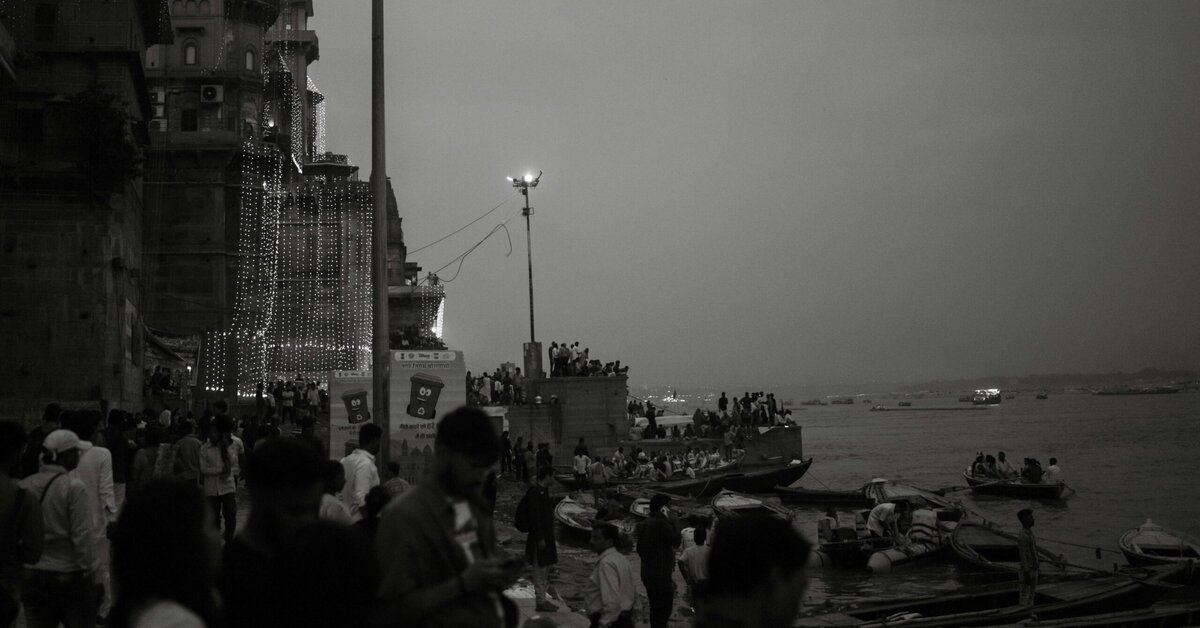
Celebrated on Kartik Purnima (usually November), Dev Deepawali transforms every ghat into a sea of lights. Over a million earthen lamps illuminate the ghats, creating a spectacle that rivals Gujarat’s Diwali celebrations on the Sabarmati Riverfront.
The difference? This is religious rather than decorative. Each lamp represents a prayer, a thanksgiving, a remembrance. Boat rides during Dev Deepawali offer stunning views of the illuminated ghats. Book your accommodation months in advance if you’re planning to visit during this festival—it’s Varanasi’s most crowded period.
Classical Music Concerts in the Cool Air
Winter is concert season in Varanasi. Various organizations host classical music and dance performances. The Sankat Mochan Foundation’s annual music festival (usually February-March) attracts legendary performers.
Open-air performances become enjoyable only in winter. Sitting under the stars, wrapped in shawls, listening to a sarangi or tabla maestro—it’s an experience that connects you to India’s artistic heritage. Many performances are free or nominally priced, unlike Gujarat’s commercial concert scene.
Shopping Destinations Perfect for Winter Exploration
Godowlia Market for Shawls and Woolens
Varanasi’s main shopping district becomes particularly relevant during winter. You’ll find locally made shawls, sweaters, and woolens at reasonable prices. The quality differs from Gujarati textiles—less embellished, more focused on warmth.
Bargain vigorously here. Initial prices might be 2-3 times the actual value. Gujarati shopkeepers in Varanasi (yes, there are many!) can guide you to authentic shops if you connect with them through local temples or community centers.
Silk Weaving Centers
Winter is actually peak season for silk weavers because wedding season coincides with these months. Visiting weaver colonies and watching Banarasi silk being created becomes more comfortable in cool weather.
Many weavers allow visitors to observe their craft. Unlike summer when workshops can be stifling, winter provides comfortable viewing conditions. You’ll gain deep appreciation for why authentic Banarasi silk sarees cost what they do—the intricate zari work, the time investment, the generational knowledge involved.
Boat Rides: Why Winter Mornings Are Magical
The Ganges boat ride at sunrise is Varanasi’s most iconic experience, and winter makes it extraordinary. The fog rolling off the water, the slowly emerging ghats, the reflected glow of morning fires, the chants echoing across the river—it’s sensory overload in the best way.
Dress warmly! The river amplifies the cold, and you’ll be sitting relatively still for 60-90 minutes. Carry gloves if you have them—important for handling cameras in the cold. The boatmen understand winter conditions and often provide blankets.
For Gujarati photographers, winter morning light provides the perfect conditions. The soft, diffused light through fog creates dramatic images impossible during other seasons. Rent boats from Dashashwamedh Ghat or Assi Ghat—prices range from ₹200-500 depending on duration and your bargaining skills.
Nearby Winter Destinations from Varanasi
Chunar Fort
About 40 kilometers southwest of Varanasi, Chunar Fort sits atop the Kaimur Range overlooking the Ganges. This historical fort has been ruled by various dynasties and offers panoramic views.
Winter makes the climb to the fort pleasant. Summer heat can make this journey exhausting, but winter temperatures allow comfortable exploration. The fort isn’t heavily touristy, so you’ll experience authentic historical exploration. Gujarati travelers familiar with forts like Pavagadh will appreciate Chunar’s different architectural style and strategic river location.
Vindhyachal Temple Town
Located about 70 kilometers from Varanasi, Vindhyachal is an important Shakti Peeth dedicated to Goddess Vindhyavasini. The temple town sees fewer tourists than Varanasi but equals it in devotional intensity.
Winter makes the temple visits comfortable. You’ll need to walk between three main temples (Vindhyavasini Devi, Ashtabhuja Devi, and Kali Khoh), and winter weather makes this pilgrimage route manageable. Many Gujarati pilgrims combine Varanasi and Vindhyachal, creating a comprehensive spiritual journey.
Practical Winter Travel Tips for Gujaratis
What to Pack for Varanasi Winter
Gujarati travelers often underestimate North Indian winter. Here’s what you absolutely need:
- Woolens: Proper jackets (not just sweaters), thermal wear for early morning ghat visits, woolen scarves, gloves for boat rides, and warm socks
- Layering clothes: Temperatures swing widely—5°C at dawn to 20°C by afternoon
- Comfortable walking shoes: You’ll walk miles on uneven ghat steps
- Moisturizer and lip balm: The dry cold causes chapping
- Light blanket: Many budget hotels don’t provide adequate blankets
Don’t be like Gujarati tourists shivering in light shawls while trying to enjoy sunrise boat rides! Proper winter gear transforms your experience.
Best Time to Visit Within Winter Season
November-December offers the best weather—not as cold as January-February but pleasantly cool. Dev Deepawali falls in this period, adding festival vibrancy.
January-February gets colder, sometimes uncomfortably so for Gujaratis unaccustomed to such temperatures. However, these months see fewer tourists and offer rock-bottom hotel prices. If you can handle 5°C mornings, you’ll have a more intimate Varanasi experience.
Avoid late February onward when winter wanes but proper pleasant weather hasn’t arrived yet—you get neither winter’s charm nor summer’s reliability.
Conclusion: Making the Most of Winter in Varanasi
Varanasi in winter isn’t just a destination; it’s a revelation for travelers from Gujarat. While Gujarat offers beautiful temples, organized spirituality, and comfortable tourism infrastructure, Varanasi challenges you with its rawness, its acceptance of chaos, and its unapologetic intensity—all made bearable and even enjoyable by winter’s pleasant weather.
The foggy mornings, the comfortable ghat walks, the hot lassi in cold air, the classical concerts under starry skies, and the spiritual energy amplified by winter’s clarity—these create memories that photos can’t fully capture. You’ll return to Ahmedabad or Surat physically, but mentally, a part of you will remain on those ghats, watching the eternal Ganges flow.
Winter removes the physical discomfort barrier that prevents many from truly experiencing Varanasi. It allows you to move beyond merely witnessing to actually feeling, understanding, and internalizing what this ancient city represents. For Gujarati travelers seeking spiritual depth, cultural immersion, and comfortable exploration, winter in Varanasi offers the perfect convergence.
So book those flights, pack those woolens, and prepare for an experience that will challenge your perceptions, warm your soul (even as your body feels the chill), and remind you why India remains endlessly fascinating regardless of which part you call home.
FAQs
1. How cold does Varanasi get during winter compared to Gujarat?
Varanasi’s winter is significantly colder than Gujarat’s. While Gujarat’s winter sees minimum temperatures around 12-15°C, Varanasi can drop to 5-8°C, especially in January and February. Early mornings near the river feel even colder due to humidity and wind. Gujarati travelers should pack proper winter clothing including jackets, sweaters, and thermal wear—not just the light shawls sufficient for Ahmedabad winters.
2. Is Dev Deepawali worth visiting from Gujarat, or is it too crowded?
Dev Deepawali is absolutely worth experiencing despite the crowds. The festival offers a unique spectacle you won’t find elsewhere, including in Gujarat’s elaborate Diwali celebrations. Yes, accommodation prices triple and ghats become packed, but the sight of a million lamps illuminating the Ganges is unforgettable. Book hotels at least 2-3 months in advance, arrive at ghats by 4 PM for good viewing spots, and consider boat rides for better views away from crowd chaos.
3. Can vegetarian Gujaratis find adequate food options during winter in Varanasi?
Absolutely! Varanasi is predominantly vegetarian-friendly year-round. Winter brings special treats like Malaiyo (milk foam dessert) unavailable in other seasons. Most restaurants understand Jain dietary restrictions too. Areas like Assi Ghat have multiple restaurants serving Gujarati-style food. Street food is largely vegetarian—kachori, chaat, lassi, jalebi—though always verify ingredients. Many Gujarati families have been visiting Varanasi for generations and never faced food issues.
4. Are winter boat rides safe for elderly Gujarati travelers?
Yes, with precautions. Choose larger, stable boats rather than small rowboats. Ensure life jackets are provided. Visit during mid-morning (8-10 AM) rather than dawn when it’s coldest and foggiest. The boat ride itself is calm on the Ganges, with no rough waters. Many elderly Gujaratis successfully enjoy boat rides—the key is proper warm clothing, comfortable seating arrangements, and choosing experienced boatmen (hotels can recommend reliable operators).
5. Should we hire a guide for winter visits, or is self-exploration better?
For first-time visitors from Gujarat, hiring a guide for the first day is highly recommended. Varanasi’s layout is confusing, and guides provide context that deepens your experience—explaining rituals, temple significance, and navigating narrow lanes safely. After the orientation day, self-exploration works well during winter when weather is comfortable. Many Gujarati travelers use guides from their own community who can communicate nuances better. Expect to pay ₹500-1000 for a half-day guide, which is worth the investment for enriched understanding.