
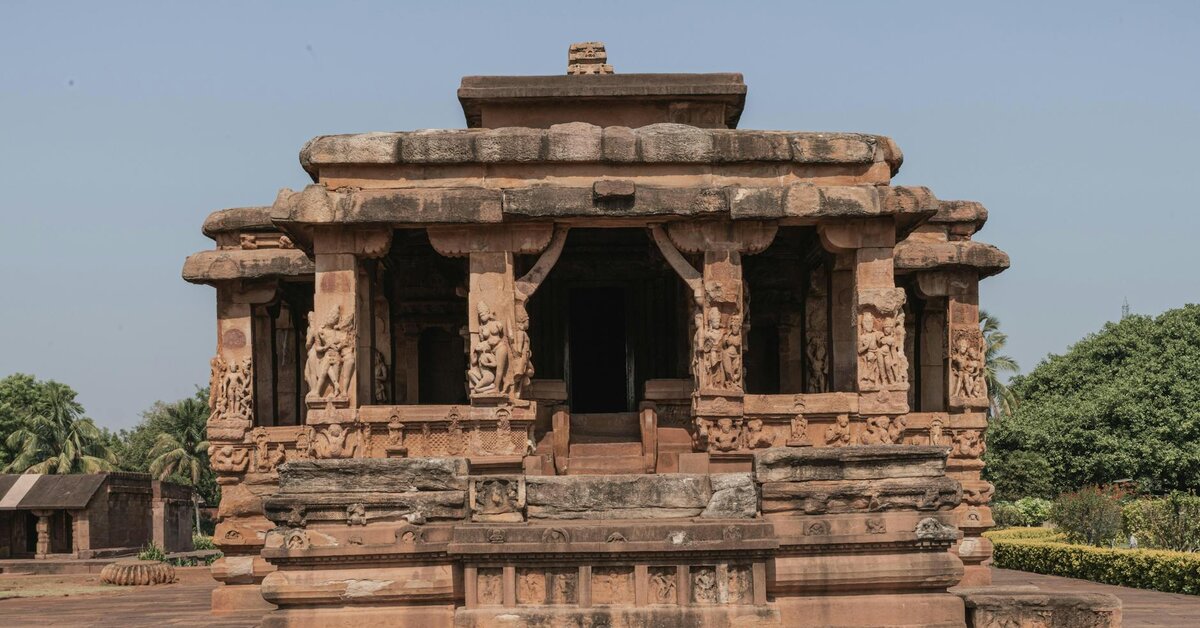
Varanasi–Ayodhya–Prayagraj Tour Package for 3 Days , Have you ever dreamed of embarking on a spiritual journey that touches your soul and fills your heart with divine energy? The Varanasi–Ayodhya–Prayagraj tour package offers exactly that. These three cities form what many travelers call the “Spiritual Triangle” of India, where ancient traditions meet timeless devotion. Each destination carries its own unique spiritual significance, making this 3-day tour an unforgettable experience for pilgrims and culture enthusiasts alike.
Varanasi, one of the oldest living cities in the world, resonates with the chants of mantras and the glow of countless diyas. Ayodhya, the legendary birthplace of Lord Rama, stands as a testament to epic mythology. Prayagraj, where three sacred rivers meet, hosts millions during the Kumbh Mela. Together, they create a transformative journey through India’s spiritual heartland.
Varanasi–Ayodhya–Prayagraj Tour Package for 3 Days
Why Choose a 3-Day Tour Package?
Perfect for Short Vacations
Not everyone has weeks to explore India’s vast spiritual landscape. A 3-day tour package compresses the essence of these sacred cities into a manageable timeframe. You get to witness the most important sites, participate in sacred rituals, and absorb the spiritual atmosphere without needing extended time off from work or family commitments.
This compact itinerary is designed for maximum spiritual impact with minimum travel stress. You’ll experience sunrise boat rides, evening aartis, temple visits, and historical explorations—all carefully timed to showcase each city’s highlights.
Cost-Effective Travel Solution
Traveling independently across three cities involves booking multiple hotels, arranging different transportation options, and coordinating various activities. A packaged tour bundles everything together at a competitive price. You’ll save money on accommodation, transport, and guided tours while avoiding the hassle of planning every detail yourself.
Most packages include comfortable AC transportation, knowledgeable guides, and pre-arranged accommodation, giving you peace of mind and better value for your money.
Day 1: Exploring the Sacred City of Varanasi
Morning Boat Ride on the Ganges
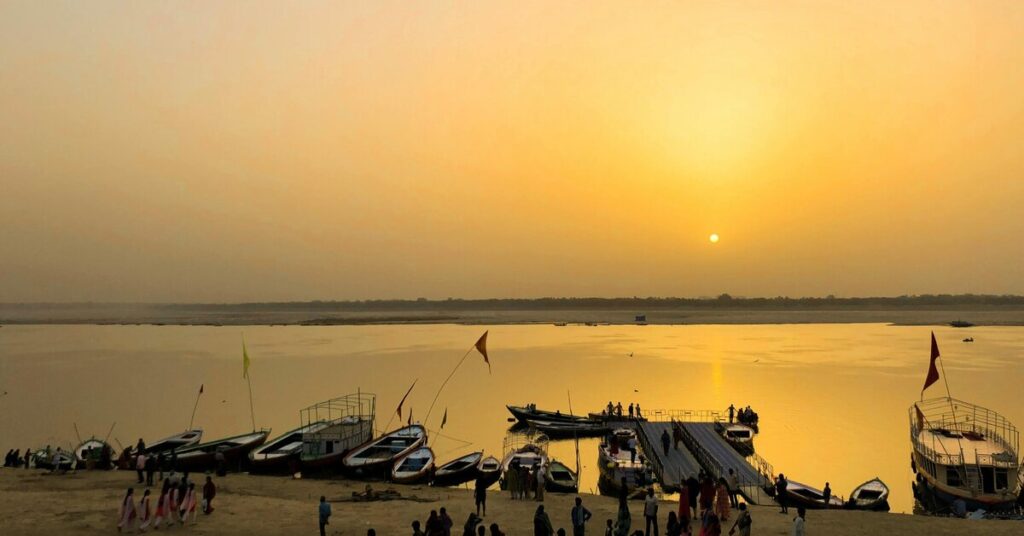
Your spiritual adventure begins before sunrise in Varanasi. Picture this: you’re sitting in a wooden boat, gently gliding across the Ganges as the first rays of sunlight paint the ancient ghats in golden hues. The air fills with the sound of temple bells and devotional songs. This morning boat ride isn’t just sightseeing—it’s a meditation in motion.
You’ll witness devotees performing their morning rituals, priests conducting pujas, and the city slowly awakening to another day of timeless tradition. The boat passes by numerous ghats, each with its own history and significance, from Dashashwamedh Ghat to Manikarnika Ghat, where cremations occur around the clock.
Visit to Kashi Vishwanath Temple
After breakfast, you’ll head to the crown jewel of Varanasi—the Kashi Vishwanath Temple. Dedicated to Lord Shiva, this temple is one of the twelve Jyotirlingas and holds immense religious importance. The golden spire reaches toward the heavens while devotees queue patiently for darshan.
The temple complex buzzes with spiritual energy. You’ll navigate through narrow lanes filled with flower sellers, prasad vendors, and pilgrims from across the globe. The experience is overwhelming in the best possible way—a sensory immersion into India’s living faith.
Evening Ganga Aarti Experience
As evening descends, make your way to Dashashwamedh Ghat for the world-famous Ganga Aarti. Imagine hundreds of synchronized lamps being waved in perfect harmony, accompanied by chanting, drum beats, and conch shells. The ritual honors the river goddess Ganga and creates an atmosphere of collective devotion that’s truly mesmerizing.
Finding a good viewing spot can be challenging, but your guide will ensure you’re positioned to witness this spectacular ceremony. Many travelers describe this as the highlight of their entire trip—a moment when the divine feels touchably close.
Day 2: Journey to Ayodhya – The Birthplace of Lord Rama
Travel from Varanasi to Ayodhya
On day two, you’ll travel approximately 200 kilometers to Ayodhya. The journey takes around four hours by comfortable AC vehicle, giving you time to rest and reflect on yesterday’s experiences. The landscape gradually changes as you move through the heartland of Uttar Pradesh.
Your guide will share stories from the Ramayana during the journey, preparing you for the sacred sites you’re about to visit. Ayodhya isn’t just a city—it’s the setting of one of Hinduism’s greatest epics.
Ram Janmabhoomi Temple Complex
The centerpiece of Ayodhya is the Ram Janmabhoomi, believed to be the exact birthplace of Lord Rama. The temple complex has undergone significant development in recent years, with magnificent architecture that honors this sacred spot. Walking through the complex, you’ll feel the weight of millennia of devotion and the joy of countless pilgrims who’ve traveled here seeking blessings.
The atmosphere is one of reverence and celebration. Devotees sing bhajans, offer prayers, and circumambulate the sacred premises. Whether you’re deeply religious or simply culturally curious, the experience touches something profound within.
Hanuman Garhi and Other Sacred Sites
After visiting Ram Janmabhoomi, you’ll explore Hanuman Garhi, a hilltop temple dedicated to Lord Hanuman. Climbing the 76 steps to reach the temple is considered auspicious. The views from the top offer a panoramic perspective of Ayodhya’s sacred landscape.
Other notable sites include Kanak Bhavan, a temple gifted to Sita by Rama’s stepmother, and the banks of the Saryu River, where devotees perform rituals and take holy dips. Each location adds another layer to your understanding of the Ramayana and its enduring influence on Indian culture.
Day 3: Prayagraj – The Confluence of Holy Rivers
Triveni Sangam Boat Ride
The final day takes you to Prayagraj, formerly known as Allahabad. The highlight here is the Triveni Sangam—the confluence of the Ganges, Yamuna, and the mystical Saraswati rivers. Taking a boat to the exact meeting point of these three rivers is considered highly auspicious.
The water’s color changes where the rivers meet, creating a visible demarcation. Pilgrims believe that bathing here washes away sins and grants moksha. Even if you don’t take a dip, the boat ride offers a serene experience and a chance to witness pilgrims from all walks of life united in faith.
Anand Bhavan and Allahabad Fort
Prayagraj isn’t only about religious significance—it also played a crucial role in India’s independence movement. Anand Bhavan, the ancestral home of the Nehru family, now serves as a museum showcasing India’s struggle for freedom. Walking through the rooms where decisions that shaped modern India were made adds a historical dimension to your spiritual journey.
The Allahabad Fort, built by Emperor Akbar in 1583, stands as an architectural marvel. Though much of it remains under military control, the Patalpuri Temple and the Akshaya Vat (immortal banyan tree) within the fort premises are accessible and worth visiting.
Return Journey
After a fulfilling day in Prayagraj, you’ll begin your return journey. Most tour packages arrange drop-offs at either Varanasi or Prayagraj railway station or airport, depending on your onward travel plans. As you reflect on three days of spiritual exploration, you’ll carry memories and insights that last far beyond the journey itself.
What’s Included in the Tour Package?
Most 3-day Varanasi–Ayodhya–Prayagraj tour packages include comfortable AC transportation between cities, two nights of accommodation in decent hotels, breakfast at hotels, experienced guides at each destination, boat rides in Varanasi and Prayagraj, and assistance with temple visits and rituals.
Some premium packages may also include all meals, entry fees to monuments, and additional services like airport transfers or special puja arrangements. Always verify the inclusions and exclusions before booking to avoid surprises.
Best Time to Visit These Sacred Cities
The ideal time to undertake this spiritual journey is between October and March when the weather is pleasant and comfortable for sightseeing. Temperatures during these months range from 10°C to 25°C, perfect for morning boat rides and temple visits.
Avoid the summer months (April to June) when temperatures can soar above 45°C, making outdoor activities uncomfortable. The monsoon season (July to September) brings heavy rains that might disrupt travel plans, though the landscape becomes lush and beautiful.
Special festivals like Dev Deepawali in Varanasi, Ram Navami in Ayodhya, or the Kumbh Mela in Prayagraj offer unique experiences but also attract massive crowds. Plan accordingly based on whether you prefer peaceful contemplation or festive atmosphere.
Travel Tips for Your Spiritual Journey
Dress modestly when visiting temples—covered shoulders and knees are essential. Carry a small bag for shoes since you’ll remove them frequently at religious sites. Keep a scarf or shawl handy for covering your head at certain temples.
Stay hydrated but be cautious about street food if you have a sensitive stomach. Most tour packages include bottled water, but carrying your own refillable bottle is environmentally friendly and practical.
Respect local customs and photography restrictions at sacred sites. Some temples prohibit cameras inside the sanctum. Always ask permission before photographing people, especially during religious rituals.
Keep some cash handy for offerings, donations, and small purchases. While ATMs are available in cities, having cash prevents inconvenience at remote temple locations.
Conclusion
The Varanasi–Ayodhya–Prayagraj tour package for 3 days offers a condensed yet comprehensive journey through India’s spiritual heartland. You’ll witness ancient rituals that have continued unbroken for thousands of years, visit sites mentioned in epic texts, and connect with a living tradition that shapes millions of lives.
This journey isn’t just about ticking off tourist attractions—it’s about experiencing the soul of India. Whether you seek spiritual growth, cultural understanding, or simply an escape from modern life’s chaos, these three sacred cities offer transformation in equal measure. The memories you create during these three days will resonate long after you’ve returned home, perhaps inspiring a deeper connection to India’s timeless spiritual wisdom.
FAQs
1. Is this tour suitable for foreign tourists unfamiliar with Hindu traditions?
Absolutely! The tour packages include knowledgeable guides who explain the significance of rituals and customs, making the experience accessible and meaningful for everyone regardless of their religious background or familiarity with Hindu traditions.
2. What type of accommodation can I expect in the tour package?
Most standard packages offer 2-star or 3-star hotel accommodation with clean rooms, attached bathrooms, and basic amenities. Premium packages may include 4-star or heritage hotels for enhanced comfort. Always check the specific hotel listings when booking.
3. Are meals included in the package?
Typically, breakfast at hotels is included in most packages. Some comprehensive packages include all meals, while budget options might only include breakfast. Lunch and dinner arrangements vary by package, so verify details before booking.
4. Can I customize the itinerary to spend more time at specific locations?
Many tour operators offer customizable packages where you can extend your stay in any city or add specific activities. Private tour packages provide greater flexibility compared to group tours. Discuss your preferences with the operator when booking.
5. Is it safe to travel to these cities for solo female travelers?
Yes, these cities welcome millions of pilgrims annually, including solo female travelers. However, standard travel precautions apply—dress modestly, stay in reputable accommodations, use registered guides and transportation, avoid isolated areas after dark, and keep your belongings secure. Joining a group tour adds an extra layer of safety and convenience.