

Boat Weddings and Engagement Ceremonies in Varanasi , Have you ever imagined exchanging vows while floating on the sacred waters of the Ganges, with ancient temples as your witnesses? Varanasi, one of the world’s oldest living cities, offers couples something truly extraordinary: the chance to celebrate their union on the holy river itself. Boat weddings have emerged as a breathtaking trend that combines spirituality, romance, and unforgettable memories.
The city’s mystical ghats—stone steps leading down to the river—have witnessed countless ceremonies over millennia. Now, modern couples are discovering that these sacred spaces provide the perfect setting for intimate engagement ceremonies and grand wedding celebrations alike. Picture this: the sun setting over the ancient city, diyas (oil lamps) floating on gentle waves, and the sound of temple bells mingling with wedding mantras. It’s not just a ceremony; it’s a spiritual experience that touches the soul.

Why Choose Varanasi for Your Special Day?
Varanasi isn’t just another wedding destination—it’s where heaven meets earth, according to Hindu mythology. When you choose this sacred city for your wedding, you’re not simply booking a venue; you’re inviting divine blessings into your marriage. The Ganges, believed to wash away sins and purify souls, becomes part of your celebration story.
What makes Varanasi truly special is how seamlessly it blends ancient traditions with contemporary celebrations. You can have your traditional Hindu wedding rituals performed by learned priests while incorporating modern elements like live music, contemporary decor, and professional photography. The ghats provide stunning backdrops that no banquet hall could ever match—think centuries-old architecture, the flowing river, and that indescribable spiritual energy that permeates the air.
For couples who want their wedding photos to tell a story rather than just document an event, Varanasi delivers. Every corner holds photographic gold: narrow lanes with vibrant markets, ancient temples with intricate carvings, and of course, those magnificent ghats bathed in golden morning or evening light.
What Makes Ghats Perfect for Weddings?
Ghats aren’t just steps leading to the river—they’re sacred thresholds between the earthly and divine realms. Each ghat has its own character, history, and spiritual significance. For weddings, they offer something hotels and convention centers simply cannot: authenticity combined with breathtaking natural beauty.
The riverside setting creates a naturally serene atmosphere. The gentle lapping of water against the boats, the sight of the eternal river flowing past, and the ancient stones beneath your feet all contribute to a sense of timelessness. Your wedding becomes part of a continuum stretching back thousands of years.
Most major ghats offer excellent accessibility, with proper infrastructure for guests, parking facilities nearby, and experienced local vendors who understand the unique requirements of hosting events at these locations. Many ghats have adjoining temples, ashrams, or heritage buildings that can be utilized for pre-wedding functions or guest accommodations.
The 7 Most Auspicious Ghats for Boat Weddings
1. Dashashwamedh Ghat
Dashashwamedh Ghat stands as Varanasi’s most vibrant and visited ghat, making it an incredibly auspicious choice for weddings. Legend says Lord Brahma created this ghat to welcome Lord Shiva, and ten horses were sacrificed here (hence the name, which means “ten horse sacrifice”).
The ghat’s claim to fame is the spectacular Ganga Aarti performed every evening. Imagine timing your engagement ceremony to coincide with this devotional spectacle—priests in saffron robes performing synchronized rituals with massive brass lamps, the air thick with incense, and thousands of devotees chanting in unison. It creates an atmosphere of divine celebration that amplifies your personal joy.
This ghat offers excellent facilities, including broad steps that can accommodate larger wedding parties, nearby parking, and numerous experienced vendors. The energy here is palpable and celebratory, perfect for couples who want their wedding to feel like a grand festival.
2. Assi Ghat
If you’re dreaming of a more intimate, peaceful ceremony, Assi Ghat should top your list. Located at the confluence of the Assi and Ganges rivers, this ghat has become the cultural heart of Varanasi, attracting artists, musicians, and spiritual seekers.
Assi Ghat’s ambiance is distinctly different from the busier ghats—it’s more contemplative, more personal. The ghat hosts morning aarti at sunrise and evening musical performances, creating opportunities to incorporate authentic cultural elements into your celebration. The surrounding area has excellent cafes and guesthouses, making it convenient for hosting out-of-town guests.
For couples who value substance over spectacle, who want their wedding to feel like a meaningful ritual rather than a show, Assi Ghat provides the perfect setting. The boat rides from here are particularly scenic, taking you past less crowded stretches of the river where you can truly soak in the spiritual atmosphere.
3. Manikarnika Ghat
Here’s where we need to tread thoughtfully. Manikarnika Ghat is Varanasi’s primary cremation ghat, and according to Hindu belief, dying here grants instant liberation (moksha) from the cycle of rebirth. You might wonder: why include a cremation ghat in a wedding list?
The answer lies in understanding Hindu philosophy. Life and death aren’t opposites but part of the same sacred cycle. Manikarnika represents the ultimate transformation, making it symbolically powerful for couples beginning their transformed life together. The eternal flames that burn here have been maintained for thousands of years—imagine invoking that continuity for your marriage.
That said, hosting a full wedding here requires extreme cultural sensitivity and isn’t suitable for everyone. However, some couples choose to take their decorated boat past this ghat during their ceremony as a symbolic gesture—acknowledging life’s impermanence while celebrating their commitment. If you’re considering this, consult with local priests and cultural experts to ensure appropriate respect for this sacred space.
4. Tulsi Ghat
Named after the revered saint-poet Tulsidas, who wrote the Ramcharitmanas (Hindi version of the Ramayana) here, Tulsi Ghat carries immense spiritual significance. This ghat represents devotion, poetry, and divine love—all beautiful themes for a wedding.
The atmosphere at Tulsi Ghat is serene and devotional without being overwhelming. The ghat itself is relatively smaller and less crowded, making it ideal for intimate ceremonies with close family and friends. Several small temples dot the area, including one dedicated to Tulsidas himself, where you can seek blessings before your ceremony.
Traditional rituals conducted here feel especially authentic. The ghat’s association with the Ramayana—particularly the love story of Rama and Sita—makes it symbolically perfect for couples beginning their own epic love story. The waters here are believed to be particularly purifying, adding spiritual weight to any ceremonies performed on boats stationed at this ghat.
5. Rajendra Prasad Ghat (Formerly Chet Singh Ghat)
Rajendra Prasad Ghat, historically known as Chet Singh Ghat, offers something unique: a magnificent fort backdrop. The fort was built by Maharaja Chet Singh in the 18th century, and its weathered walls rising above the ghat create a dramatic setting for wedding photography.
This ghat is spacious, with broad steps and platforms that can accommodate larger wedding parties comfortably. The architectural grandeur adds a royal touch to celebrations—you’re literally getting married in the shadow of historical royalty. The fort’s presence also provides some natural shade during daytime ceremonies, a practical consideration for Varanasi’s sometimes intense sun.
The boat rides from here offer stunning views of both the fort and the sweeping river. For couples who want their wedding to feel both spiritual and regal, with that perfect blend of history and romance, Rajendra Prasad Ghat delivers magnificently.
6. Shivala Ghat (Kali Ghat)
Shivala Ghat, also known as Kali Ghat, represents royal heritage at its finest. Built by the Maharaja of Varanasi, it served as the private ghat for the royal family. That aristocratic legacy continues to give this location an air of exclusivity and grandeur.
The ghat features beautiful architecture with detailed carvings and a palace complex nearby. This makes it particularly photogenic and provides options for indoor functions if needed. The royal connection also means better-maintained facilities and potentially more privacy than some of the more public ghats.
For destination weddings where you’re hosting guests from out of town, Shivala Ghat’s location and facilities make logistics easier. The ghat is well-connected, and the surrounding area has good accommodation options. The combination of spiritual significance and practical amenities makes it a favorite among couples planning elaborate multi-day celebrations.
7. Panchganga Ghat
According to Hindu mythology, five sacred rivers converge at Panchganga Ghat, though geographically only the Ganges is visible. The other four—Yamuna, Saraswati, Kirana, and Dhutapapa—are believed to merge here in spiritual form. This makes it one of the most auspicious locations in all of Varanasi.
Dawn ceremonies at Panchganga Ghat are particularly magical. As the sun rises, painting the sky in shades of pink and gold, the spiritual energy here is palpable. Priests performing morning rituals, pilgrims taking holy dips, and the soft light reflecting off the water create an atmosphere of pure transcendence.
The ghat is associated with several festivals and religious observances, which means it’s well-equipped to handle ceremonial gatherings. For couples who prioritize spiritual significance above all else, who want their marriage blessed by the convergence of sacred rivers, Panchganga Ghat is an unparalleled choice.
Planning Your Boat Wedding in Varanasi
Best Season for Boat Weddings
Timing is everything when planning a Varanasi boat wedding. The ideal period stretches from October to March, when temperatures are pleasant and the river level is optimal. During these months, daytime temperatures range from comfortable to warm, while evenings can be beautifully cool—perfect for outdoor ceremonies.
Winter months (November to February) are particularly popular. The weather is mild, there’s minimal rainfall, and the festive atmosphere around Diwali and other celebrations adds extra magic to the city. However, this is also peak tourist season, meaning ghats can be crowded and prices slightly higher.
Monsoon (July to September) presents challenges with unpredictable weather and high river levels that can disrupt boat operations. Summer (April to June) brings intense heat that can be uncomfortable for guests, though early morning or evening ceremonies remain feasible.
Consider avoiding major festival dates unless you specifically want that energy—ghats become extremely crowded during events like Maha Shivaratri and Dev Deepawali, making private ceremonies challenging.
Legal Requirements and Permissions
Hosting a wedding ceremony on boats at Varanasi’s ghats involves several practical considerations. While the actual marriage ceremony itself follows standard legal requirements for weddings in India, the venue usage requires proper coordination.
First, you’ll need to arrange boat rentals through authorized operators. Varanasi has numerous licensed boat owners, and working with established wedding planners familiar with local regulations makes this process smoother. These professionals understand which permits are required and can navigate local bureaucracy efficiently.
If you’re planning elaborate decorations or want to temporarily reserve specific ghat areas, permissions from local authorities may be necessary. This is especially important for larger gatherings that might impact regular ghat activities. Respectful coordination with temple authorities and local community members is essential—remember, these are sacred spaces in daily use by devotees.
For destination weddings with international guests, ensure your wedding planner understands visa requirements, accommodation logistics, and any cultural sensitivities your guests should be aware of.
Decorating Your Boat Venue
Decorating boats for weddings requires creativity balanced with practical considerations. Traditional elements work beautifully: marigold garlands, roses in deep reds and pinks, jasmine strings, and fabric draping in rich colors like maroon, gold, and orange. These create a classic Indian wedding aesthetic that complements the historic surroundings.
Modern couples often incorporate fairy lights, floating candles, and paper lanterns for evening ceremonies. The reflection of these lights on water creates mesmerizing effects that elevate the entire atmosphere. However, ensure all electrical elements are safely waterproofed and that decorations don’t interfere with boat safety or movement.
Some couples create elaborate mandaps (wedding canopies) on larger boats, complete with pillars and floral arches. Others prefer minimalist elegance—allowing the natural beauty of the river and ghats to serve as the primary backdrop. Your choice should reflect your personal style while respecting the sacred nature of the location.
Remember that decorations must be environmentally responsible. Use biodegradable materials wherever possible, and ensure all decorative elements are removed after the ceremony. The Ganges is sacred; treating it with ecological respect is both a spiritual and practical imperative.
What to Expect During a Ghat Wedding Ceremony
A boat wedding ceremony at a Varanasi ghat unfolds as a beautiful fusion of movement and stillness. Typically, the ceremony begins on the ghat itself, where guests gather and initial rituals are performed. The wedding party then boards decorated boats—the couple often in a specially adorned primary boat, with guests in accompanying vessels.
As boats drift gently on the Ganges, priests conduct traditional rituals adapted for the aquatic setting. The sound of Vedic mantras mingles with the lapping of water and distant temple bells, creating an auditory experience as memorable as the visual spectacle. The couple exchanges vows while literally floating on sacred waters, surrounded by the city’s ancient temples and ghats.
Many couples time their ceremony to include the Ganga Aarti, either as a backdrop or as an integrated element. Imagine taking your wedding vows as thousands of devotees on the ghat perform synchronized worship, massive lamps creating patterns of light against the darkening sky. It’s an experience that transcends typical wedding memories.
Guest experience requires thoughtful planning. Boats should have comfortable seating, and elderly or less mobile guests might be accommodated on larger, more stable vessels. Providing light shawls or blankets for evening ceremonies, along with water and refreshments, ensures everyone remains comfortable throughout the celebration.
Budget Considerations
Boat weddings in Varanasi can be surprisingly affordable or elaborately expensive, depending on your choices. At the basic level, renting traditional boats costs anywhere from ₹5,000 to ₹20,000 per boat for a few hours, depending on size and decorative level. A modest ceremony with 50-75 guests might require 3-5 boats.
Decoration expenses vary widely. Simple floral decorations might cost ₹50,000-₹1,00,000, while elaborate setups with lighting, fabric draping, and custom mandaps can reach ₹3,00,000-₹5,00,000 or more. Working with local vendors often provides better value than bringing decorators from other cities.
Catering on boats presents unique challenges. Many couples opt for light refreshments during the boat ceremony itself, with the main reception held at a nearby hotel or heritage property. If you do want substantial catering on boats, expect to pay premium rates (₹1,500-₹3,000 per person) for the logistical complexity involved.
Photography and videography are crucial for capturing this unique experience. Professional wedding photographers familiar with Varanasi charge ₹1,50,000-₹5,00,000 depending on coverage duration and deliverables. The investment is worthwhile—these images will tell a story unlike any other wedding album.
Priest services, musical performers, and cultural elements add to costs but are relatively affordable in Varanasi compared to other destinations. A comprehensive package with experienced wedding planners typically ranges from ₹8,00,000 to ₹25,00,000 for a complete destination wedding experience, though this varies greatly based on guest count and preferences.
Tips for a Memorable Boat Wedding Experience
Timing your ceremony perfectly makes an enormous difference. Dawn ceremonies (5:30-7:30 AM) offer stunning light, fewer crowds, and a deeply spiritual atmosphere as the city awakens. Evening ceremonies (5:00-7:00 PM) provide the drama of sunset and the possibility of incorporating the Ganga Aarti. Consider your personal preferences and your guests’ comfort when deciding.
Managing guest comfort should be a priority. Provide clear instructions about what to expect—many guests may never have attended a boat ceremony. Advise appropriate footwear (ghats can be slippery), comfortable clothing, and sun protection for day ceremonies. Consider the physical mobility of elderly guests when planning boarding logistics.
Weather backup plans are essential. Even during the optimal season, unexpected rain can occur. Have arrangements with nearby hotels or heritage properties for indoor alternatives. Some couples rent large pandals (temporary structures) at the ghat itself as backup options.
Respecting local customs isn’t just polite—it’s essential. This means modest dress codes, removing shoes when required, not consuming alcohol openly at the ghat, and being sensitive to ongoing religious activities. Your wedding should enhance the ghat’s sacred atmosphere, not disrupt it.
Finally, consider the environmental impact. Use eco-friendly decorations, ensure all materials are collected afterward, and educate guests about not throwing anything into the river. Your celebration should honor the Ganges, not pollute it.
Conclusion
Choosing to celebrate your wedding or engagement on the ghats of Varanasi represents more than a venue decision—it’s a spiritual statement. These seven auspicious ghats each offer unique blessings, from the vibrant energy of Dashashwamedh to the serene devotion of Tulsi Ghat, from the royal grandeur of Rajendra Prasad Ghat to the mystical convergence at Panchganga Ghat.
A boat wedding on the Ganges is where ancient traditions embrace modern love stories, where sacred waters witness the beginning of new journeys, and where heaven and earth truly meet. The memories created here transcend typical wedding celebrations—they become spiritual experiences that couples carry throughout their married lives.
Whether you’re drawn to the dramatic spectacle of a ghat filled with thousands of devotees, or the intimate privacy of a dawn ceremony with just close family, Varanasi’s ghats accommodate every vision. The key is approaching this sacred city with respect, proper planning, and openness to the transformative experience it offers.
Your wedding day should reflect not just who you are as a couple, but also what you value most. If spirituality, cultural richness, and unforgettable beauty matter to you, there’s no more perfect setting than a boat wedding at one of Varanasi’s auspicious ghats.
FAQs
1. How many guests can typically be accommodated for a boat wedding at Varanasi’s ghats?
The capacity depends on the number of boats you rent and the specific ghat chosen. Most wedding boats comfortably hold 15-25 people, so a wedding with 75-100 guests would require 4-6 boats. Larger ghats like Dashashwamedh can accommodate bigger celebrations with proper planning, while smaller ghats like Tulsi are better suited for intimate gatherings of 50-75 people. Your wedding planner can arrange multiple boats of varying sizes to create a floating wedding procession that keeps your entire party together on the river.
2. What is the best time of day for a boat wedding ceremony in Varanasi?
Early morning (5:30-7:30 AM) and early evening (5:00-7:00 PM) are ideal. Morning ceremonies offer cooler temperatures, beautiful sunrise lighting, and a serene atmosphere as the city awakens. Evening ceremonies provide the magic of sunset, comfortable temperatures, and the opportunity to incorporate the spectacular Ganga Aarti into your celebration. Avoid midday ceremonies during summer months due to intense heat. The choice ultimately depends on your personal preferences and the specific rituals you want to include.
3. Are there any religious restrictions for non-Hindu couples wanting a boat wedding at the ghats?
Varanasi’s ghats welcome people of all faiths, and interfaith or non-Hindu couples can certainly celebrate there. However, approach the experience with respect for Hindu traditions and the sacred nature of the Ganges. You can have a non-religious ceremony, a secular celebration, or even incorporate elements from multiple faiths. Working with culturally sensitive wedding planners and consulting with local priests ensures your ceremony honors the location’s spiritual significance while remaining authentic to your beliefs.
4. How far in advance should we book a boat wedding in Varanasi?
For weddings during peak season (October-March), booking 6-9 months in advance is advisable to secure your preferred ghat, boats, and vendors. Popular dates around festivals or auspicious days according to the Hindu calendar book even earlier. If you’re flexible with dates and planning a smaller, simpler ceremony, 3-4 months might suffice. However, destination weddings with international guests require longer planning timelines—ideally 10-12 months—to handle accommodation bookings, travel arrangements, and detailed logistics.
5. What happens if weather conditions make boating unsafe on our wedding day?
Reputable wedding planners in Varanasi always include backup plans. Options include postponing the boat portion by a few hours if it’s a temporary weather issue, conducting the ceremony on the ghat itself rather than on boats, or moving to an indoor venue with river views. Some hotels and heritage properties near the ghats can serve as alternatives while maintaining the spiritual atmosphere. This is why having comprehensive event insurance and flexible vendor contracts is crucial. Most experienced local vendors understand weather unpredictability and work cooperatively to ensure your celebration succeeds despite challenges.
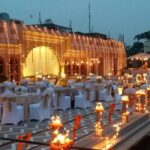




[…] ghats of Varanasi as your backdrop and the gentle flow of India’s holiest river beneath you. A cruise wedding in Varanasi offers something truly extraordinary—the perfect fusion of timeless tradition and contemporary […]
[…] crowding your space, and the experience unfolds exactly as your family needs it to. A private boat ride in Varanasi isn’t just transportation—it’s one of those rare travel experiences that appeals to everyone […]