Bodhgaya Private 1-Day Pilgrimage Tour , Have you ever wondered what it would feel like to walk in the footsteps of Buddha? To stand beneath the very tree where enlightenment was attained over 2,500 years ago? Bodhgaya, a small town in Bihar, India, offers precisely that spiritual journey. A private 1-day pilgrimage tour in Bodhgaya is more than just sightseeing—it’s a transformative experience that connects you deeply with Buddhist heritage and spiritual awakening.
Why Choose a Private Pilgrimage Tour in Bodhgaya?
Bodhgaya Private 1-Day Pilgrimage Tour , Choosing a private tour over a group excursion gives you the freedom to explore at your own pace. You’re not rushing from one site to another or waiting for stragglers. Instead, you get personalized attention from an expert guide who can tailor the experience to your interests and spiritual needs. Want to spend extra time meditating under the Bodhi Tree? No problem. Curious about the intricate carvings at Mahabodhi Temple? Your guide will dive deep into the details just for you.
What Makes Bodhgaya a Sacred Destination?
The Historical Significance of Bodhgaya
Bodhgaya isn’t just another tourist destination—it’s the birthplace of Buddhism as we know it. This is where Prince Siddhartha Gautama sat in deep meditation and emerged as the Buddha, the enlightened one. The historical records dating back to the 3rd century BCE confirm this location’s authenticity, making it one of the most important pilgrimage sites in the world.
Spiritual Importance for Buddhists Worldwide
For millions of Buddhists across the globe, Bodhgaya represents the ultimate pilgrimage. It’s one of the four holy sites related to the life of Buddha, alongside Lumbini (his birthplace), Sarnath (where he gave his first sermon), and Kushinagar (where he attained Parinirvana). Visiting Bodhgaya is considered a once-in-a-lifetime spiritual journey that brings profound blessings and merit.
Key Highlights of the 1-Day Private Tour
Mahabodhi Temple Complex
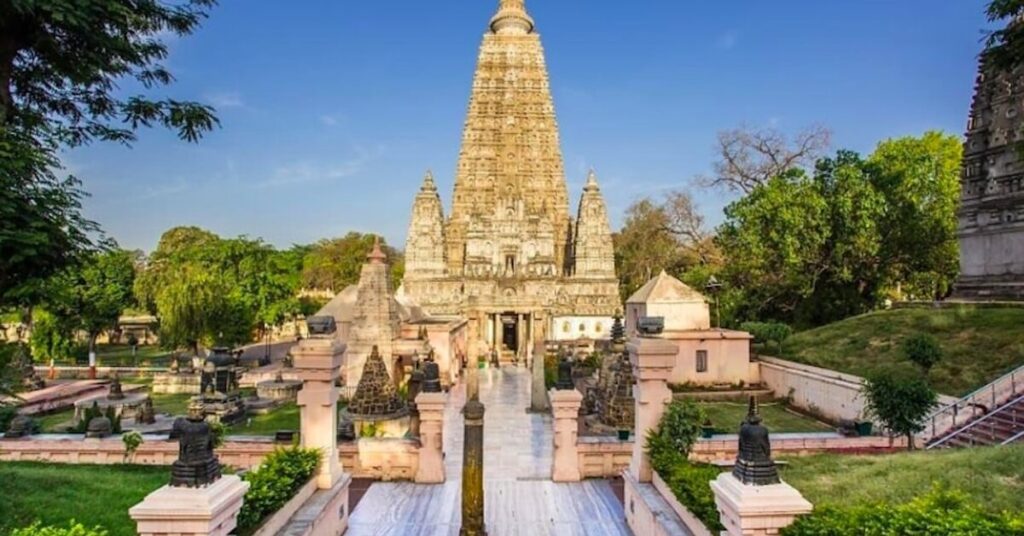
The centerpiece of any Bodhgaya tour is the magnificent Mahabodhi Temple, a UNESCO World Heritage Site. This architectural marvel stands 55 meters tall and dates back to the 5th-6th century CE. The temple complex is adorned with intricate stone carvings depicting scenes from Buddha’s life. As you walk through its hallowed corridors, you’ll witness monks from different countries engaged in prayer and meditation, creating an atmosphere charged with spiritual energy.
The Bodhi Tree
Standing in the serene courtyard behind the Mahabodhi Temple is the sacred Bodhi Tree, a direct descendant of the original tree under which Buddha attained enlightenment. The current tree is believed to be the fifth succession from the original. Many visitors sit beneath its spreading branches, just as Buddha did, seeking their own moments of clarity and peace. The experience is nothing short of magical—the rustling leaves seem to whisper ancient wisdom.
Great Buddha Statue
A short distance from the main temple complex stands the impressive Great Buddha Statue, rising 25 meters high. Inaugurated in 1989, this red granite and sandstone monument depicts Buddha in a meditation pose. The statue is surrounded by beautifully landscaped gardens and smaller statues of Buddha’s ten principal disciples. It’s a popular spot for photography and quiet contemplation.
Meditation and Prayer Sessions
Your private tour can include dedicated time for meditation and prayer. Whether you’re an experienced practitioner or a curious beginner, the energy of Bodhgaya provides an ideal environment for spiritual practice. Many visitors report profound experiences during meditation sessions here—some describe it as feeling a direct connection to the Buddha’s compassion and wisdom.
Additional Sacred Sites Covered in the Tour
Dungeshwari Cave Temples
Located about 12 kilometers from Bodhgaya, the Dungeshwari Cave Temples (also known as Mahakala Caves) mark the spot where Siddhartha practiced extreme asceticism for six years before realizing the Middle Path. The caves are set in a peaceful hillside location offering panoramic views of the surrounding countryside. Inside, you’ll find statues depicting the emaciated Buddha during his ascetic period—a powerful reminder of his journey toward enlightenment.
Sujata Stupa
The Sujata Stupa commemorates Sujata, the village girl who offered rice milk to the weakened Siddhartha, giving him strength to continue his spiritual quest. This act of compassion is considered pivotal in Buddha’s journey, as it led him to abandon extreme asceticism and adopt the Middle Path. The stupa stands as a testament to the importance of kindness and nourishment, both physical and spiritual.
Royal Bhutan Monastery
Bodhgaya is home to monasteries built by Buddhist communities from around the world. The Royal Bhutan Monastery is particularly stunning, showcasing traditional Bhutanese architecture with its colorful paintings, intricate wood carvings, and peaceful prayer halls. Visiting these international monasteries gives you insight into how different Buddhist cultures express their devotion.
What to Expect During Your Private Tour
Personalized Itinerary
With a private tour, your itinerary isn’t set in stone. Want to start early to catch the sunrise prayers at Mahabodhi Temple? Prefer a leisurely lunch at a local vegetarian restaurant? Your guide will accommodate your preferences, ensuring the day unfolds exactly as you envision it.
Expert Guide and Transportation
Your private tour includes a knowledgeable guide who’s well-versed in Buddhist history, local culture, and spiritual practices. They’ll share stories that bring each site to life, answer your questions, and provide context that you’d miss on your own. Comfortable, air-conditioned transportation ensures you travel between sites in comfort, maximizing your time at each location rather than worrying about logistics.
Cultural Insights and Storytelling
Beyond the historical facts, a good guide offers cultural insights that deepen your understanding. They might explain the symbolism in temple architecture, describe meditation techniques practiced by monks, or share local legends associated with various sites. These stories transform your tour from a simple visit into an immersive cultural and spiritual experience.
Best Time to Visit Bodhgaya
While Bodhgaya welcomes pilgrims year-round, the best time to visit is between October and March when the weather is pleasant. The winter months (December-February) can be cool, especially in early mornings and evenings, so bring a light jacket. Avoid the monsoon season (July-September) when heavy rains can disrupt travel plans. The period around Buddha Purnima (the full moon day in April/May celebrating Buddha’s birth, enlightenment, and death) sees massive crowds but also offers special ceremonies and celebrations.
Tips for a Meaningful Pilgrimage Experience
To make the most of your Bodhgaya pilgrimage, dress modestly with covered shoulders and knees as a sign of respect at religious sites. Remove shoes before entering temples and meditation areas. Bring a small meditation cushion if you plan to sit for extended periods. Stay hydrated but remember that plastic bottles are discouraged at many sacred sites—carry a refillable water bottle. Most importantly, approach each site with an open heart and mind. Whether you’re a devout Buddhist or simply a spiritual seeker, Bodhgaya has something profound to offer everyone.
Photography is generally allowed in outdoor areas, but always ask permission before photographing monks or prayer ceremonies. Some inner sanctums prohibit cameras entirely, so respect these rules. Consider bringing offerings of flowers or incense, which can be purchased from vendors near the temples.
Conclusion
A private 1-day pilgrimage tour in Bodhgaya offers an intimate encounter with one of the world’s most sacred destinations. From the awe-inspiring Mahabodhi Temple to the peaceful shade of the Bodhi Tree, each moment brings you closer to understanding Buddha’s teachings and his path to enlightenment. The personalized nature of a private tour ensures you can explore at your own pace, dive deep into topics that interest you, and create a truly meaningful spiritual experience. Whether you’re seeking enlightenment, peace, or simply a deeper connection to Buddhist heritage, Bodhgaya delivers in ways that will stay with you long after you’ve returned home.
FAQs
1. How long does the private 1-day pilgrimage tour typically last?
The tour usually runs from early morning (around 8 AM) until late afternoon or early evening (around 5-6 PM), giving you approximately 9-10 hours to explore the major sites. However, since it’s a private tour, the schedule can be adjusted to fit your preferences and energy levels.
2. Do I need to be Buddhist to join this pilgrimage tour?
Not at all! While Bodhgaya holds special significance for Buddhists, the tour welcomes people of all faiths and backgrounds. Many visitors are simply interested in history, culture, or spirituality in general. The sites and stories offer universal messages of compassion, wisdom, and inner peace that resonate with everyone.
3. What should I wear during the pilgrimage tour?
Dress modestly and comfortably. Wear clothing that covers your shoulders and knees as a sign of respect when visiting temples and monasteries. Comfortable walking shoes are essential since you’ll be on your feet for much of the day. Bring layers as temples can be cool inside, and don’t forget sun protection for outdoor sites.
4. Is photography allowed at the sacred sites in Bodhgaya?
Photography is generally permitted in outdoor areas and courtyards, but rules vary by location. Some inner sanctums and meditation halls prohibit cameras. Always look for signs or ask your guide before taking photos. It’s considered respectful to ask permission before photographing monks or religious ceremonies.
5. Can the tour be customized to include meditation or spiritual practices?
Absolutely! One of the biggest advantages of a private tour is customization. Let your guide know if you’d like to include meditation sessions, participate in prayer ceremonies, or spend extended time in quiet contemplation at specific sites. Your guide can arrange these experiences and find appropriate times and locations for your spiritual practice.