Your cart is currently empty!
You may check out all the available trips and book one that suits you.
Continue Browsing Trips
Bodhgaya Varanasi Tour Package , Embark on a spiritual journey through the heart of Buddhism by exploring Bodhgaya and Varanasi—two of India’s most sacred destinations that shaped world religious history. This profound Buddhist circuit combines the site of Buddha’s enlightenment with the location of his first sermon, offering travelers an extraordinary pilgrimage experience. Understanding tour package costs and itinerary options helps you plan this transformative journey through ancient wisdom and timeless spirituality.
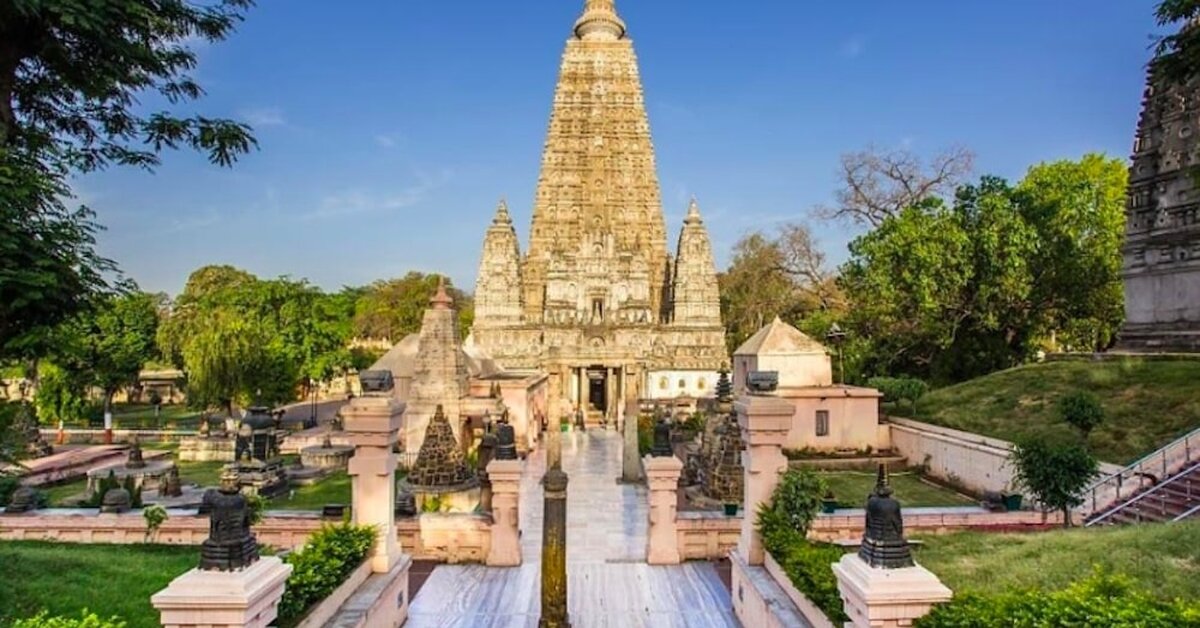
Bodhgaya Varanasi Tour Package , Bodhgaya holds unparalleled significance as the place where Prince Siddhartha attained enlightenment under the Bodhi Tree 2,500 years ago, becoming the Buddha. The magnificent Mahabodhi Temple Complex, a UNESCO World Heritage Site, draws Buddhist pilgrims from across the globe. The serene atmosphere, meditation centers, and international monasteries create a peaceful environment ideal for spiritual contemplation and profound reflection.
Varanasi, while primarily known as a Hindu pilgrimage city, plays a crucial role in Buddhist history. Just 10 kilometers away lies Sarnath, where Buddha delivered his first sermon after enlightenment, setting in motion the Wheel of Dharma. The ancient Dhamek Stupa and impressive archaeological ruins mark this pivotal moment in Buddhist tradition. Together, Bodhgaya and Varanasi-Sarnath form the essential core of the Buddhist circuit in India.
This 250-kilometer journey connects two vital moments in Buddha’s life—enlightenment and first teaching—making it a complete spiritual experience. The circuit also encompasses the fascinating contrast between Bihar’s rural landscapes and Uttar Pradesh’s urban spirituality, offering cultural insights alongside religious discovery. For Buddhist practitioners and spiritual seekers worldwide, this route represents a once-in-a-lifetime pilgrimage opportunity.
Budget Package (₹6,000-₹9,000 per person): This affordable option covers 2 nights/3 days with basic accommodation in budget hotels or guesthouses near temple areas, non-AC transportation between cities (train or shared vehicle), entry to major Buddhist sites, and basic breakfast included. Ideal for backpackers and budget-conscious pilgrims, this package covers essential Buddhist landmarks while maintaining reasonable comfort. Expect simple shared rooms (single occupancy adds ₹1,500-2,500) and self-arranged lunches and dinners at local eateries.
Standard Package (₹12,000-₹18,000 per person): The most popular choice offers 3 nights/4 days with comfortable 3-star hotels in convenient locations near Mahabodhi Temple and Varanasi ghats, AC sedan or SUV for intercity travel, all breakfasts plus select meals, guided tours at Buddhist sites with knowledgeable guides, boat ride in Varanasi, visit to Sarnath Museum, and assistance with meditation session arrangements. This package provides excellent value, balancing cost with comfort and comprehensive coverage of Buddhist heritage sites.
Deluxe Package (₹22,000-₹35,000 per person): This premium offering includes 4 nights/5 days in 4-star hotels or heritage properties, private AC vehicle throughout the journey, all meals at reputable vegetarian restaurants, professional English-speaking Buddhist guide with deep knowledge of Dharma teachings, meditation sessions at renowned centers, multiple visits to Mahabodhi Temple at different times, extended Sarnath exploration, Varanasi evening Ganga Aarti experience, and airport/railway transfers. Perfect for travelers seeking enriching spiritual experiences with enhanced comfort.
Luxury Package (₹45,000-₹70,000 per person): The most exclusive experience features 5 nights/6 days in 5-star hotels and boutique properties, luxury vehicle with experienced driver, gourmet vegetarian meals including Tibetan and Asian Buddhist cuisine, personal Buddhist scholar guide throughout, private meditation sessions with experienced teachers, VIP access to temples and monasteries, sunrise meditation at Mahabodhi Temple, extended visits to international monasteries (Thai, Tibetan, Japanese, Bhutanese), traditional Buddhist blessing ceremonies, and comprehensive photography service. This package ensures maximum spiritual immersion and unforgettable memories.
Extended Buddhist Circuit Packages (₹50,000-₹120,000): Comprehensive 7-10 day packages include additional sacred sites like Kushinagar (Buddha’s Mahaparinirvana site), Lumbini in Nepal (Buddha’s birthplace), and Rajgir-Nalanda (important teaching locations), creating the complete Buddhist pilgrimage experience across multiple states and countries.
Day 1 – Arrival in Bodhgaya: Begin your spiritual odyssey with arrival at Gaya Airport or Railway Station (30 km from Bodhgaya). Transfer to your hotel and check-in. After refreshing, visit the magnificent Mahabodhi Temple Complex during afternoon hours when crowds are moderate. Walk clockwise around the temple following traditional Buddhist practice, observing pilgrims from Thailand, Tibet, Sri Lanka, Myanmar, Japan, and beyond. Sit beneath the sacred Bodhi Tree—a direct descendant of the original tree under which Buddha attained enlightenment—and experience the powerful energy that has drawn seekers for millennia. Evening meditation session at the temple complex as sunset creates beautiful golden light on ancient structures. Dinner at local Tibetan restaurant introduces authentic Buddhist vegetarian cuisine.
Day 2 – Bodhgaya Full Day Exploration: Early morning visit to Mahabodhi Temple for sunrise meditation when the atmosphere is most serene and spiritual. Participate in morning prayers and observe monks performing rituals. Explore the Animesh Lochana Chaitya where Buddha stood gazing at the Bodhi Tree unblinkingly for seven days. Visit Ratnachakrama (Jewel Walk) where Buddha practiced walking meditation. The Muchalinda Lake marks where the serpent king protected Buddha during meditation. After breakfast, tour international monasteries showcasing diverse Buddhist architectural styles and traditions. The Thai Monastery features stunning golden architecture, the Tibetan Monastery displays colorful prayer flags and traditional artwork, the Japanese Temple emphasizes Zen simplicity, and the Bhutanese Monastery offers intricate Himalayan designs. Visit the Great Buddha Statue (80 feet tall) and the Archaeological Museum housing ancient Buddhist artifacts. Evening participation in meditation or Dharma talk at a meditation center.
Day 3 – Bodhgaya to Varanasi via Sarnath (250 km, 5-6 hours): After breakfast and final morning prayers at Mahabodhi Temple, depart for Varanasi. The journey passes through rural Bihar and Uttar Pradesh, offering glimpses of Indian countryside life. Upon reaching Varanasi, proceed directly to Sarnath (10 km from city center). Visit the impressive Dhamek Stupa, a massive cylindrical structure marking the spot where Buddha delivered his first sermon to five ascetics, explaining the Four Noble Truths and Eightfold Path. Explore the extensive archaeological ruins of ancient monasteries and living quarters where early Buddhist monks resided. The Sarnath Museum houses extraordinary artifacts including the famous Ashoka Lion Capital (India’s national emblem) and numerous Buddha statues from different periods. Visit the modern Mulagandha Kuti Vihar with beautiful Japanese-style frescoes depicting Buddha’s life. Witness the deer park where Buddha’s disciples gathered. Evening check-in to Varanasi hotel followed by optional Ganga Aarti viewing, connecting Buddhist and Hindu spiritual traditions.
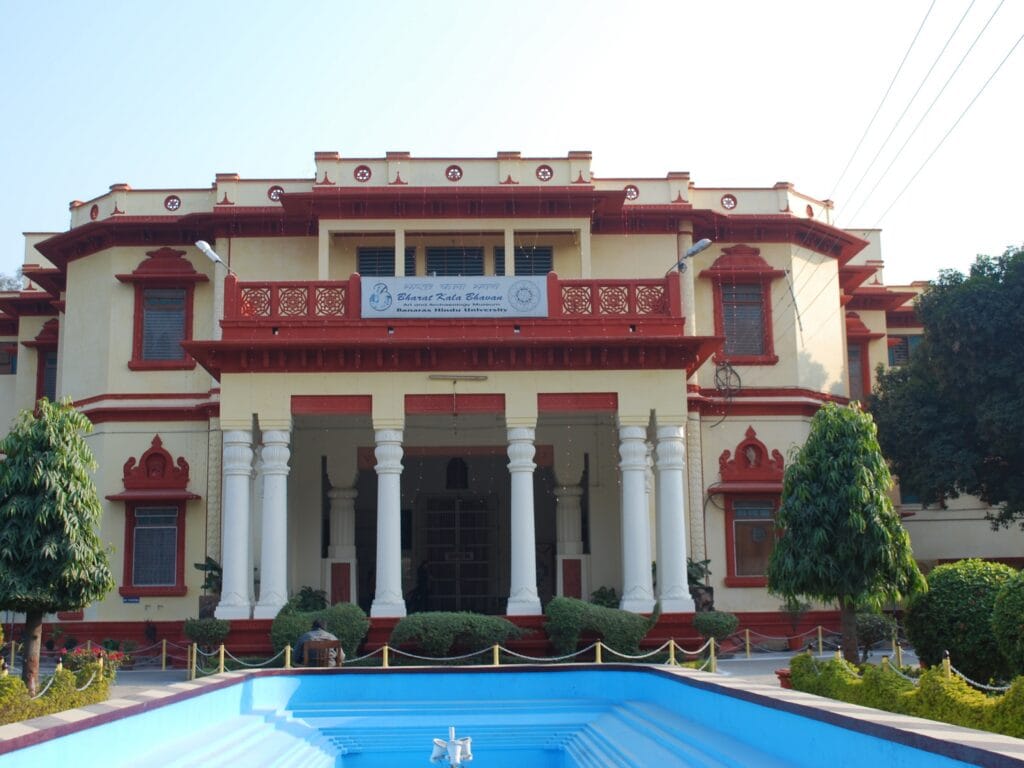
Day 4 – Varanasi Exploration & Buddhist Heritage: Morning boat ride on the Ganges (5:30-7:30 AM) offers spectacular sunrise views and observation of Hindu rituals, providing context for understanding India’s diverse spiritual landscape. After breakfast, visit Chaukhandi Stupa where Buddha met his first disciples after enlightenment. Explore Sarnath more deeply with visits to Dharmarajika Stupa ruins and meditation at the peaceful Thai Temple. Return to Varanasi for lunch, then visit the Kashi Vishwanath Temple area and ancient ghats where Buddha himself walked during his visits to Varanasi. The Banaras Hindu University campus includes the Bharat Kala Bhavan Museum with Buddhist art collections. Evening free for shopping on Vishwanath Gali for Buddhist artifacts, prayer flags, Tibetan handicrafts, and meditation supplies. Some packages include traditional Buddhist blessing ceremonies or meditation sessions.
Day 5 – Departure (Extended Packages): Morning meditation and yoga session. Final visit to favored sites or local Buddhist communities. Departure transfer to Varanasi Airport/Railway Station with cherished memories and spiritual insights gained from this profound journey.
Standard Buddhist circuit packages comprehensively include accommodation for specified nights in chosen hotel categories near major Buddhist sites, intercity transportation via AC vehicle (or train for budget packages), daily breakfast and select meals at vegetarian restaurants (Buddhist-friendly cuisine), guided tours at all major Buddhist sites with knowledgeable guides familiar with Buddhist history and philosophy, entry fees to Mahabodhi Temple Complex, Sarnath Museum, and archaeological sites, boat ride on the Ganges in Varanasi, and basic meditation session arrangements.
Premium and luxury packages additionally include private Buddhist scholar guides with deep Dharma knowledge, multiple meditation sessions at renowned centers with experienced teachers, extended monastery visits with interaction opportunities with resident monks, traditional Buddhist blessing ceremonies and prayer flag offerings, specialized vegetarian meals including Tibetan momos and thukpa, wellness experiences like traditional Tibetan medicine consultations, and comprehensive photography capturing your spiritual journey.
Common exclusions requiring separate budgeting include airfare or train tickets to/from your origin city (₹4,000-₹18,000 depending on location and booking time), lunches and dinners not specified in packages (₹200-600 per meal), donations at temples and monasteries (optional but appreciated, ₹100-500), personal expenses like shopping for Buddhist artifacts and prayer items (₹1,000-₹10,000+), travel insurance (recommended, ₹500-₹2,000), camera fees at archaeological sites (₹25-₹100), and tips for guides and drivers (₹400-₹1,200 total recommended).
Peak Season (October-March): The ideal time offering pleasant weather conditions perfect for temple visits and outdoor meditation. October-November features post-monsoon freshness with comfortable temperatures (15-28°C) and clear skies excellent for photography. December-January brings cooler weather (8-20°C) ideal for walking tours, though early mornings can be chilly—bring warm layers. February-March offers spring warmth (12-25°C) with blooming flowers around temple complexes. International Buddhist pilgrims peak during this period, creating vibrant multicultural atmosphere but also 30-40% higher package prices. Book 4-6 weeks ahead for better availability and early-bird discounts.
Shoulder Season (September, April): Excellent value with 20-25% lower prices despite warmer conditions. September marks monsoon’s end with lush greenery surrounding archaeological sites and occasional light showers. April sees rising temperatures (25-35°C) but remains manageable with early morning and evening temple visits. Fewer crowds mean more peaceful meditation experiences and easier monastery access. Ideal for heat-tolerant travelers seeking authentic experiences without peak-season tourist density.
Off-Season (May-August): May experiences intense heat (35-45°C) making midday activities uncomfortable, though early morning Mahabodhi Temple visits remain powerful experiences. Monsoon season (June-August) brings 40-50% lower prices and dramatic landscapes with refreshing rain. While occasional downpours may affect travel schedules, the spiritual atmosphere intensifies as fewer tourists allow deeper contemplation. Many serious Buddhist practitioners actually prefer monsoon season’s tranquil environment for extended meditation retreats. Budget travelers comfortable with weather variations find exceptional value.
Special Buddhist Occasions: Buddha Purnima (Buddha’s birthday, typically April-May) sees spectacular celebrations at Bodhgaya with thousands of international pilgrims. Special packages during this period (₹35,000-₹80,000) offer once-in-a-lifetime experiences but require 3-6 months advance booking. Other significant dates include Dhamma Chakra Day (first sermon anniversary at Sarnath, July) and various monastery-specific celebrations throughout the year.
Reaching Bodhgaya: Gaya Airport (GAY), 17 km from Bodhgaya, receives flights from Delhi, Kolkata, Mumbai, and Bangkok. Package transfers typically cost ₹500-1,500 depending on vehicle type. Alternatively, Gaya Junction railway station connects to major Indian cities with packages including station pickup. Patna Airport, 135 km away, offers more flight options with transfers taking 3-4 hours.
Bodhgaya to Varanasi Travel: Private AC vehicle (included in standard-to-luxury packages) takes 5-6 hours covering 250 km via NH19, offering comfortable and flexible journey with potential stops at interesting villages or viewpoints. Cost: ₹6,000-₹10,000 for the entire vehicle. Train options include Gaya-Varanasi routes (₹300-₹1,200 per person, 4-5 hours) providing authentic Indian travel experience. Budget packages often utilize train travel, while premium packages prefer private vehicles for convenience.
Local Transportation: Within Bodhgaya, most sites are walkable with the Mahabodhi Temple area concentrated within 2-3 km radius. Cycle rickshaws (₹20-₹50 per ride) and auto-rickshaws (₹30-₹100) provide short-distance travel. In Varanasi, the old city requires walking through narrow lanes, while auto-rickshaws and taxis handle longer distances. Sarnath lies 10 km from Varanasi city center, easily accessible by hired vehicle or local transport.
Buddhist circuit packages emphasize spiritual practice beyond mere sightseeing. Guided meditation sessions at Mahabodhi Temple teach traditional techniques like Anapanasati (mindfulness of breathing) and Vipassana (insight meditation). Early morning sessions (5:30-7:00 AM) when the temple atmosphere is most serene provide powerful experiences. Evening sessions incorporate chanting and Metta (loving-kindness) meditation.
Meditation centers in Bodhgaya like Root Institute, Tergar Monastery, and international monasteries offer structured programs. Premium packages arrange private sessions with experienced teachers who provide personalized instruction suitable for beginners and advanced practitioners. These sessions typically last 45-90 minutes and include guidance on posture, breathing, and mental focus.
Dharma talks at various monasteries provide teachings on Buddhist philosophy, ethics, and practice. English-language talks are regularly available, explaining concepts like the Four Noble Truths, Eightfold Path, and dependent origination. Some packages include meetings with monks or nuns for personal discussions about Buddhist practice.
Ritual participation opportunities include offering butter lamps at Mahabodhi Temple, hanging prayer flags, circumambulating stupas, and participating in puja ceremonies. Guides explain proper etiquette and significance, allowing respectful and meaningful participation in ancient traditions.
Temple behavior requires removing shoes before entering sacred areas—bring socks for comfort on stone floors. Dress modestly covering shoulders and knees. Maintain quiet, respectful demeanor avoiding loud conversations. Photography policies vary—Mahabodhi Temple allows photos but some monastery interiors restrict cameras. Always ask permission before photographing monks or religious ceremonies.
Meditation etiquette includes arriving punctually for sessions, silencing mobile devices, and avoiding strong fragrances that might disturb others. Sit respectfully—full lotus isn’t required; chairs are often available. Don’t leave sessions early unless absolutely necessary.
Interaction with monks should be respectful—address them as “Venerable” or “Bhante.” Women should avoid physical contact with monks following monastic discipline. If receiving teachings or blessings, offer small donations (₹100-500) placed discreetly in offering boxes rather than handed directly.
Photography at archaeological sites often requires camera fees (₹25-₹100). Avoid photographing cremation or highly personal religious moments at Varanasi ghats. Ask permission before photographing local people.
Health precautions include carrying bottled water, hand sanitizer, and basic medications. Vegetarian food is ubiquitous and generally safe at established restaurants. Buddhist restaurants often maintain high hygiene standards. Avoid street food initially until your system adjusts.
Shopping for Buddhist items like prayer flags, meditation cushions, Tibetan singing bowls, and Buddha statues is enjoyable in Bodhgaya’s markets. Negotiate prices politely and buy from reputable shops. Many monasteries also have bookshops selling authentic Buddhist literature and artifacts with proceeds supporting religious activities.
The transformative journey through Bodhgaya and Varanasi-Sarnath offers more than tourism—it provides deep spiritual immersion in Buddhist heritage, creating lasting inner peace and profound understanding of the path to enlightenment walked by millions before you.
Absolutely not! Buddhist circuit tours welcome people of all faiths and spiritual backgrounds. While the sites hold special significance for Buddhist pilgrims, many visitors are spiritual seekers, history enthusiasts, or travelers interested in world religions and ancient cultures. The teachings of Buddha emphasize universal values like compassion, mindfulness, and ethical living that resonate across belief systems. Tour guides accommodate diverse audiences, explaining Buddhist concepts in accessible terms without requiring religious commitment. Many Christians, Hindus, and secular travelers find the meditation practices and peaceful atmosphere deeply meaningful. The only requirement is respectful behavior at sacred sites—modest dress, quiet demeanor, and appreciation for the spiritual significance these places hold for Buddhist practitioners worldwide.
Private AC vehicles offer the most comfortable and flexible option, taking 5-6 hours and allowing stops at interesting villages or viewpoints along the route. This is included in standard-to-luxury packages and costs ₹6,000-₹10,000 for the entire vehicle. Trains provide a budget-friendly alternative (₹300-₹1,200 per person) taking 4-5 hours, offering an authentic Indian travel experience though less comfortable and flexible. Several daily trains connect Gaya Junction to Varanasi Junction. For luxury travelers with limited time, helicopter charters are available (₹60,000-₹100,000 for 4-5 passengers) reducing travel to under an hour. Most travelers find private vehicles offer the best balance of comfort, cost, and flexibility, especially when traveling in groups of 3-4 people.
Yes, meditation instruction is a key component of Buddhist circuit tours. Bodhgaya hosts numerous meditation centers offering introductory sessions perfect for beginners, including Root Institute, Tergar Monastery, and various international monasteries. Standard packages typically include 1-2 guided group meditation sessions teaching basic techniques like mindfulness breathing and walking meditation. Premium packages arrange private instruction with experienced teachers who provide personalized guidance suited to your level. Sessions range from 45 minutes to 2 hours and teach traditional Buddhist meditation methods. Even without formal instruction, the peaceful atmosphere at Mahabodhi Temple and Sarnath naturally facilitates meditation practice. Many travelers report these experiences as life-changing, continuing meditation practice after returning home. Guides can also recommend extended meditation retreats (3-10 days) for those wishing to deepen their practice.
Buddhist circuit areas predominantly serve vegetarian food, aligning with Buddhist ethical principles of non-harm. Bodhgaya features excellent Tibetan restaurants offering momos (dumplings), thukpa (noodle soup), and traditional dishes. Indian vegetarian cuisine includes dal, vegetables, rice, roti, and paneer preparations. International monasteries often have cafés serving their national cuisines—Thai, Japanese, Korean—all vegetarian. Varanasi offers extensive vegetarian options plus some non-vegetarian restaurants away from temple areas. Most package meals are vegetarian, but special dietary requirements—vegan, gluten-free, Jain, allergy restrictions—can be accommodated with advance notice. The food is generally safe and hygienic at established restaurants included in tour packages. Many Buddhist practitioners avoid onion and garlic (considered tamasic in some traditions), so these are often omitted from monastery meals. Bottled water is recommended throughout the journey.
Absolutely! The Bodhgaya-Varanasi circuit forms the core of the larger Buddhist pilgrimage circuit in India and Nepal. Extended packages (7-10 days, ₹50,000-₹120,000) commonly add Kushinagar (250 km from Varanasi), where Buddha attained Mahaparinirvana (final liberation), featuring the reclining Buddha statue and Nirvana Stupa. Lumbini in Nepal (Buddha’s birthplace, 280 km from Varanasi) adds profound significance, accessible via extended tours or separate packages. Rajgir and Nalanda (100 km from Bodhgaya) represent important teaching sites with ancient monastery ruins and the famous Nalanda University. Savatthi and Kapilavastu in Uttar Pradesh complete the “Eight Great Places” associated with Buddha’s life. Serious Buddhist pilgrims often undertake comprehensive 12-15 day circuits covering all major sites. Tour operators like TripCosmos can customize extended itineraries based on your interests, time availability, and budget.