Your cart is currently empty!
You may check out all the available trips and book one that suits you.
Continue Browsing Trips
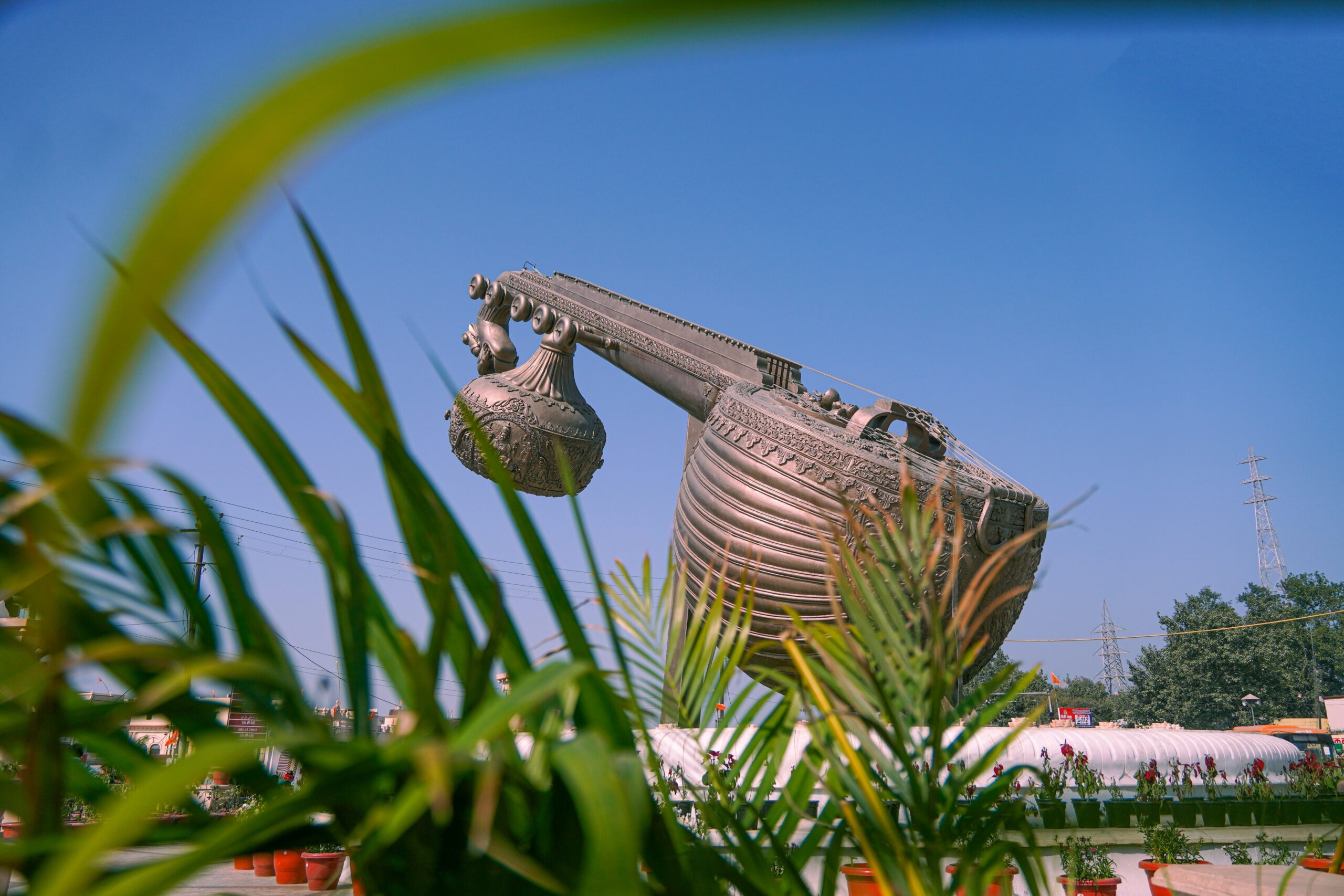
Ayodhya Varanasi Prayagraj Tour Package Cost – Complete Guide 2026 , Embarking on a spiritual journey through India’s three most sacred cities—Ayodhya, Varanasi, and Prayagraj—offers a profound and transformative experience. This divine triangle of Hindu pilgrimage sites represents the heart of Indian spirituality, ancient culture, and religious heritage. Understanding the tour package costs and what to expect helps you plan a memorable and hassle-free journey through these magnificent destinations that have drawn devotees for thousands of years.

These three cities form a perfect spiritual circuit in Uttar Pradesh, each offering unique religious significance and cultural treasures. Ayodhya, the legendary birthplace of Lord Rama, has gained renewed prominence with the spectacular Ram Mandir (Ram Temple) that opened in January 2024. The city resonates with epic Ramayana stories and offers peaceful ghats along the Saryu River.
Varanasi, the eternal city, stands as one of the world’s oldest continuously inhabited places. This spiritual capital of India on the Ganges River provides unmatched experiences—from the mesmerizing Ganga Aarti to ancient temples and the profound spirituality that permeates every street. Mark Twain famously said Varanasi is “older than history, older than tradition, older even than legend.
VIP Sugam Darshan passes, verified outstation cabs, Ganga aarti boat allocations, and clean hotel stays — fully coordinated by our on-ground team.
Prayagraj (formerly Allahabad) hosts the sacred Triveni Sangam—the confluence of three rivers: Ganges, Yamuna, and the mythical Saraswati. This auspicious site hosts the world’s largest religious gathering, the Kumbh Mela, and offers year-round pilgrimage opportunities. Taking a holy dip here is believed to wash away sins and grant spiritual merit.
Combining these destinations creates a comprehensive spiritual experience spanning 300-400 kilometers of sacred geography. The proximity allows efficient travel within 3-7 days, making it ideal for both domestic and international pilgrims seeking authentic religious experiences.
Budget Package (₹8,000-₹12,000 per person): This affordable option covers 3 nights/4 days with basic accommodations in 2-3 star hotels or budget guesthouses, non-AC transportation between cities (shared tempo traveler or train), entry to major temples and sites, and basic breakfast included. Ideal for budget-conscious travelers or backpackers, this package covers essential highlights while maintaining reasonable comfort. Expect shared rooms (additional ₹2,000-3,000 for single occupancy) and self-arranged lunches and dinners.
Standard Package (₹15,000-₹25,000 per person): The most popular choice offers 4 nights/5 days with comfortable 3-star hotels in convenient locations, AC sedan or SUV for intercity travel, all breakfasts plus some dinners, guided tours at major attractions, boat rides in Varanasi and Prayagraj, and assistance with temple visits and rituals. This package provides excellent balance between cost and comfort, ensuring pleasant experiences without luxury pricing.
Deluxe Package (₹30,000-₹45,000 per person): This premium offering includes 5 nights/6 days in 4-star hotels or heritage properties, private AC vehicle throughout (SUV or Innova), all meals (breakfast, lunch, dinner) at reputable restaurants, professional English-speaking guide, priority darshan arrangements at temples, multiple boat rides and spiritual ceremonies, cultural performances in Varanasi, and airport/railway station transfers. Perfect for travelers seeking hassle-free comfort with comprehensive coverage.
Luxury Package (₹55,000-₹85,000 per person): The most exclusive experience features 6 nights/7 days in 5-star hotels and luxury heritage properties, private luxury vehicle with experienced driver, gourmet meals at premium restaurants, personal guide throughout the journey, VIP darshan arrangements avoiding queues, private boat rides and exclusive Ganga Aarti experiences, helicopter ride option (Varanasi-Prayagraj), traditional massage and wellness experiences, and comprehensive photography service. This package ensures maximum comfort and unforgettable memories.
Customized Packages: Many operators like TripCosmos offer flexible customization starting from ₹20,000 per person, allowing you to choose specific hotels, activities, and duration according to preferences and budget.
Day 1 – Arrival in Varanasi: Begin your spiritual journey in the eternal city. After airport/railway pickup (included in packages), check into your hotel and freshen up. Evening features the spectacular Ganga Aarti at Dashashwamedh Ghat, best viewed from a boat on the river. Witness priests performing synchronized fire rituals with brass lamps while devotional songs fill the air. Dinner at a traditional restaurant introduces authentic Banarasi cuisine. Budget packages: basic hotel ₹1,500/night; Standard: ₹3,000/night; Deluxe: ₹6,000/night; Luxury: ₹12,000+/night.
Day 2 – Varanasi Sightseeing: Start with an early morning boat ride (5:30-7:30 AM) witnessing sunrise over the Ganges and morning rituals along the ghats. Visit Kashi Vishwanath Temple, one of the twelve Jyotirlingas and extremely sacred to Shiva devotees. Explore Sankat Mochan Hanuman Temple, Durga Temple (Monkey Temple), and Tulsi Manas Temple where Tulsidas composed the Ramcharitmanas. Afternoon includes Banaras Hindu University campus and Bharat Mata Temple featuring a marble relief map of India. Evening free for shopping on Vishwanath Gali or exploring local markets. Meals: ₹800-2,500 depending on package level.
Day 3 – Varanasi to Prayagraj (130 km, 3-4 hours): After breakfast, depart for Prayagraj. En route, visit Sita Samahit Sthal where Sita is believed to have entered Mother Earth. Upon arrival, check into your hotel. Afternoon visit to Triveni Sangam for the sacred boat ride to the confluence point. Take a holy dip if desired, believed to cleanse sins across seven lifetimes. Visit Hanuman Temple (with the unique reclining Hanuman idol), Allahabad Fort (external viewing), and Anand Bhawan (Nehru family residence, now museum). Evening aarti at the Sangam creates spiritual atmosphere. Transportation: ₹2,000-5,000 depending on vehicle type.
Day 4 – Prayagraj to Ayodhya (160 km, 3.5-4 hours): Morning prayers at Sangam followed by breakfast. Drive to Ayodhya, the birthplace of Lord Rama. Check into hotel and refresh. Visit the magnificent Ram Mandir (Ram Temple), where advance booking ensures smoother entry during peak times. Explore Hanuman Garhi, a fortress-temple dedicated to Hanuman with 76 steps leading to the main shrine. Visit Kanak Bhawan Temple gifted to Sita by Rama’s stepmother Kaikeyi, featuring beautiful gold-crowned idols. Evening walk along Saryu River ghats and attend the peaceful Saryu Aarti ceremony. The divine atmosphere of Ayodhya creates profound spiritual connections.
Day 5 – Ayodhya Sightseeing & Return to Varanasi (210 km, 4-5 hours): Morning darshan at Ram Janmabhoomi (birthplace complex), Sita Rasoi (Sita’s kitchen), and Dashrath Mahal. Visit Tulsi Smarak Bhawan and smaller temples throughout the city. After lunch, begin return journey to Varanasi. Evening at leisure—perhaps revisit favorite ghats, shop for Banarasi silk sarees, or enjoy traditional music performances. Some packages end here with departures the next morning; extended packages continue for additional days.
Day 6-7 (Extended Packages): Additional days explore Sarnath (where Buddha gave his first sermon), Ramnagar Fort and Museum, rural village experiences, yoga and meditation sessions, cooking classes, or day trips to nearby spiritual sites. These enriching additions deepen cultural understanding.
Understanding inclusions prevents budget surprises. Standard packages typically include accommodation for specified nights in chosen hotel category, intercity transportation (car/SUV/train depending on package level), daily breakfast and some meals, guided tours at major attractions, boat rides in Varanasi and Prayagraj, and basic assistance with temple visits.
Common exclusions requiring additional budgeting: Airfare or train tickets to/from your origin city (₹5,000-₹20,000 depending on location), lunches and dinners not specified in package (₹300-800 per meal), temple entry fees where applicable (₹50-500 per temple), special darshan or VIP entry fees (₹500-2,000), personal expenses like shopping and snacks (₹2,000-10,000+ depending on purchases), travel insurance (recommended, ₹500-2,000), camera fees at some monuments (₹50-200), and tips for guides and drivers (₹500-1,500 total recommended).
Optional add-ons often available: Helicopter rides between cities (₹15,000-25,000), traditional massage and Ayurvedic treatments (₹1,500-5,000), cultural performances and classical music concerts (₹500-2,000), photography service (₹3,000-8,000), professional puja ceremonies at temples (₹1,100-5,000), and Banarasi silk shopping assistance with reputable dealers.
Peak Season (October-March): The most pleasant weather conditions attract maximum tourists, resulting in 30-40% higher prices. October-November features festivals like Diwali and Dev Deepawali. December-January offers comfortable temperatures (10-25°C). February-March brings spring warmth before summer heat. Book 4-6 weeks in advance for better availability and early-bird discounts of 10-15%.
Shoulder Season (April-May, September): Prices drop 20-25% despite warmer weather. April-May sees temperatures rising (30-40°C) but fewer crowds mean peaceful temple visits. September marks monsoon’s end with refreshing greenery. Excellent value for heat-tolerant travelers comfortable with summer conditions.
Off-Season (June-August): Monsoon brings 40-50% lower prices and dramatic beautiful landscapes. Rain creates atmospheric experiences though occasional travel disruptions occur. Ideal for budget travelers willing to carry umbrellas and adjust plans for weather. The spiritual atmosphere remains powerful year-round regardless of season.
Festival Periods: Special packages during Mahashivratri, Ram Navami, or Kumbh Mela (held every 12 years in Prayagraj, next in 2025) cost significantly more (₹50,000-₹150,000) but offer once-in-a-lifetime experiences. Book 3-6 months ahead for festival packages.
Private Car/SUV (Recommended): Most convenient option included in standard-to-luxury packages. AC vehicles with experienced drivers cost ₹8,000-15,000 for the entire circuit depending on vehicle type. Comfortable, flexible timing, and ability to stop at sites en route. Travel times: Varanasi-Prayagraj (3-4 hours), Prayagraj-Ayodhya (3.5-4 hours), Ayodhya-Varanasi (4-5 hours).
Train: Budget-friendly alternative with routes connecting all three cities. Varanasi-Prayagraj trains run frequently (₹200-800 per person depending on class), taking 2.5-3 hours. Prayagraj-Ayodhya trains available (₹150-600, 2-3 hours). Book in advance through IRCTC for guaranteed seats. Less flexible than private vehicles but offers authentic Indian travel experience.
Bus: State-run and private buses connect cities (₹300-800 per person). Less comfortable than trains or private cars but economical for solo travelers. Journey times slightly longer than trains due to road conditions and stops.
Helicopter (Luxury Option): Charter helicopter services available between Varanasi and Prayagraj (₹45,000-80,000 for 4-5 passengers), reducing travel time to 45 minutes. Included in some ultra-luxury packages or bookable as add-on for spectacular aerial views.
Book Group Packages: Traveling with 4-6+ people reduces per-person costs by 20-30%. Operators offer attractive group discounts since accommodation and transportation costs are shared. Family packages provide excellent value.
Off-Season Travel: Visiting June-September saves 40-50% despite monsoon conditions. The spiritual significance remains unchanged, and you’ll enjoy peaceful experiences without tourist crowds. Modern hotels ensure comfort even during rainy season.
Early Bird Discounts: Booking 6-8 weeks ahead often secures 15-20% discounts. Tour operators reward early commitments with better pricing. Flash sales during festive periods (Diwhi, New Year) offer additional savings.
Package Customization: Rather than luxury packages, choose standard packages and upgrade select elements—perhaps budget hotels with one luxury hotel night in Varanasi, or standard transport with one luxury meal experience. This smart mixing saves 30-40% while maintaining quality experiences.
Compare Operators: Request quotes from multiple reputable companies like TripCosmos. Transparent pricing, clear inclusions/exclusions, and customer reviews help identify genuine value versus hidden costs.
Midweek Travel: Departing Tuesday-Thursday costs less than weekend starts when domestic tourism peaks. Flexible schedules can save 10-15% on accommodation and transportation.
The spiritual richness of visiting Ayodhya, Varanasi, and Prayagraj together creates life-changing experiences that transcend mere tourism—offering profound connections with India’s eternal traditions and sacred heritage that will resonate throughout your life.
The ideal duration is 5-6 days (4-5 nights) to experience all three cities comfortably without rushing. This allows 2 days in Varanasi (including arrival and sightseeing), 1 day in Prayagraj covering Triveni Sangam and major sites, 1-2 days in Ayodhya exploring Ram Mandir and surrounding temples, plus travel time between cities. Budget travelers can complete essential highlights in 3-4 days with a condensed itinerary, while luxury packages extending 7-8 days include additional experiences like Sarnath, cultural performances, and wellness activities. The 5-6 day duration provides the best balance between comprehensive coverage and manageable travel fatigue, especially for elderly pilgrims or international tourists adjusting to Indian conditions.
Yes, most tour operators offer elderly-friendly and accessible packages with special arrangements. Standard packages can be modified to include wheelchair-accessible vehicles, hotels with elevators and ground-floor rooms, reduced walking with vehicle drop-offs closer to temples, flexible pacing with additional rest periods, and assistance with temple visits and rituals. Ayodhya’s Ram Mandir has wheelchair accessibility, though some older temples involve stairs. Varanasi’s narrow ghat lanes can be challenging, but boat access provides excellent viewing without extensive walking. Prayagraj’s Sangam is accessible by boat. Inform operators in advance about mobility requirements so they can arrange appropriate accommodations, specialized vehicles, and personal assistance. Premium packages include dedicated helpers for elderly guests, ensuring dignified and comfortable pilgrimage experiences.
For Ram Mandir in Ayodhya, advance booking is highly recommended, especially during weekends, festivals, and peak season (October-March). Online booking through the official Ram Mandir website (or through tour operators) helps avoid long queues that can extend 2-4 hours during busy periods. VIP darshan options (₹500-2,000) provide faster access with shorter waiting times. For Kashi Vishwanath Temple in Varanasi, advance booking isn’t mandatory but special darshan tickets (₹300) expedite entry significantly. Most temples in all three cities allow walk-in visits, though peak times mean longer waits. Reputable tour packages often include assistance with bookings or VIP arrangements, making temple visits smoother and less stressful, particularly valuable for international tourists unfamiliar with Indian temple protocols.
Pack modest, comfortable clothing respecting religious sensitivities. For temple visits, wear full-length pants or long skirts/salwar kameez, and tops covering shoulders—avoid shorts, sleeveless shirts, or revealing clothing. Cotton fabrics work best in hot weather. Carry a shawl or stole for covering head/shoulders when required at certain temples. Comfortable walking shoes are essential, but remember you’ll remove footwear at temple entrances, so slip-on shoes save time. Pack socks if you’re uncomfortable walking barefoot on stone floors. Light jacket for evening boat rides (October-February can be cool). For women, avoid tight or transparent clothing. Traditional Indian wear like kurtas or sarees is appreciated but not mandatory. Bring layers for air-conditioned vehicles and hotels. Weather-appropriate clothing: light cotton (March-October), warm layers (November-February).
Most packages include vegetarian meals as standard, given these cities’ religious significance and India’s strong vegetarian culture. Varanasi, Ayodhya, and Prayagraj are predominantly vegetarian zones where many restaurants don’t serve non-vegetarian food near temple areas. This makes vegetarian dining the norm. Tour operators can accommodate special dietary requirements—vegan, gluten-free, Jain (no root vegetables), diabetic-friendly, or allergy restrictions—with advance notice during booking. Meals typically feature North Indian cuisine: dal, vegetables, roti/rice, and curd. Reputable restaurants maintain hygiene standards suitable for international travelers. If you have specific requirements or food sensitivities, clearly communicate these when booking. Premium packages offer more dining variety and can arrange international cuisine if desired. Carrying digestive aids and bottled water is recommended for travelers with sensitive stomachs adjusting to Indian food.
Details For : Chardham Yatra from Varanasi by Cab
VIP Sugam Darshan passes, verified outstation cabs, Ganga aarti boat allocations, and clean hotel stays — fully coordinated by our on-ground team.
TripCosmos guarantees verified Kashi Vishwanath Sugam Darshan passes (zero line waiting), private Dev Deepawali & Ganga Aarti Bajra boats, and verified Toyota Innova Crysta cabs with trusted local chauffeurs.