
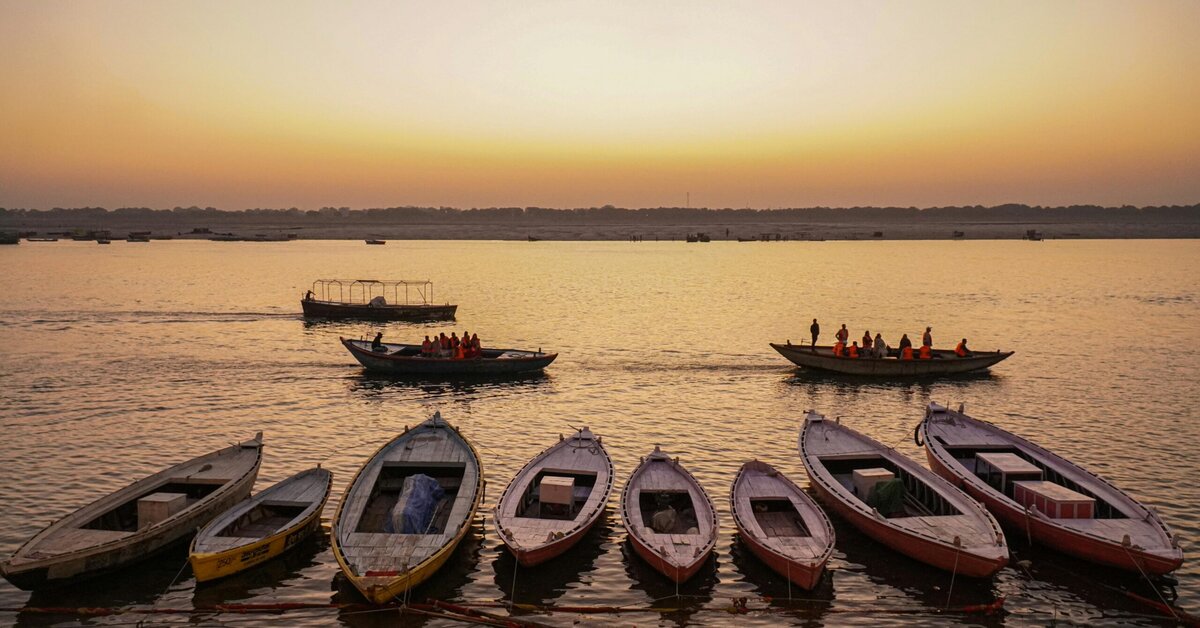
Can Rituals in Varanasi Be Done Without Staying Overnight? ,Picture this: you’re pressed for time, your vacation days are limited, but your soul yearns for the spiritual depth that only Varanasi can offer. Can you really experience the sacred rituals of this ancient city without spending the night? It’s a question many travelers grapple with, especially those juggling tight schedules with spiritual aspirations.
Varanasi isn’t just another destination you can check off in a few hours. It’s a living, breathing spiritual ecosystem where time seems to fold in on itself, where millennia of devotion have soaked into every stone step leading down to the Ganges. But let’s be real—not everyone has the luxury of extended stays. So let’s explore whether you can meaningfully participate in Varanasi’s rituals during a same-day visit, and what trade-offs you’ll be making.
Understanding the Day Trip Possibility
The Reality of Quick Visits to Sacred Spaces
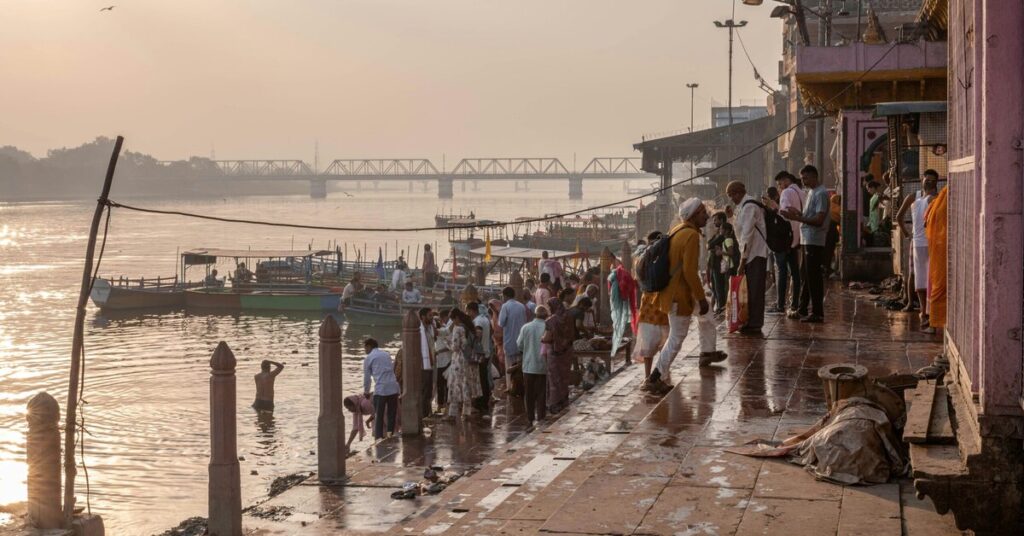
Here’s the honest truth: yes, you can technically complete certain rituals in Varanasi without staying overnight. Many pilgrims do exactly this, arriving early in the morning, performing their essential ceremonies, and departing by evening. The ghats don’t check your hotel reservation before allowing you to offer prayers or take a holy dip in the Ganges.
But there’s a difference between completing rituals and truly experiencing them. Think of it like visiting a museum—you can rush through and see the famous pieces, or you can spend time absorbing the stories behind each artwork. Both are valid, but they’re fundamentally different experiences.
For travelers coming from nearby cities like Lucknow, Allahabad, or Patna, a same-day visit is entirely feasible from a logistical standpoint. The question isn’t really “can you?” but rather “should you?” and “what will you gain or lose?”
What Makes Overnight Stays Traditional?
Traditionally, pilgrims stayed in Varanasi for extended periods—sometimes weeks or even months. This wasn’t just about convenience; it was about spiritual immersion. The idea was to synchronize your rhythm with the city’s spiritual pulse, to witness the complete cycle of rituals from dawn to dusk and back to dawn again.
There’s something profound about waking up in Varanasi, hearing the first morning bells echoing across the ghats, and gradually joining the stream of devotees heading toward the river. The overnight stay allows you to bookend your experience with both the evening aarti and the morning pujas—experiencing the spiritual duality of fire and water, darkness and light, closure and renewal.
But we’re living in modern times, and ancient traditions must sometimes adapt to contemporary constraints. The spiritual potency of Varanasi doesn’t diminish just because you’re on a tighter schedule.
Types of Rituals You Can Complete in a Day
Essential Morning Rituals and Pujas
If you arrive in Varanasi by early morning—let’s say 5:00 AM or 6:00 AM—you can absolutely participate in the essential morning rituals. Taking a holy bath in the Ganges, offering prayers to the rising sun, and performing a simple puja with the assistance of a priest are all achievable within a few hours.
The morning rituals are actually more conducive to day trips than you might think. They’re concentrated in the early hours, meaning you can complete them and still have most of your day free for other activities or travel. Many local pilgrims follow exactly this pattern, arriving at dawn for their spiritual obligations and returning to their daily lives by midday.
You can also visit the Kashi Vishwanath Temple for darshan, which is one of the twelve Jyotirlingas and considered essential for any Varanasi pilgrimage. The morning hours typically see smaller crowds compared to later in the day, making your visit more manageable.
Evening Ganga Aarti Experience
The evening Ganga Aarti at Dashashwamedh Ghat is perhaps the single ritual most visitors prioritize, and it’s perfectly suited for day-trippers. The ceremony begins around 6:00 PM to 7:00 PM depending on the season, meaning you could arrive in Varanasi as late as afternoon and still witness this spectacular event.
The aarti itself lasts about 45 minutes to an hour, followed by the option to participate in floating diyas on the river—a beautiful personal ritual that requires no elaborate preparation or prior knowledge. You could theoretically arrive in Varanasi at 3:00 PM, spend a few hours exploring the ghats, witness the aarti, and depart by 9:00 PM.
This abbreviated experience gives you a powerful taste of Varanasi’s spiritual theater without requiring overnight accommodation. Many travelers consider the Ganga Aarti alone worth the journey, and they’re not wrong—it’s genuinely moving.
Quick Darshan at Major Temples
Beyond the ghats, Varanasi houses numerous significant temples that can be visited relatively quickly. The Sankat Mochan Hanuman Temple, Durga Temple (also called Monkey Temple), and Tulsi Manas Temple are all important pilgrimage sites that don’t require extended time commitments.
You can complete darshan at several major temples within a 3-4 hour window if you plan efficiently and travel during off-peak hours. Many day visitors create temple circuits, hiring an auto-rickshaw or guide to navigate between sites efficiently.
The key is prioritization. You won’t see everything, but you can certainly touch the spiritual highlights that resonate most with your personal devotion or curiosity.
Planning Your Same-Day Ritual Visit
Arrival Timing Strategies
If you’re committed to a same-day visit, your arrival timing becomes absolutely critical. For morning-focused visits, aim to arrive by 5:00 AM or earlier. This means departing from nearby cities in the very early morning hours or even late at night if you’re driving.
For evening-centered visits, arriving by 2:00 PM or 3:00 PM gives you adequate time to settle in, navigate to the ghats, perhaps explore the narrow lanes of the old city, and secure a good viewing spot for the aarti.
Some travelers attempt to do both—arriving at dawn and staying until after the evening aarti before departing. This is ambitious but doable if you’re prepared for a long, intense day. You’ll need stamina, comfortable shoes, and realistic expectations about how exhausting this schedule can be.
Creating an Efficient Itinerary
Efficiency is everything for day visitors. Start by identifying your non-negotiables. Is the holy bath essential? Is temple darshan your priority? Do you absolutely want to witness the Ganga Aarti? Write these down and build your schedule around them.
A sample morning-focused itinerary might look like this:
- 5:00 AM: Arrive at Assi Ghat
- 5:30 AM: Participate in morning prayers and holy bath
- 7:00 AM: Simple breakfast at local cafe
- 8:30 AM: Visit Kashi Vishwanath Temple
- 10:30 AM: Quick tour of nearby temples
- 12:00 PM: Departure
An evening-focused itinerary could be:
- 3:00 PM: Arrive in Varanasi
- 3:30 PM: Explore ghats and old city lanes
- 5:00 PM: Secure spot for evening aarti
- 6:30 PM: Witness Ganga Aarti
- 8:00 PM: Participate in floating diya ritual
- 9:00 PM: Departure
Transportation Logistics for Day Trippers
Transportation can make or break your day visit. If you’re arriving by train, Varanasi Junction station is relatively central to the ghats. From there, auto-rickshaws can get you to major ghats in 15-20 minutes, though traffic can be unpredictable.
If driving from nearby cities, consider parking logistics ahead of time. The old city near the ghats has extremely narrow lanes where vehicles can’t enter. You’ll need to park at designated areas and walk or arrange cycle-rickshaws for the final stretch.
Many day-trippers find hiring a car with driver for the entire day offers the best flexibility. While more expensive than public transport, it eliminates stress about connections, luggage security, and navigation in an unfamiliar city.
What You’ll Miss Without an Overnight Stay
The Transformative Pre-Dawn Experience
Let’s talk about what you’re sacrificing with a same-day visit. The pre-dawn hours in Varanasi—that mystical time between 4:00 AM and sunrise—carry a spiritual weight that’s impossible to capture later in the day. This is when the city feels most authentic, when the boundary between the ancient and the modern becomes almost invisible.
If you’re not staying overnight, you’re unlikely to experience this unless you arrive in the middle of the night from another city. And honestly, arriving exhausted from overnight travel diminishes your ability to absorb the subtle magic of these hours.
There’s also something about waking up to Varanasi’s temple bells, about the gradual transition from sleep to spiritual wakefulness within the city itself, that simply can’t be replicated by arriving from elsewhere.
Sunset to Sunrise: The Complete Spiritual Cycle
The full spiritual rhythm of Varanasi unfolds across the complete day-night cycle. Witnessing both the evening aarti’s fiery intensity and the morning rituals’ gentle reverence gives you a complete picture of the city’s dual nature—the dance between masculine and feminine divine energies, between yang and yin.
Without staying overnight, you’re essentially choosing one half of this cycle. Either choice is valuable, but both together create a more holistic understanding of why Varanasi holds such significance in Hindu spirituality.
The nighttime hours also have their own character. The ghats by moonlight, with only a few flickering lamps and the gentle sound of the river, offer a contemplative counterpoint to the sensory intensity of the ceremonies. This quiet, reflective time is when many pilgrims report their most profound personal insights.
Multiple Ritual Participation
Some rituals require multiple sessions or return visits. Certain pujas are most effective when performed over consecutive days. If you’re seeking blessings for specific life events, fulfilling vows, or performing ancestral rites, priests often recommend a series of ceremonies rather than a single session.
Day visitors necessarily limit themselves to one-time rituals, which is perfectly fine for many purposes but might feel incomplete for others, particularly those with specific spiritual objectives beyond general darshan and blessing.
Same-Day Visit from Nearby Cities
Coming from Lucknow
Lucknow sits approximately 320 kilometers from Varanasi, making it one of the more feasible origin points for a same-day visit. By car, the journey takes roughly 5-6 hours on a good day, though traffic and road conditions can extend this.
If you’re attempting both morning and evening rituals from Lucknow, you’d need to leave by midnight or 1:00 AM, arrive for dawn rituals, spend the day in Varanasi, witness the evening aarti, and return late at night. It’s exhausting but achievable for the determined.
Alternatively, focusing on just the evening aarti means leaving Lucknow by 8:00 AM or 9:00 AM, arriving in early afternoon, and returning by 10:00 PM or 11:00 PM. This is far more comfortable and still delivers the signature Varanasi experience.
Traveling from Allahabad (Prayagraj)
At roughly 120 kilometers away, Prayagraj (formerly Allahabad) is perhaps the ideal location for same-day Varanasi visits. The journey takes about 2.5-3 hours by road, making it entirely reasonable to leave at 3:00 AM for morning rituals or mid-morning for evening ceremonies.
Many pilgrims actually combine visits to both cities, as they’re two of the most significant spiritual centers in this region. The proximity means you could theoretically experience morning rituals in Varanasi, return to Prayagraj for midday, and come back for evening aarti if you were extremely committed (though this would be rather excessive).
Day Trips from Patna
Patna is farther at approximately 250 kilometers, translating to roughly 5-6 hours of travel time. Same-day visits are possible but require careful planning. Most travelers from Patna who attempt day trips focus exclusively on either morning or evening rituals rather than trying to experience both.
The train connections between Patna and Varanasi are quite good, with several daily services. Taking an early morning train, spending the day in Varanasi, and returning by evening train is a popular option that eliminates driving fatigue.
Rituals That Require Extended Time
Multi-Day Ceremonies and Pujas
Some traditional Hindu ceremonies simply cannot be compressed into a single day. Certain elaborate pujas, particularly those for major life events like weddings or significant anniversaries, involve multiple stages performed over consecutive days.
Astrologically timed rituals also require flexibility that same-day visitors lack. If a priest calculates that the most auspicious muhurat for your specific ceremony falls at 3:47 AM on a particular morning, you need to be present in Varanasi at that exact time—something virtually impossible to guarantee as a day visitor.
For these complex ceremonies, an overnight stay isn’t just recommended; it’s practically mandatory.
Ancestral Rites and Pind Daan
Pind Daan—the ritual offering for deceased ancestors—is one of the most common reasons people visit Varanasi. While the ceremony itself might only take a few hours, the complete observance traditionally involves specific preparatory practices, timing considerations, and often multiple offerings at different ghats.
Many families performing Pind Daan stay in Varanasi for at least two to three days to properly complete all associated rituals. The priests who specialize in these ceremonies often recommend this extended approach for maximum spiritual benefit.
If you’re specifically traveling for ancestral rites, consult with your family priest or a Varanasi-based pandit beforehand to determine whether a same-day visit can fulfill your obligations or if you should plan for overnight accommodation.
Making the Most of Limited Time
Prioritizing Your Spiritual Goals
If you’re committed to a day visit, clarity about your intentions is essential. Are you seeking personal purification? Fulfilling a family obligation? Experiencing Varanasi’s cultural significance? Documenting your visit for others? Each goal suggests different priorities.
For personal spiritual experience, you might prioritize quiet time at a less crowded ghat over witnessing the famous aarti. For cultural education, hiring a knowledgeable guide might be more valuable than trying to see everything independently. For family obligations, consulting with a priest about the most essential rituals ensures you fulfill your duties even with limited time.
Write down your top three objectives before arriving. This simple exercise helps you make quick decisions when faced with competing options during your actual visit.
Hiring Local Guides for Efficiency
A good local guide is worth their weight in gold for day visitors. They navigate the confusing lanes efficiently, have established relationships with priests at various ghats, understand which temples are crowded at which times, and can adapt your itinerary in real-time based on circumstances.
More importantly, they provide context and meaning to what you’re witnessing. The rituals make more sense, the symbolism becomes clearer, and you absorb more from fewer experiences—exactly what day visitors need.
Book guides in advance if possible, clearly communicating your time constraints and priorities. The best guides are booked days or even weeks ahead, especially during festival seasons.
Practical Considerations for Day Visitors
Luggage and Personal Belongings
What do you do with luggage during a day visit? If arriving by train, Varanasi Junction offers cloak room facilities where you can securely store bags for a small fee. This is usually the best option for rail travelers.
If you’ve driven, your vehicle serves as luggage storage, but don’t leave valuables visible in parked cars. Many hotels near the ghats offer paid luggage storage services even if you’re not staying there—just ask politely and be prepared to pay a reasonable fee.
Minimize what you carry to the ghats themselves. A small crossbody bag with essentials (phone, wallet, water bottle) is manageable. Larger backpacks are cumbersome on crowded ghats and during boat rides.
Food and Rest Facilities
You’ll need sustenance during a long day, but options vary significantly by location. The areas near major ghats have numerous small restaurants and chai stalls, though hygiene standards vary. If you have a sensitive stomach, stick to cooked foods, hot beverages, and sealed bottled water.
For rest, most ghats have seating areas where you can take breaks between activities. Some restaurants near the ghats have rooftop seating with river views—perfect for resting while still soaking in the atmosphere. Don’t push yourself beyond your physical limits, especially in extreme heat or cold.
When Overnight Stay Becomes Necessary
Certain circumstances make overnight stays not just recommended but virtually essential. If you’re unwell, elderly, or have young children, the physical demands of a same-day visit might be overwhelming. The combination of early rising, heat or cold exposure, crowds, walking on uneven surfaces, and sensory intensity requires good physical condition.
If your ritual requirements are complex or numerous, trying to compress everything into one day may result in rushed, unfulfilling ceremonies. Sometimes the better spiritual choice is to stay overnight and do fewer rituals with more presence and intention.
Festival times also tip the scales toward overnight stays. During major festivals, accommodation fills up and transportation becomes chaotic. Having a secured room base gives you flexibility and reduces stress enormously.
Alternatives to Traditional Overnight Stays
If you’re hesitant about overnight stays due to concerns about accommodation quality or cost, consider compromise options. Several cities within an hour of Varanasi offer comfortable hotels where you might feel more at ease, with easy early morning access to the ghats.
Some travelers book accommodation in Varanasi but plan very early checkout after morning rituals or late check-in before evening ceremonies, effectively using the room for just a few hours while having the security and convenience it provides.
Dharamshalas (pilgrim rest houses) near major temples offer basic but clean accommodation at minimal cost. While lacking amenities of commercial hotels, they provide authentic pilgrim experiences and put you right in the heart of the spiritual action.
Conclusion
So, can rituals in Varanasi be done without staying overnight? Absolutely yes—with caveats. You can meaningfully participate in major rituals, witness the famous Ganga Aarti, take holy baths, and visit significant temples all within a same-day visit. Thousands of pilgrims do exactly this, fulfilling their spiritual obligations while working within time constraints.
However, you’ll miss the complete spiritual arc that unfolds from sunset to sunrise, the transformative pre-dawn atmosphere, and the deeper immersion that comes from waking up within the city itself. You’ll need to choose between morning or evening rituals unless you’re prepared for an exhaustingly long day. Complex ceremonies or multiple rituals become logistically challenging or impossible.
The real question isn’t whether you can do rituals without staying overnight, but whether the experience you’ll have meets your spiritual and personal needs. For some, a focused half-day visit delivers exactly what they seek. For others, rushing through Varanasi feels like missing the point entirely.
Be honest with yourself about your priorities, plan meticulously around your chosen rituals, and approach your visit with realistic expectations. Varanasi offers profound experiences regardless of how long you stay—the key is being fully present for whatever time you have.
FAQs
1. What is the absolute minimum time needed to experience Varanasi’s essential rituals?
The absolute minimum for a meaningful experience is approximately 4-5 hours. This allows time to either participate in morning rituals including a holy bath and temple darshan, or to witness the evening Ganga Aarti and explore the ghats briefly. Anything less starts to feel rushed and superficial. Ideally, allocate 6-8 hours for a same-day visit to account for travel within the city, waiting times, and some flexibility for unexpected delays.
2. Can I perform Pind Daan for ancestors during a day visit?
While technically possible, performing Pind Daan in a single day is generally not recommended by traditional priests. The ritual itself may take 2-3 hours, but the complete observance involves preparatory practices and sometimes multiple offerings at different ghats. Additionally, the timing must align with astrological considerations. If you absolutely must complete it in one day due to constraints, consult with a priest beforehand to understand what modifications are acceptable within your tradition.
3. Is it better to focus on morning or evening rituals for a day trip?
This depends on your spiritual goals and personal preferences. Morning rituals offer a more authentic, less crowded, and deeply meditative experience with opportunities for holy baths and sunrise prayers. Evening rituals center on the spectacular Ganga Aarti, which is more visually dramatic and culturally iconic. If you’re seeking personal spiritual connection, choose morning. If you want the quintessential Varanasi experience that you’ve seen in photos and videos, choose evening.
4. Are there luggage storage facilities available for day visitors?
Yes, Varanasi Junction railway station offers cloak room services where you can securely store luggage for nominal fees. Many hotels near the ghats also provide luggage storage services even for non-guests, usually for a small charge. Some restaurants and shops near major ghats offer informal storage, though security may be less reliable. Always use official facilities for valuables and important documents.
5. What’s the earliest and latest I can access the ghats for rituals?
The ghats of Varanasi are technically accessible 24 hours a day, as they’re public spaces. However, organized rituals and priest services are most available from approximately 4:30 AM to 10:00 AM for morning ceremonies and from 5:00 PM to 8:00 PM for evening ceremonies. Individual prayer and holy bathing can happen at any time. The pre-dawn hours (4:00 AM to 6:00 AM) and the evening aarti time (6:00 PM to 7:30 PM) are the most spiritually charged times to visit.
Please don’t forget to leave a review.
Explore more by joining me on Patreon