Can Women Perform Asthi Visarjan in Varanasi? A Complete Guide to This Sacred Ritual ,The ancient city of Varanasi, also known as Kashi or Benares, stands as one of the most sacred destinations in Hinduism. For thousands of years, devotees have journeyed to the banks of the holy Ganges to perform final rites for their departed loved ones. Among these rituals, Asthi Visarjan—the immersion of cremated remains—holds profound spiritual significance. However, a question that frequently arises among modern families is whether women can perform this sacred ceremony in Varanasi.
The answer is a resounding yes. Women can and do perform Asthi Visarjan in Varanasi. This article explores the religious foundations, historical context, modern practices, and practical guidance for women wishing to perform this meaningful ritual.
Understanding Asthi Visarjan: The Sacred Ritual of Immersion
Can Women Perform Asthi Visarjan in Varanasi? A Complete Guide to This Sacred Ritual ,Asthi Visarjan, literally meaning “immersion of bones,” refers to the Hindu practice of immersing the cremated remains of a deceased person in a holy river. The ritual is typically performed three to ten days after cremation, though some families may wait longer due to logistical reasons.
Can Women Perform Asthi Visarjan in Varanasi? A Complete Guide to This Sacred Ritual ,The ceremony carries deep spiritual significance in Hindu philosophy. It is believed that immersing the ashes in sacred waters, particularly the Ganges in Varanasi, helps the departed soul achieve moksha—liberation from the cycle of birth, death, and rebirth. The Ganges, according to Hindu mythology, descended from heaven to earth and possesses the power to purify sins and grant salvation.
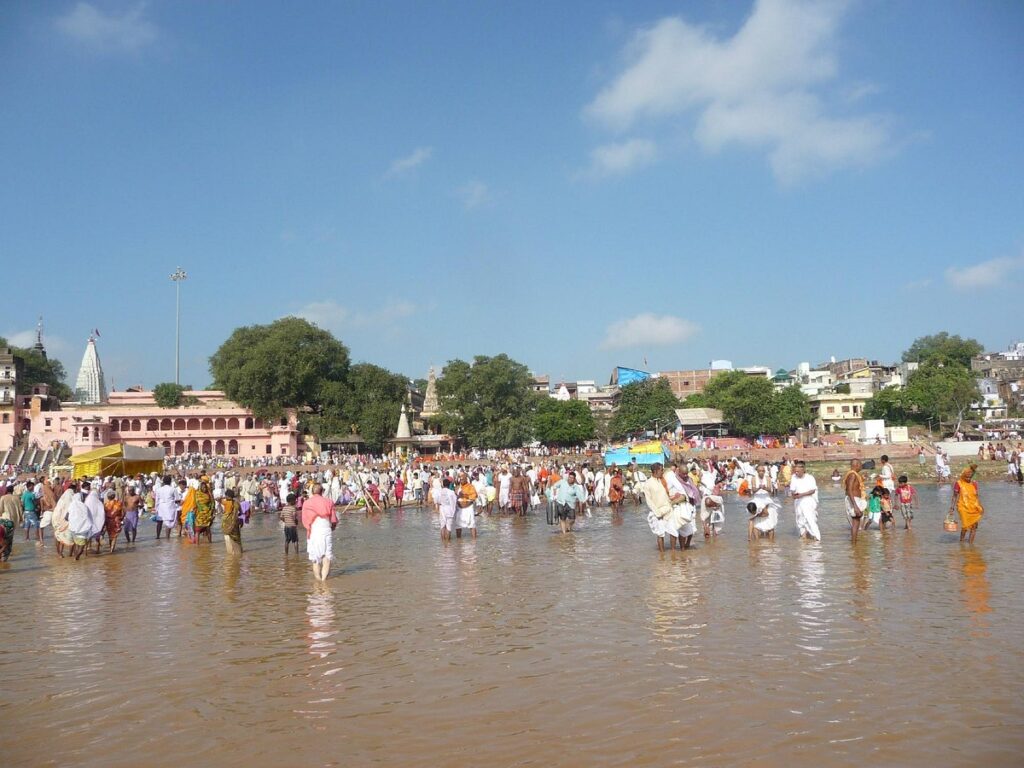
During the ritual, family members gather at a ghat (a series of steps leading to the river), often accompanied by a priest who chants Vedic mantras. The ashes are mixed with flowers, milk, honey, and other sacred offerings before being released into the flowing waters. This act symbolizes the return of the physical body to the five elements while freeing the soul to continue its spiritual journey.
The Historical Context: Gender and Funeral Rites
Can Women Perform Asthi Visarjan in Varanasi? A Complete Guide to This Sacred Ritual ,To understand the current situation regarding women’s participation in Asthi Visarjan, we must examine the historical context of gender roles in Hindu funeral practices.
Traditionally, Hindu funeral rites were predominantly performed by male family members, particularly the eldest son. This practice, known as “antim sanskar” or final rites, placed the responsibility of lighting the funeral pyre and performing subsequent rituals on male heirs. This custom arose from various social, cultural, and practical factors rather than explicit religious prohibition.
Ancient texts like the Garuda Purana discuss funeral rites extensively but don’t categorically forbid women from participating. The male-dominated practice evolved more from patriarchal social structures than from theological mandates. In many communities, women were discouraged from attending cremation grounds due to concerns about emotional distress, safety, and prevailing gender norms.
However, it’s crucial to distinguish between social customs and religious law. While customs often restricted women’s participation, the scriptures themselves don’t contain absolute prohibitions. Various Hindu texts acknowledge women’s roles in religious ceremonies, and many rituals explicitly require the participation of both husband and wife.
Religious Perspectives: What Do the Scriptures Say?
Can Women Perform Asthi Visarjan in Varanasi? A Complete Guide to This Sacred Ritual ,Hindu religious texts offer varied perspectives on women’s participation in funeral rites, and interpretations have evolved over time.
The Vedas, the oldest Hindu scriptures, don’t explicitly forbid women from performing funeral rites. In fact, several Vedic hymns acknowledge women’s participation in various religious ceremonies. The Rigveda contains verses that suggest women played active roles in rituals during the Vedic period.
Can Women Perform Asthi Visarjan in Varanasi? A Complete Guide to This Sacred Ritual ,Later texts like the Dharmasutras and Smritis provide more detailed guidelines on funeral practices. While some interpretations have been used to justify male-only participation, modern scholars point out that these texts must be understood in their historical context and don’t represent unchangeable divine law.
The concept of “Stri Dharma” (duties of women) mentioned in various texts has been interpreted differently across regions and time periods. Progressive interpretations emphasize that dharma evolves with changing social contexts and that the underlying spiritual principles matter more than rigid adherence to gender-specific rules.
Many contemporary Hindu scholars and spiritual leaders have affirmed that women can and should participate in all aspects of funeral rites if they wish to do so. They argue that denying women the opportunity to perform final rites for their loved ones contradicts the fundamental Hindu principle of treating the divine spark (Atman) equally in all beings, regardless of gender.
Modern Practices in Varanasi: Breaking Traditional Barriers
In recent decades, Varanasi has witnessed significant changes in how Asthi Visarjan is performed, with increasing participation from women.
Today, it’s common to see daughters, wives, mothers, sisters, and other female relatives performing Asthi Visarjan at the ghats of Varanasi. This shift reflects broader changes in Indian society, including greater gender equality, increased female education, and the migration of families that may not have male heirs available to perform the rituals.
The priests (pandits) at Varanasi’s ghats have adapted to these changing times. Most are willing to guide women through the rituals with the same respect and attention they provide to male participants. They understand that spiritual devotion and the desire to honor departed loved ones transcend gender boundaries.
Several prominent ghats in Varanasi regularly host Asthi Visarjan ceremonies performed by women. Manikarnika Ghat and Harishchandra Ghat, the two primary cremation sites, as well as Dashashwamedh Ghat, Assi Ghat, and Panchganga Ghat, all welcome women who wish to perform this sacred duty.
Social organizations and women’s groups in Varanasi have also played a role in normalizing women’s participation in funeral rites. They’ve advocated for equal access to religious practices and provided support to women who might feel uncertain about performing these rituals.
The Spiritual Equality Argument
Beyond practical considerations, there’s a powerful theological argument for women’s full participation in Asthi Visarjan and other funeral rites.
Hinduism teaches that the Atman—the eternal soul—resides equally in all beings. This fundamental principle of spiritual equality suggests that gender distinctions are attributes of the physical body, not the eternal soul. If all souls are equal in their essence, then the ability to perform sacred rites should not be determined by physical gender.
The Bhagavad Gita, one of Hinduism’s most revered texts, emphasizes devotion (bhakti) and righteous action (dharma) as paths to spiritual realization. Nothing in the Gita suggests that these paths are closed to women. In fact, Lord Krishna explicitly states that anyone who comes to him with devotion, regardless of birth or status, can attain the highest spiritual goals.
Furthermore, Hindu mythology is replete with powerful female figures who performed sacred duties, demonstrated spiritual wisdom, and attained liberation. Goddesses like Durga, Kali, Saraswati, and Lakshmi are worshipped as supreme powers. Saints like Mirabai, Andal, and Akka Mahadevi are celebrated for their spiritual achievements. This rich tradition of feminine divinity and female spirituality contradicts any notion that women are spiritually inferior or incapable of performing sacred rituals.
Practical Guide: How Women Can Perform Asthi Visarjan in Varanasi
For women planning to perform Asthi Visarjan in Varanasi, here’s a comprehensive practical guide to help ensure a smooth and meaningful experience.
Before You Arrive
Timing Your Visit: The ritual can be performed any time after cremation, but traditionally it’s done within 3-10 days. However, many families from distant locations or abroad may take longer to arrange their travel. This is perfectly acceptable. Choose a time that allows family members to be present and emotionally prepared.
What to Bring: Carry the ashes in a secure container. Traditionally, copper or clay vessels are used, but any respectful container is acceptable. You’ll also want to bring flowers (marigolds and roses are popular), incense sticks, and any other offerings you wish to include. Many items can also be purchased near the ghats.
Appropriate Clothing: Wear modest, comfortable clothing. Traditional Indian attire like a saree or salwar kameez is common, but any respectful clothing is appropriate. White or light colors are traditionally worn during mourning periods. Avoid synthetic fabrics if possible, especially in summer, as Varanasi can be very hot. Bring a shawl or dupatta for additional modesty if desired.
Choosing a Ghat
Varanasi has approximately 88 ghats along the Ganges, but certain ones are preferred for Asthi Visarjan:
Manikarnika Ghat: The most sacred cremation ghat, believed to grant instant moksha. It can be crowded and emotionally intense due to continuous cremations.
Harishchandra Ghat: The second major cremation ghat, slightly less crowded than Manikarnika but equally sacred.
Dashashwamedh Ghat: A popular and accessible ghat, known for its evening Ganga Aarti ceremony. It’s cleaner and more spacious than cremation ghats.
Assi Ghat: Located in the southern part of the city, it’s less crowded and has a peaceful atmosphere.
Panchganga Ghat: Where five rivers are believed to meet, making it especially auspicious.
Choose based on your family’s preferences regarding crowd levels, accessibility, and spiritual significance.
Engaging a Priest
While not absolutely necessary, most families hire a priest (pandit) to guide them through the ritual. Priests are readily available at all major ghats. They will:
- Recite appropriate Vedic mantras
- Guide you through the step-by-step process
- Perform the necessary ceremonies
- Answer any questions you have
Discuss the fee in advance. Prices typically range from ₹500 to ₹5,000 depending on the complexity of the ceremony and the ghat’s location. Don’t hesitate to negotiate respectfully or ask other visitors for guidance on fair pricing.
The Ritual Process
The actual Asthi Visarjan ceremony typically follows this sequence:
- Purification: The priest may have you wash your hands and feet and sprinkle Ganges water on yourself.
- Invocation: Prayers are offered to Lord Shiva, the Ganges (Ganga Ma), and other deities.
- Preparation of Ashes: The ashes are mixed with flowers, milk, honey, ghee, and sometimes sandalwood powder. The priest will chant mantras during this process.
- Offering: You’ll wade into the water (as far as you’re comfortable) and release the ashes into the flowing river. Some families release the entire container; others sprinkle the ashes gradually while reciting prayers.
- Final Prayers: Additional mantras are chanted for the peace of the departed soul.
- Pind Daan: Some families also perform Pind Daan (offering of rice balls) on the same day or subsequently. This ritual nourishes the departed soul on its journey.
- Donation: It’s customary to make a donation (daan) to the priest and sometimes to the poor, as an act of charity in the name of the deceased.
The entire process typically takes 30 minutes to an hour.
Safety and Practical Considerations
Health and Hygiene: The Ganges at Varanasi is unfortunately quite polluted. Avoid swallowing the water, and wash thoroughly with clean water afterwards. Carry hand sanitizer and wet wipes.
Physical Safety: The ghat steps can be slippery, especially when wet. Wear appropriate footwear that you can easily remove before entering the water. Consider bringing someone to help steady you.
Emotional Preparation: This is an emotionally powerful experience. Give yourself permission to grieve, cry, or feel whatever emotions arise. Many people find the ritual provides meaningful closure.
Photographers and Touts: Be prepared for photographers offering to document the ceremony (usually for a fee) and various vendors. Politely but firmly decline if you’re not interested.
Best Times: Early morning (sunrise) is considered especially auspicious and is less crowded. The atmosphere is also more peaceful. Evening can be beautiful but busier, especially at ghats where the Ganga Aarti ceremony occurs.
After the Ritual
After performing Asthi Visarjan, many families:
- Take a boat ride on the Ganges to experience the sacred river more fully
- Visit important temples like Kashi Vishwanath Temple
- Perform additional prayers or pujas
- Spend time in quiet reflection
- Share a meal together as a family
Some families also choose to perform the Ganga Aarti ceremony in the evening, which is a spectacular devotional ritual involving fire, music, and chanting.
Overcoming Resistance: What If Family Members Object?
Despite increasing acceptance, some women may face resistance from family members who hold traditional views about gender roles in funeral rites. Here are some strategies for navigating such situations:
Education and Dialogue: Share information about the religious perspectives that support women’s participation. Explain that prohibitions were largely social customs rather than divine mandates.
Emphasize Personal Connection: Express your personal need to perform this final act of devotion for your loved one. Explain how important it is for your own grieving process and spiritual peace.
Seek Support from Elders: Sometimes, respected elders in the family or community can help mediate and provide perspective that bridges traditional and modern views.
Consult Progressive Religious Leaders: Many contemporary Hindu scholars, priests, and spiritual leaders support women’s full participation in all rituals. Their endorsement can carry weight with traditional family members.
Compromise Solutions: If facing strong resistance, consider participating alongside male relatives rather than exclusively performing the ritual. This allows you to be actively involved while respecting others’ comfort levels.
Stand Firm with Compassion: Ultimately, your relationship with the departed and your spiritual needs are valid. You can assert your right to participate while remaining respectful and compassionate toward those with different views.
The Broader Context: Women’s Rights in Hindu Religious Practices
The question of women performing Asthi Visarjan is part of a larger conversation about gender equality in Hindu religious practices.
In recent years, there have been significant developments in women’s access to Hindu temples and rituals. Women have gained entry to temples that previously excluded them, such as the Sabarimala temple in Kerala (following a Supreme Court ruling). Women priests are increasingly common, breaking another traditional male domain.
These changes reflect a growing recognition that Hinduism’s core spiritual teachings emphasize equality and universal access to divine grace. While social practices may have restricted women’s participation historically, there’s increasing acknowledgment that these restrictions don’t represent Hinduism’s highest ideals.
The evolution of women’s roles in Hindu religious practices parallels broader social changes in India and around the world. As women gain education, economic independence, and legal equality, they’re also claiming their rightful place in spiritual life.
This isn’t about rejecting tradition entirely but about distinguishing between eternal spiritual principles and time-bound social customs. It’s about honoring the spirit of Hindu dharma while adapting its expression to contemporary contexts.
Personal Stories: Women’s Experiences Performing Asthi Visarjan
Many women who have performed Asthi Visarjan in Varanasi describe it as a profound and healing experience.
Some report feeling a deep sense of closure and peace, knowing they could personally honor their loved one’s final journey. Others describe feeling spiritually connected to thousands of years of tradition and to the countless other souls who have found liberation in the sacred waters of the Ganges.
For daughters performing the ritual for parents, there’s often a particular significance. In traditional contexts where sons were expected to perform final rites, being able to fulfill this role represents both a personal act of devotion and a symbolic statement about women’s spiritual equality.
Women who have performed Asthi Visarjan alongside or instead of male relatives often report that the experience strengthened their sense of religious identity and belonging. They describe feeling fully recognized as spiritual beings capable of performing sacred duties.
The priests in Varanasi who guide these ceremonies have also adapted. Many report that they see no difference in the devotion and spiritual sincerity between male and female participants. What matters is the purity of intention and the love for the departed, qualities that transcend gender.
Conclusion: Honoring Tradition While Embracing Equality
The question “Can women perform Asthi Visarjan in Varanasi?” has a clear answer: yes, they can. More importantly, they should feel empowered to do so if they wish.
This isn’t about rejecting Hindu tradition but about understanding it more deeply. The essence of Hinduism lies in its recognition of the divine in all beings, its multiple paths to spiritual realization, and its fundamental teaching of spiritual equality. Restricting women from performing sacred rituals contradicts these core principles.
As Indian society continues to evolve, religious practices are naturally adapting to reflect contemporary values while maintaining their spiritual essence. Women performing Asthi Visarjan represents this evolution—a return to Hinduism’s most inclusive and egalitarian principles.
For women planning to perform this sacred ritual in Varanasi, know that you are engaging in an ancient tradition that honors both your departed loved one and your own spiritual journey. The sacred Ganges flows for all seekers, regardless of gender. The divine grace that the ritual invokes knows no boundaries of male or female.
Approach the ceremony with an open heart, proper preparation, and deep devotion. Whether you perform it alone, with female relatives, or alongside male family members, your sincere intention and love for the departed are what matter most. In the end, it is this devotion—pure, selfless, and transcendent—that helps the departed soul find peace and liberation.
The ancient ghats of Varanasi stand as witnesses to countless expressions of love, grief, and spiritual seeking across millennia. They welcome all who come with sincere hearts, ready to release the physical and celebrate the eternal. As a woman performing Asthi Visarjan, you become part of this timeless tradition, honoring the past while shaping a more inclusive future for Hindu religious practice.
Frequently Asked Questions (FAQs)
1. Is there any religious text that specifically prohibits women from performing Asthi Visarjan?
No, there is no explicit prohibition in Hindu scriptures that prevents women from performing Asthi Visarjan. While some later texts emphasized male participation in funeral rites, these were interpretations influenced by social customs rather than absolute religious laws. The Vedas and earlier scriptures don’t categorically forbid women from participating in such rituals. Modern scholars and progressive spiritual leaders interpret Hindu dharma as allowing full participation by women in all religious ceremonies, including Asthi Visarjan. The restrictions that existed were primarily social and cultural rather than theological.
2. What should I do if I’m the only daughter and have no brothers to perform the ritual?
If you’re an only daughter, you have every right to perform Asthi Visarjan for your parents or other relatives. In fact, many priests in Varanasi regularly assist daughters in performing final rites. Inform the priest you hire about your situation, and they will guide you through the appropriate process. The concept of spiritual duty (dharma) extends to all children regardless of gender. Many families in modern India recognize that daughters are equally capable of performing these sacred duties. You can perform the ritual with confidence, knowing that your devotion and love for your departed parent is what matters most spiritually.
3. Do I need to perform any special preparations or follow specific rules as a woman before performing Asthi Visarjan?
The basic preparations are the same regardless of gender. You should ideally bathe before the ceremony, wear modest and respectful clothing (traditionally light-colored), and approach the ritual with a pure heart and mind. Some traditional guidelines suggest that women should not perform the ritual during their menstrual period, though this is debated among modern Hindus. Beyond this, there are no special gender-specific preparations. Focus on your intention to honor your loved one, arrange for appropriate offerings (flowers, incense, etc.), and if possible, engage a knowledgeable priest to guide you through the mantras and procedures.
4. Will priests in Varanasi refuse to help women perform Asthi Visarjan?
Most priests in Varanasi today will readily assist women in performing Asthi Visarjan. The city welcomes millions of pilgrims annually, and priests have adapted to the changing social landscape where women actively participate in religious rituals. However, if you happen to encounter a priest who is reluctant, simply find another one. There are many priests available at each ghat, and you will easily find one who is comfortable guiding women through the ceremony. You can also ask your hotel or guesthouse to recommend a progressive priest, or seek recommendations from other visitors or local contacts.
5. Can I perform Asthi Visarjan if I’m married, or should my husband do it for my parents?
You can absolutely perform Asthi Visarjan for your parents even if you’re married. The notion that a married daughter becomes part of her husband’s family and loses connection to her birth family is a social custom, not a religious requirement. Many married daughters perform final rites for their parents, either alone or alongside their husbands and brothers if present. Your marital status doesn’t diminish your relationship with your parents or your right to perform sacred rituals for them. In fact, performing this ritual can be a meaningful way to honor your parents and demonstrate that marriage doesn’t sever the sacred bond between parents and daughters.