Char Dham Yatra 2026 Budget vs Luxury Packages, Planning your Char Dham Yatra for 2026 and staring at package options ranging from ₹15,000 to ₹1,50,000? You’re not alone. The price gap between budget and luxury packages can feel overwhelming, leaving you wondering: what exactly am I paying for? Is the luxury package worth the extra zeroes, or will a budget package get the job done just fine? Let’s pull back the curtain and see what you really get with each option.
Understanding Char Dham Yatra Package Options
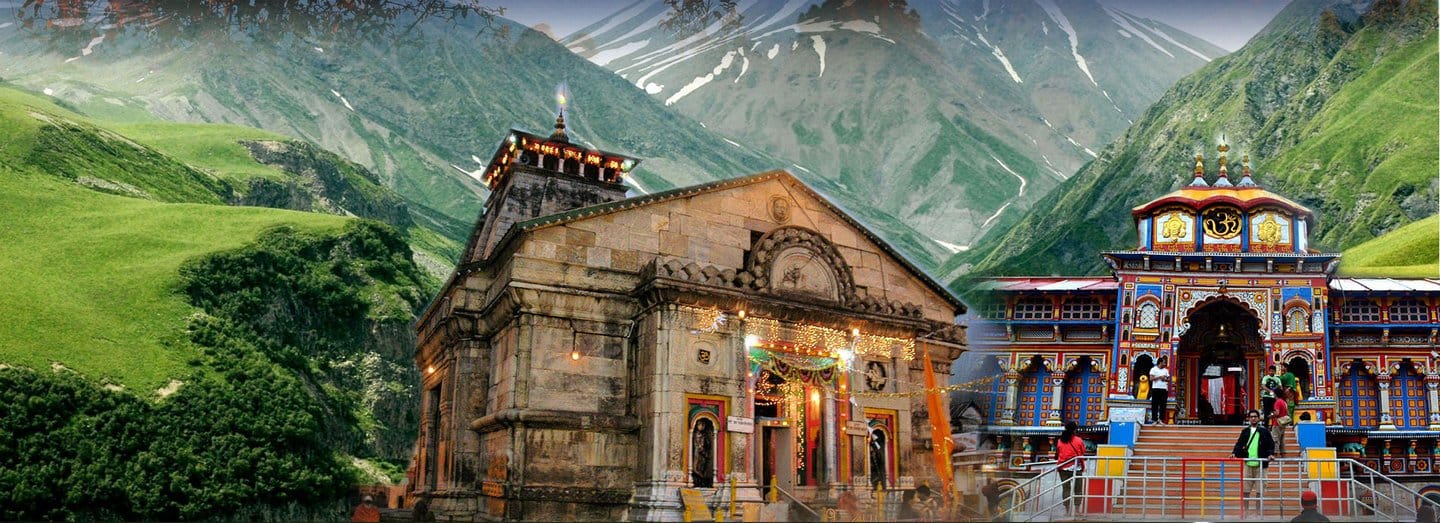
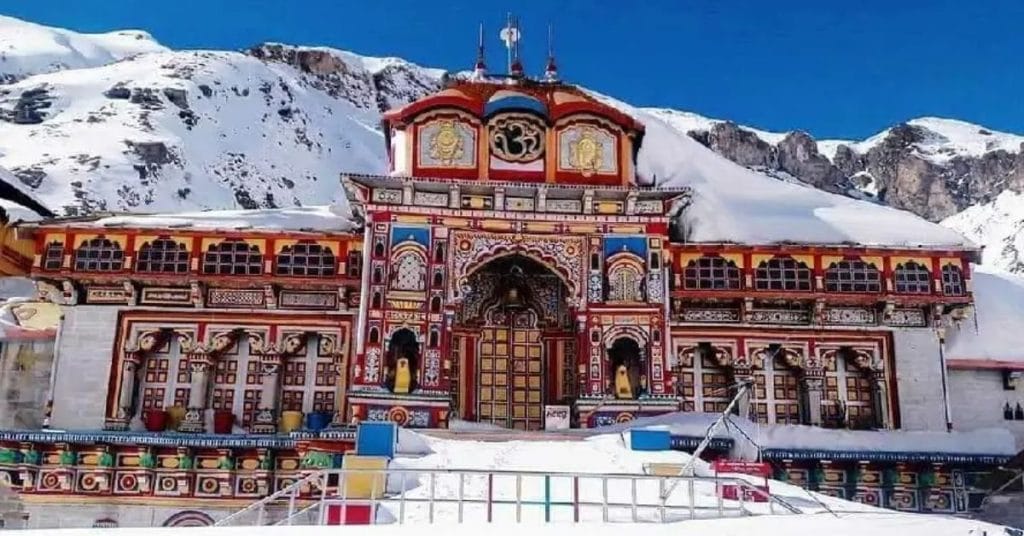
Before we dive into comparisons, let’s get one thing straight: both budget and luxury packages will take you to the same sacred destinations—Yamunotri, Gangotri, Kedarnath, and Badrinath. The divine experience and spiritual fulfillment remain constant. What changes dramatically is your comfort level, convenience, and overall journey experience.
Think of it like flying economy versus business class. Both get you to the destination, but the journey itself feels worlds apart. Your choice depends on your priorities, physical condition, budget constraints, and what you value most during travel.
Budget Packages: Breaking Down What’s Included
Char Dham Yatra 2026 Budget vs Luxury Packages, Budget packages typically range from ₹15,000 to ₹35,000 per person for a 10-12 day journey. Let’s examine what you’re actually getting for that price.
Accommodation in Budget Packages
Budget packages usually include stays at guesthouses, dharamshalas, or basic hotels. These accommodations are clean and functional but don’t expect fancy amenities. You’ll get a bed, basic bathroom facilities, and a roof over your head. Rooms might be shared in some locations, especially at smaller pilgrimage points.
Hot water availability can be unpredictable, and heating during cold nights might be minimal. The beds are typically simple, and you might encounter occasional power cuts—completely normal in mountain regions. Are these accommodations uncomfortable? Not necessarily. They’re basic, authentic, and perfectly adequate for sleeping after a long day of trekking and prayers.
Transportation and Travel Arrangements
Budget packages typically use shared vehicles—think tempo travelers or standard buses. You’ll be traveling with other pilgrims, which can actually be quite enjoyable if you’re social. The vehicles are roadworthy and driven by experienced mountain drivers, but they’re not the newest or most comfortable rides.
Expect standard seating without much legroom, and be prepared for long hours on winding mountain roads. Some budget packages might not include the helicopter service to Kedarnath, meaning you’ll need to trek or arrange pony/palanquin services separately (which costs extra).
Meal Plans and Food Quality
Most budget packages include basic vegetarian meals—usually simple dal, rice, roti, and sabzi. The food is wholesome and filling but don’t expect variety or restaurant-quality presentation. Breakfast might be poha, upma, or parathas with tea.
Some packages include only breakfast and dinner, leaving you to arrange lunch on your own. Snacks, beverages beyond basic tea, and special dietary requirements often come at additional cost.
Additional Services and Support
Budget packages provide a tour guide or coordinator who manages the group and ensures everyone stays on schedule. However, the guide-to-traveler ratio might be high, meaning less personalized attention. Basic first-aid kits are usually available, but comprehensive medical support isn’t guaranteed.
Pre-trip briefings might be minimal, and customer support during the journey may be limited to phone assistance rather than dedicated on-ground help.
Luxury Packages: The Premium Experience
Luxury packages start around ₹70,000 and can exceed ₹1,50,000 per person. What transforms a pilgrimage into a premium experience? Let’s explore.
Premium Accommodation Options
Luxury packages book you into the best available hotels in each location—think 3-star to 4-star properties with modern amenities. You get spacious rooms with attached bathrooms, guaranteed hot water, room heaters, and often beautiful mountain views.
Many luxury accommodations offer comfortable bedding, WiFi connectivity, 24-hour room service, and backup power generators. Some packages even include stays at premium properties like The Chardham Camps or boutique heritage hotels that blend comfort with local architecture.
Exclusive Transportation Benefits
Luxury packages typically provide smaller group sizes in premium vehicles—comfortable SUVs, luxury tempo travelers with pushback seats, or even private cars for couples and families. You get significantly more legroom, better suspension for those bumpy roads, and sometimes even onboard refreshments.
Many luxury packages include helicopter services to Kedarnath, saving you the strenuous 16-kilometer trek. This alone can be a game-changer for elderly pilgrims or those with physical limitations. The time saved also means less exhaustion and more energy for spiritual activities.
Gourmet Dining and Hospitality
Luxury packages offer diverse, high-quality vegetarian cuisine with multiple options at each meal. Expect buffet spreads or à la carte menus at better restaurants and hotel dining halls. Special dietary needs—Jain food, gluten-free options, or regional preferences—are usually accommodated without fuss.
Packaged drinking water, evening tea with snacks, and sometimes even welcome drinks are included. The food presentation and hygiene standards are notably higher, which matters when you’re far from home and need to maintain your health during the pilgrimage.
VIP Services and Special Privileges
This is where luxury packages truly shine. You often get VIP darshan passes that allow you to skip long queues at temples—invaluable during peak season when regular queues can stretch for hours. Some packages include special puja arrangements conducted on your behalf.
You’ll have dedicated tour managers (not just guides) with lower traveler ratios, ensuring personalized attention. Comprehensive travel insurance, 24/7 customer support, porter services, and assistance with luggage are standard. Some ultra-luxury packages even provide oxygen cylinders and qualified medical staff traveling with the group.
Price Comparison: What You’re Actually Paying For
Let’s get real about the numbers. A budget package at ₹25,000 versus a luxury package at ₹1,00,000—that’s a ₹75,000 difference. Where does that extra money go?
Approximately ₹20,000-25,000 goes toward superior accommodation. Another ₹15,000-20,000 covers better transportation, including potential helicopter services. Premium food and hospitality account for about ₹10,000-12,000. The remaining amount covers VIP services, better insurance, smaller group sizes, and enhanced safety measures.
Is it worth it? That depends entirely on your personal circumstances and what brings you peace of mind.
Budget vs Luxury: Which Package Suits You Best?
There’s no one-size-fits-all answer here. Let me help you decide.
Choose Budget If…
You’re relatively young and physically fit, comfortable with basic accommodations, traveling with a flexible mindset, on a tight budget, and view the journey as part of the spiritual experience. Budget packages work beautifully for adventurous souls who don’t mind roughing it a bit and actually prefer authentic, no-frills experiences.
If you’re traveling in a large group of friends or family who can support each other, budget packages offer excellent value. The money saved can be donated to charitable causes along the route or used for future travels.
Choose Luxury If…
You’re elderly or have health concerns, traveling with children or senior family members, prefer comfort and convenience, have the budget available, or have limited vacation time and want to maximize the experience. Luxury packages eliminate many stress factors, allowing you to focus entirely on the spiritual aspects.
If this is a once-in-a-lifetime journey for you, or if you’re combining the pilgrimage with a significant milestone celebration, the luxury experience can create lasting positive memories.
Hidden Costs to Watch Out For
Regardless of which package you choose, watch for these additional expenses:
Pony or palanquin rides (₹2,000-5,000), personal shopping and souvenirs, donations at temples, additional snacks and beverages, emergency medical expenses, tips for guides and drivers, photography charges at some locations, and any extensions or changes to the itinerary.
Budget an extra ₹5,000-10,000 beyond your package cost for these miscellaneous expenses.
Making the Most of Your Chosen Package
Whichever option you select, maximize your experience by reading reviews carefully before booking, clarifying all inclusions and exclusions in writing, packing appropriately for mountain weather, maintaining realistic expectations, respecting the spiritual nature of the journey, and staying flexible when plans change due to weather or road conditions.
Remember, the true essence of Char Dham Yatra lies not in the package you choose but in the devotion you carry and the transformation you allow within yourself.
Conclusion
The choice between budget and luxury Char Dham packages isn’t about right or wrong—it’s about alignment with your needs, capabilities, and values. Budget packages offer authentic, grounded experiences that connect you deeply with the pilgrimage’s essence. Luxury packages provide comfort and convenience that help you focus on spirituality without physical strain. Both paths lead to the same divine destinations. Your job is simply to choose the journey that resonates with your heart and circumstances. The mountains are calling, and they welcome all pilgrims equally, regardless of the package they’ve chosen.
FAQs
1. Can I customize a package that falls between budget and luxury?
Yes, many tour operators offer mid-range packages or allow customization. You can request specific upgrades like better hotels at certain locations or helicopter service to just Kedarnath while keeping other aspects budget-friendly.
2. Are luxury packages fully refundable if I need to cancel?
Cancellation policies vary by operator. Luxury packages often have more flexible cancellation terms, but there’s usually still a percentage of non-refundable deposit. Always purchase comprehensive travel insurance regardless of package type.
3. Do budget packages compromise on safety?
Not necessarily. Reputable budget tour operators maintain safety standards with experienced drivers and basic safety equipment. However, luxury packages often provide additional safety measures like medical staff, better insurance coverage, and emergency evacuation options.
4. How far in advance should I book for 2026?
For budget packages, 2-3 months advance booking is usually sufficient. Luxury packages, especially those including helicopter services, should be booked 4-6 months in advance as they have limited capacity and sell out quickly during peak season.
5. Can senior citizens manage budget packages comfortably?
It depends on individual fitness levels. Active seniors in good health often complete budget packages successfully. However, if there are any health concerns, mobility issues, or if maximum comfort is desired, luxury packages are strongly recommended for older pilgrims.