Your cart is currently empty!
You may check out all the available trips and book one that suits you.
Continue Browsing Trips
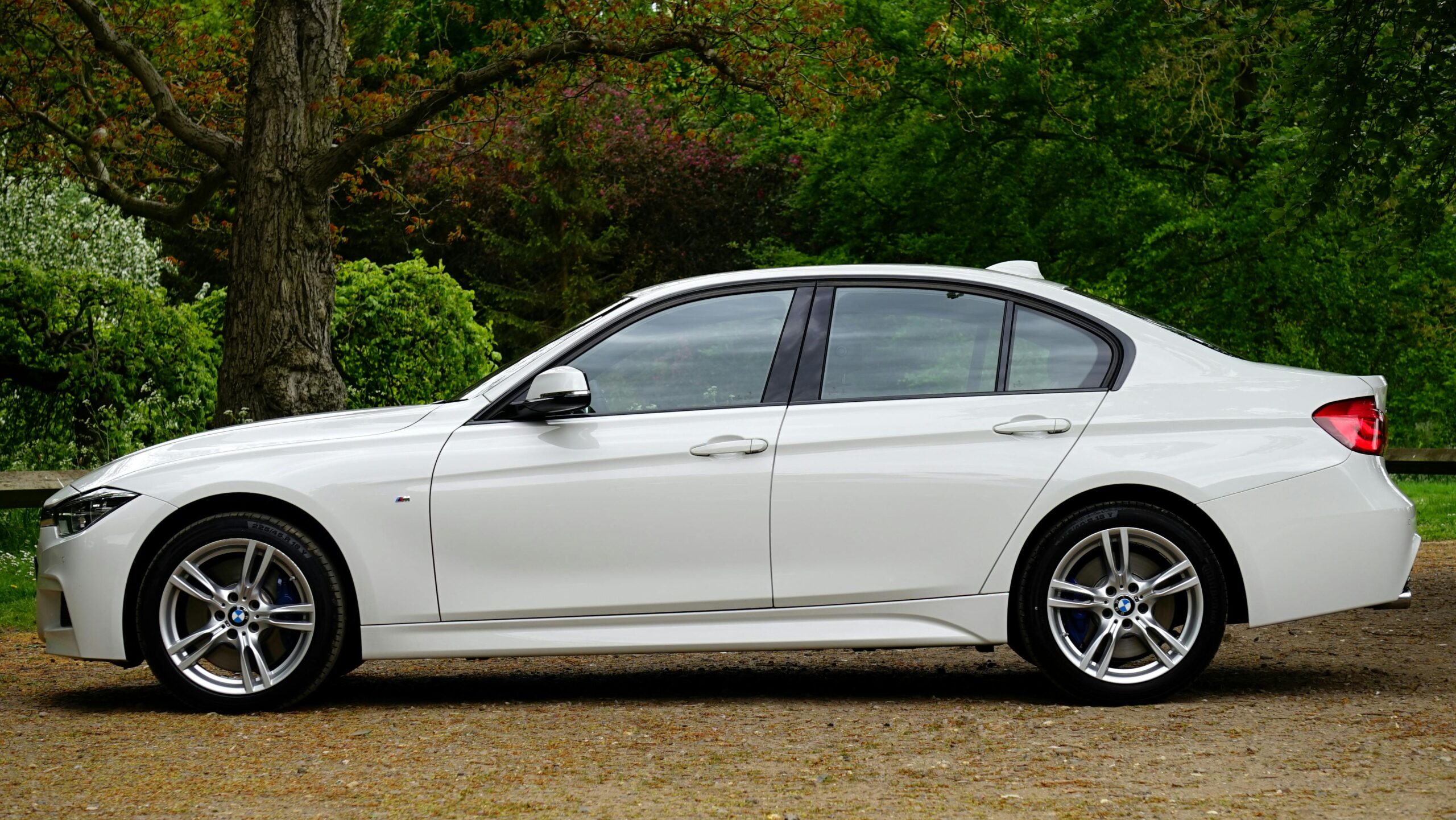
Embarking on the sacred Chardham Yatra from Varanasi offers a divine pilgrimage experience combining spiritual devotion with breathtaking Himalayan landscapes. The journey to the four holy shrines—Yamunotri, Gangotri, Kedarnath, and Badrinath—represents the ultimate spiritual quest for millions of Hindu devotees. Understanding the complete cost breakdown when traveling by cab from Varanasi helps you plan this life-changing pilgrimage with confidence and ensures a comfortable, hassle-free journey through the abode of gods.

Varanasi, the spiritual capital of India, serves as an ideal starting point for Chardham Yatra. Many pilgrims begin their journey with blessings from Lord Shiva at Kashi Vishwanath Temple before heading to the Himalayas. This tradition of seeking divine blessings in Varanasi before major pilgrimages has existed for centuries, making it a meaningful spiritual connection.
The route from Varanasi to Haridwar/Rishikesh (the gateway to Chardham) covers approximately 800 kilometers, taking 14-16 hours by road. While this seems lengthy, traveling by private cab offers tremendous advantages—complete flexibility, comfortable pacing, ability to rest when needed, and scenic stops along the way. Unlike trains or buses with fixed schedules, cabs adapt to your family’s needs.
Clean commercial AC Sedans, Innova Crysta, and 12-26 seater Tempo Travellers for Kashi, Ayodhya, Prayagraj, Gaya, and Naimisharanya with polite local chauffeurs.
Varanasi’s excellent connectivity through air, rail, and road makes it accessible for pilgrims nationwide and internationally. Many devotees from eastern and central India find Varanasi more convenient than traveling directly to Uttarakhand. Additionally, completing Ganga darshan and worship in Varanasi before visiting Gangotri (Ganga’s source) creates a spiritually complete journey—from where Ganga flows to where it originates.
The comprehensive pilgrimage combining Varanasi’s ancient temples with Chardham’s mountain shrines offers unparalleled spiritual merit. According to Hindu scriptures, visiting all these sacred sites washes away sins and brings moksha (liberation), making this extended journey profoundly meaningful for devout pilgrims.
Total Distance Coverage: The complete Chardham Yatra from Varanasi covers approximately 2,800-3,200 kilometers depending on your chosen route and stops. This includes Varanasi to Haridwar (800 km), the Chardham circuit in Uttarakhand (1,200-1,400 km), and return journey to Varanasi (800 km). Understanding this distance helps contextualize the substantial investment required.
Sedan/Small Car (₹85,000-₹1,20,000 for 10-12 days): Suitable for 2-3 passengers with minimal luggage. Vehicles like Dzire, Etios, or similar offer decent comfort for hill driving. Per kilometer charges: ₹12-15. Daily driver allowance: ₹400-600. Fuel costs: ₹40,000-55,000 (diesel vehicles recommended for fuel efficiency). Toll charges: ₹3,000-4,500. Parking fees: ₹1,500-2,500. Vehicle maintenance/cleaning: ₹1,000-2,000. While economical, sedans can feel cramped during the long 10-12 day journey with luggage and multiple passengers.
SUV/Innova (₹1,35,000-₹1,85,000 for 10-12 days): The most popular choice, accommodating 4-6 passengers comfortably with adequate luggage space. Vehicles include Toyota Innova, Ertiga, or similar. Per kilometer charges: ₹16-20. Daily driver allowance: ₹500-700. Fuel costs: ₹55,000-75,000. Toll charges: ₹3,500-5,000. Parking fees: ₹2,000-3,000. Vehicle maintenance: ₹2,000-3,000. SUVs provide superior comfort on challenging mountain roads, better suspension for rough terrains, and adequate space for elderly passengers and family groups. This excellent balance between cost and comfort makes SUVs the preferred option.
Luxury SUV/Tempo Traveler (₹2,00,000-₹2,80,000 for 10-12 days): Premium vehicles like Fortuner, Crysta, or 12-seater Tempo Traveler for large groups. Per kilometer charges: ₹22-28. Daily driver allowance: ₹600-800. Fuel costs: ₹75,000-95,000. Toll charges: ₹4,000-6,000. Parking fees: ₹2,500-4,000. Vehicle maintenance: ₹3,000-5,000. These vehicles ensure maximum comfort for extended families (6-10 people), feature excellent legroom and seating, and provide superior safety on mountain roads. Ideal for groups sharing costs, reducing per-person expenses significantly.
Additional Variable Costs: Hill station permits and parking: ₹3,000-5,000. Driver accommodation throughout journey: ₹8,000-12,000 (₹800-1,000 per night). Emergency repairs/contingencies: ₹5,000-10,000 (recommended buffer). Extra days due to weather/landslides: ₹10,000-15,000 per additional day.
Advance vs. Full Payment: Most operators require 30-40% advance (₹35,000-70,000 depending on vehicle), with balance payable before journey start or in installments. This protects both parties and confirms booking during peak season.
Day 1 – Varanasi to Haridwar (800 km, 14-16 hours): Begin your sacred journey early morning (4:00-5:00 AM) after Ganga Aarti blessings. Route passes through Uttar Pradesh plains via Lucknow, Bareilly, and Moradabad. Lunch stop in Bareilly or Moradabad (₹500-1,000 for family). Reach Haridwar by evening. Overnight stay in Haridwar hotel: Budget ₹1,500-2,500, Standard ₹3,000-5,000, Deluxe ₹6,000-10,000. Evening visit to Har Ki Pauri for Ganga Aarti creates divine start to your mountain pilgrimage.
Day 2 – Haridwar to Barkot via Mussoorie (220 km, 7-8 hours): After breakfast and morning prayers, drive toward Barkot (base for Yamunotri). Route includes scenic Mussoorie hill station where lunch stops offer spectacular mountain views (₹800-1,500). The winding mountain roads begin, showcasing beautiful Himalayan landscapes. Overnight in Barkot: Budget ₹2,000-3,000, Standard ₹4,000-6,000, Deluxe ₹8,000-12,000. Prepare for early morning Yamunotri trek next day.
Day 3 – Barkot to Yamunotri and back (80 km + 12 km trek, full day): Early morning drive to Janki Chatti (40 km, 2 hours), starting point for Yamunotri trek. Options: Trek 6 km uphill (3-4 hours, requires fitness), hire pony (₹1,200-1,800 round trip), or palanquin (₹4,000-6,000). Visit Yamunotri Temple dedicated to Goddess Yamuna, take holy dip in hot springs, and perform prayers. Return trek and drive back to Barkot. This challenging but rewarding day requires physical preparation. Overnight again in Barkot.
Day 4 – Barkot to Uttarkashi (100 km, 4-5 hours): Proceed toward Uttarkashi, base for Gangotri. En route visit Prakateshwar Cave Temple. Uttarkashi, on Bhagirathi River banks, offers peaceful atmosphere. Visit Vishwanath Temple and local markets. Overnight in Uttarkashi: Budget ₹1,800-2,800, Standard ₹3,500-5,500, Deluxe ₹7,000-11,000.
Day 5 – Uttarkashi to Gangotri and back (200 km, 10-12 hours): Full day excursion to Gangotri (100 km, 4-5 hours each way). This spectacular journey through Bhagirathi valley showcases towering peaks and rushing rivers. Gangotri Temple (3,100 meters altitude) marks where Ganga descended from heaven. Perform puja, take holy dip in freezing Bhagirathi waters, and collect Ganga jal. The spiritual energy here is profound. Return to Uttarkashi for overnight stay.
Day 6 – Uttarkashi to Guptkashi via Tehri (220 km, 8-9 hours): Travel toward Guptkashi, base for Kedarnath. Route passes through Tehri Dam, India’s tallest dam, offering amazing photo opportunities (lunch stop ₹700-1,200). Reach Guptkashi evening. Overnight: Budget ₹2,000-3,000, Standard ₹4,000-6,500, Deluxe ₹8,000-13,000. Prepare for the most challenging segment—Kedarnath.
Day 7 – Guptkashi to Kedarnath (60 km + 18-19 km trek/helicopter): Drive to Gaurikund (30 km, 2 hours), trekking base for Kedarnath. Options: Trek 16-18 km uphill (7-9 hours, very strenuous, 3,500m altitude), hire pony (₹2,500-3,500), palanquin (₹8,000-12,000), or helicopter (₹7,000-8,500 round trip, subject to weather). Visit sacred Kedarnath Temple dedicated to Lord Shiva, one of 12 Jyotirlingas. The powerful spiritual atmosphere amid snow-capped peaks creates unforgettable experiences. Overnight in basic Kedarnath accommodation (₹1,500-4,000) or return same day to Guptkashi if using helicopter.
Day 8 – Kedarnath to Guptkashi return, then to Joshimath (220 km, 8-9 hours): Return from Kedarnath via chosen method, then drive to Joshimath, base for Badrinath. This long day involves morning trek/helicopter return and afternoon mountain driving. Overnight in Joshimath: Budget ₹2,000-3,500, Standard ₹4,500-7,000, Deluxe ₹9,000-14,000.
Day 9 – Joshimath to Badrinath and back (90 km, 3-4 hours each way): Visit the glorious Badrinath Temple (3,300 meters) dedicated to Lord Vishnu, completing Chardham circuit. Perform rituals, take dip in Tapt Kund hot springs, and visit Mana Village (last Indian village before Tibet border). The magnificent Neelkanth Peak backdrop creates spectacular scenery. Return to Joshimath for overnight stay.
Day 10 – Joshimath to Haridwar (280 km, 9-10 hours): Begin return journey via Rishikesh. Stop for lunch and brief sightseeing in Rishikesh—Laxman Jhula, Ram Jhula, river rafting viewing. Reach Haridwar evening. Overnight stay to rest before long journey back.
Day 11-12 – Haridwar to Varanasi (800 km, 14-16 hours): Early start for long return drive. Consider breaking journey with overnight stop in Bareilly or Lucknow (adds ₹2,000-4,000 accommodation) for comfortable pacing, especially with elderly pilgrims or children. Reach Varanasi, completing your divine Chardham pilgrimage.
Cab Package Typically Includes: Vehicle rental for entire duration (10-12 days), experienced driver with mountain driving expertise, all fuel costs for scheduled route, toll charges on highways, standard parking fees, basic vehicle maintenance, and driver accommodation and meals (covered separately by you or included in package depending on operator).
Important Exclusions Requiring Separate Budget: Your family’s accommodation throughout journey (₹40,000-₹1,20,000 for 10 nights depending on category), all meals for passengers (₹15,000-35,000 for 10-12 days, ₹500-1,500 per person daily), temple entry and puja expenses (₹5,000-15,000 total), trek assistance—ponies, palanquins, porters (₹10,000-25,000 if not trekking), helicopter tickets for Kedarnath (₹14,000-17,000 round trip if chosen), permits and registration fees (₹2,000-4,000), travel insurance (strongly recommended, ₹1,500-5,000), medical expenses and altitude sickness medication (₹3,000-8,000), emergency evacuation costs if needed (covered by insurance), shopping and personal expenses (₹5,000-20,000), photography charges at certain locations (₹500-1,500), and tips for driver (₹2,000-5,000 recommended for excellent service).
Total Budget Estimation: Budget trip: ₹1,50,000-₹2,00,000 for 4-person family. Standard trip: ₹2,50,000-₹3,50,000. Deluxe trip: ₹4,00,000-₹6,00,000. Luxury trip: ₹7,00,000-₹10,00,000+. These estimates include cab, accommodation, food, and all activities.
Yatra Season (May-June, September-October): Chardham temples open after winter around late April/early May (dates vary by temple) and close in October/early November before heavy snowfall. Peak season (May-June) features maximum crowds, higher prices (20-30% premium), but pleasant weather (15-25°C). Book 2-3 months in advance for guaranteed cab availability and better rates.
Shoulder Season (Late April, September-October): These months offer excellent advantages—fewer crowds meaning shorter temple queues and peaceful experiences, 15-20% lower prices on cabs and hotels, beautiful weather with blooming flowers (spring) or clear skies (autumn), and better availability. September-October is particularly wonderful with post-monsoon clarity offering spectacular mountain views.
Avoid Monsoon (July-August): While temples remain open, monsoon brings landslides, road closures, and significant safety risks. Most operators don’t recommend Chardham Yatra during peak monsoon. If you must travel, add 20-30% contingency budget for delays and alternative arrangements.
Booking Strategies: Compare quotes from 3-4 reputable operators like TripCosmos. Ensure written agreements specify vehicle type, model year (prefer vehicles under 3 years old), inclusions/exclusions, breakdown assistance, and cancellation policies. Read customer reviews focusing on driver behavior, vehicle condition, and company responsiveness during emergencies. Pay via traceable methods with proper receipts. Verify driver’s license, vehicle registration, and insurance validity. Book directly with established operators rather than aggregators for better accountability. Early bookings (3-4 months ahead) sometimes secure 10-15% early-bird discounts.
Mountain driving requires experienced drivers familiar with narrow roads, sharp turns, and altitude challenges. Verify your driver has 5+ years mountain driving experience and clean safety record. The cab should have comprehensive insurance covering accidents, passenger injuries, and vehicle damage. Personal travel insurance is essential, covering medical emergencies, evacuation (helicopters cost ₹1-3 lakhs), trip cancellations, and lost baggage.
Health precautions include altitude sickness medication (Diamox), basic first-aid kit, oxygen cylinders (available for rent ₹500-1,000 per day in Haridwar), and consultation with doctors about fitness for high-altitude travel. Elderly pilgrims and those with heart conditions should undergo medical checkups before attempting this strenuous journey. Carry prescribed medications in sufficient quantities plus extras.
Weather monitoring is crucial—check forecasts daily and stay flexible. Landslides and road closures occur frequently in mountains. Build 2-3 buffer days into your schedule for weather delays. Your cab operator should have local contacts for real-time road condition updates.
Emergency contacts should include local police, medical facilities, cab company 24/7 helpline, and your family back home. Share daily location updates with relatives. Download offline maps (Google Maps offline mode) as mobile networks can be unreliable in mountain areas.
The transformative spiritual journey of Chardham Yatra from Varanasi by cab combines the profound ancient sanctity of Kashi with the breathtaking Himalayan shrines, creating a complete pilgrimage experience that stays in your heart forever. Proper planning, realistic budgeting, and safety consciousness ensure this sacred journey becomes a cherished memory rather than a stressful ordeal.
The complete Chardham Yatra from Varanasi requires 11-13 days for a comfortable, unhurried pilgrimage. This includes 2 days travel between Varanasi-Haridwar (one day each way), 8-9 days covering the actual Chardham circuit (Yamunotri, Gangotri, Kedarnath, Badrinath with adequate rest), and 1-2 buffer days for weather delays or additional rest. While some operators advertise 10-day packages, these involve very long driving hours (10-14 hours daily) that can be exhausting, especially for elderly pilgrims. The 12-day itinerary provides the best balance—allowing proper acclimatization to altitude, adequate rest between strenuous temple visits, flexibility for weather delays, and time to absorb the spiritual significance of each location without constant rushing.
Chardham Yatra presents significant physical challenges—high altitudes (up to 3,500 meters), long travel hours, trekking requirements, and basic facilities in some areas. For elderly pilgrims in good health, it’s manageable with proper planning: choosing helicopter options for Kedarnath (avoiding 18 km strenuous trek), hiring ponies/palanquins for Yamunotri, taking adequate rest days, carrying oxygen cylinders and altitude medication, and selecting comfortable SUV/Innova vehicles. However, those with heart conditions, severe arthritis, or respiratory issues should consult doctors thoroughly. Children above 8-10 years generally manage well, though very young children (under 5) may struggle with altitude and long journeys. Teenagers often enjoy the adventure aspect. The key is realistic assessment of fitness levels, willingness to use assistance (ponies, helicopters), and choosing slower-paced 13-14 day itineraries over rushed schedules.
Road blockages are common in Uttarakhand mountains, especially during monsoon and early season. Reputable cab operators have contingency protocols: waiting for road clearance (usually 4-24 hours depending on severity), taking alternative routes when available (may add distance and time), staying additional nights in nearby towns (you pay hotel costs, cab waiting charges typically ₹1,500-2,500 per day), or in severe cases, shortening the circuit by skipping one dham. This is why building 2-3 buffer days into your itinerary is crucial and why carrying extra funds (₹15,000-25,000 contingency) is essential. Travel insurance covering trip interruptions helps recover costs. Your driver, familiar with mountain conditions, will make real-time decisions prioritizing safety. Most successful pilgrimages require flexibility—viewing delays as opportunities for additional rest or exploring local areas rather than frustrations.
Absolutely! Cab packages offer excellent flexibility for customization. Popular additions include extended stay in Rishikesh for yoga/meditation (adds 1-2 days, ₹8,000-15,000), Mussoorie sightseeing en route (adds half-day, ₹2,000-4,000), Auli for scenic beauty and adventure (adds 1 day, ₹6,000-10,000), Hemkund Sahib (Sikh shrine, adds 2 days, ₹15,000-20,000), and Valley of Flowers (adds 2 days, ₹12,000-18,000). When customizing, inform your operator during booking—they’ll adjust the itinerary, provide revised costing, and ensure adequate vehicle suitability. Extended trips (15-16 days) allow comprehensive Uttarakhand exploration combining pilgrimage with sightseeing. Some families divide into groups—younger members doing adventure activities while elders rest—then regrouping. The per-kilometer pricing model makes additions transparent and easy to budget.
Essential documents include valid photo ID (Aadhaar, passport, driving license, voter ID) for all passengers—required at checkpoints and hotel registrations, vehicle registration and insurance papers (driver maintains these), and medical fitness certificate (recommended for elderly pilgrims, sometimes checked at Kedarnath helicopter counters). Permits required: Uttarakhand pilgrimage registration (can be done online at registrationandtouristcare.uk.gov.in or through your tour operator, free), specific permits for certain areas near Indo-China border regions (your driver arranges these, ₹500-1,000). For Kedarnath helicopter, advance booking with ID proof is mandatory. International tourists need valid Indian visa. If carrying professional cameras/drones, special permissions may be required at certain strategic locations. Keep multiple photocopies of all documents and store digital copies on your phone. Your cab operator typically assists with permit formalities if you book through established companies like TripCosmos.
Clean commercial AC Sedans, Innova Crysta, and 12-26 seater Tempo Travellers for Kashi, Ayodhya, Prayagraj, Gaya, and Naimisharanya with polite local chauffeurs.
TripCosmos guarantees verified Kashi Vishwanath Sugam Darshan passes (zero line waiting), private Dev Deepawali & Ganga Aarti Bajra boats, and verified Toyota Innova Crysta cabs with trusted local chauffeurs.


Comments are closed.