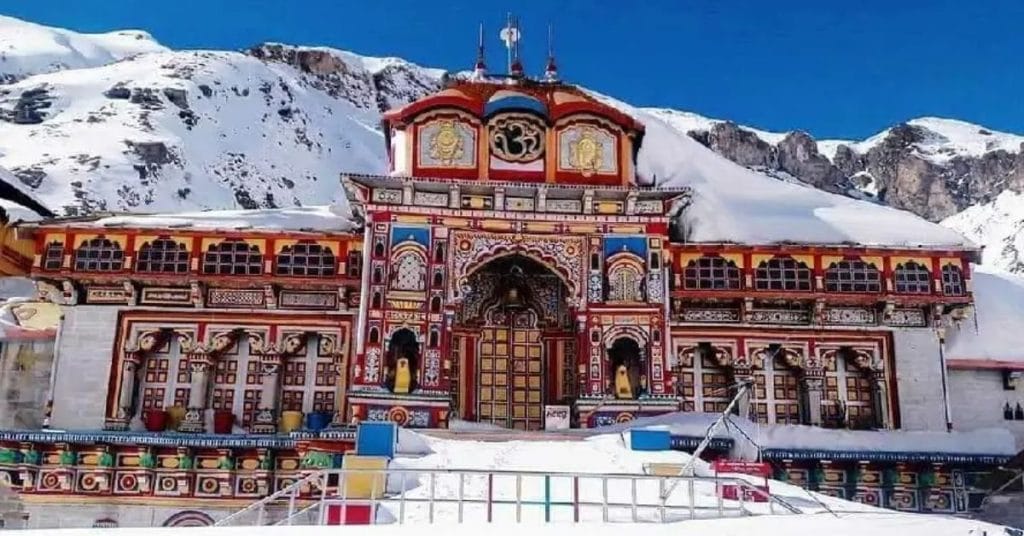
Chardham Yatra Planning Guide , Imagine three generations of your family standing together at Badrinath, your grandfather offering prayers he’s waited his entire life to make, your children wide-eyed at the Himalayan majesty, and you in the middle, witnessing this sacred moment that connects past, present, and future. The Chardham Yatra isn’t just a pilgrimage when undertaken with family—it becomes a transformative experience that strengthens bonds, creates lasting memories, and passes spiritual heritage from grandparents to grandchildren.
However, planning Chardham for families with both elderly members and young children presents unique challenges. How do you accommodate a seven-year-old’s boundless energy alongside a seventy-year-old’s physical limitations? How do you maintain devotional atmosphere while keeping children engaged? This comprehensive guide addresses exactly these concerns, showing families how to plan a Chardham pilgrimage that honors everyone’s needs, creating a journey that’s comfortable for elders, engaging for children, and spiritually fulfilling for all.
Why Chardham is Perfect for Family Bonding
Chardham Yatra Planning Guide ,In today’s scattered family structures where members often live in different cities or countries, Chardham offers rare dedicated time together with a meaningful shared purpose. Unlike typical vacations where family members might pursue different activities, a pilgrimage naturally brings everyone together—praying at temples, traveling in the same vehicle, sharing meals, and discussing spiritual experiences. These shared moments create connection impossible to replicate through occasional holiday visits.
Teaching Heritage to Children
Children growing up in modern urban environments often feel disconnected from their cultural roots. Chardham provides immersive education about Hindu mythology, traditions, and values. When children hear Ramayana and Mahabharata stories not from books but while standing at the actual locations, when they witness thousands performing aarti together, when they see their grandparents’ devotion firsthand, these experiences shape their identity and values more powerfully than years of formal religious instruction.
Fulfilling Elders’ Lifelong Dreams
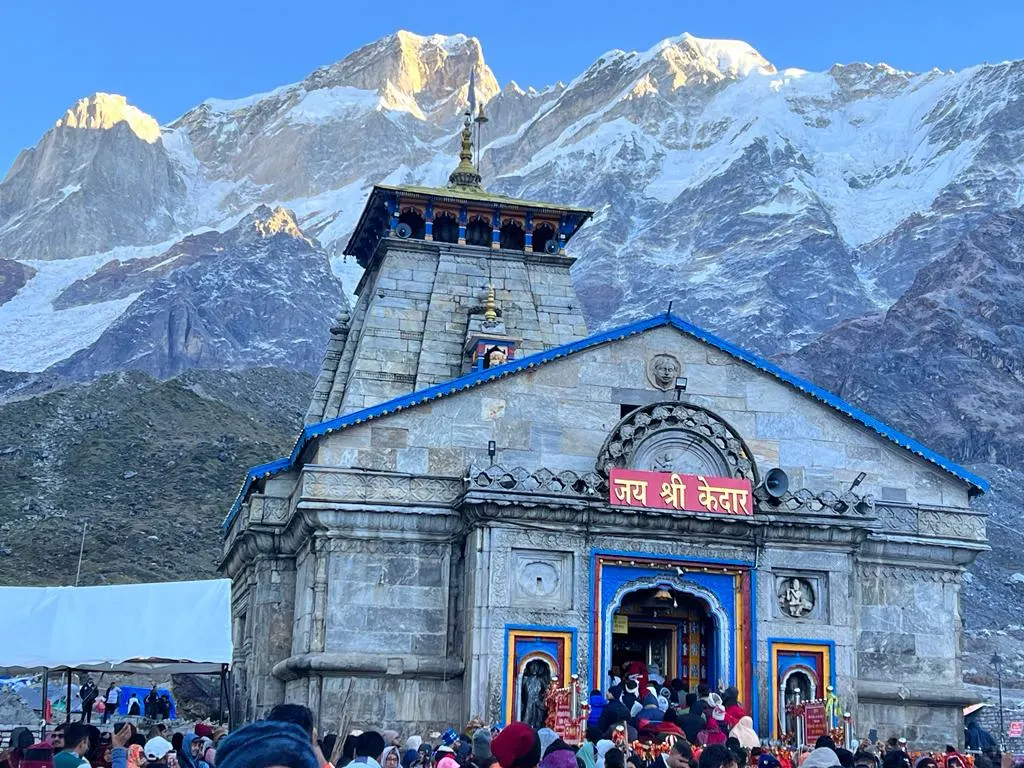
For many elderly family members, visiting Chardham represents a lifelong aspiration often deferred due to family and professional responsibilities. When adult children facilitate this pilgrimage, bringing grandchildren along, it becomes an act of profound respect and love. The joy on an elderly parent’s face during Kashi Vishwanath darshan or at the Kedarnath temple creates memories that sustain families across generations.
Understanding the Unique Challenges
Physical Limitations of Elderly Members
Chardham’s high altitudes, long travel hours, and walking requirements challenge elderly travelers dealing with joint pain, reduced stamina, cardiovascular concerns, or mobility limitations. A temple that requires climbing fifty steps might seem manageable to you but impossible to your aging parent. Planning must realistically assess each elderly member’s capabilities without pushing them beyond safe limits.
Children’s Attention Spans and Energy Levels
While grandparents need rest, children have boundless energy. Long vehicle journeys bore them, and temple visits that fascinate adults often fail to hold children’s attention beyond fifteen minutes. They need physical activity, entertainment, and age-appropriate engagement with the pilgrimage experience. Ignoring these needs results in cranky children and stressed parents, diminishing everyone’s experience.
Balancing Different Age Group Needs
The central challenge is creating an itinerary that doesn’t exhaust elders, doesn’t bore children, and still fulfills the pilgrimage’s spiritual purpose. This requires creativity, flexibility, and sometimes splitting the family temporarily so different age groups can pursue appropriate activities simultaneously.
Pre-Planning Essentials for Family Groups
Medical Preparations for All Ages
Begin planning four months ahead with comprehensive medical checkups for all family members, especially elders and very young children. Elderly members need cardiac assessments, blood pressure evaluations, and respiratory function tests to ensure high-altitude travel safety. Children should be current on vaccinations and assessed for any conditions that altitude might worsen. Obtain detailed medical reports and prescriptions from doctors familiar with your family’s health history.
Choosing the Right Travel Season
For families with children and elders, May or late September/early October offers optimal conditions. May provides warmer temperatures crucial for elderly travelers sensitive to cold, though it attracts maximum crowds. Late September and early October offer pleasant weather with fewer tourists, though mornings and evenings are quite cold, requiring careful preparation. Avoid monsoon months (July-August) when travel becomes risky with landslides and slippery conditions dangerous for both elderly members and children.
Selecting Age-Appropriate Packages
Standard Chardham packages rarely suit multi-generational families. Look for operators specializing in family travel who understand the need for flexibility, comfortable accommodation, and age-appropriate pacing. Packages should explicitly accommodate elderly travelers with medical support and children with appropriate activities. Don’t hesitate to request customization—reputable operators will adjust standard itineraries to suit your family’s unique composition.
Transportation Options for Mixed-Age Groups
Helicopter Services for Elders
Consider hybrid approaches where elderly members use helicopter services for the most challenging segments (particularly Kedarnath) while younger family members undertake road journeys, reuniting at temples. This balances budget consciousness with ensuring elders can complete the pilgrimage comfortably. Many families find this compromise allows participation across all age groups without compromising anyone’s safety or comfort.
Comfortable Road Journeys
For road travel, book spacious vehicles like tempo travelers or large SUVs that allow movement during long journeys. Ensure vehicles have good suspension, working air conditioning, and are driven by experienced mountain drivers. Build in frequent rest stops—every 2-3 hours—allowing elderly members to stretch, children to burn energy, and everyone to use facilities and hydrate.
Palkhi and Pony Arrangements
Pre-book palkhi (palanquin) services for elderly members at Yamunotri and Kedarnath. Don’t wait until arrival when you’ll face inflated prices and questionable service providers. Children often enjoy pony rides, which can be booked for them even if they’re capable of walking—the experience adds fun to what might otherwise feel like arduous trekking.
Accommodation Selection for Families
Family Suite Availability
Prioritize hotels offering family suites or interconnected rooms keeping everyone close while providing privacy. This arrangement allows grandparents to rest while parents manage children without disturbing each other. At minimum, book rooms on the same floor, preferably adjacent.
Ground Floor Room Requirements
Request ground-floor rooms for elderly members, eliminating stair climbing in properties without elevators (common in mountain areas). Confirm bathroom facilities include western toilets and grab bars—squat toilets present fall risks for elderly travelers. Hot water availability morning and evening is crucial for elderly members’ comfort.
Hotels with Medical Facilities
Select accommodation with oxygen concentrators available, staff trained in basic emergency response, and established relationships with local medical facilities. Some premium properties offer on-call doctors or nursing staff—invaluable when traveling with vulnerable family members.
Creating a Balanced Itinerary
Building in Adequate Rest Days
A 14-16 day itinerary works better for mixed-age families than rushed 10-day packages. Include complete rest days after reaching intermediate altitudes and after completing challenging segments like Kedarnath. These days allow elderly members to recover while children enjoy hotel amenities like play areas or guided nature walks.
Flexible Scheduling
Build flexibility into each day. If grandparents need extra rest, younger family members can explore nearby areas while elders recuperate. Don’t pack days so tightly that one delay cascades into stress affecting everyone. A relaxed pace respects everyone’s limitations and reduces conflict.
Child-Friendly Activities Between Temples
Incorporate activities that engage children—river rafting at Rishikesh (for older children), visiting local markets where they can buy small toys or sweets, short nature walks explaining Himalayan flora and fauna, or feeding animals at ghats. These breaks between temple visits keep children enthusiastic about the overall journey.
Packing Smart for Multiple Generations
Essential Items for Children
Pack children’s specific needs: favorite snacks (mountain shops may not stock familiar brands), small toys or games for vehicle journeys, comfort items like favorite stuffed animals, children’s pain relievers and fever reducers, extra clothing changes (children get dirty more frequently), sunscreen and lip balm formulated for young skin, and flashlights or headlamps that children find exciting and useful for early morning temple visits.
Special Needs for Elderly Travelers
Elderly members require prescribed medications with extras in case of delays, portable oxygen canisters, walking sticks or folding canes, reading glasses and medications lists, warm shawls or blankets, compression socks for circulation, easy-slip shoes for frequent removal at temples, and personal comfort items like special pillows or heating pads.
Common Family Essentials
Shared items include comprehensive first-aid kit, high-capacity power banks, portable WiFi device for staying connected, water bottles for everyone, energy bars and trail mix, wet wipes and tissues, plastic bags for trash and motion sickness, basic medicines for common ailments, and photocopies of all family members’ identification and medical documents.
Health and Safety Protocols
Altitude Management for All Ages
Ascend gradually with overnight stops at intermediate altitudes before reaching highest points. Children generally adapt better to altitude than adults, but watch for symptoms—unusual irritability, loss of appetite, or fatigue beyond normal tiredness. Elderly members need careful monitoring for altitude sickness signs: persistent headache, nausea, unusual breathlessness, confusion, or chest tightness. Have clear protocols—if anyone shows concerning symptoms, they descend to lower altitude immediately with a designated family member while others continue as planned.
Medical Kit Customization
Beyond standard first-aid supplies, include altitude sickness medication (prescribed by doctors for each family member based on their health status), children’s formulations of common medicines, elderly members’ specific prescriptions, glucose tablets or candy for energy, oral rehydration salts, and bandages in multiple sizes suitable for children and adults.
Emergency Response Planning
Designate one family member as primary health coordinator carrying all medical information. Share emergency contact numbers with everyone, including tour operator’s 24-hour helpline, nearby hospital locations at each stop, and family members not traveling who can assist from home if needed. Ensure adequate travel insurance covering all family members, including evacuation coverage for medical emergencies.
Making the Journey Engaging for Children
Storytelling and Mythology
Transform temple visits into storytelling sessions. Before visiting Badrinath, tell children the story of Lord Vishnu meditating here. At Kedarnath, narrate how the Pandavas sought Lord Shiva. Children remember these stories far better when heard at the actual locations. Encourage them to ask questions, making the pilgrimage interactive rather than passive.
Photography and Documentation
Give older children responsibility for documenting the journey through photographs or maintaining a travel journal. This investment in the experience increases their engagement and creates personal keepsakes they’ll treasure into adulthood.
Age-Appropriate Temple Etiquette
Explain temple behavior expectations before visits, framing them as showing respect rather than arbitrary rules. Children understand “we remove shoes because this is God’s home” better than “remove shoes because I said so.” Praise good behavior specifically—”you stood so quietly during the aarti”—reinforcing positive participation.
Caring for Elderly Family Members
Respecting Physical Limitations
Never pressure elderly members to attempt activities beyond their comfort level to avoid “missing out.” Their presence on the pilgrimage matters more than completing every single activity. If grandpa can’t manage the walk to Yamunotri temple even with palkhi, bringing him to the nearest accessible point where he offers prayers is equally valid spiritually.
Ensuring Comfort and Dignity
Elderly members may feel they’re burdening the family. Regularly reassure them that facilitating their pilgrimage brings joy to everyone. Assist unobtrusively with tasks like managing luggage or navigating stairs without making them feel helpless. Small courtesies—ensuring they get first choice of seats in vehicles, serving them food first, checking their comfort regularly—maintain dignity while providing necessary care.
Creating Meaningful Moments
Encourage grandparents to share stories of their faith, their parents’ religious practices, or family spiritual traditions during the journey. These conversations pass cultural heritage to grandchildren in ways formal instruction never achieves. Record these conversations (with permission) creating precious family archives.
Budget Planning for Family Groups
Family Chardham trips cost significantly more than individual pilgrimages, but smart planning manages expenses. Expect ₹60,000-₹90,000 per adult and ₹35,000-₹50,000 per child for comfortable 14-day packages including accommodation, meals, and transportation. Helicopter segments add ₹50,000-₹1,00,000 per person. Budget additional ₹25,000-₹40,000 per family for palkhi services, VIP darshan, medical expenses, and contingencies. Some operators offer family discounts for groups of six or more. Prioritize spending on safety, comfort, and medical support over luxury amenities—adequate investment here ensures the pilgrimage succeeds.
Sample 14-Day Family-Friendly Itinerary
Day 1-2: Arrival and acclimatization in Haridwar/Rishikesh with easy local sightseeing. Day 3-4: Travel to Barkot via Mussoorie, rest day for altitude adjustment, then Yamunotri via palkhi for elders. Day 5-6: Journey to Uttarkashi, rest day exploring the town and local temples, then Gangotri visit. Day 7-8: Travel to Guptkashi with full rest day before the most challenging segment. Day 9-10: Kedarnath via helicopter for elders and those choosing it, road + trek/palkhi for others, with overnight stay and leisurely darshan. Day 11-12: Journey to Badrinath with sightseeing along the way, rest day at Badrinath exploring Mana village and local attractions. Day 13-14: Return journey to Haridwar/Rishikesh with final Ganga aarti, departure on day 14 or 15 depending on travel schedules.
Food and Dietary Management
Mountain regions offer simple vegetarian fare. Most family-friendly hotels accommodate special requests—bland food for elderly members with digestive sensitivities, familiar dishes for fussy children, or specific dietary restrictions. Carry familiar snacks for children who might resist local cuisine. Energy bars, dry fruits, and packaged snacks provide backup options. Stay hydrated—ensure everyone drinks adequate water throughout the day. Avoid street food, however tempting, as digestive issues devastate multi-generational travel more than individual trips.
Tips for Harmonious Family Travel
Establish realistic expectations before departure—this is a pilgrimage with challenges, not a leisure vacation. Assign age-appropriate responsibilities—teenagers help with younger siblings, middle-aged members coordinate logistics, elders guide spiritual aspects. Maintain patience; traveling with multiple generations inevitably involves conflicts and compromises. Take photographs together at each dham, creating visual memories of this unique family journey. Most importantly, focus on connection over perfection—the memories matter more than flawless execution.
Conclusion
A Chardham Yatra undertaken as a family with elders and children represents one of life’s most meaningful experiences. Yes, the planning is complex, the logistics challenging, and the costs significant. But the rewards—seeing your parents fulfill their spiritual dreams, watching your children connect with their heritage, and experiencing together the profound energy of these ancient Himalayan shrines—create family bonds and memories that transcend the temporary difficulties. With thoughtful planning that respects each generation’s needs, adequate preparation addressing physical and medical realities, and flexibility that prioritizes relationships over rigid schedules, your family can complete this sacred pilgrimage successfully. The seven-year-old and seventy-year-old in your family both deserve to stand at Kedarnath, experiencing in their own ways the divine presence that has drawn pilgrims for millennia. This guide has shown you how to make that possible. Now it’s time to start planning your family’s sacred journey to the Himalayas.
FAQs
1. What is the ideal age for children to participate in Chardham Yatra?
Children aged 7 and above generally manage Chardham well, understanding its significance and handling physical demands with appropriate support. Younger children (4-6) can participate if parents prepare carefully—shorter itineraries, more rest days, and realistic expectations about their engagement level. Toddlers and infants (under 4) present significant challenges—high altitude affects them unpredictably, and maintaining routines becomes nearly impossible. Most pediatricians advise against taking very young children to high altitudes unless unavoidable. If traveling with children under 7, consider modified circuits visiting only the most accessible dhams (Gangotri and Badrinath) via road, saving the complete circuit for when they’re older.
2. Can elderly members with heart conditions or diabetes safely undertake Chardham?
Many seniors with well-controlled chronic conditions successfully complete Chardham, but medical consultation is absolutely mandatory. Cardiologists should evaluate heart patients with stress tests and ECG, adjusting medications for altitude travel. Diabetics need careful glucose monitoring—altitude and physical activity affect blood sugar unpredictably. Both conditions require choosing appropriate travel methods—helicopter services dramatically reduce cardiovascular and physical stress. Seniors with recent cardiac events, uncontrolled conditions, or severe complications should postpone the pilgrimage until stabilized or consider alternative pilgrimages at lower altitudes. Never risk life for darshan—the divine values devotion, not dangerous determination.
3. How do we manage if family members want different pace or activities?
Splitting up temporarily often works best. For example, when elderly members need afternoon rest, younger adults and children can explore local areas, shop, or undertake short hikes, reuniting for dinner and evening activities. At challenging temples, some members might use helicopter/palkhi services while others trek, meeting at the temple. This requires coordinating with your tour operator for vehicle availability and clear communication about reunion times and locations. Modern mobile phones (when service available) facilitate coordination. The key is respecting that different generations have different needs—forcing uniform experiences creates resentment, while allowing flexibility respects everyone’s pilgrimage.
4. What happens if someone becomes sick during the journey?
Reputable tour operators have medical emergency protocols—relationships with local hospitals, vehicles can divert to medical facilities, and some packages include traveling medical personnel. If someone becomes seriously ill, one family member accompanies them to lower altitude or medical care while others continue, reuniting when possible. This is where comprehensive travel insurance proves invaluable—covering medical expenses, evacuation costs, and trip interruption. Designate one family member as health coordinator handling medical situations so others can focus on supporting the affected person. Carry complete medical records for all family members enabling doctors to provide informed care quickly.
5. Is Chardham Yatra worth the expense and effort for families?
For families seeking meaningful shared experiences that strengthen bonds and pass spiritual heritage across generations, Chardham offers unmatched value. The financial cost is significant—expect ₹3,00,000-₹5,00,000+ for a family of six including elders and children, depending on comfort level and services chosen. The effort investment is substantial—months of planning, physical preparation, and navigating complex logistics. However, families who’ve completed the journey consistently report it among their most precious memories. The sight of grandparents blessing grandchildren at Kedarnath, children absorbing cultural heritage firsthand, and entire families experiencing profound spiritual moments together creates bonds that outlast any vacation. If your family values spiritual connection and shared meaningful experiences, Chardham justifies both the financial investment and organizational effort.