
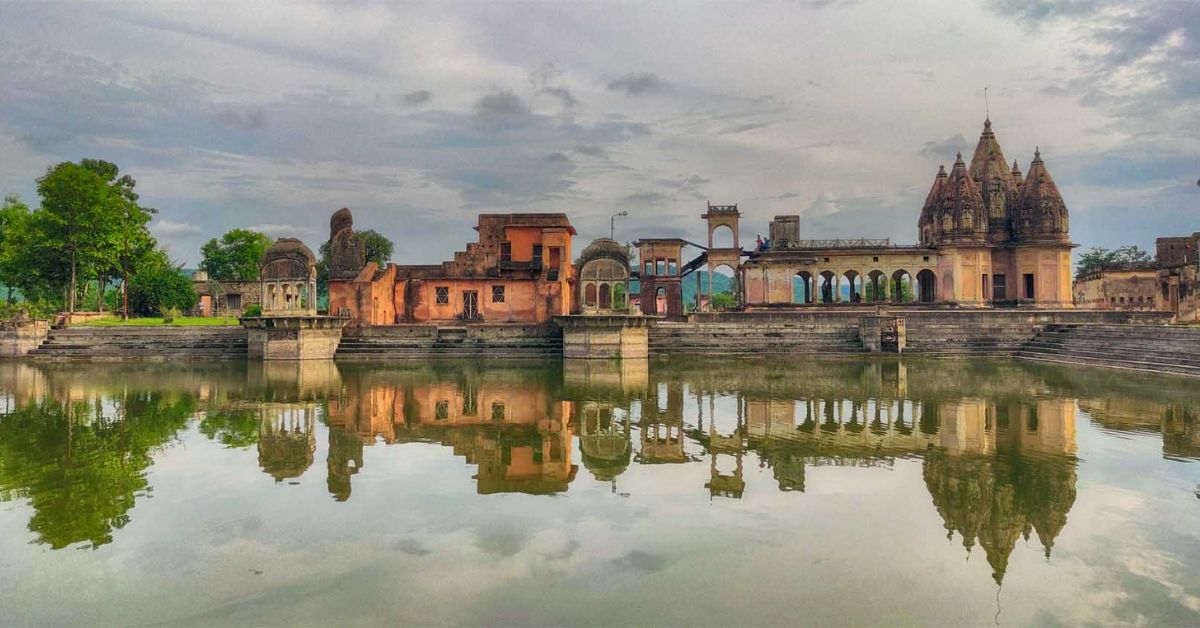
Chitrakoot Local Transport : Navigating Chitrakoot might initially seem daunting, but understanding the local transport system transforms potential confusion into manageable simplicity. This sacred pilgrimage destination, straddling the border between Uttar Pradesh and Madhya Pradesh, relies primarily on two transport modes that have become iconic to the region: e-rickshaws and jeeps. These aren’t just vehicles—they’re integral to the Chitrakoot experience, connecting pilgrims with temples, ghats, and spiritual sites scattered across hills and riversides.
Whether you’re planning your first pilgrimage or returning to this holy land where Lord Rama spent years of exile, knowing how to efficiently use e-rickshaws and jeeps saves time, money, and considerable stress. Let me walk you through everything you need to know about getting around Chitrakoot, from understanding fare structures to choosing between shared and private options. By the end of this guide, you’ll navigate Chitrakoot’s transport system like a seasoned pilgrim.
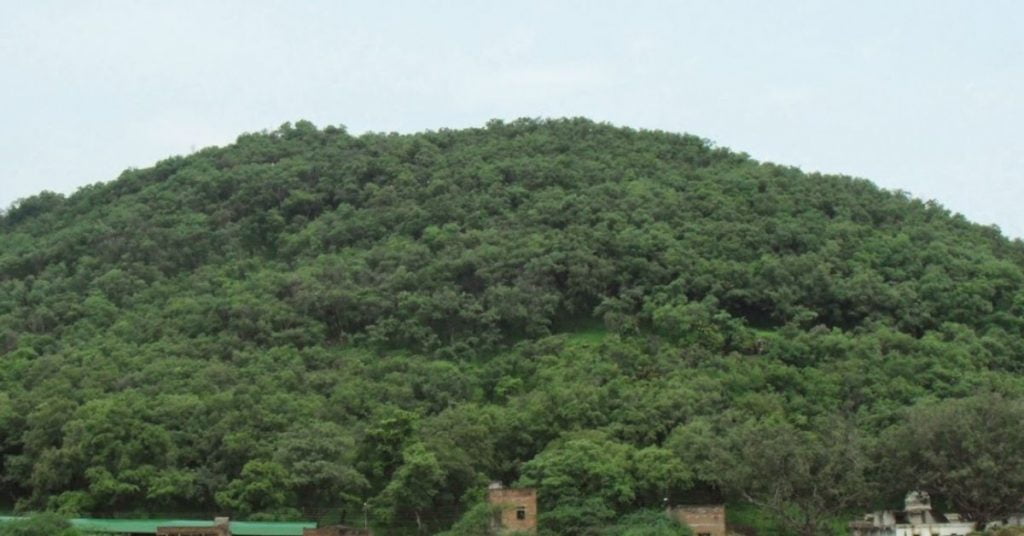
Understanding Chitrakoot’s Geography and Transport Needs
The Dual-State Layout: UP and MP Sides
Chitrakoot’s unique geographical situation creates interesting transport dynamics. The town essentially splits into two administrative regions—Chitrakoot Dham in Uttar Pradesh and Chitrakoot in Madhya Pradesh, separated by the Mandakini River. This dual-state layout means some temples and ghats fall on the UP side while others belong to the MP side, requiring transport that can easily cross between both areas.
Most pilgrims arrive at Chitrakoot Dham railway station on the UP side, which serves as the primary arrival point. From here, sacred sites spread across both states, with some located in town centers and others perched on hilltops or tucked into forest areas several kilometers away. This geographical spread makes reliable local transport absolutely essential—walking between all major sites simply isn’t practical for most pilgrims, especially during hot summer months or when traveling with elderly family members.
Distance Between Key Pilgrimage Sites
Understanding distances helps you plan transport needs realistically. From the railway station to Ram Ghat, the main bathing area, spans approximately 2-3 kilometers. The famous Hanuman Dhara temple sits atop a hill requiring a steep climb after reaching its base by vehicle—about 4 kilometers from town center. Gupt Godavari caves lie roughly 18 kilometers from central Chitrakoot, making them the farthest major attraction.
Other significant sites like Bharat Milap Temple, Sati Anusuya Ashram (about 16 kilometers away), and Sphatik Shila are scattered at varying distances. Completing a full darshan circuit in a single day requires efficient transport planning. This is where jeeps and e-rickshaws become invaluable—they’re designed specifically to handle Chitrakoot’s terrain and distances, connecting the spiritual dots that make up this sacred geography.
E-Rickshaws: The Green Revolution in Chitrakoot
What Are E-Rickshaws and How They Work
E-rickshaws—battery-powered three-wheelers—have transformed short-distance transport in Chitrakoot over recent years. These compact electric vehicles accommodate 4-6 passengers and operate silently on rechargeable batteries, producing zero emissions during operation. Unlike their noisy petrol-powered auto-rickshaw cousins, e-rickshaws glide almost soundlessly through Chitrakoot’s streets, adding to rather than disturbing the town’s spiritual atmosphere.
The typical e-rickshaw features a driver’s seat up front and bench seating in the back, protected by a roof and sometimes enclosed with side curtains during monsoons. They’re considerably slower than conventional autos—maxing out around 25-30 km/h—but perfect for Chitrakoot’s narrow lanes and short-distance travel. Most drivers operate on fixed routes with standard fares, though private hire for temple circuits is increasingly common and convenient for pilgrims with packed schedules.
Advantages of E-Rickshaws for Pilgrims
Why choose e-rickshaws over other options? Several practical reasons make them ideal for pilgrims. First, their compact size allows access to narrow temple lanes where larger vehicles can’t venture. Many temples in Chitrakoot’s older sections have approach roads barely wide enough for a single vehicle—e-rickshaws navigate these spaces effortlessly while jeeps must stop farther away.
Second, the quiet operation preserves the contemplative atmosphere pilgrims seek. Arriving at a temple in silent electric transport rather than a roaring engine maintains the spiritual mood. Third, e-rickshaws are remarkably affordable for short distances, making them budget-friendly for pilgrims watching expenses. Finally, they’re environmentally responsible—choosing e-rickshaws over petrol vehicles aligns with the values of respecting nature that underpin Hindu pilgrimage traditions.
Eco-Friendly and Quiet Travel Experience
The environmental angle deserves emphasis. Chitrakoot’s natural beauty—its forests, river, and hills—forms part of its spiritual appeal. Pilgrims come seeking connection with the landscapes Lord Rama himself traversed. Supporting electric transport helps preserve this environment for future generations. The quiet electric motors also allow conversations with fellow passengers or contemplative silence during travel between temples.
During early morning temple visits when the atmosphere feels particularly sacred, the whisper-quiet approach of e-rickshaws respects both the environment and the devotional mood. You hear temple bells, mantras, and natural sounds rather than engine noise. This seemingly small detail significantly enhances the pilgrimage experience, allowing transport to serve rather than intrude upon spiritual pursuits.
E-Rickshaw Routes and Coverage in Chitrakoot
Main Routes Served by E-Rickshaws
E-rickshaws primarily serve the more densely populated areas and established routes within Chitrakoot town. The most common route connects the railway station to Ram Ghat, serving pilgrims arriving by train who need immediate transport to accommodations or bathing ghats. This route passes through the main market area, making it convenient for shopping or meal stops.
Another popular route covers the central temple circuit, connecting Ram Ghat, Bharat Milap Temple, Kamadgiri Parikrama starting point, and nearby ashrams. E-rickshaws ply this circuit throughout the day, offering both shared rides with fixed stops and private charter options for pilgrims wanting direct, non-stop service. The flexibility to either join a shared ride or hire privately gives you control over your schedule and budget.
Areas Where E-Rickshaws Operate Best
E-rickshaws excel in flat, well-paved areas within town limits. They’re perfect for navigating the UP side’s main pilgrimage zone, including access to most ghats along the Mandakini River, central market areas, and temples located on relatively flat ground. The MP side’s main town area also sees good e-rickshaw coverage, particularly around the bus stand and connecting routes to popular temples.
However, steep hills challenge e-rickshaw batteries and motors. While they can handle gentle inclines, routes to hilltop temples like Hanuman Dhara typically require jeeps or considerable walking. Similarly, distant locations like Gupt Godavari caves or Sati Anusuya Ashram exceed e-rickshaw range—both in terms of distance and terrain. Understanding these limitations helps you choose the right vehicle for specific destinations.
Railway Station to Temple Circuits
The railway station represents the most important e-rickshaw hub. Arriving pilgrims find multiple e-rickshaws waiting, offering both shared rides to common destinations and private hire for direct hotel drops or immediate temple visits. Shared e-rickshaws fill up with 5-6 passengers heading toward Ram Ghat or the main town, departing once full.
If you’re not in a rush and traveling light, shared e-rickshaws from the station offer economical transport. However, after long train journeys with luggage and perhaps elderly family members, many pilgrims prefer hiring privately for direct hotel transfer. The price difference—typically ₹50-80 for shared versus ₹150-200 for private—represents money well spent for convenience and comfort when you’re tired from travel.
Cost and Pricing for E-Rickshaw Travel
E-rickshaw fares in Chitrakoot remain remarkably affordable, though exact amounts fluctuate slightly based on petrol prices affecting electricity costs and general inflation. For shared rides on established routes—like railway station to Ram Ghat—expect to pay ₹10-20 per person. The short ride from Ram Ghat to Bharat Milap Temple costs similarly modest amounts, usually ₹10-15 per passenger.
Shared rides mean you’ll share space with other pilgrims, and the e-rickshaw stops to pick up and drop passengers along the route. This extends travel time somewhat but creates opportunities for conversations with fellow devotees and costs minimal amounts. Most local pilgrims and budget-conscious travelers prefer this option, and it provides authentic insights into Chitrakoot’s daily rhythms beyond tourist experiences.
Private Hire Options and Negotiations
Hiring an e-rickshaw privately for temple circuits has become increasingly popular. Drivers quote rates for half-day (4 hours) or full-day (8 hours) hire, with prices typically ranging ₹400-600 for half-day and ₹700-1000 for full-day, depending on season and your negotiation skills. These rates cover multiple temple visits within the e-rickshaw’s operational range, with the driver waiting while you complete darshan at each location.
Negotiation etiquette matters. Don’t aggressively haggle down to unreasonable amounts—drivers earn modest livings and face significant battery charging costs. However, politely discussing rates, especially if you’re hiring for full days or multiple days, often yields fair discounts. Fixing all terms clearly before starting—total cost, number of hours, which temples you’ll visit, whether waiting time is unlimited—prevents misunderstandings later. Get the driver’s mobile number for coordination if you’re doing multi-day arrangements.
Jeeps: The Backbone of Chitrakoot Transport
Why Jeeps Dominate Local Transport
Jeeps—specifically, tough, locally-modified vehicles based on Mahindra, Tata, and similar platforms—are Chitrakoot’s transport workhorses. Their dominance stems from practical necessity: they handle everything from smooth town roads to rough, unpaved tracks leading to remote temples. The hilly terrain surrounding Chitrakoot demands high ground clearance and robust suspension that ordinary cars can’t provide.
These aren’t luxury vehicles by any stretch. Most are basic, sturdy machines prioritizing functionality over comfort. Bench seating accommodates 8-12 passengers in shared configuration, though private hire comfortably seats 6-7 with luggage. The open or semi-open design—many have canvas tops rather than permanent roofs—actually proves advantageous, providing ventilation during hot climbs up mountain temples and allowing passengers to enjoy scenic views during the journey.
Types of Jeeps Available for Hire
Two main jeep categories serve Chitrakoot pilgrims. Standard jeeps, often older models with basic interiors, handle most local transport needs competently. They navigate rough roads reliably and come at budget-friendly rates. These vehicles dominate shared jeep services and basic private hire, perfectly adequate for pilgrims prioritizing functionality over comfort.
Premium jeeps—relatively newer vehicles with better suspension, more comfortable seating, and sometimes even air conditioning—cater to pilgrims wanting enhanced comfort. These cost more but make sense for families with elderly members, longer journeys to distant temples, or travel during peak summer heat. Some tour operators maintain small fleets of better-maintained jeeps specifically for pilgrim circuits, offering pre-planned packages covering major temples at fixed, transparent rates.
Shared jeeps operate on fixed routes connecting central Chitrakoot with outlying temples and villages. They depart from designated stands—usually near Ram Ghat or the main market—only when sufficiently full, following the classic “departs when full” principle common across rural India. Routes include connections to Hanuman Dhara base, the road to Sati Anusuya Ashram, Gupt Godavari, and various other destinations.
This system works brilliantly for patient, budget-conscious solo travelers and offers authentic local travel experiences. You’ll share space with local residents, fellow pilgrims, and occasionally small cargo—perhaps someone’s weekly grocery shopping or supplies for a hilltop temple. The atmosphere is friendly, informal, and thoroughly Indian. However, expect waiting times—sometimes 30-60 minutes until the jeep fills—and longer travel times due to multiple stops.
Shared jeeps to popular destinations like Gupt Godavari and Hanuman Dhara run most frequently, especially during morning hours when pilgrims head out for darshan. Early morning (6-9 AM) sees maximum frequency as both locals and pilgrims make outbound journeys. Return trips concentrate in late afternoon (4-7 PM) as people return to town.
Less popular routes might have only 2-3 departures daily—perhaps morning, midday, and late afternoon. For very remote temples or villages, shared jeeps might run only once daily or operate on specific market days. Ask at your hotel or local shops about schedules for specific destinations. This information rarely exists in written form; locals simply know the patterns through daily observation. Building in flexibility helps—if the next shared jeep won’t leave for two hours, you might join others to split a private jeep’s cost instead.
When to Opt for Private Jeep Hire
Private jeep hire makes overwhelming sense in several situations. First, when traveling as a family or group of 5-7 people, the per-person cost of private hire approaches or even undercuts shared jeep costs once you account for everyone’s fares. Second, if you’re on a tight schedule visiting multiple temples in one day, private hire eliminates waiting time and allows direct, efficient routing.
Third, elderly pilgrims or those with mobility challenges benefit enormously from private jeeps that drop them directly at temple entrances rather than designated shared-jeep stops that might be farther away. Fourth, during peak seasons when shared jeeps overflow with passengers, private comfort and guaranteed seating justify the premium. Finally, if you want flexibility—deciding spontaneously to extend temple visits or add unplanned stops—only private hire accommodates such freedom.
Popular Jeep Routes in Chitrakoot
Pilgrimage Circuit Routes
The standard pilgrimage circuit by jeep covers Chitrakoot’s major temples in a logical geographical sequence. A typical full-day circuit includes Kamadgiri (base of the holy hill), Bharat Milap Temple, Hanuman Dhara, Janaki Kund, Sphatik Shila, Gupt Godavari caves, and Sati Anusuya Ashram. This route, covering approximately 40-50 kilometers with all stops, takes 6-8 hours depending on how long you spend at each temple.
Half-day circuits concentrate on either nearby temples (Kamadgiri, Bharat Milap, Hanuman Dhara, Janaki Kund) or specifically the distant caves and ashrams (Gupt Godavari and Sati Anusuya). Drivers know these circuits intimately and can suggest optimal sequencing based on your priorities, time constraints, and current traffic or crowd conditions. Many also offer valuable context about each site—basic history, religious significance, and practical tips for darshan.
Reaching Remote Temples and Ashrams
Several spiritually significant sites lie considerably off beaten paths, accessible only by rugged jeep rides. Sati Anusuya Ashram, about 16 kilometers from town through forest roads, represents such a destination. The journey itself becomes part of the pilgrimage—winding through beautiful landscapes, crossing small streams, and gradually ascending into quieter, more remote terrain where nature’s tranquility enhances spiritual contemplation.
These remote locations see fewer crowds than central temples, offering more peaceful darshan experiences. However, they require more time and better-planned transport. Shared jeeps to these locations might be infrequent or inconveniently timed. Private hire for such destinations—budgeting 3-4 hours minimum including travel and temple time—proves more practical. Drivers familiar with these routes also know the best times to visit, helping you avoid the few busy periods these remote temples experience.
Hanuman Dhara and Gupt Godavari Access
Hanuman Dhara, perched atop a hill with panoramic views of Chitrakoot, requires jeeps to reach the base, followed by a steep 20-30 minute climb up approximately 360 steps. The physical effort rewards you with spectacular views and a uniquely powerful temple atmosphere. Jeeps drop passengers at the base parking area and wait for return—build in at least 60-90 minutes total for the climb, darshan, and descent.
Gupt Godavari, approximately 18 kilometers from central Chitrakoot, features two main caves—one narrow and requiring crawling through short passages, the other more spacious. These caves, where Lord Rama allegedly held secret consultations with Lakshmana, attract significant pilgrim interest. The jeep journey takes about 30-40 minutes each way on mostly decent roads. At the site, you’ll need 45-60 minutes to explore both caves and the surrounding area. Private jeeps wait in the parking area while shared jeeps typically allow about 45 minutes before returning to town.
Cost Structure for Jeep Travel
Shared jeep fares vary by distance and route popularity. Short routes—like town center to Hanuman Dhara base (about 4 km)—cost approximately ₹20-30 per person. Medium-distance routes to places like Gupt Godavari (18 km) typically charge ₹40-60 per person. The farthest destinations like Sati Anusuya Ashram might cost ₹70-100 per person each way.
These fares represent excellent value, especially considering the terrain and vehicle maintenance costs. However, remember you’re paying per person per direction—a family of four going to Gupt Godavari and back spends ₹320-480 total (₹40-60 × 4 people × 2 trips). At these numbers, private hire often makes better financial and practical sense. Additionally, shared jeeps may add surcharges during peak pilgrimage seasons or festivals when demand surges and vehicles operate continuously.
Private Jeep Daily Rates and Half-Day Options
Private jeep hire operates on time-based or package-based pricing. Half-day hire (4-5 hours) covering nearby temples—Kamadgiri, Bharat Milap, Hanuman Dhara, Janaki Kund, Sphatik Shila—typically costs ₹800-1,200. Full-day hire (8-10 hours) including distant destinations like Gupt Godavari and Sati Anusuya runs ₹1,500-2,500, varying with vehicle quality, season, and negotiation.
Some drivers prefer package rates for specific circuits regardless of exact timing. A “five-temple package” or “complete darshan circuit” might be quoted at fixed rates like ₹1,500-2,000. Clarify exactly what’s included—which temples, fuel, driver charges, tolls if any, waiting time—before agreeing. During peak seasons (especially around festivals or the winter pilgrimage season), rates can increase 20-40%. Book ahead when possible or arrive early in the day when driver availability is highest and you have more negotiating leverage.
Other Transport Options in Chitrakoot
Auto-Rickshaws and Their Limitations
Traditional petrol-powered auto-rickshaws exist in Chitrakoot but play a surprisingly limited role compared to e-rickshaws and jeeps. You’ll spot them occasionally, particularly near the railway station and main market areas. They operate similarly to e-rickshaws for short, flat routes but lack the eco-friendly appeal and are noisier.
Autos charge slightly less than private e-rickshaw hire but more than shared e-rickshaw rides—positioning them awkwardly in Chitrakoot’s transport ecosystem. Most pilgrims either opt for cheaper shared e-rickshaws or skip directly to jeeps for longer distances, leaving autos with limited market space. However, if e-rickshaws are all occupied and you need quick transport for medium distances within town, autos serve as functional backups. Standard negotiation applies—settle the fare before starting your journey.
Walking and the Parikrama Circuit
Walking remains profoundly important in Chitrakoot, particularly for the Kamadgiri Parikrama—the 5-kilometer circumambulation of the holy hill considered immensely spiritually beneficial. This walk, taking 1.5-2 hours at a comfortable pilgrim pace, shouldn’t be rushed or replaced with vehicular transport. The entire point lies in the devotional walking itself, with numerous small temples along the route offering stopping points for rest and worship.
Beyond Kamadgiri, walking makes sense for short distances within compact areas. From Ram Ghat to nearby temples might span only 500-1000 meters, easily walkable except during intense heat. Early morning or late afternoon walks along the riverbank ghats provide beautiful, contemplative experiences that reveal Chitrakoot’s spiritual essence better than any vehicle journey. Combine walking for nearby temples with e-rickshaws or jeeps for distant sites, creating a balanced approach that honors spiritual practice while remaining practical about time and energy constraints.
Practical Tips for Using Local Transport
Best Times to Travel to Avoid Crowds
Timing significantly impacts your transport experience in Chitrakoot. Early morning departures—around 6:00-7:30 AM—offer multiple advantages: cooler temperatures, thinner crowds at temples, better availability of both shared and private vehicles, and the spiritually auspicious brahma muhurta period when many pilgrims prefer beginning sacred activities.
Late afternoons (4:00-6:00 PM) see heavy return traffic as pilgrims head back to accommodations after completing temple circuits. If possible, time your returns slightly earlier (3:00-4:00 PM) or later (after 6:30 PM) to avoid peak congestion. Midday (11:00 AM-3:00 PM) experiences relatively lighter traffic as heat keeps many pilgrims resting indoors, but the temperature makes this period uncomfortable for travel and temple visits unless absolutely necessary.
Booking and Negotiation Strategies
Successful negotiation balances fair pricing with respectful treatment of drivers who earn modest livelihoods. Start by asking your hotel staff about current fair rates for your intended routes—this establishes baseline expectations. When approaching drivers, inquire about rates for specific destinations or circuits, listen to their quotes, then politely counter if the price seems inflated compared to your research.
Phrases like “Thoda kam kar dijiye” (Please reduce a little) or “Itna to zyada hai” (That’s too much) work better than aggressive bargaining. If you’re hiring for full days or multiple days, leverage this for better rates. Booking the previous evening for early morning travel sometimes yields discounts—drivers appreciate confirmed work. During peak seasons, negotiating power shifts toward drivers due to high demand. Accept this reality rather than fighting it, or book significantly in advance through hotels or tour operators who pre-negotiate reasonable rates.
Language Tips for Communicating with Drivers
Most Chitrakoot transport drivers speak Hindi, with some understanding English numbers and basic directional words. Learning a few Hindi phrases dramatically smooths interactions. Essential phrases include: “Kitne paise?” (How much money?), destination names pronounced correctly, “Ruk jaiye” (Please stop), “Thoda dhire” (Little slower—useful on rough roads), and “Yahaan tak” (Up to here—indicating your stop).
Numbers in Hindi help when discussing prices: das (10), bees (20), pachees (25), pachaas (50), sau (100), do sau (200). Most drivers understand English numbers, but using Hindi shows respect and effort. If language barriers seem problematic, having your hotel write your destinations in Hindi script on paper helps tremendously. You simply show the paper to drivers, eliminating pronunciation confusion. Taking drivers’ mobile numbers allows hotel staff to communicate complicated instructions if needed.
Safety and Comfort Considerations
Traveling with Elderly Pilgrims and Children
Special care transforms travel with elderly family members or young children from stressful to manageable. When booking jeeps or e-rickshaws, mention you have elderly passengers—drivers often adjust their driving style, avoiding unnecessarily rough sections of road when alternate routes exist. Request front seating for elderly passengers in jeeps, which offers better visibility and generally smoother rides than rear bench seating.
For temples requiring significant walking or stair climbing after vehicle drop-off (like Hanuman Dhara), carefully assess your elderly family members’ capabilities. Some temples offer palanquin (palki) services where bearers carry elderly or disabled pilgrims—inquire about these when planning. Carry water bottles, small snacks, and any necessary medications during transport. Jeep rides to distant temples span extended periods without facilities; having supplies prevents discomfort.
Shared vehicles present luggage challenges that private hire avoids. In shared jeeps and e-rickshaws, space is limited and other passengers may object to excessive luggage reducing their seating room. When arriving at the railway station with full travel luggage, strongly consider private e-rickshaw hire directly to your hotel rather than attempting shared rides—the modest additional cost prevents hassles and negative interactions with fellow passengers.
For day-trip temple circuits, minimize what you carry. A small bag with essentials—wallet, water bottle, phone, prasad for offerings—suffices. Leave unnecessary items secured at your hotel. If circumstances require carrying luggage during temple visits, jeep drivers typically allow keeping bags locked in vehicles while you visit temples, but valuable items should remain with you. Communication with drivers about luggage beforehand avoids last-minute complications and ensures everyone’s expectations align.
Seasonal Transport Variations
Peak Season Rush and Transport Availability
Chitrakoot’s peak pilgrimage season—roughly October through March, with particular intensity during Kartik Purnima, Makar Sankranti, and Diwali periods—dramatically increases transport demand. During these times, shared jeeps and e-rickshaws fill faster, but wait times may still extend as total pilgrim numbers surge. Private hire becomes challenging to secure without advance booking, and rates increase noticeably.
Strategies for peak season transport include: booking private vehicles the previous evening for early morning use; starting travel days very early when availability is highest; accepting slightly higher rates as normal market dynamics rather than personal exploitation; considering multi-day bookings for same vehicle and driver, often yielding better rates and convenience; and building flexibility into schedules acknowledging that everything takes longer during rush periods.
Monsoon Challenges for Local Transport
Monsoon season (July-September) creates unique transport complications in Chitrakoot. While the lush green landscapes become extraordinarily beautiful, heavy rains occasionally make unpaved roads to remote temples treacherous or temporarily impassable. Jeeps handle these conditions far better than any other vehicles, but even they face limitations during severe downpours or if roads develop deep mud pits.
During monsoon travels, accept possible itinerary modifications—if roads to distant temples become problematic, drivers may suggest alternative temples or postponing certain visits. Waterproof your belongings in plastic bags, wear appropriate footwear, and embrace the adventure aspect of monsoon pilgrimage. Many pilgrims actually prefer this season despite transport uncertainties—the cooler temperatures, dramatic weather, and thinner crowds create memorable experiences. Just build extra time into plans and maintain flexible expectations about what’s achievable on any given day.
Conclusion
Mastering Chitrakoot’s local transport system—centered on eco-friendly e-rickshaws and rugged jeeps—unlocks smooth, stress-free pilgrimage experiences at one of India’s most sacred sites. Understanding when to choose shared versus private options, knowing fair pricing structures, and learning route options allows you to navigate confidently between Chitrakoot’s scattered temples and spiritual destinations. These transport modes aren’t merely functional necessities; they’re integral to how pilgrimage unfolds in this unique landscape where devotion meets challenging geography.
Whether you’re quietly gliding through temple lanes in an electric rickshaw or bouncing along forest roads in a sturdy jeep toward remote caves, local transport connects you with Chitrakoot’s sacred spaces while providing glimpses into the region’s daily life and natural beauty. Approach these practical arrangements with the same mindfulness you bring to spiritual activities—negotiate fairly, communicate clearly, travel safely, and appreciate how even mundane transport logistics contribute to your overall pilgrimage journey.
With the insights shared here, you’re equipped to make informed transport choices that balance budget, comfort, time efficiency, and spiritual priorities. Your Chitrakoot pilgrimage deserves smooth logistics that support rather than distract from its deeper purpose—connecting with the divine presence in the very landscapes where Lord Rama walked during his forest exile.
FAQs
1. What is the average cost for hiring a private jeep for a full day in Chitrakoot?
Private jeep hire for a complete day (8-10 hours) covering major temples including distant locations like Gupt Godavari and Sati Anusuya Ashram typically costs ₹1,500-2,500. Prices vary based on vehicle condition, season (peak season costs more), and negotiation skills. Half-day hire (4-5 hours) covering only nearby temples costs ₹800-1,200. Always clarify what’s included—fuel, all waiting time, specific temples covered—before finalizing the rate to avoid misunderstandings later.
2. Are e-rickshaws available for the entire Chitrakoot temple circuit?
E-rickshaws work excellently for central Chitrakoot temples and relatively flat, shorter-distance routes—Ram Ghat, Bharat Milap Temple, Kamadgiri base, and nearby areas. However, they cannot handle distant locations like Gupt Godavari (18 km away) or Sati Anusuya Ashram (16 km), nor steep climbs to hilltop temples like Hanuman Dhara. For complete temple circuits covering all major sites, jeeps are necessary. Consider e-rickshaws for in-town transport and jeeps for the broader pilgrimage circuit.
3. How early should I book transport during peak pilgrimage seasons?
During peak seasons—October to March, especially around major festivals like Kartik Purnima and Makar Sankranti—book private jeeps at least one day in advance, ideally through your hotel or accommodation. For the most auspicious dates when crowds surge dramatically, even 2-3 days advance booking proves wise. Shared transport doesn’t require booking, but expect longer waits and crowding. Early morning (before 7 AM) offers best availability for both shared and unbooked private options even during peak periods.
4. Can elderly pilgrims comfortably manage jeep rides to distant temples?
Yes, with proper planning. Jeep rides involve bumpy sections on unpaved roads, but most elderly pilgrims manage fine, especially in newer, better-maintained vehicles. Request front seating for elderly passengers, which offers smoother rides. The bigger challenge often comes after jeep drops—temples like Hanuman Dhara require steep stair climbs. Assess physical capabilities honestly and inquire about palanquin services at challenging temples. For elderly travelers with mobility concerns, focus on more accessible temples and skip those requiring





… [Trackback]
[…] Read More: tripcosmos.co/chitrakoot-local-transport/ […]
… [Trackback]
[…] Find More here on that Topic: tripcosmos.co/chitrakoot-local-transport/ […]
… [Trackback]
[…] Read More on that Topic: tripcosmos.co/chitrakoot-local-transport/ […]
… [Trackback]
[…] Information on that Topic: tripcosmos.co/chitrakoot-local-transport/ […]
… [Trackback]
[…] Find More Info here to that Topic: tripcosmos.co/chitrakoot-local-transport/ […]
… [Trackback]
[…] Info to that Topic: tripcosmos.co/chitrakoot-local-transport/ […]
… [Trackback]
[…] Read More here on that Topic: tripcosmos.co/chitrakoot-local-transport/ […]
… [Trackback]
[…] Read More on on that Topic: tripcosmos.co/chitrakoot-local-transport/ […]
… [Trackback]
[…] Find More Info here on that Topic: tripcosmos.co/chitrakoot-local-transport/ […]
… [Trackback]
[…] There you will find 70356 more Information to that Topic: tripcosmos.co/chitrakoot-local-transport/ […]
… [Trackback]
[…] Find More on that Topic: tripcosmos.co/chitrakoot-local-transport/ […]
… [Trackback]
[…] Read More here on that Topic: tripcosmos.co/chitrakoot-local-transport/ […]
… [Trackback]
[…] Read More here on that Topic: tripcosmos.co/chitrakoot-local-transport/ […]
… [Trackback]
[…] Info on that Topic: tripcosmos.co/chitrakoot-local-transport/ […]
… [Trackback]
[…] Read More to that Topic: tripcosmos.co/chitrakoot-local-transport/ […]
… [Trackback]
[…] Find More on that Topic: tripcosmos.co/chitrakoot-local-transport/ […]
… [Trackback]
[…] Find More here to that Topic: tripcosmos.co/chitrakoot-local-transport/ […]
… [Trackback]
[…] Here you will find 57104 more Information on that Topic: tripcosmos.co/chitrakoot-local-transport/ […]
… [Trackback]
[…] Find More on that Topic: tripcosmos.co/chitrakoot-local-transport/ […]
… [Trackback]
[…] Read More on to that Topic: tripcosmos.co/chitrakoot-local-transport/ […]
… [Trackback]
[…] Find More to that Topic: tripcosmos.co/chitrakoot-local-transport/ […]
… [Trackback]
[…] Info on that Topic: tripcosmos.co/chitrakoot-local-transport/ […]
… [Trackback]
[…] Read More on to that Topic: tripcosmos.co/chitrakoot-local-transport/ […]
… [Trackback]
[…] Here you can find 50823 additional Information to that Topic: tripcosmos.co/chitrakoot-local-transport/ […]
… [Trackback]
[…] Read More on to that Topic: tripcosmos.co/chitrakoot-local-transport/ […]
… [Trackback]
[…] Here you can find 30843 additional Information on that Topic: tripcosmos.co/chitrakoot-local-transport/ […]
… [Trackback]
[…] Information to that Topic: tripcosmos.co/chitrakoot-local-transport/ […]
… [Trackback]
[…] Info on that Topic: tripcosmos.co/chitrakoot-local-transport/ […]
… [Trackback]
[…] Find More on that Topic: tripcosmos.co/chitrakoot-local-transport/ […]
… [Trackback]
[…] Information to that Topic: tripcosmos.co/chitrakoot-local-transport/ […]
… [Trackback]
[…] Read More Info here to that Topic: tripcosmos.co/chitrakoot-local-transport/ […]
… [Trackback]
[…] Read More Information here on that Topic: tripcosmos.co/chitrakoot-local-transport/ […]
… [Trackback]
[…] Find More on to that Topic: tripcosmos.co/chitrakoot-local-transport/ […]
… [Trackback]
[…] Info to that Topic: tripcosmos.co/chitrakoot-local-transport/ […]
… [Trackback]
[…] Information to that Topic: tripcosmos.co/chitrakoot-local-transport/ […]
… [Trackback]
[…] There you can find 71713 additional Information to that Topic: tripcosmos.co/chitrakoot-local-transport/ […]
… [Trackback]
[…] Read More to that Topic: tripcosmos.co/chitrakoot-local-transport/ […]
… [Trackback]
[…] Information on that Topic: tripcosmos.co/chitrakoot-local-transport/ […]
… [Trackback]
[…] Read More on that Topic: tripcosmos.co/chitrakoot-local-transport/ […]
เว็บขายรหัสเกมส์
ใครกำลังหาไอดีเกม ROV, Valorant หรือ Free Fire แนะนำเว็บนี้เลยครับ ปลอดภัย ไม่มีการดึงคืน เครดิตแน่น บริการไวมากครับ