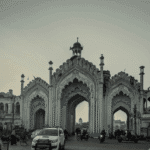

Explore Complete Prayagraj Travel Guide. Discover the Sangam, temples, forts, best time to visit, rituals, and essential tips for your trip.
Imagine standing at the confluence of three mighty rivers, feeling the spiritual energy that has drawn millions of pilgrims for thousands of years. That’s the magic of Prayagraj—a city where geography becomes theology, where water becomes sacred, and where every visitor becomes part of an ancient story that continues to unfold. Formerly known as Allahabad, this ancient city in Uttar Pradesh represents one of Hinduism’s most revered pilgrimage destinations and one of India’s most historically significant urban centers.
Prayagraj isn’t just another city on India’s map—it’s a living testament to the country’s spiritual depth, colonial history, and cultural evolution. The city pulses with contrasts: ancient temples stand alongside Victorian-era buildings, bustling bazaars neighbor quiet ashrams, and the timeless rituals at the Sangam coexist with the rhythms of modern urban life. Whether you’re seeking spiritual awakening, historical exploration, or simply a unique travel experience, Prayagraj offers layers of discovery that reward curious travelers.

Why Prayagraj Should Be on Your Travel List
Spiritual Significance
Prayagraj holds an unparalleled position in Hindu cosmology as the site of Triveni Sangam—the confluence of the Ganga, Yamuna, and the mythical Saraswati rivers. Hindu scriptures declare this meeting point as Tirtharaj, the king of all pilgrimage sites, where taking a holy dip is believed to cleanse all sins and liberate the soul from the cycle of rebirth. The spiritual potency of this location draws seekers from across the globe, creating an atmosphere charged with devotion and timeless ritual.
The city hosts the Kumbh Mela, the largest peaceful gathering of humanity on Earth, where tens of millions congregate to bathe in the sacred waters during auspicious astrological alignments. This extraordinary event, recognized by UNESCO as Intangible Cultural Heritage, transforms Prayagraj into a temporary spiritual metropolis unlike anything else on the planet. Even outside Kumbh years, daily rituals, ceremonies, and the constant flow of pilgrims maintain the city’s profound spiritual character.
Historical Importance
Beyond its religious significance, Prayagraj played a pivotal role in India’s independence movement and continues to resonate with historical importance. The city served as a major center of political activity during the British colonial period, producing leaders who shaped modern India. Anand Bhawan, the ancestral home of the Nehru-Gandhi family, witnessed crucial decisions that influenced the nation’s freedom struggle and post-independence trajectory.
The Allahabad Fort, built by Emperor Akbar in 1583, stands as a magnificent example of Mughal architecture and strategic military design. The fort complex includes the Akshaya Vat (immortal banyan tree), considered sacred in Hindu tradition, and the Patalpuri Temple, creating a unique fusion of historical and spiritual significance. Walking through Prayagraj’s streets means walking through centuries of Indian history, from ancient kingdoms through Mughal glory to colonial rule and finally to independent India.
Cultural Heritage
Prayagraj’s cultural landscape reflects its position as a meeting point of different eras, religions, and influences. The city nurtured literary giants, including renowned Hindi poets and writers who shaped modern Indian literature. The Prayag Sangeet Samiti, one of India’s oldest music institutions, has preserved and promoted classical Indian music for over a century, maintaining traditions that might otherwise have faded.
The architectural diversity—from ancient temples and Mughal forts to British Gothic churches and colonial bungalows—tells stories of cultural synthesis and evolution. Local festivals blend Hindu traditions with regional customs, creating celebrations unique to this sacred geography. This rich cultural tapestry makes Prayagraj fascinating for travelers seeking authentic experiences beyond typical tourist circuits.
Best Time to Visit Prayagraj
Winter Months (October to March)
Planning your Prayagraj visit? Circle the winter months on your calendar when pleasant weather transforms exploration into pure pleasure. From October through March, temperatures range from a comfortable 10°C to 28°C, making riverside visits, temple tours, and historical site exploration thoroughly enjoyable. The scorching summer heat that can reach 45°C gives way to crisp mornings, mild days, and cool evenings perfect for boat rides at Sangam and leisurely walks through the city’s gardens and monuments.
Winter also aligns with several important festivals and the Magh Mela period, adding cultural vibrancy to your visit. The clear skies and gentle sunshine create ideal conditions for photography, particularly at sunrise and sunset when the Sangam bathes in golden light that seems almost otherworldly.
Kumbh Mela: The Greatest Show on Earth
If you want to witness one of humanity’s most spectacular gatherings, plan your visit during the Kumbh Mela, which occurs every twelve years (with Ardh Kumbh every six years and Magh Mela annually). The next Maha Kumbh Mela in Prayagraj will be held in 2025, expected to draw over 100 million pilgrims during the six-week event. Imagine temporary cities emerging overnight, accommodating more people than most countries’ populations, all gathered for spiritual purification and celebration.
The Kumbh experience is intense, crowded, and absolutely unforgettable. You’ll witness Naga sadhus (ascetic monks) leading processions, hear continuous devotional chanting echoing across temporary camps, observe ancient rituals performed exactly as they have been for millennia, and feel the collective spiritual energy of millions united in faith. However, this requires serious planning—accommodations book out months in advance, transportation becomes challenging, and navigating the crowds demands patience and stamina.
Magh Mela
For those who want a similar but less overwhelming experience, the annual Magh Mela offers a perfect alternative. Held every January-February during the auspicious month of Magh, this month-long festival draws several million pilgrims who camp along the riverbanks and take holy dips on specific auspicious dates. The atmosphere carries strong spiritual overtones without the extreme logistics challenges of the full Kumbh Mela.
During Magh Mela, you’ll experience authentic pilgrimage culture—families living in tents for weeks, morning ritual baths, evening aartis along the ghats, and spiritual discourses by learned saints and scholars. The scale remains impressive while remaining somewhat more manageable for first-time visitors to India’s pilgrimage traditions.
How to Reach Prayagraj
By Air
Prayagraj Airport (formerly Bamrauli Airport), located about 12 kilometers from the city center, has recently undergone modernization and now offers direct flights from major Indian cities including Delhi, Mumbai, Bangalore, and Kolkata. The airport infrastructure has significantly improved in recent years, particularly in preparation for hosting Kumbh Mela events, making air travel increasingly convenient for domestic and international visitors.
From the airport, prepaid taxis and app-based cab services provide easy access to various parts of the city, with journey times to central locations typically ranging from 30 to 45 minutes depending on traffic. During major events like Kumbh Mela, airport operations expand significantly to accommodate the influx of pilgrims and tourists.
By Train
Prayagraj Junction, one of India’s major railway stations, enjoys excellent connectivity to cities across the country. Multiple daily trains link Prayagraj with Delhi, Mumbai, Kolkata, Chennai, Varanasi, and other important destinations, offering various classes from budget-friendly sleeper coaches to air-conditioned comfort. The city actually has several railway stations including Prayagraj Junction, Prayag Junction, and Subedarganj, so verify your arrival station when booking tickets.
The railway journey from Varanasi takes approximately three hours, from Delhi around nine to twelve hours depending on the train, and from Lucknow about three to four hours. Train travel in India offers authentic experiences—watching the countryside roll past, interacting with fellow passengers, and enjoying chai served by vendors at stations along the way.
By Road
Prayagraj’s strategic location on major national highways ensures excellent road connectivity with neighboring cities. Well-maintained roads connect the city to Varanasi (120 km), Lucknow (200 km), Ayodhya (170 km), and other regional centers. State-run buses, private luxury coaches, and taxi services operate regularly, offering various comfort and budget options.
For maximum flexibility, consider hiring a private vehicle that allows you to travel at your own pace, make stops at interesting locations along the way, and explore the countryside surrounding Prayagraj. The drive from Varanasi, for instance, passes through rural landscapes and small towns that provide genuine glimpses into North Indian life beyond major tourist centers.
The Sacred Sangam: Heart of Prayagraj
Understanding Triveni Sangam
The Triveni Sangam represents the geographical and spiritual heart of Prayagraj—the point where three rivers merge their waters and their sacred energies. The Ganga flows from the east, carrying spiritual potency recognized throughout Hindu tradition. The Yamuna arrives from the west, bringing its own holy significance. The third river, Saraswati, remains invisible to the eye but present in faith—an underground or mythical stream representing wisdom and learning.
Standing at the Sangam, you can actually see the color difference where the muddy brown Ganga waters meet the relatively clearer Yamuna, creating a visible line of confluence that shifts with seasonal water levels and flows. This visual representation of meeting points makes the theological concept tangible, allowing even skeptics to appreciate the unique geographical phenomenon that anchors Prayagraj’s spiritual reputation.
Hindu scriptures describe specific benefits associated with bathing at Sangam during different times and astrological configurations. The practice of offering prayers for deceased ancestors (pind daan) holds particular significance here, with many families traveling from distant locations to perform these sacred rituals that they believe liberate ancestral souls.
Taking a Holy Dip
Experiencing a holy dip at Sangam connects you to millennia of tradition and millions of pilgrims who’ve performed this same act. The best time for ritual bathing is early morning, ideally around sunrise when priests conduct ceremonies and the atmosphere carries maximum spiritual intensity. Many pilgrims bathe fully clothed in traditional attire, while others wear special bathing clothes or swimwear—follow whatever makes you comfortable while respecting the sacred nature of the act.
Before entering the water, observe safety precautions. River currents at the confluence can be unpredictable and strong, particularly during monsoon and post-monsoon periods when water levels rise. Stay in designated bathing areas where depths remain manageable and lifeguards maintain watch. If you’re not a confident swimmer, consider simply dipping your feet or sprinkling sacred water on yourself rather than full immersion.
The ritual traditionally involves facing east toward the rising sun, immersing yourself three times while reciting prayers or mantras (priests at the ghat can guide you if unfamiliar), and making offerings of flowers and incense to the river. Many pilgrims also collect Sangam water in bottles to carry home for family members who couldn’t make the journey.
Boat Rides at Sangam
For a different perspective on this sacred confluence, take a boat ride that allows you to experience the meeting point from the water itself. Boatmen at various ghats offer rides ranging from quick 30-minute excursions to longer journeys that include stops for ritual bathing and prayers at the exact confluence point. The experience of floating between rivers, watching the shoreline temples and ghats from water level, and observing pilgrims performing their devotions creates lasting impressions.
Negotiate boat prices before departing—costs typically range from ₹200 to ₹1000 depending on duration, boat size, and your bargaining skills. Early morning and late afternoon offer the best lighting for photography and the most pleasant temperatures. During Kumbh Mela and Magh Mela, boat rides provide excellent vantage points for observing the massive gatherings along the riverbanks while avoiding the densest crowds.
Top Attractions in Prayagraj
Allahabad Fort
The magnificent Allahabad Fort stands as Emperor Akbar’s architectural legacy, built in 1583 on the banks of the Yamuna near Sangam. This massive structure represents the finest Mughal military architecture, with imposing walls, strategic bastions, and beautiful gateways that showcase the empire’s power and aesthetic sensibility. Unlike many forts that fell into ruin, Allahabad Fort has been maintained through various regimes and continues to serve military purposes, with portions accessible to tourists.
Within the fort complex, the Akshaya Vat (immortal banyan tree) holds tremendous spiritual significance. Hindu tradition considers this ancient tree, growing within the fort’s protected area, as indestructible—surviving even when the surrounding world changes. Pilgrims seek darshan of this sacred tree, believing it grants wishes and spiritual merit. The Patalpuri Temple, located underground within the fort, adds another layer of mysticism to the complex.
The fort also houses the famous Ashoka Pillar, dating back to 232 BCE, covered with inscriptions from different emperors including Ashoka, Samudragupta, and Jahangir. This polished sandstone pillar represents India’s ancient artistic and political heritage, standing as a silent witness to over two millennia of history. Access to the fort requires permission as it remains under military control, but the areas open to visitors reward the effort with their historical resonance and architectural beauty.
Anand Bhawan
History enthusiasts cannot miss Anand Bhawan, the ancestral home of the Nehru-Gandhi family and now a museum preserving India’s freedom struggle memories. This elegant colonial-era mansion witnessed crucial conversations and decisions that shaped India’s independence movement and early democratic governance. Walking through rooms where Jawaharlal Nehru (India’s first Prime Minister), Indira Gandhi (India’s first female Prime Minister), and other leaders lived and planned creates tangible connections to India’s modern history.
The museum displays personal belongings, photographs, letters, and artifacts that humanize these historical figures beyond their textbook representations. You’ll see the room where Nehru wrote significant portions of his autobiography, the furniture used by the family, and exhibits explaining the political movements that eventually won India’s freedom. The adjacent Swaraj Bhawan, where the Nehru family earlier resided before donating it to the Indian National Congress, serves as additional museum space with similar historical exhibits.
The well-maintained gardens surrounding these buildings provide peaceful spaces for reflection after the emotionally engaging museum experience. Allow at least two hours to properly explore both buildings and absorb the historical significance they represent. The entry fee is nominal (typically ₹10-20 for Indians and ₹100-150 for foreign nationals), making this an accessible addition to any Prayagraj itinerary.
Khusro Bagh
This large walled garden complex contains beautiful Mughal-era tombs and represents a quiet oasis amid Prayagraj’s urban bustle. Khusro Bagh houses the tombs of Prince Khusro (son of Emperor Jahangir), his mother Shah Begum, and his sister Sultan Nithar Begum. The tomb architecture showcases classic Mughal design with intricate carvings, geometric patterns, and impressive domes that demonstrate the artistic sophistication of the period.
What makes Khusro Bagh particularly appealing is its peaceful atmosphere and beautiful landscaping. Mature trees provide shade, manicured lawns invite leisurely walks, and the relative lack of crowds compared to other Prayagraj attractions creates space for contemplation. Early morning and late afternoon visits offer the best lighting for photography and the most pleasant temperatures for exploring the grounds.
The garden also contains fruit orchards where locals cultivate guavas, famous as “Allahabadi guavas,” considered among India’s best. If visiting during guava season (winter months), you might observe harvesting activities that connect this historical monument to continuing agricultural traditions.
All Saints Cathedral
Representing Prayagraj’s colonial heritage, All Saints Cathedral stands as one of British India’s finest Gothic Revival churches. Designed by architect Sir William Emerson and consecrated in 1887, this cathedral features stunning architecture with soaring spires, beautiful stained glass windows, intricate stone carvings, and impressive vaulted ceilings that rival European Gothic churches in their aesthetic achievement.
The cathedral remains an active place of worship for Prayagraj’s Christian community while welcoming visitors of all faiths who appreciate architectural beauty and historical significance. The building’s design, inspired by thirteenth-century English Gothic style, creates a strikingly European presence within the Indian urban landscape—a tangible reminder of colonial influence on the city’s development.
The interior maintains a peaceful, contemplative atmosphere with wooden pews, brass fixtures, and memorial plaques commemorating British officials and clergy who served in India. The acoustics are exceptional, and if you’re fortunate to visit during choir practice or service, the musical experience becomes unforgettable. Photography is generally permitted, but maintain respectful behavior appropriate to active religious spaces.
Temples and Religious Sites
Hanuman Mandir (Bade Hanuman Ji)
This unique temple houses a reclining idol of Lord Hanuman, unusual because most Hanuman temples depict the deity standing or sitting. The idol’s peculiarity lies in its position—submerged during floods with water levels reaching up to different parts of the deity depending on the Ganga’s seasonal fluctuations. Devotees believe the idol grows continuously, a miracle that draws steady streams of worshippers seeking blessings for strength, courage, and protection.
Located near Allahabad Fort and Sangam, Hanuman Mandir attracts particularly large crowds on Tuesdays and Saturdays (days considered auspicious for Hanuman worship). The temple atmosphere buzzes with devotional fervor—chanting, bell ringing, and the scent of incense create an intensely spiritual environment. Many pilgrims visit here before or after taking their holy dip at Sangam, considering Hanuman’s blessings essential for their spiritual journey.
The temple management maintains cleanliness and order despite heavy foot traffic, and facilities for offerings and prayers are well-organized. Remove your shoes before entering, dress modestly, and be prepared for crowds during peak times. The experience of witnessing such devoted worship offers insights into living Hindu traditions that have continued essentially unchanged for centuries.
Alopi Devi Temple
Alopi Devi Temple presents an unusual religious site—a temple without a traditional idol or murti. Instead, devotees worship a wooden chariot (doli), making this one of India’s few temples based on this unique representation of the divine. According to legend, a grieving woman carrying her dead child in a doli disappeared at this spot, and the abandoned doli became the object of worship, eventually identified with Goddess Kali or Durga.
The temple holds special significance as one of the 51 Shakti Peethas (sacred sites associated with Goddess Shakti) in Hindu tradition. Pilgrims, particularly women, visit seeking blessings for health, prosperity, and family welfare. The annual Alopi Devi fair during Navratri attracts significant crowds and features cultural performances, devotional singing, and traditional celebrations that showcase regional folk traditions.
The temple’s architecture reflects typical North Indian style with a modest yet elegant structure. The surrounding market area sells religious items, flowers, prasad (blessed food offerings), and local handicrafts, creating a vibrant atmosphere that combines spirituality with daily commerce. Early morning visits provide the most peaceful experience before crowds build later in the day.
Mankameshwar Temple
Dedicated to Lord Shiva, Mankameshwar Temple ranks among Prayagraj’s most ancient and revered Shiva temples. The name “Mankameshwar” translates to “the one who fulfills desires,” reflecting the belief that sincere prayers offered here receive divine response. The temple’s lingam (symbolic representation of Shiva) is considered highly sacred, drawing devotees from across the region seeking blessings for various life challenges.
The temple architecture showcases traditional Hindu design with a distinctive spire, decorative carvings, and a peaceful courtyard where devotees can sit and meditate. During Shravan month (July-August), considered especially auspicious for Shiva worship, the temple witnesses massive crowds performing Jalabhishek (offering holy water to the lingam). Mondays throughout the year also see increased attendance as devotees observe their weekly Shiva vrata (fasting and worship).
The temple’s location in the heart of the old city makes it accessible while immersing visitors in authentic Prayagraj neighborhood life. Narrow lanes surrounding the temple bustle with shops selling puja items, street food vendors, and everyday commerce that provides glimpses into local daily routines beyond tourist attractions.
Historical Landmarks and Colonial Heritage
The Company Bagh (Chandrashekhar Azad Park)
This beautifully maintained Victorian-era park, formerly called Company Bagh during British rule and now named after revolutionary martyr Chandrashekhar Azad, offers green spaces, walking paths, and historical monuments within Prayagraj’s urban center. The park gained historical significance as the site where Chandrashekhar Azad, a prominent freedom fighter, shot himself rather than surrender to British police in 1931, choosing death over capture in a defiant final act of resistance.
A memorial now marks the spot where Azad fell, and his sacrifice is commemorated with a statue and informational plaques explaining his role in India’s independence struggle. The park also features the Patthar Girja (Stone Church), a beautiful colonial structure, and a public library housed in a historic building. Well-maintained gardens, shaded pathways, and recreational facilities make this popular with morning walkers and families seeking respite from the city’s bustle.
Visiting during early morning or late afternoon provides pleasant temperatures for strolling and observing local life. The park represents an interesting blend of colonial planning aesthetics with post-independence commemorative additions, reflecting Prayagraj’s layered history in a single green space.
Swaraj Bhawan
Adjacent to Anand Bhawan, Swaraj Bhawan served as the Nehru family residence before Motilal Nehru donated it to the Indian National Congress as headquarters for independence movement activities. This act of patriotic generosity exemplified the family’s commitment to India’s freedom struggle, transforming a personal residence into a political powerhouse where crucial strategies were formulated and decisions taken.
Today functioning as a museum, Swaraj Bhawan displays photographs, documents, and artifacts from India’s independence movement. The exhibits trace the evolution of nationalist consciousness, explain various resistance strategies employed against colonial rule, and honor freedom fighters who sacrificed comfort, wealth, and sometimes life itself for independence. The building’s architecture reflects early twentieth-century upper-class Indian taste influenced by British design sensibilities, creating interesting spaces that balance European and Indian aesthetic elements.
Combined tickets usually cover both Swaraj Bhawan and Anand Bhawan, and visitors typically explore both in a single visit. The experience provides comprehensive understanding of India’s freedom struggle beyond simplistic textbook narratives, revealing the personal costs and complex strategies involved in achieving independence.
Thornhill Mayne Memorial
This beautiful memorial built in 1910 honors Colonel William Mayne, the first military commander of Allahabad during British rule. The structure represents colonial commemorative architecture at its finest, combining Indo-Saracenic design elements with European classical features. While the memorial honors a British officer, it stands today as testimony to historical periods when Prayagraj served as an important administrative and military center in British India.
The memorial’s architecture features elegant arches, decorative stonework, and a commanding presence that speaks to the confidence and aesthetic ambitions of colonial administration. Though not as widely visited as other Prayagraj attractions, history and architecture enthusiasts appreciate the building’s beauty and the historical narratives it embodies.
Located near the Civil Lines area, visiting this memorial can be combined with exploring Prayagraj’s colonial-era neighborhoods where wide boulevards, bungalow-style residences, and tree-lined streets preserve the planned urban development characteristic of British administrative centers in India.
Exploring Prayagraj’s Ghats
Saraswati Ghat
Among Prayagraj’s numerous ghats along the river, Saraswati Ghat holds special importance for scholarly and cultural activities. Named after Goddess Saraswati, the deity of knowledge and arts, this ghat traditionally attracted learned Brahmins, scholars, and students seeking blessings for educational success. The ghat’s association with learning continues today, with occasional cultural programs, music performances, and educational gatherings held here.
The ghat’s architecture features typical stepped construction leading down to the water, with small shrines and platforms for performing rituals dotting the length. During Magh Mela and Kumbh Mela, this ghat becomes part of the extensive bathing area accommodating millions of pilgrims, while during normal times it offers relatively peaceful spaces for contemplation and ritual observances.
Early morning visits reward you with beautiful sunrise views over the Ganga, often accompanied by priests performing personal pujas for devotees, the sounds of temple bells carried on the morning breeze, and the sight of serious swimmers taking their daily exercise in the sacred waters—a combination that captures the living traditions of riverine religious culture.
Dashashwamedh Ghat
Not to be confused with Varanasi’s famous ghat of the same name, Prayagraj’s Dashashwamedh Ghat carries its own significance and legends. The name translates to “ten horse sacrifice,” referencing ancient Vedic ritual practices. While such sacrifices no longer occur, the name preserves memory of ancient religious traditions that shaped Hindu ritual practice.
This ghat serves as an important site for ritual bathing, particularly during religious festivals and auspicious dates according to the Hindu calendar. Priests offer services for various ceremonies including pind daan (ancestral offerings), puja performances, and astrological consultations. The ghat area typically bustles with religious activity, pilgrims seeking ritual services, vendors selling puja materials, and sadhus (ascetics) meditating or conversing with visitors.
The ghat provides excellent vantage points for observing the river’s flow, the boats ferrying pilgrims to Sangam, and the diverse humanity that gathers at these sacred water edges. Photography opportunities abound, though always ask permission before photographing individuals engaged in religious activities.
Nagvasuki Ghat
This smaller, less-visited ghat offers quieter experiences compared to the more popular bathing sites. Named after the serpent deity Nagvasuki, this ghat attracts devotees particularly during Nag Panchami (a festival honoring serpent gods) when special pujas and offerings take place. The relatively peaceful atmosphere makes it attractive for travelers seeking contemplative riverside experiences without the overwhelming crowds of major ghats.
Local residents use this ghat for daily bathing and ritual activities, providing opportunities to observe authentic religious practices without the commercialization sometimes present at tourist-heavy locations. The surrounding neighborhood reflects traditional Prayagraj character with narrow lanes, old houses with distinctive architecture, and small shops serving local needs rather than tourists.
Visiting multiple ghats provides comprehensive understanding of how these sacred water edges function as spaces where the spiritual and the everyday intersect—places where people perform ancient rituals while also washing clothes, where sadhus meditate while children play, where the timeless and the contemporary constantly interact.
Local Cuisine: Taste of Prayagraj
Street Food Favorites
Prayagraj’s street food scene showcases North Indian culinary traditions with distinctive local variations that food enthusiasts absolutely adore. Start your culinary exploration with kachori-sabzi, the breakfast favorite featuring crispy, flaky pastries filled with spiced lentils or peas, served with potato curry and tangy tamarind chutney. Local vendors prepare these fresh throughout the morning, and the combination of textures and flavors makes for satisfying starts to busy sightseeing days.
The city’s samosas deserve special mention—larger and more flavorful than typical versions, filled with spiced potatoes and peas, deep-fried to perfect golden crispness, and served with mint chutney and sweet-spicy imli (tamarind) sauce. Don’t miss trying pani puri (also called golgappa), crispy hollow spheres filled with spiced potato and chickpeas, then dipped in tangy tamarind water that explodes with flavor in your mouth.
For afternoon snacks, seek out chaat vendors preparing aloo tikki (spiced potato patties topped with yogurt, chutneys, and sev), papdi chaat, and dahi bhalla (lentil dumplings in seasoned yogurt). These dishes combine sweet, sour, spicy, and savory elements in ways that create addictive flavor experiences. Most street food items cost between ₹20 and ₹100, making culinary exploration accessible regardless of budget.
Traditional Dishes
Beyond street snacks, Prayagraj offers full meals showcasing regional Uttar Pradesh cuisine. The traditional thali provides excellent introduction to local flavors—a platter featuring dal (lentil curry), multiple vegetable preparations, rice, several types of Indian breads (roti, paratha, or poori), raita (yogurt preparation), pickles, and papad (crispy lentil wafers). This meal format ensures nutritional balance while exposing your palate to diverse preparations.
Vegetarian cuisine dominates due to the city’s religious character, with paneer (cottage cheese) preparations, seasonal vegetables, and lentil dishes forming the core of most menus. Popular specialties include paneer tikka (marinated cottage cheese grilled in tandoor ovens), palak paneer (spinach and cottage cheese curry), and various kormas and curries rich with cream and aromatic spices.
For those who eat meat, Mughlai influences appear in certain areas with excellent kebabs, biryanis, and kormas available at restaurants serving non-vegetarian cuisine. The cooking styles reflect the region’s historical position as part of various Islamic kingdoms, creating fusion traditions that blend Hindu vegetarian and Islamic culinary approaches.
Sweet Delicacies
No Prayagraj food experience is complete without sampling the city’s famous sweets. The city claims specialty in several traditional desserts that locals insist taste better here than anywhere else. Prayagraj’s pedas—dense milk-based sweets flavored with cardamom—enjoy particular fame, with shops near temples selling these as prasad and souvenir sweets.
Try jalebis, pretzel-shaped sweets made from fermented batter deep-fried and soaked in sugar syrup, best enjoyed hot and crispy. Balushahi, a denser, flakier sweet similar to glazed donuts, pairs wonderfully with morning chai. During winter months, gajar ka halwa (carrot pudding) appears on menus—grated carrots slow-cooked with milk, sugar, ghee, and nuts into a rich, warming dessert perfect for cool evenings.
Famous sweet shops like Ram Babu Paratha Bhandar and various establishments on MG Marg maintain quality traditions spanning generations. These aren’t just commercial establishments—they’re custodians of culinary heritage, preparing sweets using recipes and techniques preserved through family lineages. Purchasing sweets to take home provides gifts that carry Prayagraj’s flavors beyond your visit.
Where to Stay in Prayagraj
Budget Accommodations
Prayagraj offers numerous budget-friendly options for travelers conscious of expenses without sacrificing comfort and cleanliness. Dharamshalas (pilgrimage guest houses) provide the most economical accommodations, typically charging ₹300 to ₹800 per night for basic rooms with essential amenities. These establishments, often run by religious trusts or charitable organizations, cater primarily to pilgrims and offer authentic experiences of Indian pilgrimage culture.
Budget hotels near Civil Lines, Colonelganj, and around the railway station area provide private rooms with attached bathrooms, basic furnishings, and sometimes air conditioning at rates between ₹800 and ₹1500 per night. While amenities remain modest—don’t expect swimming pools or gyms—these hotels deliver clean, safe spaces to rest after busy days exploring the city. Many include simple breakfast options and can arrange local transportation and guides.
Youth hostels and backpacker-oriented accommodations have begun appearing in Prayagraj, offering dormitory beds (₹300-500) and private rooms (₹1000-1500) with shared facilities. These spaces attract younger travelers and provide opportunities to meet fellow explorers, exchange travel tips, and sometimes join organized group tours to nearby destinations. The social atmosphere compensates for basic amenities, creating communities of temporary travelers united by curiosity and budget consciousness.
Mid-Range Hotels
For travelers seeking comfort without luxury prices, Prayagraj’s mid-range hotel sector has expanded significantly in recent years. Properties in this category (₹2000-5000 per night) feature well-appointed rooms with air conditioning, modern bathrooms with hot water, televisions, Wi-Fi connectivity, and room service. Many include multi-cuisine restaurants serving decent North Indian, Chinese, and continental dishes that provide dining convenience after long sightseeing days.
Hotels like those in the Civil Lines area, near Allahabad University, and around the High Court combine good locations with professional service standards. The staff typically speaks English, understands tourist needs, and can arrange taxi services, tour guides, and assistance with travel bookings. These properties balance comfort with authenticity—you’ll enjoy modern conveniences while remaining connected to Prayagraj’s character rather than isolated in generic hotel environments.
Several mid-range properties offer special packages during Kumbh Mela and Magh Mela, though prices naturally increase during these peak periods. Booking well in advance becomes essential during major events when even mid-range accommodations fill quickly with domestic and international visitors converging on the sacred city.
Luxury Options
Luxury accommodations in Prayagraj have improved dramatically with several upscale hotels now providing international standard amenities and services. These premium properties (₹6000 and above per night) feature spacious rooms with elegant decor, premium bedding and toiletries, flat-screen televisions, work desks, and sometimes balconies with city or river views. On-property restaurants serve diverse cuisines prepared by trained chefs, while bars and lounges provide spaces for evening relaxation.
Facilities typically include fitness centers, swimming pools (seasonal), spa services, business centers, and concierge desks staffed by knowledgeable personnel who can craft customized itineraries and make arrangements for special experiences. Some luxury hotels occupy heritage buildings that have been carefully restored and modernized, combining historical architecture with contemporary comfort in ways that enhance rather than erase the building’s character.
During Kumbh Mela, luxury tented camps emerge along the riverbanks offering unique accommodations that blend comfort with proximity to the spiritual action. These temporary five-star camps feature fully furnished tents with attached bathrooms, heating/cooling systems, gourmet dining facilities, and cultural programs—allowing you to experience the Kumbh while maintaining comfort levels typically associated with high-end hotels.
Shopping in Prayagraj
Local Markets
Shopping in Prayagraj provides opportunities to take home pieces of the city’s culture, craftsmanship, and spiritual traditions. The main shopping areas include Civil Lines, Chowk, Katra, and Johnstongunj markets where you’ll find everything from religious items to contemporary fashion, from handicrafts to electronics. These markets pulse with energy—vendors calling out their wares, shoppers bargaining enthusiastically, and the constant flow of humanity creating vibrant urban theater.
Civil Lines offers more upscale shopping with established stores selling branded goods, books, clothing, and home furnishings. The tree-lined boulevards and colonial-era buildings create pleasant environments for leisurely browsing. In contrast, the old city markets like Chowk and Katra present more chaotic but authentic experiences with narrow lanes packed with shops selling traditional items, textiles, jewelry, and everyday goods at competitive prices.
For religious items and souvenirs, shops near temples and ghats stock extensive selections of deity idols in various materials (brass, clay, marble), rudraksha malas (prayer beads), sacred texts, posters and paintings of religious scenes, incense, puja items, and Ganga water in decorative bottles. These shops understand pilgrims’ needs and offer items at various price points, from simple clay idols costing ₹50 to elaborate brass sculptures priced in thousands.
Handicrafts and Souvenirs
Uttar Pradesh’s rich handicraft traditions find representation in Prayagraj’s specialty shops and government emporiums. Look for items like brass and copperware (plates, vessels, decorative items), marble inlay work, wooden handicrafts, and traditional textiles. The state government’s Mrignayani Emporium on MG Marg offers quality-assured handicrafts at fixed prices—useful for understanding value before venturing into markets where bargaining is expected.
Local artisans create beautiful meenakari (enamel) jewelry and decorative pieces that showcase traditional craftsmanship techniques preserved through generations. These colorful, intricate works make excellent gifts and souvenirs that carry authentic Indian artistic heritage. Similarly, hand-woven textiles including sarees, stoles, and fabric with traditional patterns represent regional weaving traditions worth exploring.
Don’t overlook edible souvenirs—boxes of Allahabadi peda and other traditional sweets travel well and provide delicious reminders of your Prayagraj journey. Several sweet shops package their products specifically for travelers, ensuring they remain fresh during journeys home. Purchasing from established shops with good reputations ensures quality and authentic preparations rather than inferior imitations.
Day Trips from Prayagraj
Varanasi
The sacred city of Varanasi lies approximately 120 kilometers from Prayagraj, making it an ideal day trip or overnight excursion. This ancient city, considered one of the world’s oldest continuously inhabited urban centers, offers profoundly different spiritual atmosphere compared to Prayagraj. While Prayagraj centers on the confluence of rivers, Varanasi’s spirituality permeates its ghats, temples, narrow lanes, and the very air you breathe along the Ganges.
A full-day Varanasi excursion allows you to witness the morning Ganga aarti, explore the narrow lanes of old city, visit the Kashi Vishwanath Temple (one of India’s most sacred Shiva temples), observe silk weaving in traditional workshops, and return for the spectacular evening Ganga aarti at Dashashwamedh Ghat. The three-hour drive between cities passes through rural landscapes and small towns, providing glimpses of everyday life in Uttar Pradesh beyond major tourist centers.
Combining Prayagraj and Varanasi in a single trip creates comprehensive spiritual circuit covering two of Hinduism’s most important pilgrimage sites. TripCosmos.co specializes in multi-city packages that seamlessly connect these destinations with expert guides, comfortable transportation, and curated experiences that maximize your limited time while minimizing logistical hassles.
Ayodhya
Ayodhya, the birthplace of Lord Ram and one of Hinduism’s seven sacred cities, sits approximately 170 kilometers from Prayagraj. Recent years have witnessed Ayodhya’s transformation with the construction of the magnificent Ram Mandir at Ram Janmabhoomi, making it increasingly popular among pilgrims and tourists. A day trip allows you to visit the Ram Mandir, Hanuman Garhi, Kanak Bhawan, and experience the evening aarti at Ram Ki Paidi ghat.
The journey to Ayodhya takes about three to four hours depending on traffic and road conditions. Many travelers prefer overnight trips that provide more relaxed exploration and opportunity to witness both morning and evening temple rituals when spiritual atmosphere intensifies. Ayodhya’s scale is more manageable than larger pilgrimage cities, creating intimate experiences where you can genuinely absorb the devotional environment without feeling overwhelmed by crowds (except during major festivals).
Combining Prayagraj and Ayodhya creates powerful pilgrimage circuit honoring Lord Ram’s legacy—from his birthplace in Ayodhya to the sacred confluence where Ram himself is believed to have performed rituals. This thematic connection adds meaning to your journey beyond simply visiting multiple destinations.
Chitrakoot
For travelers seeking off-the-beaten-path spiritual destinations, Chitrakoot offers beautiful natural settings combined with religious significance. Located about 130 kilometers from Prayagraj, this small town nestled among forested hills is believed to be where Lord Ram, his wife Sita, and brother Lakshman spent eleven and a half years of their fourteen-year exile. The area features numerous sites associated with Ramayana episodes, creating pilgrimage circuit through scenic landscapes.
Chitrakoot’s attractions include Ramghat along the Mandakini River where evening aarti ceremonies take place, Kamadgiri Hill which pilgrims circumambulate as an act of devotion, Hanuman Dhara featuring natural spring water flowing over Hanuman’s idol, and various temples and ashrams dotting the hills and riverbanks. The atmosphere remains more peaceful than major pilgrimage centers, attracting devotees seeking quiet contemplation and nature lovers appreciating the area’s scenic beauty.
A day trip allows visiting major sites, though overnight stays let you participate in early morning and evening rituals when spiritual energy peaks and temperatures become most pleasant. The journey to Chitrakoot passes through rural areas with limited development, so travelers should manage expectations about road conditions and amenities, though the destination itself rewards the effort with unique combinations of nature, mythology, and devotion.
Practical Travel Tips for Prayagraj
Safety and Security
Prayagraj is generally safe for travelers including solo visitors and families, though standard urban precautions apply. Keep valuables secure and avoid displaying expensive jewelry, cameras, or large amounts of cash that might attract unwanted attention. Use hotel safes for passports, extra cash, and important documents when not needed for daily activities. The areas around major temples and ghats experience significant crowds where pickpockets occasionally operate, so maintain awareness of your belongings in congested spaces.
Women travelers should dress modestly—covering shoulders and knees—both out of respect for religious sensibilities and to avoid unwanted attention. Solo female travelers generally report positive experiences in Prayagraj, particularly around temple areas where respectful behavior prevails. However, avoid isolated areas after dark and use authorized transportation services rather than unmarked vehicles. If uncomfortable in any situation, head toward populated areas or enter shops where you can request assistance.
Scams targeting tourists remain relatively rare compared to some other Indian cities, but stay alert for overcharging by auto-rickshaw drivers (insist on meter or negotiate fair fare before departing), shops selling fake “pure” items like Ganga water or rudraksha beads, and unauthorized guides demanding excessive fees. Using established services through reputable companies like TripCosmos.co eliminates many potential issues while ensuring quality experiences with transparent, reasonable pricing.
Local Etiquette
Respecting local customs enhances your Prayagraj experience and demonstrates appreciation for the sacred nature of this pilgrimage city. Dress conservatively when visiting religious sites—both men and women should avoid shorts, sleeveless tops, and revealing clothing. Carrying a light shawl or scarf proves useful for covering up when needed. Remove shoes before entering temple premises and designated areas near religious sites; most locations provide shoe-keeping facilities for small fees.
Photography restrictions apply in many temples, particularly near main deities and during certain rituals. Always ask permission before photographing people engaged in religious activities, and graciously accept if they decline. Some sadhus (ascetic monks) pose for photographs but expect payment—agree on the amount beforehand to avoid disputes. Generally, focus your camera on architecture, landscapes, and willing subjects rather than treating religious devotion as spectacle to be captured without consent.
During river bathing, maintain appropriate modesty—full immersion bathing should be done while clothed, and changing areas provide privacy for adjusting wet clothes. Observe how local pilgrims conduct themselves and follow similar practices. If participating in religious rituals or ceremonies, follow the priest’s instructions respectfully even if you don’t fully understand the practices. Your sincere engagement, regardless of your personal beliefs, will be appreciated by locals who value genuine interest in their traditions.
Transportation Within the City
Navigating Prayagraj requires understanding your transportation options and typical costs to avoid confusion and overcharging. Auto-rickshaws serve as the primary local transport, with short trips (2-3 km) typically costing ₹30-50 and longer journeys ₹60-150 depending on distance. Drivers often resist using meters, so negotiate fares before starting your journey. Learning a few key destinations in Hindi helps—most drivers understand “Sangam,” “Hanuman Mandir,” “Railway Station,” and other major landmarks.
Cycle rickshaws offer slower, cheaper alternatives for short distances within neighborhoods, providing eco-friendly transport while supporting traditional livelihoods. These human-powered vehicles cost ₹20-40 for short trips and allow unhurried observation of street life as you pedal through busy markets and residential areas. App-based cab services like Ola and Uber operate in Prayagraj with increasing coverage, offering transparent pricing and cashless transactions that eliminate bargaining hassles.
For full-day sightseeing, hiring a taxi or car with driver proves economical and convenient, typically costing ₹1500-2500 for eight hours depending on vehicle type and distance covered. This arrangement provides flexibility to visit multiple sites at your own pace without repeatedly negotiating with different auto drivers. Reputable travel companies like TripCosmos.co arrange comfortable vehicles with knowledgeable drivers who double as informal guides, enhancing your experience while ensuring safety and reliability.
Why Book with TripCosmos.co for Your Prayagraj Journey
Planning spiritual journeys to sacred cities like Prayagraj involves more than booking flights and hotels—it requires understanding religious significance, cultural contexts, and logistical complexities that can overwhelm travelers unfamiliar with India. TripCosmos.co specializes in exactly this type of travel, bringing years of experience and deep local knowledge to create seamless, enriching Prayagraj experiences tailored to your interests, budget, and travel style.
Based in nearby Varanasi, TripCosmos.co maintains intimate familiarity with the entire spiritual circuit of Uttar Pradesh including Prayagraj, Varanasi, Ayodhya, and surrounding destinations. Their expert team doesn’t just know the tourist attractions—they understand the stories behind them, the best times to visit for spiritual experiences versus crowd avoidance, the authentic local restaurants serving genuine regional cuisine, and the lesser-known sites that often prove most memorable.
TripCosmos.co’s Prayagraj packages include everything needed for worry-free travel: comfortable private transportation that respects your schedule and energy levels, carefully selected accommodations balancing location and value, knowledgeable guides who bring history and mythology alive through engaging storytelling, and all necessary arrangements for temple visits, boat rides, and ritual participation. Their transparent pricing means no hidden fees or unpleasant surprises—the quoted price covers everything specified in your itinerary.
What distinguishes TripCosmos.co is their commitment to authentic, meaningful experiences rather than rushed tourist routines. They arrange special access to certain rituals, coordinate timing to witness ceremonies at their most powerful moments, and maintain flexibility to accommodate spontaneous interests or changing preferences. Their 24/7 support ensures you’re never alone if questions or issues arise—a phone call connects you to assistance regardless of time or situation.
International visitors particularly value TripCosmos.co’s cultural orientation that makes navigating India’s spiritual landscape comfortable rather than overwhelming. They provide context for religious practices, explain etiquette expectations, accommodate dietary requirements, and bridge language gaps that might otherwise create misunderstandings. Solo travelers appreciate the safety and companionship of organized tours, while families value the stress-free logistics that let everyone focus on experiencing rather than planning.
Whether you’re planning a dedicated Prayagraj pilgrimage, combining it with Varanasi and Ayodhya in a comprehensive spiritual circuit, or incorporating it into broader North Indian exploration, TripCosmos.co crafts experiences that honor the sacred nature of these journeys while delivering the practical reliability that makes travel genuinely enjoyable.
Ready to experience Prayagraj’s profound spiritual energy with expert guidance and seamless arrangements? Contact TripCosmos.co today at +91-9336116210 or visit www.tripcosmos.co to explore their curated Prayagraj packages and begin planning your sacred journey to the confluence of rivers and centuries of devotion.
Conclusion: Embrace the Sacred Energy of Prayagraj
Standing at the Sangam where three rivers merge their ancient waters, you understand why millions of pilgrims have journeyed to this exact spot for thousands of years. Prayagraj isn’t merely a city—it’s a living bridge between mythology and reality, between history and the present moment, between the individual soul and the vast currents of faith that have shaped civilizations. This sacred geography where water becomes divine and geography transforms into theology offers experiences that transcend ordinary tourism.
Your Prayagraj journey takes you beyond visiting landmarks to witnessing living traditions that have flowed as continuously as the Ganga itself. You see devotion in the eyes of pilgrims taking their holy dip at dawn, hear it in the evening aarti chants echoing across the river, and feel it in the atmosphere that pervades temples where incense smoke carries prayers heavenward. You walk streets where freedom fighters plotted independence, stand in rooms where modern India’s leadership once lived, and explore architectural monuments that witnessed empires rise and fall while the sacred rivers flowed eternally onward.
The city’s contrasts create its character—ancient spiritual practices coexist with contemporary urban life, grand Mughal architecture shares space with British colonial buildings, and the timeless rituals at riverside ghats continue mere kilometers from modern hotels and restaurants serving international cuisine. This layering of eras and influences creates texture and depth that rewards curious exploration and contemplative observation.
Whether your Prayagraj visit centers on religious devotion, historical fascination, cultural exploration, or simply the desire to understand one of Hinduism’s most sacred sites, the experience leaves lasting impressions. You return home with memories of sunrise over Sangam, the taste of Allahabadi sweets, photographs of architectural marvels, and perhaps most importantly, a deeper appreciation for the spiritual traditions that continue shaping millions of lives across India and the world.
So why wait to experience this confluence of sacred waters, ancient history, and living faith? Let Prayagraj’s spiritual magnetism draw you into its embrace. With thoughtful planning, respectful engagement, and perhaps the expert guidance of experienced travel partners like TripCosmos.co, your Prayagraj journey promises to be among the most meaningful and memorable travels of your lifetime—a pilgrimage that touches the soul regardless of your religious background or beliefs.
FAQs
1. What is the significance of taking a dip at Sangam in Prayagraj?
Taking a holy dip (snan) at Triveni Sangam—the confluence of Ganga, Yamuna, and the mythical Saraswati—is considered one of Hinduism’s most sacred acts. Hindu scriptures state that bathing at this meeting point of three holy rivers cleanses all sins, purifies the soul, and helps liberate one from the cycle of rebirth (moksha). The spiritual benefits are believed to multiply during auspicious astrological configurations, particularly during Kumbh Mela when celestial alignments create maximum sacred potency. Even for non-believers, the experience of participating in this ancient ritual alongside devoted pilgrims creates powerful memories and insights into living religious traditions that have continued essentially unchanged for millennia.
2. When is the next Kumbh Mela in Prayagraj?
The next Maha Kumbh Mela in Prayagraj will be held in 2025, expected to attract over 100 million pilgrims during its six-week duration. This massive religious gathering occurs every twelve years at Prayagraj, with Ardh Kumbh (half Kumbh) held every six years and the annual Magh Mela held every January-February. The Kumbh Mela dates are determined by specific astrological positions when Jupiter, the Sun, and the Moon align in particular zodiac configurations. During these events, Prayagraj transforms into a temporary megacity accommodating more people than most countries’ populations, all gathered for spiritual purification and celebration. If planning to attend Kumbh Mela, book accommodations months in advance and prepare for intense crowds and basic facilities.
3. How many days should I spend in Prayagraj?
For a comprehensive Prayagraj experience, two to three days is ideal. This allows time to visit the Sangam and take a holy dip, explore major temples including Hanuman Mandir and Alopi Devi Temple, tour historical sites like Allahabad Fort and Anand Bhawan, attend evening aarti ceremonies, enjoy local cuisine, and maintain a relaxed pace without rushing between attractions. However, if time is limited, a well-planned single day can cover essential highlights including Sangam boat ride, key temples, and one historical site. During Kumbh Mela or Magh Mela, consider spending additional days to fully experience the extraordinary spiritual gathering and its associated activities, cultural programs, and religious discourses.
4. Is Prayagraj safe for international tourists?
Yes, Prayagraj is generally safe for international tourists, including solo travelers. The city’s religious character promotes respectful behavior, and serious crimes against tourists are rare. However, standard travel precautions apply: keep valuables secure, avoid isolated areas after dark, use authorized transportation services, and dress modestly when visiting religious sites. Language barriers can sometimes create confusion, but people are generally helpful toward foreign visitors. Booking through reputable travel companies like TripCosmos.co adds extra security layers with English-speaking guides, reliable transportation, vetted accommodations, and 24/7 support. During major events like Kumbh Mela, the massive crowds require extra vigilance about belongings and staying connected to your travel group.
5. Can I combine Prayagraj with visits to other nearby spiritual destinations?
Absolutely! Prayagraj’s location makes it ideal for multi-city spiritual circuits through Uttar Pradesh. Varanasi (120 km away) offers profound Ganga experiences and ancient temples; Ayodhya (170 km) showcases Ram Janmabhoomi and sites from the Ramayana; and Chitrakoot (130 km) provides peaceful natural settings associated with Lord Ram’s exile. Many travelers create week-long itineraries combining these destinations for comprehensive spiritual journeys through North India’s sacred geography. TripCosmos.co specializes in these multi-city packages with seamless transportation, expert guides familiar with all destinations, and carefully timed itineraries that maximize meaningful experiences while managing practical logistics. This approach transforms individual city visits into cohesive pilgrimage circuits that reveal connections between sites and deepen understanding of Hindu spiritual traditions.