
Corporate Spiritual Retreat in Varanasi Tour & Activities , The corporate wellness landscape has evolved dramatically, with forward-thinking organizations recognizing that employee well-being extends beyond physical health to encompass mental, emotional, and even spiritual dimensions. Varanasi, India’s ancient spiritual capital, offers unprecedented settings for corporate spiritual retreats that transcend conventional team-building exercises, providing transformative experiences addressing burnout, purpose, meaning, and holistic wellness within professional contexts.
These specialized retreats blend contemplative practices, cultural immersion, and intentional reflection against the backdrop of humanity’s oldest living spiritual tradition, creating profound impacts on individual participants and organizational culture. This comprehensive guide explores how corporations can design meaningful spiritual retreats in Varanasi that deliver genuine value while respecting diverse beliefs and comfort levels.

Understanding Corporate Spiritual Retreats
Corporate Spiritual Retreat in Varanasi Tour & Activities , Corporate spiritual retreats differ fundamentally from religious pilgrimages or standard team outings. These programs emphasize universal human experiences—seeking meaning, managing stress, cultivating mindfulness, connecting authentically, and discovering purpose—without requiring adherence to specific religious beliefs. Varanasi provides ideal context not as destination for Hindu religious practice, but as living laboratory where millions have grappled with life’s fundamental questions for millennia, creating palpable atmosphere that naturally evokes reflection and presence.
Corporate Spiritual Retreat in Varanasi Tour & Activities , The business case for spiritual retreats rests on measurable outcomes: reduced burnout and stress-related health costs, improved emotional intelligence and interpersonal relationships, enhanced creativity and problem-solving through fresh perspectives, increased employee engagement and retention, and alignment around shared values and purpose. Organizations from tech startups to established corporations increasingly invest in such programs, recognizing that sustainable high performance requires addressing whole human beings rather than merely optimizing productivity metrics.
Core Spiritual Activities and Experiences
Morning Meditation and Sunrise Contemplation on the Ganges forms the cornerstone of Varanasi spiritual retreats. Groups gather before dawn, boarding boats that glide silently along the ghats as darkness yields to light. Guided meditation facilitated by experienced practitioners helps participants settle into presence, observing breath and bodily sensations while the river, city, and sky transform through spectacular chromatic transitions. The profound silence punctuated only by temple bells, chants, and lapping water creates natural meditative states even for skeptics or meditation novices. Post-sunrise, facilitators guide reflection sessions where participants journal or share insights about impermanence, beauty, renewal, or personal meanings the experience evoked.
Yoga and Pranayama Sessions leverage Varanasi’s concentration of authentic yoga teachers and studios. Programs typically include daily morning yoga (asana practice) and evening pranayama (breathwork) sessions adapted for corporate participants with varying experience levels. Unlike fitness-oriented yoga common in Western contexts, Varanasi’s traditional yoga emphasizes integration of body, breath, and mind—precisely the holistic approach addressing corporate stress and disconnection. Sessions might occur on riverside terraces, in peaceful ashram courtyards, or at quality yoga centers, always emphasizing accessibility and gradual progression rather than athletic performance.
Guided Contemplative Walking through Varanasi’s ancient lanes transforms simple navigation into moving meditation. Facilitators encourage mindful walking—attending to each footfall, bodily sensations, surrounding sounds and sights—while navigating the sensory intensity of old city streets. The practice cultivates present-moment awareness amidst chaos, metaphorically paralleling demands of contemporary professional life. Periodic stops at temples or quiet corners allow brief sitting meditations and group reflections on themes like impermanence (observing constant change and activity), interconnection (witnessing diverse humanity coexisting), or letting go (inspired by cremation ghat proximity and mortality contemplation).
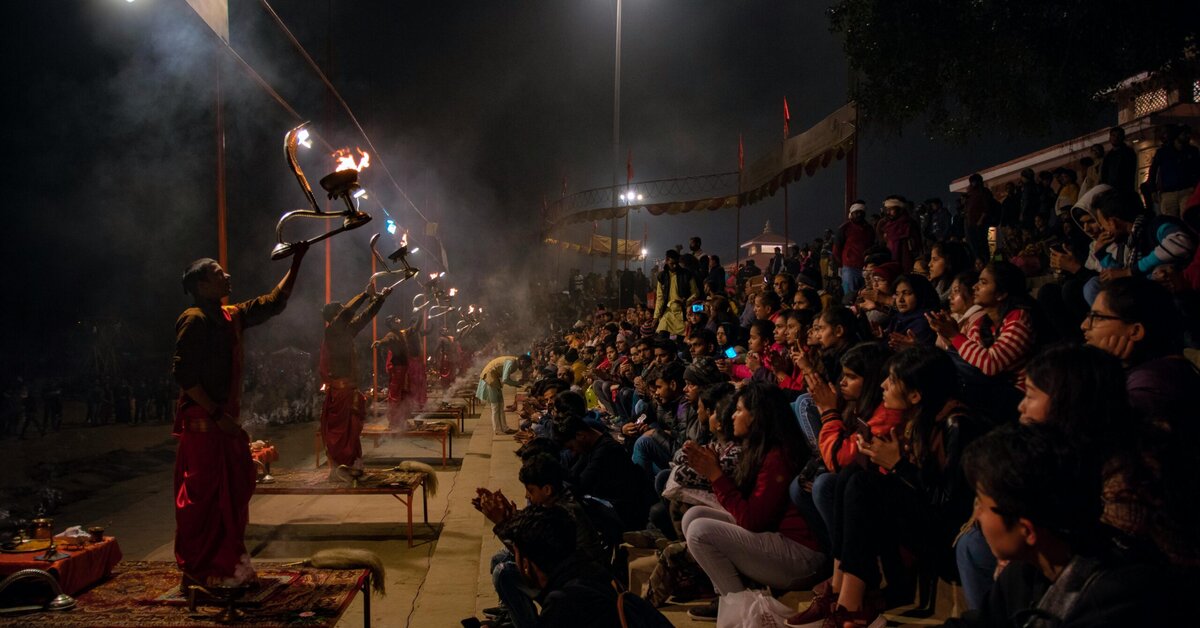
Witness the Ganga Aarti as Contemplative Practice rather than tourist spectacle. Facilitators frame the evening ceremony as opportunity for presence practice—observing without judgment, allowing whatever arises emotionally, noticing patterns of thought and sensation—transforming cultural performance into contemplative vehicle. Pre-aarti briefings explain ritual symbolism while emphasizing that intellectual understanding matters less than direct experience. Post-aarti circles provide space for participants sharing personal responses, often revealing surprising emotional reactions and insights participants wouldn’t articulate without structured sharing containers.
Dialogue with Spiritual Teachers and Practitioners offers authentic engagement with individuals embodying contemplative life. Arranged conversations with resident sadhus, yogis, priests, or scholars provide windows into worldviews radically different from corporate paradigms. These aren’t lectures but dialogues where corporate participants ask genuine questions about meaning, suffering, happiness, purpose, and practical spiritual life. Such encounters often prove unexpectedly profound, challenging materialist assumptions while offering ancient wisdom applicable to contemporary challenges.
Silent Reflection and Journaling Practices provide essential integration time. Facilitators schedule structured silent periods—perhaps 60-90 minutes mid-day—where participants sit at peaceful riverside locations, gardens, or quiet temple premises simply being with their thoughts without phones, conversation, or external stimulation. Guided journaling prompts encourage processing experiences and articulating emerging insights about work, relationships, values, or life direction that Varanasi’s intensity surfaces.
River Ritual and Symbolic Practices adapt traditional Hindu practices into universal contemplative exercises. Participants might engage in ritualized flower offerings representing letting go of burdens or intentions, write limiting beliefs on biodegradable paper and release them into flowing water, or participate in modified puja ceremonies reframed as mindfulness practices around gratitude, intention-setting, or honoring significant people/experiences. These symbolic acts create memorable experiential learning more impactful than abstract discussion.
Specialized Workshops and Discussions
Purpose and Values Clarification Workshops leverage Varanasi’s contemplative atmosphere for deep exploration of individual and organizational purpose. Facilitators guide exercises helping participants articulate core values, examine alignment between values and daily actions, and envision meaningful contributions beyond mere career advancement. Small group discussions foster vulnerability and authentic sharing typically absent in office contexts, building genuine connections while surfacing insights applicable to organizational culture.
Mindfulness and Stress Resilience Training teaches practical techniques participants can integrate into daily professional life. Sessions cover evidence-based practices: breath awareness for acute stress management, body scanning for tension release, mindful communication for conflict navigation, and cognitive reframing for resilience. Varanasi provides immersive training ground where participants develop skills amidst significant environmental stimuli, building capacity to maintain calm presence in challenging conditions.
Leadership and Compassionate Management Dialogues explore Eastern wisdom traditions’ insights on ethical leadership, servant leadership principles, and balance between ambition and contentment. Discussions examine how meditation and contemplative practices enhance leadership qualities: emotional regulation, empathetic listening, wise decision-making under uncertainty, and authentic presence. These aren’t abstract philosophical discussions but applied explorations with actionable implications for workplace leadership.
Life-Work Integration Sessions challenge conventional work-life balance framing, instead exploring integration where work becomes meaningful expression of values rather than necessary evil traded for lifestyle funding. Varanasi’s confrontation with mortality (visible daily at cremation ghats) naturally provokes reflection on life’s brevity and how time is spent. Facilitated discussions help participants examine whether current career trajectories align with authentic aspirations or represent momentum from past choices no longer serving them.
Retreat Structure and Duration
3-Day Intensive Retreat provides meaningful immersion without excessive time away from operations. Day 1: Afternoon arrival, orientation, gentle introduction through evening aarti and group dinner establishing retreat container. Day 2: Full contemplative day—sunrise meditation, morning yoga, temple walking meditation, purpose workshop, silent reflection time, evening pranayama, integration circle. Day 3: Morning practices, leadership dialogue, closing ceremonies, afternoon departures. This compressed format delivers substantial value while minimizing operational disruption.
5-Day Deep Immersion Retreat allows genuine transformation through sustained practice and deeper integration. Additional days enable more advanced practices, extended silent periods, optional individual spiritual guidance sessions, day trip to Sarnath for Buddhist meditation instruction, and adequate rest preventing overwhelm from intensity. The rhythm alternates between active engagement (practices, workshops, cultural experiences) and integration (rest, reflection, informal conversations) preventing exhaustion while maximizing depth.
Weekend Plus Extension Format (Friday evening through Tuesday morning) accommodates corporate schedules by utilizing weekends plus minimal workday impact. Teams arrive Friday evening, experience full Saturday and Sunday programming, continue Monday, and depart Tuesday morning—four-day retreat with only two working days missed.
Facilitator Qualifications and Roles
Corporate Spiritual Retreat in Varanasi Tour & Activities , Quality corporate spiritual retreats require facilitators with dual competencies: deep contemplative practice experience and corporate context understanding. Ideal facilitators combine credentials in mindfulness instruction (MBSR training, yoga therapy, meditation teaching) with professional experience in corporate environments enabling translation of spiritual wisdom into applicable workplace contexts without religious overtones alienating secular participants.
Corporate Spiritual Retreat in Varanasi Tour & Activities , Facilitators create psychologically safe containers through clear framing: these retreats honor diverse beliefs, practices are invitational not mandatory, skepticism is welcomed, and participation involves experimenting with unfamiliar practices while maintaining personal boundaries. Skilled facilitation manages group dynamics, supports participants experiencing emotional releases, adapts programming based on group needs, and bridges cultural gaps between Western corporate mindsets and Eastern contemplative traditions.
Accommodation and Logistics
Corporate spiritual retreats require accommodation balancing comfort with contemplative atmosphere. Boutique hotels near Assi Ghat area or quality ashrams offering modern amenities work well—providing comfortable private rooms, clean facilities, nutritious vegetarian meals, and peaceful environments without unnecessary luxury that contradicts retreat purposes or creates guilt. Properties with riverside access, meditation spaces, and yoga facilities are ideal.
Small group sizes (12-20 participants) create intimacy enabling vulnerability and authentic sharing. Larger groups lose contemplative quality and become logistically complex. Retreat logistics include airport/railway transfers, dedicated transportation for activities, meals supporting practice (sattvic vegetarian cuisine avoiding heavy foods or excessive stimulants), and contingency plans for participants experiencing emotional difficulties or wanting to opt out of particular practices.
Integrating Business Objectives
While spiritual retreats emphasize personal transformation, corporate sponsors naturally desire organizational benefits. Skillful retreat design acknowledges both: individual practices genuinely serve participants while secondarily benefiting organizational culture. Integration mechanisms include pre-retreat intention-setting where participants identify professional challenges or aspirations they’re bringing to retreat, daily optional small-group discussions connecting practices to workplace applications, post-retreat action planning where insights translate into concrete commitments, and follow-up sessions (30-60 days post-retreat) supporting sustained practice and measuring impact.
Addressing Concerns and Resistance
Corporate spiritual retreats face predictable resistances: “This is too ‘woo-woo’ for our culture,” “Employees will see this as religious proselytizing,” “We need concrete skills training, not abstract spirituality,” “Time away from work is already challenging to justify.” Effective communication addresses these concerns directly: emphasizing evidence-based benefits of mindfulness and contemplative practices documented in neuroscience and organizational research, framing programs in secular language focusing on universal human experiences rather than religious terminology, demonstrating clear connections between practices and workplace performance (stress management, emotional intelligence, creativity, focus), and positioning retreats as strategic investments in human capital rather than frivolous perks.
Voluntary participation proves essential—mandating spiritual practices creates resentment and ethical concerns. Organizations should present retreats as opportunities employees can opt into based on personal interest, ensuring non-participants face no career disadvantages.
Measuring Impact and ROI
Progressive organizations measure spiritual retreat outcomes through multiple lenses: participant self-assessments of stress levels, life satisfaction, and workplace engagement pre- and post-retreat; behavioral observations by managers noting changes in communication patterns, emotional regulation, or collaboration; retention data comparing retreat participants versus non-participants; and qualitative feedback through interviews exploring lasting impacts on perspective, values, or work approach. While ROI remains challenging to quantify precisely, organizations consistently report that well-designed spiritual retreats deliver disproportionate value relative to costs—creating cultural shifts, strengthening retention, and fostering authentic human connections that ripple through organizations long after return from ancient ghats.
Conclusion
Corporate spiritual retreats in Varanasi represent evolutionary advances in organizational development, recognizing that sustainable performance emerges from whole, integrated human beings rather than optimized productivity units. By creating structured contemplative experiences within one of humanity’s most spiritually potent environments, these retreats address burnout, disconnection, and meaning deficits endemic to contemporary corporate life while building skills, perspectives, and relationships serving both individual flourishing and organizational excellence. The ancient city’s extraordinary atmosphere—simultaneously challenging and nourishing, foreign yet somehow familiar, overwhelming yet ultimately centering—catalyzes transformations workshops in sterile conference centers cannot achieve, proving that in an era of relentless change and accelerating complexity, ancient wisdom and contemplative practices offer precisely the resources modern organizations most desperately need.
Frequently Asked Questions
Q1: Will employees who aren’t religious or spiritual feel alienated or pressured during these retreats?
Well-designed corporate spiritual retreats welcome participants across belief spectrums through careful framing and voluntary participation structures. Secular framing: Quality facilitators emphasize universal human experiences—stress management, self-awareness, authentic connection, meaning—without requiring religious beliefs. Practices are presented as psychological and physiological tools (supported by neuroscience research) rather than religious obligations. Terms like “mindfulness” and “contemplative practice” replace “spiritual” language for participants uncomfortable with that terminology. Voluntary participation: All practices are invitational—participants choose engagement levels moment-by-moment. If meditation feels uncomfortable, participants can simply sit quietly or take walks. If yoga seems too unfamiliar, stretching or walking substitutes work fine. Honoring skepticism: Good facilitators explicitly welcome skepticism, framing it as healthy approach rather than resistance. Discussion circles provide space for expressing doubts or discomfort without judgment. Practical reality: Many initially skeptical participants report the most profound experiences precisely because they approached without preconceptions or expectations. The key is organizational culture supporting voluntary participation and facilitators skilled in secular framing while preserving practice integrity. If retreats feel mandatory or overtly religious, design has failed regardless of intentions.
Q2: How do we justify the time and cost investment to leadership focused on hard business metrics?
Building business cases for spiritual retreats requires connecting contemplative outcomes to measurable business impacts through multiple arguments: Evidence-based benefits: Cite extensive research demonstrating mindfulness and contemplative practices’ impacts on stress reduction (lowering healthcare costs), improved focus and decision-making (enhancing productivity and quality), increased emotional intelligence (improving leadership and collaboration), and enhanced creativity (driving innovation). Meta-analyses from journals like Harvard Business Review, MIT Sloan Management Review, or Journal of Organizational Behavior provide credible citations. Retention and recruitment: Position retreats as strategic talent investments. High-performing employees increasingly prioritize wellness, meaning, and holistic development. Organizations offering substantive development opportunities (versus superficial perks) attract and retain top talent, quantifying this through reduced turnover costs and recruitment advantages. Cultural transformation: Frame retreats as catalysts for desired cultural shifts—from toxic hustle culture toward sustainable performance, from competitive silos toward collaborative integration, from purely profit-focused toward purpose-driven orientations. Cultural change through traditional means (policies, trainings) often fails; transformative experiences create lasting shifts. Pilot approach: Propose small-scale pilots with quantitative and qualitative measurement before organization-wide rollout, demonstrating value through data rather than requiring faith-based investments. Comparative positioning: Highlight that forward-thinking organizations (including major tech companies, innovative startups, and progressive corporates) increasingly invest in contemplative programs, positioning adoption as competitive necessity rather than experimental luxury.
Q3: What if participants have intense emotional experiences or psychological difficulties during the retreat?
Varanasi’s intensity combined with contemplative practices can surface suppressed emotions or psychological material, requiring appropriate preparation and support systems. Pre-retreat screening: Collect information about mental health histories, current challenges, and trauma backgrounds (confidentially). Flag participants with conditions like active PTSD, severe depression, or recent trauma for pre-retreat consultations determining appropriateness. Some individuals may need to defer participation until they’re more stable. Qualified facilitators: Ensure lead facilitators have training in holding emotional content—ideally counseling or psychology backgrounds alongside contemplative expertise. They should recognize when participants need additional support versus experiencing productive discomfort that contemplative practice intentionally evokes. On-site support: Maintain access to licensed counselors or psychologists (either traveling with group or identified locally) available for individual consultations if participants experience difficulties beyond facilitators’ scope. Scaling intensity appropriately: Begin with gentle practices, gradually introducing deeper work only after establishing group safety and trust. Avoid intensive practices (like extended silent retreats or confrontational exercises) inappropriate for corporate contexts. Clear communication about intensity: Brief participants pre-retreat that contemplative practices sometimes surface uncomfortable emotions or thoughts—this isn’t failure but natural part of deeper self-awareness. Provide guidance about when discomfort is productive versus when it signals need for professional support. Confidentiality and voluntary sharing: Maintain strict confidentiality about anything shared in retreat contexts, never pressuring participation in sharing circles where participants feel unsafe.
Q4: How do we maintain momentum and integrate retreat insights back in regular work environments?
Post-retreat integration determines whether transformative experiences create lasting change or fade into pleasant memories. Structured integration planning: Final retreat sessions focus on action planning—participants identify 2-3 concrete practices or changes they’ll commit to implementing (perhaps daily 10-minute meditation, weekly reflection walks, modified communication approaches). Written commitments with specific plans increase follow-through. Peer accountability cohorts: Organize small groups (4-5 retreat participants) meeting regularly (weekly or biweekly, virtually or in-person) for continued practice, sharing challenges and successes, and mutual support. These cohorts maintain retreat connections while providing accountability for sustained practice. Organizational support systems: Create infrastructure supporting ongoing practice—quiet spaces for meditation or reflection at offices, lunch-time yoga or mindfulness sessions, internal communication channels for retreat alumni sharing resources and experiences. Signal organizational commitment beyond one-time events. Follow-up sessions: Schedule 30, 60, and 90-day post-retreat gatherings (half-day sessions) where participants reconnect, practice together, and discuss integration challenges and successes. These touchpoints reinforce practices and address obstacles before complete dropout occurs. Manager sensitization: Brief participants’ managers about retreat objectives and practices, requesting support for integration (perhaps respecting brief daily practice time, or noticing and acknowledging positive behavioral changes). Manager support significantly impacts whether new practices sustain or get overwhelmed by operational demands. Realistic expectations: Acknowledge that perfect maintenance of intensive retreat practices amid busy work lives is unrealistic. The goal isn’t replicating retreat depth daily but maintaining threads of connection to insights and practices, even if just 10 minutes daily or weekly reflection walks.
Q5: Can spiritual retreats work for highly analytical, skeptical corporate cultures like finance, engineering, or consulting?
Yes—in fact, highly analytical participants often benefit dramatically from contemplative practices precisely because they rarely engage modes of knowing beyond intellectual analysis. Tailored framing: For analytical cultures, emphasize contemplative practices’ empirical evidence bases. Lead with neuroscience research, psychological studies, and quantitative outcomes rather than subjective testimonials. Frame practices as experiments: “Try this technique, observe what happens, evaluate whether it serves you.” This scientific approach resonates with analytical mindsets while preserving practice integrity. Concrete skill development: Position retreat not as abstract spirituality but as practical skill-building—emotional regulation techniques, stress management tools, communication strategies, decision-making frameworks under uncertainty. These concrete applications justify participation for results-oriented individuals. Intellectual engagement: Include sufficient conceptual content alongside experiential practices. Analytical participants want understanding how and why practices work, not just doing them blindly. Brief teachings about neuroscience of meditation, psychology of mindfulness, or philosophy of contemplative traditions satisfy intellectual curiosity. Starting conservatively: Begin with widely accepted practices like mindfulness meditation (substantial research validation) before introducing less familiar elements like ritual or devotional aspects. Build credibility through mainstream practices before expanding to edge-of-comfort-zone territory. Success stories from peers: Highlight testimonials from analytical professionals—engineers, scientists, consultants—who initially approached skeptically but found value. Peer credibility overcomes resistance better than facilitator assurances. Respecting resistance: Never force practices or shame skepticism. Analytical participants appreciate facilitators who welcome critical thinking and acknowledge practices aren’t universally effective for everyone. This intellectual honesty paradoxically increases willingness to experiment.