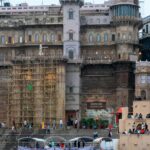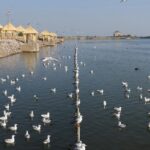
Ayodhya , Imagine journeying through the spiritual heart of India, where every stone whispers ancient stories, where rivers carry prayers of millions, and where the divine seems almost tangible. Welcome to the sacred triangle of Uttar Pradesh—Ayodhya, Varanasi, and Prayagraj. These three cities form a pilgrimage circuit unlike any other, connecting you with different dimensions of India’s spiritual heritage in one transformative journey.
This isn’t just sightseeing—it’s a soul-stirring expedition through Hindu mythology, history, and living faith. In Ayodhya, you walk where Lord Ram is believed to have been born. In Varanasi, you witness death and rebirth along the ghats of Mother Ganges. In Prayagraj, you stand at the confluence where three sacred rivers merge, a spot considered among the holiest on Earth. Together, these cities create a spiritual narrative spanning millennia, offering pilgrims and travelers alike an unforgettable immersion into India’s religious consciousness.
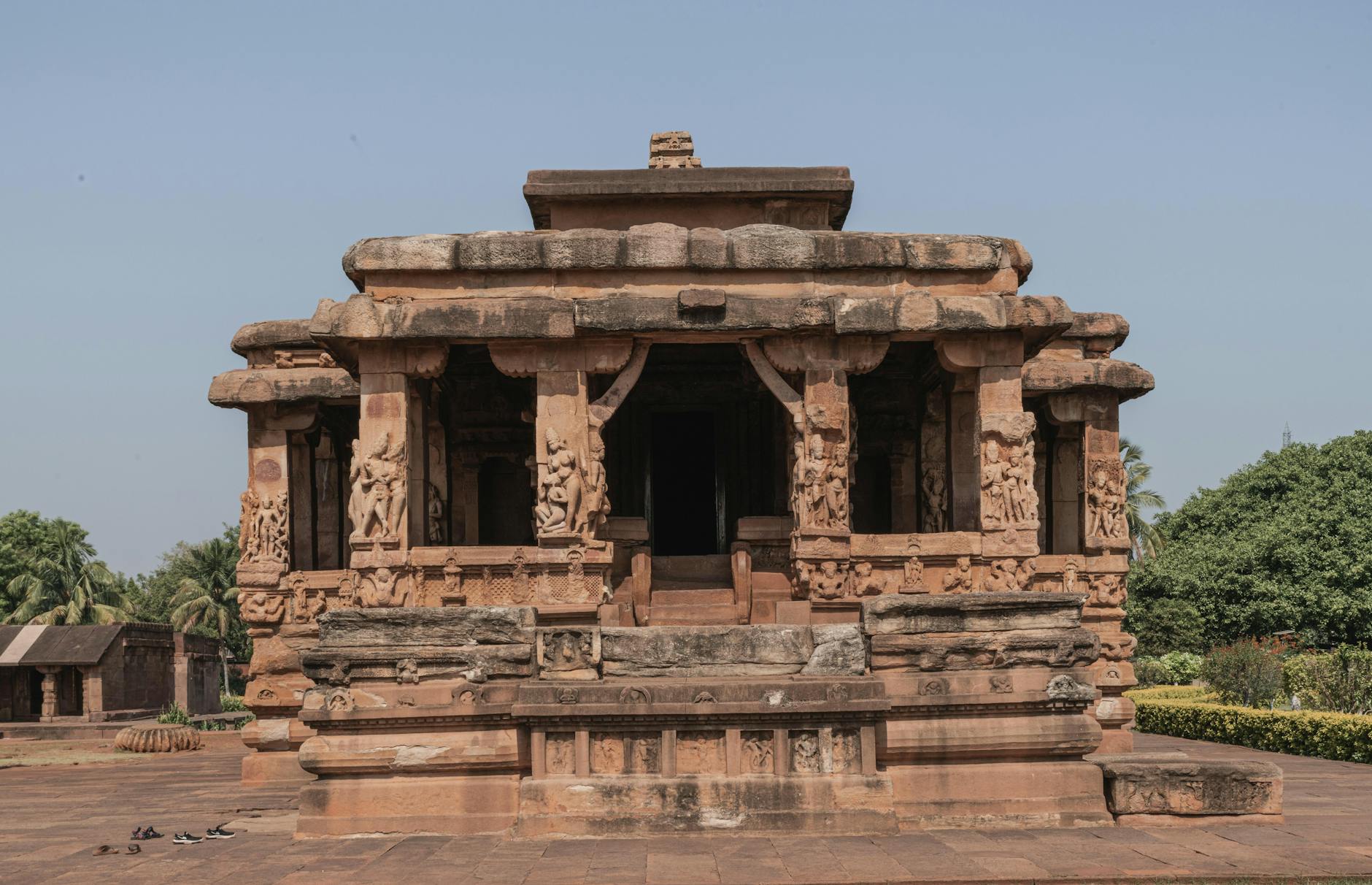
Why Visit These Three Holy Cities Together?
Why combine these three destinations instead of visiting just one? The answer lies in their complementary spiritual significance. Each city represents different aspects of Hindu philosophy and practice. Ayodhya embodies dharma and righteous living through Ram’s example. Varanasi confronts you with moksha—liberation from the cycle of rebirth. Prayagraj offers purification and renewal through sacred river confluence. Together, they provide a complete spiritual education.
Practically, their geographic proximity makes combined tours efficient. The cities form a triangle in eastern Uttar Pradesh, connected by good roads and rail networks. Ayodhya to Varanasi spans approximately 200 kilometers, Varanasi to Prayagraj about 120 kilometers, and Prayagraj back to Ayodhya roughly 160 kilometers. This manageable circuit fits comfortably into 5-7 day itineraries, allowing thorough exploration without exhausting travel times.
The cultural contrasts enrich the journey. Ayodhya’s reconstruction brings contemporary fervor to ancient sites. Varanasi overwhelms with timeless, unchanged spiritual intensity. Prayagraj balances religious significance with colonial-era architecture and modern urban life. Experiencing these variations deepens understanding of how diverse expressions of faith coexist within Hinduism. You’re not seeing three versions of the same thing but three distinct facets of a multidimensional spiritual tradition.
Ayodhya – The Birthplace of Lord Ram
Historical and Mythological Significance
Ayodhya occupies a unique position in Hindu consciousness as the birthplace of Lord Ram, the seventh avatar of Vishnu and protagonist of the epic Ramayana. According to tradition, this ancient city served as capital of the Kosala Kingdom, where King Dasharatha ruled and where Ram was born over 7,000 years ago according to traditional chronology. The city’s very name means “unconquerable,” reflecting its legendary status.
The Ramayana describes Ayodhya as a magnificent capital with grand palaces, gardens, and temples. While archaeological evidence dates continuous habitation back thousands of years, connecting physical ruins to specific Ramayana events remains controversial. Nevertheless, for millions of Hindus, Ayodhya’s spiritual significance transcends archaeological debates—faith establishes this as Ram’s birthplace regardless of material evidence complexities.
The modern city has undergone massive transformation, especially following the construction of the new Ram Mandir (temple) at the site believed to be Ram’s exact birthplace. This development has revitalized Ayodhya, attracting increased pilgrim traffic and infrastructure investment, transforming it from a relatively quiet town into a major pilgrimage destination once again.
Key Attractions in Ayodhya
Ram Janmabhoomi Temple
The centerpiece of any Ayodhya visit, the Ram Janmabhoomi Temple complex marks the site where devotees believe Lord Ram was born. The new temple, constructed in traditional North Indian architectural style with pink sandstone, represents one of contemporary India’s most significant religious construction projects. The temple’s intricate carvings depict scenes from the Ramayana, and the sanctum houses the idol marking Ram’s birthplace.
Visiting requires patience due to high devotee traffic, especially during festivals and weekends. Security is thorough but necessary. The atmosphere is intensely devotional—pilgrims often visibly emotional at reaching this long-desired destination. The complex includes well-maintained grounds, and the entire area has been landscaped extensively, creating an impressive pilgrimage precinct.
Hanuman Garhi
This fortress-like temple dedicated to Hanuman sits atop a hill requiring a climb of 76 steps—manageable for most visitors. According to belief, Hanuman resided here in a cave guarding Ram’s birthplace. The temple, rebuilt in the 10th century and renovated multiple times, features distinctive architecture with a four-sided fort structure surrounding the main shrine.
The temple enjoys immense popularity—often more crowded than other Ayodhya sites. Devotees offer prayers seeking Hanuman’s blessings for strength and protection. The elevated position provides views over Ayodhya, and the atmosphere buzzes with devotional energy. The temple complex includes smaller shrines and a large courtyard where religious discourses often occur.
Kanak Bhavan
This beautiful temple, associated with Ram and his consort Sita, is said to have been gifted to Sita by Ram’s stepmother Kaikeyi after their marriage. The current structure, built in 1891, features ornate architecture with crown-adorned idols of Ram and Sita in the main sanctum—hence the name “Kanak” (gold) Bhavan.
The temple’s artistic beauty makes it a favorite among visitors. The walls display paintings depicting Ramayana scenes, and the silver and gold work on doors and sanctum demonstrates exquisite craftsmanship. The peaceful atmosphere contrasts with some of Ayodhya’s more crowded sites, making it conducive to contemplation. The temple complex includes gardens and smaller shrines dedicated to other deities.
Cultural Experiences in Ayodhya
Beyond temples, Ayodhya offers cultural immersion opportunities. Evening aarti ceremonies at various temples and along the Saryu River create devotional atmospheres. The Saryu riverfront has been developed with ghats similar to Varanasi, where evening rituals attract crowds. Participating in these ceremonies—even as observers—provides insight into living faith traditions.
The city’s streets bustle with shops selling religious items, sweets (especially peda, a local specialty), and handicrafts. The bazaars near Ram Janmabhoomi overflow with everything from small idols to religious texts. Ayodhya’s food culture emphasizes vegetarian cuisine with distinctive local preparations worth sampling. Many tour packages include opportunities to meet scholars who discuss the Ramayana and its teachings, adding intellectual depth to spiritual experiences.
Varanasi – The Eternal City of Shiva
Spiritual Essence of Varanasi
If Ayodhya represents an idealized past, Varanasi embodies eternal present—a city where time seems suspended, where ancient practices continue unbroken, where spirituality isn’t historical memory but living reality. Dedicated to Lord Shiva, Varanasi (also called Kashi or Benares) is considered one of the world’s oldest continuously inhabited cities, with traditions stretching back over 3,000 years.
The city’s spiritual significance centers on its position along the Ganges and the belief that dying here grants moksha—liberation from the cycle of rebirth. This belief transforms Varanasi into a city that celebrates both life and death with equal intensity. The ghats witness birth rituals and cremations, wedding celebrations and funeral processions, joyous festivals and solemn prayers—all unfolding simultaneously along the sacred river.
Varanasi challenges visitors. The sensory overload—sights, sounds, smells both pleasant and disturbing—can overwhelm. The narrow lanes confuse, the crowds press close, and the confrontation with mortality at cremation ghats disturbs comfortable assumptions. Yet this intensity creates the city’s transformative power. Varanasi doesn’t let you remain a detached observer—it demands engagement, reaction, and ultimately, personal transformation.
Must-Visit Places in Varanasi
Kashi Vishwanath Temple
The spiritual epicenter of Varanasi, this temple dedicated to Shiva as “Lord of the Universe” ranks among Hinduism’s most sacred shrines. One of twelve Jyotirlingas (sacred Shiva representations), the temple has been destroyed and rebuilt multiple times through history. The current structure dates to 1780, rebuilt by Maharani Ahilyabai Holkar, with the distinctive golden spire donated later by Maharaja Ranjit Singh.
Access to the inner sanctum is restricted to Hindus, though the exterior and surrounding areas remain accessible to all. The temple complex stays crowded virtually always, with devoted pilgrims queuing for darshan (sacred viewing). The energy is palpable—intense devotion mixed with the bustling commerce of Vishwanath Gali (lane) leading to the temple. Security is tight given the temple’s religious importance and historical sensitivities.
Dashashwamedh Ghat and Ganga Aarti
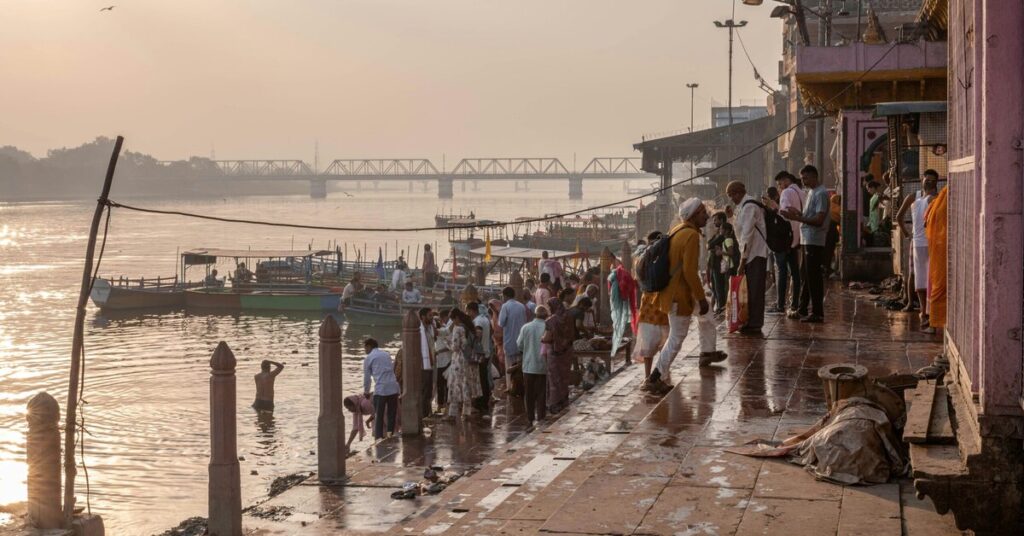
The most famous of Varanasi’s 88 ghats, Dashashwamedh serves as the stage for the mesmerizing Ganga Aarti ceremony each evening. This synchronized ritual, performed by young priests wielding massive brass lamps, creates an unforgettable spectacle of devotion. Thousands gather—on the ghat steps and in boats on the river—to witness this daily worship of Mother Ganges.
Beyond the aarti, this ghat pulses with activity throughout the day. Morning brings bathers taking holy dips, afternoon sees priests conducting personal pujas for pilgrims, and night brings a different energy as the illuminated ghat remains active. The ghat’s name references a legendary sacrifice by Lord Brahma, and the site’s spiritual power feels tangible. Any Varanasi tour includes significant time here—it’s the city’s beating heart.
Sarnath Buddhist Site
Just 12 kilometers from Varanasi, Sarnath represents a crucial contrast—Buddhist serenity adjacent to Hindu intensity. Here, Buddha delivered his first sermon after achieving enlightenment, establishing fundamental Buddhist teachings. The archaeological site includes the massive Dhamek Stupa marking this exact spot, monastery ruins, and an excellent museum housing priceless artifacts including the famous Lion Capital of Ashoka (India’s national emblem).
The peaceful atmosphere contrasts sharply with Varanasi’s chaos. Walking through ancient ruins, imagining the thriving monastic community that once studied here, provides contemplative space. The maintained gardens invite meditation and reflection. Sarnath adds another dimension to the tri-city tour, showing Buddhism’s emergence from and coexistence with Hindu tradition, and illustrating India’s religious plurality.
Cultural Immersion in Varanasi
Varanasi’s culture extends far beyond temples. The city has nurtured classical music for centuries—many legendary musicians trained here. Tour packages often include classical music or dance performances, offering access to India’s artistic heritage. The Banarasi silk weaving tradition produces the world-famous Banarasi sarees—visiting workshops reveals the meticulous craftsmanship behind these treasured textiles.
The food culture deserves exploration—from street food like tamatar chaat and kachori to traditional sweets like malaiyo and launglata. The famous Banarasi paan (betel leaf preparation) is an experience unto itself. Morning walks through flower markets, observing the city awaken, provide intimate glimpses of daily life. Boat rides at various times—dawn, daytime, evening, night—reveal the city’s changing moods and the river’s central role in everything.
Prayagraj – Where Sacred Rivers Meet
The Significance of Triveni Sangam
Prayagraj (formerly Allahabad) holds sacred status as the site of Triveni Sangam—the confluence of three rivers: the Ganges, Yamuna, and the mythical Saraswati. Hindu tradition considers river confluences especially holy, and this particular confluence ranks among the most sacred. Taking a holy bath here is believed to cleanse sins and grant spiritual merit.
The Sangam’s spiritual power draws millions during normal times and hundreds of millions during the Kumbh Mela, held every 12 years. The sight of three rivers merging—distinguishable by different colored waters—creates powerful symbolism. The confluence represents the meeting of different spiritual currents, the union of diverse elements creating something greater than individual parts, and the cyclical nature of existence represented by ever-flowing waters.
The city’s spiritual significance is complemented by historical importance. Prayagraj served as a crucial center during India’s independence movement, housed important political figures, and witnessed significant moments in modern Indian history. This combination of ancient religious significance and modern historical relevance makes Prayagraj multidimensional beyond purely pilgrimage purposes.
Major Attractions in Prayagraj
Triveni Sangam
The actual confluence point, accessible by boat, forms the pilgrimage centerpiece. Boats carry visitors to the exact meeting point where waters visibly mix—the Ganges appears lighter, the Yamuna darker, creating visible distinction at the junction. Pilgrims perform rituals, take holy dips, and offer prayers at this sacred spot. Priests in boats offer to conduct ceremonies, and the entire experience feels deeply traditional.
The riverbanks host numerous ghats and temples associated with the Sangam. The atmosphere varies dramatically between ordinary times and festival periods, but the spiritual significance remains constant. Watching the sunset from the Sangam, with both rivers reflecting changing colors, creates memorable experiences. The boat ride itself, navigating between the two rivers, offers unique perspectives on this ancient city.
Allahabad Fort
Built by Emperor Akbar in 1583, this massive fort sits along the Yamuna River near the Sangam. The fort represents Mughal military architecture at its finest, with impressive walls and strategic positioning. Though much of the interior remains under military control and inaccessible, portions open to visitors include the Patalpuri Temple (underground temple) and the famous Akshayavat—an immortal banyan tree mentioned in ancient texts and considered sacred.
The fort’s historical layers fascinate—Mughal construction on earlier foundations, British colonial usage, and continuing military function. The Ashoka Pillar within the fort, dating to 232 BCE, features inscriptions from multiple periods, demonstrating the site’s long historical significance. The fort provides historical counterpoint to the spiritual emphasis of other attractions, reminding visitors of Prayagraj’s multifaceted heritage.
Anand Bhavan
This ancestral home of the Nehru family, transformed into a museum, offers insight into India’s independence movement. Jawaharlal Nehru, India’s first Prime Minister, lived here, as did his father Motilal Nehru. The preserved rooms display personal belongings, photographs, and memorabilia documenting the family’s role in India’s struggle for freedom.
Visiting Anand Bhavan adds a modern historical dimension to the pilgrimage tour. The museum illustrates how spiritual heritage and political history interweave in India’s identity. The peaceful gardens and the adjacent Swaraj Bhawan (another Nehru family property also open to visitors) provide pleasant contrast to the intensity of religious sites, offering reflective space within the tour.
Kumbh Mela – The Greatest Spiritual Gathering
Every 12 years, Prayagraj hosts the Maha Kumbh Mela, the largest peaceful gathering of humans on Earth. During the 2019 Kumbh, over 150 million people visited across six weeks, with peak days seeing 50+ million pilgrims. The festival transforms the city—massive temporary settlements spring up, elaborate infrastructure supports the crowds, and the spiritual energy reaches indescribable intensity.
While most tri-city tour packages don’t coincide with Kumbh (given its infrequency), understanding its significance enriches Prayagraj visits. The sites you see during normal times become unimaginably crowded during Kumbh. The Sangam, accessible via short boat rides regularly, becomes surrounded by millions during the festival. Learning about this cyclical mega-event helps contextualize Prayagraj’s importance in Hindu pilgrimage circuits.
Ideal Duration for the Three-City Tour
The recommended duration for thoroughly experiencing all three cities is 6-7 days. This allows 1-2 days in Ayodhya covering major temples and perhaps a restful evening, 2-3 days in Varanasi (the most complex city requiring more time), and 1-2 days in Prayagraj. Shorter 4-5 day tours are possible but require efficient planning and acceptance that you’ll cover highlights rather than deep exploration.
Extended tours of 8-10 days allow more relaxed pacing, additional sites, deeper cultural experiences, and rest days preventing pilgrimage fatigue. These longer itineraries might include nearby destinations—Vindhyachal near Prayagraj, Chunar Fort near Varanasi, or other regional temples. They provide buffer time for spontaneous discoveries, unrushed temple visits, and adequate rest between intensive sightseeing days.
The duration also depends on your interests. Pure pilgrims focused on temple darshan and religious rituals can accomplish the circuit faster than those seeking cultural immersion, historical understanding, and artistic experiences. Customized packages adjust duration to match your priorities—spiritual emphasis, cultural exploration, historical focus, or balanced combinations.
Comprehensive Itinerary Breakdown
Day-by-Day Sample Itinerary
Day 1: Arrive Ayodhya, hotel check-in, afternoon visit to Hanuman Garhi and Kanak Bhavan temples, evening Saryu River aarti, overnight Ayodhya.
Day 2: Morning visit to Ram Janmabhoomi Temple complex, explore other Ayodhya temples (Nageshwarnath, Treta Ke Thakur), afternoon departure for Varanasi (approximately 4-5 hours drive), evening arrival and hotel check-in Varanasi, rest.
Day 3: Pre-dawn Ganges boat ride witnessing sunrise and morning rituals, breakfast return, morning walking tour through old city and temples, afternoon rest, evening Ganga Aarti at Dashashwamedh Ghat, overnight Varanasi.
Day 4: Morning excursion to Sarnath (Buddhist site), afternoon return to Varanasi for Kashi Vishwanath Temple area exploration and shopping, evening free or optional cultural performance, overnight Varanasi.
Day 5: Morning departure for Prayagraj (approximately 3 hours drive), arrival and lunch, afternoon boat ride to Triveni Sangam for holy bath and rituals, visit nearby temples, evening return to hotel, overnight Prayagraj.
Day 6: Morning visit to Allahabad Fort and Akshayavat, explore Anand Bhavan museum, afternoon free for shopping or relaxation, evening departure or overnight depending on onward connections.
This itinerary balances activity with rest, covers essential sites while allowing spontaneous exploration, and maintains manageable daily schedules avoiding exhaustion.
Flexible Itinerary Options
Quality tour packages build flexibility into schedules. Perhaps you’re captivated by Varanasi and want an extra day—the itinerary adjusts, perhaps shortening Ayodhya slightly. Maybe you’re less interested in colonial history museums and prefer additional temple time—customization accommodates these preferences.
Some travelers prefer different city sequencing. Starting in Prayagraj, moving to Varanasi, and ending in Ayodhya works equally well. The sequence might depend on entry/exit cities for flights or trains. Flexible packages accommodate these logistical realities rather than forcing one rigid sequence.
Seasonal adjustments also factor in. During extreme summer heat, itineraries might emphasize early morning and late afternoon activities with midday rest. Monsoon schedules build weather contingencies. Festival times may require additional days at specific locations due to crowds and special events worth witnessing.
What’s Included in Tour Packages?
Accommodation Arrangements
Tour packages typically offer tiered accommodation options matching various budgets. Budget packages provide clean, basic hotels (2-3 star) with essential amenities—comfortable beds, private bathrooms, and often breakfast. These emphasize functionality over luxury, directing resources toward experiences rather than accommodation frills.
Mid-range packages feature 3-4 star hotels with added comforts—air conditioning, WiFi, in-house restaurants, and better locations. These properties balance comfort and value, ensuring pleasant rest without excessive expense. Many occupy heritage buildings or culturally significant structures, adding authenticity to stays.
Luxury packages showcase premium properties—5-star hotels, heritage properties converted to upscale accommodations, or boutique hotels combining modern luxury with traditional aesthetics. These offer exceptional service, spa facilities, gourmet dining, and prime locations. They transform accommodation from mere necessity into significant experience components.
Transportation Between Cities
Quality packages provide comfortable, air-conditioned vehicles appropriate to group size—sedans for couples, SUVs for families, mini-coaches for larger groups. Private transportation offers flexibility—departing when you’re ready, stopping for roadside photo opportunities, and adjusting routes if interesting sites emerge.
Some budget packages utilize train travel between cities—an authentic Indian experience offering scenic views and cultural immersion, though requiring flexibility regarding timing and comfort levels. Premium packages might include first-class train travel or even helicopter transfers during Kumbh periods when ground transportation becomes challenging.
Within cities, packages typically include appropriate local transportation—walking and rickshaws in Varanasi’s old city where vehicles can’t access, comfortable cars for longer distances, and boats for Ganga and Sangam experiences. This variety ensures efficient navigation of each city’s unique geography and infrastructure.
Guided Tours and Entry Fees
Expert guides significantly enhance the tri-city experience—they explain mythology, point out architectural details, manage crowds efficiently, and answer questions deepening understanding. Quality packages employ knowledgeable guides, often different specialists in each city given their distinct characteristics and requirements.
Entry fees to temples, museums, archaeological sites, and special viewing areas are typically included, eliminating ticket-purchasing hassles and providing transparent pricing. Some packages include donations at temples performed on visitors’ behalf as part of traditional ritual participation.
Premium packages might arrange special access—early morning temple visits before general crowds, reserved seating areas for Ganga Aarti, or boat positions offering optimal Sangam views. These exclusive arrangements significantly enhance experiences, though they come at higher prices.
Meal Options
Basic packages usually include breakfast, allowing flexibility for lunch and dinner based on personal preferences and budgets. This approach works well since many travelers enjoy exploring local food scenes independently, trying street food and discovering restaurants suited to individual tastes.
Comprehensive packages include more meals—perhaps breakfast and dinner, or all meals. These ensure dietary preferences are met (vegetarian, Jain, dietary restrictions), convenient for those uncomfortable navigating food options in unfamiliar cities, and eliminate budget unpredictability.
Luxury packages often feature meals at quality restaurants showcasing regional cuisine, sometimes including special dinners with cultural performances or meals at heritage properties. These culinary experiences become journey highlights rather than mere sustenance, introducing regional flavors through carefully curated presentations.
Best Time to Visit the Spiritual Triangle
Seasonal Considerations
The optimal period spans October through March when pleasant weather facilitates temple visits and outdoor activities. October-November offers post-monsoon freshness with comfortable temperatures (20-30°C) and clear skies favoring photography. This period coincides with major festivals like Diwali and Dev Deepawali, creating spectacular atmospheres though increasing crowds and prices.
December-February brings cooler weather—pleasant during daytime (20-25°C) but quite cold in early mornings (5-10°C), requiring warm layers for sunrise boat rides and early temple visits. January can see fog affecting visibility, though it also creates atmospheric morning scenes. Winter represents peak tourist season, so advance booking becomes essential and popular sites stay crowded.
March-April sees warming temperatures before brutal summer heat arrives. This transitional period offers moderate crowds, reasonable weather (25-35°C), and better availability. April gets progressively hotter, making daytime activities less comfortable. May-June brings extreme heat (35-45°C) that challenges all but the most heat-tolerant pilgrims, though prices drop significantly and crowds thin dramatically.
Monsoon (July-September) presents challenges and opportunities. Heavy rains can disrupt travel plans, flood ghats, and make walking difficult. However, the landscape becomes lush, rivers swell dramatically (transforming their appearance), and tourist numbers drop significantly. For those with weather flexibility and rain tolerance, monsoon offers unique perspectives and cultural authenticity as most visitors are genuine pilgrims rather than tourists.
Festival Times
Coordinating visits with major festivals creates extraordinary experiences but requires significant advance planning. Ram Navami (March-April) in Ayodhya celebrates Ram’s birthday with massive celebrations, special decorations, and elaborate rituals—the city becomes extraordinarily vibrant but also extremely crowded.
Mahashivratri (February-March) transforms Varanasi into a devotional epicenter with special celebrations, night-long temple activities, and intense spiritual energy. Dev Deepawali (November), fifteen days after Diwali, sees all Varanasi ghats illuminated with thousands of oil lamps—a breathtaking spectacle that justifies the premium prices and advance booking requirements.
Kumbh Mela in Prayagraj (every 12 years, with Ardh Kumbh every 6 years) represents the ultimate pilgrimage experience but requires specialized planning. The scale becomes unimaginable—entire temporary cities constructed, special trains deployed, and infrastructure challenged by millions of pilgrims. Regular tri-city tours don’t typically operate during full Kumbh due to logistical complexities, though specialized Kumbh-focused packages exist.
Travel Routes and Connectivity
How to Reach the Starting Point
The tri-city circuit is accessible from major Indian cities. Ayodhya has an airport (Maharishi Valmiki International Airport) with flights from Delhi, Mumbai, and other major cities, though service remains limited. Alternatively, Ayodhya is about 130 kilometers from Lucknow (the state capital), which has extensive flight connectivity—many packages include Lucknow airport pickup with drives to Ayodhya.
Varanasi’s Lal Bahadur Shastri International Airport receives flights from Delhi, Mumbai, Bangalore, and other cities, making it a common circuit starting point. The airport sits about 25 kilometers from the city center. Varanasi also has excellent rail connectivity with trains from across India.
Prayagraj has an airport (Bamrauli) with more limited connectivity, though it’s expanding. The city’s railway junctions (Prayagraj Junction and Prayagraj Chheoki) connect to major cities across India. Many travelers begin or end their circuit in either Varanasi or Ayodhya rather than Prayagraj, which functions well as the middle destination.
Distances Between Cities
Understanding distances helps set realistic expectations. Ayodhya to Varanasi spans approximately 200 kilometers (4-5 hours by road depending on traffic). Varanasi to Prayagraj covers about 120 kilometers (3-4 hours by road). Prayagraj back to Ayodhya measures roughly 160 kilometers (3-4 hours). The triangle’s total perimeter is around 480 kilometers—manageable within a week even accounting for sightseeing time.
These distances work well for road travel, allowing morning departures after breakfast with arrival at the next destination by lunchtime or early afternoon. The drives pass through rural Uttar Pradesh, offering glimpses of village life, agricultural landscapes, and small towns. Some travelers enjoy these drives as cultural experiences themselves, observing daily life beyond tourist destinations.
Transportation Options
Road travel via private vehicles provides maximum flexibility and comfort for the tri-city circuit. Air-conditioned cars or SUVs appropriate to group size ensure comfortable journeys with stops as desired. Drivers familiar with routes navigate efficiently while passengers relax or enjoy scenery.
Train travel between cities offers authentic experiences and often costs significantly less. The routes are well-served with multiple daily trains. However, trains require adhering to fixed schedules, dealing with crowded stations, and accepting variable comfort levels depending on class booked. Premium tour packages sometimes use first-class AC train travel, combining authenticity with comfort.
Some luxury packages incorporate helicopter transfers during portions of the journey, dramatically reducing travel time while providing aerial perspectives of the sacred landscape. This option, while expensive, maximizes sightseeing time for those with limited vacation days.
Spiritual Experiences Across Three Cities
Temple Rituals and Ceremonies
Each city offers distinct ritual experiences. In Ayodhya, participating in or witnessing the elaborate puja ceremonies at Ram Janmabhoomi creates powerful connections to the Ram bhakti (devotional) tradition. The priests’ chanting, the offerings of flowers and sweets, and the crowds’ devotional fervor create immersive experiences.
Varanasi’s temples conduct multiple daily aartis. Beyond the famous Ganga Aarti, individual temples perform their own rituals—morning awakening ceremonies, midday offerings, evening prayers. Witnessing or participating in these smaller-scale rituals provides intimate spiritual encounters less crowded than major ghats.
At Prayagraj’s Sangam, priests perform traditional river rituals—holy baths accompanied by mantras, offerings of flowers to the waters, and ceremonies intended to honor ancestors. These ancient practices, unchanged for centuries, connect participants to traditions flowing unbroken through generations.
Holy River Baths
Taking holy dips in sacred waters forms central pilgrimage practices. Each location offers different bathing experiences. In Ayodhya, the Saryu River hosts bathing ghats where pilgrims immerse themselves, believing it cleanses spiritual impurities. The Saryu, though smaller than the Ganges, holds deep significance as Ram’s associated river.
Varanasi’s Ganges bathing carries profound meaning—Hindus believe the river’s waters purify at multiple levels, washing away not just sins but karmic accumulations from multiple lifetimes. Early morning bathers performing rituals create moving scenes of faith in action. Many tour packages allow participants to take holy dips if desired, with guides explaining proper procedures.
The Triveni Sangam bath at Prayagraj represents the ultimate holy immersion—bathing where three sacred rivers meet amplifies spiritual benefits exponentially according to belief. Pilgrims wade into the waters at the confluence point, fully immersing themselves while chanting prayers. The experience connects you tangibly to centuries of pilgrimage tradition.
Evening Aartis
Evening aarti ceremonies create highlights across the circuit. Ayodhya’s Saryu River aarti, modeled after Varanasi’s but on smaller scale, features synchronized lamp offerings as the sun sets. The recently developed riverfront provides designated areas for these ceremonies, drawing crowds but remaining manageable compared to Varanasi.
Varanasi’s Dashashwamedh Ghat aarti represents the circuit’s most elaborate ceremony—massive brass lamps, multiple priests performing synchronized movements, devotional songs amplified across the river, and thousands participating in collective worship. The sensory impact—flames, bells, chanting, incense smoke, crowd energy—creates unforgettable experiences. Viewing options range from ghat steps to private boat viewings depending on package level.
Prayagraj’s evening ceremonies at the Sangam and various ghats offer more intimate scales. Without Varanasi’s famous choreographed spectacle, these aartis feel more spontaneous and locally attended. This authenticity appeals to many—you’re witnessing practices for residents rather than performances for tourists.
Cultural and Historical Highlights
Beyond religious sites, the circuit offers cultural and historical depth. Varanasi’s silk weaving tradition produces the world-famous Banarasi sarees—visiting workshops reveals the extraordinary craftsmanship. The city has nurtured classical music for centuries; attending performances connects you to this living heritage.
Prayagraj’s colonial architecture tells stories of British India—wide boulevards, administrative buildings, and civil lines areas contrast dramatically with ancient religious sites. The Nehru family homes document India’s independence movement, providing historical context for modern India’s emergence.
Ayodhya’s reconstruction reveals contemporary Hindu revival—the new Ram Mandir represents modern devotional architecture incorporating traditional elements. The city’s transformation from relatively quiet town to major pilgrimage destination demonstrates how religious significance continues shaping urban development.
The countryside between cities offers its own cultural insights—agricultural villages maintaining traditional lifestyles, roadside temples serving local communities, and small towns where life proceeds at pre-industrial rhythms. These glimpses of rural India provide counterpoint to the intensity of pilgrimage cities.
Culinary Journey Through the Three Cities
Each city boasts distinctive culinary traditions worth exploring. Ayodhya’s vegetarian cuisine emphasizes traditional North Indian preparations—dal, sabzi, rotis, and particularly renowned sweets like peda and various milk-based confections. The city’s religious character ensures entirely vegetarian food culture, with many Jain-friendly options avoiding onion and garlic.
Varanasi offers legendary food experiences. Street food like tamatar chaat, kachori-sabzi, and chaat varieties create flavor explosions. Traditional sweets—malaiyo (winter-only milk foam), launglata, and various rabri preparations—showcase milk expertise. The famous Banarasi paan provides after-meal digestive experiences. Numerous restaurants range from simple local eateries to upscale establishments, all emphasizing vegetarian cuisine given the city’s sacred character.
Prayagraj’s cuisine blends Awadhi influences with traditional Hindu vegetarian food. The city is known for specific sweets and snacks. The colonial legacy left interesting fusion elements—certain bakeries and cafes reflect British influences. The city also offers more meat options than Ayodhya or Varanasi, given its less exclusively religious character, though vegetarian options remain abundant.
Tour packages vary in food inclusion, but all should allow opportunities to sample local specialties. Food-focused travelers should seek packages providing culinary experiences—market visits, cooking demonstrations, or meals at establishments known for traditional preparations.
Shopping and Local Crafts
Each city offers unique shopping opportunities. Ayodhya’s markets overflow with religious items—idols, prayer materials, religious texts, and traditional clothing for temple visits. The Ram-themed handicrafts make meaningful souvenirs for those spiritually inclined. The city’s recent development has brought improved shopping infrastructure with modern stores alongside traditional bazaars.
Varanasi represents a shopper’s paradise—Banarasi silk sarees and textiles, brass ware, traditional musical instruments, handicrafts, jewelry, and religious items. The old city lanes hide workshops where you can watch craftsmen at work before purchasing directly. Government emporiums provide fixed-price authentic items, while traditional bazaars reward negotiation skills. Quality Banarasi sarees with genuine zari (gold/silver thread) work represent significant investments but also heirloom pieces lasting generations.
Prayagraj’s shopping scene is more modest but includes interesting finds—traditional sweets for gifts, books and historical materials from stores near Anand Bhavan, and general North Indian handicrafts. The city’s markets serve locals primarily rather than tourists, offering authentic shopping experiences without aggressive vendor tactics common in more tourist-heavy locations.
Tour packages should allocate adequate shopping time, especially in Varanasi where textile shopping alone could consume hours. Quality guides help navigate markets, identify authentic goods, and negotiate fair prices.
Types of Tour Packages Available
Budget Packages
Budget packages (₹8,000-15,000 per person) emphasize efficient coverage of major sites with economical accommodations, shared transportation where possible, and basic meal inclusions (usually breakfast only). These work well for younger travelers, budget-conscious families, or those prioritizing temple visits over luxury comforts.
Budget options require some compromise—smaller hotels perhaps farther from main attractions, larger group sizes reducing personalization, and limited flexibility in itineraries. However, you visit the same temples, take the same holy dips, and witness the same aartis as luxury travelers—the spiritual core remains identical regardless of accommodation standards.
Standard Packages
Mid-range packages (₹15,000-30,000 per person) offer comfortable 3-4 star hotels, air-conditioned private transportation, knowledgeable guides, and more comprehensive meal plans. These provide excellent value—significant comfort improvements over budget options without luxury pricing.
Standard packages typically feature smaller group sizes or private arrangements, allowing better pacing and personalization. The accommodations are reliably comfortable, the transportation timely and spacious, and the guides experienced with good language skills. This category suits most travelers seeking quality experiences without extravagance.
Luxury Packages
Premium packages (₹30,000-70,000+ per person) deliver exceptional experiences throughout—heritage hotels, private expert guides, exclusive access arrangements, gourmet dining, and complete flexibility. These transform pilgrimage from potentially challenging journeys into seamless, comfortable explorations.
Luxury packages might include features like: private boat with breakfast served during sunrise rides, after-hours temple access avoiding crowds, classical music performances arranged exclusively for your group, helicopter transfers, spa services, and personal concierges handling every detail. They cater to travelers for whom comfort and exclusivity are priorities, or those celebrating special occasions making premium experiences justified.
Customized Spiritual Tours
Specialized packages cater to specific spiritual interests. Yoga and meditation-focused tours incorporate practices at each location—perhaps morning yoga at Varanasi’s ghats, meditation sessions at Sarnath, and pranayama (breathing exercises) at Ayodhya’s Saryu banks. These packages employ qualified yoga instructors alongside standard guides.
Scholarly spiritual tours emphasize philosophical teachings, include meetings with religious scholars, provide texts and study materials, and allocate discussion time exploring Hindu philosophy’s intellectual dimensions. These suit travelers seeking deep understanding beyond surface-level tourism.
Some packages target specific religious communities—Jain-friendly itineraries emphasizing relevant sites and strictly vegetarian food, or tours for international Hindu communities reconnecting with religious roots through guided pilgrimage experiences.
Travel Tips for the Tri-City Pilgrimage
Dress modestly throughout the circuit—covered shoulders and knees for both men and women. Carry lightweight pants and long skirts rather than shorts, and bring shawls or scarves for additional temple coverage if needed. Comfortable walking shoes are essential given extensive walking at temples and ghats.
Pack appropriately for temple visits—you’ll remove shoes frequently, so easily-removable footwear helps. Carry socks if walking barefoot on sun-heated stone concerns you. Bring small bags for shoes since you can’t enter temples wearing them. Many temples provide shoe storage, but having your own bag prevents confusion.
Hydration and sun protection matter significantly—carry water bottles (many hotels provide filtered water), wear hats or use umbrellas during intense sun, and apply sunscreen regularly. The combination of heat, crowds, and extensive outdoor time can cause dehydration and sunstroke without precautions.
Respect local customs and religious sentiments. Photography restrictions vary by location—always ask before photographing inside temples, never photograph cremation activities at Varanasi’s burning ghats, and be sensitive photographing devotees in prayer. Remove shoes before entering temples and stepping on prayer mats. Avoid public displays of affection, which are culturally inappropriate.
Prepare for sensory intensity, especially in Varanasi. The sights, sounds, and smells can overwhelm—burning bodies at cremation ghats, intense crowds, aggressive vendors, and the general sensory assault. Mental preparation helps—understanding this is part of authentic experience rather than tourist disruption. Take breaks when overwhelmed rather than pushing through discomfort.
Accommodation Options Across the Route
Each city offers accommodation tiers suiting various budgets. In Ayodhya, recent development has brought improved hotel infrastructure—from budget lodges near the temple complex to comfortable mid-range properties and even some emerging upscale options. Location matters less here than in Varanasi since the city remains compact and navigable.
Varanasi presents the most complex accommodation decisions. Staying in the old city near ghats provides authentic immersion—you’re steps from sunrise boat rides and evening aartis. However, these areas can be noisy, lanes are too narrow for vehicles (requiring walking with luggage), and hotels are often older properties with variable standards. Areas like Assi Ghat offer compromise—relatively nearby but quieter and more accessible.
Alternatively, staying in the cantonment area provides modern hotels with reliable standards, easier vehicle access, and peaceful environments. The trade-off is 20-30 minute commutes to major sites. Many travelers split stays—one or two nights in the old city for immersion, followed by more comfortable cantonment properties for rest.
Prayagraj offers straightforward accommodation—primarily concentrated in the Civil Lines area with reasonable hotels across budget ranges. Location is less critical since main attractions are accessible via short drives. During Kumbh Mela, accommodation becomes extraordinarily challenging, but during normal times, availability rarely poses problems.
Quality tour operators pre-select accommodations based on package level, location advantages, reliability, and value—eliminating research burden while ensuring satisfactory stays.
Why Choose a Package Tour Over Independent Travel?
The tri-city circuit is absolutely manageable independently—public transportation exists, hotels are bookable online, and English-speaking help is generally available. However, packaged tours offer significant advantages, especially for first-time visitors to India or those with limited time.
Logistics management represents the primary benefit. Package operators handle transportation booking, navigate routes efficiently, manage accommodations, and troubleshoot problems. This eliminates stress and saves time—no haggling with taxi drivers, no confusion about where to stay, no worry about missing trains. You focus on experiencing rather than organizing.
Expert guides dramatically enhance understanding. The mythology, history, and religious significance underlying sites isn’t always obvious. Guides provide context transforming stone and water into meaningful spiritual geography. They explain rituals, answer questions about Hinduism, and share stories bringing locations alive in ways independent guidebooks can’t match.
Packages optimize limited vacation time. Operators know precisely how long each site requires, optimal sequencing, and how to avoid worst crowds. Independent travelers often waste hours figuring out logistics that experienced operators solve instantly. The efficiency means you see more with less stress.
Safety and comfort increase with reputable operators. They select trustworthy drivers, reliable hotels, and safe restaurants. They know which areas to avoid and when. For travelers unfamiliar with India, this guidance prevents uncomfortable or potentially problematic situations.
Cost predictability also matters. Package pricing covers most expenses upfront—no surprise costs, no confusion about fair prices, no stress about budget overruns. While independent travel can sometimes cost less, the savings often come with added stress and time investment that many travelers prefer avoiding.
Conclusion
The sacred triangle of Ayodhya, Varanasi, and Prayagraj offers one of India’s most profound spiritual journeys. These three cities, each representing distinct dimensions of Hindu devotion and philosophy, combine into a pilgrimage circuit that transforms visitors. You’re not merely seeing religious sites but engaging with living traditions that have shaped civilizations for millennia.
From Ayodhya’s devotional celebration of Ram’s ideal life to Varanasi’s raw confrontation with mortality and transcendence to Prayagraj’s purifying river confluence, the circuit creates a complete spiritual narrative. The journey challenges, enlightens, overwhelms, and ultimately enriches—leaving you with experiences and insights that resonate long after you’ve returned home.
Quality tour packages make this transformative journey accessible, comfortable, and meaningful. They handle complexities allowing you to focus on spiritual and cultural absorption. Whether you’re a devout pilgrim fulfilling religious obligations, a cultural explorer seeking authentic experiences, or a curious traveler wanting to understand India’s spiritual dimensions, the tri-city circuit delivers profoundly.
The time to embark on this sacred journey is now. The cities welcome pilgrims and travelers with open arms, the infrastructure supports comfortable visits, and the spiritual power of these ancient places continues undiminished. When will you answer the call to explore India’s spiritual heartland?
FAQs
1. Is this tri-city pilgrimage tour suitable for non-Hindus and international tourists?
Absolutely! While the sites hold deep religious significance for Hindus, they welcome visitors of all faiths and backgrounds. Non-Hindus can observe ceremonies, learn about Hindu philosophy and practices, appreciate the historical and cultural dimensions, and experience the spiritual atmosphere even without sharing the religious beliefs. Some temple inner sanctums restrict entry to Hindus only (notably Kashi Vishwanath), but most areas remain accessible to all. The key is approaching with respect, cultural sensitivity, and genuine curiosity. Many international tourists find the tri-city circuit among their most meaningful India experiences, offering windows into religious practices and spiritual worldviews different from their own. Quality tour operators ensure guides explain concepts accessibly to those unfamiliar with Hindu tradition.
2. How physically demanding is this tri-city pilgrimage tour?
The physical demands are moderate but do require reasonable mobility. You’ll walk extensively—through temple complexes, up and down ghat steps, through crowded lanes, and at various sites. Some temples involve climbing steps (like Hanuman Garhi’s 76 steps). However, the pacing is generally leisurely with rest breaks, and most sites are accessible without extreme exertion. Challenges include heat (depending on season), crowds that can be tiring even without physical exertion, and early morning starts for sunrise experiences. Those with mobility limitations should discuss specific needs with operators who can customize itineraries—perhaps using wheelchairs where possible, selecting more accessible viewing spots, or adjusting activity levels. The oldest visitors and young children successfully complete these tours with appropriate planning and realistic pacing.
3. What should I do about drinking water and food safety during the tour?
Stick to bottled or filtered water throughout the journey—never drink tap water, and be cautious even with ice in drinks. Most hotels provide complimentary bottled water, and it’s widely available for purchase. Regarding food, eating at reputable restaurants recommended by your tour operator minimizes risks. Street food, while tempting and part of authentic experience, carries higher risks for those with sensitive stomachs unfamiliar with Indian preparations. If trying street food, choose vendors with high turnover (food prepared fresh rather than sitting), avoid raw items, and prefer cooked-to-order preparations. Tour packages often include meals at vetted establishments significantly reducing health risks. Carry basic medications for stomach issues just in case, though most travelers complete the circuit without health problems when following sensible precautions.
4. Can I customize my package to spend more time in one city versus others?
Yes, most reputable tour operators offer customization flexibility. If you’re particularly drawn to Varanasi’s spiritual intensity and want an extra day there while reducing Ayodhya time, operators can adjust accordingly. Perhaps you’re deeply interested in Buddhist history and want extended Sarnath exploration, or maybe you’re fascinated by independence movement history and prefer more time at Prayagraj’s Nehru properties. Communicate your specific interests and priorities during booking discussions. Customization might affect pricing—extending stays increases accommodation costs, but reducing time at one destination might offset this. The key is working with operators who genuinely customize rather than offering rigid fixed itineraries with minor tweaks. Discuss your interests, physical limitations, spiritual goals, and preferences to create itineraries matching your unique needs.
5. What’s the best starting point for this circuit—Ayodhya, Varanasi, or Prayagraj?
The ideal starting point depends on your travel connections and preferences. Varanasi works well as a starting point given its superior air connectivity with flights from major cities. Beginning here allows immediate immersion into India’s spiritual intensity, with subsequent destinations feeling like variations rather than shocks. Ayodhya as a starting point offers a gentler introduction—the city is smaller, less overwhelming, and provides gradual acclimatization before Varanasi’s intensity. This sequence (Ayodhya → Varanasi → Prayagraj) also follows a logical geographic flow. Starting from Prayagraj is less common but works if your flight connections favor it. Honestly, the spiritual and cultural value remains identical regardless of sequence—you’re visiting the same sites and having the same experiences, just in different orders. Discuss your entry/exit cities with tour operators who’ll suggest optimal routing considering logistics, your preferences, and seasonal factors.