
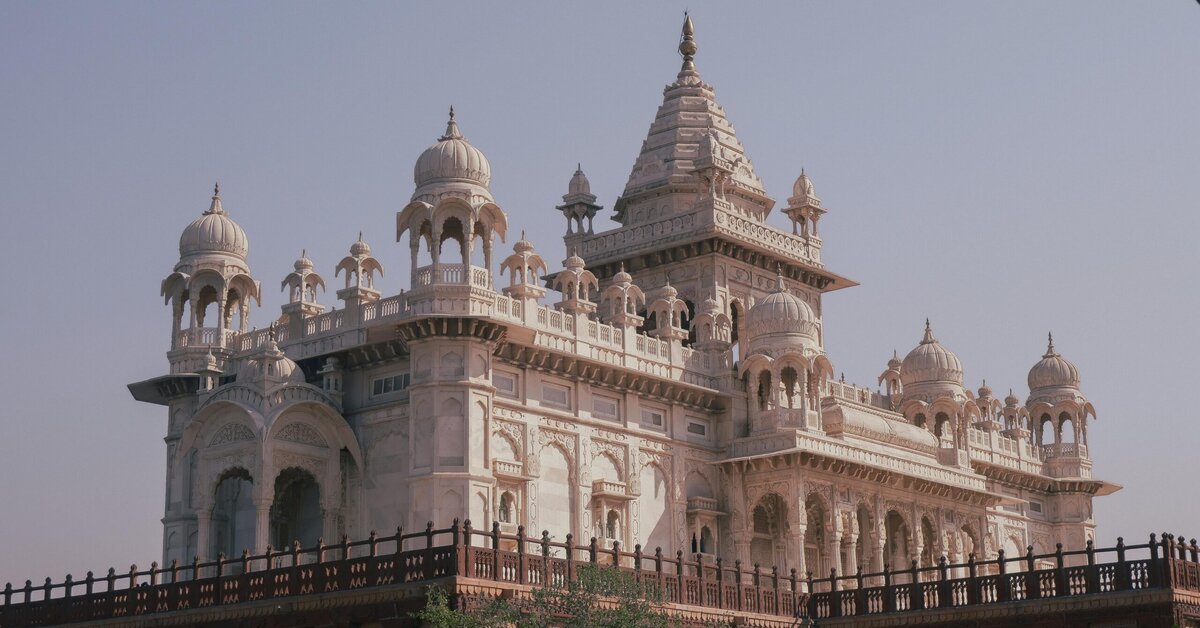
Explore the Pink City Jaipur Tour Package , Have you ever wondered why an entire city would paint itself pink? The story behind Jaipur’s famous nickname is as charming as the city itself. In 1876, when Prince Albert (later King Edward VII) planned to visit India with Queen Victoria, Maharaja Ram Singh ordered the entire city to be painted in terracotta pink—a color symbolizing hospitality in Rajput culture.
The tradition stuck, and even today, maintaining the pink facade is a legal requirement in the old city. Walking through Jaipur’s streets feels like stepping into a living watercolor painting where every building, from grand palaces to modest shops, shares this distinctive rosy hue that glows magnificently under the Rajasthan sun.
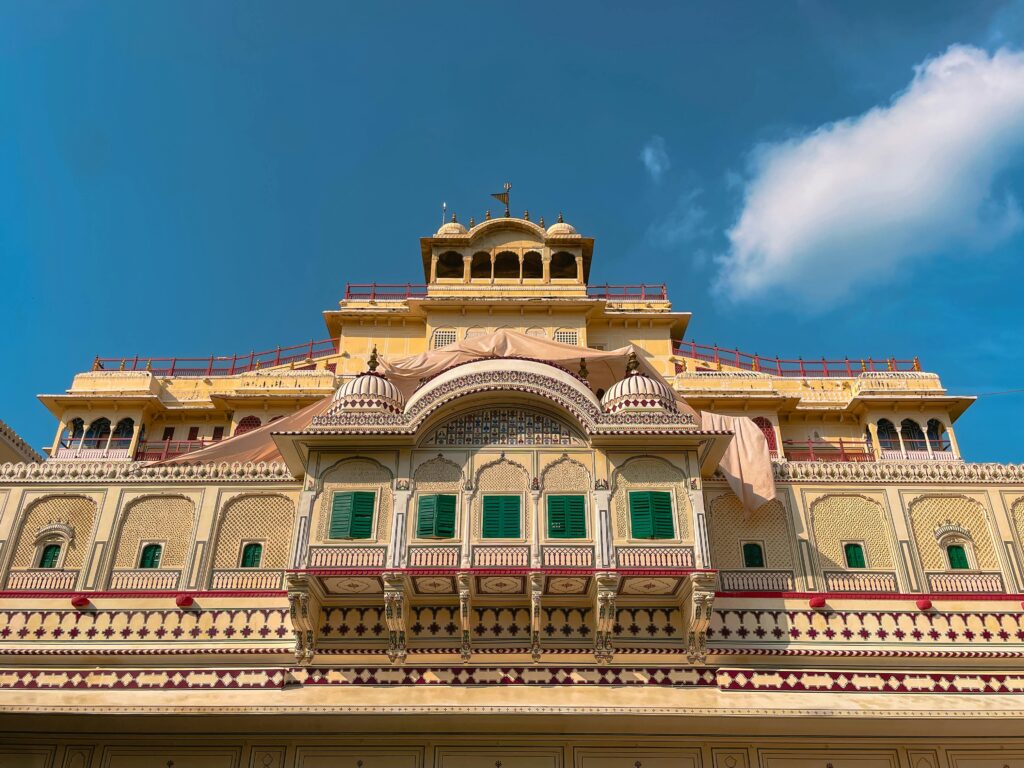
A Glimpse into Rajasthan’s Royal Heritage
Jaipur isn’t just about pretty pink buildings—it’s a city where history breathes through every stone. Founded in 1727 by Maharaja Sawai Jai Singh II, Jaipur was one of India’s first planned cities, designed according to principles of Vastu Shastra and featuring wide, organized streets that were revolutionary for their time.
As the capital of Rajasthan, Jaipur represents the heart of Rajput culture and valor. The city’s magnificent forts, opulent palaces, and vibrant bazaars tell tales of warrior kings, royal romance, and artistic excellence that flourished under centuries of Rajput rule. Today, Jaipur forms part of the famous Golden Triangle tourist circuit along with Delhi and Agra, attracting millions of visitors annually.
Why Choose a Jaipur Tour Package?
Hassle-Free Travel Planning
Planning a trip to Jaipur can be overwhelming. Which forts should you visit first? How do you navigate between distant attractions? Where can you find authentic experiences rather than tourist traps? A well-designed tour package answers all these questions, eliminating the stress of planning.
Tour packages handle everything—from airport pickups to hotel bookings, from monument entries to meal arrangements. You simply show up and immerse yourself in the experience while someone else manages the logistics.
Cost-Effective Exploration
Here’s a secret: tour packages often cost less than self-planned trips. Tour operators have established relationships with hotels, restaurants, and transport providers, allowing them to negotiate rates that individual travelers can’t access. When you factor in the time saved and the convenience provided, packages offer exceptional value for money.
Plus, packages often include hidden gems and experiences that you might miss when traveling independently, giving you more bang for your buck.
Expert Guidance and Local Insights
The difference between seeing Jaipur and understanding Jaipur lies in having an expert guide. Professional guides bring monuments to life with stories, historical context, and fascinating details that you’d never discover from guidebooks alone.
They know the best times to visit attractions to avoid crowds, which local restaurants serve authentic cuisine, and where to find quality handicrafts at fair prices. This local knowledge transforms a good trip into an unforgettable journey.
Top Attractions in Jaipur
Amber Fort: The Majestic Hilltop Palace
Perched on a hill overlooking Maota Lake, Amber Fort is Jaipur’s crown jewel. This massive fort-palace complex, built in the 16th century, showcases a stunning blend of Rajput and Mughal architecture. As you approach, the fort’s imposing walls and bastions create an impression of impenetrable strength, yet inside lies a world of refined beauty.
The ascent to the fort—whether by foot, jeep, or the traditional elephant ride—builds anticipation. Once inside, you’ll discover courtyards, gardens, halls, and temples that reveal the sophisticated lifestyle of Rajput royalty.
Sheesh Mahal (Palace of Mirrors)
The Sheesh Mahal inside Amber Fort is absolutely magical. Imagine walls and ceilings entirely covered with tiny mirrors and colored glass, arranged in intricate patterns. Legend says that even a single candle’s flame could illuminate the entire hall through reflections—a romantic setting for royal romance. The craftsmanship is so detailed that you could spend hours just admiring the mirror work.
Elephant Rides and Light & Sound Show
The elephant rides up to Amber Fort are iconic, though increasingly controversial due to animal welfare concerns. Many tour packages now offer jeep rides as an alternative. In the evening, the Light and Sound Show at Amber Fort narrates Jaipur’s history against the dramatic backdrop of the illuminated fort—a spectacular experience that brings the past to life.
City Palace: Royal Residence and Museum
Located in the heart of Jaipur’s old city, the City Palace is a remarkable complex where royal heritage meets living tradition—parts of the palace still serve as the residence of Jaipur’s royal family. The architecture beautifully merges Rajasthani and Mughal styles, creating spaces that are both grand and graceful.
The palace museum houses an extraordinary collection of royal artifacts, including elaborate costumes, ancient manuscripts, weaponry, and the famous silver urns—said to be the world’s largest—which carried sacred Ganges water for a Maharaja’s trip to England. Each artifact tells a story of opulence, power, and cultural refinement.
Hawa Mahal: The Palace of Winds
The Hawa Mahal’s facade has become Jaipur’s most recognizable landmark. This five-story structure features 953 small windows (jharokhas) decorated with intricate latticework. Built in 1799, it allowed royal women to observe street festivals and daily life while remaining unseen—a practical solution that respected purdah traditions while allowing women to connect with the world outside palace walls.
The best view of Hawa Mahal is actually from the street opposite, especially during sunrise when the pink facade glows warmly. Inside, the palace is surprisingly narrow, and climbing to the upper floors offers excellent views over the city.
Jantar Mantar: The Astronomical Marvel
Don’t let the name fool you—Jantar Mantar isn’t some magical incantation but a collection of nineteen astronomical instruments built by Maharaja Jai Singh II. This UNESCO World Heritage site represents the pinnacle of pre-telescope astronomical observation.
The massive Samrat Yantra (Supreme Instrument) is a giant sundial that can tell time accurate to two seconds. Other instruments track celestial bodies, predict eclipses, and chart stars. It’s fascinating to witness 18th-century scientific achievement that rivals modern technology in accuracy. Can you imagine calculating planetary positions without computers? The astronomers here did exactly that.
Jal Mahal: The Water Palace
Picture a palace floating in the middle of a lake, with only its top floor visible above water. That’s Jal Mahal—one of Jaipur’s most photographed yet least visited monuments. Built in the 18th century, this five-story palace sits in Man Sagar Lake, creating a surreal, dreamlike vision.
While you cannot enter the palace itself, the view from the lakeside is breathtaking, especially during sunset. Many tour packages include a stop here for photography, and the surrounding area has been developed into a pleasant promenade with cafes and shops.
Nahargarh Fort: Sunset Views and History
Nahargarh Fort, whose name means “Abode of Tigers,” offers panoramic views of Jaipur that are absolutely stunning at sunset. Built in 1734 as part of the city’s defense system, this fort sits on the Aravalli Hills overlooking the entire Pink City spread below.
The fort’s extended walls connect to Jaigarh Fort, creating a formidable defense network. Inside, you’ll find beautifully decorated suites that once housed the king’s nine queens, each with identical rooms to ensure no favoritism. The fort has also appeared in several Bollywood films, adding to its appeal.
Cultural Experiences in Jaipur
Rajasthani Folk Dance and Music
Jaipur offers numerous opportunities to experience Rajasthan’s vibrant performing arts. The Ghoomar dance, performed by women in flowing ghagras (long skirts), is mesmerizing. The Kalbelia dance, performed by the snake-charmer community, is energetic and sensual, now recognized by UNESCO as Intangible Cultural Heritage.
Many restaurants and cultural centers organize evening cultural programs featuring traditional music played on instruments like the ravanhatha (a stringed instrument) and dholak (drums), accompanied by traditional dances. These performances aren’t just entertainment—they’re windows into Rajasthan’s soul.
Traditional Puppet Shows
Rajasthani puppetry (Kathputli) is an ancient art form where colorful string puppets enact folk tales and historical legends. These shows, often performed at heritage hotels and cultural centers, are delightfully engaging. The puppeteers manipulate the strings with incredible skill while narrating stories and providing character voices—all simultaneously!
Watching a puppet show connects you to a tradition that has entertained Rajasthani villages for centuries, passing down stories and moral lessons through generations.
Block Printing and Textile Workshops
Jaipur is famous for its textile crafts, particularly block printing and tie-dye. Several tour packages include visits to workshops where you can watch artisans create intricate patterns using hand-carved wooden blocks and natural dyes.
Many places offer hands-on experiences where you can try block printing yourself, creating your own souvenir scarf or fabric. Understanding the skill and labor involved in these crafts gives you a new appreciation for Rajasthan’s textiles.
Shopping Paradise: Jaipur’s Famous Markets
Johari Bazaar for Jewelry
Johari Bazaar is Jaipur’s premier jewelry market, where shops have been selling precious gems for centuries. Jaipur is famous for gemstone cutting and setting, particularly the traditional Kundan and Meenakari work. Whether you’re looking for contemporary diamond jewelry or traditional silver pieces, Johari Bazaar offers stunning variety.
The market also specializes in precious and semi-precious stones. Jaipur processes and cuts gems from around the world, so you’ll find everything from emeralds and rubies to more affordable options like amethyst and turquoise.
Bapu Bazaar for Textiles
For textiles and fabrics, Bapu Bazaar is unbeatable. This market offers traditional Rajasthani textiles including bandhani (tie-dye), block-printed fabrics, and embroidered materials. You’ll find ready-made garments like kurtas, sarees, dupattas, and lehengas, along with dress materials and decorative fabrics.
The prices are reasonable, and bargaining is expected. The sheer variety can be overwhelming, but that’s part of the charm. Take your time browsing—each shop seems to have treasures hidden in its shelves.
Tripolia Bazaar for Handicrafts
Tripolia Bazaar specializes in lac bangles, brassware, carpets, and traditional handicrafts. Watching artisans create lac bangles is fascinating—they heat lac on a flame, wind it around a wooden core, and embed it with colorful designs while it’s still pliable.
This market also offers metal handicrafts, blue pottery (a Persian-influenced Jaipur specialty), and wooden crafts. These make perfect gifts and souvenirs that carry a piece of Jaipur’s artistic heritage.
What to Buy in Jaipur
Jaipur is a shopper’s paradise. Top items to consider include:
- Jewelry: From precious gems to affordable costume jewelry
- Textiles: Block-printed fabrics, bandhani sarees, quilts
- Blue Pottery: Unique turquoise ceramic items
- Handicrafts: Miniature paintings, marble work, wooden toys
- Mojari: Traditional embroidered shoes
- Spices and Tea: Rajasthani spice blends and masala chai
- Leather Goods: Bags, belts, and accessories
Culinary Delights of Jaipur
Dal Baati Churma and Laal Maas
You haven’t truly experienced Jaipur until you’ve tasted its signature dishes. Dal Baati Churma is comfort food at its finest—crispy whole wheat balls (baati) served with spiced lentils (dal) and sweet crumbled wheat (churma). It’s hearty, flavorful, and absolutely delicious.
For non-vegetarians, Laal Maas is a must-try—a fiery red curry made with mutton and lots of red chilies. Despite its intimidating color, the dish is rich and complex, with the heat balanced by yogurt and spices. It’s traditionally prepared with game meat and eaten with bajra roti (millet bread).
Street Food Adventures
Jaipur’s street food scene is legendary. Start your day with kachori (deep-fried pastries filled with spiced lentils), served with tangy chutney. Try pyaaz kachori specifically at Rawat Mishtan Bhandar, a Jaipur institution.
For snacks, ghewar (a honeycomb-like sweet soaked in sugar syrup) and mirchi vada (chili fritters) are local favorites. The chaat options—samosa chaat, aloo tikki, golgappa—are numerous and delicious. Just ensure you eat at busy, popular stalls where food turnover is high, ensuring freshness.
Heritage Restaurants and Rooftop Dining
For a more refined dining experience, Jaipur offers restaurants in heritage properties where you dine surrounded by royal ambiance. Places like 1135 AD at Amber Fort or Peacock Rooftop Restaurant near the City Palace combine excellent food with stunning views and elegant settings.
These restaurants serve traditional Rajasthani thalis—complete meals with multiple dishes representing different flavors and cooking styles—giving you a comprehensive taste of the region’s cuisine in one sitting.
Types of Jaipur Tour Packages
Day Tour Packages
If you’re short on time, day packages from Delhi (about 5-6 hours away) or nearby cities are available. These typically cover the major highlights: Amber Fort, City Palace, Hawa Mahal, and Jantar Mantar. While rushed, they provide a glimpse of Jaipur’s magnificence.
Day tours work best for repeat visitors or those on tight schedules who want to tick off major landmarks.
2-3 Day Comprehensive Packages
Two to three days is ideal for experiencing Jaipur properly. These packages allow time to explore monuments at a leisurely pace, enjoy cultural performances, shop in local markets, and savor the cuisine without feeling rushed.
A typical 2-day package might cover the main attractions on day one, secondary sites and shopping on day two, with evenings free for cultural experiences or relaxation.
Golden Triangle Tours (Delhi-Agra-Jaipur)
The Golden Triangle is India’s most popular tourist circuit, combining three iconic cities. These packages typically last 5-7 days, with 2 days allocated to Jaipur. You experience Delhi’s Mughal heritage, Agra’s Taj Mahal, and Jaipur’s Rajput grandeur in one comprehensive tour.
This combination offers incredible diversity—different architectures, cultures, and historical periods—all in one journey. It’s perfect for first-time visitors to India wanting a comprehensive North Indian experience.
Luxury Heritage Tours
Luxury packages offer accommodation in heritage hotels (many are converted palaces), private guided tours, fine dining, and exclusive experiences like private folk performances or vintage car rides. These packages focus on comfort, personalization, and authentic royal experiences.
While expensive, luxury tours provide unparalleled access and service, making you feel like royalty yourself.
Budget-Friendly Options
Budget packages prove that experiencing Jaipur doesn’t require deep pockets. These tours use comfortable but modest accommodation, shared transportation, and focus on essential experiences. You’ll still see the main attractions and get authentic experiences, just without luxury frills.
Many budget packages rely on local transport and small group settings, which often provide more authentic interactions with locals.
Best Time to Visit Jaipur
Winter Season (October to March)
Winter is unquestionably the best time to visit Jaipur. Temperatures range from 10-25°C, perfect for sightseeing. The weather is pleasant, skies are clear, and exploring outdoor attractions is comfortable.
December and January can get quite cold in mornings and evenings, so pack light woolens. However, the daytime weather is beautiful for walking through markets and climbing forts.
Festival Times and Special Events
Visiting during festivals adds extra magic to your Jaipur experience. The Jaipur Literature Festival (January) attracts authors and literature enthusiasts worldwide. The Gangaur Festival (March-April) celebrates marital harmony with colorful processions.
The Elephant Festival (Holi time) features decorated elephants, though it has become smaller due to animal welfare concerns. Diwali (October-November) sees the entire city illuminated—absolutely spectacular but also crowded and expensive.
Avoiding Peak Summer Heat
April to June sees temperatures soaring to 45°C or higher. Sightseeing becomes challenging and potentially dangerous. If you must visit during summer, limit outdoor activities to early mornings and late evenings, stay hydrated, and seek air-conditioned spaces during peak afternoon heat.
Monsoon (July-September) brings relief from heat but also humidity and occasional heavy rainfall that can disrupt travel plans.
Sample Jaipur Tour Itinerary
Day 1: Arrival and City Palace Exploration
Arrive in Jaipur and check into your hotel. After refreshing yourself, start with the City Palace, located in the old city. Spend 2-3 hours exploring the museum and courtyards. The palace is centrally located, so you can walk to Jantar Mantar (just a 5-minute walk) afterward.
Visit Hawa Mahal in the late afternoon for photographs. In the evening, explore Johari Bazaar for jewelry and souvenirs, then enjoy dinner at a rooftop restaurant with views of illuminated monuments.
Day 2: Amber Fort and Nahargarh Fort
Start early and head to Amber Fort before it gets too crowded (arriving by 9 AM is ideal). Spend 3-4 hours exploring the fort complex, including the Sheesh Mahal and the fort gardens. Have lunch at a restaurant near Amber Fort.
In the afternoon, visit Jal Mahal for photographs (30 minutes is sufficient as you view from outside). Head to Nahargarh Fort for sunset views over Jaipur—the panoramic vistas are breathtaking. Return to the city for dinner and perhaps a cultural performance.
Day 3: Shopping and Cultural Experiences
Dedicate your final day to experiences you might have missed. Visit Bapu Bazaar and Tripolia Bazaar for textile shopping and handicrafts. If interested, arrange a block-printing workshop or visit a blue pottery studio.
Have lunch at a traditional restaurant to try authentic Rajasthani thali. Spend the afternoon at leisure—perhaps visiting Albert Hall Museum or relaxing at your hotel. Depart in the evening with memories and souvenirs from the Pink City.
Accommodation Options in Jaipur
Heritage Hotels and Palace Stays
Jaipur offers some of India’s finest heritage accommodations. The Taj Rambagh Palace, once the residence of the Maharaja, provides truly royal experiences. Samode Haveli, Alsisar Haveli, and Narain Niwas Palace are other excellent heritage options combining history with modern luxury.
Staying in these properties isn’t just accommodation—it’s an experience. Imagine sleeping in rooms once occupied by royalty, dining in courtyards where royal functions were held, and being served with the hospitality befitting a maharaja.
Mid-Range Comfortable Hotels
Jaipur has numerous comfortable mid-range hotels offering good amenities without heritage price tags. Properties like Umaid Bhawan Heritage House, Hotel Pearl Palace, and Jas Vilas provide clean, comfortable rooms, helpful service, and convenient locations.
These hotels often have more character than chain hotels while remaining affordable, typically costing ₹2,000-5,000 per night.
Budget Guesthouses and Hostels
Budget travelers will find plenty of options in Jaipur. Areas like MI Road and near the old city have numerous guesthouses and hostels. Hostels like Zostel and Moustache offer dormitory and private rooms, social spaces, and opportunities to meet fellow travelers.
Budget accommodations typically cost ₹500-1,500 per night, making extended stays affordable without compromising too much on comfort or location.
Transportation Within Jaipur
Included in Tour Packages
Most tour packages include all transportation, typically in air-conditioned cars or coaches depending on group size. This eliminates concerns about navigating unfamiliar roads or negotiating with drivers.
Package transportation usually follows fixed itineraries, limiting spontaneity but ensuring efficiency and time management.
Local Transport Options
If exploring independently, Jaipur offers various transport options. The Jaipur Metro connects major areas and is clean, efficient, and affordable. Auto-rickshaws are readily available—insist on using the meter or agree on a fare beforehand.
RSRTC (Rajasthan State Road Transport Corporation) buses connect major tourist spots at very low costs, though they can be crowded and confusing for first-time visitors.
Auto-Rickshaws and App-Based Cabs
Auto-rickshaws are Jaipur’s most common transport mode. For predictable pricing, use app-based services like Ola and Uber, which operate well in Jaipur. These apps show estimated fares upfront and provide cashless payment options, eliminating negotiation hassles.
For a full day of sightseeing, you can hire an auto-rickshaw for approximately ₹800-1,200 or a car for ₹1,500-2,500, depending on your itinerary and bargaining skills.
Day Trips from Jaipur
Ajmer and Pushkar
About 135 km from Jaipur, Ajmer houses the famous Ajmer Sharif Dargah, a Sufi shrine attracting devotees of all faiths. Just 15 km further is Pushkar, a sacred town with the only Brahma temple in the world and a holy lake surrounded by ghats.
Pushkar’s vibrant atmosphere, colorful markets, and spiritual ambiance make it perfect for a day trip. The famous Pushkar Camel Fair (October-November) is one of the world’s largest livestock fairs and a spectacular cultural event.
Ranthambore National Park
Wildlife enthusiasts can visit Ranthambore National Park, about 180 km from Jaipur. This park is one of India’s best places to spot tigers in their natural habitat. Early morning or late afternoon safari rides through the forest offer chances to see tigers, leopards, sloth bears, and diverse birdlife.
While feasible as a day trip, staying overnight near Ranthambore allows multiple safari opportunities and a more relaxed experience.
Abhaneri Stepwell
About 95 km from Jaipur, the Chand Baori stepwell at Abhaneri is an architectural marvel. This 9th-century stepwell has 3,500 narrow steps arranged in perfect symmetry, descending 13 stories to reach water. The geometric patterns create a mesmerizing visual effect.
Abhaneri can be easily combined with a visit to Amber Fort as it’s en route, making it a convenient addition to your Jaipur itinerary.
Photography Tips for Jaipur
Best Spots for Instagram-Worthy Photos
Jaipur is incredibly photogenic. Hawa Mahal’s facade is iconic—photograph from the street opposite for the classic shot. The courtyards of Amber Fort, especially with the Sheesh Mahal’s mirror work, create magical images.
The colorful markets—particularly Johari Bazaar’s jewelry displays and Bapu Bazaar’s textiles—offer vibrant street photography opportunities. Nahargarh Fort’s views over the Pink City, especially at sunset, create stunning panoramic shots.
Golden Hour Photography
The hour after sunrise and before sunset—golden hour—bathes Jaipur’s pink buildings in warm, golden light that’s absolutely gorgeous. Jal Mahal looks ethereal during these times. Amber Fort’s honey-colored walls glow beautifully in morning light.
Plan your monument visits with photography in mind—morning light works best for Amber Fort, while Hawa Mahal looks stunning in afternoon light.
Respecting Local Photography Rules
Some monuments prohibit photography in certain areas or charge camera fees—respect these rules. Many temples don’t allow photography inside sanctums. Always ask permission before photographing people, especially women.
In markets, shopkeepers generally don’t mind if you photograph their products, but asking permission first is courteous and often leads to more cooperative subjects and better shots.
Travel Tips for First-Time Visitors
What to Pack
Pack light, comfortable cotton clothing suitable for warm weather. Include one light sweater if visiting in winter. Comfortable walking shoes are essential—you’ll be doing lots of walking and climbing stairs at forts.
Bring sunscreen, sunglasses, and a hat for sun protection. A scarf or shawl is useful for women when visiting temples. Carry a reusable water bottle to stay hydrated while reducing plastic waste.
Cultural Etiquette
Jaipur is relatively conservative. Dress modestly—covering shoulders and knees is respectful, especially at religious sites. Remove shoes before entering temples. Photography may be restricted in certain areas—always check before clicking.
Indians are generally friendly and helpful, but maintain appropriate personal space. Public displays of affection are frowned upon. When visiting homes or smaller establishments, accept offered hospitality graciously.
Safety and Health Precautions
Jaipur is generally safe for tourists, but exercise normal precautions. Keep valuables secure, be aware of surroundings in crowded areas, and avoid isolated places after dark. Women should exercise additional caution, though Jaipur is safer than many Indian cities.
Drink only bottled water and be cautious with street food initially until your stomach adjusts. Carry basic medications for common ailments. The sun can be intense—stay hydrated and avoid prolonged exposure during peak hours.
Language and Communication
Hindi is the primary language, though English is widely spoken in tourist areas, hotels, and restaurants. Learning a few basic Hindi phrases shows respect and enhances interactions. “Namaste” (hello), “Dhanyavaad” (thank you), and “Kitna paisa?” (how much money?) go a long way.
Most signs in tourist areas include English translations. Download offline translation apps for additional help if needed.
Booking Your Jaipur Tour Package
Choosing the Right Tour Operator
Research is crucial when selecting a tour operator. Look for companies with good online reviews, proper licenses, and transparent pricing. Established operators like Cox & Kings, Thomas Cook, or specialized Rajasthan tour companies offer reliable services.
Ask detailed questions about what’s included: accommodation quality, transportation type, guide qualifications, entrance fees, and meal arrangements. Understanding exactly what you’re paying for prevents unpleasant surprises.
What’s Typically Included
Standard packages usually include:
- Accommodation (hotel category specified)
- Transportation (car, bus, or minibus)
- Guided tours at major attractions
- Breakfast (sometimes all meals)
- Monument entrance fees
Typically NOT included:
- Flight/train tickets to Jaipur
- Lunches and dinners (unless specified)
- Personal expenses and shopping
- Camera fees at monuments
- Tips for guides and drivers
Pricing and Budget Planning
Package costs vary dramatically based on accommodation level and inclusions:
- Budget packages: ₹3,000-6,000 per person per day
- Mid-range packages: ₹6,000-12,000 per person per day
- Luxury packages: ₹15,000-50,000+ per person per day
For a comfortable 2-3 day Jaipur experience, budget ₹15,000-25,000 per person including package, some meals, shopping, and personal expenses. Prices fluctuate with season—winter and festival times are more expensive.
Conclusion
Jaipur, the magnificent Pink City, offers a journey through time where royal grandeur meets living tradition. From the imposing fortresses crowning rocky hills to the bustling bazaars filled with colorful handicrafts, from opulent palaces showcasing architectural brilliance to streets resonating with folk music, Jaipur captures the essence of Rajasthan’s glorious heritage.
A well-planned tour package allows you to experience this multifaceted city without logistical stress, ensuring you don’t miss hidden gems while covering all major attractions. Whether you’re watching sunset over the Pink City from Nahargarh Fort, exploring the mirror-studded chambers of Amber Fort, bargaining for jewelry in Johari Bazaar, or savoring spicy Laal Maas, every moment in Jaipur creates lasting memories.
The city’s unique blend of historical magnificence and contemporary vibrancy makes it suitable for all types of travelers—history buffs, culture enthusiasts, shopaholics, food lovers, photographers, and families. Jaipur doesn’t just show you monuments; it invites you into the heart of Rajasthani culture, where hospitality is legendary and every interaction feels like a connection with living history.
So pack your bags, charge your camera, and prepare for an adventure in India’s Pink City. Whether you choose a budget-friendly package or a luxury heritage experience, Jaipur promises to enchant, inspire, and leave you with stories you’ll share for years. The Pink City awaits—ready to paint your travel memories in vibrant hues of royal splendor.
FAQs
1. How many days are ideal for exploring Jaipur thoroughly?
Two to three days are ideal for experiencing Jaipur’s main attractions without feeling rushed. Day one can cover City Palace, Jantar Mantar, and Hawa Mahal in the old city. Day two focuses on Amber Fort, Jal Mahal, and Nahargarh Fort. Day three allows for shopping, cultural experiences, and any missed attractions. If you have only one day, focus on Amber Fort, City Palace, and Hawa Mahal. For a more relaxed experience or to include day trips to Pushkar or Ranthambore, consider 4-5 days.
2. Is Jaipur safe for solo female travelers?
Jaipur is generally safe for solo female travelers, though exercising normal precautions is advisable. Dress modestly (covering shoulders and knees), avoid isolated areas after dark, and use reputable transportation like app-based cabs or pre-arranged tour transportation. Many heritage hotels and guesthouses cater specifically to solo travelers and provide safe, comfortable environments. Stay in well-reviewed accommodations in established areas. During tours, licensed guides are generally professional and respectful. Overall, Jaipur sees many solo female travelers without incident.
3. What is the approximate cost of a 3-day Jaipur tour package?
A 3-day Jaipur tour package costs vary based on accommodation and inclusions. Budget packages range from ₹9,000-18,000 per person (basic hotels, shared transport, breakfast included). Mid-range packages cost ₹18,000-36,000 per person (comfortable hotels, private transport, some meals). Luxury packages start at ₹45,000 and can exceed ₹1,50,000 per person (heritage hotels, personalized experiences, all meals). Prices fluctuate seasonally—winter and festival periods are more expensive. Solo travelers pay more per person than couples or groups due to single-occupancy charges.
4. Can tour packages be customized according to specific interests?
Absolutely! Most reputable tour operators offer customization options. If you’re particularly interested in photography, textile arts, cuisine, or specific monuments, packages can be tailored accordingly. You can request additional days in certain locations, specific accommodation preferences, vegetarian meal requirements, or inclusion of nearby destinations like Pushkar or Ranthambore. Luxury tour operators particularly excel at customization, creating entirely bespoke itineraries. Contact operators well in advance with your preferences, and they’ll propose customized options, though flexibility in package pricing may apply.
5. What should I buy as souvenirs from Jaipur?
Jaipur offers exceptional shopping opportunities. Top souvenirs include: chikan embroidered textiles (kurtas, sarees, dupattas), blue pottery (unique turquoise ceramic items), gemstone jewelry (Jaipur is a gemstone hub), miniature paintings depicting traditional Rajasthani art, block-printed fabrics and quilts, lac bangles from Tripolia Bazaar, mojari (traditional embroidered shoes), marble handicrafts and statues, Rajasthani spice blends, traditional wooden toys and puppets. For authenticity, shop at government emporia, established stores, or directly from artisan workshops. Bargaining is expected in traditional markets, though not in fixed-price stores or malls.



[…] Jaipur, the heart of Rajasthan, serves as a gateway to one of India’s most vibrant performance traditions. Here, music and dance aren’t just entertainment—they’re cultural languages that communicate history, devotion, celebration, and community identity. Every rhythm tells a story, every movement carries meaning, and every performance connects present audiences to centuries of artistic heritage. […]