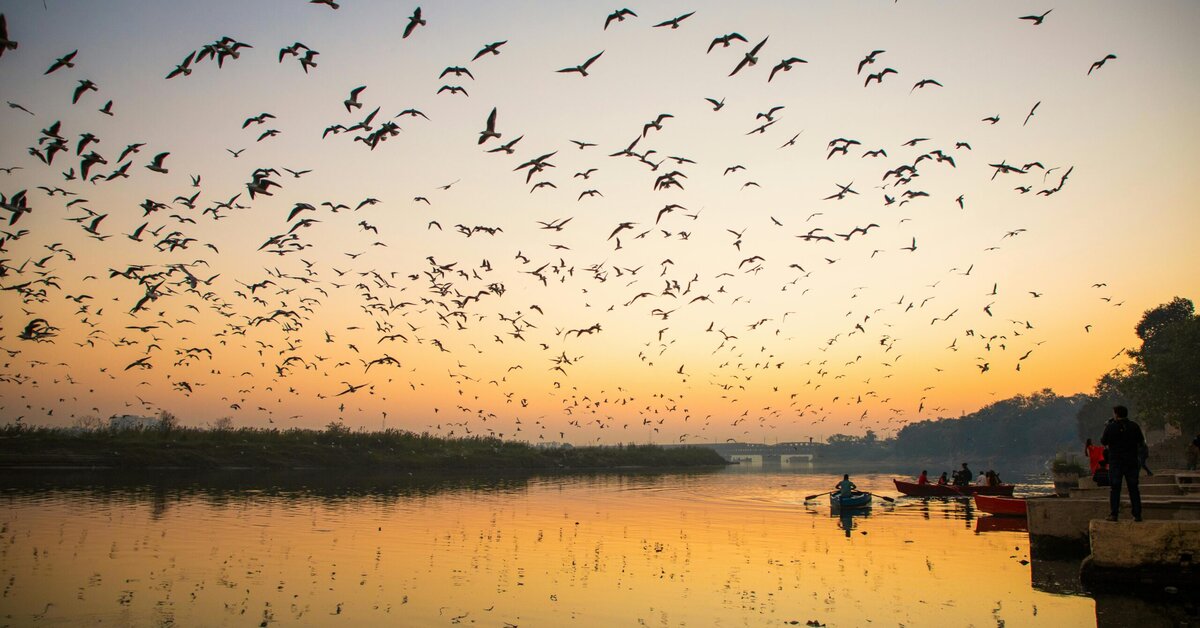
Family Magh Mela Kashi Ayodhya Yatra Cost & Tips , Imagine embarking on a spiritual journey that takes your family through three of Hinduism’s most revered destinations—all within a single, unforgettable trip. You begin at the Triveni Sangam in Prayagraj during Magh Mela, where three sacred rivers converge. Then you travel to Kashi (Varanasi), the eternal city where Lord Shiva resides and where the Ganga Aarti illuminates the ancient ghats each evening. Finally, you complete your pilgrimage in Ayodhya, the birthplace of Lord Ram, where the newly constructed Ram Mandir stands as a testament to faith and devotion.
This isn’t just tourism—it’s a transformative family experience that connects multiple generations to their spiritual heritage. For parents, it’s an opportunity to pass down traditions and values. For children, it’s an adventure that brings mythology and stories to life. For grandparents, it might represent the fulfillment of lifelong wishes.
Family Magh Mela Kashi Ayodhya Yatra Cost & Tips ,But here’s what most families want to know before planning: How much will this entire journey cost? How many days do we need? What’s the best route? How do we manage young children or elderly family members across three different destinations? And most importantly, how do we balance spiritual authenticity with practical comfort for a family?
This comprehensive guide provides detailed cost breakdowns across different budget levels, practical tips for managing family logistics, and insider advice to make your sacred triangle journey smooth, memorable, and spiritually enriching.
Why Combine Magh Mela, Kashi, and Ayodhya?
Family Magh Mela Kashi Ayodhya Yatra Cost & Tips ,Before diving into logistics and costs, let’s understand why this particular combination makes such powerful sense.
Spiritual Significance of the Three Destinations
Each destination represents a unique aspect of Hindu spirituality, and together they create a comprehensive pilgrimage experience.
Prayagraj (Magh Mela) embodies purification. The Triveni Sangam is where devotees wash away sins through holy bathing, seeking spiritual cleansing and renewal. It’s about beginning fresh, releasing past burdens, and opening yourself to divine grace. The Magh Mela experience, particularly if you observe even a few days of simplified living by the rivers, represents sacrifice and devotion.
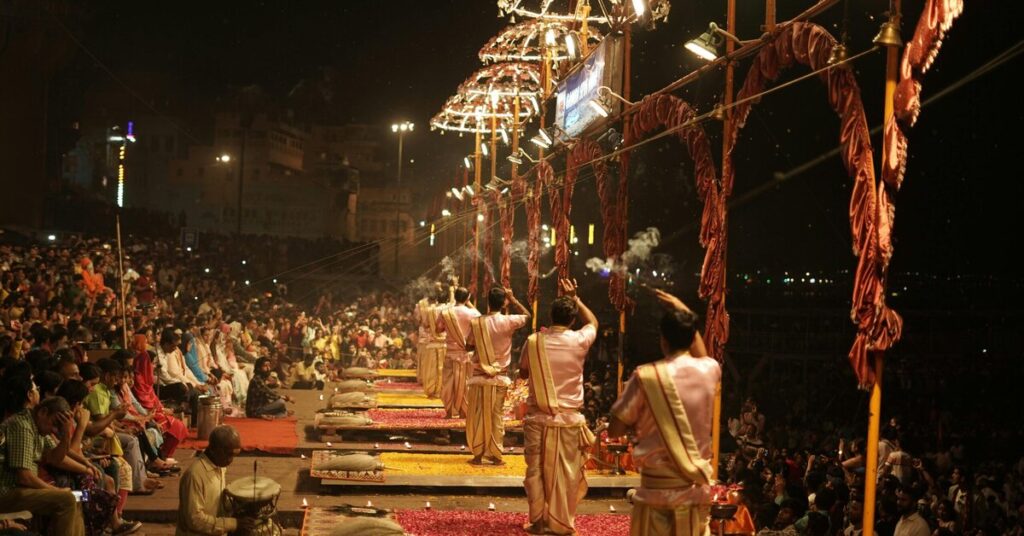
Kashi (Varanasi) represents eternal spirituality and the cycle of life and death. This is where Lord Shiva is said to reside, and it’s believed that dying in Kashi grants moksha (liberation). The Ganga ghats, ancient temples, narrow lanes echoing with bells and chants, and the daily aarti create an atmosphere of timeless devotion. Kashi teaches that the spiritual and material worlds coexist, that the sacred pervades everyday life.
Ayodhya embodies dharma (righteousness) through Lord Ram’s life and teachings. Visiting Ram Janmabhoomi, the birthplace of Ram, connects you to ideals of duty, honor, devotion, and righteous living. With the new Ram Mandir, Ayodhya has become a destination where faith manifests in physical grandeur, inspiring especially for children who know Ram’s story.
Together, these three destinations address different spiritual needs—purification, connection with the eternal, and grounding in dharmic principles. The combined pilgrimage creates a holistic spiritual journey.
Practical Benefits of Combining the Trip
Beyond spiritual reasons, there are compelling practical advantages to combining these destinations in one trip.
Geographic Proximity: All three cities lie in Uttar Pradesh within reasonable travel distance of each other. Prayagraj to Varanasi is approximately 125 kilometers, Varanasi to Ayodhya is about 200 kilometers. This proximity makes multi-destination travel efficient and economical.
Time Efficiency: Rather than planning three separate trips with associated travel time and costs from your home city to each destination, you complete everything in one extended journey. For families where taking time off is challenging, this consolidation is invaluable.
Cost Savings: Traveling to Uttar Pradesh once instead of three times saves significantly on long-distance transportation. You can book accommodation strategically, perhaps using budget options where you’ll spend less time and upgrading where extended stays warrant it.
Cultural Continuity: Experiencing three spiritual destinations in succession creates narrative continuity. Each builds on the previous experience, creating depth and understanding that separate trips might not achieve. Children particularly benefit from this continuity—they remain in “pilgrimage mode” rather than returning to regular life between each destination.
Magh Mela Timing: Since Magh Mela occurs during a specific period (January-February), planning your trip during this window naturally encourages combining with nearby destinations rather than making separate visits.
Planning Your Family Yatra – Duration and Itinerary
Proper planning transforms a potentially chaotic multi-destination trip into a smooth, enjoyable experience.
Recommended Duration for Each Destination
Magh Mela (Prayagraj): 1-3 days
For a meaningful experience without committing to full Kalpvas, allocate at least 1-2 days. This allows for one sunrise Sangam Snan, visiting significant temples (Hanuman Mandir, Akshayavat), exploring the mela grounds, and perhaps attending evening aarti. If traveling during a major bathing date (Makar Sankranti, Mauni Amavasya, Basant Panchami), consider arriving a day before to avoid peak crowds.
Three days lets you take multiple holy dips, experience the mela atmosphere more fully, and participate in religious discourses or satsangs if interested.
Kashi (Varanasi): 2-3 days
Varanasi demands at least two full days. Day one typically includes early morning Ganga Aarti at Dashashwamedh Ghat, boat ride during sunrise, visiting Kashi Vishwanath Temple, exploring lanes and ghats, and evening Ganga Aarti. Day two covers additional temples (Sankat Mochan, Durga Temple, Tulsi Manas Temple), Sarnath (where Buddha gave his first sermon), and perhaps a traditional silk shopping experience.
Three days allows a more relaxed pace, particularly important for families with young children or elderly members who can’t rush.
Ayodhya: 1-2 days
Ayodhya’s main attractions—Ram Janmabhoomi/Ram Mandir, Hanuman Garhi, Kanak Bhawan, Sita Rasoi, and ghats along the Sarayu River—can be covered in one intensive day. However, two days provides comfortable pacing, allows participation in morning and evening aartis at Ram Janmabhoomi, and gives time for the peaceful atmosphere to sink in.
Total Recommended Duration: 5-8 days
A comprehensive yet manageable trip spans 5-8 days depending on pace preference and schedule constraints. Budget an additional day for travel to/from your home city if coming from far distances.
Ideal Route and Sequence
Geography and experience flow suggest this optimal sequence:
Option 1: Prayagraj → Varanasi → Ayodhya
This is the most common route. Begin with purification at Sangam, proceed to the eternal spiritual atmosphere of Kashi, and conclude with the dharmic inspiration of Ayodhya. This sequence feels spiritually progressive—cleansing, then deep immersion, then integration of righteous living principles to carry home.
Logistically, Varanasi lies between Prayagraj and Ayodhya, making this route geographically efficient.
Option 2: Ayodhya → Varanasi → Prayagraj
Some prefer starting at Ayodhya, particularly if timing means Magh Mela’s peak dates fall at your trip’s end. This allows building anticipation and culminating your pilgrimage with the powerful Sangam experience.
Option 3: Varanasi as Base
An alternative approach uses Varanasi as your accommodation base for the entire trip, making day trips to Prayagraj (125 km, 2-3 hours) and Ayodhya (200 km, 4-5 hours). This minimizes packing/unpacking, works well for families wanting hotel stability, and can be cost-effective. However, it involves significant daily travel time.
Most families find Option 1 (Prayagraj → Varanasi → Ayodhya) offers the best balance of spiritual progression, logistical efficiency, and manageable travel between destinations.
Complete Cost Breakdown for Family of Four
Let’s get into specific numbers. These estimates assume a family of four (two adults, two children) traveling from within India. Costs vary significantly based on budget level, so we’ll break down three distinct options.
Budget Travel Option (₹30,000-50,000)
This budget-conscious approach prioritizes essential spiritual experiences while minimizing expenses.
Transportation: ₹8,000-12,000
- Round-trip train tickets from major metros (2nd AC class): ₹5,000-7,000
- Local transportation between three cities (government buses or shared taxis): ₹2,000-3,000
- Local auto-rickshaws, e-rickshaws, and city transport: ₹1,000-2,000
Accommodation: ₹8,000-15,000
- Magh Mela: Basic camp or dharamshala (2 nights): ₹2,000-4,000
- Varanasi: Budget hotel or dharamshala (2 nights): ₹3,000-6,000
- Ayodhya: Budget hotel (1 night): ₹2,000-3,000
- Extra night if needed: ₹1,000-2,000
Food: ₹6,000-10,000
- Street food, budget restaurants, and dharamshala meals
- Approximately ₹300-500 per meal for family of four
- 3 meals daily for 5-6 days
Entry Fees & Rituals: ₹3,000-5,000
- Temple offerings and donations
- Priest services for pujas (optional)
- Boat rides at Sangam and Varanasi
Miscellaneous: ₹5,000-8,000
- Bottled water, snacks, medicines
- Shopping (religious items, souvenirs)
- Photography, storage lockers
- Emergency buffer
Total: ₹30,000-50,000
This budget works for families comfortable with basic accommodations, willing to use public transportation, and choosing street food or simple restaurants. The experience remains spiritually authentic; you’re simply minimizing non-essential expenses.
Mid-Range Travel Option (₹50,000-1,00,000)
This option balances comfort with cost-consciousness, suitable for most middle-class families.
Transportation: ₹15,000-25,000
- Round-trip train tickets (1st AC or flights if on sale): ₹8,000-12,000
- Private car rental with driver between cities (3 days): ₹5,000-9,000
- Local transportation and parking: ₹2,000-4,000
Accommodation: ₹20,000-35,000
- Magh Mela: Mid-range camp with better facilities (2 nights): ₹6,000-10,000
- Varanasi: 3-star hotel near ghats (2-3 nights): ₹8,000-15,000
- Ayodhya: Decent hotel (1-2 nights): ₹4,000-7,000
- Buffer for extra night: ₹2,000-3,000
Food: ₹10,000-18,000
- Mix of decent restaurants, hotel dining, and some street food
- Approximately ₹500-800 per meal for family
- Includes breakfast, lunch, dinner, snacks
Entry Fees & Rituals: ₹5,000-10,000
- VIP darshan passes where available
- Comprehensive puja services
- Boat rides (including better options)
- Guide services at major sites
Miscellaneous: ₹8,000-12,000
- Shopping (clothing, religious items, local specialties)
- Photography services
- Comfort items and conveniences
- Entertainment for children
- Emergency buffer
Total: ₹58,000-1,00,000
This mid-range budget provides comfortable accommodations with private bathrooms and AC, reliable transportation minimizing wait times, good food without constant budget worries, and enough flexibility to upgrade experiences when it enhances your journey.
Comfortable Travel Option (₹1,00,000-2,00,000)
This premium budget prioritizes comfort, convenience, and enhanced experiences.
Transportation: ₹30,000-50,000
- Round-trip flights from major metros: ₹15,000-25,000
- Premium car rental (SUV/Innova with experienced driver for entire trip): ₹12,000-20,000
- All local transportation including boat rides: ₹3,000-5,000
Accommodation: ₹40,000-70,000
- Magh Mela: Premium camp with luxury tents, attached bathrooms (2 nights): ₹12,000-20,000
- Varanasi: 4-star hotel with Ganga view (2-3 nights): ₹18,000-30,000
- Ayodhya: Best available hotel (1-2 nights): ₹8,000-15,000
- Extra nights or upgrades: ₹2,000-5,000
Food: ₹15,000-25,000
- Quality restaurants and hotel dining
- Special meals (traditional Banarasi cuisine, etc.)
- No budget constraints on food choices
- Snacks, beverages, and treats for children
Entry Fees & Rituals: ₹10,000-20,000
- VIP passes and priority access
- Elaborate puja ceremonies with experienced priests
- Private boat rides and special experiences
- Professional guide services throughout
Miscellaneous: ₹15,000-35,000
- Significant shopping (silk sarees, brass items, etc.)
- Professional photography/videography
- Spa or relaxation services for adults
- Educational materials and books
- Generous emergency buffer
Total: ₹1,10,000-2,00,000
This budget ensures maximum comfort, minimal stress, and ability to enhance any aspect of the journey without cost concerns. Suitable for families wanting premium experiences or those traveling with elderly members needing extra comfort.
Transportation Costs and Options
Getting around efficiently affects both cost and experience quality. Let’s examine specific transportation options.
Train Travel Between Destinations
Trains remain India’s most economical long-distance option. Prayagraj, Varanasi, and Ayodhya all have railway stations with good connectivity.
Prayagraj to Varanasi: Multiple trains daily, journey time 2-4 hours. Tickets range from ₹100-150 per person (Sleeper class) to ₹400-600 (AC classes). For families, booking 3-tier AC (₹300-400 per person) provides good value—comfortable but not expensive.
Varanasi to Ayodhya: Several trains available, journey time 3-4.5 hours. Similar pricing structure. The Lucknow-bound trains from Varanasi stop at Ayodhya Junction.
Advantages: Economical, children enjoy train travel, relatively comfortable in AC classes, safer than road travel, and you experience authentic Indian travel culture.
Disadvantages: Booking during Magh Mela period can be competitive (book 30-60 days advance), fixed schedules limit flexibility, stations can be crowded and overwhelming for first-time visitors, and luggage management with family requires attention.
Car Rental and Driver Services
Hiring a car with driver for the entire trip offers maximum flexibility and convenience.
Cost: ₹4,000-7,000 per day for sedan (Toyota Etios, Maruti Dzire), ₹6,000-10,000 per day for SUV (Innova, Ertiga). For a 5-6 day trip covering all three destinations, expect ₹25,000-50,000 total including driver allowance, fuel, tolls, and parking.
Advantages: Complete flexibility on timing and stops, direct door-to-door service, luggage stays in vehicle (no repeated packing), comfortable for elderly and children, can stop at temples or rest stops en route, and AC comfort throughout.
Disadvantages: Higher cost than trains or buses, driver accommodation and meals (usually ₹300-500 daily), potential for vehicle breakdowns (choose reputable rental companies), and navigation challenges during Magh Mela when some roads close to traffic.
Booking: Use established car rental companies (Savaari, Zoomcar, Revv) or local operators with verified reviews. Clarify all costs upfront—fuel inclusion, driver charges, toll and parking coverage, and accommodation for driver.
Flight Options
Flights work primarily for reaching/departing the region, not inter-city travel between the three destinations.
Main Airports: Prayagraj Airport (small, limited connectivity), Varanasi’s Lal Bahadur Shastri Airport (better connectivity), and Ayodhya Airport (newly operational, limited flights).
Costs: Depends heavily on departure city. From Delhi, Mumbai, or Bangalore, round-trip flights to Varanasi cost ₹6,000-15,000 per person. Budget airlines offer lower fares with advance booking.
Strategy: Fly into Varanasi or Prayagraj at trip start, complete your circuit by car or train, and fly out from Varanasi. This saves 1-2 days of overland travel each way while keeping the inter-city journey flexible.
Accommodation Expenses
Where you stay significantly impacts both cost and experience. Let’s break down options at each destination.
Magh Mela Camp Accommodation
Budget Options (₹500-1,500 per night): Government camps and basic private camps offer simple tents with shared facilities. Expect basic bedding, shared toilet blocks, limited amenities. These work fine for short stays if you’re primarily there for spiritual activities.
Mid-Range (₹2,000-5,000 per night): Better private camps provide larger tents, private or semi-private bathrooms, better bedding, heating arrangements, and organized meal services. These camps balance authenticity with basic comfort.
Premium (₹5,000-15,000 per night): Luxury camps feature spacious tents with attached modern bathrooms, comfortable beds with quality linens, heating, electricity, premium meal services, cultural programs, and concierge services. Some approach hotel-like comfort while maintaining the mela camp atmosphere.
Family Considerations: For families with children or elderly members, investing in at least mid-range camps makes the Magh Mela portion manageable. Private bathrooms, proper beds, and heating matter significantly during cold January nights.
Hotels in Varanasi (Kashi)
Varanasi offers vast accommodation range from ₹500 budget hostels to ₹20,000+ luxury hotels.
Budget (₹1,000-2,000 per night): Dharamshalas near ghats, budget hotels in lanes. Basic but clean rooms, fans (AC might cost extra), shared or basic private bathrooms. Advantage: authentic Varanasi experience in the heart of old city. Disadvantage: noise, narrow access for cars, basic amenities.
Mid-Range (₹2,500-6,000 per night): 2-3 star hotels either near ghats or in newer areas like Godowlia or Cantonment. AC rooms, private bathrooms with hot water, TV, possibly breakfast included. Good balance for families.
Premium (₹7,000-20,000+ per night): 4-5 star hotels or heritage properties with Ganga views. Radisson, Marriott, Brijrama Palace, and similar properties offer full amenities, pools, spas, excellent dining, and concierge services. Worth considering for 2-3 night stays if budget allows.
Location Tip: Staying near ghats (Assi Ghat or Dashashwamedh Ghat areas) puts you in the spiritual heart but means navigating narrow lanes. Hotels in Cantonment or newer areas offer easier access and parking but require autos for ghat visits. Choose based on your priorities.
Hotels in Ayodhya
Ayodhya’s hotel infrastructure is rapidly developing post-Ram Mandir construction, but options are still more limited than Varanasi.
Budget (₹800-1,500 per night): Budget hotels and dharamshalas near Ram Janmabhoomi. Basic facilities but adequate for short stays.
Mid-Range (₹2,000-4,000 per night): Decent hotels with AC, clean rooms, and basic amenities. Several new properties have opened recently.
Premium (₹5,000-10,000 per night): Few but growing premium options including some heritage properties and new builds. Expect good amenities though not quite matching Varanasi’s luxury options yet.
Booking Tip: Ayodhya hotels fill quickly, especially weekends and festivals. Book well in advance. Some Varanasi-based hotels now operate Ayodhya properties—check if your Varanasi hotel has sister property for potential package discounts.
Food and Dining Expenses
Food costs vary dramatically based on choices, but fortunately, all three destinations offer delicious options across budgets.
Budget Dining (₹150-300 per meal for family of four): Street food, dhabas, local restaurants, and dharamshala meals. Prayagraj during Magh Mela has numerous bhandaras (free community kitchens), though quality and hygiene vary. Varanasi’s street food—kachori-sabzi, chaat, lassi—is legendary and cheap. Ayodhya has simple restaurants serving thalis and North Indian basics.
Mid-Range Dining (₹400-800 per meal): Decent restaurants, hotel dining rooms, and established eateries. In Varanasi, try traditional Banarasi restaurants serving local specialties. Most 2-3 star hotels include breakfast, reducing daily meal costs.
Premium Dining (₹1,000-2,000+ per meal): Upscale hotel restaurants, rooftop restaurants with Ganga views in Varanasi, and specialty cuisine experiences.
Food Safety with Children: Stick to cooked foods, avoid raw salads and unpeeled fruits from street vendors, drink only bottled or filtered water, and carry hand sanitizer. Most children enjoy simple items like parathas, rice-dal, and pakoras available everywhere.
Special Items to Try: Varanasi’s famous lassi at Blue Lassi or Pehelwan Lassi, malaiyo (winter specialty dessert), chaat varieties, and silk/benarasi paan. Prayagraj’s guava (famous variety), and Ayodhya’s traditional sweets.
Daily Food Budget Estimate: Budget travelers: ₹800-1,200 daily; Mid-range: ₹1,500-2,500 daily; Premium: ₹2,500-4,000+ daily for family of four including all meals and snacks.
Entry Fees, Donations, and Ritual Costs
Most temples don’t charge entry fees, but various costs arise during religious activities.
Temple Donations: While not mandatory, donations (dakshina) at temples typically range from ₹10-500 depending on your capacity and the temple’s significance. For major temples like Kashi Vishwanath, families often donate ₹100-500.
VIP Darshan: Some temples offer paid priority access. Kashi Vishwanath VIP darshan costs around ₹300 per person, significantly reducing wait time (regular darshan can take 3-6 hours during peak times). Worth considering with family.
Priest Services: Hiring priests for specific pujas varies widely—₹500-3,000 depending on ritual complexity. Sangam Snan with full ritual might cost ₹1,000-2,000. Ganga Aarti participation or special pujas at Kashi temples: ₹500-1,500.
Boat Rides: Sangam boat rides: ₹100-250 per person (standard), ₹2,000-5,000 for private boats. Varanasi morning boat ride: ₹200-500 per person for shared, ₹1,000-3,000 for private boat.
Photography: If hiring professional photographers at Sangam or Varanasi ghats: ₹500-2,000.
Shopping for Religious Items: Rudraksha, religious books, CDs, photos, idols—budget ₹1,000-5,000 depending on purchases.
Total Estimate: Budget ₹3,000-10,000 for all entry fees, donations, rituals, and religious activities for the entire trip, scaling up for more elaborate ceremonies or VIP services.
Best Time to Plan This Combined Yatra
Timing significantly impacts experience quality, crowds, and costs.
During Magh Mela (January-February): Obviously necessary if experiencing Magh Mela is your priority. Advantages: Complete the spiritual circuit at an auspicious time, Prayagraj infrastructure is at its best during mela, special atmosphere and energy. Disadvantages: Cold weather (5-15°C), massive crowds during major bathing dates, higher costs during peak dates, accommodation books up quickly.
Recommendation: If visiting during Magh Mela, avoid the absolute peak bathing dates (Makar Sankranti, Mauni Amavasya, Basant Panchami) unless you specifically want that experience. Regular mela days offer similar spiritual benefits with better manageability and lower costs. Consider the weeks between major dates.
Winter (November-February): Beyond mela period, winter remains ideal for Varanasi and Ayodhya. Pleasant weather, clear skies, comfortable sightseeing. Disadvantage: December-January are very cold, especially early mornings.
Spring (March-April): Excellent weather, fewer crowds than peak winter, and costs are moderate. Perfect if you can’t time your trip for Magh Mela—you can still bathe at Sangam year-round, though without the mela atmosphere.
Monsoon (July-September): Avoid if possible. Heavy rains, flooding potential, difficult travel conditions, and many activities are disrupted. River bathing can be dangerous.
Summer (May-June): Extremely hot (35-45°C) in all three cities. Not recommended for family travel, especially with young children or elderly members.
Festivals to Consider: Beyond Magh Mela, consider timing your trip around Dev Deepawali in Varanasi (typically November), Ram Navami in Ayodhya (March-April), or other significant festivals for enhanced spiritual atmosphere.
Optimal Timing: Late January to early February during Magh Mela (avoiding the absolute peak dates) or October-November for comfortable weather without mela crowds.
Family-Friendly Tips for Each Destination
Managing family logistics across three diverse destinations requires specific strategies.
Managing Children at Magh Mela
Accommodation: Invest in better camp accommodation with private bathrooms. Children need comfortable rest and familiar hygiene facilities.
Clothing: Layers are essential. Cold mornings require warm clothes; afternoons can be mild. Pack thermal wear, multiple warm layers, comfortable shoes, and extra socks.
Food: Carry familiar snacks children enjoy—biscuits, fruits, chips. Stomach upset from unfamiliar food can ruin the trip. Gradually introduce local food rather than forcing it.
Safety: Keep children close in crowds. Consider matching bright clothing so they’re easily visible. Older children should carry ID with contact numbers. Consider temporary tattoos with your phone number.
Engagement: Explain the spiritual significance in age-appropriate ways. Make it an adventure rather than a series of rules. Allow rest time—don’t over-schedule.
Sangam Bathing: Very young children (under 5) might not need full immersion—simple bathing at shallow water works. Older children can enjoy the boat ride and controlled bathing experience, especially with VIP boats offering better safety.
Ganga Aarti Timing: Evening aarti at Dashashwamedh Ghat (around 7:00 PM) is magical but extremely crowded. Arrive 45 minutes early for decent viewing spots, or book a private boat for better view with less crowd stress.
Temple Visits: Kashi Vishwanath sees huge queues. Visit early morning (5:00-6:00 AM) or consider VIP darshan. Other temples like Sankat Mochan, Durga Temple, and Tulsi Manas are less crowded and child-friendly.
Boat Rides: Morning boat ride (5:30-7:00 AM) showing sunrise over Ganga and various ghats is memorable for all ages. Book private boat for family comfort.
Walking: Old Varanasi involves walking through narrow lanes on uneven surfaces. This is challenging with strollers—use baby carriers for infants. For elderly family members, stay in newer areas with car access and take autos to main sites.
Shopping: Children might enjoy watching silk weaving demonstrations. Keep shopping focused—Varanasi’s lanes can be overwhelming. Identify specific items you want beforehand.
Food: Stick to established restaurants for main meals. Street food is delicious but introduce gradually and only from busy, hygienic-looking stalls. Blue Lassi is legendary and kids typically love it.
Sarnath Visit: The Buddhist site offers open spaces, gardens, and museum—easier for children than the crowded old city. Good break from intense spiritual atmosphere.
Exploring Ayodhya Comfortably
Ram Mandir Darshan: The new temple attracts massive crowds. Security is tight with restrictions on phones, cameras, and bags. Be prepared for queues and security checks. VIP passes or off-peak timing helps.
Walking Distance: Main sites are reasonably close. Hanuman Garhi involves climbing stairs (70+ steps)—challenging for very young children and elderly. Take breaks.
Sarayu Aarti: Evening aarti at Sarayu ghats is beautiful, less crowded than Varanasi, and more family-friendly. Good experience for children.
Weather: Ayodhya can be very hot outside winter months. Carry water, use sunscreen, and plan activities for cooler parts of the day.
Duration: Ayodhya’s main sites can be covered in one full day, making it the easiest leg for families managing tired children.
Accommodation: Given the short stay, location matters less than comfort. Choose based on best available facilities rather than proximity to sites.
What to Pack for This Multi-Destination Trip
Efficient packing for three different destinations with varying needs requires strategy.
Clothing:
- Warm layers for cold mornings (thermals, sweaters, jackets)
- Comfortable cotton clothes for daytime
- Traditional wear for temple visits (women: salwar-kameez or sarees; men: kurta-pajama)
- Quick-dry clothes for post-bathing changes
- Extra undergarments and socks
- Comfortable walking shoes with good grip
- Sandals for easy removal at temples
Warm shawls or blankets
Toiletries & Hygiene:
Personal soap, shampoo, toothpaste (some camps/budget hotels may not provide)
Towels (quick-dry travel towels ideal)
Hand sanitizer and wet wipes (essential with children)
Toilet paper (not all facilities stock it)
Female hygiene products
Baby supplies if traveling with infants
Health & Safety:
Regular medications with prescriptions
First-aid kit (bandages, antiseptic, pain reliever, anti-diarrheal, cold medicine)
Mosquito repellent (though limited mosquitos in winter)
Sunscreen
Water purification tablets or portable filter
Face masks (for dusty areas or religious requirements)
Religious Items:
Small puja kit (if you prefer your own items)
Extra clothes for offering/donation
Religious books or prayer materials
Camera or phone for memories (note: not allowed inside some temples)
Practical Items:
Power bank for phones
Universal adapter (though most places have standard Indian plugs)
Reusable water bottles
Small backpack for daily excursions
Photocopies of ID documents
Cash in small denominations (₹10, 20, 50, 100 notes)
Plastic bags for separating clean/dirty clothes or protecting items from moisture
For Children:
Familiar comfort items (favorite toy, book)
Snacks they reliably eat
Entertainment for travel time (books, games, tablets)
Child-safe medications
Multiple changes of clothes (children get messy)
What NOT to Pack:
Excessive jewelry or valuables
Expensive electronics (bring only essentials)
Too many clothes (laundry services available)
Bulky items (travel light for multiple destinations)
Packing Strategy: Use packing cubes organizing by family member or category. Keep a small day bag for essentials during daily excursions. Store main luggage securely at accommodation while sightseeing.
Safety and Health Considerations
Multi-destination travel requires attention to health and safety, especially with family.
Water and Food Safety: This is the biggest health concern. Drink only bottled water (check seal integrity) or water from trusted sources. Avoid ice in beverages unless at premium hotels. Wash hands frequently, especially before eating. Introduce street food gradually. Carry anti-diarrheal medication and ORS packets.
Crowd Safety: During Magh Mela and at major temples, crowds can be intense. Establish meeting points in case of separation. Keep children close and within sight. Use bright, matching clothing or accessories for easy identification. Consider temporary tattoos with your contact number for young children.
Traffic Safety: Indian traffic can be chaotic. Hold children’s hands near roads. Be cautious crossing streets. If hiring drivers, choose reputable services with verified safety records.
Respiratory Health: Winter air in Prayagraj and Varanasi can be dusty or smoky. Those with respiratory conditions should carry inhalers and masks. Avoid early morning fog during peak pollution times if sensitive.
Cold Weather: Hypothermia risk exists during pre-dawn Sangam bathing. Don’t stay wet and cold for extended periods. Change into dry clothes immediately after bathing. Carry hot beverages in thermos. Watch for signs of excessive cold in children—shivering, lethargy, confusion.
River Safety: When taking boat rides or bathing, always wear life jackets. Don’t overload boats. Keep children under direct supervision near water. Know that river currents can be strong—don’t venture beyond safe shallow areas.
Medical Facilities: All three cities have hospitals and clinics. During Magh Mela, extensive medical facilities operate. Note locations of nearest hospitals to your accommodation. Carry health insurance information.
COVID Considerations: If pandemic-related concerns persist, carry masks, maintain hygiene, and follow local guidelines. Some temples may have specific health protocols.
Women’s Safety: Generally safe in tourist/religious areas. Dress modestly (covering shoulders and knees). Stick to well-lit, populated areas. Use reputable transportation. Women traveling alone should inform hotel staff of their plans and return times.
Valuables Security: Use hotel safes for passports, excess cash, and jewelry. Carry only necessary cash daily. Be discreet with phones and cameras. Stay alert in crowded areas where pickpockets operate.
Emergency Numbers: Save local police (100), ambulance (102), and your country’s embassy contacts. Keep hotel/camp contacts readily accessible.
Money-Saving Tips Without Compromising Experience
Smart strategies allow meaningful yatra without excessive spending.
Travel During Non-Peak Dates: If Magh Mela timing is flexible, visit during regular mela days rather than major bathing dates. Costs drop 30-50% while spiritual benefits remain.
Book Transportation Early: Train tickets booked 60 days in advance offer lower fares. Flight deals appear 2-3 months out. Last-minute booking always costs more.
Choose Mid-Range Options Strategically: Splurge where it matters (safety, comfort for rest), save where it doesn’t. For example, premium camp at Magh Mela might be worth it, but budget hotel in Ayodhya for one night works fine.
Eat Local: Street food and local restaurants cost fraction of hotel dining. For breakfast, eat at hotel (often included); for lunch/dinner, explore local options. Families save ₹500-1,000 daily this way.
Share Boat Costs: Organize with other families or travelers to share private boat costs, splitting expenses while maintaining better experience than fully crowded boats.
Free Experiences: Many best experiences cost nothing—watching aarti, walking ghats, exploring temples, Sangam bathing from shore. Focus on these; paid additions are often unnecessary.
Negotiate Respectfully: At non-chain accommodations, with auto drivers, and at shops, polite negotiation is expected. Don’t overpay, but don’t be miserly—fair prices benefit everyone.
Carry Water and Snacks: Buying bottled water and snacks at tourist spots costs 2-3x normal prices. Buy from local shops in bulk and carry your own.
Group Booking Discounts: If traveling with extended family or organizing community yatra, negotiate group rates for accommodation, transportation, and services. Significant discounts are possible.
Avoid Tourist Traps: Research fair prices beforehand. Common scams include excessively priced puja items, fake guides, overpriced transportation. Ask locals or hotel staff for fair price guidance.
Limit Shopping: Decide beforehand what you genuinely want to purchase. Impulsive souvenir buying adds up quickly. Focus on meaningful items—religious texts, quality silk saree, brass items from Varanasi—rather than random trinkets.
Off-Season Accommodation Rates: If visiting outside Magh Mela period, negotiate hotel rates significantly below published prices, especially for multi-night stays.
Conclusion
The sacred triangle of Prayagraj, Kashi, and Ayodhya offers families an extraordinary spiritual journey combining purification, eternal wisdom, and dharmic inspiration. While costs range from budget-conscious ₹30,000-50,000 to comfortable ₹1,00,000-2,00,000 for a family of four, the experience’s value transcends monetary considerations.
This pilgrimage isn’t just about visiting temples or taking holy dips—it’s about creating shared family memories rooted in faith, exposing children to their spiritual heritage, fulfilling elderly family members’ lifelong wishes, and stepping outside modern life’s chaos into something timeless and profound.
The key to success lies in realistic planning matching your budget, physical capabilities, and spiritual priorities. Whether you choose basic dharamshalas and train travel or luxury camps and private cars, the sacred rivers, ancient temples, and divine atmosphere offer their blessings equally.
Start planning 2-3 months in advance, especially if visiting during Magh Mela. Book accommodation early, arrange transportation, prepare family members for what to expect, pack appropriately, and approach the journey with open hearts. Balance ambitious spiritual goals with practical rest and comfort needs, especially when traveling with children or elderly members.
The cities of Uttar Pradesh await—Prayagraj with its purifying waters, Kashi with its eternal spirituality, and Ayodhya with its inspiring dharma. This combined yatra offers modern families a rare opportunity: to walk ancient pilgrim paths together, creating bonds that strengthen faith, family, and cultural connection for generations to come.
1. Is it better to hire a guide for this three-city yatra, or can we manage independently?
This depends on your experience level and comfort with independent travel. First-time visitors to these cities, especially those unfamiliar with temple etiquette, local language, or Indian travel in general, benefit significantly from professional guides. A good guide costs ₹1,500-3,000 per day but provides navigation assistance, historical and spiritual context, helps avoid tourist traps, and manages logistics smoothly. However, these destinations are well-established pilgrim circuits with clear information available. Armed with research and perhaps hiring guides selectively (just for complex sites like Kashi Vishwanath or during Magh Mela), independent travel works fine. Consider a middle approach: research thoroughly, manage transportation and accommodation independently, but hire local guides at each city for one day to get oriented, then explore independently on subsequent days.
2. Can we complete this entire journey in just 3-4 days, or is longer duration essential?
Technically possible but not recommended for families. A rushed 3-4 day itinerary might look like: Day 1—Travel and Prayagraj Sangam Snan; Day 2—Travel to Varanasi, quick temple visit and evening aarti; Day 3—Morning Varanasi activities, travel to Ayodhya, evening darshan; Day 4—Morning Ayodhya visits, return travel. This schedule leaves you exhausted, gives minimal time to absorb spiritual atmosphere, offers no flexibility for delays or rest, and will likely frustrate children and elderly members. The 5-8 day duration recommended earlier balances meaningful experiences with manageable pacing. If you absolutely must compress the timeline, at minimum allow 5 days (2 each in Prayagraj and Varanasi, 1 in Ayodhya) and perhaps skip Magh Mela aspect, visiting Prayagraj outside mela period when less crowded.
3. Are there package tour operators offering complete Magh Mela + Kashi + Ayodhya tours, and are they good value?
Yes, numerous operators offer packaged tours covering all three destinations, especially during Magh Mela period. Established operators include IRCTC Tourism, Yatra, MakeMyTrip, Thomas Cook, and specialized religious tour companies. Package value depends on what’s included and your priorities. Advantages: All logistics handled (transportation, accommodation, meals, guides), no planning stress, fixed cost with minimal surprises, group safety and support. Disadvantages: Less flexibility on timing and activities, accommodation and restaurants are whatever operator chooses, often includes shopping stops at commission-based stores, group dynamics may not suit everyone, and cost is typically 20-30% higher than independent travel. Packages work excellently for first-time visitors, elderly travelers, international visitors unfamiliar with India, or anyone prioritizing convenience over cost savings. Compare multiple packages carefully, read reviews, understand exactly what’s included, and verify accommodation quality before booking.
4. How challenging is this trip for elderly grandparents, and should we modify the itinerary for them?
Honest answer: This trip can be quite demanding for elderly individuals depending on their health and mobility levels. Challenges include: extensive walking on uneven surfaces, climbing temple stairs, early morning activities, cold weather during winter, basic facilities at Magh Mela camps, crowd navigation, and boat rides requiring balance. However, many elderly pilgrims successfully complete this yatra with proper planning. Modifications: Invest in better accommodation with comfortable beds and modern facilities, hire private car with driver for all transportation, use VIP darshan and boat services minimizing queues and crowds, allow extra rest days between destinations, carry wheelchair or walking stick if mobility is limited, schedule activities during warmer parts of day, pack all necessary medications with extras, consider travel insurance, and most importantly, let elderly members set the pace rather than forcing a rushed schedule. Some families split up—younger members do more intensive activities while elderly members rest or participate in less demanding alternatives. Consult doctors before travel if health conditions exist.
5. What happens if one city in our itinerary experiences problems (weather, protests, etc.) – do we lose money on bookings?
This risk exists with any multi-destination travel. Mitigation strategies: Purchase travel insurance covering cancellations and disruptions (relatively inexpensive at ₹500-1,500 per person for domestic travel), book accommodations with flexible cancellation policies even if they cost slightly more, use train travel which offers refunds (minus small fees) if cancelled with sufficient notice, maintain buffer time in itinerary allowing schedule adjustments without missing return transportation, keep emergency funds (₹10,000-20,000) for unexpected costs like alternative accommodation or routing, and stay informed about local conditions. If problems occur at one destination, you have options: skip that leg and extend time at other destinations, postpone that portion to trip’s end if problems resolve, or complete partial yatra focusing on accessible destinations. Magh Mela particularly requires flexibility—weather, crowd conditions, or administrative decisions sometimes close roads or affect access. Premium tour packages sometimes include protection against such disruptions, while budget independent travel requires more self-management.