
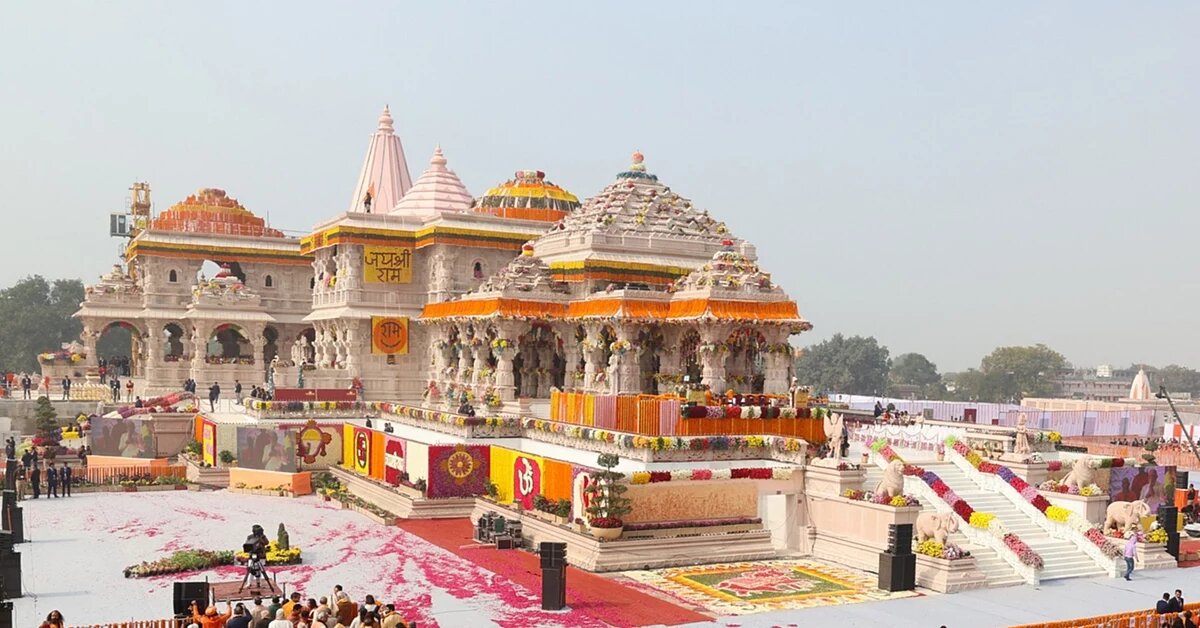
Family Pilgrimage Tour Varanasi Ayodhya Prayagraj , The sacred circuit connecting Varanasi, Ayodhya, and Prayagraj offers Indian families a unique opportunity to blend spiritual devotion, cultural education, and multi-generational bonding into one transformative journey. This pilgrimage transcends typical vacation travel—it becomes a shared spiritual experience that strengthens family identity, transmits religious values to younger generations, and creates memories resonating across lifetimes. When grandparents, parents, and children journey together through India’s holiest cities, they participate in traditions that have defined Hindu spirituality for millennia while building family narratives that will be retold for generations.

Why Families Choose This Pilgrimage Circuit
Family Pilgrimage Tour Varanasi Ayodhya Prayagraj , This three-city pilgrimage holds layered appeal for different family generations. Elderly family members often seek religious fulfillment—bathing in sacred rivers, receiving darshan at revered temples, and completing pilgrimages they’ve anticipated throughout their lives. Middle-aged parents appreciate exposing children to cultural heritage and religious roots while honoring elders’ spiritual wishes. Children and teenagers, though perhaps initially less enthusiastic about temples, discover engaging elements—boat rides on the Ganges, the spectacle of evening aartis, stories from Hindu mythology coming alive at actual locations, and the adventure of multi-city travel.
Family Pilgrimage Tour Varanasi Ayodhya Prayagraj , The journey’s educational value proves substantial. Children learn Ramayana stories at Ayodhya where they actually occurred, understand the Ganges’ spiritual significance while floating on its waters, and witness faith practiced authentically rather than simply studying it academically. These experiential lessons create deeper understanding than classroom instruction ever could, planting spiritual seeds that mature as children grow.
Family pilgrimage also strengthens intergenerational bonds. Shared spiritual experiences—witnessing sunrise over the Ganges together, participating in rituals as a family unit, elders explaining temple significance to attentive grandchildren—create intimacy that daily life rarely provides. The journey becomes family folklore: “Remember when we bathed at Triveni Sangam?” or “The evening we saw Ganga Aarti together in Varanasi?” These shared memories form part of family identity.
Ideal Family Tour Structure
Family pilgrimages require balancing spiritual priorities with practical considerations like children’s attention spans, elderly members’ physical capabilities, and varying energy levels.
Six-Day Comprehensive Itinerary
Day 1: Arrival in Varanasi and Introduction Arrive by afternoon, allowing rest after travel. Early evening includes gentle introduction—walking accessible ghats, perhaps Assi Ghat with its relaxed atmosphere. Witness the evening aarti here (less crowded than Dashashwamedh but still spiritually powerful). Family dinner followed by orientation briefing about upcoming days. This gradual introduction prevents overwhelming children while allowing everyone to adjust.
Day 2: Varanasi Spiritual Immersion Sunrise boat ride on the Ganges—universally appealing to all ages, offering spectacular views and fascinating cultural observations. Elders appreciate the spiritual significance while children enjoy boat movement and feeding fish. Post-breakfast rest, then late morning visit to Kashi Vishwanath Temple area. Afternoon rest period is mandatory. Evening features the grand Ganga Aarti at Dashashwamedh Ghat from reserved viewing positions ensuring family sits together with good visibility.
Day 3: Sarnath and Cultural Varanasi Morning explores Sarnath’s peaceful Buddhist sites—the open spaces and park-like atmosphere suit children better than crowded temples, while historical significance engages adults. The museum’s artifacts fascinate many children more than expected. Afternoon includes silk weaving demonstration showing traditional crafts, or shopping time at silk markets. Evening free for personal activities—some families enjoy classical music performances while others prefer leisure time.
Day 4: Travel to Ayodhya (200 km, 4-5 hours) Late morning departure after leisurely breakfast. Break journey with comfortable stops—roadside restaurants serving authentic North Indian meals, rest stops with facilities, perhaps brief visits to interesting roadside temples or viewpoints. Arrive Ayodhya by late afternoon, check into hotel, rest. Evening walk around the hotel area, light dinner, and early rest. Travel days deliberately keep activities minimal, recognizing that journey itself is the day’s main activity.
Day 5: Ayodhya Exploration Full day exploring Ayodhya’s sacred sites connected to Ramayana—Ram Janmabhoomi Temple (the magnificent new structure at Lord Rama’s birthplace), Hanuman Garhi (offering panoramic views that children enjoy), Kanak Bhawan temple, and Sarayu River ghats. Frame temple visits as story-telling opportunities—elders sharing Ramayana episodes that occurred at each location brings mythology alive for children. Evening aarti at Sarayu riverbanks. This full but well-paced day allows thorough Ayodhya experience.
Day 6: Ayodhya to Prayagraj to Varanasi Early start for Prayagraj (160 km, 3-4 hours). Arrive mid-morning, proceed directly to Triveni Sangam for boat ride to the confluence point where Ganges, Yamuna, and mythical Sarasvati meet—a highlight for most families. If family wishes, perform ritual bathing with appropriate safety measures. Quick lunch, then begin return journey to Varanasi (120 km, 2.5-3 hours). Arrive evening for overnight stay or direct transfer to airport/railway station based on departure schedules. This condensed Prayagraj experience captures the essential Triveni Sangam while managing practical constraints of time and travel fatigue.
Family-Specific Package Considerations
Successful family pilgrimages address diverse needs spanning three or four generations.
Accommodation Requirements Families need interconnected rooms or family suites allowing privacy while maintaining proximity—parents want children nearby, and elderly grandparents appreciate immediate family availability. Properties with courtyards, common areas, or rooftop spaces provide venues for family gatherings outside individual rooms. Hotels with swimming pools offer children recreational outlets during rest periods, though this shouldn’t drive selection—spiritual experience remains primary, but such amenities help keep children content.
Vehicle Selection and Coordination Family size determines vehicle needs. Families of 6-8 fit comfortably in Innova or similar SUVs. Larger extended families (10-15 members) benefit from Tempo Travelers. The key is comfortable spacing—don’t cram 10 people into vehicles rated for exactly 10. Extra space accommodates luggage, medical supplies, snacks, and personal comfort that makes multi-hour journeys pleasant rather than endurance tests.
Balancing Spiritual and Recreational Elements While pilgrimage remains primary, families with young children benefit from incorporating engaging elements. Boat rides inherently appeal across ages. BHU campus exploration provides open spaces where children can move freely. Silk weaving demonstrations fascinate many children while educating about traditional crafts. The Sarnath deer park combines historical significance with child-friendly environment. These elements keep children engaged without compromising spiritual objectives.
Dietary Flexibility Family meals require accommodating diverse preferences—elderly members needing bland preparations, children wanting familiar foods, varying spice tolerances, and potentially different dietary restrictions (vegetarian/Jain requirements, medical dietary needs). Restaurants serving family groups should offer varied menus rather than fixed thalis, allowing individual choice while maintaining efficient service.
Engaging Children in the Pilgrimage
Keeping children interested transforms potential resistance into genuine participation.
Educational Framing Before traveling, share Ramayana stories, explain why these cities hold significance, and discuss what you’ll see. During the journey, encourage elders (grandparents especially) to elaborate on mythology, family religious traditions, and their own spiritual beliefs. Children respond better to stories than lectures—frame temple visits as opportunities to see where Lord Rama was born or where great sages meditated rather than just “another temple.”
Interactive Participation Allow children age-appropriate participation—lighting diyas during aarti, offering flowers at temples, feeding fish at ghats (supervised with clean food packets). These hands-on activities create personal connection to rituals rather than passive observation. Older children and teenagers might document the journey through photography or journaling, giving them active roles beyond simply following adults.
Managing Expectations and Behavior Pre-journey discussions should establish behavioral expectations at religious sites—respectful quiet during ceremonies, appropriate dress, no running in temples. However, maintain realistic standards—young children fidget, and teenagers might not exhibit the devotion grandparents hope for. Accept that planting seeds matters more than forcing immediate religious enthusiasm. Many adults credit childhood pilgrimage experiences, initially endured rather than enjoyed, with later spiritual awakening.
Supporting Elderly Family Members
Multi-generational pilgrimages succeed only when elderly participants manage comfortably without becoming burdens.
Pacing for Mixed Ages Build rest periods into schedules—typically 2-3 hours mid-day when young children nap and elderly members rest. Morning activities when seniors have most energy should include priority spiritual experiences. Optional activity structures allow elderly members skipping physically demanding elements without guilt—perhaps some family members climb Hanuman Garhi while others remain at ground level temples.
Mobility Assistance Arrange chair-carrying services (dolis) at temples with steep stairs, eliminating concerns about elderly members managing difficult ascents. Choose boats with stable boarding platforms for river experiences. Ensure vehicles accommodate easy entry/exit for those with limited flexibility. Younger family members should naturally assist elders, modeling respect that teaches children proper family values.
Medical Preparedness Carry comprehensive medical supplies including elderly members’ regular medications plus extras for delays, basic first-aid kit, and emergency medications. Identify quality hospitals in each city beforehand. If traveling with very elderly or health-compromised family members, consider including a family friend with medical training or hiring medical support through tour operators.
Financial Planning for Family Pilgrimages
Family travel costs accumulate quickly, but strategic planning maintains affordability.
Budget Structure Six-day family packages for 8-10 people typically cost INR 2,00,000-3,50,000 total (INR 20,000-35,000 per person), varying with accommodation quality, vehicle type, and inclusions. This covers private vehicles, mid-range hotels, breakfast, guides at major sites, and coordination services. Additional expenses include lunches/dinners (INR 300-600 per person daily), entrance fees (INR 500-1,000 per person total), shopping and personal expenses, tips for drivers and guides, and travel insurance.
Cost Distribution Extended families often pool resources, with earning members contributing while elderly parents and children don’t pay directly. Some families divide costs equally among nuclear family units (each couple pays for themselves and their children). Clear upfront understanding about financial responsibilities prevents awkward situations. Designating one person to handle all tour payments and collect from family members separately maintains smooth operations.
Value Optimization Book well in advance for better rates. Travel during shoulder seasons (March, October) for pleasant weather and lower costs than peak winter. Choose mid-range rather than luxury accommodations—comfortable three or four-star hotels provide perfectly adequate bases for pilgrimages where you spend minimal time in rooms anyway. The spiritual experiences remain identical whether sleeping in luxury suites or comfortable standard rooms.
Cultural Transmission and Family Bonding
Beyond logistics, successful family pilgrimages facilitate deeper purposes.
Generational Knowledge Transfer Encourage grandparents to share their spiritual knowledge, religious experiences, and family traditions with grandchildren. These conversations—explaining why certain rituals matter, sharing their own first visits to these cities, discussing faith’s role in their lives—transmit family heritage more effectively than any formal instruction. Create opportunities for these exchanges during travel time, evening gatherings, and shared experiences.
Creating Family Rituals Consider performing family pujas at significant locations—hiring priests to conduct ceremonies for your family specifically. These become family memories and traditions, potentially repeated in future generations. Collect Ganges water to take home, purchase religious items together, or establish family commitments like annual charity in honor of the pilgrimage.
Processing Shared Experiences Evening family discussions about the day’s experiences—what moved people, questions that arose, spiritual feelings encountered—help everyone process and integrate the journey. These conversations build family intimacy and allow children to articulate their experiences, reinforcing learning and spiritual exploration.
Practical Tips for Smooth Family Pilgrimages
Small details accumulate into significantly better experiences.
Communication Systems Create family WhatsApp groups for real-time coordination. Establish meeting points and headcount protocols—with 10+ family members, someone inevitably lags. Designate responsible teenagers or young adults to track younger children in crowded areas.
Flexibility and Grace Someone will get tired, children will have meltdowns, elders might need unplanned rest, weather might necessitate changes. Approach these inevitabilities with patience and humor rather than frustration. The journey’s meaning transcends checking off every planned activity.
Photography and Documentation Designate someone as family photographer (or rotate responsibility), ensuring visual memories for everyone. Many families create shared digital albums, preserving the journey for future reminiscence and for family members unable to join.
Conclusion
Family pilgrimage through Varanasi, Ayodhya, and Prayagraj represents an investment in spiritual heritage, family bonds, and cultural continuity. While logistically complex—coordinating multiple generations’ needs, managing children’s engagement, supporting elderly members—thoughtful planning transforms challenges into opportunities for family growth. These sacred cities witnessed by family members together become permanently woven into family narrative, referenced at future gatherings, and remembered as formative experiences. The effort invested in successful family pilgrimage yields returns measured not in currency but in strengthened faith, deeper family connection, and spiritual seeds planted in young hearts that may flourish across entire lifetimes.
Frequently Asked Questions
1. What is the ideal age range for children to participate meaningfully in this pilgrimage, and how do we keep very young children engaged?
Children as young as 5-6 years can participate meaningfully with appropriate framing and expectations. This age allows basic understanding of stories and concepts while maintaining enough physical capability for touring with rest accommodations. Children 8-12 years often prove ideal—old enough to genuinely appreciate experiences while young enough to travel easily with family. Teenagers present different challenges (potential resistance to religious activities) but also opportunities (meaningful spiritual conversations and independent engagement). For children under 5, participation becomes more challenging—very young children won’t remember the journey and require constant attention that stresses parents and disrupts others’ experiences. If traveling with toddlers is unavoidable, bring caregivers allowing parents occasional participation in experiences requiring extended quiet or attention. Keep young children engaged through: storytelling frames making temples “story locations,” interactive elements like feeding fish or lighting lamps, strategic breaks with playground time or pool access, snacks and small rewards for good behavior, and age-appropriate explanations connecting sites to stories they know. Accept that young children won’t sit through hour-long ceremonies—one parent can stay with restless children while others participate fully, rotating responsibilities. Remember that even if young children don’t consciously remember every detail, these early exposures create subconscious familiarity with religious traditions that benefits later spiritual development.
2. How do we handle differing levels of religious enthusiasm among family members, particularly if teenagers are reluctant or resistant?
Religious enthusiasm disparities are normal and shouldn’t create family conflict. Accept that elders, middle-aged adults, and youth approach pilgrimage with different expectations and interests. Avoid forcing participation or constantly demanding displays of devotion that breed resentment rather than genuine spirituality. Strategies include: framing the journey as family bonding and cultural education, not just religious obligation, making resistance less likely; allowing optional participation in certain activities—teenagers uninterested in additional temple visits can rest or pursue appropriate alternatives while enthusiastic family members continue; engaging resistant teens through responsibilities like photography, route navigation using maps/apps, or documenting the journey, giving them meaningful roles; choosing experiences with universal appeal alongside purely religious ones—boat rides, heritage walks, museums interest most people regardless of devotional enthusiasm; avoiding constant lecturing about spirituality, which triggers teenage resistance; instead, let experiences speak for themselves; modeling rather than preaching—adults demonstrating genuine devotion without performative displays or demands for matching enthusiasm from youth; creating space for honest discussions where teenagers can express questions or doubts without judgment; and remembering that many adults credit childhood pilgrimages—initially endured reluctantly—with later spiritual awakening, so planting seeds matters even without immediate enthusiasm. The goal is exposure and shared experience, not forced conversion to specific piety levels.
3. What if elderly grandparents have mobility limitations but desperately want to complete this pilgrimage—how do we make it possible?
Mobility-limited elders can absolutely complete this pilgrimage with proper accommodations and realistic expectations. Essential adaptations include: selecting accessible temples and sites—many major locations now have ramps, wheelchair access, and facilities for differently-abled visitors; using chair-carrying services (dolis) at unavoidable steep stairs, hiring strong carriers familiar with safely transporting elderly passengers; arranging boat experiences using stable embarkation points and boats with proper seating rather than precarious boarding from steep ghat steps; choosing ground-floor hotel accommodations with grab bars in bathrooms and medical alert systems; building extra rest into schedules—perhaps seven or eight days for the same coverage others complete in five or six; renting wheelchairs locally or bringing portable ones if permanent wheelchair use isn’t needed but significant walking proves difficult; having younger family members physically support elders during walking portions—offering arms for stability, pacing to elder speed, and carrying any needed items; accepting that elders might experience major sites from exterior or accessible areas rather than interior sections requiring difficult navigation (spiritual merit remains equivalent); considering modified Prayagraj approach—perhaps viewing Triveni Sangam from boats rather than walking ghat steps, or even arranging special accessible boats that can bring elderly participants right to confluence without any stair navigation. Most importantly, involve elderly members in planning, asking what matters most to them and prioritizing those elements. Often their main goals—specific temple darshan, Ganga bathing, Triveni Sangam viewing—can be accommodated even when mobility prevents comprehensive site coverage. The spiritual fulfillment from completing even modified pilgrimage versions far exceeds benefits of never attempting the journey.
4. How do we handle the spiritual/ritual aspects if some family members are not Hindu or are non-religious?
Mixed-faith families require sensitivity and mutual respect. Many Hindu temples and rituals welcome non-Hindu observers who approach respectfully, though some restrict inner sanctum access to Hindu devotees. Approaches for inclusive family pilgrimage include: clear pre-journey discussions about pilgrimage meaning for religious family members and establishing that non-Hindu/non-religious members needn’t participate in all rituals but should respect others’ practices; framing temple visits and ceremonies as cultural/historical experiences for non-religious members—understanding Hindu traditions intellectually even without personal faith provides value; allowing separate activities when appropriate—perhaps religious members perform personal pujas while others explore cities’ historical or cultural attractions, reuniting for neutral activities like boat rides or meals; finding universal elements everyone can appreciate—the Ganges’ environmental significance, Ayodhya’s historical importance, architectural beauty, human devotion’s power regardless of specific beliefs; ensuring non-Hindu members understand basic etiquette (modest dress, shoe removal, respectful behavior) and comply even if not sharing underlying faith; avoiding pressure for non-believers to participate in specifically religious acts like ritual bathing or puja participation, though many are comfortable with respectful observation; and remembering that many non-Hindu tourists visit these sites purely as cultural experiences and are warmly welcomed when approaching respectfully. The goal is exposing family to important sites for religious members while respecting non-religious members’ beliefs (or lack thereof), creating shared experience despite different spiritual frameworks.
5. What contingency plans should families have if someone becomes ill or if there’s a family emergency requiring early departure?
Comprehensive contingency planning is essential for family travel. Medical emergency protocols should include: comprehensive travel insurance for all family members covering medical expenses and trip interruption; pre-identified quality hospitals in each city—Varanasi (Heritage Hospital, BHU Hospital), Ayodhya (district hospital), Prayagraj (Motilal Nehru Medical College); designated family health coordinator maintaining medical information for everyone and serving as primary liaison if medical situations arise; carrying complete first-aid supplies and all regular medications plus extras; and established decision protocols—who stays with ill family members, whether entire family cancels or subset continues while others return. For family emergencies requiring some members’ early departure: booking refundable or changeable transportation tickets despite higher costs (insurance against having to purchase last-minute expensive replacements); maintaining communication with tour operators who can arrange modified itineraries or early returns; having financial reserves for unexpected transportation or accommodation costs; and establishing clear communication protocols keeping all family members informed of situations and decisions. Extended families should designate primary decision-makers for different scenarios rather than requiring unanimous consent from 10+ people during crises. For children’s health issues: pack familiar medications and comfort items from home; know how to access pediatric care if needed; have contingency plans for one parent staying with sick child while spouse continues with other family members and children; and maintain patience—children’s illnesses often resolve quickly with rest. Most family pilgrimages complete without serious issues, but having plans provides frameworks for effective response and peace of mind allowing fuller presence during the journey itself.