Your cart is currently empty!
You may check out all the available trips and book one that suits you.
Continue Browsing Trips
Festival Season Temple Tour Booking, transform India’s sacred cities into vibrant spiritual epicenters where millions converge to celebrate ancient traditions, seek divine blessings, and participate in centuries-old rituals. However, travelers planning temple tours during these auspicious periods often experience sticker shock when they discover that the comfortable ₹15,000 package they researched suddenly costs ₹35,000 or more. This dramatic price surge isn’t arbitrary price gouging—it’s a complex economic reality driven by genuine supply-demand dynamics, infrastructure limitations, operational challenges, and legitimate business factors that many travelers don’t fully understand.
Festival Season Temple Tour Booking , Comprehending why festival season prices increase so significantly empowers you to make informed booking decisions, plan strategically to minimize costs, determine whether festival timing justifies premiums, and avoid frustration by setting realistic budget expectations. This comprehensive guide demystifies festival pricing, reveals the actual factors driving costs upward, and provides actionable strategies to experience India’s magnificent spiritual festivals without financial strain or disappointment.
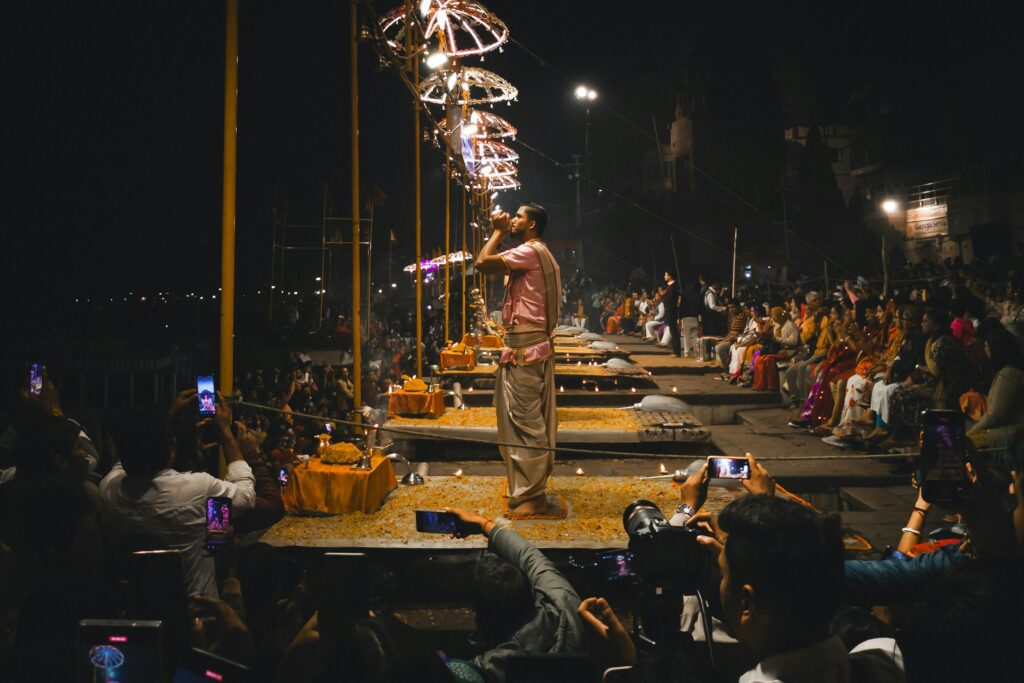
Festival Season Temple Tour Booking, pricing operates on fundamental economic principles amplified by unique characteristics of spiritual tourism in India.
VIP Sugam Darshan passes, verified outstation cabs, Ganga aarti boat allocations, and clean hotel stays — fully coordinated by our on-ground team.
Regular season temple tours might attract 10,000-20,000 daily visitors to major destinations like Varanasi or Prayagraj. During major festivals, this number explodes to 200,000-500,000+ daily—a 20-30x increase compressing into short time windows. Dev Deepawali in Varanasi, Ram Navami in Ayodhya, or Maha Shivaratri at Pashupatinath see such massive influxes that local infrastructure operates at 300-500% capacity.
This dramatic demand concentration creates severe scarcity across every tourism component—hotels, transportation, guides, restaurants, even basic amenities. When 500,000 people need 100,000 available hotel rooms, prices naturally surge as demand vastly exceeds supply.
Unlike digital products that scale effortlessly, physical tourism infrastructure faces hard capacity limits. Hotels cannot create additional rooms overnight. Cities cannot expand their area. Sacred sites have fixed space for devotees. This inflexibility means the only mechanism to allocate scarce resources during demand surges is pricing—those willing to pay premium prices secure limited availability.
Operating during festival seasons requires tour operators, hotels, and service providers to manage extraordinary challenges: deploying triple normal staff, implementing complex crowd management, coordinating with overwhelmed authorities, handling unpredictable delays, providing 24/7 customer support, and solving problems in chaotic environments. These operational complexities legitimately increase costs significantly.
Let’s examine specific components to understand where your money actually goes during festival pricing.
Regular Season: ₹3,500 hotel room in Varanasi Festival Season: ₹8,000-15,000 for identical room
Why the Surge:
Regular Season: ₹3,000 private AC car for local sightseeing (full day) Festival Season: ₹5,500-8,000 for same service
Why the Surge:
Flights and Trains:
Regular Season: ₹1,500-2,500 for professional guide (full day) Festival Season: ₹3,000-5,000 for same guide
Why the Surge:
Regular Season: ₹300-500 meal per person at decent restaurant Festival Season: ₹500-800 for comparable quality
Why the Surge:
Many travelers assume price surges reflect pure profit-taking by operators. The reality is more complex.
Additional Costs Operators Face:
Actual Margin Reality: While operators do earn higher absolute profits during festivals, percentage margins often remain similar or even decrease compared to regular season due to proportionally higher operational costs, risks, and complexity.
Regular Season Package (3 days/2 nights): ₹12,000-18,000 per person Dev Deepawali Package (3 days/2 nights): ₹28,000-45,000 per person
Increase: 130-150%
Justification:
Regular Season Package (2 days/1 night): ₹9,000-15,000 per person Ram Navami Package (3 days/2 nights): ₹25,000-40,000 per person
Increase: 165-180%
Justification:
Regular Season Package (5 days/4 nights): ₹18,000-30,000 per person Maha Shivaratri Package (5 days/4 nights): ₹38,000-65,000 per person
Increase: 110-120%
Justification:
Regular Prayagraj Package (2 days/1 night): ₹7,000-12,000 per person Kumbh Mela Package (3 days/2 nights): ₹45,000-85,000 per person Maha Kumbh Package (3 days/2 nights): ₹65,000-150,000+ per person
Increase: 500-800%+
Justification:
Beyond package prices, festival seasons create additional expenses that surprise unprepared travelers.
Mandatory Minimum Stays: Hotels impose 3-5 night minimums during peak festival days, forcing you to pay for nights you might not need. A 2-night desired stay becomes mandatory 4-night booking, doubling accommodation costs.
Premium Positioning Fees: Best aarti viewing locations, optimal darshan timing, reserved boat positions often require separate fees (₹500-3,000 per person) beyond basic package costs.
Last-Minute Transportation: If packages don’t include airport/station transfers during festival chaos, expect ₹1,000-3,000 for what normally costs ₹300-500 due to extreme demand.
Food Scarcity Premiums: Some festivals create temporary food shortages near major sites. Simple street food prices triple, and restaurants implement minimum order requirements or cover charges.
Donation Expectations: Festival atmospheres create social pressure for larger temple donations and offerings, adding ₹500-2,000 to expenses.
Emergency Costs: Forgotten items, medical needs, or last-minute changes cost significantly more during festivals when supply chains are stressed.
While festival premiums are unavoidable, strategic approaches significantly reduce their impact.
Savings Potential: 30-50% compared to last-minute booking
Early booking secures pre-surge pricing, guaranteed availability, best hotels, and optimal transportation. Operators offer early-bird discounts knowing advance commitments help their planning. A package costing ₹25,000 when booked 8 months ahead might cost ₹40,000-50,000 booked 2 months before.
Savings Potential: 40-60% compared to peak festival days
Most festivals span multiple days. The absolute peak (main festival day) commands highest premiums, while days immediately before/after offer 85% of the spiritual atmosphere at 50% of the cost. Dev Deepawali spans several days—visiting 2-3 days before the main event provides beautiful experiences without extreme premiums.
Savings Potential: 25-40% compared to prime locations
Hotels 5-10 kilometers from main festival sites cost significantly less while remaining easily accessible. A ₹12,000 riverside room during festival might have a ₹7,000 counterpart 15 minutes away. The savings fund comfortable transportation, delivering similar experiences at lower total cost.
Savings Potential: 15-25% through group discounts
Traveling with 4-6 friends or family members secures group rates even during festivals. Operators prefer larger bookings, passing savings to customers willing to commit groups.
Savings Potential: 20-35% compared to individual bookings
Complete packages bundling accommodation, transportation, meals, and guides always cost less than booking components separately—especially during festivals when individual item scarcity drives prices higher.
Value Beyond Savings: Reliability, quality, problem-solving worth premiums
Companies like TripCosmos.co with festival expertise, pre-established hotel relationships, experienced guides, and backup plans deliver superior value even if base prices match competitors. Festival chaos separates professional operators from opportunistic vendors—paying slightly more for proven reliability prevents expensive problems.
The ultimate question: do festival experiences justify 100-200% price premiums?
When Festival Premium IS Worth It:
✅ First-Time Visitors: Witnessing Dev Deepawali or Ram Navami once in lifetime justifies premium for unforgettable experiences ✅ Spiritual Significance: If festival timing holds personal religious importance, the spiritual value transcends monetary cost ✅ Unique Experiences: Some rituals, processions, celebrations occur only during festivals, unavailable any other time ✅ Cultural Immersion: Festival energy, crowds, and collective devotion create atmospheres impossible to replicate ✅ Special Occasions: Celebrating personal milestones (anniversaries, spiritual achievements) during auspicious festivals adds meaning ✅ Photography/Documentation: Content creators, photographers, or cultural documentarians find festival visuals justify premiums
When Regular Season Offers Better Value:
❌ Budget Constraints: If festival costs strain finances, comfortable regular season visits deliver spiritual experiences without stress ❌ Crowd Aversion: Discomfort with massive crowds diminishes festival experiences, making peaceful regular visits superior ❌ Multiple Visit Plans: Planning several temple tours benefits from spreading budget across regular season trips rather than single expensive festival visit ❌ Elderly/Disabled Travelers: Festival chaos, long waits, and physical demands make accessible regular season visits preferable ❌ Contemplative Focus: Seeking meditation, personal reflection, or quiet spiritual practices benefits from serene regular seasons
Reputable tour operators transparently explain festival pricing rather than hiding behind vague justifications.
What Quality Operators Should Provide:
Red Flags Indicating Exploitative Pricing:
Festival season temple tours represent significant investments requiring careful consideration beyond simple cost analysis.
Evaluate your personal priorities: Is witnessing this specific festival a bucket-list dream? Does your spiritual practice make festival participation essential? Can your budget accommodate premiums without creating financial stress? Do you thrive in crowds or prefer intimate experiences?
Honest self-assessment guides wise decisions. There’s no shame in choosing regular season visits—India’s temples, ghats, and sacred sites radiate profound spiritual energy year-round. Festival amplification enhances but doesn’t create this essential sanctity.
For those whose hearts call them to festival experiences, understanding pricing realities enables smart planning, realistic budgeting, and strategic booking that delivers transformative experiences without regrettable financial burden.
TripCosmos.co approaches festival bookings with complete transparency, explaining exactly why prices increase, what additional value festival packages deliver, and whether specific festivals align with individual travelers’ spiritual goals and budgets. Their commitment to honest communication and fair pricing builds trust that transcends individual transactions.
The festivals await with their timeless magic—dancing flames illuminating ancient ghats, millions of voices raised in devotional song, sacred energies amplified by collective faith. Understanding and accepting festival economics empowers you to participate meaningfully when timing aligns with both your spiritual calling and practical circumstances.
Hotel price surges during festivals result from dramatic demand-supply imbalances (10-30x more visitors competing for fixed room inventory), operational cost increases (triple staffing, enhanced security, extended operations), minimum stay requirements reducing booking flexibility, and opportunity costs where hotels could sell rooms to highest bidders. Additionally, hotels often book out 6-12 months ahead, and late availability commands premium pricing. These aren’t arbitrary increases but market responses to genuine scarcity and increased operational complexity.
Book major festival tours 6-9 months in advance for optimal pricing and availability. This timeline secures early-bird discounts (20-35% off peak prices), guarantees hotel selection before sell-outs, locks in lower transportation costs before dynamic pricing kicks in, and allows customization time. For mega-events like Kumbh Mela, book 10-12 months ahead. Booking 2-3 months before festivals means facing 40-70% higher prices with limited choices.
Festival packages justify premiums for travelers seeking unique experiences unavailable during regular seasons—special rituals, cultural processions, amplified spiritual energy, and once-in-lifetime atmospheres. However, regular season visits offer 80-90% of spiritual value at 40-60% of festival costs with fewer crowds, easier access, and calmer environments. The “worth” depends on personal priorities: cultural documentation, bucket-list experiences, or specific religious significance favor festivals; budget consciousness, crowd aversion, or contemplative focus favor regular seasons.
This strategy rarely works for major festivals. Quality packages typically sell out 2-4 months ahead, and remaining availability commands premium pricing due to scarcity. While occasional cancellations create last-minute opportunities, expecting them is risky. Budget travelers benefit more from early booking securing lower prices than gambling on last-minute deals that rarely materialize. Last-minute festival bookings typically cost 40-80% MORE than advance bookings, opposite of hoped-for savings.
Request detailed cost breakdowns from operators showing hotel rates, transportation costs, guide fees, and operational expenses for both regular and festival periods. Compare multiple operators’ festival pricing—legitimate increases show consistency across reputable companies. Check hotel websites directly for published festival rates matching package claims. Read customer reviews mentioning value and transparency. Reputable operators like TripCosmos.co provide transparent explanations, comparative pricing charts, and honest assessments. Excessive secrecy or vague justifications suggest exploitative pricing.
VIP Sugam Darshan passes, verified outstation cabs, Ganga aarti boat allocations, and clean hotel stays — fully coordinated by our on-ground team.
TripCosmos guarantees verified Kashi Vishwanath Sugam Darshan passes (zero line waiting), private Dev Deepawali & Ganga Aarti Bajra boats, and verified Toyota Innova Crysta cabs with trusted local chauffeurs.