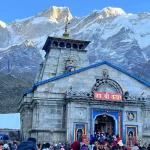
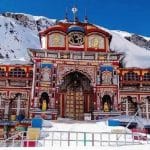
First-Time Chardham Yatra Mistakes That Most Pilgrims Make ,The Chardham Yatra is a once-in-a-lifetime pilgrimage for many devotees, a sacred journey to the four holiest shrines nestled in the breathtaking Himalayas of Uttarakhand. However, the excitement of undertaking this spiritual quest often blinds first-time pilgrims to practical realities that can transform a blessed journey into an exhausting ordeal. Every year, thousands of pilgrims return with stories of avoidable mistakes that diminished their experience—from altitude sickness that could have been prevented to accommodation nightmares resulting from poor planning.
The good news? You don’t have to learn these lessons the hard way. This comprehensive guide reveals the most common mistakes first-time Chardham pilgrims make and, more importantly, shows you exactly how to avoid them. By learning from others’ experiences, you can ensure your sacred journey remains spiritually fulfilling rather than physically and emotionally draining.

Mistake #1: Underestimating the Physical Demands
Ignoring Fitness Preparation
First-Time Chardham Yatra Mistakes That Most Pilgrims Make ,Perhaps the biggest mistake first-timers make is arriving unprepared for the physical challenges ahead. The Chardham circuit involves long hours in vehicles traversing mountain roads, walking on uneven terrain, and functioning at altitudes where oxygen is scarce. Many pilgrims assume their daily routine has prepared them adequately, only to discover on day two that their bodies can’t cope. Start preparing at least two months before your journey with regular walking, climbing stairs, and breathing exercises. Even moderate daily exercise dramatically improves your yatra experience.
Not Acclimatizing to Altitude
First-time pilgrims often rush directly from sea level to high-altitude temples, ignoring the body’s need to adjust. Yamunotri sits at 3,293 meters, Gangotri at 3,100 meters, Kedarnath at 3,583 meters, and Badrinath at 3,133 meters. Your body needs time to adapt to reduced oxygen levels. Smart pilgrims spend their first day or two at intermediate altitudes like Haridwar or Rishikesh, allowing gradual acclimatization. Rushing this process invites altitude sickness that can ruin your entire pilgrimage.
Overestimating Personal Stamina
There’s a significant difference between walking in your neighborhood park and trekking uphill at high altitude. Many first-timers confidently declare they’ll walk to Yamunotri and Kedarnath, then find themselves exhausted after the first kilometer. Be honest about your fitness level. There’s no shame in using palkhi (palanquin) services, ponies, or helicopter options. The goal is completing the pilgrimage with devotion intact, not proving physical prowess.
Mistake #2: Poor Packing Choices
Carrying Too Much Luggage
First-time pilgrims often pack as if they’re moving permanently to the mountains. Remember, you’ll be changing hotels every 1-2 days, and large luggage becomes a burden. Mountain accommodations have limited storage space, and heavy bags are exhausting to manage. Pack just essentials in one medium-sized bag per person. You’re on a pilgrimage, not a fashion show—three sets of comfortable clothes are sufficient for most travelers.
Forgetting Essential Items
While overpacking clothes, first-timers often forget genuinely essential items. Critical items include prescribed medications, basic first-aid supplies, portable oxygen canisters (available in Haridwar/Rishikesh), flashlights or headlamps for early morning temple visits, personal toiletries (mountain shops may not stock your preferred brands), photocopies of important documents, and small denomination cash. One forgotten essential can cause significant inconvenience in remote mountain locations.
Inappropriate Clothing Selection
Many pilgrims either pack too light, assuming “summer” means warm weather, or too heavy, bringing winter gear in May. Mountain weather is unpredictable—mornings are cold, afternoons can be pleasant, and evenings turn freezing. Layered clothing is the solution. Pack thermal innerwear, light woolens, a waterproof jacket, comfortable trekking pants, and proper trekking shoes with good grip. Avoid new shoes that cause blisters and fashionable but impractical outfits unsuited to temple visits or mountain terrain.
Mistake #3: Booking During Peak Season Without Planning
Accommodation Nightmares
May-June and September-October see massive pilgrim crowds. First-timers who book packages without researching often end up in substandard accommodations far from temples, with poor heating, unreliable hot water, and questionable cleanliness. During peak season, good hotels book months in advance. Either book early (at least 2-3 months ahead) or consider traveling during shoulder seasons like late April or early October when crowds thin but temples remain accessible.
Long Darshan Queues
Peak season darshan can involve waiting 3-5 hours in slow-moving queues. First-timers who don’t research VIP darshan options or optimal timing waste precious energy standing in lines. Most temples offer paid fast-track darshan through official channels. While some purists object to “buying” blessings, practical pilgrims recognize that shorter waits conserve energy for the spiritual experience itself. Early morning visits (5-7 AM) also significantly reduce wait times.
Inflated Prices
During peak season, prices for everything—accommodation, food, pony rides, helicopter bookings—skyrocket due to demand. First-timers who arrive without confirmed bookings find themselves at the mercy of inflated spot rates, sometimes paying double or triple normal prices. Fixed package bookings made months in advance lock in lower prices and eliminate this stress.
Mistake #4: Choosing the Cheapest Package
Hidden Costs and Add-Ons
The cheapest package often becomes expensive once hidden costs emerge. First-timers attracted by low headline prices discover that meals aren’t included, hotels are in remote locations requiring additional transportation, temple entry fees are extra, and “optional” helicopter segments for Kedarnath suddenly seem mandatory when facing the 16-kilometer trek. Read package details carefully, comparing total costs including all likely extras rather than just base prices.
Unreliable Tour Operators
Rock-bottom prices often indicate operators cutting corners dangerously. First-timers booking through unknown agencies sometimes discover vehicles are poorly maintained, drivers are inexperienced on mountain roads, promised hotels don’t exist, or operators simply disappear when problems arise. Research operators thoroughly, reading recent reviews from multiple sources. Established companies with physical offices and years of experience cost more but provide security worth the premium.
Compromised Safety Standards
The cheapest packages often compromise safety—vehicles lack proper insurance, no medical support is provided, oxygen cylinders aren’t carried, and accommodations don’t meet basic safety standards. In the treacherous Himalayan environment, these corners cut could prove catastrophic. Your safety is worth more than saving a few thousand rupees.
Mistake #5: Neglecting Health Precautions
Skipping Medical Checkups
Many first-time pilgrims skip pre-yatra medical checkups, assuming they’re healthy enough. This is especially dangerous for middle-aged and elderly pilgrims or those with pre-existing conditions. Undiagnosed heart issues, respiratory problems, or blood pressure irregularities can become medical emergencies at high altitude. A comprehensive checkup 2-3 months before departure allows time to address issues and get medical clearance.
Not Carrying Adequate Medications
First-timers often pack only their regular prescriptions, forgetting medicines for common travel ailments. Your medical kit should include altitude sickness medication (after doctor consultation), pain relievers, anti-diarrheal medicines, antiseptic cream, bandages, motion sickness tablets, and antacids. Mountain towns have pharmacies, but they might not stock specific brands or medications when you need them urgently at midnight.
Ignoring Altitude Sickness Symptoms
Perhaps the most dangerous mistake is dismissing altitude sickness symptoms as mere tiredness. Persistent headaches, nausea, dizziness, breathlessness beyond normal exertion, or confusion indicate your body isn’t adapting to altitude. First-timers often push through these symptoms, risking serious complications like High Altitude Pulmonary Edema (HAPE) or High Altitude Cerebral Edema (HACE). If symptoms appear, rest immediately, use oxygen if available, and descend to lower altitude if symptoms persist. No darshan is worth risking your life.
Mistake #6: Unrealistic Itinerary Expectations
Rushing Through Sacred Sites
First-timers often book rushed 9-10 day packages trying to “complete” Chardham quickly. The result? They’re so exhausted from constant travel that they can barely appreciate the spiritual significance of each shrine. Quality matters more than speed. A 12-14 day itinerary with proper rest days allows genuine spiritual engagement rather than just checking boxes.
Insufficient Rest Days
The body needs recovery time at high altitude. Itineraries that immediately proceed from one dham to another without rest days leave pilgrims increasingly exhausted. Smart itineraries include rest/acclimatization days, particularly before Kedarnath (the highest and most challenging) and after completing all four dhams before the return journey.
Weather-Related Delays Not Factored In
Mountain weather is unpredictable. Landslides, road closures, sudden snowfall, or heavy rain can disrupt even the best-planned itineraries. First-timers with tight schedules and return flight bookings panic when delays occur. Always build buffer days into your plan and keep return bookings flexible. Consider travel insurance covering trip delays and cancellations.
Mistake #7: Dietary Mistakes at High Altitude
Eating Heavy or Unfamiliar Foods
First-time pilgrims often indulge in rich mountain foods or experiment with unfamiliar cuisines, ignoring how altitude affects digestion. Heavy, oily, or spicy foods can cause digestive distress at high altitude where your body is already stressed. Stick to simple, familiar vegetarian meals—dal, rice, roti, and vegetables. Save culinary adventures for sea-level vacations.
Insufficient Hydration
Altitude increases dehydration risk, yet many first-timers don’t drink enough water, mistakenly believing reduced sweating means reduced hydration needs. Aim for 3-4 liters of water daily. Carry a refillable bottle and drink consistently throughout the day. Herbal teas and soups count toward hydration. Proper hydration significantly reduces altitude sickness risk.
Alcohol Consumption
Some pilgrims consume alcohol at night to “warm up” or relax, not realizing alcohol dramatically worsens altitude effects and dehydration. Alcohol is strictly prohibited during pilgrimage from a religious perspective, but even from a health standpoint, it’s dangerous at high altitude. Avoid alcohol completely from the day before starting your yatra until you’ve returned to lower altitudes.
Mistake #8: Technology and Communication Oversights
Not Downloading Offline Maps
Mobile networks are unreliable in mountain regions. First-timers dependent on Google Maps for navigation find themselves lost when signals disappear. Download offline maps of the entire Chardham region before departure. Apps like Maps.me work without internet connectivity, providing crucial navigation backup.
Insufficient Power Banks
With limited electricity in some mountain accommodations and frequent power cuts, phone batteries die when you need them most. Carry at least one high-capacity power bank (20,000 mAh) per person. A fully charged phone is your lifeline for emergencies, navigation, and keeping family updated.
Expecting Consistent Mobile Network
First-timers assume they’ll have constant mobile connectivity for social media updates and video calls. Reality check: many stretches have no signal at all. BSNL generally offers the best coverage in mountain regions. Inform family members before departure about communication limitations and establish check-in protocols when you do have connectivity.
Mistake #9: Disrespecting Local Customs and Environment
Inappropriate Behavior at Temples
First-time pilgrims sometimes treat sacred temples like tourist attractions, taking selfies inappropriately, wearing revealing clothes, or talking loudly. Temples have dress codes—covered shoulders and legs are mandatory. Remove shoes where required, don’t take photos inside sanctums where prohibited, maintain silence, and behave with the reverence these ancient shrines deserve.
Littering in Sacred Spaces
Sadly, many pilgrims leave trash along trekking routes and temple areas. Plastic bottles, food wrappers, and other waste mar these pristine Himalayan locations. Carry a small bag for your trash and dispose of it properly in designated areas. The mountains are sacred; treat them with respect.
Ignoring Photography Restrictions
Many temple sanctums prohibit photography, yet first-timers often snap pictures anyway, sometimes even using flash during rituals. Respect these restrictions. Not everything needs documentation for social media. Some experiences should remain in memory and heart rather than on phone galleries.
Mistake #10: Financial Mismanagement
Carrying Only Cards in Remote Areas
First-timers accustomed to cashless urban transactions discover that mountain regions remain largely cash-based. ATMs are scarce, unreliable, and frequently out of service. Card machines often don’t work due to poor connectivity. Carry sufficient cash in small denominations. Budget ₹500-₹1,000 per person per day for incidentals beyond package costs.
Not Budgeting for Emergencies
Unexpected expenses are inevitable—emergency palkhi use, unplanned helicopter segments due to weather, medical consultations, vehicle breakdowns requiring alternate transport. First-timers with tight budgets find themselves stressed when facing these situations. Keep an emergency fund of at least ₹10,000-₹15,000 beyond planned expenses.
Falling for Scams
Tourist areas unfortunately attract scammers. Common scams include unauthorized “guides” offering services then demanding excessive payment, fake palkhi bookings, overcharging for basic items, and fake temple priests performing elaborate rituals then demanding large donations. Book services through your tour operator or official channels, agree on prices before services are rendered, and politely but firmly decline unsolicited offers.
How to Avoid These Mistakes – A Checklist
Start planning 3-4 months ahead. Get comprehensive medical checkups. Research and book reputable tour operators early. Prepare physically with regular exercise. Pack smartly—layers, essentials, minimal luggage. Budget conservatively with emergency funds. Download offline maps and carry power banks. Respect local customs and environment. Stay hydrated and eat light. Build buffer days for weather delays. Carry adequate cash. Listen to your body regarding altitude symptoms. Focus on spiritual experience over social media documentation.
What Successful Pilgrims Do Differently
Successful pilgrims prioritize preparation over spontaneity. They invest in quality packages rather than seeking cheapest options. They maintain realistic expectations about physical challenges. They treat the journey as a pilgrimage, not tourism—devotion guides decisions over convenience. They remain flexible when plans change due to weather or health. They respect that Chardham tests physical limits to deepen spiritual reward. Most importantly, they return home not with perfect Instagram feeds but with transformed hearts and fulfilled souls.
Conclusion
The Chardham Yatra represents one of Hinduism’s most sacred pilgrimages, but first-time mistakes can diminish what should be a profoundly spiritual experience. By learning from the common errors outlined here—from physical unpreparedness and poor packing to budget miscalculations and health negligence—you can avoid the pitfalls that trap unprepared pilgrims. Remember, this isn’t a race or competition. The divine doesn’t award extra points for suffering through preventable difficulties.
Proper planning, realistic expectations, adequate preparation, and respect for both the sacred sites and your own limitations ensure your Chardham Yatra becomes what it’s meant to be—a transformative spiritual journey that enriches your soul rather than merely exhausting your body. Take these lessons to heart, plan thoughtfully, and embark on your pilgrimage with confidence that you’re prepared for both its challenges and its blessings.
FAQs
1. What is the single most important preparation for first-time Chardham pilgrims?
Physical fitness preparation combined with comprehensive medical clearance is the single most crucial preparation. Start a fitness routine at least 8-10 weeks before departure, focusing on cardiovascular endurance, leg strength through stair climbing, and breathing exercises. Simultaneously, undergo thorough medical checkups including ECG, blood pressure monitoring, and respiratory assessment. Most pilgrimage challenges stem from bodies unprepared for high-altitude physical demands. Even with helicopter services reducing trekking, altitude itself stresses your cardiovascular and respiratory systems. A fit body with medical clearance handles these stresses far better than an unprepared one, preventing altitude sickness, exhaustion, and medical emergencies that ruin pilgrimages.
2. How much should I realistically budget for a first-time Chardham Yatra?
Budget ₹45,000-₹70,000 per person for a comfortable 12-day road package including decent accommodation, meals, transportation, and tour operator fees. Add ₹10,000-₹15,000 for palkhi/pony services if needed at Yamunotri and Kedarnath. Include another ₹10,000 per person for personal expenses (VIP darshan, offerings, shopping, snacks, contingencies). Helicopter packages cost ₹1,75,000-₹2,50,000 per person. Whatever your package cost, add 25-30% extra as emergency buffer for unforeseen expenses. First-timers who budget too tightly find themselves stressed when facing unavoidable additional costs, diminishing the spiritual experience.
3. Is it better to book through a tour operator or plan independently?
For first-time pilgrims, booking through reputable tour operators is strongly recommended. The logistical complexity of Chardham—booking accommodation in remote locations, arranging reliable mountain transportation, navigating altitude challenges, coordinating timing across four different shrines—overwhelms most first-timers. Established operators have experience, local connections, emergency protocols, and handle problems efficiently. Independent travel might save money but dramatically increases stress and risk, especially for those unfamiliar with mountain travel. After completing Chardham once with a tour operator, you’ll understand the circuit well enough to consider independent travel on future visits if desired.
4. What is the best month for first-time pilgrims to undertake Chardham Yatra?
May or late September/early October offer the best conditions for first-timers. May provides warmer temperatures (though still cold at night), clear skies ideal for scenery, and temples freshly opened after winter. However, May attracts maximum crowds. Late September and early October offer pleasant weather, stunning autumn colors, fewer crowds, and lower prices after the monsoon ends. Avoid peak monsoon (July-August) when landslides and rain disrupt travel, and early season (late April) when snow lingers and facilities aren’t fully operational. June is acceptable but very crowded. The absolute best compromise is the first half of October—pleasant weather, manageable crowds, and operational infrastructure.
5. Can first-time pilgrims complete Chardham if they’re not very religious or fit?
Absolutely, though approach and expectations matter. You don’t need deep religious knowledge to appreciate Chardham’s spiritual atmosphere—the mountains’ majesty and ancient temples’ energy move even skeptical visitors. Regarding fitness, modern options like helicopter services, palkhi/pony assistance, and comfortable road packages make Chardham accessible to reasonably healthy people regardless of athletic ability. However, first-timers should honestly assess their limitations and choose appropriate service levels. The key is proper preparation, realistic expectations, and focus on the experience rather than proving anything. Thousands of average-fitness, moderately-religious pilgrims successfully complete Chardham annually, returning spiritually enriched even if they weren’t devout beforehand.