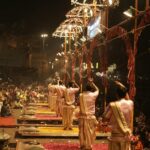

Ganga Aarti Timings in Varanasi Today Dashashwamedh Ghat , Have you ever witnessed a thousand flames dancing in perfect synchronization as ancient prayers echo across sacred waters? If you’re in Varanasi today, you’re in for one of India’s most mesmerizing spiritual spectacles—the Ganga Aarti at Dashashwamedh Ghat. This daily ceremony, performed with unwavering devotion rain or shine, is more than just a tourist attraction—it’s a living tradition that’s been illuminating the banks of the Ganges for centuries. Let me guide you through everything you need to know about today’s aarti timings, what to expect, and how to make the most of this unforgettable experience.
What is Ganga Aarti at Dashashwamedh Ghat?
The Spiritual Significance
The Ganga Aarti is a ritual of reverence—a daily offering of gratitude to the river Ganges, considered the holiest river in Hinduism. Think of it as a grand theatrical prayer where fire, sound, and devotion merge into something transcendent. The ceremony honors Ganga Mata (Mother Ganges) for her life-giving properties and her role in purifying souls.
But here’s what makes it truly special: this isn’t a performance for tourists. It’s a genuine act of worship that happens to be spectacular enough to draw thousands of spectators. The priests aren’t performing—they’re praying, and you’re witnessing devotion in its purest, most visually stunning form.
History and Origins
The Ganga Aarti tradition at Dashashwamedh Ghat has roots going back several centuries, though the current elaborate format was standardized more recently. According to Hindu mythology, Lord Brahma performed a ten-horse sacrifice (Dash Ashwamedh) at this very spot, giving the ghat its name and sacred significance.
The modern synchronized aarti we witness today evolved from simpler individual offerings into the choreographed ceremony organized by local religious organizations. What started as personal devotion has become a collective spiritual experience that unites thousands under the glow of oil lamps.
Current Ganga Aarti Timings Today
Evening Aarti Timing
Today’s Evening Aarti Time: Approximately 6:45 PM to 7:30 PM
The evening Ganga Aarti at Dashashwamedh Ghat typically begins around sunset. In December 2024, with winter in full swing, the ceremony starts at approximately 6:45 PM and continues for about 45 minutes to an hour.
However—and this is important—the exact timing varies by 15-30 minutes depending on sunset time, which changes throughout the year. The priests begin preparations about 15 minutes before the actual start, so arriving by 6:15-6:30 PM ensures you catch everything.
Morning Aarti Timing
Today’s Morning Aarti Time: Approximately 5:30 AM to 6:15 AM
The morning aarti is less elaborate and far less crowded than the evening ceremony. It begins around sunrise, which in December is approximately 5:30-5:45 AM. This is a more intimate, serene experience—fewer tourists, more locals, and a completely different energy.
The morning ceremony is shorter, lasting about 30-40 minutes, and offers a peaceful alternative if you want to experience the spiritual essence without the evening crowds.
Seasonal Variations in Timing
Aarti timings shift with seasonal sunset and sunrise times:
- Winter (November-February): Evening aarti around 6:30-7:00 PM, Morning aarti around 5:30-6:00 AM
- Summer (March-June): Evening aarti around 7:00-7:30 PM, Morning aarti around 5:00-5:30 AM
- Monsoon (July-October): Evening aarti around 6:30-7:00 PM, Morning aarti around 5:15-5:45 AM
The aarti happens every single day without exception—festivals, holidays, monsoon downpours, or winter fog. This consistency is part of its sacred nature.
How Long Does the Aarti Last?
The evening aarti ceremony runs for approximately 45 minutes to 1 hour. Here’s the typical breakdown:
- Preparation: 10-15 minutes (priests arranging lamps, setting up)
- Main Ceremony: 35-40 minutes (synchronized prayers, lamp offerings)
- Conclusion and Dispersal: 5-10 minutes
The morning aarti is shorter, usually 30-40 minutes total. If you’re watching from a boat, factor in additional time for the boat ride itself—most boat aarti experiences are 1.5-2 hours including travel time.
Don’t expect to dash in for 10 minutes and call it done. The magic unfolds gradually, and staying for the entire ceremony lets you feel the complete spiritual arc from anticipation to crescendo to peaceful conclusion.
Best Time to Arrive at Dashashwamedh Ghat
For the Evening Aarti
Recommended Arrival Time: 5:45-6:15 PM
Here’s the reality—Dashashwamedh Ghat gets packed. We’re talking shoulder-to-shoulder crowding, especially during peak tourist season (November-February). If you want a decent viewing spot:
- Premium spots (front rows on steps): Arrive by 5:45-6:00 PM
- Good spots (middle sections with clear view): Arrive by 6:00-6:15 PM
- Any spot (you’ll see something, even if from far back): Arrive by 6:30 PM
Later than 6:30 PM? You’ll struggle to even reach the ghat properly, let alone find viewing space. The crowd swells from a few hundred at 6:00 PM to several thousand by ceremony start.
Pro tip: The earlier you arrive, the more you can observe the preparation—priests arranging brass lamps, lighting diyas, setting up their stations. This behind-the-scenes glimpse adds depth to your experience.
For the Morning Aarti
Recommended Arrival Time: 5:15-5:30 AM
Morning aarti is blissfully different. Arriving 15-20 minutes early is sufficient. The crowd is sparse—mostly devoted locals, a handful of knowledgeable travelers, and those who couldn’t wake up for evening planning but somehow made sunrise.
The peaceful atmosphere, the slowly lightening sky, the gentle morning prayers—it’s everything the evening aarti is, minus the circus. If you’re not a morning person, force yourself just this once. You won’t regret it.
The Aarti Ceremony – What to Expect
The Priests and Their Roles
Seven young priests, dressed in traditional silk dhotis and kurtas, perform the synchronized ceremony. Each priest manages a multi-tiered brass lamp stand (holding five diyas at different levels) weighing several kilograms. They move these heavy lamps through choreographed patterns—circular movements, offerings to different directions, rhythmic raising and lowering.
It’s physically demanding. These aren’t just spiritual leaders—they’re athletes of devotion, maintaining perfect synchronization for 40+ minutes while handling fire. Their concentration is absolute, their movements precise, their devotion palpable.
The Ritual Sequence
The ceremony follows a structured sequence:
- Invocation: Priests begin with prayers invoking Ganga Mata
- Lamp Offering: Five-tiered lamps are lit and offered to the river in circular patterns
- Direction Offerings: Lamps are presented to all cardinal directions
- Conch Shell Blowing: Deep, resonant conch sounds punctuate the ceremony
- Incense Offering: Fragrant incense is waved in patterns
- Flower Offering: Fresh flowers are offered to the river
- Final Prayers: Concluding mantras and blessings
Each element has symbolic meaning—fire represents divine light, incense carries prayers skyward, flowers honor beauty and impermanence, water connects earth to heaven.
Music and Mantras
Throughout the ceremony, devotional songs and Vedic mantras fill the air. The most prominent is the Ganga Aarti song—”Om Jai Gange Mata”—which devotees in the crowd often sing along with. The rhythmic chanting, accompanied by cymbals, bells, and drums, creates an almost hypnotic soundscape.
Even if you don’t understand Sanskrit, the sound itself becomes part of the experience. The vibrations, the collective energy, the thousands of voices joining ancient prayers—it transcends language.
Best Viewing Spots for Ganga Aarti
From the Ghat Steps
The classic viewing experience. You sit (or stand) on the stone steps with hundreds of others, directly facing the ceremony platform.
Advantages:
- Free
- Authentic crowd experience
- Close to the action
- Can feel the collective energy
Disadvantages:
- Extremely crowded
- Difficult to get good spots
- Limited personal space
- Hard to photograph without people in frame
Best Strategy: Arrive early, claim steps in the middle sections (better angle than extreme sides), sit with knees up to save space, protect belongings.
From a Boat on the River
Many consider this the best viewing option. Boats anchor about 20-30 meters from the ghat, offering unobstructed views of the entire ceremony against the backdrop of the illuminated ghats.
Cost: ₹200-500 per person for shared boats, ₹2,000-4,000 for private boat hire
Advantages:
- Spectacular perspective
- No crowd hassles
- Excellent photography angles
- Romantic, peaceful experience
- Can see the ceremony and the crowd’s reaction
Disadvantages:
- Additional cost
- Slightly distant from the ceremony
- Can’t hear mantras as clearly
- Boat movement can affect photos
Booking: Arrange boats at least 2 hours before aarti. Many hotels offer booking services, or negotiate directly with boatmen at nearby ghats (Meer Ghat, Lalita Ghat).
From Rooftop Cafés and Terraces
Several cafés and guesthouses around Dashashwamedh Ghat have rooftops with aarti views. Brown Bread Bakery, Aum Café, and various guesthouse terraces offer elevated perspectives.
Cost: Usually requires ordering food/drinks (₹200-500 minimum) or an entry fee (₹100-300)
Advantages:
- Comfortable seating
- Food and beverages available
- Toilets accessible
- Wide, unobstructed views
- Perfect for photography
- Escape route from crowds
Disadvantages:
- Additional expense
- Distant from ceremony energy
- Limited seating (book ahead)
- Separated from the spiritual atmosphere
Best For: Photographers, those prioritizing comfort, families with small children or elderly members.
Reserved Seating Options
Some organizations offer reserved seating platforms on the ghat itself, providing dedicated seats with good views.
Cost: ₹300-1,000 per person
How to Book: Through hotels, tour operators, or directly with organizing committees (contact details available at tourist information centers)
Worth It?: If you’re short on time, want guaranteed good spots, or traveling with elderly family members—absolutely. Otherwise, arriving early and claiming free spots works fine.
How to Reach Dashashwamedh Ghat
By Auto-Rickshaw or Taxi
From most parts of Varanasi, autos and taxis can drop you near Dashashwamedh Ghat. However, vehicles can’t reach the ghat itself—you’ll walk the final 200-500 meters through pedestrian lanes.
From Railway Station: ₹150-250, 20-30 minutes From Airport: ₹400-600, 45-60 minutes From Assi Ghat Area: ₹80-150, 15-20 minutes
Drop-off Points: Godowlia Crossing, Vishwanath Lane entrance, or nearby accessible lanes.
By Cycle Rickshaw
Cycle rickshaws navigate narrower lanes and can get slightly closer than motorized vehicles.
Cost: ₹50-100 for most intra-city journeys Time: Slower than autos but more maneuverable in old city lanes
Advantage: The rickshaw ride itself becomes part of the experience—meandering through ancient lanes, observing local life.
Walking from Popular Areas
If staying in the old city area (Vishwanath Temple vicinity, Godowlia, Bengali Tola), walking is often easiest.
From Kashi Vishwanath Temple: 5-7 minutes (600 meters) From Godowlia: 8-10 minutes (700 meters) From Assi Ghat: 30-40 minutes walking (or take transport)
Navigation: Dashashwamedh is Varanasi’s most famous ghat—anyone can direct you. Look for the massive crowd converging toward the river around aarti time and follow.
What to Wear and Bring
Dress Code Recommendations
There’s no strict dress code, but respectful attire is appreciated:
For Women:
- Modest clothing covering shoulders and knees
- Salwar kameez, long skirts with tops, or conservative dresses
- Dupatta or scarf (useful for covering head if entering nearby temples)
- Comfortable footwear (you might remove shoes near ceremonial areas)
For Men:
- Long pants or traditional kurta-pajama
- Shirt (not mandatory, but respectful)
- Avoid shorts or sleeveless shirts for temple areas
In December: Varanasi gets chilly in evening—carry a light jacket or shawl. Morning aarti can be quite cold (10-15°C), so layer up.
Essential Items to Carry
- Water bottle: Staying hydrated, especially in crowds
- Small bag: For phone, wallet, camera (keep it cross-body and secure)
- Cash: ₹500-1,000 for offerings, boat rides, snacks
- Flashlight/phone light: Lanes can be dark when walking back post-aarti
- Wet wipes: For cleaning hands after sitting on steps
- Small towel: Ghats can be dusty
What NOT to Bring: Expensive jewelry, large bags, laptops, unnecessary valuables. Pickpocketing, while not rampant, does occur in dense crowds.
Photography Equipment
- Camera Settings: Manual mode for controlling exposure; low ISO (200-400) if using tripod; faster ISO (800-1600) for handheld
- Lenses: Wide-angle (16-35mm) for capturing entire scene; 50-85mm for detail shots
- Tripod: Brings stability but can be cumbersome in crowds; consider monopod
- Phone Photography: Modern phones handle low light well—use night mode
Lighting Reality: The aarti is well-lit with lamps and fire, but surrounding areas are dark. This contrast challenges cameras. Embrace the mood—perfectly exposed shots often look flat compared to slightly darker, atmospheric images.
Photography and Videography Guidelines
The Good News: Photography is absolutely allowed and even encouraged. The aarti’s visual splendor invites documentation.
The Considerations:
- Respect worship: Don’t obstruct others’ views or priests’ movements
- Flash photography: Generally discouraged—bright flashes disturb others and kill the ambiance
- Drone usage: Strictly prohibited without special permissions
- Commercial shooting: Requires permits; personal photography is fine
Best Shots to Capture:
- Wide shots of all seven priests synchronized with lamps
- Close-ups of individual lamp offerings
- Priests’ concentrated faces reflected in firelight
- Crowd reactions—devotion, wonder, peace
- Reflection of flames on the Ganges
- Silhouettes of boats and ghats against twilight sky
Ethical Photography: If photographing specific individuals (especially locals), ask permission or be discreet. This is a sacred ceremony, not a zoo.
Cost and Expenses
Entry Fee (Free)
The Ganga Aarti itself is completely free. Anyone can walk to Dashashwamedh Ghat and watch the ceremony without payment. This accessibility is part of its beauty—spiritual experiences shouldn’t have price tags.
Boat Ride Costs
If choosing boat viewing:
- Shared Boats: ₹200-500 per person (boats carry 8-12 people)
- Private Boat Hire: ₹2,000-4,000 for entire boat (accommodates 8-10 people)
- Premium Decorated Boats: ₹5,000-8,000 (with flower decorations, cushioned seating)
Negotiation: Prices aren’t fixed. Polite bargaining is expected, especially for private hires. Avoid booking during last-minute rush when boatmen know you’re desperate.
Donation and Offerings
While not required, many visitors choose to participate through offerings:
- Flower Diyas: ₹20-50 for small floating diyas with flowers
- Prasad: ₹10-20 for ceremonial sweets/fruits
- Direct Donation: Whatever feels appropriate (₹50-500 common)
Where Money Goes: Donations support the temple trust that organizes the aarti, maintains the ghat, and supports the priests.
Pressure: Be prepared for people selling offerings or requesting donations. A polite “no, thank you” is perfectly acceptable. Donate only if you genuinely wish to, not from obligation or pressure.
Tips for First-Time Visitors
Crowd Management
Reality Check: Dashashwamedh evening aarti is crowded—sometimes overwhelmingly so. Accept this reality or choose morning aarti instead.
Strategies:
- Arrive early: The single best strategy
- Choose strategic spots: Middle sections offer better views than extreme sides
- Stay calm: Pushing and frustration won’t help; patience will
- Keep group together: Easy to get separated; designate meeting spot
- Exit strategically: Don’t rush out immediately—wait 10-15 minutes for initial crowds to thin
For anxious travelers: If crowds trigger anxiety, book boat viewing or rooftop café spots for stress-free experience.
Safety and Security
Dashashwamedh is generally safe, but standard precautions apply:
- Valuables: Keep minimal cash, secure bags cross-body, avoid displaying expensive cameras/jewelry
- Phone/Wallet: Front pockets or secured bag compartments
- Children: Hold hands constantly in crowds, consider child carriers for very young ones
- Women travelers: Groups are safest, but solo women attend regularly without issues
- Emergency contact: Save local police number (112) and your hotel contact
Common Issues: Pickpocketing, aggressive donation requests, overcharging for services. Stay aware, assertive, and polite.
Respecting the Sacred Ceremony
This is worship, not entertainment:
- Silence: Quiet conversation is fine; loud talking is disrespectful
- Reverence: Stand or sit respectfully during prayers
- Participation: Join if comfortable (singing along, offering prayers); observe respectfully if not
- Appropriate behavior: No eating, drinking, or smoking during ceremony
- Temple protocols: If entering nearby temples, remove footwear, cover heads (women), respect photography restrictions
Cultural Sensitivity: Even if you’re not Hindu or religious, approach with openness and respect. You’re a guest at someone’s spiritual practice.
Other Aarti Locations in Varanasi
Assi Ghat Aarti
A more modest but beautiful evening aarti happens at Assi Ghat, Varanasi’s southernmost major ghat.
Timing: Approximately 6:00-6:45 PM (slightly earlier than Dashashwamedh)
Atmosphere: Smaller scale, single priest, more intimate, very different vibe—bohemian, artistic, peaceful
Crowd: Much smaller—locals, students, artists, travelers seeking alternatives
Best For: Those wanting spiritual experience without Dashashwamedh’s overwhelming crowds
Alternative Ghats
Several other ghats host smaller, unofficial aartis:
- Panchganga Ghat: Occasional traditional ceremonies
- Kedar Ghat: Morning prayers and smaller evening offerings
- Tulsi Ghat: Less frequent but authentic when they occur
These aren’t daily guaranteed performances but genuine local worship. Ask your hotel or guesthouse about current timings.
Combining Aarti with Other Varanasi Experiences
Evening Activities After Aarti
Ghat Walk (7:30-9:00 PM): Walk north or south along the ghats after aarti. The ghats remain beautifully lit, and the post-ceremony peace is lovely.
Dinner: Nearby restaurants offer Banarasi specialties:
- Brown Bread Bakery (rooftop dining)
- Pizzeria Vaatika Café (multi-cuisine)
- Kashi Chat Bhandar (street food)
- Deena Chat Bhandar (famous chaat)
Evening Boat Ride: Some boat operators offer post-aarti rides showing illuminated ghats—magical and peaceful.
Shopping: Vishwanath Lane and surrounding markets remain open—silk sarees, brassware, bangles, religious items.
Morning Activities After Aarti
Sunrise Boat Ride: If you’ve just attended morning aarti, extend with a sunrise boat tour (₹300-600 per boat). Watching Varanasi wake up from the river is spectacular.
Kashi Vishwanath Temple Visit: Morning is ideal—fewer crowds than daytime. The temple is walking distance from Dashashwamedh.
Breakfast: Try famous Varanasi breakfast spots:
- Blue Lassi (legendary lassi shop)
- Kashi Chat Bhandar (kachori-sabzi, jalebi)
- Bread of Life Bakery (continental breakfast)
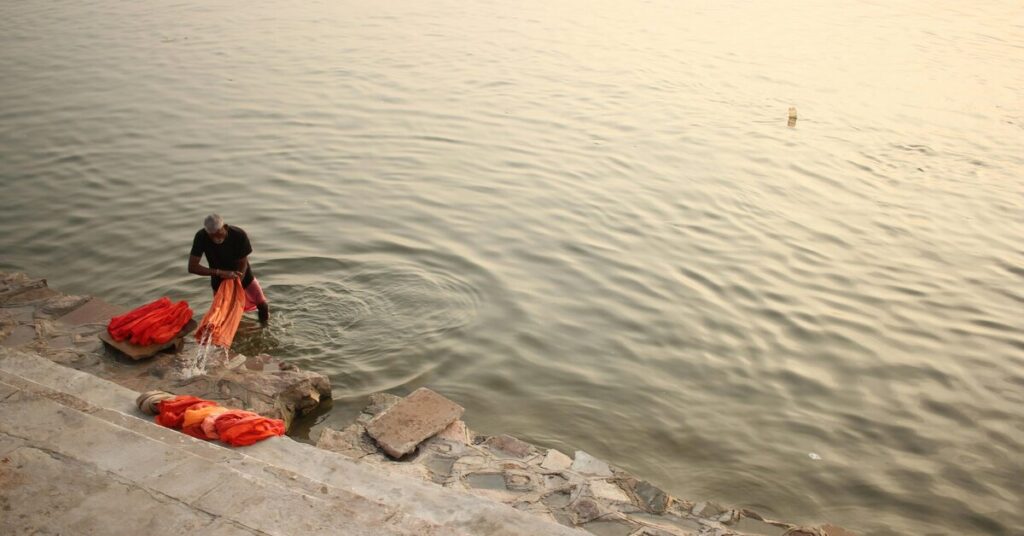
Morning Ghat Walk: Observe local life—people bathing, doing laundry, practicing yoga, conducting personal pujas.
Special Aarti During Festivals
During major Hindu festivals, the Ganga Aarti becomes even more elaborate:
Dev Deepavali (November, 15 days after Diwali): The most spectacular—entire ghat lit with thousands of earthen lamps, extended ceremony, massive crowds
Kartik Purnima: Special prayers and extended ceremonies
Mahashivaratri: All-night prayers; aarti is part of larger celebration
Ganga Dussehra: Celebrating Ganga’s descent to earth—special significance
During Festivals: Expect 2-3x normal crowds, extended ceremony duration, enhanced decoration, more offerings. Arrive much earlier (5:00 PM for festival aartis). The energy is electric but crowds are intense.
Weather Considerations
Winter (November-February):
- Temperature: 8-20°C
- Considerations: Evening and morning can be quite cold; fog sometimes affects visibility
- What to Bring: Jacket, shawl, layers
Summer (March-June):
- Temperature: 25-45°C
- Considerations: Evening aarti offers relief from day’s heat; still warm
- What to Bring: Water, light cotton clothing, sun protection
Monsoon (July-October):
- Temperature: 25-35°C with high humidity
- Considerations: Aarti continues despite rain; beautiful but wet
- What to Bring: Umbrella, raincoat, waterproof bag for electronics
Aarti Cancellation: The ceremony happens regardless of weather—heat, rain, fog, or cold. It’s never cancelled. Be prepared for conditions.
Accessibility for Elderly and Disabled Visitors
Challenges: Dashashwamedh Ghat involves uneven stone steps, crowded spaces, and difficult terrain for mobility-impaired visitors.
Solutions:
Boat Viewing: Most accessible option—boats can be accessed from easier boarding points, avoiding ghat steps entirely.
Reserved Seating: Some platforms have easier access than free seating areas. Inquire through hotels about accessible reserved seating.
Rooftop Cafés: Stairs required, but once up, comfortable seating and toilets available.
Wheelchair Access: Extremely difficult on the ghat itself. Boat viewing or distant elevated viewing points (arranged through hotels) are better options.
Assistance: Hotels can arrange attendants to help navigate crowds and terrain (₹500-1,000). Many locals also offer spontaneous assistance if needed.
Conclusion
The Ganga Aarti at Dashashwamedh Ghat isn’t just something to check off your Varanasi itinerary—it’s an experience that stays with you. Whether you’re arriving at 6:15 PM today to secure a front-row spot on the ancient stone steps, or booking a peaceful boat ride for a romantic river perspective, or waking before dawn for the serene morning ceremony, you’re about to witness something that transcends ordinary tourism.
This is living tradition—not a staged show but genuine devotion that’s been offered to the sacred Ganges for generations. The synchronized movements of the priests, the flickering flames reflected in the river, the collective energy of thousands joining ancient prayers, and the timeless city rising behind it all—these elements combine into something that photographs can’t quite capture and words can’t fully describe.
So today, whether it’s winter evening at 6:45 PM or summer sunset at 7:15 PM, make your way to the ghats. Feel the stone steps beneath you, breathe the incense-scented air, watch fire dance in offering to the eternal river, and let yourself be present for this daily miracle. Varanasi offers many wonders, but few are as accessible, as profound, and as visually magnificent as this ceremony happening today, tomorrow, and every day—unchanging yet new each time.
The Ganges awaits your presence. The aarti awaits your witness. Varanasi awaits your arrival.
FAQs
1. What time is the Ganga Aarti at Dashashwamedh Ghat today?
The evening Ganga Aarti at Dashashwamedh Ghat today (December 21, 2025) starts at approximately 6:45 PM and lasts until about 7:30 PM. Morning aarti begins around 5:30 AM. These timings vary by 15-30 minutes seasonally based on sunset/sunrise times. During summer months (April-June), evening aarti starts around 7:00-7:15 PM, while winter months (November-February) see earlier timings around 6:30-6:45 PM. The ceremony happens daily without exception, regardless of weather conditions.
2. What is the best way to watch the Ganga Aarti—from the ghat or from a boat?
Both offer unique experiences. Watching from the ghat steps is free, authentic, and allows you to feel the collective devotional energy, but requires arriving by 6:00-6:15 PM for decent spots and dealing with large crowds. Boat viewing (₹200-500 per person shared, ₹2,000-4,000 private) provides spectacular unobstructed perspectives, excellent photography angles, peaceful comfort, and romantic atmosphere. First-timers often prefer boat viewing for stress-free experience, while those seeking immersive spiritual participation prefer ghat steps. For elderly visitors or photographers, boats are ideal.
3. Is there an entry fee for the Ganga Aarti?
No, the Ganga Aarti itself is completely free. Anyone can walk to Dashashwamedh Ghat and watch the ceremony without paying any entry fee. However, optional expenses include boat rides (₹200-4,000), reserved seating platforms (₹300-1,000), rooftop café viewing with food/drink minimums (₹200-500), and voluntary offerings like flower diyas (₹20-50) or donations. The ceremony’s accessibility reflects its spiritual nature—divine experiences shouldn’t require payment.
4. How early should I arrive to get a good spot for the evening aarti?
Arrive by 5:45-6:00 PM for premium front-row spots on the ghat steps, or by 6:00-6:15 PM for good middle-section views. Arriving after 6:30 PM means struggling through dense crowds with limited viewing space. During peak tourist season (November-February) and festivals, arrive even earlier (5:30 PM). Morning aarti is far less crowded—arriving 15-20 minutes early (around 5:15 AM) provides excellent spots easily. If booking boat viewing, arrange 2-3 hours before aarti starts.
5. Can I take photos and videos during the Ganga Aarti ceremony?
Yes, photography and videography are allowed and welcomed at the Ganga Aarti. However, avoid using bright flash as it disturbs other viewers and priests, and kills the atmospheric ambiance. Tripods are useful but cumbersome in crowds. Drones require special permissions. Focus on capturing the ceremony respectfully without obstructing others’ views or the priests’ movements. The fire-lit scenes challenge camera settings—use manual mode, higher ISO (800-1600) for handheld shots, or embrace slightly darker atmospheric images that often look more authentic than perfectly exposed technical shots.