How Elders Manage Temple Darshan in Varanasi Without Standing Long , Varanasi, one of the world’s oldest living cities, holds immense spiritual significance for Hindus. The city is home to thousands of temples, with the Kashi Vishwanath Temple being the most revered. Every year, millions of devotees visit these sacred sites seeking blessings and spiritual fulfillment. However, the overwhelming crowds, long queues, and hours of standing can make temple visits challenging, especially for elderly pilgrims.
For senior citizens dealing with mobility issues, joint pain, fatigue, or other health concerns, the prospect of standing in line for hours can be daunting—or even impossible. Yet, the spiritual calling to visit these holy places remains strong. Fortunately, there are numerous strategies, facilities, and services specifically designed to help elders experience temple darshan in Varanasi comfortably and with dignity.
This comprehensive guide explores practical solutions, insider tips, and official arrangements that enable elderly devotees to fulfill their spiritual aspirations without the physical strain of prolonged standing.
Understanding the Challenge: Why Temple Visits Are Difficult for Elders
How Elders Manage Temple Darshan in Varanasi Without Standing Long ,Before exploring solutions, it’s important to understand the specific challenges elderly visitors face at Varanasi’s temples.
The Crowd Factor
How Elders Manage Temple Darshan in Varanasi Without Standing Long ,Varanasi’s most famous temples, particularly Kashi Vishwanath, attract massive crowds throughout the year. During auspicious occasions like Mahashivratri, Kartik Purnima, or Mondays during the holy month of Shravan, the number of visitors can swell to lakhs (hundreds of thousands). Even on regular days, thousands of devotees queue for darshan.
These crowds create several challenges for elderly visitors. The press of people can be overwhelming and potentially dangerous. The noise and chaos can be disorienting. Most significantly, the queues move slowly, requiring hours of standing in cramped conditions.
Physical Infrastructure Challenges
Many of Varanasi’s temples are ancient structures built centuries ago, long before accessibility considerations became standard. The infrastructure presents multiple obstacles:
- Narrow pathways and lanes: The temple approach routes often wind through narrow galis (lanes) that barely accommodate two people walking side by side.
- Uneven surfaces: Cobblestones, worn steps, and uneven flooring can be treacherous for those with balance or mobility issues.
- Steep stairs: Many temples are located atop flights of stairs, some quite steep and without handrails.
- Limited seating: Queue areas typically have minimal or no seating arrangements.
- Inadequate lighting: Some approach routes and queue areas are poorly lit, creating navigation hazards.
- Bathroom facilities: Accessible and clean restroom facilities are often limited or distant from queue areas.
Health Considerations
Standing for extended periods poses specific health risks for elderly individuals:
- Joint and back pain: Arthritis, knee problems, and back issues are aggravated by prolonged standing.
- Circulation problems: Poor circulation can lead to swelling, numbness, or more serious complications.
- Fatigue: General stamina decreases with age, making hours-long waits exhausting.
- Heat and dehydration: Varanasi’s climate can be extremely hot, particularly from April to June, leading to heat exhaustion or dehydration.
- Medical emergencies: The stress of crowds and standing can trigger complications for those with heart conditions, diabetes, or other chronic illnesses.
Psychological Barriers
Beyond physical challenges, psychological factors also affect elderly temple visitors:
- Anxiety about crowds: Fear of being pushed, separated from companions, or overwhelmed.
- Concern about causing delays: Worry about moving slowly and inconveniencing others.
- Fear of missing out: Anxiety that physical limitations will prevent spiritual experiences.
- Dignity concerns: Reluctance to ask for special assistance or appear needy.
Official Arrangements and Special Facilities for Elderly Devotees
Recognizing these challenges, temple authorities and the government have implemented various facilities specifically for senior citizens and those with mobility challenges.
Senior Citizen Darshan Passes at Kashi Vishwanath Temple
The Kashi Vishwanath Temple, managed by the Shri Kashi Vishwanath Temple Trust, offers special arrangements for senior citizens:
Age Requirements: Generally, individuals above 60 years are eligible for senior citizen facilities, though some provisions may start at 65 years. It’s advisable to carry proof of age (Aadhaar card, passport, or any government ID).
Priority Darshan Access: Senior citizens can access designated queues that move faster than general queues. These special lines are clearly marked and have volunteers or temple staff to assist.
Facilitated Entry Points: Dedicated entry gates for senior citizens reduce the distance walked and allow bypassing the longest queue sections.
Resting Areas: Designated waiting areas with seating where elderly devotees can rest before entering the main temple.
Wheelchair Accessibility: The temple complex has been increasingly retrofitted with ramps and smoother pathways. Wheelchairs are available at entry points, though it’s advisable to bring your own if possible for guaranteed availability.
Timing Considerations: Early morning hours (before 7 AM) and late evening (after 8 PM) typically see smaller crowds. Temple management sometimes designates specific time slots for senior citizens during peak seasons.
VIP Darshan Options
While “VIP” may seem contrary to spiritual equality, these paid services exist as a practical solution for those who cannot manage regular queues:
How It Works: For a fee (typically ranging from ₹500 to ₹3,000 depending on the season and service provider), devotees can access expedited darshan routes that significantly reduce waiting time from hours to 15-30 minutes.
What’s Included: VIP packages typically include priority entry, a guide or escort, bypassing of regular queues, and sometimes a more extended viewing time at the sanctum sanctorum.
Booking Process: VIP darshan can usually be booked through official temple websites, authorized travel agencies, or on-site at designated counters. Advance booking is recommended during peak seasons.
Legitimacy Concerns: Ensure you’re booking through official channels. The Shri Kashi Vishwanath Temple Trust’s official website and recognized tour operators are reliable sources. Beware of touts offering dubious “VIP access.”
Palanquin and Wheelchair Services
For devotees with significant mobility limitations, specialized transport services exist:
Palanquin (Palki) Services: Traditional carriers can transport devotees through the narrow temple lanes and up stairs. Costs vary based on distance and difficulty (typically ₹200-₹1,000). These services can be arranged through hotels, tour operators, or directly at temple approach areas.
Wheelchair Services: Wheelchairs are available at major temples, though bringing your own ensures availability and comfort. Temple staff and volunteers assist with wheelchair navigation through accessible routes.
Electric Carts: Some broader temple areas and ghats now have battery-operated carts that can transport elderly visitors, though these aren’t available throughout the old city’s narrow lanes.
Sankat Mochan Hanuman Temple and Other Major Temples
While Kashi Vishwanath receives the most attention, other significant temples in Varanasi also accommodate elderly visitors:
Sankat Mochan Hanuman Temple: Known for being more spacious and having better crowd management. Senior citizens generally face less difficulty here. The temple has sitting areas and is more accessible.
Durga Temple (Durga Kund): Also called the Monkey Temple, this is relatively easier to access with less crowding than Kashi Vishwanath.
Tulsi Manas Temple: A comparatively modern temple with better infrastructure, wider pathways, and easier accessibility for elderly devotees.
Bharat Mata Temple: Features a relief map of undivided India and has good accessibility with elevators available.
Strategic Planning: Timing Your Temple Visits
One of the most effective ways to avoid long standing times is strategic timing of your temple visits.
Best Times to Visit
Early Morning (4:00-7:00 AM): The earliest hours offer the least crowded darshan experience. The atmosphere is serene, temperatures are cooler, and queues are shorter. Morning pujas (worship ceremonies) also have special spiritual significance.
Late Evening (8:00-10:00 PM): After the evening aarti and once day-trippers have departed, crowds diminish. The illuminated temples create a beautiful atmosphere.
Weekdays vs. Weekends: If your schedule allows flexibility, weekdays (particularly Tuesday through Thursday) see fewer visitors than weekends and Mondays (especially significant for Shiva temples).
Off-Season Months: May-June (despite the heat) and July-September (monsoon season) have fewer pilgrims than the peak season of October-April. If heat isn’t problematic for you, summer mornings can offer relatively uncrowded darshan.
Times to Avoid
Monday Mornings: Mondays are dedicated to Lord Shiva, making Kashi Vishwanath exceptionally crowded.
Festival Days: Mahashivratri, Kartik Purnima, Nag Panchami, and the entire month of Shravan (July-August) bring maximum crowds.
Mid-Morning to Afternoon (9:00 AM-4:00 PM): Peak visiting hours when most pilgrims and tourists arrive.
Weekend Mornings: When local devotees combine with visitors, creating maximum congestion.
Planning Around Aartis
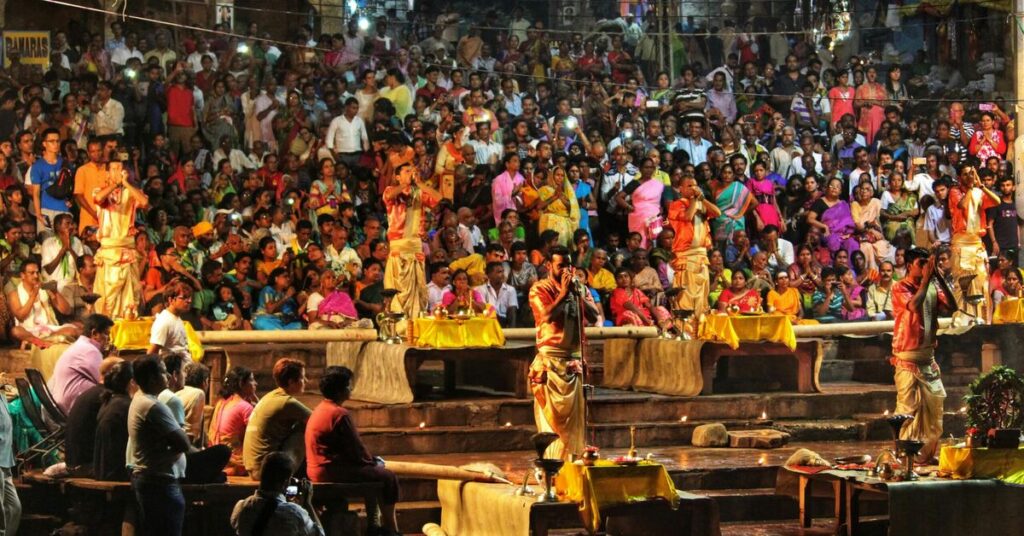
The famous Ganga Aarti at Dashashwamedh Ghat and temple aartis attract huge crowds. If you want to participate, arrive well before the scheduled time (at least 1-2 hours early for Ganga Aarti) to secure a comfortable viewing position where you can sit. Alternatively, view from a boat on the river or skip the main aarti and visit temples during these times when they’re relatively emptier.
Working with Tour Operators and Temple Guides
Professional assistance can dramatically improve the temple experience for elderly visitors.
Benefits of Hiring Guides
Experienced local guides offer multiple advantages:
Route Knowledge: They know the shortest paths, accessibility-friendly routes, and how to navigate the maze-like old city lanes.
Crowd Management: Skilled guides can navigate crowds efficiently, ensuring your safety and comfort.
Queue Intelligence: They know which queues move fastest, when shift changes occur, and how to optimize timing.
Connections and Facilitation: Established guides often have relationships with temple staff and can sometimes facilitate smoother entry.
Physical Assistance: They can assist with walking, arranging seating, managing belongings, and coordinating palanquin services if needed.
Cultural and Spiritual Context: Beyond logistics, good guides enrich the experience by explaining temple history, mythology, and ritual significance.
Finding Reliable Guides
Government-Approved Guides: The Uttar Pradesh Tourism Department certifies official guides who wear identification badges. These are generally more reliable than unlicensed touts.
Hotel Recommendations: Reputable hotels maintain relationships with trustworthy guides and tour operators.
Tour Operators: Established tour companies like Cox & Kings, Thomas Cook, or specialized spiritual tour operators offer comprehensive packages including transport, guide services, and expedited temple access.
Online Reviews: Platforms like TripAdvisor and Google Reviews can help identify guides with good track records for assisting elderly clients.
Agree on Terms Upfront: Clearly discuss services, route, expected duration, fee structure, and any special needs before engaging a guide.
Tour Packages for Senior Citizens
Several tour operators offer senior-citizen-specific packages:
What’s Typically Included: Accessible transport (sedan or minibus with step stools), wheelchair if needed, guide services, VIP darshan arrangements, rest stops, meals at clean restaurants, and flexible timing.
Customization: Good operators will customize itineraries based on mobility levels, energy, and spiritual priorities.
Medical Considerations: Some specialized operators include basic medical support or coordinate with local healthcare providers.
Cost Range: Senior-citizen-focused packages typically range from ₹2,000-₹10,000 per person for full-day temple tours, depending on services included.
Practical Strategies and Personal Preparation
Beyond official facilities and professional services, personal preparation and smart strategies make a significant difference.
Physical Preparation Before Your Trip
Medical Consultation: Visit your doctor before traveling to Varanasi, especially if you have chronic conditions. Ensure medications are adequate for your trip duration plus extra days.
Physical Conditioning: If your trip is planned in advance, gentle exercises to build stamina—even walking 10-15 minutes daily—can help prepare your body.
Mobility Aids: Don’t hesitate to bring walking sticks, canes, or folding stools. Collapsible walking sticks with seats are particularly useful for queue situations.
What to Bring for Temple Visits
Essentials Checklist:
- Comfortable, supportive footwear (you’ll remove shoes at temples but wear them while navigating to them)
- Water bottle with electrolytes
- Glucose tablets or small snacks
- Medications in an easily accessible pouch
- Small towel or handkerchief
- Pocket fan or handheld battery-operated fan
- Mobile phone with emergency contacts saved
- Photocopy of identification
- Small amount of cash for offerings and services
Clothing Considerations: Wear lightweight, breathable, modest clothing. Layers are useful as temples can be cooler inside. Avoid complicated outfits that are difficult to manage in crowded spaces.
Using Pauses and Rest Stops Strategically
Rest Before Fatigue: Don’t wait until exhausted. Take proactive rest breaks at chai shops, temple sitting areas, or designated resting spots.
Ghat Steps for Sitting: The ghats have numerous steps where you can sit, rest, and enjoy the river view while regaining energy.
Temple Complexes: Many temple complexes have peripheral sitting areas, courtyards, or gardens where you can rest away from the main crowd.
Stay Hydrated: Dehydration exacerbates fatigue. Sip water regularly, not just when thirsty.
Companion Support
Travel with Companions: Having a younger, able-bodied companion is invaluable. They can scout routes, arrange services, manage logistics, and provide physical support.
Divide Responsibilities: If traveling as a group, one person can hold places in queues while others rest or arrange necessities.
Communication Plans: In crowded spaces, establish meeting points and ensure everyone has mobile phones with working numbers.
Power of Attorney: For very elderly travelers, having a trusted companion with power of attorney for medical decisions provides important safety backup.
Accommodation Strategies That Reduce Physical Strain
Where you stay significantly impacts the ease of temple visits.
Location Considerations
Proximity to Main Temples: Staying near Godowlia Chowk, Dashashwamedh Ghat, or Bengali Tola puts you within walking distance (or short auto-rickshaw ride) of major temples. This reduces daily travel burden.
Accessible Accommodations: Modern hotels typically have elevators, ramps, and accessibility features that heritage properties or budget guesthouses might lack.
Quiet vs. Convenient Trade-off: Accommodations very close to temples may be noisier (temple bells, crowds) but save travel energy. Slightly distant but peaceful hotels require more daily transit but offer better rest.
Hotel Services for Senior Guests
Request Ground Floor Rooms: If elevators aren’t available or reliable, ground-floor accommodations eliminate stair climbing.
Room Accessibility: Confirm that bathrooms have handrails and non-slip surfaces. Western-style toilets are generally easier for elderly guests than traditional Indian-style.
Meal Flexibility: Hotels that offer room service or flexible meal timings help when you’re too tired to dine out.
Medical Facilities: Some upscale hotels have tie-ups with local doctors or clinics for guest emergencies.
Travel Desk Services: Hotel travel desks can arrange reliable transport, guides, and temple darshan bookings.
Alternative Spiritual Experiences with Minimal Physical Demand
If temple queues prove too challenging, Varanasi offers numerous alternative ways to connect spiritually.
Boat Rides on the Ganges
Viewing temples and ghats from a boat on the Ganges provides a serene, physically undemanding spiritual experience. Early morning and evening boat rides offer:
- Views of multiple temples without walking
- Observation of cremation rituals at Manikarnika Ghat from a respectful distance
- Participation in floating diyas (oil lamps) on the river
- Peaceful meditation on the sacred waters
- Witnessing sunrise or sunset over the holy river
Boats can be chartered privately with comfortable seating. Some boats have cushioned seats or chairs rather than just benches.
Ghat Sitting and Observation
Simply sitting on the ghats—particularly quieter ones like Assi Ghat, Kedar Ghat, or Panchganga Ghat—offers profound spiritual experiences:
- Observing daily rituals and ceremonies
- Watching the constant flow of pilgrims
- Meditating on the eternal cycle of life and death
- Engaging in personal prayer and reflection
- Interacting with saints (sadhus) and spiritual seekers
Many elderly pilgrims find these contemplative experiences as fulfilling as temple darshan itself.
Attending Discourses and Satsangs
Varanasi regularly hosts spiritual discourses, devotional singing (bhajans), and satsangs (spiritual gatherings):
- These usually have comfortable seating arrangements
- They offer spiritual enrichment without physical demands
- Many are held in accessible venues
- They provide community connection with fellow devotees
Ask your hotel or local contacts about scheduled programs during your visit.
Temple Visits During Off-Hours
Some temples allow brief personal visits during off-hours when regular darshan isn’t operating:
- Discuss with temple management or guides about accessing temples early morning or late evening
- These quieter times may allow seated prayer in temple courtyards even if the main sanctum is closed
- The peaceful atmosphere compensates for not entering the innermost shrine
Virtual Darshan Options
Modern technology now enables virtual darshan:
- Some temples broadcast live darshan via webcams
- Mobile apps offer virtual tours and live streams
- While not replacing physical presence, these can supplement your visit or provide darshan of temples you couldn’t physically access
Medical Preparedness and Health Considerations
Health management is crucial for elderly travelers in Varanasi.
Pre-Trip Medical Planning
Comprehensive Check-up: Ensure chronic conditions are stable before traveling.
Medication Supply: Bring 150% of your expected medication needs in original packaging with prescriptions.
Medical Documentation: Carry a brief medical summary listing conditions, medications, allergies, and emergency contacts. Have both English and Hindi versions if possible.
Travel Insurance: Comprehensive travel insurance covering medical emergencies, evacuation, and trip interruption is essential.
Doctor’s Contact: Get your doctor’s mobile number for emergency consultations.
Identifying Healthcare Facilities in Varanasi
Hospitals with Good Facilities:
- Heritage Hospital (Private, well-regarded)
- Varanasi Hospital (Good emergency services)
- Shiv Prasad Gupta Hospital (Government hospital)
- Sir Sunderlal Hospital at BHU (Banaras Hindu University’s teaching hospital)
Keep Addresses Handy: Save hospital addresses and contact numbers in your phone. Ensure your companions also have this information.
Pharmacy Locations: Identify pharmacies near your accommodation for medication refills if needed.
Managing Common Health Issues
Dehydration: Drink bottled water regularly. Oral rehydration solutions (ORS packets) help maintain electrolyte balance.
Food Safety: Eat at reputable restaurants. Avoid street food if you have a sensitive stomach. Hotels and established restaurants generally offer safer options.
Digestive Issues: Bring anti-diarrheal medication. Eat light, easily digestible meals. Overexertion plus unfamiliar food can stress digestion.
Heat-Related Illness: During hot months, limit outdoor activity during peak heat (11 AM-4 PM). Recognize warning signs: dizziness, confusion, excessive fatigue, nausea.
Altitude and Exertion: While Varanasi isn’t high altitude, the combination of travel fatigue, excitement, and physical exertion can strain the heart and lungs. Pace yourself appropriately.
Emergency Response Plan
Know Basic Hindi Phrases: Learn to say “मुझे मदद चाहिए” (Mujhe madad chahiye – I need help) and “डॉक्टर” (Doctor).
Emergency Numbers:
- National Emergency Number: 112
- Ambulance: 102
- Police: 100
Companion Briefing: Ensure companions know your medical conditions, medications, and what to do in emergencies.
ICE Contacts: Set up “In Case of Emergency” (ICE) contacts in your mobile phone.
Technology-Assisted Solutions
Modern technology offers valuable tools for elderly pilgrims.
Mobile Apps and Digital Resources
Temple Information Apps: Apps provide real-time crowd information, temple timings, and queue lengths at major temples.
Navigation Apps: Google Maps works reasonably well in Varanasi for basic navigation, though the oldest sections have limited mapping.
Translation Apps: Google Translate can help communicate with local service providers.
Medical Apps: Apps that store medical records, remind about medications, and connect with telemedicine doctors.
Communication Tools
WhatsApp Groups: Create a family WhatsApp group for the trip to share locations, updates, and coordinate activities.
Location Sharing: Use real-time location sharing features so companions can find you if separated in crowds.
Emergency Contacts: Save all important numbers in your phone with clear labels.
Booking and Reservation Platforms
Online Darshan Booking: Some temples now offer online booking for special darshan, reducing on-site waiting.
Transportation Apps: Ola and Uber operate in Varanasi, offering reliable, trackable transportation.
Accommodation Booking: Use platforms that allow reading reviews from other elderly travelers about accessibility and services.
Cultural Sensitivity and Etiquette
Understanding local customs ensures a smoother, more respectful experience.
Temple Protocol
Dress Modestly: Cover shoulders and knees. Remove shoes before entering temple premises. Socks are usually acceptable.
Photography Restrictions: Many temples prohibit photography inside. Respect these rules.
Sacred Spaces: Don’t point feet toward deities or sacred objects. Don’t touch religious items without permission.
Offerings: Small offerings (flowers, coconuts, sweets) are customary but not mandatory. Purchase from vendors outside temples.
Interacting with Local People
Respect and Courtesy: Locals generally show great respect for elders. Reciprocate with courtesy.
Patience with Language Barriers: Not everyone speaks English. Simple Hindi phrases or gestures usually suffice.
Begging and Donations: Beggars are common near temples. Donate if you wish, but don’t feel obligated. Organized donations through temples or NGOs may be more effective.
Tipping Culture: Small tips for extra assistance (₹20-100 depending on service) are appreciated and customary.
Real Stories: Elderly Pilgrims’ Experiences
Many elderly devotees have successfully managed Varanasi temple visits. Here are common themes from their experiences:
Planning Made the Difference: Those who researched accommodations, booked VIP darshan in advance, and hired guides reported much easier experiences.
Early Mornings Were Worth It: Despite the effort of waking early, the peaceful atmosphere and smaller crowds made this the most-recommended strategy.
Accepting Limitations Was Liberating: Devotees who let go of the goal to visit every single temple and focused on quality over quantity had more fulfilling experiences.
Boat Experiences Were Unexpectedly Profound: Many found that Ganges boat rides provided spiritual fulfillment equal to or greater than temple darshan itself.
Local Kindness Surprised Many: Stories of local people offering seats, assisting with stairs, or guiding lost elderly visitors are common. Varanasi’s residents generally show great respect for elderly pilgrims.
Wheelchair Users Found It Manageable: Those who brought or rented wheelchairs and planned routes carefully managed better than expected, though it required companion support.
Conclusion: Making Your Varanasi Pilgrimage Comfortable and Fulfilling
Visiting Varanasi’s temples as an elderly pilgrim requires more planning and resources than it might for younger visitors, but it’s absolutely achievable. The city that has accommodated pilgrims for millennia continues to evolve to serve its elderly devotees better.
The key lies in combining official facilities (senior citizen darshan, VIP access, wheelchair services), strategic planning (timing, route selection, professional guides), personal preparation (health management, appropriate mobility aids, realistic expectations), and alternative spiritual experiences (boat rides, ghat sitting, quieter temples).
Remember that spiritual fulfillment doesn’t require visiting every temple or standing in every queue. The divine presence in Varanasi extends beyond temple walls to the ancient ghats, the sacred river, and the very atmosphere of this timeless city. Your sincere devotion matters far more than the number of temples visited or the difficulties overcome.
Approach your pilgrimage with careful planning but also with flexibility. Accept offers of help graciously. Prioritize your health and comfort without guilt. Most importantly, embrace whatever experiences come your way as part of your spiritual journey.
The eternal city of Kashi welcomes all sincere seekers, regardless of age or physical ability. With proper preparation and the right approach, elderly devotees can fulfill their spiritual aspirations in Varanasi with dignity, comfort, and deep satisfaction.
Frequently Asked Questions (FAQs)
1. At what age can I avail senior citizen facilities at Kashi Vishwanath Temple?
Generally, individuals aged 60 years and above are eligible for senior citizen facilities at Kashi Vishwanath Temple, though some services may require you to be 65 or older. You’ll need to show proof of age such as an Aadhaar card, passport, driver’s license, or any government-issued ID. These facilities include priority darshan queues, designated entry gates, and resting areas with seating. It’s advisable to carry your ID even if you appear elderly, as temple staff may request verification during peak seasons. The senior citizen queues typically move significantly faster than general queues, sometimes reducing waiting time from 3-4 hours to 45 minutes to an hour.
2. How much does VIP darshan cost at Kashi Vishwanath Temple and is it worth it for elderly visitors?
VIP darshan at Kashi Vishwanath Temple typically costs between ₹500 to ₹3,000 depending on the season, day of the week, and service provider. During peak festival days, prices may be higher. For elderly visitors, VIP darshan is often worth the investment as it reduces waiting time from several hours to approximately 15-30 minutes, involves less walking, and provides an escort to guide you through the process. The reduced physical strain and stress makes the higher cost worthwhile for many seniors. Book VIP darshan through official channels like the Shri Kashi Vishwanath Temple Trust website or authorized tour operators. Beware of unauthorized touts who may charge high prices for dubious services.
3. I use a wheelchair. Can I still visit Kashi Vishwanath Temple?
Yes, wheelchair users can visit Kashi Vishwanath Temple, though it requires planning. The temple has made significant accessibility improvements in recent years, including ramps at several points. Wheelchairs are available at temple entry points, but bringing your own ensures availability and comfort. You’ll need a companion to push the wheelchair and assist as needed. The approach to the temple through narrow old city lanes (galis) can be challenging—consider arranging a palanquin service for the most difficult sections, then transferring to a wheelchair once in more accessible areas. Inform temple authorities of your needs upon arrival; they typically accommodate wheelchair users with priority access and assistance. Early morning visits are easier as crowds are smaller and navigating with a wheelchair is more manageable.
4. What is the best time of year for elderly people to visit Varanasi temples?
The best time for elderly visitors is October to March, particularly November to February, when temperatures are moderate (15-25°C). This period avoids both the intense summer heat (April-June can exceed 45°C) and the monsoon rains (July-September) that make walking difficult. Within this window, December and January are ideal but also attract more tourists, so consider November or February for a balance of pleasant weather and smaller crowds. If visiting during summer, plan temple visits for very early morning (before 7 AM) or late evening (after 8 PM), stay well-hydrated, and avoid midday heat entirely. Winter mornings can be foggy and chilly, so bring appropriate layers. Avoid major festival periods (like Mahashivratri or Kartik Purnima) unless you specifically want to experience them, as crowds increase dramatically.
5. Are there any temples in Varanasi that are easier for elderly people to visit than Kashi Vishwanath?
Yes, several temples in Varanasi are more accessible for elderly visitors than Kashi Vishwanath. Sankat Mochan Hanuman Temple is spacious with better crowd management and easier access. Tulsi Manas Temple is relatively modern with wider pathways and better infrastructure. Durga Temple (Durga Kund) typically has smaller crowds and is easier to navigate. Bharat Mata Temple has elevators and modern accessibility features. New Vishwanath Temple at Banaras Hindu University (BHU) is very accessible with wide spaces and minimal crowds. While Kashi Vishwanath holds supreme religious significance, visiting these alternative temples can provide fulfilling spiritual experiences with far less physical strain. Many pilgrims choose to visit multiple easier temples rather than struggling through crowds at the most famous one, finding equal or greater spiritual satisfaction.