How Much Can You Actually Cover in One Day in Varanasi? ,Let me be brutally honest with you: Varanasi is a city that deserves at least three to four days of exploration. But life doesn’t always cooperate with our travel dreams, does it? Maybe you’re on a whirlwind India tour, maybe you have limited vacation days, or perhaps Varanasi is a stopover between other destinations. Whatever the reason, you’ve got exactly one day to experience one of the world’s oldest continuously inhabited cities.
So here’s the million-dollar question: How much can you actually cover in one day in Varanasi?
The answer depends on what you mean by “cover.” Are you talking about checking items off a list, or are you talking about truly experiencing the spiritual heartbeat of this ancient city? Are you a sunrise-to-sunset warrior who can power through exhaustion, or do you need breaks and breathing room? And perhaps most importantly, what are you hoping to take away from your single day in this overwhelming, magical, chaotic place?
Let me guide you through what’s realistically possible, what you should prioritize, and how to make every minute count in a city where time seems to move both faster and slower than anywhere else on Earth.
Setting Realistic Expectations
Before we dive into itineraries and must-sees, we need to talk about expectations.
What “Covering” Varanasi Actually Means
In most cities, “covering” major sights means visiting monuments, museums, and landmarks. You check them off, take your photos, and move on. Varanasi doesn’t work that way. The city isn’t about individual attractions—it’s about atmosphere, spirituality, and the flow of life along the Ganges.
You could theoretically “see” the main ghats in an hour from a boat. You could visit Kashi Vishwanath Temple in 30 minutes (if you’re lucky with lines). You could walk through Manikarnika Ghat in 15 minutes. But would you have experienced Varanasi? Not really.
Covering Varanasi means absorbing moments: watching the sunrise paint the ghats golden, sitting with a sadhu who shares wisdom, witnessing a ceremony that’s been performed the same way for centuries, tasting lassi that’s been made by the same family for generations. These experiences can’t be rushed.
The Difference Between Seeing and Experiencing
Here’s the harsh truth: In one day, you can see a lot of Varanasi, but you can only truly experience a fraction of it. You need to decide which matters more to you.
The “seeing” approach means boat rides, quick temple visits, photo stops at major ghats, and ticking boxes. You’ll return home with a full photo gallery and can say you’ve been to all the famous spots.
The “experiencing” approach means choosing fewer locations and spending quality time at each. You’ll miss some famous spots, but the memories you create will be deeper and more meaningful.
Neither approach is wrong, but understanding the difference helps you plan accordingly.
The Geography of Varanasi: What You Need to Know
Let’s get practical about the layout.
Main Areas Tourists Explore
Varanasi’s main tourist attractions cluster around several key areas:
The Ghats: The waterfront stretches about 7 kilometers along the Ganges, with approximately 88 ghats. The most significant ones for tourists are concentrated in a 3-4 kilometer stretch from Assi Ghat in the south to Raj Ghat in the north.
Old City: The maze of narrow lanes behind the ghats, containing ancient temples, shops, food stalls, and guesthouses. This area is completely car-inaccessible and can be confusing to navigate.
Kashi Vishwanath Temple Area: The spiritual heart of Varanasi, requiring security clearance and often involving long queues.
Sarnath: Located about 10 kilometers northeast of central Varanasi, this is where Buddha gave his first sermon. It’s technically a separate destination requiring at least half a day.
The University Area (BHU): Banaras Hindu University campus with museums and the modern Vishwanath Temple, located south of the main ghats area.
Distances and Travel Time Between Key Sites
This is crucial for planning. Many first-time visitors underestimate how long it takes to move around Varanasi.
- Walking along the ghats: Expect about 2-3 kilometers per hour due to stairs, crowds, and stopping to look at things
- Auto-rickshaw from Assi Ghat to Dashashwamedh Ghat: 20-30 minutes depending on traffic
- Walking through the old city lanes: Painfully slow—what looks like 500 meters on a map might take 20 minutes
- Varanasi city center to Sarnath: 30-45 minutes by car/rickshaw
- Boat rides: 1-2 hours for a comprehensive ghat tour
In one day, if you include Sarnath, you’re looking at 1-1.5 hours of your day just in transportation. This is why many one-day visitors skip Sarnath entirely.
The Essential Varanasi Experience in One Day
Let’s categorize experiences by priority.
Must-See Experiences (Not Negotiable)
If you only do these things, you’ve captured the essence of Varanasi:
1. Sunrise Boat Ride on the Ganges: This is non-negotiable. The morning boat ride offers the most peaceful, photogenic, and spiritually uplifting view of Varanasi. Plan for 1.5-2 hours.
2. Walking at Least One Section of Ghats: Even if you boat in the morning, walk a portion of the ghats (I recommend Dashashwamedh to Manikarnika or Assi to Dashashwamedh) to feel the ground-level energy.
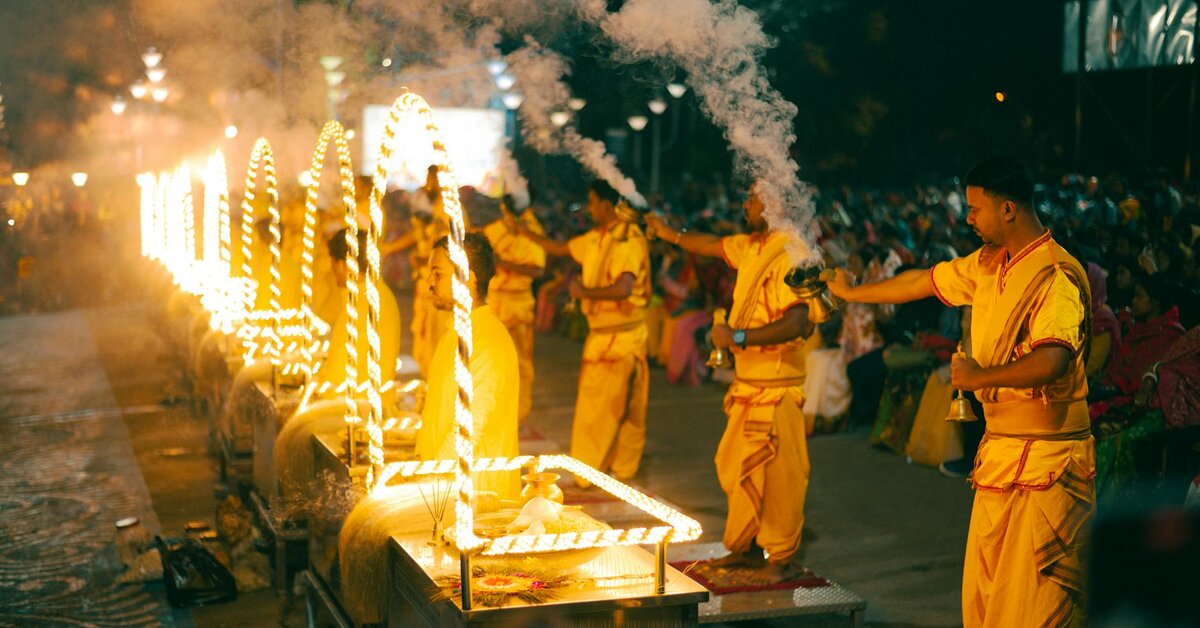
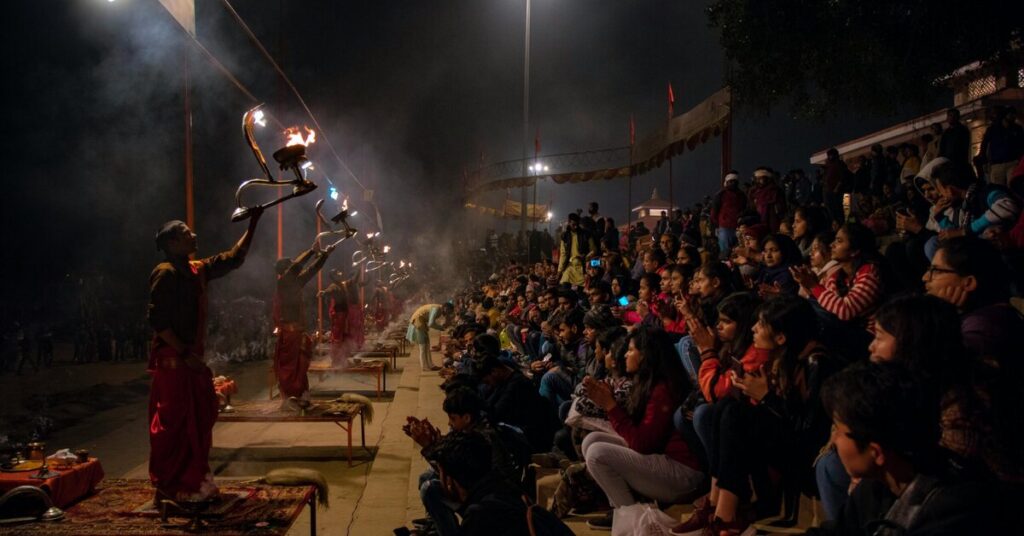
3. Witnessing Ganga Aarti: The evening ceremony at Dashashwamedh Ghat is spectacular. Whether you watch from the ghat or from a boat, this is quintessential Varanasi. Allow 1 hour minimum.
4. Exploring the Old City Lanes: Spend at least an hour getting intentionally lost in the ancient lanes behind the ghats. This is where the real character of Varanasi reveals itself.
Nice-to-Have Experiences (If Time Permits)
Kashi Vishwanath Temple: One of the most sacred Shiva temples in Hinduism. If you’re Hindu or deeply interested in temples, prioritize this. Otherwise, you can skip it since queues can eat up 2-3 hours of your day.
Manikarnika Ghat: The main cremation ghat offers profound insights into Hindu death rituals. You’ll see it from your boat ride, but visiting on foot provides a more intense experience. Budget 30 minutes.
Lassi at Blue Lassi: Famous lassi shop near Kashi Vishwanath Temple. It’s delicious and takes only 15 minutes, so easy to squeeze in.
A Traditional Meal: Kashi Chat Bhandar for street food or a proper meal at a rooftop restaurant overlooking the ghats.
BHU Vishwanath Temple: A beautiful, less crowded alternative to the main temple. About 1 hour including travel time.
What You Should Skip (In a One-Day Scenario)
Be ruthless about what doesn’t make the cut:
Sarnath: As much as I love Sarnath, it requires a minimum half-day commitment. With only one day in Varanasi, focus on the city itself.
Multiple Temples: Choose one or two at most. Temple-hopping eats up time and they start blending together.
Shopping Expeditions: Varanasi is famous for silk, but serious shopping requires time and negotiation energy. If you must shop, limit it to 30 minutes max.
River Crossing to the Opposite Bank: Some guides suggest this for photos of the ghats from afar, but it’s not worth the time investment on a one-day visit.
Museums: Save these for cities where they’re the main attraction. Varanasi is about living culture, not museum exhibits.
Sample One-Day Itinerary: The Maximalist Approach
This itinerary is for energetic travelers who want to see as much as possible and don’t mind a packed schedule.
Early Morning (5:00 AM – 9:00 AM)
5:00 AM: Wake up call. I know it’s painful, but trust me.
5:30 AM: Arrive at your chosen ghat (Assi or Dashashwamedh) and board your pre-arranged boat. Watch the sunrise while cruising past the ghats. This is magical hour when Varanasi is at its most serene.
7:30 AM: Disembark and walk from Dashashwamedh Ghat toward Manikarnika Ghat, observing morning rituals, pilgrims bathing, and priests performing ceremonies.
8:30 AM: Breakfast at a ghat-side café. Try kachori-sabzi or idli-sambhar depending on your preference.
Late Morning (9:00 AM – 12:00 PM)
9:00 AM: Either visit Kashi Vishwanath Temple (if you’re spiritually inclined and prepared for crowds) OR explore the old city lanes, discovering small temples, silk shops, and the authentic rhythm of daily life.
11:00 AM: Stop at Blue Lassi or another famous lassi shop. Recharge with this creamy, sweet treat.
11:30 AM: Continue walking through different ghats you didn’t cover in the morning, perhaps heading south toward Assi Ghat or north toward the lesser-known ghats.
Afternoon (12:00 PM – 4:00 PM)
12:30 PM: Lunch at a rooftop restaurant with ghat views. Relax, rest your feet, and process everything you’ve seen. This break is essential.
2:00 PM: Return to your hotel for a proper rest. Varanasi in midday heat is brutal, and you’ll need energy for the evening. Alternatively, visit the BHU Vishwanath Temple if you skipped the main temple earlier—it’s peaceful, less crowded, and architecturally impressive.
3:30 PM: Head back toward the ghats. The afternoon light is beautiful for photography.
Evening (4:00 PM – 8:00 PM)
4:00 PM: Explore areas you missed earlier, do any last-minute shopping, or simply sit at a ghat and watch life unfold.
6:00 PM: Position yourself for Ganga Aarti. If you want to watch from the ghat, arrive early to secure a good spot. If you prefer watching from a boat, board around 6:00 PM.
7:30 PM: After the Aarti, enjoy dinner at a quality restaurant. Process your day, review your photos, and absorb the fact that you’ve experienced one of the world’s most intense cities in just one day.
8:30 PM: Return to your accommodation or, if your transport is late-night, you might squeeze in one final walk along the ghats, which take on a different character after dark.
Alternative One-Day Itinerary: The Spiritual Focus
For travelers seeking deeper spiritual connection rather than maximum sightseeing:
Dawn: Attend morning Aarti at a ghat, followed by meditation or yoga session at the riverbank (many hotels offer this).
Morning: Private puja ceremony with a priest at a significant temple.
Late Morning: Walk meditative circuits of important ghats, taking time to absorb the spiritual energy.
Afternoon: Visit Kashi Vishwanath Temple during quieter hours, spend extended time there.
Late Afternoon: Attend a satsang (spiritual gathering) or philosophy discussion if you can find one.
Evening: Ganga Aarti ceremony, followed by offering your own prayers and floating diyas on the Ganges.
This approach covers far less geographical ground but offers much deeper spiritual engagement.
Alternative One-Day Itinerary: The Cultural Immersion
For those interested in culture, food, and local life:
Early Morning: Brief sunrise boat ride (1 hour) to see the ghats.
Morning: Walking food tour through the old city, trying street breakfast specialties.
Late Morning: Visit silk weaving workshops to see traditional crafts.
Afternoon: Cooking class learning to make local specialties.
Late Afternoon: Interact with locals—attend a music performance, visit an akhara (wrestling gym), or watch silk painting.
Evening: Ganga Aarti followed by traditional thali dinner.
This itinerary sacrifices some temple visits but gains authentic cultural interactions.
How Transportation Affects What You Can Cover
Your transportation choices dramatically impact what’s possible.
Walking Only: Most atmospheric but slowest. You can realistically cover the main ghat stretch (Assi to Dashashwamedh to Manikarnika) plus the old city in one day. Sarnath and BHU are off the table.
Auto-Rickshaws: Gives you flexibility to cover more ground, including BHU or making quick returns to your hotel. Budget for 3-5 rickshaw rides throughout the day.
Pre-Arranged Car and Driver: Most expensive but most efficient. A driver who knows the city can maximize what you see by dropping you at strategic points and picking you up, eliminating navigation stress.
Bicycle Rental: Possible for confident cyclists who don’t mind chaotic traffic. Allows you to cover BHU, Sarnath, and main ghats, but isn’t recommended for first-time visitors unfamiliar with Indian road conditions.
Combination Approach: Most travelers use a mix—boats for river perspectives, walking for ghat and old city exploration, and auto-rickshaws for longer distances or when exhausted.
Common Mistakes That Waste Your Precious Time
Let me save you from errors that countless one-day visitors make:
Mistake #1: Not Pre-Booking the Morning Boat: Arriving at 6:00 AM and then negotiating with boatmen wastes 30-45 minutes. Book the night before or through your hotel.
Mistake #2: Attempting to Visit Every Famous Ghat on Foot: They all start looking similar after a while. Pick a section and explore it well rather than exhausting yourself walking the entire 7-kilometer stretch.
Mistake #3: Visiting Kashi Vishwanath Temple on Friday or During Festivals: The queues can be 3-4 hours long. If your one day falls on a major day, either skip it or go very early (before 6:00 AM).
Mistake #4: No Afternoon Rest: Varanasi is intense—sensory overload combined with heat and walking. Without a midday break, you’ll be too exhausted to enjoy the evening Aarti properly.
Mistake #5: Arriving at Dashashwamedh Ghat at 7:00 PM for Aarti: The ceremony starts at 6:45-7:00 PM depending on season, and prime viewing spots fill by 6:00 PM. Arrive at 5:30 PM if you want a good position.
Mistake #6: Following the Touts and Guides Who Approach You: They’ll lead you on inefficient routes, take you to their cousin’s silk shop, and eat up your time. If you want a guide, arrange one through your hotel or a reputable company beforehand.
Mistake #7: Trying to Include Sarnath: Unless you wake up at 4:00 AM and have military-level efficiency, Sarnath doesn’t fit in a one-day Varanasi visit without sacrificing the core Varanasi experience.
What Season and Day of Week Matter More Than You Think
When you visit affects what you can realistically cover.
Peak Season (November-February): Ghats are crowded, temples have longer queues, boat rides need advance booking. However, weather is pleasant for extended walking. Budget extra time for crowds.
Hot Season (March-June): Fewer tourists mean shorter queues and easier boat booking. However, midday becomes unbearable—you’ll need a longer afternoon rest, limiting what you can cover. Morning and evening activities are fine.
Monsoon (July-September): Rain can cancel boat rides, make ghats slippery, and generally slow everything down. However, Varanasi in monsoon has its own moody beauty. Have backup indoor plans.
Weekdays vs. Weekends: Kashi Vishwanath Temple is busier on weekends and Mondays (Shiva’s day). If your one day falls on Monday, expect 2x the usual crowd everywhere.
Festival Days: During major festivals (Mahashivratri, Diwali, Kartik Purnima), Varanasi explodes with pilgrims. What normally takes 1 hour might take 3 hours. If you’re here during a festival, embrace it as the main experience and reduce your expectations for covering multiple sites.
The Solo Traveler vs. Group Dynamics
Your travel style affects what’s possible.
Solo Travelers: More flexible and can move faster. You can skip things that don’t interest you without negotiating. Can more easily squeeze into crowded spots. However, you might spend time figuring out logistics that a group would share.
Couples: Similar to solo travelers in efficiency but with someone to watch belongings while the other uses a bathroom or explores a shop.
Families with Children: Cover approximately 60% of what solo travelers can manage. Need bathroom breaks, snack stops, and move at the pace of the slowest member. Should focus on highlights only: boat ride, brief ghat walk, Aarti.
Large Groups (4+ People): Slowest and most complex. Getting everyone ready, keeping everyone together, and accommodating different interests means you’ll cover the least ground. Pre-planning becomes crucial—everyone should agree on priorities before the day begins.
Guided Tours: If you join an organized tour, you’ll cover more ground logistically (transportation is handled) but spend more time waiting for group members. Private guides are more efficient than group tours.
What Travel Bloggers Won’t Tell You About One Day in Varanasi
Let’s get real about some uncomfortable truths.
Truth #1: That perfect sunrise boat photo you see everywhere? It requires waking at 4:30 AM, some luck with weather, and probably some photo editing. Your actual sunrise experience might be foggy, hazy, or just okay. It’s still worth doing, but set realistic expectations.
Truth #2: Manikarnika Ghat (cremation) is emotionally heavy. Some visitors find it profoundly moving; others find it disturbing. It’s okay to view it briefly from a boat rather than visiting on foot if you’re not comfortable.
Truth #3: You will get lost in the old city lanes. It’s not a matter of if, but when. This is actually part of the charm, but it does eat into your schedule. Allow extra time and have Google Maps downloaded offline.
Truth #4: By 6:00 PM, you’ll probably be exhausted, dirty, and sensory-overloaded. The evening Aarti still matters, but you might not have the energy to fully appreciate it that the fresh-morning version of you thought you would.
Truth #5: One day in Varanasi often leaves visitors with more questions than answers. This city doesn’t reveal itself in 24 hours. Accept that you’re getting a taste, not the full meal.
Truth #6: The most meaningful moments often happen when you’re not rushing to the next sight. Building in unscheduled time for spontaneous interactions can be more valuable than checking off every box.
How to Choose What to Prioritize
With limited time, prioritization is everything. Ask yourself:
What’s your primary motivation?: Photography? Spirituality? Cultural learning? History? Let this guide your choices.
What’s your physical stamina?: Be honest. If extensive walking isn’t your thing, prioritize boat rides and shorter walking segments.
What’s your comfort level with intensity?: Varanasi can be overwhelming. If you need gentle experiences, skip the cremation ghats on foot and avoid the most crowded areas.
What will you regret missing?: If there’s one thing you absolutely must do, build your day around ensuring that happens, and fit other things around it.
What can you experience elsewhere?: Skip things you could see in other Indian cities (like museums or modern temples) and focus on what makes Varanasi unique.
Making Peace with What You’ll Miss
Here’s something important: Even people who spend a week in Varanasi don’t “see everything.” This city has layers upon layers, and new discoveries happen each time you visit.
With one day, you’re going to miss things. You won’t visit all 88 ghats. You won’t explore every temple. You won’t try every famous food. You might not make it to Sarnath. And that’s completely fine.
Instead of focusing on what you’re missing, focus on being fully present for what you do experience. A sunrise boat ride where you’re truly absorbing the atmosphere is worth more than rushing through ten temples while thinking about the next one.
Varanasi isn’t a checklist to complete—it’s a feeling to absorb. One deeply felt experience beats five rushed ones every time.
Conclusion
So how much can you actually cover in one day in Varanasi? The answer depends on what “cover” means to you.
If we’re talking about seeing the major sights, you can accomplish quite a bit: a sunrise boat ride showing you dozens of ghats, walking exploration of several key areas, a temple visit or two, wandering the atmospheric old city lanes, and experiencing the spectacular Ganga Aarti ceremony. That’s a full day that touches on Varanasi’s essential character.
But if we’re talking about understanding Varanasi—its spiritual depth, its cultural complexity, its layers of history and meaning—one day barely scratches the surface. You’ll leave with impressions, photographs, and a sense that there’s so much more to discover.
The key to a successful one-day Varanasi visit is choosing quality over quantity. Focus on a few experiences and do them well. Be present in each moment rather than constantly thinking about the next thing. Accept that you’ll miss a lot, but what you do experience will be meaningful.
And who knows? Most people who visit Varanasi for just one day find themselves planning their return trip before they even leave. This ancient city has a way of calling people back.
FAQs
1. Is it possible to visit both Varanasi and Sarnath in one day?
Technically yes, but practically it’s not recommended. Sarnath requires a minimum of 3-4 hours including travel time (30-45 minutes each way). If you include Sarnath, you’ll have to sacrifice either the morning boat ride or the evening Aarti, both of which are more quintessentially “Varanasi” experiences. Unless you have a specific interest in Buddhist history or are up at 4:00 AM for a super-early start, save Sarnath for a trip where you have at least two days in the area.
2. What’s the absolute minimum time needed to say you’ve “seen” Varanasi?
The absolute minimum would be about 6-7 hours to cover the essential experiences: a 1.5-hour morning boat ride, a 2-hour walk through the ghats and old city, and attending the 1-hour evening Aarti ceremony. This gives you the sunrise, the ground-level exploration, and the ceremonial aspect. However, this pace is quite rushed and doesn’t include time for meals, rest, or spontaneous discoveries that often become the most memorable moments.
3. If I can only choose between the sunrise boat ride and the evening Aarti, which should I prioritize?
This depends on your interests. The sunrise boat ride offers better photography opportunities, a more peaceful atmosphere, and a comprehensive view of the ghats. The evening Aarti is more dramatically ceremonial, energetic, and spiritually intense. If you’re a photographer or prefer peaceful experiences, choose sunrise. If you want to witness a powerful ceremony and don’t mind crowds, choose the Aarti. Ideally though, even on a tight schedule, you can manage both if you start early enough.
4. How much should I budget for one day in Varanasi including activities and food?
For a mid-range budget: Sunrise boat ride (private boat for 2-3 people: ₹1500-2000), meals (₹800-1200 for breakfast, lunch, dinner), evening Aarti viewing (from ghat: free, from boat: ₹300-500 per person), auto-rickshaw rides (₹500-800 for 3-4 trips), possible temple entry or donations (₹200-500), miscellaneous like lassi and snacks (₹300). Total per person: approximately ₹3500-5500 (roughly $40-65 USD). Budget travelers can do it for less by walking everywhere and eating street food, while luxury travelers might spend significantly more on private guides and premium dining.
5. Is one day in Varanasi enough, or should I skip it entirely if I don’t have more time?
Even one day in Varanasi is absolutely worth it. This city is unlike anywhere else on Earth, and even a brief encounter with it can be profound. While you won’t fully understand Varanasi in one day, you’ll experience enough to appreciate its significance and spiritual power. Many travelers with only one day still cite Varanasi as a trip highlight. However, go in with adjusted expectations—you’re getting a taste, not the full experience. And be prepared to possibly regret not allocating more time, which is actually a sign you’ve experienced Varanasi properly!