
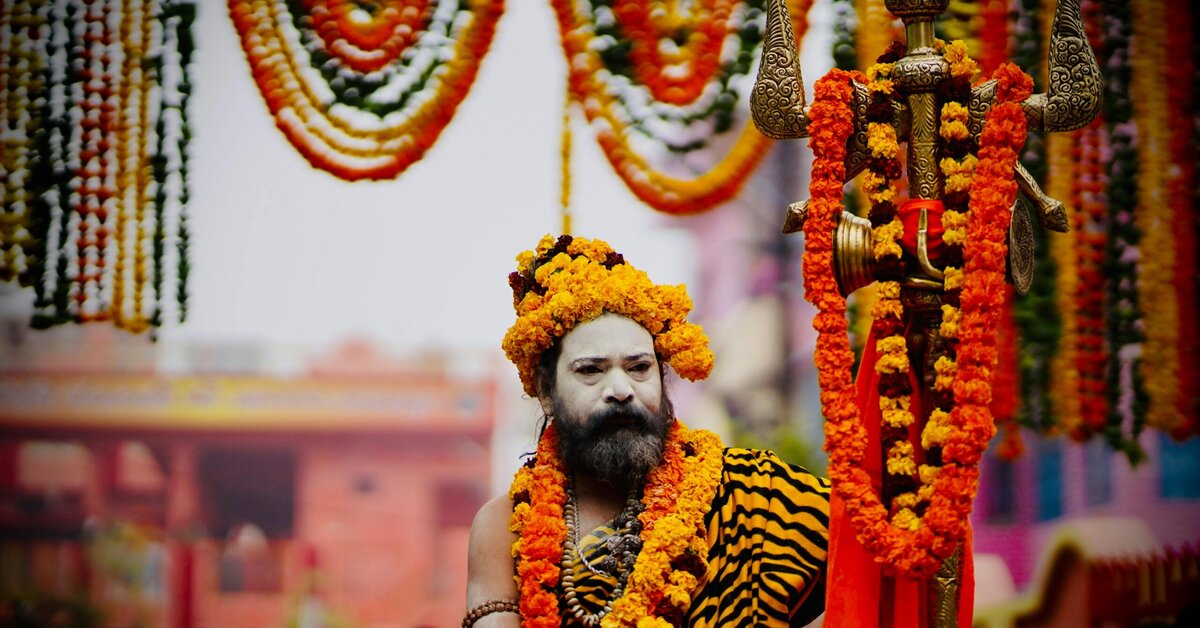
How to Experience Varanasi Like a Local Priest ,Ever wondered what it’s like to experience Varanasi not as a tourist snapping photos, but as someone who lives and breathes the spiritual rhythm of this ancient city? The priests of Varanasi—known as pandas, purohits, and pujaris—are the custodians of traditions that stretch back thousands of years. They don’t just work in Varanasi; they embody its spiritual essence, following routines that connect them to countless generations before them.
Experiencing Varanasi like a local priest means diving beneath the surface of tourist attractions into the living, breathing spiritual practices that give this city its sacred character. It’s about waking before dawn, understanding the intricate web of sacred geography, mastering ancient rituals, and seeing the Ganges not as a scenic backdrop but as a living deity. This isn’t a casual day trip—it’s an immersion into a way of life that has remained remarkably consistent despite the changing world around it.
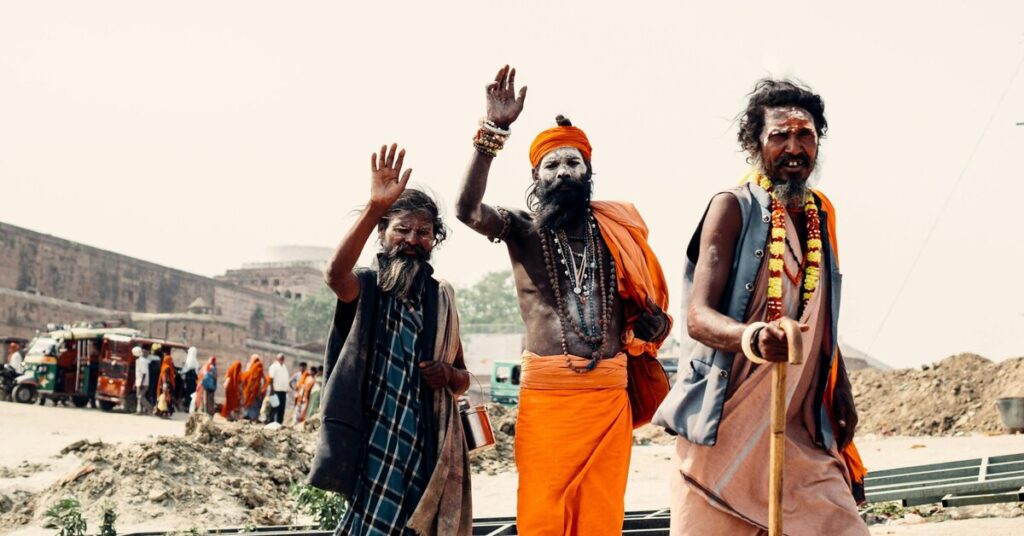
Understanding the Life of a Varanasi Priest
The Sacred Duty of Pandas and Purohits
The priests of Varanasi hold a position that’s both revered and demanding. Pandas are hereditary priests who serve specific families that have been coming to Varanasi for generations, sometimes centuries. They maintain detailed records of family lineages, perform ancestral rituals, and guide pilgrims through the complex spiritual landscape of the city.
Purohits and pujaris conduct daily worship in temples, perform ceremonies at the ghats, and act as intermediaries between devotees and the divine. Their role isn’t simply ceremonial—they’re scholars of Sanskrit, experts in ritual procedure, keepers of oral traditions, and spiritual counselors. For many, this isn’t just a profession but a dharma, a sacred duty inherited from their fathers and grandfathers.
Understanding this depth of responsibility and tradition is the first step toward experiencing Varanasi as they do. It’s not about performing rituals mechanically but recognizing each action as part of an unbroken chain connecting past, present, and future.
Generational Knowledge Passed Down Through Centuries
What makes Varanasi’s priestly tradition unique is the oral transmission of knowledge that supplements written texts. A priest’s education begins in childhood, learning Sanskrit verses by rote repetition, observing rituals performed by elders, and absorbing the subtle nuances that textbooks cannot teach.
This generational knowledge includes everything from the proper way to ring temple bells, the specific mantras for particular circumstances, the hidden meanings within familiar prayers, to the unwritten protocols that govern interactions between different priestly families. It’s a living tradition that adapts while maintaining its essential character.
When you experience Varanasi like a local priest, you’re tapping into this millennia-old stream of wisdom, attempting to understand not just what is done but why it matters and how it connects to the deeper spiritual truths the city embodies.
Starting Your Day Before Sunrise
The Pre-Dawn Ritual Bath in the Ganges
For priests in Varanasi, the day doesn’t begin with coffee and news—it starts in the sacred waters of the Ganges before the sun rises. This ritual bath, called snana, is not just about physical cleanliness but spiritual purification. The pre-dawn hours, known as Brahma muhurta (approximately 4:30 to 6:00 AM), are considered the most auspicious time for spiritual practice.
Immersing yourself in the cold waters while darkness still clings to the ghats, you join priests and devoted locals in this daily renewal. The chill of the water shocks your system awake, washing away not just yesterday’s dust but the mental and spiritual residue we all carry. You emerge not just clean but ritually pure, ready to engage with sacred activities.
This practice requires commitment. It means setting your alarm while it’s still dark, leaving your comfortable guesthouse bed, and braving the cold morning air. But this discomfort is part of the transformation—priests don’t experience Varanasi from a place of comfort but from discipline and devotion.
Morning Prayers and Personal Sadhana
After the ritual bath, priests don’t rush to breakfast. Instead, they perform their morning prayers—Sandhya Vandanam for those who maintain the traditional Brahmanical practices. This complex series of prayers, offerings to the sun, and meditation takes at least thirty to forty minutes and must be completed with full attention and proper procedure.
Following these obligatory prayers, many priests engage in personal sadhana—their chosen spiritual practice, whether japa (mantra repetition), meditation, reading from sacred texts, or performing personal pujas. This time is sacred, non-negotiable, and forms the foundation for everything else they do throughout the day.
To experience Varanasi like a priest means establishing your own morning practice during your visit. Perhaps you learn a simple Sanskrit prayer, adopt a meditation practice, or simply sit in silence by the river before the tourist boats begin their rounds. The specific practice matters less than the consistency and sincerity you bring to it.
Setting Intentions for the Day Ahead
Priests approach each day with intention, not just drifting from one task to another. After morning prayers, there’s a moment of contemplation—what pujas need to be performed today? Which families are arriving for ancestral rites? What temple duties require attention? What personal spiritual goals deserve focus?
This intentional approach transforms daily activities from mere tasks into spiritual practice. As a visitor seeking to experience Varanasi authentically, adopting this mindset changes everything. Instead of wandering aimlessly with a guidebook, you set intentions—perhaps to understand one specific ritual deeply, to learn a particular prayer, to visit certain temples with full attention, or to practice silent observation at the ghats.
Master the Sacred Geography of Kashi
Understanding the Panchatirthi Route
Varanasi isn’t just a city with temples scattered about—it’s a sacred mandala with precise spiritual geography. The Panchatirthi (five crossings) are five sacred bathing points that together form a circuit of immense spiritual significance. These include Asi Ghat, Dashashwamedh Ghat, Adi Keshava Ghat, Panchaganga Ghat, and Manikarnika Ghat.
Local priests know that performing rituals at all five ghats in sequence on auspicious days brings particular blessings. They understand the mythology associated with each location, the specific deities residing there, and the appropriate prayers for each spot. This knowledge transforms the ghats from pretty riverside steps into a complex spiritual landscape with layers of meaning.
Walking this route yourself—ideally with a knowledgeable guide or priest willing to share insights—reveals Varanasi as priests experience it: not as random locations but as an integrated sacred system where each element relates to and enhances the others.
Priests can navigate the labyrinthine streets of old Varanasi almost instinctively, knowing not just major temples but countless small shrines tucked into walls, neighborhood temples serving local communities, and sacred spots known only to longtime residents. This mental map is essential to their work, allowing them to guide pilgrims to specific deities for particular needs.
Learning this geography—even partially—changes your experience dramatically. Instead of seeing a confusing maze of identical-looking alleys, you begin to recognize landmarks, understand the logic of the layout, and appreciate how the city’s physical structure reflects its spiritual purpose.
Start by focusing on one area, perhaps the zone between Dashashwamedh and Manikarnika Ghats. Learn the main temples there, the connecting lanes, the significant shrines. Priests acquire this knowledge over years, but even a few days of focused attention will shift your perception from lost tourist to someone beginning to understand the city’s sacred architecture.
Learning the Significance of Each Ghat
Each of Varanasi’s 88 ghats has its own history, associated mythology, and particular spiritual significance. Priests know these stories intimately—which ghat is best for ancestor rituals, which for specific deity worship, which for personal spiritual practice, and which for particular types of ceremonies.
Assi Ghat, where the Assi River meets the Ganges, is associated with Lord Shiva and considered auspicious for morning worship. Dashashwamedh Ghat, where Lord Brahma performed ten horse sacrifices, hosts the famous evening aarti. Manikarnika Ghat, where cremations occur continuously, is believed to grant moksha. Harishchandra Ghat, the second cremation ground, carries stories of truthful King Harishchandra.
Taking time to learn the significance of various ghats, not just visiting them for photos, brings you closer to experiencing Varanasi as priests do—as a living scripture where every location tells a story and serves a spiritual purpose.
Learning the Art of Puja and Ritual
Understanding the Components of Traditional Worship
Puja is not just lighting incense and ringing a bell. Proper ritual worship involves specific steps performed in precise order, each with its own significance and accompanying mantras. The basic components include:
Invocation (avahana) of the deity, offering a seat (asana), washing the deity’s feet (padya), offering water (arghya), bathing (snana), dressing with clothes and ornaments (vastra and abharana), offering fragrance (gandha), flowers (pushpa), incense (dhupa), light (dipa), food (naivedya), and finally circumambulation (pradakshina) and prostration (pranama).
Priests master these elements so thoroughly that they can perform complex pujas flawlessly while simultaneously explaining them to devotees, managing assistants, and maintaining the proper meditative state. This multitasking comes from years of repetition until the external actions become automatic, freeing attention for the internal spiritual dimension.
As a visitor, attending a traditional puja with full attention—not as entertainment but as a participant or serious observer—gives you a taste of this ritualized approach to the divine. Some temples and ashrams offer short courses in basic puja performance, which can be invaluable for understanding what you witness throughout the city.
The Significance of Mantras and Their Proper Pronunciation
Sanskrit mantras are not just words but vibrational formulas believed to have inherent power when pronounced correctly. Priests spend years learning proper pronunciation, understanding meanings, and memorizing thousands of verses for different occasions and deities.
The most common mantras you’ll hear include the Gayatri Mantra, various Shiva stotras, Vishnu sahasranama, and deity-specific prayers. Each syllable must be pronounced precisely—the difference between “deva” (deity) and “daiva” (fate) is subtle but significant.
Learning even a few basic mantras during your visit—with proper guidance on pronunciation—connects you to the sonic dimension of Varanasi’s spirituality. Morning and evening, the city resonates with these ancient sounds. When you can recognize and perhaps join in chanting them, you’re no longer just observing but participating in the living tradition.
Working with Sacred Materials and Offerings
Priests maintain relationships with flower sellers, incense makers, and shops selling puja materials. They know which flowers are appropriate for which deities (hibiscus for Kali, bel leaves for Shiva, tulsi for Vishnu), which incenses create the proper atmosphere, and how to prepare offerings properly.
The materials themselves are not arbitrary—each carries symbolic significance. Flowers represent the impermanence of beauty, incense the spreading of devotion, lamps the dispelling of ignorance, water the purification of consciousness, and food the sustenance that life requires.
Visiting the shops where priests purchase these materials, understanding the symbolism behind each element, and perhaps assembling your own simple puja offering brings you into the material dimension of spiritual practice. It’s not just about ideas but about engaging with physical substances that connect heaven and earth.
Adopting the Priest’s Daily Routine
Multiple Sandhya Times Throughout the Day
The day for a traditional priest is punctuated by sandhya—the junction times of dawn, noon, and dusk—when specific prayers must be performed. These are considered cosmically significant moments when the veils between worlds are thin and spiritual practice is most effective.
Morning sandhya happens before sunrise, midday sandhya when the sun is at its zenith, and evening sandhya as the sun sets. Each involves specific rituals, prayers, and offerings. Missing these times is considered a serious lapse in priestly duty.
Structuring your day around these natural rhythms rather than arbitrary clock time shifts your experience dramatically. You become attuned to the sun’s movement, the changing quality of light on the Ganges, and the way the city’s energy transforms throughout the day. This solar consciousness, rather than mechanical time-keeping, gives you a taste of how priests experience time itself.
Balancing Ritual Duties with Personal Practice
A priest’s day is filled with obligations—performing pujas for devotees, conducting ceremonies, teaching students, maintaining temple spaces, attending to administrative details. Yet within this busy schedule, dedicated priests carve out time for personal spiritual practice.
This balance between service to others and personal development is central to the priestly life. They’re not just facilitators of others’ spiritual experiences but practitioners pursuing their own realization. The two dimensions support each other—service deepens understanding, and personal practice enhances the quality of service offered.
As a visitor, you can emulate this by balancing your exploration and learning with dedicated personal practice time. Don’t spend every moment rushing from temple to temple. Build in time for meditation, reflection, and integration of what you’re experiencing. This rhythm of engagement and withdrawal mirrors the priest’s daily pattern.
The Evening Routine at the Ghats
As the day winds down, priests return to the ghats for evening prayers and participation in or observation of the Ganga Aarti. But their evening routine extends beyond the public ceremony. There are personal prayers to complete, the next day’s preparations to make, and often study or teaching sessions that happen after the tourist crowds disperse.
Many priests use the quieter evening hours for deeper study—reading commentaries on sacred texts, discussing philosophical points with peers, or memorizing new mantras and stotras. This continuous learning doesn’t stop with ordination but continues throughout life.
Staying at the ghats after the famous aarti ends, when the tourists leave and the real residents of the city reclaim the space, gives you a glimpse into this quieter dimension of spiritual life. You might witness personal pujas, hear small groups singing bhajans, or simply observe the peaceful conclusion to the day’s intense activity.
Dressing and Conducting Yourself Traditionally
Understanding Traditional Priestly Attire
The visual appearance of priests is not about fashion but about maintaining tradition and signaling their role. The typical attire includes a dhoti (traditional wrapped lower garment), often an angavastra (upper cloth draped over the shoulder), and sometimes a kurta. Many priests shave their heads except for a small tuft (shikha) at the crown, maintaining an ancient style.
These clothing choices serve practical purposes—the dhoti allows for sitting cross-legged for extended periods, the loose fabrics accommodate India’s heat, and the simple style avoids vanity. But there’s also symbolic significance—white often represents purity and renunciation, and the absence of stitched garments in some traditions connects to ancient Vedic prescriptions.
While you don’t need to adopt full priestly dress as a visitor, choosing modest, traditional clothing when visiting temples and participating in rituals shows respect and helps you blend into the spiritual atmosphere rather than standing out as a tourist. Many serious visitors adopt simple kurta-pajama or salwar-kameez during their stay.
The Significance of Sacred Thread and Tilak
The sacred thread (yajnopavita or janeu) worn across the torso is the most visible marker of priestly status. This thread, traditionally given during the upanayana ceremony in youth, signifies the “twice-born” status and the right to study Vedic texts and perform certain rituals. It’s not jewelry but a constant reminder of spiritual responsibilities.
The tilak (forehead marking) also carries significance, with different styles indicating deity preference and sectarian affiliation. Horizontal lines typically indicate Shaivite (Shiva devotee), vertical lines Vaishnavite (Vishnu devotee), and a dot or combined marking can indicate various other traditions.
Understanding these visual codes helps you “read” the spiritual landscape. You can tell which tradition a priest follows, their approximate position in the religious hierarchy, and which deity they primarily serve—all from visual cues that would otherwise be meaningless.
Maintaining Ritual Purity Standards
Priests follow specific purity guidelines that most modern people find restrictive. These include bathing before prayers, avoiding certain foods, not touching leather or certain materials before rituals, and maintaining specific states of consciousness during sacred activities.
The concept of ritual purity (shuddhi) isn’t about morality but about energetic appropriateness for sacred work. Certain activities are believed to affect one’s subtle state in ways that make effective ritual work difficult. Hence the extensive preparations before important ceremonies.
While you may not adopt all these practices, understanding and respecting them is essential. This might mean removing shoes before entering temple areas, washing hands before touching sacred objects, avoiding meat and alcohol during your visit, and being mindful of your state of mind when participating in rituals.
Building Relationships Within the Priestly Community
Respecting the Hierarchy and Protocols
The priestly community in Varanasi has complex hierarchies and protocols developed over centuries. Senior priests command respect, certain families hold hereditary rights to specific temples or ghats, and there are unwritten rules governing interactions and territory.
As an outsider seeking to learn, understanding and respecting these structures is crucial. You don’t simply approach any priest with demands for teaching. Instead, you seek proper introductions, show respect for seniority, and approach with humility rather than entitlement.
This might mean working through a cultural liaison, guesthouse owner, or established ashram to make appropriate connections. The priest who performs public ceremonies at Dashashwamedh Ghat may not be available for private teaching, but he might recommend a junior priest or family member who could guide you.
Learning from Senior Priests and Acharyas
The real depth of understanding comes from building relationships with experienced priests willing to share their knowledge. These teachers (acharyas or gurus) don’t just convey information but transmit understanding through direct interaction, storytelling, and practical demonstration.
Finding such a teacher requires patience, sincerity, and often some luck. You can’t simply hire this relationship—it develops organically when a teacher recognizes genuine interest and the student demonstrates commitment. Sometimes it begins with casual conversation, develops through repeated encounters, and eventually deepens into actual teaching.
If you’re fortunate enough to develop such a connection during your visit, honor it by being punctual, attentive, following instructions carefully, and showing gratitude without being obsequious. These relationships can transform your understanding not just of Varanasi but of spiritual practice itself.
Understanding Sanskrit and Sacred Texts
Essential Prayers Every Priest Knows by Heart
Certain prayers form the foundation of a priest’s daily practice. The Gayatri Mantra, Mahamrityunjaya Mantra, various Shanti (peace) mantras, and the core prayers to Ganesha, Shiva, Vishnu, and Devi are memorized so thoroughly they can be recited flawlessly while performing complex rituals.
Learning even a handful of these foundational prayers during your visit connects you to the verbal dimension of the tradition. When you hear these mantras chanted throughout the city, you’ll recognize them, understand their purpose, and perhaps join in rather than being a passive observer.
Many ashrams and Sanskrit schools offer short introductory courses for visitors. Even a few days of study provides basics that dramatically enhance your understanding and experience of religious ceremonies you witness throughout Varanasi.
Studying the Vedas and Puranas
Serious priests aren’t just ritual performers but scholars who study sacred texts throughout their lives. The Vedas (ancient revealed knowledge), Upanishads (philosophical texts), Puranas (mythological stories), and various other scriptures provide the theoretical foundation for practice.
Different priestly families specialize in different texts. Some focus on particular Vedas, others on specific Puranas, and some on philosophical commentaries. This specialization allows for deep expertise while acknowledging that no single person can master the entirety of Hindu sacred literature.
Engaging with these texts yourself—even in translation—provides context for the rituals and practices you observe. When you understand the myths behind temple ceremonies, the philosophy underlying ritual actions, and the symbolism embedded in everyday religious life, Varanasi transforms from exotic spectacle to meaningful spiritual expression.
Practical Application of Ancient Wisdom
What distinguishes priests from scholars is their focus on practical application. The knowledge isn’t merely theoretical but guides daily life, informs ritual practice, and provides frameworks for understanding spiritual experience.
A priest doesn’t just know that Shiva represents consciousness—he experiences this truth in meditation, expresses it in ritual, and helps devotees connect with it through puja. The ancient wisdom becomes living truth rather than historical curiosity.
Your own engagement with this wisdom can move beyond intellectual understanding toward experiential knowing. When you learn a prayer, don’t just memorize words—contemplate their meaning, feel the vibration as you chant, and notice how the practice affects your consciousness. This experiential approach brings you closer to experiencing Varanasi as priests do.
Observing Dietary and Lifestyle Practices
Following Sattvic Food Guidelines
Most priests follow sattvic dietary guidelines—vegetarian food that’s fresh, light, and prepared with awareness. This excludes not just meat but also onions, garlic, mushrooms, and other foods considered tamasic (promoting dullness) or rajasic (promoting agitation).
The reasoning behind these restrictions is that food affects consciousness. If you’re attempting to maintain subtle awareness for meditation and ritual work, your diet needs to support rather than hinder this. Heavy, stimulating, or impure foods make concentration difficult and cloud subtle perception.
Adopting a sattvic diet during your Varanasi visit—even temporarily—allows you to experience this connection between food and consciousness. Many visitors report clearer minds, easier meditation, and increased energy when following these guidelines, even if they’re skeptical about the underlying philosophy.
Understanding Fasting and Feast Days
The priestly calendar includes specific fasting days (typically Ekadashi, the eleventh day of each lunar fortnight) and feast days celebrating various deities. Fasting ranges from complete abstention to simple fruit and milk diets, depending on tradition and individual practice.
These practices aren’t about suffering but about creating energetic conditions for spiritual practice. Fasting lightens the body, turns attention inward, and demonstrates mastery over physical desires. The feast days that follow provide celebration and community bonding.
Participating in a traditional fast day—perhaps choosing a simple Ekadashi during your visit—gives experiential understanding of this practice. You’ll notice how physical hunger affects consciousness, how the day’s rhythm changes without meal preparation and consumption, and perhaps how spiritual practices deepen when the body isn’t processing heavy food.
The Spiritual Significance of Food Preparation
For priests and their families, food preparation itself is a spiritual practice. The kitchen is a sacred space, food is prepared with mantras and prayers, and meals are offered to the divine before being consumed as prasad (blessed food).
This transforms eating from a merely biological necessity into a form of worship. The person who cooked your meal at an ashram or temple was likely chanting mantras throughout the process, maintaining ritual purity, and infusing the food with spiritual intention.
When you eat with this awareness—recognizing food as prasad rather than mere fuel—the act of eating itself becomes meditation. You notice flavors more intensely, feel gratitude more deeply, and recognize the sacred dimension of this ordinary activity.
Participating in Community Religious Life
Involvement in Temple Management and Events
Temples aren’t just buildings but communities requiring constant maintenance, event coordination, and management. Priests often serve on committees overseeing temple activities, organizing festivals, managing finances, and ensuring traditions are maintained properly.
This community dimension of religious life—the meetings, discussions, negotiations, and collaborative work—is less visible but essential. The beautiful ceremonies and well-maintained temples result from countless hours of ordinary organizational work.
Visitors seriously interested in understanding priestly life might volunteer to help with festival preparations, temple cleaning, or event setup. This behind-the-scenes involvement reveals the practical dimension supporting the spiritual spectacle and connects you to the community rather than remaining a perpetual outsider.
Supporting Pilgrims and Devotees
A significant portion of a priest’s day involves guiding pilgrims—answering questions, performing requested rituals, providing spiritual counsel, and helping visitors navigate Varanasi’s complex religious landscape. This service dimension is central to their role.
Effective priests combine knowledge with compassion, patience with authority, and traditional adherence with practical flexibility. They must work with people from diverse backgrounds, varying levels of religious understanding, and different spiritual needs.
Observing how skilled priests interact with devotees provides lessons in service, communication, and the human dimension of spiritual work. It’s not all mystical insights and profound rituals—much of it is simply being present with people, listening to their concerns, and offering appropriate guidance.
Experiencing Major Festivals as an Insider
Behind-the-Scenes Preparation for Celebrations
Major festivals like Mahashivratri, Dev Deepawali, or Ganga Dussehra require extensive preparation. Priests coordinate with temple authorities, organize materials, rehearse special rituals, and manage the logistics of handling large crowds.
The weeks before major festivals involve special prayers, purification rituals, and intensive preparation that intensifies the spiritual atmosphere throughout the city. Priests increase their personal practice, often undertaking special vows or extended meditations.
Being in Varanasi during the preparatory phase of a major festival—not just for the climactic day—gives you insider perspective. You witness the building energy, see the practical work that makes the spectacular celebration possible, and can participate in preliminary rituals that tourists miss by only arriving for the main event.
The Priest’s Role During Major Religious Events
During major festivals, priests work nearly continuously—performing ritual after ritual, guiding groups of pilgrims, conducting special ceremonies, and maintaining the sacred atmosphere despite chaotic crowds and commercial pressures.
This intense service period tests their physical stamina, mental focus, and spiritual centeredness. It’s exhausting work, yet priests generally report that festival days are also spiritually peak experiences when the collective devotion creates palpable energy.
Volunteering to assist during a major festival—even in simple ways like managing crowds, distributing prasad, or helping with setup and cleanup—gives you participant rather than observer status. You’re no longer watching the event but contributing to it, experiencing the exhaustion and exhilaration that priests feel.
Maintaining Spiritual Discipline and Practice
Daily Meditation and Contemplation
Despite busy schedules, serious priests maintain daily meditation practice. This might be silent sitting, japa (mantra repetition), visualization of deities, or contemplation of philosophical truths. This personal practice nourishes them spiritually and prevents the outward activities from becoming mere performance.
The quality of a priest’s ritual work directly correlates with their personal practice depth. Those who maintain strong discipline in private meditation bring genuine spiritual power to public ceremonies. Those who neglect personal practice gradually become hollow performers going through motions without inner connection.
Establishing your own daily meditation practice during your Varanasi visit—and maintaining it with discipline despite the excitement and distractions—gives you taste of this essential dimension of priestly life. It’s not about grand experiences but about showing up consistently, sitting with yourself, and cultivating inner awareness.
Continuing Education in Spiritual Matters
The learning never stops. Throughout their lives, priests study new texts, attend seminars, learn from senior teachers, and deepen their understanding. Some focus on mastering specific ritual procedures, others on philosophical refinement, and some on developing particular spiritual attainments.
This commitment to lifelong learning keeps the tradition alive and evolving. Each generation doesn’t simply repeat what came before but deepens understanding, adapts to new circumstances, and sometimes recovers lost knowledge.
Approaching your time in Varanasi with this learner’s mindset—not as a tourist collecting experiences but as a student seeking understanding—aligns you with the priestly approach. Every day offers opportunities to learn something new, understand something more deeply, or challenge your existing assumptions.
Connecting with the Business of Sacred Service
Understanding the Economics of Temple Life
The economic reality of priestly life is complex and sometimes uncomfortable for idealistic visitors to contemplate. Priests must support families, maintain homes, and meet daily expenses while their primary work is spiritual rather than commercial.
The traditional model involves donations from devotees for rituals performed, income from temple appointments, and support from families whose hereditary priests they serve. Some priests supplement this with teaching, while others have family businesses alongside their priestly duties.
Understanding this economic dimension humanizes priests. They’re not simply otherworldly mystics but people navigating the practical challenge of maintaining spiritual traditions within economic systems that don’t always value such work appropriately.
Balancing Material Needs with Spiritual Service
Skillful priests maintain this balance without compromising their spiritual integrity. They accept appropriate donations without becoming mercenary, provide services to wealthy and poor alike, and find ways to meet family obligations while honoring their sacred duties.
This balance is a teaching in itself—spirituality doesn’t require rejecting material reality but integrating it skillfully. The householder priest who supports his family while maintaining serious spiritual practice embodies an accessible model quite different from the renunciate who abandons all worldly responsibilities.
Observing how respected priests navigate this balance—when they accept donations graciously, when they provide services without charge, how they prioritize obligations—offers practical wisdom for integrating spiritual values with worldly life.
Immersing Yourself in the Experience as a Visitor
Finding Authentic Opportunities for Deep Learning
If you’re serious about experiencing Varanasi like a priest, several authentic opportunities exist. Some ashrams offer residential programs where you can live alongside priests and students, participating in daily routines and learning traditional practices.
Certain cultural organizations arrange intensive workshops on puja, Sanskrit, sacred texts, or specific aspects of Hindu practice. Some individual priests offer private instruction for serious students willing to commit time and effort.
Research these options before arriving, reach out with respectful inquiries, and be honest about your interests and intentions. Authentic teachers appreciate sincerity and can work with beginners if they demonstrate genuine commitment.
Respecting Boundaries While Seeking Knowledge
Not everything is available to outsiders, and some restrictions exist for good reasons. Certain rituals remain closed to non-initiates, some texts are only taught within specific lineages, and some practices require prerequisites you may not have met.
Respecting these boundaries shows maturity and earns trust. Rather than feeling entitled to access everything, appreciate what is shared while accepting that some dimensions of the tradition remain properly protected.
The priests who guard these boundaries aren’t being elitist but responsible. They’re maintaining traditions entrusted to them across generations. Your respect for their gatekeeping role actually makes them more likely to share what they appropriately can.
Conclusion
Experiencing Varanasi like a local priest means shifting from tourist to practitioner, from observer to participant, from superficial engagement to deep commitment. It requires waking before dawn, learning ancient languages, mastering complex rituals, following dietary disciplines, respecting traditional hierarchies, and approaching sacred practices with genuine reverence rather than anthropological curiosity.
The priests of Varanasi are not museum pieces performing exotic rituals for your entertainment. They’re living links in an unbroken chain stretching back thousands of years, maintaining practices that millions consider essential for spiritual life. When you approach them and their work with humility, respect, and genuine interest in understanding rather than just experiencing, remarkable exchanges become possible.
You don’t need to become a priest to benefit from experiencing Varanasi from their perspective. Even adopting elements of their daily rhythm, learning basic prayers, understanding sacred geography, and approaching temples and rituals with proper reverence will transform your time in this ancient city. You’ll see beyond the surface chaos to the underlying spiritual order, beyond the commercial hustle to the authentic devotion, and beyond your initial assumptions to the living wisdom that continues to draw seekers from across the world.
The invitation stands—Varanasi reveals itself to those who approach with sincerity. The priests who serve as its spiritual guardians will recognize genuine seeking when they encounter it and respond accordingly. Your experience of this eternal city depends not on your credentials or background but on the quality of attention, respect, and openness you bring to each encounter.
FAQs
1. Can non-Hindus participate in priestly training or rituals in Varanasi?
It depends on the specific practices and teachers involved. Many basic elements like yoga, meditation, Sanskrit study, and understanding of puja are available to sincere students regardless of religious background. Some temples and ashrams welcome all seekers, while others maintain certain restrictions. Generally, intellectual study and observation are accessible, while initiation into specific lineages and performance of certain rituals may be restricted. The key is approaching with genuine interest rather than casual curiosity, showing respect for traditions, and accepting boundaries gracefully when they exist.
2. How long would it take to learn basic priestly rituals and prayers?
Learning basic puja procedures and common prayers can begin in days but mastery takes years. A dedicated student could learn simple home worship procedures and memorize essential prayers in two to three weeks of intensive study. Understanding the philosophy behind practices, developing proper pronunciation of Sanskrit mantras, and performing rituals with confidence requires months. Priests typically begin learning in childhood and continue studying throughout their lives. However, even limited learning during a shorter visit can dramatically deepen your understanding and appreciation of what you witness in Varanasi.
3. What’s the best way to find a priest willing to teach visitors?
Start by staying at established ashrams or guesthouses with temple connections. Speak with managers about your serious interest in learning, not just sightseeing. Attend regular temple ceremonies consistently—priests notice repeated attendance and may approach interested students. Some organizations like Sampurnanand Sanskrit University offer courses open to foreign students. Word-of-mouth recommendations from other long-term visitors often lead to the best connections. Approach with humility, be clear that you’re seeking knowledge rather than exotic experiences, and demonstrate commitment through consistent attendance and serious engagement.
4. Are there particular times of year better for this kind of immersive experience?
October through March offers comfortable weather for intensive practice and learning. Avoiding major festival periods (unless you specifically want that experience) provides quieter conditions for study and deeper engagement with teachers who aren’t overwhelmed with ceremonial duties. The summer months (April-June) are hot but less crowded with tourists, potentially offering more intimate access to teachers. Monsoon season (July-September) has its own character—fewer visitors, more intensive local religious life, and teachers with more available time. The “best” time depends on your tolerance for weather extremes and whether you prefer bustling festival energy or quieter study periods.
5. What should I bring or prepare before attempting this kind of deep immersion?
Bring modest traditional clothing appropriate for temple visits (lightweight cotton is ideal). A basic Sanskrit learning book and notebook for taking notes on teachings and experiences. A respectful attitude and genuine humility are more important than any material preparation. Mentally prepare for early mornings, simple vegetarian food, basic accommodations, and challenges to your assumptions. Physical items like a meditation cushion, water bottle, and basic toiletries for simple living are helpful. Most importantly, prepare to let go of tourist mentality—this isn’t about collecting experiences but about genuine learning and transformation. An open heart and disciplined mind matter more than any material preparation.
Please don’t forget to leave a review.
Explore more by joining me on Patreon