
How to Perform Narayan Bali Puja in Varanasi ?,Have you ever felt like something invisible is holding you back in life? Like there’s an unexplained heaviness that just won’t lift? Well, according to ancient Vedic traditions, this could be related to ancestral unrest. That’s where Narayan Bali Puja comes into the picture.
Narayan Bali Puja is a powerful Hindu ritual performed to provide peace to departed souls who may have met untimely or unnatural deaths. Think of it as a spiritual bridge connecting you with your ancestors, helping them find liberation while removing obstacles from your own life. It’s not just about religion—it’s about healing generational wounds and restoring balance to your family’s karmic cycle.
The puja addresses what’s known as pitru dosha, a condition in Vedic astrology where ancestral dissatisfaction creates obstacles in descendants’ lives. When performed with devotion and proper rituals, it can transform your spiritual journey entirely.
The Spiritual Significance of Narayan Bali Puja
How to Perform Narayan Bali Puja in Varanasi , Let’s dig deeper into why this ritual matters so much. In Hindu philosophy, death isn’t the end—it’s merely a transition. When someone dies suddenly, violently, or without proper last rites, their soul may remain restless, unable to move forward in its spiritual journey. This restlessness doesn’t just affect the departed soul; it ripples through the family lineage like waves in a pond.
Pitru dosha manifests when these ancestral souls cry out for help, and their descendants experience unexplained difficulties—financial troubles, health issues, relationship problems, or childlessness. It’s like your family tree has roots that need healing, and Narayan Bali Puja provides that healing balm.
The ritual combines two powerful ceremonies: Narayan Bali (for souls who died abnormally) and Nagbali (for those who committed sins like killing serpents). Together, they create a comprehensive spiritual cleansing that benefits multiple generations.
Why Varanasi is the Ideal Location
Why perform this sacred ritual in Varanasi specifically? Well, Varanasi isn’t just another city—it’s the spiritual capital of India, the oldest living city in the world, and Lord Shiva’s eternal abode. Can you imagine a more powerful place for spiritual transformation?
Varanasi sits on the banks of the holy Ganges, where the waters themselves are believed to wash away sins. The city’s spiritual energy is palpable; you can feel it in the temple bells, the evening aarti, and the ancient ghats that have witnessed countless souls finding liberation.
Performing Narayan Bali Puja in Varanasi amplifies its effectiveness exponentially. It’s like plugging into the universe’s most powerful spiritual socket. The combination of the sacred river, Lord Shiva’s presence, and centuries of accumulated devotional energy creates an environment where miracles become possible.
Who Should Perform Narayan Bali Puja?
Now you might be wondering—is this puja meant for you? Several signs indicate the need for Narayan Bali Puja. Do you experience recurring nightmares about deceased family members? Have multiple family members faced unexplained health issues or accidents? Are there persistent obstacles in marriage, conception, or career despite your best efforts?
These could be signals that your ancestors need your help. Sometimes, family elders might mention stories about relatives who died young or in unusual circumstances. Perhaps there’s a history of certain problems repeating generation after generation—that’s your ancestral lineage asking for healing.
Astrologers often identify pitru dosha through horoscope analysis, but you don’t need to wait for astrological confirmation. If you feel called to honor your ancestors and resolve family karma, that intuition itself is valid guidance.
Best Time to Perform Narayan Bali Puja
Timing matters in spiritual practices, and Narayan Bali Puja is no exception. While the ritual can technically be performed any time, certain periods hold special significance.
Pitru Paksha, the 16-day lunar period dedicated to ancestors (usually falling in September-October), is considered highly auspicious. During this time, it’s believed that the veil between worlds thins, making it easier for ancestral souls to receive our offerings and blessings.
Additionally, Amavasya (new moon days) throughout the year are recommended, particularly those falling on Mondays or Saturdays. Some families prefer performing the puja on death anniversaries of departed family members or during specific astrological transits identified by their priest.
That said, don’t let perfect timing delay necessary action. If you feel urgent need for this puja, consult a knowledgeable pandit who can identify the next auspicious window.
Preparing for Narayan Bali Puja
Finding the Right Pandit
Success of any Hindu ritual depends heavily on the priest’s knowledge and devotion. In Varanasi, you’ll find numerous pandits offering to perform Narayan Bali Puja, but not all possess equal expertise.
Look for a pandit with specific experience in this ritual, preferably someone recommended by people who’ve had positive experiences. The right priest will explain the process clearly, answer your questions patiently, and demonstrate genuine spiritual authority rather than just commercial interest.
Many temples and ghats have designated pandits who specialize in ancestral rituals. Do your research, read reviews if available, and trust your intuition when selecting your spiritual guide.
Essential Items Required
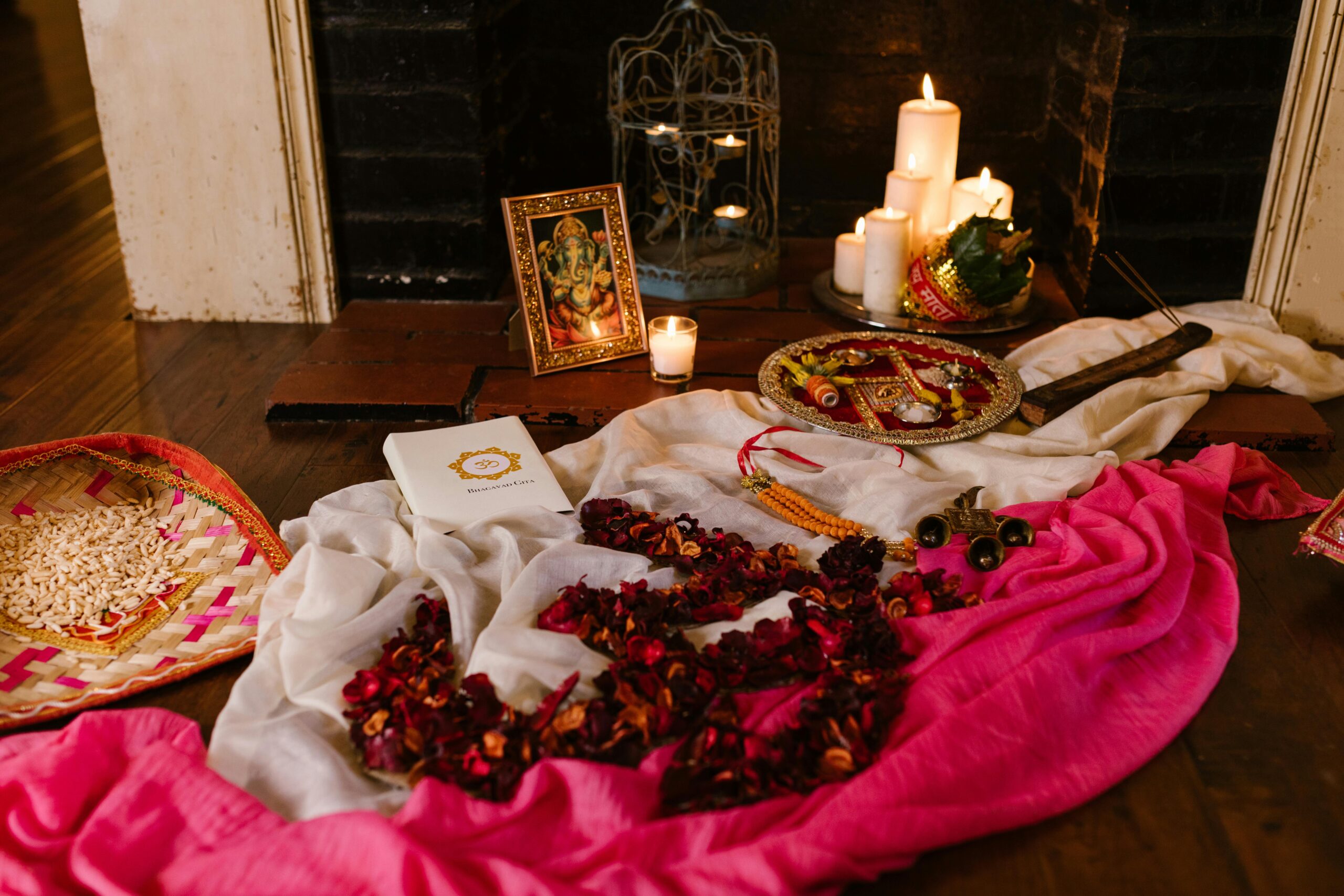
Narayan Bali Puja requires numerous ritual items, though your pandit will typically arrange most of them. Generally, you’ll need:
- Sacred threads (janeu)
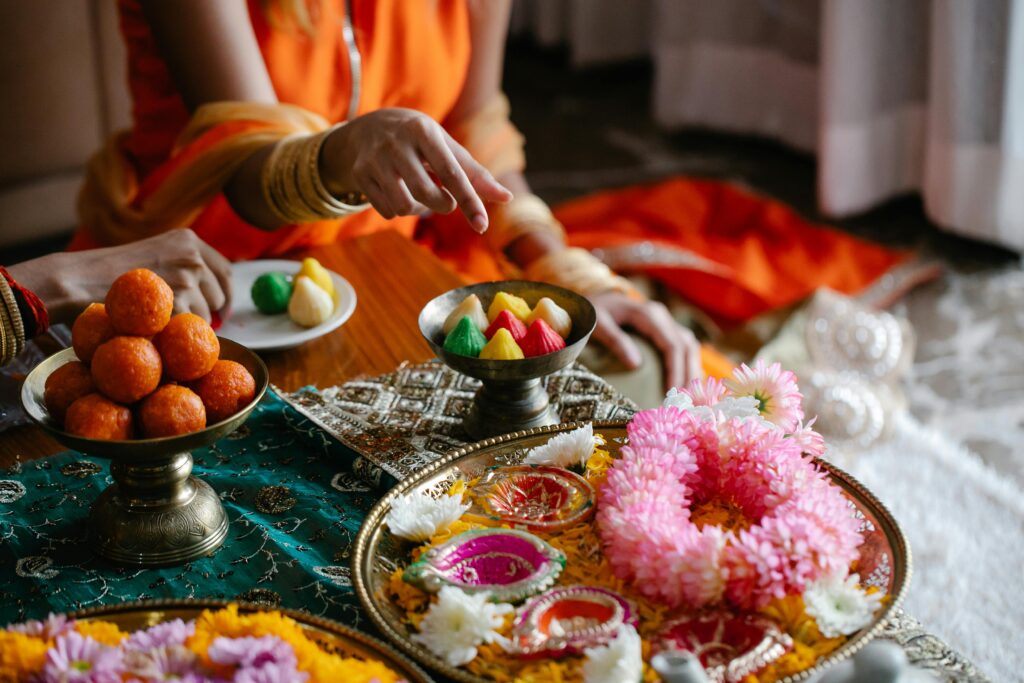
- Flowers, particularly marigolds and lotuses
- Fruits and sweets
- Rice, wheat, sesame seeds
- Clothing pieces for the deceased
- Silver or gold ornaments (can be small)
- Dakshina (monetary offerings)
- Items for havan (fire ceremony)
- Ingredients for pind daan (rice balls)
Your priest will provide a complete list. Some families bring photographs of deceased ancestors, though this isn’t mandatory. The most important thing you bring is your sincere intention and devotion.
Mental and Spiritual Preparation
Physical preparations are straightforward, but mental and spiritual readiness matters equally. In the days leading up to the puja, maintain a clean lifestyle. This means vegetarian food, avoiding alcohol, practicing celibacy, and minimizing negative thoughts or anger.
Think of it as tuning your internal radio to the right frequency. The clearer your channel, the stronger the spiritual transmission. Spend time meditating, remembering your ancestors with love and gratitude, and clarifying your intentions for performing this ritual.
Forgiveness is crucial—forgive your ancestors for any negative patterns they may have passed down, and ask forgiveness for delays in performing this duty. Approach the puja with humility, not as a transaction but as a sacred act of love and duty.
Step-by-Step Process of Narayan Bali Puja
Sankalp (Taking the Vow)
Every Hindu ritual begins with sankalp, where you formally state your intention. Holding kusha grass and water in your right hand, you’ll declare your name, family lineage (gotra), and the purpose of this puja. It’s like signing a spiritual contract with the universe.
This moment sets everything in motion. Your pandit will guide the precise Sanskrit verses, but the energy comes from your sincere commitment. You’re essentially saying, “I acknowledge my duty to my ancestors and pledge to complete this ritual for their peace and my family’s well-being.”
Kalash Sthapana (Establishing the Sacred Pot)
Next comes establishing the kalash, a copper or brass pot filled with water, adorned with mango leaves, and topped with a coconut. This represents the universe itself—the pot is earth, water is life force, leaves are nature, and coconut is divine consciousness.
The kalash becomes the focal point of divine energy during the puja. It’s consecrated through mantras, transforming ordinary water into sacred tirtha that will carry your prayers to the cosmic realm.
Gauri Ganesh Puja
Before any major Hindu ritual, we invoke Goddess Gauri (Parvati) and Lord Ganesha. Why? Gauri represents the divine feminine, the source of all creation, while Ganesha removes obstacles. Starting without their blessings would be like beginning a journey without checking your vehicle—possible but unwise.
The priest performs elaborate pujas to these deities, offering flowers, incense, and special prayers. This establishes a protective sacred space and ensures the main ritual proceeds smoothly.
Main Narayan Bali Rituals
Now comes the heart of the ceremony. The priest creates a symbolic body using kusha grass and cloth, representing the departed souls. Through powerful Vedic mantras, these symbolic forms are energized and transformed into vessels that can receive your offerings and blessings.
Special mantras invoke Lord Vishnu (Narayan) in his all-pervading form. The symbolism is profound—Vishnu preserves the universe, and in this ritual, he guides troubled souls toward liberation. The chanting creates vibrations that literally reshape spiritual energy around you.
Various offerings are made to these symbolic forms—sacred threads, clothes, food, water—everything the soul needs for its onward journey. It’s deeply moving to witness, and many families report feeling distinct shifts in energy during these moments.
Offering to Ancestors
Throughout the ritual, specific prayers honor your ancestors by name (if known) or through lineage references. You’re acknowledging their contributions to your existence, expressing gratitude for the good they passed down, and seeking forgiveness for any delays in performing their last rites properly.
Food offerings called naivedya are presented—rice, lentils, vegetables, and sweets. In Vedic thought, food represents life force itself, so offering it to ancestors symbolically nourishes their spiritual journey.
Tarpan and Pind Daan
The ritual culminates with tarpan (offering water) and pind daan (offering rice balls). In Varanasi, this is typically performed at the ghats, with the holy Ganges receiving your offerings.
Pind daan involves creating rice balls mixed with sesame seeds, milk, and ghee, representing the physical body. These are offered to crows (who represent ancestors in Hindu tradition) and immersed in the Ganges. As the sacred river carries them away, it symbolically carries your ancestors toward moksha (liberation).
This moment often brings tears—there’s something profoundly cathartic about finally completing this duty for those who came before you.
Cost and Duration of the Puja
Let’s talk practical matters. Narayan Bali Puja isn’t a brief ceremony—it typically takes 4-6 hours, sometimes longer depending on specific family requirements. Some priests spread it across multiple days for maximum effectiveness.
Cost varies significantly based on the priest’s experience, location, and items included. In Varanasi, you might spend anywhere from ₹11,000 to ₹51,000 or more. This includes priest’s dakshina, puja materials, and offerings. Premium services at famous temples or with renowned priests cost more.
Remember, you’re not buying a product—you’re investing in spiritual transformation for generations. That said, genuine spiritual service shouldn’t break the bank. Discuss costs upfront clearly, ensure transparency, and choose based on your capacity and the priest’s authenticity rather than just price.
Where to Perform in Varanasi
Varanasi offers numerous sacred spots for Narayan Bali Puja. The most popular ghats include:
Harishchandra Ghat and Manikarnika Ghat are the main cremation ghats, making them especially powerful for ancestral rituals. The continuous presence of funeral rites creates intense spiritual energy conducive to liberation work.
Dashashwamedh Ghat is famous for evening Ganga aarti and offers excellent facilities for pujas. Assi Ghat at the river’s southern end provides a slightly quieter atmosphere while maintaining full spiritual potency.
Many families also visit Kaal Bhairav Temple, dedicated to Lord Shiva’s fierce manifestation who guards Varanasi and witnesses all rituals performed here. Seeking his blessings before or after Narayan Bali Puja is considered highly beneficial.
Your priest can recommend the best location based on your specific needs and the auspicious timing selected.
Post-Puja Practices
Completing Narayan Bali Puja isn’t the end—it’s actually a new beginning. Afterward, maintain spiritual discipline for at least 10-15 days. Continue vegetarian diet, regular prayers, and positive conduct.
Many priests recommend annual shraddh (ancestral remembrance ceremonies) to maintain the connection established through Narayan Bali Puja. Think of it like maintaining a bridge you’ve built—occasional care keeps it strong.
Visit temples regularly, perform charity in your ancestors’ names, and most importantly, live ethically. The best way to honor departed souls is living a life they’d be proud of. Break negative family patterns, cultivate positive values, and consciously build a legacy worth passing forward.
Some families create a small ancestral altar at home with photographs and a lamp that’s lit daily. This maintains ongoing spiritual connection and gratitude.
Benefits of Narayan Bali Puja
What changes can you actually expect? While spiritual practices aren’t vending machines dispensing guaranteed outcomes, people consistently report remarkable transformations after Narayan Bali Puja.
Spiritual benefits include profound inner peace, relief from nightmares, feeling lighter and more optimistic, and sensing ancestral blessings. Many describe it as removing invisible weights they didn’t even know they were carrying.
Practical life improvements often follow: stubborn problems suddenly resolve, health issues improve, relationship conflicts ease, career obstacles clear, and long-awaited desires manifest. Couples struggling with conception sometimes welcome children after this puja.
These aren’t magical coincidences—they’re natural results of correcting spiritual imbalances. When ancestral karma is resolved, the positive energy naturally flows into descendants’ lives.
Common Misconceptions
Let’s bust some myths. First, Narayan Bali Puja isn’t “black magic” or manipulation—it’s orthodox Vedic practice endorsed by scriptures. Second, you don’t need to be “super religious” to benefit; sincere intention matters more than elaborate devotion.
Third, this isn’t punishment for ancestors or suggesting they were bad people. Even good souls can experience post-death difficulties due to circumstances beyond their control. Fourth, one properly performed puja is generally sufficient—you don’t need repeated ceremonies unless specifically advised for complex situations.
Finally, Narayan Bali Puja doesn’t replace personal effort. It removes karmic obstacles, but you still need to take appropriate worldly actions toward your goals. Think of it as clearing the road, but you still need to drive the vehicle.
Personal Experiences and Testimonials
Countless families share moving stories about transformation after Narayan Bali Puja. One businessman from Delhi reported that after years of unexplained financial losses, his company stabilized and grew rapidly within months of performing this ritual in Varanasi.
A couple from Mumbai, struggling with infertility for eight years despite medical interventions, welcomed a healthy baby the following year. They credit both their continued medical treatment and the spiritual clearing from Narayan Bali Puja.
Many report immediate changes—better sleep, improved family harmony, sudden resolution of legal matters, or simply a profound sense of peace. While individual experiences vary, the common thread is feeling freed from invisible burdens.
These testimonials aren’t guarantees, but they illustrate the potential power of sincerely honoring our ancestral connections through proper rituals.
Conclusion
Narayan Bali Puja in Varanasi represents one of Hinduism’s most profound practices for ancestral healing and karmic resolution. In our modern, fast-paced lives, we often forget that we’re not isolated individuals but parts of vast family lineages stretching backward and forward through time.
Our ancestors live in us—in our DNA, our patterns, our opportunities, and yes, sometimes in our obstacles too. Honoring them through rituals like Narayan Bali Puja isn’t superstition; it’s acknowledging the interconnected web of existence that spirituality teaches us about.
If you feel called to perform this puja, trust that intuition. The fact that you’re reading this article might itself be your ancestors’ gentle nudge, asking for help in their spiritual journey. Varanasi awaits with its timeless energy, ready to facilitate this sacred healing.
Remember, this ritual is ultimately about love—love for those who came before you, love for your living family, and love for generations yet unborn who will benefit from the karmic clearing you initiate. That’s a beautiful legacy to create.
FAQs
1. Can Narayan Bali Puja be performed for living persons?
No, Narayan Bali Puja is specifically designed for departed souls. It addresses post-death spiritual needs and cannot be performed for living individuals. However, there are other Vedic remedies and pujas for resolving issues affecting living family members.
2. How do I know if my family actually needs Narayan Bali Puja?
Common indicators include recurring problems across generations, unexplained health or financial issues, family history of untimely deaths, consistent nightmares about deceased relatives, or astrological identification of pitru dosha. Consulting a knowledgeable priest or Vedic astrologer can provide clarity.
3. Must the entire family be present during the puja?
While having family members present increases the collective energy and shows unity, it’s not mandatory. The primary person performing the puja (usually the eldest son or family head) can represent the entire lineage. Distant family members can participate spiritually through prayer and fasting.
4. What’s the difference between Narayan Bali and regular Shraddh ceremonies?
Shraddh is an annual remembrance ceremony performed for ancestors who had proper last rites. Narayan Bali addresses specific issues—abnormal deaths, incomplete last rites, or severe pitru dosha. It’s more comprehensive and typically performed once to resolve specific ancestral troubles, while shraddh is a regular yearly practice.
5. Can women perform Narayan Bali Puja?
Traditionally, male descendants performed most Hindu rituals, but practices are evolving. Women can certainly perform Narayan Bali Puja, especially if no male descendants are available or if they feel strongly called to do so. Discuss with your priest to ensure the ritual is conducted according to appropriate scriptural guidelines and your family’s traditions.