How to Plan Varanasi Trip for Family Members with Heart or Knee Issues ,Varanasi, the eternal city where spirituality flows as endlessly as the sacred Ganges, beckons millions of pilgrims and travelers each year. But what happens when your elderly parents or family members with heart conditions or knee problems express their desire to experience this ancient city? Does their health condition mean they must sacrifice this spiritual journey? Absolutely not! With thoughtful planning and the right strategies, you can make Varanasi accessible and enjoyable for everyone in your family, regardless of their physical limitations.
Planning a trip to Varanasi for family members with health challenges requires more than just booking tickets and hotels. It demands careful consideration of medical needs, physical accessibility, and the unique demands of navigating one of India’s oldest and most congested cities. This comprehensive guide will walk you through every aspect of planning a memorable, safe, and spiritually fulfilling trip to Varanasi for your loved ones with heart or knee issues.
Understanding the Unique Challenges of Varanasi
The Spiritual Heart of India
How to Plan Varanasi Trip for Family Members with Heart or Knee Issues , Varanasi isn’t just another tourist destination—it’s the spiritual capital of India, a city that has witnessed over 3,000 years of continuous civilization. The city’s narrow lanes, ancient temples, and riverside ghats create an atmosphere unlike anywhere else on Earth. For families seeking spiritual connection and cultural immersion, Varanasi offers experiences that can touch the soul deeply. However, this ancient city’s infrastructure wasn’t designed with modern accessibility standards in mind, which presents unique challenges for visitors with mobility or cardiac concerns.
Physical Demands of Exploring Varanasi
Let’s be honest: Varanasi can be physically demanding. The narrow lanes of the old city are often crowded, uneven, and steep. The famous ghats feature numerous steps leading down to the Ganges. The heat and humidity, especially during summer months, can be overwhelming. Understanding these challenges upfront allows you to plan strategically, ensuring your family members can enjoy the city’s spiritual essence without compromising their health or comfort.
Pre-Trip Medical Preparations
Consulting Your Doctor Before Travel
Before booking anything, schedule a thorough consultation with your family member’s cardiologist or orthopedic specialist. This isn’t just a formality—it’s essential. Your doctor can assess whether travel to Varanasi is advisable, adjust medications if needed, and provide specific guidance about activity levels. Ask about altitude considerations (though Varanasi sits at a low elevation), physical exertion limits, and warning signs to watch for during the trip. Request a medical summary letter detailing the conditions, current medications, and emergency treatment protocols—this document becomes invaluable if medical attention is needed during your journey.
Carrying Essential Medications and Documents
Create a comprehensive medical kit that includes at least two weeks’ worth of all regular medications, even if you’re only traveling for a week. Pack medications in both checked and carry-on luggage to prevent total loss if bags go missing. Include copies of all prescriptions with generic drug names (crucial in India where brand names differ), recent medical reports, ECG printouts if dealing with heart conditions, and X-rays or MRI reports for knee issues. Keep these documents both in physical and digital formats on your phone.
Travel Insurance for Senior Citizens
Don’t skimp on travel insurance—invest in comprehensive coverage specifically designed for senior citizens or travelers with pre-existing conditions. Many standard policies exclude pre-existing conditions, so read the fine print carefully. Your insurance should cover medical emergencies, hospitalization, emergency evacuation, and trip cancellation. Companies like Care Health Insurance, ICICI Lombard, and international providers like World Nomads offer policies suitable for travelers with health conditions.
Choosing the Right Time to Visit
Weather Considerations
Timing your visit to Varanasi can significantly impact your family member’s comfort level. The ideal months are October through March, when temperatures remain pleasant and manageable. During this period, daytime temperatures hover between 15-30°C, perfect for exploration without excessive heat stress. Avoid the scorching summer months (April-June) when temperatures soar above 40°C, placing unnecessary strain on hearts and making mobility more challenging. The monsoon season (July-September) brings heavy rains that can make navigation treacherous on slippery steps and uneven surfaces.
Avoiding Peak Crowds
While festivals like Diwali, Maha Shivaratri, and Dev Deepawali offer spectacular experiences, they also bring overwhelming crowds that can be stressful and potentially dangerous for people with mobility limitations. Consider visiting during off-peak times when you can enjoy the city’s spiritual atmosphere with fewer crowds, easier navigation, and better access to prime viewing spots for ceremonies like the Ganga Aarti.
Selecting Accessible Accommodation
Hotels Near the Ghats
Location matters tremendously when accommodating family members with health limitations. While staying in the heart of the old city might seem ideal for proximity to the ghats, these areas often lack vehicle access, requiring walks through narrow lanes. Instead, consider hotels that offer the best of both worlds: proximity to the river while remaining accessible by car. Properties like the Taj Nadesar Palace, Radisson Hotel Varanasi, and BrijRama Palace offer relatively easier access while keeping you close to the action.
Elevator Access and Ground Floor Rooms
When booking accommodation, specifically request ground floor rooms or confirm that functional elevators serve all floors. Many heritage properties in Varanasi have been converted into hotels but retain their original staircases without elevator additions. Ask detailed questions about the distance from parking to the room entrance, the presence of ramps or steps, and whether wheelchairs can navigate the property. Some hotels even offer rooms with walk-in showers rather than bathtubs, which are safer for those with knee problems.
Proximity to Medical Facilities
Research the location of quality medical facilities relative to your hotel. The Heritage Hospital, Shiv Prasad Gupta Hospital (SPG Hospital), and Apollo Clinic are among Varanasi’s better medical facilities. Staying within a 10-15 minute drive of these facilities provides peace of mind. Share the hotel address with these facilities in advance and save their contact numbers in your phone.
Planning Transportation Wisely
Flight vs Train Travel
For family members with heart or knee issues, air travel to Varanasi typically proves less strenuous than long train journeys. Lal Bahadur Shastri International Airport connects Varanasi to major Indian cities. Book wheelchair assistance in advance through your airline—most carriers provide this service free of charge. If train travel is unavoidable, book first-class AC compartments with lower berths to minimize climbing. The journey from major cities like Delhi or Mumbai can take 12-24 hours, which might be exhausting for someone with health limitations.
Hiring Private Vehicles
Once in Varanasi, forget about auto-rickshaws or cycle rickshaws for family members with mobility issues. Hire a private car with a knowledgeable driver for your entire stay. This eliminates the stress of haggling, ensures point-to-point comfort, and provides flexibility to return to the hotel whenever rest is needed. Many hotels can arrange reliable drivers, or you can book through services like Savaari or local travel agencies. Ensure the vehicle is air-conditioned and spacious enough to accommodate wheelchairs or walkers if needed.
Wheelchair and Mobility Aid Options
If your family member uses a wheelchair, consider whether to bring your own or rent one in Varanasi. Bringing your own ensures familiarity and proper fitting but adds luggage complexity. If renting, contact medical equipment suppliers in Varanasi before arrival to confirm availability and reserve equipment. Keep in mind that standard wheelchairs work reasonably well on main roads but struggle in the narrow, uneven lanes of old Varanasi. Lightweight, foldable wheelchairs prove most practical.
Choosing Accessible Ghats
Not all ghats are created equal in terms of accessibility. While Varanasi has 87 ghats, focus on those with relatively better access. Assi Ghat, located at the southern end, features wider pathways and a more gradual descent compared to others. Dashashwamedh Ghat, where the famous Ganga Aarti takes place, is extremely crowded but has areas where boats can dock very close, minimizing walking. Avoid ghats with particularly steep or crumbling steps, such as some sections near Manikarnika Ghat.
Boat Rides as an Alternative
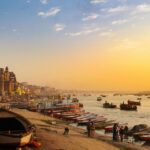
Here’s where planning for accessibility becomes a blessing in disguise—experiencing Varanasi from a boat on the Ganges offers arguably the best perspective of the city while requiring minimal physical exertion. A private boat can be hired for sunrise or sunset tours, allowing your family members to witness the spiritual magic of the ghats from a comfortable seated position. The gentle rocking of the boat, the view of the ancient city awakening or settling down, and the proximity to the river create an unforgettable experience without stairs, crowds, or excessive walking.
Best Times to Visit the Ghats
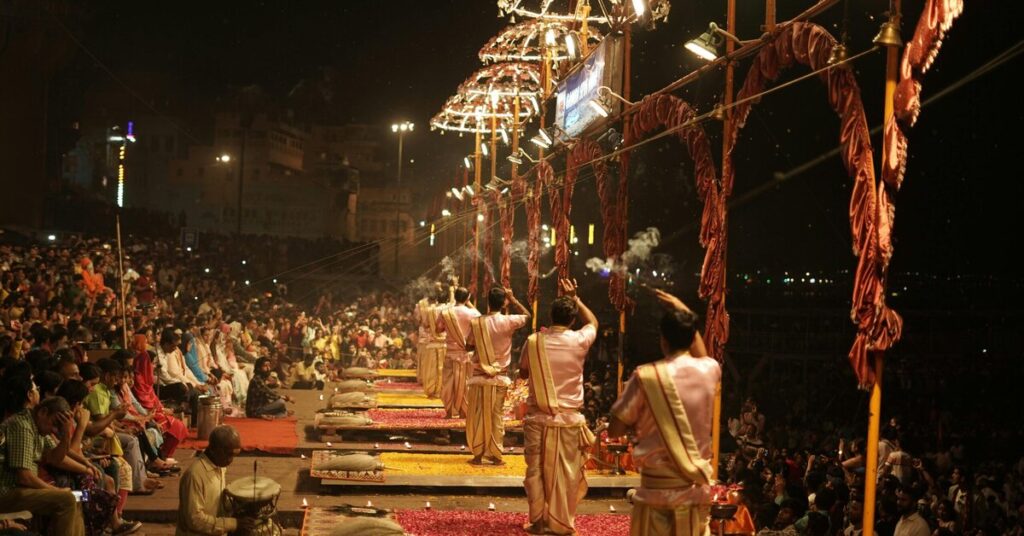
If your family members do visit the ghats on foot, timing matters significantly. Early morning (5-7 AM) and late evening (after 8 PM) see fewer crowds than midday. The evening Ganga Aarti at Dashashwamedh Ghat typically starts around 6-7 PM, depending on the season. Arrive at least 45 minutes early to secure a good viewing spot that doesn’t require standing or extensive walking. Some tour operators and hotels can arrange reserved seating for the Aarti, which is invaluable for those who cannot stand for long periods.
Pacing Your Itinerary
Building Rest Periods into Your Schedule
The biggest mistake families make when traveling with elderly or health-compromised members is overscheduling. In Varanasi, less is definitely more. Plan for one major activity per day—perhaps a morning boat ride one day, a temple visit the next, and an evening Aarti viewing the following day. Build in long rest periods during the hottest part of the day (noon to 4 PM). This isn’t wasted time; it’s essential recovery that allows your family members to actually enjoy the experiences rather than merely survive them.
Prioritizing Must-See Sites
Sit down with your family members and identify their top spiritual priorities. Is witnessing the Ganga Aarti essential? Do they desperately want to visit the Kashi Vishwanath Temple? Is a sunrise boat ride on the Ganges their dream? Prioritize these absolutely essential experiences and build your trip around them. Everything else becomes optional—wonderful if it happens, but not devastating if fatigue or weather intervenes. This approach removes pressure and allows for genuine enjoyment.
Flexibility is Key
Despite your best planning, some days won’t go as expected. Your family member might wake up with knee pain, or the weather might turn oppressively hot. Build flexibility into every day by avoiding back-to-back commitments. Have alternative indoor activities planned—such as watching documentaries about Varanasi from your hotel room, enjoying a spa treatment, or simply resting on a terrace overlooking the river. The spiritual essence of Varanasi doesn’t disappear just because you’re not constantly sightseeing.
Food and Hydration Considerations
Heart-Healthy and Low-Sodium Options
Varanasi’s street food is legendary, but it’s often oily, salty, and potentially risky for those with heart conditions. Stick to established restaurants in good hotels for most meals. Many upscale hotels offer continental and Indian cuisine prepared with less oil and salt upon request. When dining out, ask for rotis instead of fried puris, grilled or tandoori preparations instead of curries swimming in oil, and fresh fruit for dessert rather than sugar-laden sweets. Traditional Satvik food, common in Varanasi due to its religious significance, is actually quite heart-healthy—vegetarian, cooked without onion and garlic, and relatively low in oil.
Staying Hydrated in the Heat
Dehydration is a serious concern in Varanasi, particularly during warmer months. Carry bottled water everywhere and encourage frequent sipping rather than waiting for thirst. Coconut water, available from street vendors, provides excellent electrolyte replenishment. Avoid sugary sodas that can cause energy crashes. For those on heart medications, particularly diuretics, hydration becomes even more critical. Set reminders on your phone if necessary to ensure regular water intake throughout the day.
Where to Find Safe, Clean Restaurants
Food safety matters significantly when traveling with vulnerable family members. Stick to restaurants in reputable hotels like the Taj, Radisson, or Clarks. Pizzeria Vaatika Café, Brown Bread Bakery, and Lotus Lounge have strong reputations for cleanliness and offer diverse menus. Avoid street food entirely for family members with compromised health—no matter how tempting those kachoris look. The risk of foodborne illness simply isn’t worth the potential medical emergency that could derail your entire trip.
Spiritual Experiences Without Physical Strain
Attending Ganga Aarti from a Boat
I mentioned this earlier, but it bears repeating: watching the Ganga Aarti from a private boat is perhaps the single best way to experience this daily ritual without physical strain. You avoid the crushing crowds on the ghats, eliminate stair climbing, and actually get a better view of the ceremony. The boat rocks gently with the river current while priests on the ghat perform the elaborate fire ritual. The reflection of flames on the water, the sound of chanting drifting across, and the sight of hundreds of diyas (oil lamps) floating downstream create a magical atmosphere that deeply moves most visitors.
Temple Visits with Minimal Walking
While the famous Kashi Vishwanath Temple involves walking through crowded lanes and often requires standing in long queues, alternatives exist. The Sankat Mochan Hanuman Temple and Durga Temple (Durga Kund) have better accessibility and less crowding. Consider visiting temples during off-peak hours—early morning or late afternoon—when crowds thin. Some temples allow elderly or disabled visitors to enter through special queues; don’t hesitate to inquire. Remember that spiritual connection doesn’t require visiting every famous temple—sometimes quiet prayer at a smaller shrine creates a more profound experience.
Experiencing Varanasi’s Culture from Your Hotel
Many excellent hotels in Varanasi offer cultural programs, classical music performances, and spiritual talks that bring the city’s essence to you. Attend an evening sitar concert, participate in a meditation session, or listen to scholars discuss Varanasi’s history—all from the comfort of your hotel. Some properties arrange for priests to conduct private pujas (prayer ceremonies) in their gardens or riverside areas. These experiences capture Varanasi’s spiritual atmosphere without the physical demands of exploring the crowded old city.
Emergency Preparedness
Locating Nearby Hospitals
Before arriving in Varanasi, identify the best hospitals near your accommodation and save their locations in your phone’s maps. Heritage Hospital, located in Lanka area, is one of the better-equipped facilities. Shiv Prasad Gupta Hospital has a good emergency department. Apollo Clinic in Varanasi offers quality outpatient care. Visit or at least drive by your chosen emergency facility during your first day so you know exactly how to reach it if needed. Note that Varanasi’s traffic can be chaotic, so factor in extra travel time during rush hours.
Keeping Emergency Contacts Handy
Create a contact card that includes emergency numbers for local hospitals, your hotel, your driver, your travel insurance provider, and family members back home. Keep physical copies in your family member’s wallet and save the numbers in multiple phones. Program the national emergency number (112 in India) into every phone. If your family member doesn’t speak Hindi or English well, prepare a card explaining their medical condition and current medications in both English and Hindi to show to medical personnel if needed.
Having a Backup Plan
Discuss with your family what constitutes a medical emergency that would require ending the trip early. Identify the nearest airports or railway stations for emergency departure. Keep your travel insurance emergency assistance number readily available—most policies provide 24/7 support for medical emergencies and can help coordinate care, hospital admission, or evacuation if necessary. Simply having these backup plans in place, even if you never need them, provides tremendous peace of mind.
Hiring Local Assistance
Professional Guides Who Understand Special Needs
Not all tour guides in Varanasi are equally sensitive to the needs of travelers with health limitations. Seek out guides specifically experienced with elderly or disabled tourists. These professionals understand pacing, know which routes involve fewer stairs, and can communicate your needs to boat operators, temple priests, and restaurant staff. Your hotel concierge can usually recommend appropriate guides, or you can book through specialized travel companies that focus on accessible tourism. Be explicit about your family member’s limitations when booking so the guide can plan appropriately.
Wheelchair Pushers and Porters
In areas where your family member uses a wheelchair, hiring a local helper to push the wheelchair through crowded areas proves invaluable. These individuals know the terrain, understand how to navigate through crowds, and can communicate with locals in Hindi or Bhojpuri to clear paths when necessary. They’re typically available for hire near major ghats and can be arranged through your hotel or guide. Negotiate rates in advance and always carry small bills for payment.
What to Pack for Comfort and Safety
Comfortable Footwear
Footwear can make or break your Varanasi experience for someone with knee issues. Sturdy, closed-toe shoes with excellent grip are essential—the ghats and lanes can be slippery, especially after rain or morning washing. Avoid flip-flops or sandals that could slip off. Athletic shoes with good ankle support work well. Bring multiple pairs in case one gets wet or uncomfortable. Consider compression socks if your family member experiences swelling during travel.
Medical Supplies and First Aid
Beyond regular medications, pack a comprehensive first aid kit including bandages, antiseptic cream, pain relievers (approved by their doctor), antacid, anti-diarrheal medication, insect repellent, and sunscreen. Include any medical devices like blood pressure monitors or glucometers if your family member uses them regularly. Portable oxygen concentrators might be necessary for some cardiac patients—check with your doctor and arrange for electrical adapters compatible with Indian outlets (Type C, D, and M plugs, 230V).
Weather-Appropriate Clothing
Layer clothing so your family member can adjust to Varanasi’s variable temperatures, especially during winter months when mornings can be quite cool while afternoons warm up considerably. Bring lightweight, breathable fabrics for warmer weather. Pack a good hat and sunglasses for sun protection. For temple visits, ensure you have clothing that covers shoulders and knees out of respect—many temples have strict dress codes. A light shawl or scarf serves multiple purposes: sun protection, covering for temples, and warmth during boat rides.
Making the Most of Your Varanasi Experience
Despite all the practical considerations and health accommodations, don’t lose sight of why you’re making this journey. Varanasi offers something truly transformative—a glimpse into spiritual traditions that have endured for millennia, a reminder of life’s cyclical nature as you witness birth and death along the ghats, and the opportunity to fulfill a spiritual pilgrimage that many Indians dream of completing.
The memories you create—watching your mother’s face as the Ganga Aarti flames reflect in her eyes, seeing your father’s peaceful expression during a sunrise boat ride, or simply sitting together on a ghat watching the eternal river flow—these become treasures that no health limitation can diminish. In fact, the extra care and planning required often brings families closer together, creating bonds of patience, understanding, and shared spiritual seeking.
Remember that Varanasi’s essence isn’t in how many temples you visit or how many steps you climb. It’s in the feeling of connection to something ancient and enduring, in the recognition that countless pilgrims before you have sought meaning along these same ghats, and in the simple act of being present in one of the world’s most sacred cities with the people you love.
Conclusion
Planning a Varanasi trip for family members with heart or knee issues requires thoughtful preparation, but it’s absolutely achievable and deeply rewarding. By consulting doctors before travel, choosing the right season and accommodation, pacing your itinerary wisely, and prioritizing accessibility over ambitious sightseeing, you can create a memorable spiritual journey that respects health limitations while delivering profound experiences.
The key lies in adjusting expectations—understanding that experiencing Varanasi isn’t about checking off every famous site but about absorbing the spiritual atmosphere, witnessing timeless rituals, and connecting with something larger than ourselves. A single sunrise boat ride on the Ganges or one evening watching the Aarti can fulfill spiritual longings in ways that dozens of rushed temple visits never could.
With the practical strategies outlined in this guide—from hiring private vehicles and choosing accessible ghats to packing appropriate medical supplies and building rest periods into each day—you can confidently embark on this sacred journey with your loved ones. The ancient city of Varanasi has welcomed pilgrims of all physical abilities for thousands of years, and with proper planning, it will welcome your family too, offering blessings, beauty, and spiritual fulfillment that transcend any physical limitations.
Frequently Asked Questions (FAQs)
Q1: Is Varanasi suitable for wheelchair users?
Varanasi’s old city presents significant challenges for wheelchair users due to narrow lanes, uneven surfaces, and numerous steps leading to the ghats. However, experiencing Varanasi via boat rides, visiting temples with better accessibility like Sankat Mochan, and staying in modern hotels with proper facilities makes it absolutely possible. Focus on river-based experiences and selective, well-planned site visits rather than attempting to explore the entire old city on foot.
Q2: What medical facilities are available in Varanasi for emergencies?
Varanasi has several hospitals equipped to handle medical emergencies, including Heritage Hospital, Shiv Prasad Gupta Hospital, and Apollo Clinic. While these facilities may not match the standards of metropolitan hospitals in Delhi or Mumbai, they provide competent emergency care. For serious cardiac or orthopedic emergencies, medical evacuation to larger cities might be advisable, which is why comprehensive travel insurance is crucial.
Q3: Can elderly people with heart conditions safely climb the ghats?
Climbing the ghats with heart conditions is generally not advisable due to the steep steps, crowding, and physical exertion involved. Instead, opt for boat-based experiences that allow you to view the ghats from the river without climbing. If visiting a ghat is essential, choose those with gentler slopes like Assi Ghat, go during less crowded times, take frequent breaks, and have someone accompany your family member at all times.
Q4: What’s the best way to witness Ganga Aarti for someone with mobility issues?
Booking a private boat and watching the Ganga Aarti from the river provides the ideal solution for those with mobility limitations. You avoid stairs, crowds, and prolonged standing while actually getting a superior view of the ceremony. Alternatively, some hotels and restaurants near Dashashwamedh Ghat offer terraces with Aarti views, though these fill up quickly and may require advance booking.
Q5: How can I ensure food safety for family members with health concerns?
Stick to established restaurants in reputable hotels where food safety standards are more reliable. Avoid street food entirely for vulnerable family members. Request low-oil and low-salt preparations when ordering. Drink only bottled water and avoid raw vegetables that might have been washed in local water. Consider bringing probiotics to support digestive health, and pack basic medications for stomach upset as a precaution.