
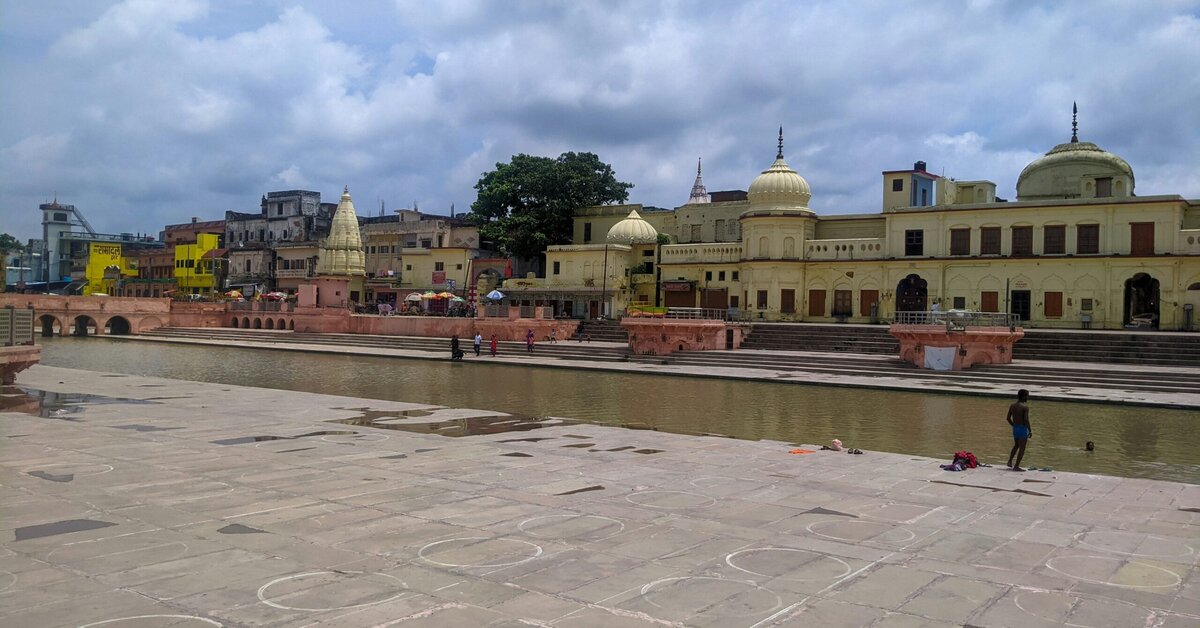
How to Reach Ayodhya Transportation Options , Planning a trip to the sacred city of Ayodhya? You’re in for a spiritual journey like no other! The good news is that reaching this ancient holy city has never been easier. Over the past few years, Ayodhya has witnessed a remarkable transformation in its transportation infrastructure, making it accessible from virtually every corner of India and beyond.
Gone are the days when reaching Ayodhya meant enduring long, uncomfortable journeys. Today, whether you prefer flying, taking the train, or hitting the road, multiple convenient options await you. The Indian government’s focus on developing Ayodhya as a major pilgrimage and tourism destination has resulted in significantly improved connectivity. From state-of-the-art airports to modernized railway stations and well-maintained highways, Ayodhya is now just a comfortable journey away.
What makes this even more exciting is that these transportation improvements haven’t compromised the city’s spiritual charm. Instead, they’ve made it possible for millions more devotees and travelers to experience Ayodhya’s divine atmosphere. So, let’s explore the various ways you can reach this sacred city and start planning your pilgrimage!
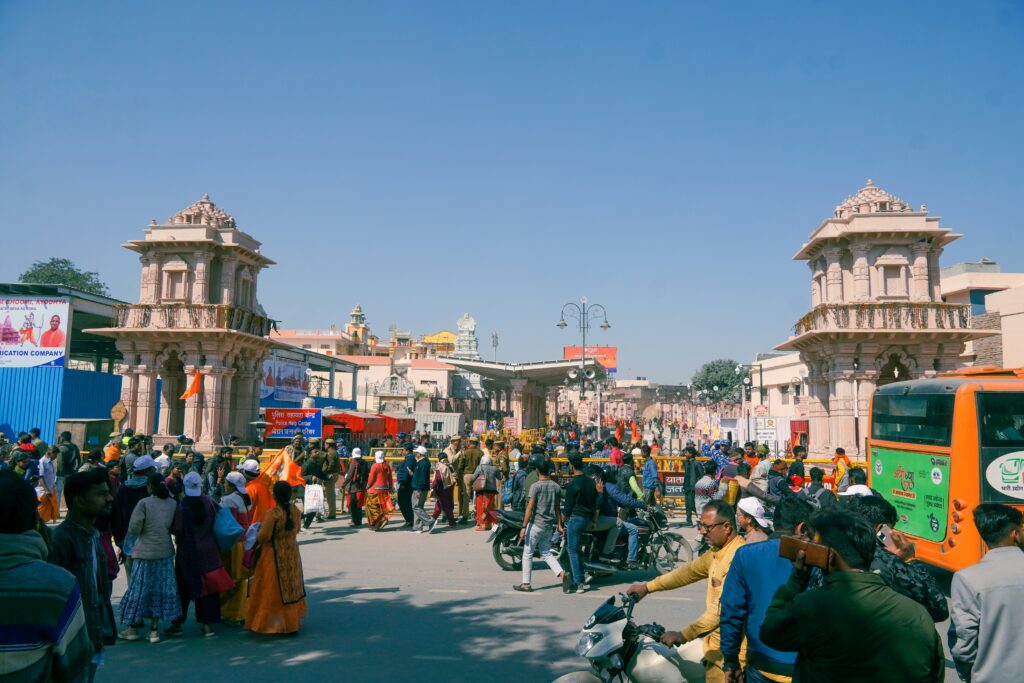
Reaching Ayodhya by Air
Maharishi Valmiki International Airport, Ayodhya
The crown jewel of Ayodhya’s transportation revolution is its brand-new international airport, officially named Maharishi Valmiki International Airport. Inaugurated in December 2024, this modern facility has transformed Ayodhya’s accessibility dramatically. Located approximately 25 kilometers from the main city, this airport represents a dream come true for millions of devotees who can now reach Ayodhya directly by air.
The airport features contemporary architecture with traditional Indian design elements, creating a welcoming atmosphere that immediately immerses you in the spiritual essence of Ayodhya. With a terminal capacity designed to handle millions of passengers annually, the airport ensures smooth processing even during peak pilgrimage seasons. The facilities include comfortable waiting lounges, food courts offering both vegetarian and traditional cuisine, duty-free shopping, and modern amenities that make your transit pleasant.
Currently, the airport operates domestic flights connecting Ayodhya to major Indian cities including Delhi, Mumbai, Bangalore, Hyderabad, and Chennai. International connections are being progressively added, with plans to connect Ayodhya to important destinations in Southeast Asia, the Middle East, and beyond, particularly catering to the large Indian diaspora eager to visit their spiritual homeland.
Chaudhary Charan Singh International Airport, Lucknow
Before Ayodhya’s own airport became operational, and still serving as an important alternative, Lucknow’s international airport has been the primary air gateway for Ayodhya-bound travelers. Located approximately 140 kilometers from Ayodhya, this well-established airport offers extensive connectivity to domestic and international destinations.
Lucknow airport is served by all major Indian airlines and several international carriers. If you’re flying from overseas or from cities not yet connected to Ayodhya’s airport, Lucknow remains an excellent option. The airport is modern, efficient, and passenger-friendly, with excellent facilities including restaurants, lounges, shopping areas, and currency exchange services.
Domestic and International Flight Connections
Ayodhya’s air connectivity is expanding rapidly. Major airlines operating flights to Ayodhya include Air India, IndiGo, SpiceJet, and Vistara. Depending on your origin city, you might find direct flights or convenient one-stop connections. Flight frequencies increase significantly during major festivals like Ram Navami and Diwali, so booking well in advance during these periods is advisable.
For international travelers, major hubs like Delhi and Mumbai serve as convenient connection points. Many international airlines have partnerships with Indian carriers, making it easy to book through-tickets from anywhere in the world to Ayodhya. The introduction of direct international flights is expected to accelerate, especially from countries with significant Hindu populations.
From Airport to Ayodhya City
Once you land at Ayodhya airport, reaching the city is straightforward. Pre-paid taxi services are available right outside the terminal, offering fixed rates to various destinations within Ayodhya. The journey to the main temple area takes approximately 45-60 minutes, depending on traffic. App-based cab services like Ola and Uber are also operational, providing transparent pricing and convenient booking.
If you’ve arrived at Lucknow airport, you have several options. Pre-paid taxi services offer direct transportation to Ayodhya, with the journey taking around 2.5 to 3 hours via the well-maintained Lucknow-Ayodhya highway. Alternatively, you can take a taxi or bus to Lucknow railway station and catch a train to Ayodhya. Many travelers prefer hiring a car with a driver for the day, allowing them to travel at their own pace and even stop at interesting points along the way.
Reaching Ayodhya by Train
Ayodhya Junction Railway Station
For many Indian travelers, the railway remains the most popular and economical way to reach Ayodhya. Ayodhya Junction (station code: AY) is a major railway station that has undergone significant modernization and expansion. The station now boasts improved platforms, waiting areas, food courts, and passenger amenities that make your journey comfortable.
What’s wonderful about arriving by train is the gradual immersion into the spiritual atmosphere. As your train approaches Ayodhya, you’ll often hear fellow passengers chanting “Jai Shri Ram,” creating a devotional ambiance even before you reach your destination. The station is conveniently located, with most major temples and ghats accessible within a short auto-rickshaw ride.
The railway station features modern facilities including clean waiting rooms, retiring rooms for overnight stays, wheelchair accessibility, and adequate security. Food stalls and vendors offer a variety of vegetarian snacks and meals, though many pilgrims prefer the simple satisfaction of station chai (tea) as they begin their Ayodhya experience.
Major Train Routes and Connections
Ayodhya is well-connected to virtually every major city in India through an extensive rail network. From Delhi, multiple trains operate daily, with the journey taking approximately 8-10 hours depending on the train type. Popular trains from Delhi include the Lucknow Shatabdi, various Superfast Express trains, and overnight Mail Express services.
From Mumbai, the journey is longer—typically 24-28 hours—but several good train options exist, including the Lokmanya Tilak-Gorakhpur Express and Mumbai-Barauni Express. Kolkata is connected via trains like the Ganga-Sutlej Express and Satyagrah Express, with journey times of approximately 14-16 hours. Southern cities like Bangalore, Chennai, and Hyderabad have direct or convenient connecting trains to Ayodhya.
One advantage of train travel is the variety of classes available to suit different budgets and comfort preferences. From affordable general class and sleeper coaches to comfortable AC 3-tier, AC 2-tier, and premium AC 1st class options, there’s something for everyone. For longer journeys, overnight trains are particularly convenient, allowing you to save on accommodation costs while traveling.
Premium Train Services
Indian Railways operates several premium trains that offer enhanced comfort for Ayodhya-bound travelers. The Lucknow Shatabdi Express, though terminating at Lucknow, provides a luxurious same-day travel option from Delhi, from where you can easily connect to Ayodhya by road or local train. The Vande Bharat Express services are being progressively extended to cover routes connecting to Ayodhya, offering world-class speed and comfort.
Rajdhani and Duronto Express trains passing through nearby major junctions also provide excellent connectivity. These premium services offer superior onboard catering, comfortable berths, and faster journey times, making them worth the slightly higher fare for many travelers.
Railway Station Facilities
Ayodhya Junction has been equipped with modern passenger facilities as part of the railway modernization program. The station features:
- Clean, spacious waiting halls with separate areas for ladies and senior citizens
- Retiring rooms and dormitories for overnight stays
- Wheelchair accessibility and facilities for differently-abled passengers
- Free Wi-Fi connectivity
- Cloak rooms for luggage storage
- Clean restrooms and bathing facilities
- Food plazas with hygienic vegetarian food options
- 24/7 security and police assistance
- Tourist information centers with maps and guides
- Porter services for luggage handling
Reaching Ayodhya by Road
By Bus Services
Road transportation to Ayodhya has improved dramatically with the development of excellent highway infrastructure. The bus journey offers scenic views of rural Uttar Pradesh and is often the most economical option for budget-conscious travelers.
State Transport Buses
Uttar Pradesh State Road Transport Corporation (UPSRTC) operates extensive bus services connecting Ayodhya to major cities and towns across the state and neighboring regions. These government-run buses are reliable, affordable, and run on fixed schedules. Different categories are available:
Ordinary buses offer the most economical option, stopping at multiple towns and villages along the route. While journey times are longer, these buses provide an authentic experience of Indian road travel and are incredibly budget-friendly.
Express buses make fewer stops and cover distances faster, offering a good balance between cost and comfort. These are ideal for medium-distance journeys from cities like Lucknow, Varanasi, or Gorakhpur.
Deluxe and AC buses provide enhanced comfort with cushioned seats, air conditioning, and sometimes onboard entertainment. These buses operate primarily on longer routes and during peak seasons. From Lucknow, deluxe AC buses to Ayodhya run frequently, covering the distance in approximately 2.5-3 hours.
The Ayodhya bus stand is centrally located and well-organized, with clear signage, ticket counters, and basic amenities. Advance booking is possible through the UPSRTC website and mobile app, highly recommended during festival periods when buses fill up quickly.
Private Bus Operators
Several private bus companies operate services to Ayodhya, particularly on popular routes. These operators often provide premium services with better seat comfort, onboard facilities, and sometimes sleeper coaches for overnight journeys. Popular private operators include:
- RedBus network operators offering various comfort levels
- Luxury Volvo services on major routes
- Sleeper coaches for overnight journeys from distant cities
- Tempo travelers and mini-buses for smaller groups
Private buses can be booked through online platforms like RedBus, AbhiBus, and MakeMyTrip, which allow you to compare options, read reviews, and choose the service that best fits your needs and budget. Prices vary based on the level of comfort, with premium AC sleeper coaches costing significantly more than standard seating buses.
By Car or Taxi
Traveling to Ayodhya by personal vehicle or hired taxi offers maximum flexibility and convenience, especially for families or groups. The road infrastructure has improved substantially, making the journey comfortable and relatively quick.
Self-Drive Options
If you’re comfortable driving in Indian conditions, renting a self-drive car is a viable option. Major car rental companies operate from cities like Delhi, Lucknow, and Varanasi, offering vehicles ranging from compact cars to SUVs. The drive from Lucknow to Ayodhya via the Lucknow-Ayodhya Highway is particularly pleasant—a well-maintained four-lane road that covers approximately 135 kilometers.
From Delhi, the distance is around 635 kilometers, typically taking 10-12 hours depending on your route and stops. The most common route is via NH-44 and NH-27, passing through interesting towns where you can stop for meals and rest. Many travelers prefer breaking the journey with an overnight stop in cities like Kanpur or Lucknow.
Navigation is straightforward with GPS apps like Google Maps providing accurate directions. Ensure your vehicle is well-maintained, carry all necessary documents, and plan for fuel stops as petrol stations become sparser in rural areas.
Cab Services and Car Rentals
For those who prefer not to drive themselves, hiring a car with a driver is an excellent option. This service is widely available from all major cities and tourist hubs. Taxi aggregators like Ola and Uber now operate intercity services to Ayodhya, offering transparent pricing and the convenience of app-based booking.
Traditional car rental companies offer packages for Ayodhya trips, typically including:
- Point-to-point transfers
- Multi-day rentals with driver accommodation
- Customized itineraries covering Ayodhya and nearby attractions
- Different vehicle categories from sedans to luxury cars
Costs vary based on vehicle type, distance, and duration, but sharing a cab among a group of travelers can make this option quite economical. The advantage is door-to-door convenience, flexibility to stop where you want, and the ability to carry more luggage comfortably.
Local Transportation Within Ayodhya
Once you’ve reached Ayodhya, getting around the city is fairly easy and affordable. The compact nature of the main temple circuit means many sites are within walking distance, but several transportation options exist for longer distances or when you prefer not to walk.
Auto-Rickshaws
Auto-rickshaws are the lifeline of Ayodhya’s local transportation. These three-wheeled vehicles are ubiquitous, affordable, and can navigate the narrow lanes that larger vehicles cannot access. Most auto drivers are familiar with all major temples, ghats, and tourist spots.
However, be prepared to negotiate fares before starting your journey, as meters are rarely used. As a general guideline, short trips within the city center should cost between ₹30-50, while longer distances or trips to places like Guptar Ghat might cost ₹50-100. During peak pilgrimage seasons, drivers may quote higher prices, so polite but firm negotiation is acceptable.
Many auto drivers double as informal guides, sharing stories and information about the sites you’re visiting. While this adds to the experience, clarify beforehand whether they expect additional payment for guiding services beyond the transportation fare.
Cycle-Rickshaws
For shorter distances and a more traditional experience, cycle-rickshaws are a charming option. These pedal-powered vehicles move at a leisurely pace, perfect for soaking in Ayodhya’s atmosphere. They’re ideal for navigating the older parts of the city and bazaar areas where auto-rickshaws might find it difficult to maneuver.
Cycle-rickshaw rides are typically cheaper than auto-rickshaws, with short trips costing ₹20-40. The slower pace is actually an advantage, allowing you to observe street life, temple architecture, and local activities more closely. Many travelers find the unhurried cycle-rickshaw journey meditative, fitting perfectly with Ayodhya’s spiritual ambiance.
App-Based Cab Services
Modern transportation has arrived in Ayodhya with app-based services like Ola and Uber now operational in the city. These services offer the convenience of cashless payments, transparent pricing, and the ability to track your ride. While availability might not match that of major metros, you can generally find cabs during daylight hours, especially near major hotels and tourist spots.
App-based services are particularly useful when you need to reach specific addresses or prefer the assurance of booking through a recognized platform. Rates are competitive with negotiated auto-rickshaw fares and have the added advantage of receipts and customer support.
Renting Bicycles or Two-Wheelers
For the more adventurous and physically fit travelers, renting a bicycle offers a wonderful way to explore Ayodhya. Several shops near the railway station and main market areas offer hourly or daily bicycle rentals at nominal rates (₹50-100 per day). Cycling allows you complete freedom to explore at your own pace, stop wherever something catches your attention, and get some exercise while sightseeing.
Two-wheeler (scooter/motorcycle) rentals are also available, though you’ll need a valid driving license. This option is particularly good for those planning to visit multiple sites across the city and surrounding areas over several days. Rental costs typically range from ₹300-500 per day depending on the vehicle type.
Transportation from Major Cities
Understanding specific routes from major cities can help you plan better. Here’s detailed information about reaching Ayodhya from India’s metropolitan hubs.
Delhi to Ayodhya
By Air: With direct flights now available from Delhi to Ayodhya, the aerial journey takes approximately 1.5 hours. Multiple daily flights are operated by major carriers. If Ayodhya flights are full or you find better connections, flying to Lucknow and then traveling by road is an excellent alternative.
By Train: Delhi and Ayodhya are connected by numerous trains throughout the day. Popular options include the Lucknow Mail, Lucknow Swarn Shatabdi, and various superfast express trains. Journey time ranges from 8-11 hours depending on the train. Overnight trains are particularly convenient, allowing you to sleep during the journey and arrive fresh in the morning.
By Road: The road distance is approximately 635 kilometers via NH-44 and NH-27. The drive takes 10-12 hours with stops. The route passes through Agra, Kanpur, and other interesting cities. Many travelers prefer breaking the journey with an overnight stop in Lucknow, making it a more comfortable two-day road trip.
Mumbai to Ayodhya
By Air: Direct flights from Mumbai to Ayodhya are increasingly available, with journey time of approximately 2.5 hours. Alternatively, flights to Lucknow with onward ground transportation to Ayodhya work well. Total travel time including ground transfer is around 5-6 hours.
By Train: Several trains connect Mumbai and Ayodhya, though the journey is long—24-28 hours typically. The Mumbai LTT-Gorakhpur Express and Mumbai CST-Barauni Express are popular options. Given the long duration, booking comfortable AC berths is advisable. The journey does offer scenic views of central India’s landscape.
By Road: At approximately 1,500 kilometers, driving from Mumbai to Ayodhya is feasible but demanding. Most travelers undertake this as a multi-day road trip, stopping in cities like Nashik, Indore, and Bhopal along the way. This option is best for those who enjoy extended road journeys and want to explore central India.
Kolkata to Ayodhya
By Air: Flights from Kolkata to Lucknow are frequent, with the journey taking about 1.5 hours. From Lucknow, it’s a 3-hour road journey to Ayodhya. As Ayodhya’s air connectivity expands, direct flights from Kolkata may become available, further simplifying this route.
By Train: Multiple trains operate on this route, with journey times of 14-18 hours. The Ganga-Sutlej Express and Satyagrah Express are reliable options offering various classes of accommodation. Night trains allow you to maximize your time, arriving in Ayodhya ready to begin your pilgrimage.
By Road: The road distance is approximately 950 kilometers, taking around 18-20 hours of driving. The route passes through interesting regions of Bihar and Eastern Uttar Pradesh. Most travelers prefer train or air travel for this distance unless they’re on a dedicated road trip across eastern India.
Bangalore to Ayodhya
By Air: Flying is definitely the most practical option from Bangalore. Flights to Lucknow or Ayodhya (with connections) take 3-4 hours total travel time. This is significantly faster and more comfortable than ground transportation given the distance involved.
By Train: The train journey from Bangalore to Ayodhya involves around 36-40 hours of travel, usually requiring a change in major junctions. While economical, the long duration makes this practical only for travelers with ample time and those who enjoy long train journeys as part of the travel experience.
By Road: At over 2,000 kilometers, driving from Bangalore to Ayodhya is an epic journey feasible only as an extended road trip with multiple overnight stops. This would be chosen by dedicated road trip enthusiasts wanting to experience diverse Indian landscapes and cultures.
Best Time to Travel to Ayodhya
Timing your visit can significantly impact your travel experience. Ayodhya experiences distinct seasons, each offering different advantages and challenges.
Winter (October to March): This is universally considered the best time to visit Ayodhya. Pleasant temperatures ranging from 10°C to 25°C make outdoor temple visits comfortable. Clear skies and moderate weather are perfect for sightseeing. However, this is also peak pilgrimage season, meaning larger crowds and higher accommodation costs. Major festivals like Diwali and Ram Navami fall during this period, creating spectacular celebrations but also requiring advance bookings.
Summer (April to June): Summers in Ayodhya are hot, with temperatures often exceeding 40°C. However, this is off-peak season, meaning fewer crowds, readily available accommodation, and potentially lower prices. If you can handle the heat and plan temple visits for early morning or evening hours, summer can offer a more peaceful experience. Carry sun protection and stay hydrated.
Monsoon (July to September): The monsoon brings relief from summer heat but also humidity and occasional heavy rainfall. The Sarayu river is at its fullest, creating beautiful scenes, though water levels might affect access to some ghats. Monsoon travel requires flexibility as weather can impact transportation schedules. However, the landscape becomes lush and green, and you’ll encounter fewer tourists.
Festival Periods: Ram Navami (March-April) and Diwali (October-November) are Ayodhya’s biggest celebrations, attracting hundreds of thousands of devotees. The festive atmosphere is unparalleled, but be prepared for massive crowds, difficult transportation, and the need for bookings made months in advance. If experiencing these festivals is your primary goal, the effort is absolutely worthwhile. If you prefer a quieter spiritual experience, avoid these dates.
Travel Tips and Important Information
Booking Strategies
Book Early: For travel during peak seasons and festivals, booking at least 2-3 months in advance is crucial. This applies to all modes of transport and accommodation. Early booking often also means better prices.
Flexible Dates: If your schedule allows, being flexible with travel dates can save money and provide better availability. Mid-week travel is typically cheaper and less crowded than weekends.
Package Deals: Many travel platforms offer complete packages including transportation, accommodation, and local tours. These can be convenient and cost-effective, especially for first-time visitors unfamiliar with the area.
Official Platforms: Book through official websites (Indian Railways, airline websites, UPSRTC) or reputable travel platforms. This ensures authenticity and provides recourse if problems arise.
Budget Considerations
Ayodhya can accommodate virtually any budget:
Budget Travel: Using trains in sleeper class, state transport buses, staying in dharamshalas or budget hotels, and eating at local eateries, you can comfortably visit Ayodhya on ₹1,000-1,500 per day per person.
Mid-Range Travel: AC trains, comfortable buses or shared taxis, mid-range hotels, and a mix of local and nicer restaurants would cost approximately ₹3,000-5,000 per day per person.
Luxury Travel: Flying, staying in premium hotels, hiring private cars, and dining at upscale restaurants would require ₹8,000-15,000 or more per day per person.
Safety Tips
- Keep photocopies of important documents separately from originals
- Use registered taxis and known cab services, especially at night
- Stay aware of your belongings in crowded areas, especially near temples and stations
- Women travelers should dress modestly and consider traveling in groups during evening hours
- Keep emergency contact numbers handy, including local police and tourist helpline
- Inform family or friends about your travel plans and check in regularly
- Carry adequate cash, as not all establishments accept cards, though UPI payment is widely accepted
- Drink only bottled water and be cautious with street food if you have a sensitive stomach
Future Transportation Developments
Ayodhya’s transportation infrastructure continues to evolve rapidly. Several exciting developments are underway or planned:
Expanded Air Connectivity: More domestic and international routes are being added to Ayodhya airport, including direct connections to major Southeast Asian cities with significant Hindu populations.
High-Speed Rail: There are proposals to include Ayodhya in the high-speed rail network being developed in India, which would dramatically reduce travel time from major cities like Delhi and Mumbai.
Metro Connectivity: A light metro or rapid transit system is being planned to connect Ayodhya with nearby cities and to facilitate movement within the growing urban area.
Highway Improvements: The expressway network connecting Ayodhya to the national highway grid is being expanded, which will reduce road travel time from all directions.
Railway Station Redevelopment: Ayodhya railway station is undergoing further modernization to increase capacity and improve passenger facilities, preparing for the expected increase in pilgrim traffic.
Electric Vehicle Infrastructure: Charging stations for electric vehicles are being established along major routes, supporting eco-friendly travel to this sacred city.
These developments signal Ayodhya’s emergence as a world-class pilgrimage destination with transportation infrastructure matching the best global standards, while maintaining its spiritual character and cultural heritage.
Conclusion
Reaching Ayodhya has never been easier or more comfortable. Whether you’re flying directly into the new international airport, enjoying a scenic train journey, or taking a road trip through the heartland of India, multiple convenient options ensure that the sacred city is accessible to everyone. The transformation of Ayodhya’s transportation infrastructure represents India’s commitment to preserving and promoting its spiritual heritage while embracing modern convenience.
The journey to Ayodhya is more than just physical travel—it’s the beginning of a spiritual experience. Each mode of transport offers its own unique perspective: the swift efficiency of air travel, the meditative rhythm of train journeys, or the intimate connection with the landscape that road travel provides. Choose the option that resonates with your travel style, budget, and schedule.
As you plan your journey to Lord Ram’s sacred city, remember that reaching there is just the start. The real journey begins when you step onto the ancient soil where legends were born, where divinity walked among mortals, and where spiritual seekers continue to find peace and purpose. The improved transportation options ensure that this profound experience is now within reach of millions more devotees and travelers worldwide.
So pack your bags, book your tickets, and prepare for a journey that transcends mere travel. Ayodhya awaits, ready to welcome you with open arms and timeless blessings. Jai Shri Ram!
FAQs
1. What is the fastest way to reach Ayodhya from Delhi?
The fastest way to reach Ayodhya from Delhi is by air. Direct flights from Delhi to Ayodhya take approximately 1.5 hours. Including check-in time, security procedures, and ground transportation from the airport to the city center, total travel time is typically 4-5 hours. This is significantly faster than train (8-11 hours) or road (10-12 hours) options. Flights are particularly convenient if you have limited time or prefer to maximize your time in Ayodhya rather than in transit.
2. Is advance booking necessary for trains to Ayodhya?
Advance booking is highly recommended, especially during peak pilgrimage seasons (October-March) and around major festivals like Ram Navami and Diwali. Popular trains on busy routes can get fully booked weeks in advance. Indian Railways opens bookings 120 days in advance, and booking early ensures you get your preferred train, class, and berth. During off-peak summer months, same-day booking might be possible for some trains, but it’s always safer to book ahead. The Indian Railways’ IRCTC website and mobile app make advance booking convenient.
3. Are there direct buses from Lucknow to Ayodhya?
Yes, there are numerous direct bus services from Lucknow to Ayodhya operated by both UPSRTC (state transport) and private operators. Buses run throughout the day with varying frequency, with the journey taking approximately 2.5-3 hours depending on the bus type and traffic conditions. You can choose from ordinary, express, or deluxe AC buses based on your comfort preference and budget. Buses depart from Lucknow’s main bus terminal (Alambagh and Kaiserbagh bus stations) at regular intervals. During festival periods, additional buses are often operated to handle increased passenger demand.
4. Can I hire a taxi for a day to explore Ayodhya and surrounding areas?
Absolutely! Hiring a taxi for local sightseeing in Ayodhya is a popular and convenient option. Many local taxi services, hotels, and online platforms offer full-day or half-day packages covering all major temples, ghats, and attractions. A typical full-day hire (8-10 hours) costs approximately ₹1,500-2,500 depending on the vehicle type. This allows you to visit sites at your own pace without the hassle of finding transportation between locations. Most packages can be customized to include nearby attractions like Allahabad (Prayagraj) or Ayodhya’s countryside temples. Drivers often serve as informal guides, providing information about the sites you visit.
5. Is Ayodhya airport well-connected to the main city?
Yes, Ayodhya’s Maharishi Valmiki International Airport has good connectivity to the main city and temple area. Pre-paid taxi services and app-based cabs (Ola/Uber) are available directly from the terminal. The distance from the airport to the main temple circuit is approximately 25 kilometers, taking 45-60 minutes depending on traffic. Clear signage and helpful airport staff assist passengers in finding appropriate transportation. The airport authority is also working on introducing dedicated shuttle bus services connecting the airport to major points in the city. As the airport is relatively new, facilities and connectivity options continue to improve, with plans for more public transport options in the future.