Jaipur Zoo A Tour Package , When you think of Jaipur, majestic forts and opulent palaces probably come to mind first. But nestled within the lush greenery of Ram Niwas Garden lies a treasure that families, wildlife enthusiasts, and nature lovers shouldn’t miss—Jaipur Zoo. Officially known as the Jaipur Zoo and officially called the Biological Park, this sprawling wildlife sanctuary offers a refreshing contrast to the city’s architectural grandeur.
Established over a century ago, Jaipur Zoo has evolved from a modest animal collection into a significant conservation center housing diverse species from across the globe. What makes it special? It’s not just about viewing animals in enclosures; it’s about understanding wildlife conservation, experiencing biodiversity, and creating memories with loved ones in a serene environment. Whether you’re traveling with curious children eager to see tigers and crocodiles or simply seeking a peaceful afternoon surrounded by nature, Jaipur Zoo delivers an experience that’s both educational and entertaining.
History and Evolution of Jaipur Zoo
Establishment and Early Years
Jaipur Zoo A Tour Package , Step back to 1877 when Maharaja Sawai Ram Singh II conceptualized a public garden and zoo complex. The idea was revolutionary for its time—creating a space where common citizens could enjoy nature, learn about wildlife, and relax amidst greenery. The zoo started modestly with a few indigenous species and gradually expanded its collection.
During the colonial era and early independence period, the zoo functioned primarily as a recreational facility where people came to see exotic animals. The approach was more about display than conservation, reflecting the zoo philosophy prevalent globally during those decades. Animals were kept in relatively small enclosures with minimal attention to their natural habitats or behavioral needs.
Modernization and Conservation Efforts
The late 20th century brought significant transformation. As global awareness about wildlife conservation grew, Jaipur Zoo underwent extensive modernization. Enclosures were redesigned to mimic natural habitats, veterinary facilities were upgraded, and breeding programs for endangered species were initiated.
Today’s Jaipur Zoo participates in national and international conservation programs, breeding endangered species and educating visitors about ecological balance. The shift from mere exhibition to active conservation marks the zoo’s maturation into a responsible custodian of wildlife. Educational programs for schools, awareness campaigns, and collaborative research with conservation organizations demonstrate the zoo’s commitment beyond entertainment.
Location and Accessibility
How to Reach Jaipur Zoo
Jaipur Zoo enjoys a central location within the city, situated inside the historic Ram Niwas Garden near the Albert Hall Museum on Jawaharlal Nehru Marg. This prime position makes it easily accessible from virtually anywhere in Jaipur. The zoo lies approximately 3 kilometers from Jaipur Junction Railway Station and about 13 kilometers from Jaipur International Airport.
Public Transport Options
Jaipur’s local bus service operates several routes passing near the zoo. Buses heading toward Ajmeri Gate, MI Road, or Collectorate stop within walking distance of the entrance. Auto-rickshaws are abundant throughout Jaipur and provide economical point-to-point service. Simply tell the driver “Zoo” or “Ram Niwas Garden,” and they’ll know exactly where to take you.
For tech-savvy travelers, app-based cab services like Uber and Ola operate extensively in Jaipur. These services offer transparent pricing and convenient pickup, eliminating negotiation hassles common with traditional auto-rickshaws.
Private Vehicle Access
If you’re driving, the zoo provides parking facilities near the entrance. Navigation is straightforward—head toward Jawaharlal Nehru Marg (JLN Marg) and follow signs for Ram Niwas Garden or Albert Hall Museum. The area is well-known to locals, so asking for directions poses no difficulty. Parking fees are minimal, making private vehicle access convenient for families with young children or elderly members.
Wildlife and Animal Collection
Mammals Section
The mammals section forms the heart of Jaipur Zoo’s collection, housing impressive specimens that captivate visitors of all ages. The Bengal tiger enclosure remains perpetually popular, with these magnificent cats commanding attention through their powerful presence and graceful movements. Watching a tiger pace along the enclosure or rest majestically under shade creates unforgettable moments.
Leopards, another big cat species, display different behavioral patterns—more agile and elusive than tigers. The zoo also houses various deer species including spotted deer (chital), sambhar, and blackbuck, showcasing the prey animals that coexist with predators in Indian ecosystems.
The primate section features monkeys, langurs, and baboons exhibiting complex social behaviors that mirror human interactions in fascinating ways. Children particularly enjoy watching these intelligent creatures play, groom each other, and communicate within their troops.
Aviary and Bird Collection
Bird enthusiasts find plenty to admire in Jaipur Zoo’s extensive aviary. The collection includes both native Indian species and exotic birds from other continents. Peacocks—India’s national bird—roam semi-freely, often displaying their spectacular plumage during mating season, creating natural spectacles that cameras love.
Parrots, macaws, cockatoos, and various pheasant species add vibrant colors to the aviary. Watching these birds interact, hearing their calls, and observing their unique behaviors provides insights into avian diversity. The waterfowl section features ducks, geese, and other aquatic birds in naturalistic pond settings.
Reptile House
For those fascinated by cold-blooded creatures, the reptile house offers encounters with snakes, lizards, and tortoises. Various python species, cobras, and non-venomous snakes are displayed with informative signage explaining their ecological roles and conservation status.
The crocodile enclosure houses marsh crocodiles (muggers) and gharials—the unique fish-eating crocodilian with its distinctive elongated snout. Watching these ancient reptiles bask in the sun or glide through water connects visitors with creatures that have survived millions of years of evolution.
Rare and Endangered Species
Jaipur Zoo participates in breeding programs for several endangered species. The white tiger, though not a separate species but a rare color variant of Bengal tigers, draws enormous crowds. These stunning creatures with their pale coats and blue eyes represent the zoo’s successful breeding achievements.
The zoo also houses several Schedule I species (highest protection category under Indian law) including leopards, sloth bears, and certain vulture species. Informational displays emphasize these animals’ endangered status and conservation needs, transforming casual visits into educational experiences.
Special Attractions Within the Zoo
White Tiger Enclosure
The white tiger enclosure ranks among Jaipur Zoo’s star attractions. These rare tigers, with their striking white coats marked by dark stripes and piercing blue eyes, create magical sighting opportunities. The zoo has successfully bred white tigers, contributing to the global captive population of these color variants.
Photography enthusiasts camp near this enclosure hoping to capture perfect shots. The best viewing times are early morning and late afternoon when tigers are most active. Watching these powerful predators interact, play, or simply rest provides insights into feline behavior that typical jungle safaris might not offer.
Crocodile Breeding Center
Jaipur Zoo operates a successful crocodile breeding program focused on marsh crocodiles and gharials. The breeding center includes multiple enclosures with ponds of varying depths, allowing these reptiles to exhibit natural behaviors. During breeding season, witnessing courtship rituals and nesting activities offers rare glimpses into crocodilian reproduction.
Educational signage explains conservation challenges facing Indian crocodilians, including habitat loss and human-wildlife conflict. The center’s success in breeding and raising young crocodiles demonstrates effective conservation techniques that could be replicated elsewhere.
Children’s Corner
Recognizing that young visitors need special engagement, the zoo maintains a children’s corner featuring smaller, less intimidating animals and interactive displays. Rabbits, guinea pigs, and domestic animals allow supervised interaction under keeper guidance. This hands-on approach helps children overcome fear of animals while learning gentle handling techniques.
Play equipment and shaded sitting areas give children space to burn energy between animal viewings. The combination of education and recreation makes the children’s corner popular with families, often serving as a midpoint rest area during zoo exploration.
Conservation and Breeding Programs
Species Preservation Initiatives
Modern zoos function as arks for endangered species, and Jaipur Zoo embraces this responsibility seriously. The facility participates in coordinated breeding programs managed by the Central Zoo Authority of India, contributing to genetic diversity preservation for threatened species.
Breeding successes include gharials, white tigers, various pheasant species, and several mammal species. The zoo maintains detailed studbooks tracking lineages, ensuring genetic health through careful mate selection. These efforts, while conducted in captivity, provide insurance populations against extinction—critical when wild habitats continue shrinking.
Educational Outreach
Beyond maintaining animals, Jaipur Zoo conducts extensive educational programs targeting school children, college students, and general public. Guided tours explain ecological concepts, conservation challenges, and individual species’ roles in ecosystems. These programs aim to create conservation awareness, inspiring visitors to become environmental stewards.
Special workshops during holidays engage children through activities, crafts, and interactive sessions with educators. Wildlife-themed competitions, painting contests, and quiz programs make learning fun while embedding conservation messages. This educational focus transforms the zoo from mere entertainment venue into a conservation education center.
Best Time to Visit Jaipur Zoo
Seasonal Recommendations
Timing your visit appropriately enhances the experience significantly. The ideal months for visiting Jaipur Zoo are October through March when temperatures remain pleasant and comfortable for extended outdoor walking. Winter mornings can be crisp and refreshing, perfect for leisurely strolls through exhibits.
Summer months (April to June) bring intense heat that makes midday visits uncomfortable for both visitors and animals. Many animals retreat to shaded areas during peak heat, reducing viewing opportunities. If visiting during summer becomes necessary, schedule your trip for early morning immediately after opening or late afternoon before closing.
Monsoon season (July to September) offers lush greenery and cooler temperatures but comes with unpredictable rainfall. The zoo remains open during light rain, and many animals become more active in cooler, humid conditions. Just carry umbrellas or raincoats and be prepared for muddy pathways.
Ideal Time of Day
Animals exhibit different activity patterns throughout the day. Early morning visits (immediately after opening) often provide the best wildlife viewing. Animals are more active, engaging in natural behaviors rather than resting. Morning light is also superior for photography, casting softer, more flattering illumination.
Late afternoon presents another good window, especially during winter when days are shorter. Animals often become active again as temperatures cool, moving around their enclosures and interacting. However, keep in mind that the zoo closes relatively early (typically by 5:30 PM), so late afternoon visits require prompt arrival to cover all exhibits.
Jaipur Zoo Tour Package Details
What’s Included in the Package
Tour packages for Jaipur Zoo vary depending on operators and specific offerings, but most include certain standard elements. Basic packages provide zoo entry tickets, eliminating queue waiting and ticket purchase hassles. Mid-range packages add guided tours with knowledgeable naturalists or zoo educators who explain animal behaviors, conservation efforts, and answer questions.
Premium packages might combine the zoo visit with nearby attractions like Albert Hall Museum and Ram Niwas Garden, creating comprehensive half-day experiences. Some family-oriented packages include meal vouchers for zoo cafeterias, photography permissions, and educational activity kits for children.
Transportation constitutes another common inclusion, with packages offering pickup and drop service from hotels or designated locations. This convenience particularly benefits families with young children or elderly members who find navigating public transport challenging.
Duration and Itinerary
A thorough Jaipur Zoo exploration typically requires 2-3 hours, allowing time to visit all major sections without rushing. Tour packages usually allocate this duration plus travel time. A typical itinerary begins with the mammals section, progressing through big cat enclosures, primate areas, and herbivore exhibits.
Following mammals, visitors move to the aviary and bird sections, spending time observing various species and their behaviors. The reptile house and crocodile breeding center come next, followed by the children’s corner where families can rest and children can interact with smaller animals.
Guided tours often include scheduled feeding times when animals are most active and visible. These demonstrations, conducted by trained keepers, provide insights into dietary needs, eating behaviors, and conservation messaging.
Family Packages vs Group Tours
Family packages cater specifically to parents traveling with children, offering child-friendly pacing, educational activities, and rest breaks. These packages recognize that young children have shorter attention spans and different interests than adults, adjusting itineraries accordingly.
Group tours serve larger parties—school excursions, corporate outings, or tourist groups—with coordinated transportation, bulk ticket discounts, and specialized guides managing larger numbers. These tours maintain efficiency while ensuring everyone experiences key attractions.
Solo travelers and couples typically find standard admission more suitable, allowing complete freedom in timing and focus areas without adhering to package schedules.
Entry Fees and Timings
Ticket Pricing Structure
Jaipur Zoo maintains affordable pricing, making wildlife education accessible to all economic segments. Entry fees for Indian nationals typically range around ₹30-50 for adults and ₹15-25 for children. Foreign tourists pay slightly higher rates, approximately ₹100-150 per person.
Students receive discounted rates upon presenting valid student identification cards. Senior citizens and differently-abled visitors often enjoy concessional pricing as well. These subsidized rates reflect the zoo’s public service mandate, prioritizing accessibility over profit.
Camera charges may apply for professional photography equipment, though personal cameras and smartphones are generally permitted without additional fees. Video cameras sometimes incur separate charges—check current regulations at the ticket counter.
Operating Hours
The zoo operates daily except on certain national holidays. Standard opening hours are 8:30 AM, with the facility closing at 5:30 PM during winter months (October to March) and 6:00 PM during summer months (April to September). Last entry is typically 30-45 minutes before closing time, ensuring visitors have adequate exploration time.
These timings may vary during special events or maintenance periods. National holidays like Republic Day and Independence Day might feature extended hours or special programs. It’s advisable to verify current timings before visiting, especially during festival seasons.
Facilities Available at Jaipur Zoo
Cafeteria and Food Options
Exploring a zoo for several hours builds appetite, and Jaipur Zoo provides refreshment facilities to address this need. The on-site cafeteria offers snacks, beverages, ice cream, and light meals at reasonable prices. Menu options include sandwiches, samosas, pakoras, and various Indian snacks that appeal to diverse tastes.
Seating areas with shade allow visitors to rest while enjoying refreshments. During peak seasons, the cafeteria can get crowded, so visiting during off-peak hours ensures quicker service. Drinking water facilities are available at multiple points throughout the zoo—staying hydrated is crucial, especially during warmer months.
Many visitors choose to pack their own snacks and water bottles, which is perfectly acceptable. Designated picnic areas accommodate families wanting to enjoy home-packed meals amidst natural surroundings.
Restrooms and Resting Areas
Clean, well-maintained restrooms are strategically located at several points throughout the zoo. Facilities include both Indian and Western-style toilets, accommodating different preferences. Regular cleaning schedules maintain hygiene standards, though peak visiting times may see increased usage.
Shaded resting areas with benches dot the pathways, providing welcome relief for tired legs. These spots allow visitors to pause, rest, and simply enjoy the garden atmosphere. Some resting areas offer views of enclosures, letting you watch animals while seated comfortably.
Accessibility for Differently-Abled Visitors
Jaipur Zoo has made strides toward improved accessibility, though challenges remain in fully adapting the historic infrastructure. Main pathways are relatively wide and paved, facilitating wheelchair access. Ramps are available at many exhibit areas, though some sections still feature stairs that pose barriers.
Designated parking spaces near the entrance accommodate differently-abled visitors. Staff members generally assist visitors with mobility challenges, helping navigate difficult sections. While complete accessibility hasn’t been achieved, ongoing improvements demonstrate commitment to inclusive access.
Photography and Guidelines
Photography Rules
Personal photography using smartphones and regular cameras is permitted throughout Jaipur Zoo without additional charges. These images serve as wonderful mementos and help spread awareness about wildlife conservation when shared on social media.
Professional photography equipment—including DSLR cameras with large lenses, video cameras, and tripods—may require special permission or nominal fees. Commercial photography intended for publications, advertisements, or professional portfolios requires prior authorization from zoo administration.
Flash photography is strictly prohibited in certain areas, particularly near nocturnal animals or in the reptile house. Flash can stress animals, disturb their behavior, and potentially harm vision in certain species. Respect these restrictions to ensure animal welfare.
Visitor Etiquette
Responsible zoo visits require following certain etiquette guidelines that protect both animals and visitors. Never attempt to feed animals—human food can cause serious health problems for wildlife, and feeding encourages problematic behaviors. Stick to designated pathways, avoiding attempts to enter restricted areas or get closer to enclosures.
Maintain reasonable noise levels. Loud sounds startle animals, causing stress and disturbing natural behaviors. Teach children to observe quietly, explaining that calm observation yields better animal sightings than shouting or making noise.
Don’t tap on glass, throw objects into enclosures, or tease animals. Such actions cause distress and demonstrate disrespect toward creatures deserving dignity and care. Littering is strictly prohibited—dispose of trash properly in designated bins throughout the zoo.
Nearby Attractions to Combine
Albert Hall Museum
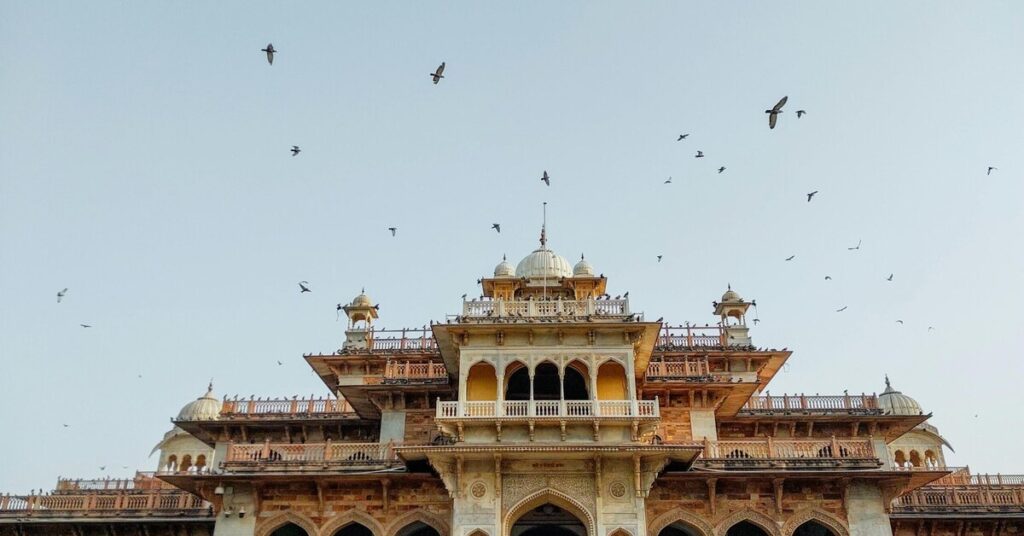
Located within the same Ram Niwas Garden complex, Albert Hall Museum stands as Jaipur’s oldest museum and a architectural masterpiece itself. The Indo-Saracenic building houses extensive collections including decorative arts, miniature paintings, weaponry, textiles, and an Egyptian mummy. Combining zoo and museum visits creates a full day of diverse experiences—wildlife in the morning, cultural heritage in the afternoon.
The museum’s stunning architecture provides excellent photography opportunities. Evening visits are particularly magical when the building is illuminated, creating romantic ambiance perfect for photography and leisurely strolls around the garden.
Ram Niwas Garden
Since the zoo sits within Ram Niwas Garden, exploring the broader garden complex naturally extends your visit. These historic gardens, created by Maharaja Sawai Ram Singh II in 1868, offer peaceful walking paths, lush greenery, and colonial-era charm. The garden serves as Jaipur’s green lung, providing locals and tourists alike with respite from urban chaos.
Morning walks through Ram Niwas Garden before or after zoo visits offer tranquil experiences. Joggers, yoga practitioners, and families frequently use these spaces for recreation and relaxation. The combination of manicured lawns, mature trees, and historical structures creates an ambiance that transports you from bustling Jaipur into serene retreat.
Central Museum
Also housed within the Albert Hall building, the Central Museum features Rajasthan’s largest collection of historical artifacts. Exhibits span archaeology, arts, crafts, and cultural history, providing comprehensive insights into Rajasthan’s rich heritage. If you’re fascinated by history and culture, dedicating time to this museum complements your wildlife experience beautifully.
The museum’s collection includes items ranging from ancient sculptures to traditional costumes, weapons to musical instruments. Each section tells stories of Rajasthan’s royal past, artistic traditions, and cultural evolution.
Tips for an Enjoyable Zoo Visit
What to Bring
Preparation enhances zoo visits significantly. Comfortable walking shoes top the essentials list—you’ll cover considerable distance on foot across varied terrain. Lightweight, breathable clothing suited to weather conditions keeps you comfortable throughout your visit.
Sun protection is crucial in Rajasthan’s bright climate. Bring hats, sunglasses, and sunscreen with high SPF to prevent sunburn. Carry adequate water bottles, especially for families with children. While water is available at the zoo, having personal bottles ensures constant hydration.
Binoculars enhance wildlife viewing, allowing you to observe animals in distant enclosures or catching behavioral details not visible to naked eye. A small backpack accommodates these items plus snacks, first-aid essentials, and personal medications.
For families with young children, bringing strollers can be helpful, though note that some pathways may be challenging for wheeled devices. Wet wipes, hand sanitizers, and tissues prove useful given the outdoor nature of the visit.
Safety Precautions
While zoos are generally safe, certain precautions ensure problem-free visits. Always supervise children closely, especially near enclosures. Teach them not to lean over barriers, reach through fencing, or attempt contact with animals.
Follow all posted warnings and instructions. Restricted areas exist for good reasons—protecting both visitors and animals. Never attempt to climb barriers or enter unauthorized zones regardless of photo opportunities they might offer.
Be aware of monkeys and other free-roaming animals that might be present. Don’t carry visible food items that could attract unwanted attention. If approached by free-roaming animals, maintain calm, avoid sudden movements, and contact zoo staff if needed.
Keep personal belongings secure. While theft is rare, crowded areas present opportunities for pickpockets. Secure bags properly and keep valuables close rather than leaving them unattended on benches or in open bags.
Accommodation Options Near Jaipur Zoo
Jaipur offers accommodation options across all budget ranges near the zoo. Luxury seekers might consider properties on MI Road or near C-Scheme, premium areas offering five-star hotels with world-class amenities. These establishments provide comfort, excellent dining, and easy access to major attractions including the zoo.
Mid-range hotels and boutique properties abound around Johari Bazaar, Ajmeri Gate, and Station Road areas. These offer comfortable rooms, decent facilities, and convenient locations at moderate prices. Many feature rooftop restaurants providing city views—perfect for relaxing after sightseeing.
Budget travelers find numerous guesthouses, hostels, and budget hotels throughout Jaipur, with concentrations near railway station areas and old city. These economical options provide basic clean accommodation, allowing you to allocate budgets toward experiences rather than lodging.
For those seeking authentic Rajasthani experiences, heritage properties converted from havelis (traditional mansions) offer unique stays combining historical architecture with modern comforts. While prices vary, even budget heritage options exist, making this experience accessible across price points.
Conclusion
Jaipur Zoo offers far more than casual animal viewing—it’s a gateway to understanding wildlife conservation, biodiversity, and humanity’s relationship with nature. Whether you’re a family seeking educational entertainment, a wildlife enthusiast exploring regional fauna, or simply someone wanting peaceful hours surrounded by nature, the zoo delivers fulfilling experiences.
The combination of historical significance, ongoing conservation work, diverse animal collection, and beautiful garden setting makes Jaipur Zoo a valuable addition to any Jaipur itinerary. It provides balance to temple and fort visits, offering different perspectives on what makes Jaipur special—not just architectural heritage but also commitment to natural heritage preservation.
Tour packages streamline the experience, especially for families and first-time visitors, providing guidance, convenience, and deeper understanding through expert commentary. Yet the zoo remains equally enjoyable for independent explorers who prefer self-paced discovery.
As you plan your Jaipur trip, carve out time for this green oasis in the Pink City. Watch tigers pace gracefully, observe crocodiles basking, marvel at colorful birds, and most importantly, recognize that each animal represents broader conservation stories playing out across India and the world. Jaipur Zoo reminds us that protecting wildlife isn’t just about faraway jungles—it begins with awareness, education, and appreciation cultivated in places exactly like this.
FAQs
1. How much time should I allocate for a complete Jaipur Zoo visit?
A thorough exploration of Jaipur Zoo typically requires 2-3 hours. This timeframe allows you to visit all major sections—mammals, birds, reptiles, and special attractions—without rushing. Families with young children might need additional time for rest breaks and children’s corner activities. If you’re combining the zoo with nearby Albert Hall Museum or Ram Niwas Garden, plan for a half-day excursion. Photography enthusiasts or wildlife lovers wanting to observe animal behaviors patiently could easily spend 4-5 hours.
2. Is Jaipur Zoo suitable for young children?
Absolutely! Jaipur Zoo is excellent for children, offering both entertainment and education. The variety of animals captures young imaginations, while the children’s corner provides interactive experiences with smaller animals. The zoo’s manageable size prevents overwhelming young visitors, unlike massive zoos requiring extensive walking. Educational signage and displays, when explained by parents or guides, help children learn about wildlife and conservation. Just ensure adequate sun protection, hydration, and rest breaks. Most children find the tigers, crocodiles, and colorful birds particularly fascinating.
3. Can we bring outside food into Jaipur Zoo?
Yes, visitors are generally permitted to bring their own food and beverages into Jaipur Zoo. Many families pack snacks, lunch, and water bottles, which is completely acceptable. Designated areas allow you to sit and enjoy your packed meals amidst the garden setting. However, remember to dispose of all trash responsibly in provided bins—never litter or attempt to feed animals your food. If you prefer not carrying food, the on-site cafeteria offers reasonably priced refreshments and snacks.
4. Are there any special events or activities organized at Jaipur Zoo?
Jaipur Zoo organizes special events periodically, particularly during wildlife awareness weeks, environmental days, and school holidays. These might include educational workshops, wildlife conservation talks, painting competitions for children, photography contests, and interactive sessions with zoo educators. During festivals like Wildlife Week (first week of October), the zoo hosts extended programs emphasizing conservation themes. Special feeding demonstrations occasionally occur, showing visitors animal diets and behaviors. Check with zoo administration or their website before visiting to learn about any scheduled special events during your visit dates.
5. What’s the best season to visit Jaipur Zoo with elderly family members?
For elderly visitors, the winter months from October to February offer the most comfortable conditions. Temperatures during this period remain pleasant, making extended outdoor walking manageable. Early morning visits immediately after opening (8:30 AM) provide cooler temperatures and fewer crowds, reducing both physical strain and stress. Avoid summer months (April-June) when heat becomes intense and potentially problematic for seniors. Ensure elderly visitors wear comfortable walking shoes, carry water, and take frequent rest breaks on shaded benches provided throughout the zoo. Consider weekdays over weekends for more peaceful, less crowded experiences.