Kashi Tour Itinerary Temple Ghat , Imagine standing on ancient stone steps, with the sacred Ganges flowing before you, temple bells ringing in the distance, and the scent of incense filling the air. This is Kashi—also known as Varanasi—the oldest living city in the world and the spiritual capital of India.
Planning a Kashi tour itinerary isn’t just about checking off tourist spots. It’s about crafting a meaningful journey through temples that have stood for millennia, ghats that have witnessed countless sunrises, and rituals that connect heaven and earth. Whether you’re a spiritual seeker or a curious traveler, this guide will help you navigate the divine chaos of Varanasi with purpose and wonder.
Understanding the Sacred Geography of Kashi
Varanasi is built along a crescent-shaped stretch of the Ganges River, with over 80 ghats lining its western bank. These ghats—stone steps leading down to the river—are the heartbeat of the city. Each has its own history, significance, and character.
The temples of Kashi are scattered throughout the old city’s labyrinthine lanes. Some are grand and ornate, while others are modest shrines tucked into corners. The city itself is considered a tirtha (holy crossing point), where the earthly and divine realms meet. Understanding this geography helps you appreciate why people have been making pilgrimages here for thousands of years.
Day 1: Arrival and Evening Ganga Aarti
Settling Into the Holy City
Your Kashi journey begins with arrival—whether by flight to Varanasi Airport, by train to Varanasi Junction, or by road. Check into your hotel or guesthouse, ideally located within walking distance of the ghats. Many accommodations offer rooftop views of the river, which are perfect for quiet contemplation.
Take the afternoon to rest and acclimatize. The energy of Varanasi can be overwhelming at first—the crowds, the sounds, the sensory overload. Give yourself time to adjust before diving into the evening’s main event.
Dashashwamedh Ghat – Witnessing the Grand Aarti
As evening approaches, make your way to Dashashwamedh Ghat, the most famous and vibrant ghat in Varanasi. Arrive at least an hour before sunset (around 6:00 PM in winter, 7:00 PM in summer) to secure a good viewing spot.
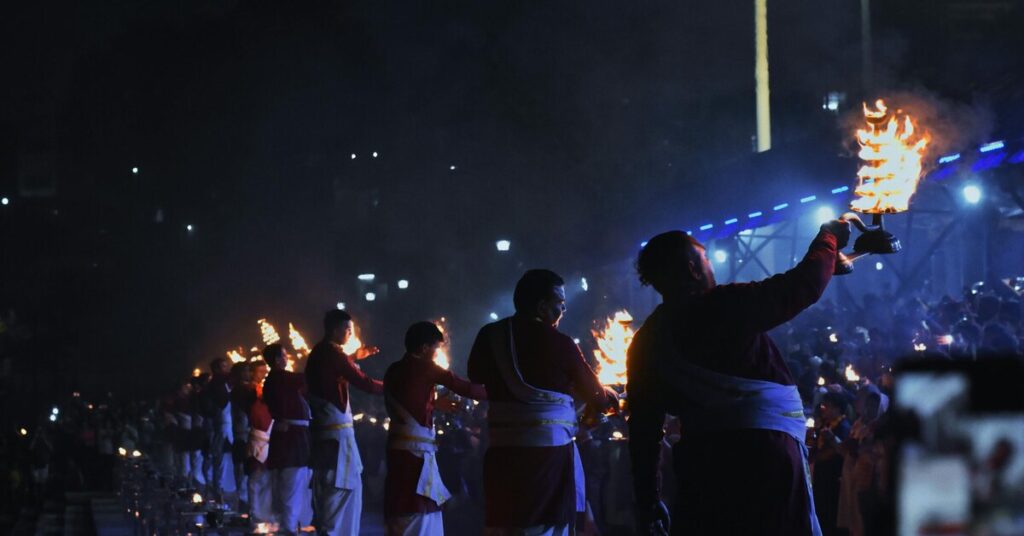
The Ganga Aarti here is a spectacular ceremony involving seven priests performing synchronized rituals with large brass lamps, conch shells, incense, and flowers. The atmosphere is electric—drums beat, bells ring, and thousands of devotees and tourists watch in awe. You can view from the steps, from a boat on the river, or from nearby rooftop cafes.
What makes this experience truly special? It’s the collective devotion. Regardless of your beliefs, you’ll feel the power of thousands of people coming together to honor the sacred river. The flames reflected in the water, the chanting echoing across the ghats—it’s a moment you’ll carry with you forever.
Day 2: Morning Boat Ride and Temple Exploration
Sunrise Boat Ride on the Ganges
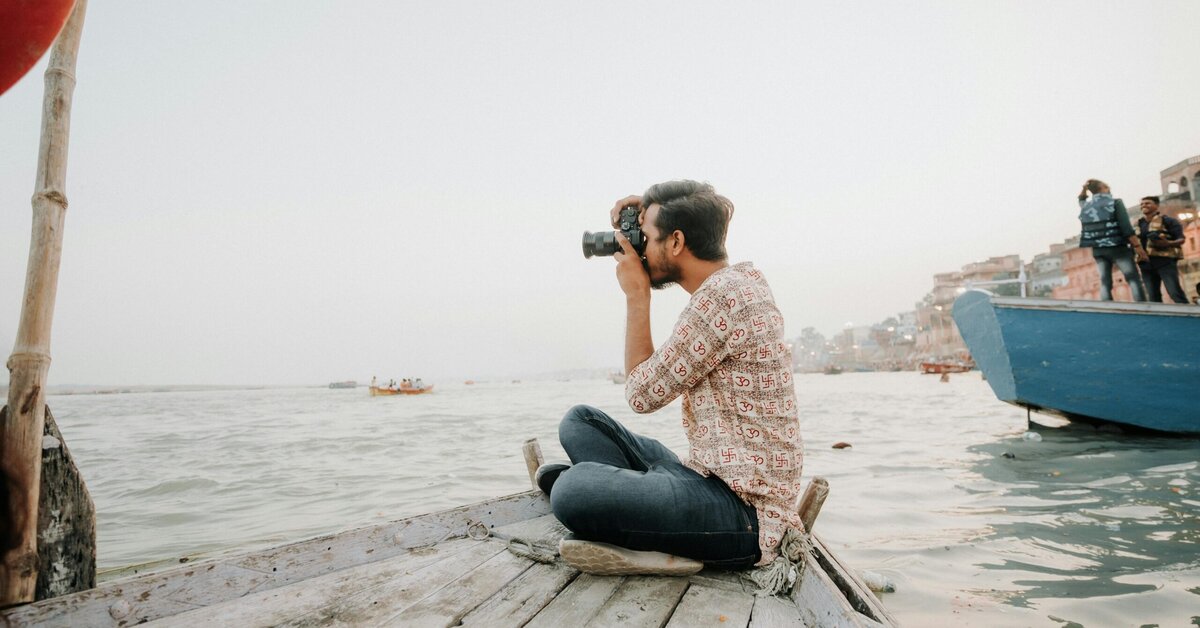
Wake up before dawn—this requires commitment, but it’s absolutely worth it. Reach Assi Ghat or Dashashwamedh Ghat by 5:30 AM and hire a boat for a sunrise ride. As you glide along the river, you’ll witness Varanasi waking up.
People perform morning prayers, take holy dips, practice yoga on the ghats, and cremation fires still burn at Manikarnika Ghat. The soft morning light paints everything in golden hues. Your boatman will navigate past various ghats, sharing stories and legends associated with each one.
This boat ride offers perspective—literally. From the river, you see the entire cityscape of temples, palaces, and ghats. It’s peaceful, contemplative, and gives you a sense of the timeless rhythm of life in Kashi.
Kashi Vishwanath Temple – The Golden Temple
After your boat ride, head to the Kashi Vishwanath Temple, one of the twelve Jyotirlingas (sacred shrines of Lord Shiva). This temple, with its golden spire, is the spiritual nucleus of Varanasi.
Note that the temple gets extremely crowded, especially during morning hours. Security is tight—photography is prohibited inside, and you’ll need to leave phones, cameras, and bags at designated counters. Non-Hindus are generally allowed, but dress modestly and be respectful of ongoing prayers.
The darshan (viewing of the deity) may be brief due to crowds, but the energy inside is intense. Devotees believe that a visit to Kashi Vishwanath washes away sins and grants liberation (moksha).
Annapurna Temple and Kal Bhairav Temple
Near Kashi Vishwanath, visit the Annapurna Temple, dedicated to the goddess of nourishment. The temple houses beautiful brass and marble idols and represents the nurturing aspect of the divine.
Then make your way to Kal Bhairav Temple, about 3 kilometers from the main temple area. Kal Bhairav is considered the guardian deity (Kotwal) of Varanasi, and Lord Shiva himself is said to have appointed him to protect the city. The temple has a unique practice where devotees offer alcohol to the deity—a rare sight in Hindu temples.
Day 3: Exploring the Ghats
Assi Ghat – Where Spirituality Meets Culture
Begin your third day at Assi Ghat, the southernmost main ghat and a favorite among both locals and tourists. Every morning, a smaller but charming aarti is performed here around 6:00 AM, followed by yoga sessions and cultural programs.
Assi Ghat has a different vibe—more relaxed and artistic compared to the bustling northern ghats. You’ll find street musicians, artists, and cafes where travelers gather. It’s an excellent place to have breakfast while watching life unfold along the river.
Manikarnika Ghat – The Burning Ghat
Manikarnika Ghat is where Hindus believe liberation from the cycle of rebirth is guaranteed. This cremation ghat operates 24/7, with funeral pyres continuously burning. It’s a profound and sobering experience.
Approach with respect and sensitivity. Photography is strictly prohibited and can be deeply offensive. If you choose to visit, consider it an opportunity to contemplate mortality and the Hindu concept of death as a transition rather than an end.
Local guides may offer to show you around—while they can provide valuable context, be aware that some may expect donations afterward. Set expectations clearly before beginning.
Harishchandra Ghat and Panchganga Ghat
Harishchandra Ghat is the second cremation ghat, smaller and less crowded than Manikarnika. It’s named after the legendary King Harishchandra, known for his truthfulness and righteousness.
Panchganga Ghat is where five rivers are believed to converge (though only the Ganges is visible). This ghat features impressive architecture and is associated with several mythological events. It’s also less touristy, offering a more authentic glimpse into daily life.
Day 4: Beyond the Main Temples
Sankat Mochan Hanuman Temple
On your fourth day, visit Sankat Mochan Temple, dedicated to Lord Hanuman. Located about 3 kilometers south of Assi Ghat, this temple was founded by the 16th-century saint-poet Tulsidas.
The temple is known for granting relief from troubles (sankat mochan means “remover of difficulties”). Tuesdays and Saturdays see particularly large crowds. The temple complex also includes a music school and hosts regular classical music concerts, blending devotion with culture.
Durga Temple – The Monkey Temple
The Durga Temple, painted in striking red ochre, is dedicated to Goddess Durga. Built in the 18th century in North Indian Nagara style, it’s set in a beautiful courtyard with a rectangular water tank called Durga Kund.
The temple is playfully called the “Monkey Temple” due to the numerous monkeys that inhabit the area. They’re accustomed to visitors but keep your belongings secure—they’re notorious for snatching food and shiny objects!
Tulsi Manas Temple
Adjacent to Durga Temple is Tulsi Manas Temple, built in 1964 at the site where Tulsidas is believed to have composed the Ramcharitmanas, the Hindi version of the Ramayana.
Unlike ancient temples, this one features walls inscribed with verses from the Ramcharitmanas in beautiful calligraphy. The temple also displays scenes from the Ramayana through paintings and marble carvings. Evening aarti here is melodious and less crowded, offering a peaceful devotional experience.
The Significance of Ganga Aarti in Varanasi
The Ganga Aarti isn’t just a tourist attraction—it’s a living tradition that has been performed for centuries. Aarti means “that which removes darkness,” and the ceremony is an offering of light to the river goddess Ganga.
The ritual involves five elements—fire (diya lamps), air (incense), earth (flowers), water (Ganges water), and ether (represented by the bell’s sound). This symbolic offering represents the cosmic cycle and humanity’s connection to nature.
Multiple aartis happen daily at different ghats. The grand spectacle at Dashashwamedh Ghat is most popular, but you’ll find intimate, equally moving ceremonies at Assi Ghat in the morning and evening. Each has its own charm and spiritual intensity.
Best Times to Visit Temples and Ghats
Timing is everything when visiting Kashi’s sacred sites. Temples generally open before sunrise (around 4:00-5:00 AM) and close late evening (around 9:00-10:00 PM), with afternoon breaks at some.
For the most peaceful darshan, visit temples between 5:00-7:00 AM or after 8:00 PM. Avoid festival days and weekends unless you specifically want to experience the crowds and heightened energy.
Ghats are accessible 24/7, but they’re most magical during sunrise (5:30-7:00 AM) and sunset (6:00-7:30 PM). Midday visits can be exhausting due to heat and crowds. Winter months (October-March) offer the most comfortable weather for extensive exploration.
What to Wear and Temple Etiquette
Dress conservatively when visiting temples and ghats. Both men and women should cover shoulders and knees. Women might consider wearing traditional Indian clothing like kurtas or salwar kameez, which are both respectful and practical for sitting on temple floors.
Remove shoes before entering temple premises—most have designated areas for footwear. You may be required to remove leather items like belts and wallets at some temples.
Maintain silence or speak softly inside temples. Photography is prohibited in most sacred spaces, especially Kashi Vishwanath Temple. When in doubt, ask permission. Always walk clockwise around the main deity (parikrama), and avoid pointing your feet toward idols or holy books.
Photography Guidelines at Sacred Sites
While Varanasi is incredibly photogenic, respect is paramount. Photography is strictly forbidden inside most temples, particularly Kashi Vishwanath. At cremation ghats, never photograph funeral pyres or grieving families—this is deeply disrespectful.
At regular ghats and street scenes, people are generally tolerant of photography, but always ask permission before photographing individuals, especially during bathing or prayer. A smile and gesture go a long way.
Drone photography is prohibited in many areas due to security concerns. If you’re serious about photography, consider hiring a local guide who can help you navigate cultural sensitivities while capturing the city’s essence.
How to Participate in Rituals and Ceremonies
You don’t have to be Hindu to participate respectfully in Varanasi’s rituals. During Ganga Aarti, you can purchase small diyas (leaf boats with candles) to float on the river as an offering. This simple act feels meaningful as you watch your light drift away with prayers.
Many visitors take a holy dip in the Ganges. If you choose to do this, head to cleaner ghats like Assi Ghat early morning. Wear appropriate clothing (full-length clothes that you can get wet). The experience is considered spiritually purifying by millions.
Priests (pandas) may offer to perform special pujas for you. If interested, negotiate the price beforehand to avoid misunderstandings. These personalized ceremonies can be beautiful experiences but aren’t mandatory for meaningful participation.
Accommodation Options Near the Ghats
Staying near the ghats puts you in the heart of the action. Heritage hotels and guesthouses offer everything from budget rooms to luxury suites, many with stunning river views.
Assi Ghat area is popular among travelers—it’s relatively quieter with cafes, yoga centers, and a bohemian atmosphere. The Dashashwamedh Ghat area is more centrally located but noisier. For luxury, consider hotels in the Cantonment area, though you’ll be farther from the ghats.
Book accommodations with river-facing rooms if possible—waking up to the Ganges view is unforgettable. Read reviews carefully, as quality varies significantly. Many places have rooftop restaurants perfect for watching evening aarti from a distance.
Transportation Tips for Temple Hopping
Navigating Varanasi requires patience and adaptability. The old city’s narrow lanes (galis) are inaccessible to vehicles, so be prepared to walk. Wear comfortable shoes—you’ll be doing a lot of walking on uneven stones.
For temples outside the old city (like Sankat Mochan or Kal Bhairav), hire auto-rickshaws or use app-based cabs. Negotiate auto fares beforehand, as meters are rarely used. A full-day auto-rickshaw rental costs around ₹800-1200.
Consider hiring a local guide, especially for your first day. They’ll navigate the confusing lanes, share historical context, and help you avoid common tourist traps. Good guides transform sightseeing into storytelling.
Safety and Practical Considerations
Varanasi is generally safe, but crowded places attract pickpockets. Keep valuables secure and be cautious with your belongings, especially during temple visits when you’re distracted by the experience.
The ghats can be slippery, particularly during monsoon. Watch your step, especially when descending to the river. Avoid walking alone in isolated areas late at night.
Beware of overly friendly strangers offering help—while many locals are genuinely hospitable, some may expect payment or try selling services. Politely decline if you’re not interested. Scams around silk shops and boat rides are common; use recommended services when possible.
Drink only bottled water and be cautious with street food initially. Carry hand sanitizer and basic medications for stomach issues. The spiritual intensity of Kashi is real, but so are the practical challenges of travel in India.
Conclusion
A Kashi tour itinerary centered on temples, ghats, and Ganga Aarti is more than a vacation—it’s a pilgrimage into the soul of India. Whether you come seeking spiritual answers, cultural understanding, or simply extraordinary experiences, Varanasi delivers in ways you can’t anticipate.
The temples teach you about devotion spanning millennia. The ghats show you life and death coexisting without contradiction. The Ganga Aarti reminds you that some mysteries are meant to be felt, not understood. As you navigate the ancient lanes and witness timeless rituals, you’ll discover that Kashi doesn’t just exist in geography—it exists in consciousness, offering each visitor exactly what they need, exactly when they need it.
Come with an open heart, respect for traditions, and comfortable walking shoes. Leave your expectations behind and let Kashi unfold its magic at its own pace.
FAQs
1. How many days do I need for a complete Kashi temple and ghat tour?
A minimum of 3-4 days allows you to visit major temples and ghats without rushing. However, many travelers find that a week offers the right balance for deep exploration and relaxation.
2. Is it safe for solo female travelers to visit Varanasi?
Yes, but exercise standard precautions. Dress modestly, avoid isolated areas after dark, and consider staying in reputable accommodations. Many solo female travelers visit Varanasi without issues.
3. Can non-Hindus enter temples in Varanasi?
Most temples in Varanasi are open to all faiths, though some inner sanctums may be restricted. Always show respect, follow dress codes, and observe temple etiquette regardless of your religious background.
4. What’s the best way to experience Ganga Aarti—from the ghat or from a boat?
Both offer unique perspectives. The ghat gives you proximity and energy, while a boat provides a panoramic view and escape from crowds. Consider experiencing it both ways if you have multiple evenings.
5. Are there any rituals I should avoid as a tourist?
Avoid photographing cremation ghats and funeral ceremonies. Don’t participate in rituals you don’t understand or that make you uncomfortable. Observe more than you participate initially, and always ask permission before joining ceremonies.