
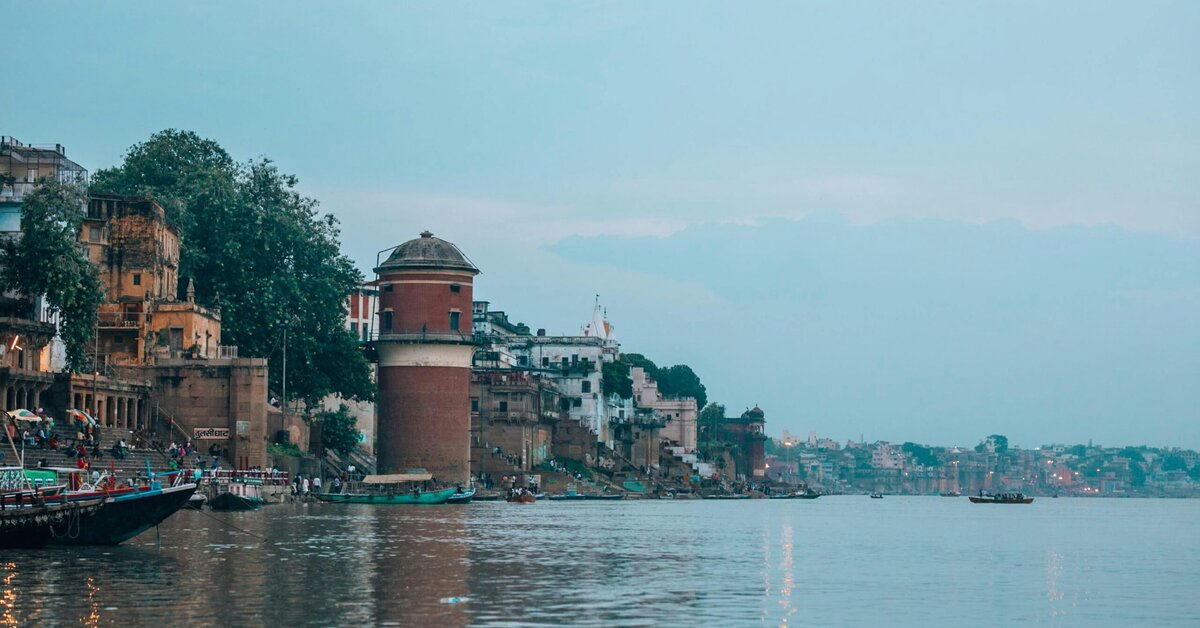
Kashi Tour Package , Have you ever tasted a city? Not just eaten in it, but truly tasted its soul through every bite, sip, and flavor? That’s what Kashi—or Varanasi, as many know it—offers. This ancient city, perched on the banks of the holy Ganges, is not just a spiritual epicenter but also a culinary treasure chest waiting to be unlocked.
When you book a Kashi tour package, you’re not just signing up for temple visits and boat rides. You’re embarking on a gastronomic pilgrimage. From crispy kachoris at dawn to creamy malaiyo under the winter sky, Varanasi’s food scene is as timeless as the city itself. Let’s dive into this flavorful journey together.
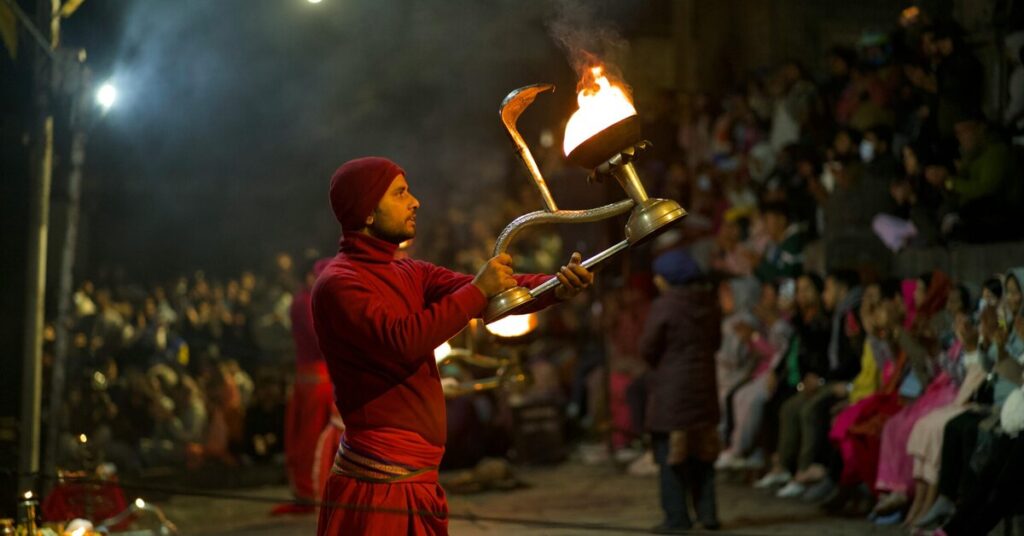
Why Food is Central to the Kashi Experience
Food in Varanasi isn’t just sustenance—it’s storytelling. Every dish carries centuries of tradition, devotion, and community. The city’s culinary identity is deeply intertwined with its religious fabric. Many recipes have been passed down through generations, preserved by families who’ve been cooking the same dishes in the same lanes for decades.
Think of it this way: if the ghats are Varanasi’s heart, then its food is its bloodstream—keeping the spirit of the city alive and vibrant. Whether you’re a devout pilgrim or a curious traveler, exploring local cuisine gives you an authentic taste of Kashi’s culture and character.
Traditional Breakfast Delights in Varanasi
Kachori Sabzi – The Morning Champion
Mornings in Varanasi begin with the irresistible aroma of freshly fried kachoris. These golden, crispy spheres stuffed with spiced lentils are paired with a tangy potato curry that’ll wake up every taste bud you have. Head to any bustling corner in the old city, and you’ll find locals lining up for their daily fix.
What makes Banarasi kachori special? It’s the dal filling—coarsely ground and seasoned with fennel seeds, black pepper, and ginger. One bite, and you’ll understand why people travel miles just to start their day with this dish.
Jalebi and Rabri – Sweet Morning Bliss
If you have a sweet tooth, prepare to fall in love. Varanasi’s jalebi isn’t your ordinary spiral of sugar. It’s thicker, juicier, and often served with rabri—a thick, sweetened milk reduction flavored with cardamom and saffron. The combination is pure magic.
Picture this: crispy, syrup-soaked jalebi meeting creamy, cold rabri on your plate. It’s the perfect balance of textures and temperatures. Many shops serve this heavenly pair right from early morning, making it an ideal breakfast or mid-morning snack.
Street Food You Can’t Miss in Kashi
Chaat Varieties – Tamatar Chaat and Aloo Tikki
Varanasi takes chaat to a whole new level. Forget what you think you know about Indian street snacks—Banarasi chaat has its own personality. Tamatar chaat, made with tangy tomato chunks, boiled potatoes, and a medley of spices, is a local specialty you won’t find elsewhere.
Then there’s the classic aloo tikki chaat—crispy potato patties smothered in yogurt, tamarind chutney, and sev. The explosion of flavors—sweet, spicy, tangy, and savory—is nothing short of spectacular. These chaats are typically enjoyed in the evening, when the streets come alive with vendors and hungry locals.
Litti Chokha – A Rustic Delight
Though originally from Bihar, litti chokha has found a permanent home in Varanasi’s food culture. These roasted wheat balls stuffed with sattu (roasted gram flour) are served with chokha—a mashed mix of roasted eggplant, tomatoes, and potatoes.
The smoky flavor from the roasting process, combined with generous amounts of ghee, makes litti chokha a hearty and satisfying meal. It’s rustic, wholesome, and deeply comforting—perfect after a long day of exploring the ghats.
Sacred Sweets and Desserts of Varanasi
Malaiyo – The Winter Specialty
Malaiyo is Varanasi’s answer to culinary poetry. Available only during the winter months, this ethereal dessert is made from milk foam, delicately flavored with saffron and cardamom, and topped with pistachios. It’s so light and airy that it practically melts on your tongue.
Traditionally prepared in the early morning using dew and cold air, malaiyo is a seasonal treasure. If your Kashi tour package falls between December and February, missing malaiyo would be a culinary crime.
Launglata – A Festive Favorite
Launglata is a crispy, spiral-shaped sweet made from refined flour, deep-fried, and soaked in sugar syrup. Often prepared during festivals and special occasions, it’s a crunchy, syrupy indulgence that pairs beautifully with a hot cup of chai.
What sets it apart is the intricate shape and the way it absorbs the syrup while maintaining its crispiness. It’s not just a sweet—it’s edible art.
Main Course Meals: Vegetarian Paradise
The Traditional Thali Experience
A Banarasi thali is more than a meal—it’s a feast for the senses. Typically served on a round platter, it includes rice, chapati, dal, seasonal vegetables, pickles, papad, and a sweet dish. Everything is cooked with minimal oil and maximum flavor.
The beauty of a thali lies in its balance. Each component complements the others, creating a harmonious dining experience. Many local eateries and homes still serve meals in this traditional manner, honoring age-old culinary customs.
Banarasi Dum Aloo and Other Curries
Banarasi dum aloo is a rich, flavorful potato curry cooked in a tomato-based gravy with aromatic spices. Unlike other regional variations, the Banarasi version is milder and creamier, often finished with a hint of yogurt or cream.
Pair it with soft puris or parathas, and you’ve got yourself a meal fit for royalty. Other popular curries include paneer dishes, mixed vegetable preparations, and seasonal specialties that change throughout the year.
Beverages That Define Kashi
Masala Chai – The Soul of Varanasi
No visit to Varanasi is complete without sipping masala chai from a roadside stall. Brewed with strong black tea, milk, sugar, and a blend of spices like ginger, cardamom, and cloves, it’s the ultimate comfort drink.
Chai wallahs (tea vendors) here have perfected the art over generations. The tea is often boiled multiple times to extract maximum flavor and served in small kulhads (clay cups) that add an earthy aroma. It’s not just a beverage—it’s a ritual.
Thandai and Lassi – Cooling Refreshments
During the warmer months, thandai and lassi become essential. Thandai, a spiced milk drink flavored with almonds, fennel, rose petals, and saffron, is especially popular during Holi and summer.
Lassi, on the other hand, is a thick yogurt-based drink available in sweet and salty versions. Banarasi lassi is creamier and richer than what you’ll find elsewhere, often topped with malai (cream) and served in earthen pots.
Paan: The Perfect End to Every Meal
Paan is Varanasi’s signature digestive and cultural icon. Made with betel leaves, areca nut, slaked lime, and a variety of sweet or savory fillings, it’s an experience in itself.
Banarasi paan comes in countless varieties—from the simple meetha (sweet) paan to elaborate versions with gulkand (rose petal preserve), coconut, cherries, and even silver foil. After a heavy meal, chewing paan is both refreshing and symbolic, representing hospitality and tradition.
Famous Food Zones and Eateries in Varanasi
Kachori Gali and Deena Chaat Bhandar
Kachori Gali is legendary among food lovers. This narrow lane near Dashashwamedh Ghat is lined with shops selling piping hot kachoris from dawn till late morning. The energy here is contagious, with locals and tourists alike jostling for their share.
Deena Chaat Bhandar, another iconic spot, has been serving mouth-watering chaat for decades. Their tamatar chaat and aloo tikki are must-tries, and the atmosphere is always buzzing with excitement.
Vishwanath Gali and Nearby Food Stalls
The lanes surrounding Kashi Vishwanath Temple are a food lover’s paradise. From sweet shops selling hot jalebis to vendors offering lassi and thandai, there’s something delicious at every turn.
These narrow alleys are best explored on foot, allowing you to soak in the sights, sounds, and smells of Varanasi’s vibrant food culture.
Dining Etiquette and Cultural Nuances
When dining in Varanasi, respect for local customs goes a long way. Many traditional eateries operate on specific schedules, especially breakfast joints that close by mid-morning. It’s also common to eat with your hands, particularly when enjoying thalis or chaats.
Since Varanasi is a deeply religious city, most food is strictly vegetarian. You’ll rarely find meat or eggs in traditional establishments. Embrace this—it’s a chance to explore the incredible diversity of vegetarian Indian cuisine.
Best Time to Explore Varanasi’s Food Scene
The best time to indulge in Varanasi’s food is during the cooler months—October to March. This is when specialties like malaiyo are available, and the pleasant weather makes street food exploration far more enjoyable.
Mornings and evenings are prime time for food hunting. Breakfast spots open early, and evening chaat stalls come alive after sunset. Plan your Kashi tour package accordingly to make the most of these culinary windows.
Food Safety Tips for Travelers
While Varanasi’s street food is incredibly tempting, it’s wise to take precautions. Stick to busy stalls with high turnover—freshness is key. Drink bottled water and avoid ice unless you’re certain of its source.
If you have a sensitive stomach, start with cooked foods and gradually experiment with raw salads or uncooked chutneys. Carry digestive aids and hand sanitizer, and don’t hesitate to ask locals for recommendations—they know the cleanest and tastiest spots.
Vegetarian Culture and Its Spiritual Significance
Varanasi’s vegetarian culture isn’t just a dietary choice—it’s a spiritual philosophy. Rooted in principles of non-violence (ahimsa) and purity, vegetarianism here is about respecting all life forms.
This reverence extends to the food itself. Meals are prepared with mindfulness, often preceded by prayers. Eating becomes an act of gratitude and devotion, connecting you to something larger than yourself.
Conclusion
A Kashi tour package isn’t complete without diving deep into its culinary heart. From the first bite of a crispy kachori to the last sip of fragrant masala chai, every flavor tells a story of tradition, community, and devotion. Varanasi’s food scene is a celebration of simplicity and richness, where humble ingredients transform into unforgettable experiences.
So, when you plan your visit to this eternal city, come hungry. Come curious. And let the food guide you through lanes, temples, and ghats, revealing the soul of Kashi one delicious bite at a time.
FAQs
1. What is the most famous food in Varanasi?
Kachori sabzi and Banarasi paan are among the most iconic foods in Varanasi, representing the city’s rich culinary heritage.
2. Is all food in Varanasi vegetarian?
Yes, traditional food in Varanasi is predominantly vegetarian due to the city’s deep religious and cultural roots. You’ll find limited non-vegetarian options outside the old city.
3. When is the best time to try malaiyo in Varanasi?
Malaiyo is a winter specialty available only from December to February when the weather is cold enough to prepare this delicate dessert.
4. Are there any food tours available in Varanasi?
Yes, many Kashi tour packages include guided food walks that take you through famous food lanes and introduce you to local delicacies with cultural context.
5. What should I drink with street food in Varanasi?
Masala chai, lassi, and thandai are popular beverage choices that complement Varanasi’s street food perfectly while keeping you refreshed.