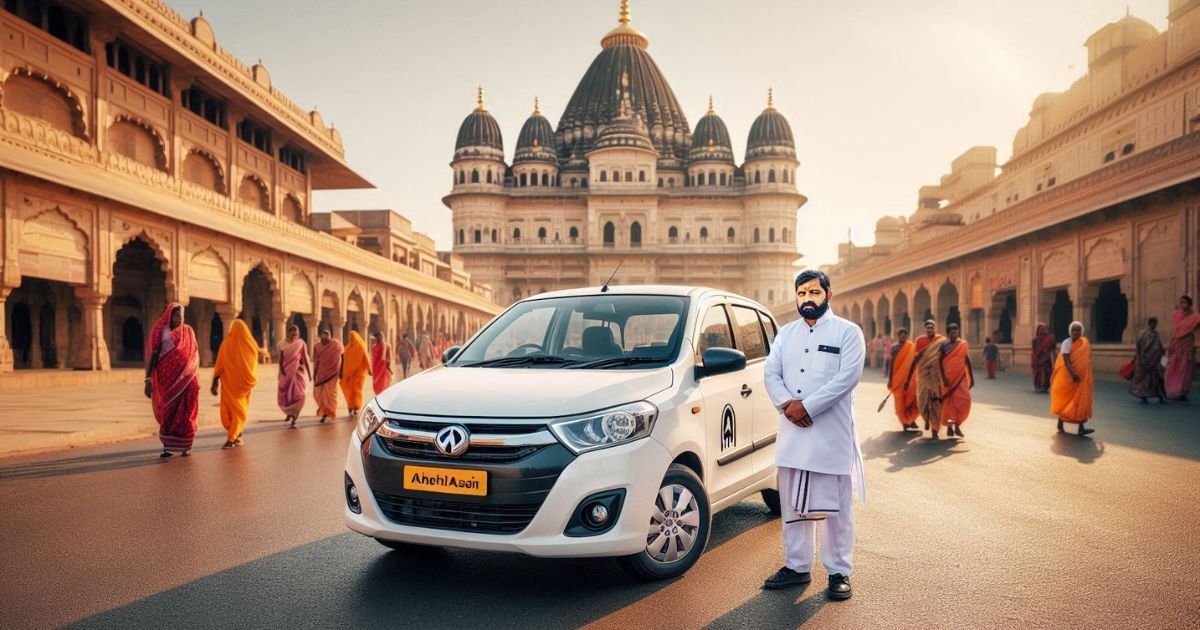
Local Driver-Guided Cab Tour of Varanasi for First-Time Visitors , Varanasi, one of the world’s oldest continuously inhabited cities, pulses with spiritual energy, ancient traditions, and captivating chaos. For first-time visitors, navigating this sacred city on the banks of the Ganges can feel overwhelming. A local driver-guided cab tour offers the perfect solution, combining comfort, insider knowledge, and the flexibility to experience Varanasi’s essence at your own pace.
Why Choose a Driver-Guided Cab Tour
Varanasi’s narrow lanes, bustling markets, and sprawling ghats present unique challenges for independent exploration. A local driver familiar with the city’s labyrinthine streets becomes more than just transportation—they transform into your cultural ambassador, photographer’s assistant, and problem-solver rolled into one.
Local Driver-Guided Cab Tour of Varanasi for First-Time Visitors , The benefits extend beyond mere convenience. Local drivers understand the rhythm of the city, knowing when to visit specific sites to avoid crowds, where to find the most authentic experiences, and which hidden corners tourists typically miss. They navigate traffic with practiced ease, manage parking in congested areas, and often speak enough English to provide basic historical context while recommending the best local eateries.
Local Driver-Guided Cab Tour of Varanasi for First-Time Visitors , Unlike rigid group tours, a cab tour grants you control over your itinerary. Want to spend an extra hour watching craftsmen create Banarasi silk? Your driver waits. Need to rest during the afternoon heat? Head back to your hotel and resume later. This flexibility proves invaluable in a city where unexpected moments—a spontaneous aarti ceremony, a wedding procession, or a fascinating conversation with a shopkeeper—often become the most memorable experiences.

Essential Stops on Your Varanasi Cab Tour
Dashashwamedh Ghat
Begin your journey at Dashashwamedh Ghat, the most vibrant of Varanasi’s 80-plus ghats. According to legend, Lord Brahma created this ghat to welcome Lord Shiva, performing the Dasa-Ashwamedha sacrifice here. Your driver will drop you nearby, as vehicular access is restricted closer to the riverfront.
Morning hours offer serene boat rides where you can witness devotees performing their ablutions and yogis meditating as the sun rises over the Ganges. Return in the evening for the spectacular Ganga Aarti, a choreographed ritual where priests perform synchronized worship with fire, incense, and bells. The ceremony typically begins around 6:45 PM, and arriving 30 minutes early ensures a good viewing spot. Your driver can recommend the best approach based on the season and current crowds.
Kashi Vishwanath Temple
No visit to Varanasi is complete without paying respects at the Kashi Vishwanath Temple, one of twelve Jyotirlingas dedicated to Lord Shiva. The current structure, built in 1780 by Maharani Ahilya Bai Holkar of Indore, features a gold-plated spire donated by Maharaja Ranjit Singh.
Security is strict—phones, cameras, bags, and electronic items are prohibited. Your driver will recommend a secure storage facility nearby. Non-Hindus can visit but should dress modestly and respect temple protocols. The temple complex becomes extremely crowded during festivals and auspicious days, so your driver’s knowledge of timing becomes crucial.
Sarnath
Located about 10 kilometers from Varanasi, Sarnath marks the spot where Buddha delivered his first sermon after attaining enlightenment. This archaeological site offers a peaceful contrast to Varanasi’s intensity. The Dhamek Stupa, rising 43.6 meters high, dates back to 500 CE and stands as one of Buddhism’s most prominent monuments.
The Archaeological Museum houses the famous Lion Capital of Ashoka, which inspired India’s national emblem. Allow two to three hours to explore Sarnath properly, including the Mulagandha Kuti Vihar temple with its beautiful frescoes and the serene deer park. Your driver can coordinate this as a half-day excursion or combine it with other sites depending on your schedule.
Banaras Hindu University
Spread across 1,300 acres, Banaras Hindu University represents one of Asia’s largest residential universities. The campus showcases impressive architecture, including the Vishwanath Temple—a replica of the original—which welcomes visitors of all faiths. The Bharat Kala Bhavan museum houses an exceptional collection of miniature paintings, sculptures, and archaeological artifacts.
The campus offers wide roads and green spaces, making it an enjoyable drive after the congested old city. Your driver can suggest the best route and parking spots near major attractions within the campus.
Assi Ghat
Located at the confluence of the Ganges and Assi rivers, this ghat attracts younger crowds and has a more relaxed atmosphere than Dashashwamedh. Morning yoga sessions occur here, and the evening aarti, while less elaborate than the main ghat, feels more intimate and authentic. Nearby cafes and restaurants cater to both domestic and international visitors, making it an excellent spot for lunch or refreshments.
The Silk Weaving Centers
Varanasi’s Banarasi silk enjoys worldwide fame for its intricate brocade work. Your driver can take you to authentic weaving workshops in areas like Madanpura and Peeli Kothi, where families have practiced this craft for generations. Watching artisans work traditional handlooms provides fascinating insight into this UNESCO-recognized heritage craft.
Be prepared for sales pitches, but genuine workshops welcome visitors purely for educational purposes. Your driver can help distinguish between authentic production centers and tourist-focused showrooms, though browsing silk products makes for excellent souvenir shopping regardless.
Timing Your Tour
Varanasi’s climate varies dramatically by season, affecting your touring experience significantly. October through March offers the most pleasant weather, with temperatures ranging from 10 to 25 degrees Celsius. Summers (April to June) can be brutal, with temperatures exceeding 45 degrees Celsius—plan indoor activities during midday hours if visiting then.
The monsoon season (July to September) brings relief from heat but also humidity and occasional flooding. Ghats become slippery, and some areas may be inaccessible. However, the monsoon’s dramatic skies and lighter crowds appeal to photographers and those seeking a more contemplative experience.
Start your day early, around 5:30 or 6 AM, to experience sunrise on the Ganges and observe morning rituals. After breakfast, continue touring until noon, then break during the afternoon heat. Resume around 4 PM and continue until the evening aarti concludes around 8 PM. This schedule maximizes comfortable sightseeing while capturing the city’s most photogenic and spiritually significant moments.
Practical Considerations
Cost and Duration
Full-day cab tours (8-10 hours) typically cost between INR 2,000 to 4,000, depending on vehicle type and season. Half-day tours (4-5 hours) run INR 1,200 to 2,500. These rates usually include the driver, fuel, and parking but not tolls, entrance fees, or meals. Negotiate clearly beforehand and confirm what’s included.
Most first-time visitors need at least two full days to cover major sites without rushing. One day focuses on Varanasi proper (ghats, temples, markets), while the second includes Sarnath and BHU, with time for deeper exploration of specific interests.
Choosing Your Driver
Book through reputable agencies, hotel recommendations, or verified online platforms. Look for drivers with good English skills if you want detailed commentary, though many excellent drivers communicate through gestures and basic English supplemented by genuine enthusiasm for sharing their city.
Confirm the vehicle is air-conditioned and well-maintained—comfort matters during long touring days. Ask if the driver knows specific sites you’re interested in and can accommodate special requests like photography stops or visiting less-touristy areas.
Cultural Etiquette
Dress modestly, especially when visiting temples and ghats. Cover shoulders and knees, and remove shoes when entering sacred spaces. Ask permission before photographing people, particularly during religious ceremonies. Many locations prohibit photography inside temples and at certain ghats.
The Ganges is sacred to Hindus—avoid pointing your feet toward the river or showing disrespect toward religious rituals, even if they seem unusual. Your driver can guide you on appropriate behavior, but approaching everything with openness and respect ensures positive interactions.
Beyond the Standard Route
Experienced local drivers can suggest off-the-beaten-path experiences that showcase Varanasi’s authentic character. Early morning walks through the old city reveal daily life awakening—milk deliveries, flower markets preparing for temple offerings, and chai vendors setting up shop. The Chaukhamba Sanskrit University offers glimpses into traditional learning systems. Small neighborhood temples often welcome visitors and provide more intimate spiritual experiences than famous shrines.
Ask your driver about attending a classical music performance, watching kushti (traditional wrestling) at an akhara, or visiting during specific festivals if your timing allows. Seasonal celebrations like Dev Deepawali (15 days after Diwali) transform the city into a breathtaking spectacle worth planning your trip around.
Making the Most of Your Experience
Come with patience and openness to sensory overload. Varanasi assaults and delights the senses simultaneously—incense and river smells, temple bells and honking horns, vibrant colors and spiritual serenity existing in contradictory harmony. Accept that plans may change, traffic might delay you, and unexpected moments will arise. These unplanned experiences often become the stories you share for years afterward.
Bring water, sunscreen, and comfortable walking shoes—while your driver handles transportation between sites, you’ll still walk considerably, especially around ghats and markets. Carry small bills for donations, tips, and purchases. Keep important items secure, as crowded areas attract pickpockets.
Your driver’s local knowledge extends beyond historical facts to practical wisdom—where to find clean restrooms, which street food vendors maintain high hygiene standards, and how to politely decline aggressive salespeople. Build rapport with your driver early, and they’ll likely share insider tips that enhance your experience immeasurably.
Conclusion
A local driver-guided cab tour strikes the ideal balance between structure and spontaneity when exploring Varanasi for the first time. You gain the expertise of a local companion without the constraints of group tours or the stress of navigating independently. The comfort of private transportation lets you focus on absorbing this extraordinary city’s profound spirituality and vibrant culture rather than worrying about logistics.
Varanasi challenges and transforms visitors, offering glimpses of India’s spiritual heart while presenting the country’s complexity in concentrated form. With a knowledgeable driver as your guide, you’re free to embrace these experiences fully, knowing someone skilled is handling the practical details. Whether you seek spiritual insight, cultural immersion, or simply wish to witness one of humanity’s most ancient cities, a well-planned cab tour provides the perfect foundation for your Varanasi adventure.
Frequently Asked Questions
1. How much should I tip my driver, and when?
Tipping is appreciated but not mandatory in India. For excellent service, consider INR 300-500 per day for a full-day tour, or 10-15% of the total tour cost. Tip at the end of your final day together in cash. If your driver goes above and beyond—helping with reservations, offering water or snacks, providing exceptional insights—tip generously. Always have small bills available, as drivers may not carry sufficient change.
2. Is it safe to hire a cab through my hotel versus booking independently?
Hotel arrangements typically offer more accountability and vetted drivers, though they may cost 20-30% more than direct bookings. If booking independently through online platforms, use services with verified reviews and driver ratings. Meet the driver beforehand if possible, confirm the vehicle registration matches booking details, and share your itinerary with someone not on the tour. Solo female travelers particularly benefit from hotel-arranged tours for added security.
3. Can the driver wait during boat rides and extended temple visits?
Yes, waiting time is typically included in day-rate tours. Clarify expectations when booking—most drivers expect to wait during your activities and often use this time to rest, eat, or handle vehicle maintenance. For very long stops exceeding two hours, some drivers may request a small additional fee or prefer to drop you off and return at a specified time. Communication prevents misunderstandings.
4. What if I want to add or change destinations during the tour?
Good drivers accommodate reasonable changes, especially if they don’t significantly alter the agreed distance or duration. Major additions requiring extra hours should be discussed upfront, as drivers may have other bookings. Expect to pay additional charges for substantial itinerary changes, typically INR 200-300 per extra hour. Spontaneous minor stops for photos or quick visits are usually welcomed without extra charges.
5. Should I book my driver for multiple days or different drivers each day?
Booking the same driver for multiple days offers several advantages—they learn your preferences, suggest personalized experiences, and often provide better service knowing you’ll tip based on overall performance. You also build rapport, making the experience more comfortable. If your initial driver proves unsatisfactory, reputable agencies will provide a replacement. Multi-day bookings sometimes qualify for small discounts, so ask when negotiating rates.