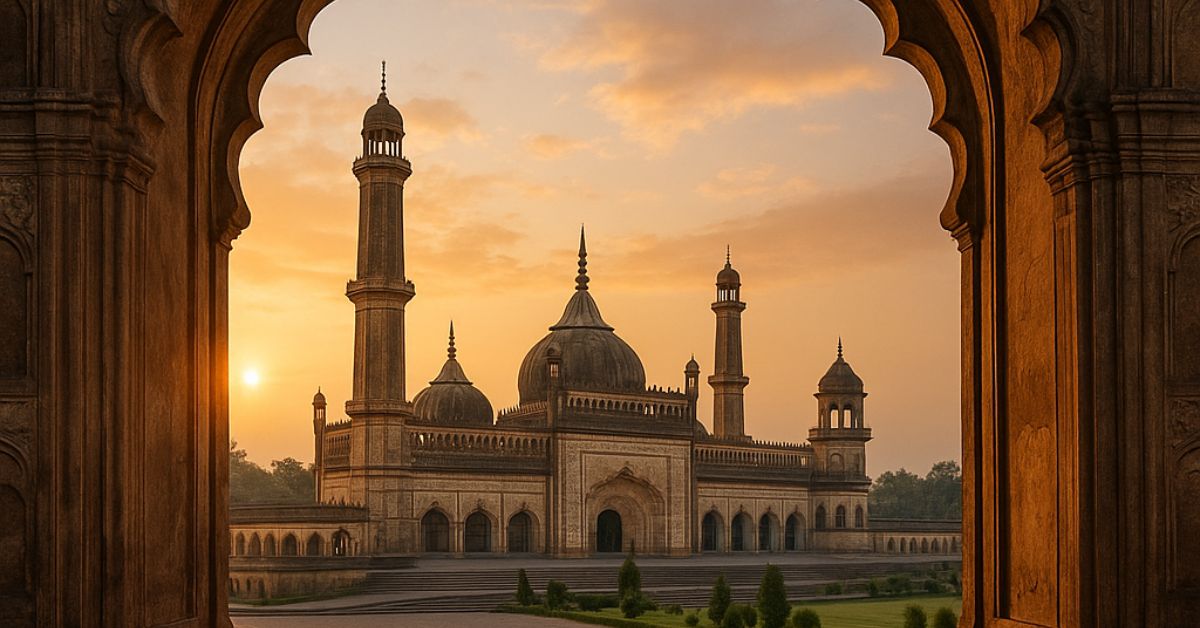
Imagine walking through illuminated streets where the air is perfumed with kebabs sizzling on grills, the melodious strains of classical music drift from ornate stages, and artisans display centuries-old crafts that tell stories of royal patronage and cultural refinement. This is Lucknow Mahotsav—a spectacular celebration that brings the City of Nawabs alive with the grandeur, elegance, and cultural richness that has defined this historic capital for centuries.
Lucknow Mahotsav isn’t just another cultural festival; it’s a journey into the heart of Awadhi culture, a celebration of the tehzeeb (refined culture) that made Lucknow famous throughout India and beyond. For ten glorious days each year, typically in late November or early December, the city transforms into a living museum where tradition meets contemporary celebration, where the culinary arts reach their pinnacle, and where visitors experience the legendary hospitality that Lucknowites call pehle aap (after you).
As we look toward Lucknow Mahotsav 2026, anticipation builds for what promises to be another magnificent showcase of one of India’s most culturally sophisticated cities. Whether you’re a culture enthusiast, food lover, arts aficionado, or simply curious traveler, this festival offers experiences you’ll find nowhere else in the world.
History of Lucknow Mahotsav
Origins and Evolution
Lucknow Mahotsav was conceived in the 1980s by the Uttar Pradesh Tourism Department to showcase Lucknow’s extraordinary cultural heritage to a wider audience. The festival was born from a recognition that Lucknow’s contributions to Indian culture—particularly in music, dance, poetry, cuisine, and craftsmanship—deserved celebration on a grand scale.
The Nawabs of Awadh, who ruled from Lucknow in the 18th and early 19th centuries, were legendary patrons of the arts. They attracted the finest musicians, poets, dancers, and artisans to their court, creating a cultural flowering that left an indelible mark on Indian civilization. Kathak dance reached new heights in Lucknow, the gharana (school) of Hindustani classical music developed distinctive characteristics, Urdu poetry flourished, and culinary arts achieved refinement unmatched elsewhere.
Lucknow Mahotsav was designed to revive and celebrate this golden heritage while also showcasing contemporary talent rooted in these traditions. What began as a modest cultural event has evolved into one of North India’s premier festivals, attracting hundreds of thousands of visitors annually from across India and around the world.
Past Highlights and Memorable Moments
Over the decades, Lucknow Mahotsav has hosted performances by India’s greatest classical musicians, dancers, and performers. Legendary kathak dancers have graced its stages. Renowned qawwali singers have moved audiences to tears. Master chefs have demonstrated Awadhi cooking techniques passed down through generations.
The festival has also become known for its spectacular opening and closing ceremonies, which often feature elaborate recreations of Nawabi-era processions complete with period costumes, elephants, horses, and traditional music. The food festival component has grown so popular that it now attracts culinary tourists specifically interested in experiencing authentic Awadhi cuisine.
Perhaps most importantly, Lucknow Mahotsav has succeeded in preserving traditional arts that might otherwise fade. By providing a major platform for traditional artisans, musicians, and performers, the festival ensures these cultural treasures continue to thrive in the modern era.
Expected Dates and Duration for 2026
Traditional Timing Pattern
Lucknow Mahotsav traditionally takes place in late November or early December, typically running for ten days. The exact dates vary year to year based on various factors including government schedules, weather considerations, and coordination with other major events in the region.
Based on historical patterns, Lucknow Mahotsav 2026 is likely to occur between November 25 and December 5, 2026, though these dates are preliminary estimates pending official announcement from the Uttar Pradesh Tourism Department.
The festival timing is strategic—positioned after the monsoon season when weather is pleasant, after Diwali festivities have concluded, and before the winter cold intensifies. Late November and early December offer ideal conditions for outdoor events with comfortable daytime temperatures around 20-25°C (68-77°F) and cool but pleasant evenings.
How to Confirm Official Dates
Official dates for Lucknow Mahotsav 2026 will be announced by the Uttar Pradesh Tourism Department, typically 3-4 months before the event. To stay updated:
- Check official sources: The UP Tourism website and social media channels announce dates first
- Monitor local news: Lucknow newspapers and news websites report announcements promptly
- Contact TripCosmos.co: As specialists in Uttar Pradesh tourism, they track festival dates closely and can provide confirmed information as soon as it’s available. Call +91-9336116210 for the latest updates
- Follow festival social media: Lucknow Mahotsav maintains active social media presence with real-time updates
For travelers planning visits from afar, checking dates by July-August 2026 allows adequate time for booking travel and accommodations at reasonable rates before the festival rush.
Venue and Location Details
Lucknow Mahotsav traditionally utilizes multiple venues across the city, with the primary location being the Safed Baradari (White Pavilion) in the sprawling Kaiserbagh Gardens area. This magnificent structure, built during the Nawabi era, provides an appropriately regal setting for the festival’s cultural programs.
Kaiserbagh itself is centrally located in Lucknow, easily accessible from all parts of the city. The historic area features beautiful gardens, Mughal and British colonial architecture, and a sense of space that accommodates the festival’s large crowds comfortably.
Additional events take place at:
- Qaiserbagh Baradari: For specific performances and exhibitions
- Various heritage properties: Heritage walks and special tours
- Hazratganj area: Food stalls and shopping exhibitions often extend to Lucknow’s main shopping district
- Riverfront areas: Some cultural programs utilize scenic riverfront locations
Accessibility: All primary venues are well-connected by road. Auto-rickshaws, app-based cabs (Ola, Uber), and local transport services provide easy access. Many visitors prefer staying in hotels near Hazratganj or Gomti Nagar, both offering convenient access to festival venues.
Parking: Dedicated parking areas are arranged near festival venues, though they fill quickly during peak evening hours. Many visitors find it easier to use hired transportation rather than driving themselves.
What to Expect at Lucknow Mahotsav 2026
Cultural Performances and Entertainment
The heart of Lucknow Mahotsav beats in its evening cultural programs. Multiple stages host simultaneous performances, allowing visitors to experience different art forms:
Classical music concerts feature renowned vocalists and instrumentalists performing Hindustani classical ragas. The acoustics of outdoor evening venues, the attentive audiences, and the winter night air create magical conditions for these performances.
Kathak dance performances showcase both established masters and promising young dancers from Lucknow’s legendary kathak tradition. The intricate footwork, expressive storytelling, and elegant spins performed in traditional costumes are mesmerizing.
Contemporary performances balance tradition with modern interpretations—fusion music that blends classical with contemporary elements, dance forms that honor tradition while exploring new expressions, and theatrical productions that tell historical stories through modern lens.
Traditional Arts and Crafts Exhibition
Lucknow Mahotsav dedicates significant space to artisan exhibitions where master craftspeople display and sell their work:
Chikankari embroidery: Lucknow’s signature white embroidery work on fine fabrics, created by skilled artisans who’ve inherited this craft through generations. Visitors can watch embroiderers at work and purchase authentic pieces directly.
Zardozi work: Elaborate gold and silver embroidery traditionally used for royal clothing and decorative items. The intricate metallic thread work catches light beautifully and represents Lucknow’s luxury crafts.
Pottery and clay work: Traditional pottery from the region, including decorative items and functional wares.
Jewelry: Traditional Lucknowi jewelry designs including elaborate necklaces, earrings, and ornaments.
Textile crafts: Beyond embroidery, various textile arts including hand-block printing, weaving, and dyeing traditions.
What makes these exhibitions special is the direct interaction with artisans. They’re not merely vendors but cultural ambassadors happy to explain their craft’s history, demonstrate techniques, and share stories about maintaining traditional arts in modern times.
Food Festival and Culinary Delights
For many visitors, the food festival represents Lucknow Mahotsav’s most anticipated component. Awadhi cuisine, developed in royal kitchens and refined over centuries, achieves its highest expression here:
Kebab varieties: Lucknow is India’s kebab capital, and the festival showcases this legacy. Galawati kebab (so tender it melts in your mouth), kakori kebab, seekh kebab, shami kebab—each prepared according to closely-guarded traditional recipes.
Biryani and pulao: Awadhi biryani differs from other regional styles with its subtle spicing and technique. At Mahotsav, master chefs prepare these rice dishes in traditional large vessels over wood fire.
Korma and curry preparations: Rich gravies cooked slowly to develop complex flavors, representing the patience and skill central to Awadhi cooking.
Nahari and paya: Traditional breakfast dishes of slow-cooked meat that require overnight preparation.
Breads: Sheermal (sweet saffron-flavored flatbread), tandoori roti, warqi paratha (flaky layered bread), and various other breads.
Sweets and desserts: Lucknow’s contribution to Indian sweets is significant. Makhan malai (available only in winter), basket chaat (a sweet and savory chaat served in edible basket), kulfi (traditional ice cream), and numerous milk-based sweets.
Beverages: Traditional drinks include cooling sherbets in various flavors and aromatic kehwa (Kashmiri tea).
The food stalls operate throughout the day and evening, with the highest quality typically found at stalls run by Lucknow’s famous restaurants and hotels who bring their signature dishes to the festival.
Heritage Walks and Tours
Lucknow Mahotsav typically organizes guided heritage walks to historic areas:
Bara Imambara complex: One of India’s most impressive architectural monuments, featuring the largest arched hall without support beams anywhere in the world, plus the labyrinthine Bhul Bhulaiya maze.
Chota Imambara: Another beautiful Nawabi-era monument known for its chandeliers and decorative elements.
Rumi Darwaza: The iconic gateway that has become Lucknow’s symbol, built in 1784.
British Residency: Historic site from the 1857 uprising, now maintained as a historical monument.
Old Lucknow bazaars: Walking through the narrow lanes of Chowk and surrounding areas reveals Lucknow’s living heritage.
These walks, led by knowledgeable guides, provide context that transforms Lucknow from beautiful old buildings into stories of cultural achievement, political intrigue, and human drama that shaped Indian history.
Key Attractions and Events
Classical Music and Dance Performances
Each evening of Lucknow Mahotsav features multiple performances across different venues. The programming typically includes:
Opening night gala: A spectacular inauguration featuring top-tier performers, often including Bollywood celebrities with roots in classical arts, alongside established classical artists. The opening ceremony recreates Nawabi-era grandeur with period costumes and traditional processions.
Classical music nights: Dedicated evenings featuring different aspects of Hindustani classical music—vocal performances one night, instrumental concerts another. Genres include khayal, thumri, dadra, and ghazal.
Dance festivals: Multiple nights showcase various classical and folk dance forms, with special emphasis on kathak given Lucknow’s importance in this dance tradition’s development.
Kathak Performances
Kathak deserves special mention as Lucknow’s most significant contribution to Indian classical dance. The Lucknow gharana (school) of kathak emphasizes grace, expression, and storytelling over pure technical virtuosity, creating a distinctively elegant style.
Lucknow Mahotsav typically features performances by:
- Senior gurus (teachers) representing the pinnacle of the tradition
- Mid-career dancers showcasing mature artistry
- Young talents demonstrating the tradition’s continuation
- Group performances displaying ensemble choreography
For dance enthusiasts, these performances are unmissable—witnessing kathak performed in its home city, where the tradition was refined and where audiences understand its subtleties, creates special magic.
Qawwali Nights
Qawwali—Sufi devotional music performed with great passion and energy—holds special place in Lucknow’s cultural landscape. The city has produced legendary qawwals and maintains strong traditions of this art form.
Qawwali nights at Mahotsav typically run late, with performances building in intensity as the night progresses. The call-and-response format between lead singers and chorus, the tabla rhythms accelerating to ecstatic speeds, and the spiritual fervor that builds in the audience create unforgettable experiences.
Even non-Urdu speakers find themselves moved by qawwali’s emotional power—the combination of poetry, melody, rhythm, and devotional intensity transcends language barriers.
Theater and Drama
Contemporary theater productions during Mahotsav often focus on historical themes, presenting stories from Lucknow’s past or adaptations of Urdu literature. The productions range from traditional nautanki (folk theater) to modern interpretations of classical dramas.
Some productions are performed in Urdu, Lucknow’s literary language, while others use Hindi or mix languages. Even for non-Urdu speakers, the theatrical presentations—with their costumes, sets, and dramatic performances—remain engaging.
Folk Arts Showcase
Beyond classical arts, Mahotsav celebrates Uttar Pradesh’s diverse folk traditions:
Nautanki: Traditional folk theater combining music, dance, and drama Raslila: Devotional performances depicting Krishna’s life Birha: Folk music genre traditional to eastern Uttar Pradesh Handicraft demonstrations: Various folk crafts from across the state
These folk elements provide contrast to classical refinement, showing the full spectrum of Uttar Pradesh’s cultural richness.
Special Features Expected in 2026
While official programming awaits announcement, trends from recent years suggest Lucknow Mahotsav 2026 may include:
Enhanced technology integration: Expect improved lighting and sound systems, LED screens displaying performance details and translations, and possibly virtual reality experiences allowing visitors to “experience” historical Lucknow.
International participation: Recent editions have included international performers and cultural exchanges. 2026 may feature artists from countries with historical connections to Mughal culture—Central Asia, Persia, Turkey—or contemporary fusion artists blending Indian classical with world music traditions.
Expanded food offerings: The food festival component grows each year. 2026 might introduce dedicated sections for regional cuisines from across Uttar Pradesh, vegetarian Awadhi cuisine (often overshadowed by meat dishes), and cooking demonstrations by celebrity chefs.
Sustainability initiatives: Increasing focus on eco-friendly practices—biodegradable serving ware, waste management, reduced plastic usage—may feature more prominently.
Digital engagement: Enhanced social media presence, live streaming of selected performances for global audiences, and interactive apps providing festival navigation and information.
Nawabi Culture on Display
Traditional Dress and Fashion Shows
Lucknow Mahotsav often features fashion shows displaying traditional Awadhi attire and contemporary designs inspired by Nawabi aesthetics:
For women: Anarkali suits (long flowing kurtas), churidar-kurta combinations featuring chikankari work, ghararas (wide-legged traditional pants), and sharara (palazzo-style pants)—all showcasing the grace and elegance of traditional Lucknowi fashion.
For men: Achkan or sherwani (long coats traditionally worn by Nawabs), churidar pajamas, and embroidered kurtas showing how traditional menswear combined dignity with decorative artistry.
These shows do more than display clothing—they tell stories of social history, royal patronage of textile arts, and how fashion reflected the refined culture that developed in Awadh.
Chikankari and Embroidery Work
Chikankari receives special focus as Lucknow’s signature craft. The festival typically includes:
Live demonstrations: Master embroiderers work on pieces, allowing visitors to observe the painstaking process—each stitch placed by hand with precision developed over years of practice.
Exhibitions: Display pieces showing the range of chikankari work from simple everyday garments to elaborate pieces requiring months of work.
Workshops: Some editions offer short workshops where visitors try basic chikankari stitches themselves, gaining appreciation for the skill involved.
Sales opportunities: Direct purchase from artisans ensures authenticity and fair compensation for skilled work.
Understanding that a single high-quality chikankari kurta might involve 15-20 days of skilled embroidery work by hand changes how one perceives these garments—they’re wearable art, not mere clothing.
Perfume and Attar Exhibitions
Lucknow has been a center for traditional perfume-making (attar) for centuries. These alcohol-free perfumes made from natural ingredients reflect the refined sensory culture of Awadh.
Mahotsav usually features:
Attar vendors from Lucknow’s famous perfume district showcasing traditional scents—rose, jasmine, kewra (screw pine), amber, musk, and countless blends created according to centuries-old formulas.
Demonstrations of traditional attar-making techniques, explaining the distillation process and blending artistry.
Custom blending services where expert perfumers create personalized scents based on your preferences, a service once reserved for royalty.
The experience engages the sense often neglected in modern tourism—smell—allowing visitors to take home fragrances that instantly transport them back to Lucknow whenever worn.
How to Plan Your Visit
Best Days to Attend
For comprehensive experience: Plan at least 2-3 days to experience different aspects—one day for food and crafts, another for evening cultural performances, and a third for heritage walks and deeper exploration.
For specific interests: Single-day visits work if focused—food lovers might spend a full day sampling culinary offerings, while performance enthusiasts might attend evening programs across multiple stages.
Weekend vs. weekday: Weekends see larger crowds, particularly the opening and closing weekends. Weekdays offer more comfortable crowd levels and easier access to popular food stalls and exhibitions. However, the most prestigious performances often occur on weekends.
Evening timing: Cultural performances typically begin around 6:00-7:00 PM and continue past 10:00 PM. The atmosphere builds as evening progresses, with peak energy around 8:00-9:00 PM.
Ticket Information and Entry
Lucknow Mahotsav has traditionally been a free-entry event for most activities, reflecting its intention as a public cultural celebration. However, some specific aspects may have ticketed entry:
General entry: Usually free to the main festival grounds, craft exhibitions, and food areas
Special performances: Premium seating for certain high-profile performances may require tickets, typically modestly priced (₹100-500)
Workshops and special tours: Some guided heritage walks or hands-on workshops may charge nominal fees
VIP sections: Premium viewing areas with better seating and amenities available at higher cost
Check with TripCosmos.co closer to the event for specific 2026 ticketing details, as policies can change year to year.
Timing and Schedule
Daily schedule typically follows this pattern:
10:00 AM – 5:00 PM: Craft exhibitions open, food stalls begin operations, heritage walks conducted
5:00 PM – 11:00 PM: Cultural performances begin, food festival reaches peak activity, full festival atmosphere
Peak hours: 7:00 PM – 10:00 PM see maximum crowds and energy
Plan to arrive early (around 5:00-6:00 PM) to explore craft exhibitions before they become crowded, grab good seating for performances, and sample food before popular stalls develop long queues.
Accommodation Options in Lucknow
Luxury Hotels
Taj Mahal Lucknow: Located in Gomti Nagar, this 5-star property offers luxury with easy access to festival venues
Renaissance Lucknow Hotel: Modern luxury hotel with excellent amenities
Lebua Lucknow: Upscale hotel near Gomti Nagar with rooftop dining
Ramada Lucknow Hotel: International chain hotel with reliable comfort
Price range during Mahotsav: ₹8,000-25,000 per night
Mid-Range Options
Clarks Avadh: Historic hotel near Hazratganj with old-world charm
Hotel Lineage: Comfortable accommodations in central location
Piccadily Hotel: Well-located option near major attractions
Comfort Inn: Reliable chain hotel with good amenities
Price range during Mahotsav: ₹3,000-8,000 per night
Budget-Friendly Stays
Aryan Hotel: Clean budget option in city center
Ginger Hotel Lucknow: Budget chain with basic amenities
Various guest houses: Numerous budget accommodations near Hazratganj
Price range during Mahotsav: ₹1,000-3,000 per night
Heritage Properties
For truly immersive experience, consider staying in heritage properties that offer glimpses of Nawabi-era architecture and hospitality style. These boutique hotels, often converted from historic buildings, provide authentic ambiance.
Booking tip: Reserve accommodations 2-3 months before Mahotsav as hotels fill quickly. TripCosmos.co can assist with hotel bookings, often securing better rates through their relationships with properties.
Getting to Lucknow for Mahotsav
By Air
Chaudhary Charan Singh International Airport (Lucknow Airport) is well-connected to major Indian cities and some international destinations:
- From Delhi: Multiple daily flights, 1 hour 15 minutes
- From Mumbai: Several daily flights, 2 hours 15 minutes
- From Kolkata: Multiple daily flights, 1 hour 45 minutes
- From Bangalore: Daily flights, 2 hours 45 minutes
The airport is approximately 15 km from the city center, 30-45 minutes by taxi or app-based cab.
By Train
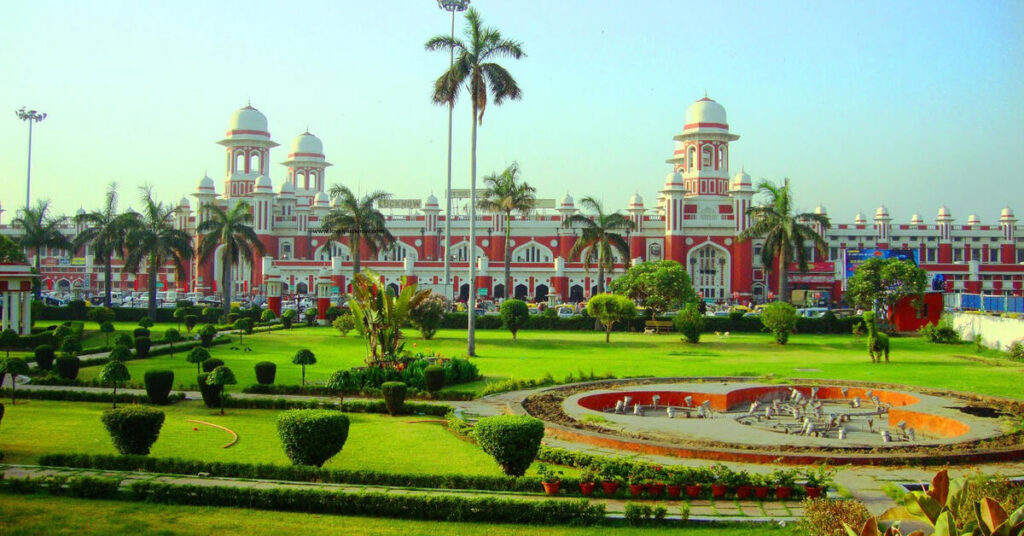
Lucknow Charbagh Railway Station is a major junction with excellent connectivity:
- From Delhi: Shatabdi Express (6 hours), Lucknow Mail (8 hours), multiple other trains
- From Mumbai: Pushpak Express (overnight journey)
- From Kolkata: Multiple trains (15-18 hours)
- From Varanasi: Several trains (5-6 hours)
The railway station is centrally located with easy access to all parts of the city.
By Road
Lucknow is well-connected by highways:
- From Delhi: 550 km, 8-10 hours via NH-19
- From Agra: 330 km, 5-6 hours
- From Varanasi: 320 km, 6-7 hours
- From Kanpur: 80 km, 1.5-2 hours
Luxury buses, Volvo coaches, and private taxis operate regularly. Road trips allow stops at interesting sites along the way.
Combining Mahotsav with Other Uttar Pradesh Experiences
Lucknow’s central location in Uttar Pradesh makes it ideal for multi-destination itineraries:
Lucknow + Ayodhya (140 km): Combine Mahotsav with visit to the newly rebuilt Ram Mandir, one of Hinduism’s most significant sites
Lucknow + Varanasi (320 km): Experience Lucknow’s Nawabi culture and Varanasi’s spiritual energy in one trip
Lucknow + Agra (330 km): Mughal architecture at Taj Mahal plus Nawabi culture creates comprehensive North Indian heritage experience
Lucknow + Allahabad/Prayagraj (200 km): Combine two historically significant Uttar Pradesh cities
Lucknow + Dudhwa National Park (238 km): Balance cultural immersion with wildlife experience in this lesser-known tiger reserve
TripCosmos.co specializes in multi-destination itineraries combining Lucknow Mahotsav with other Uttar Pradesh highlights, handling all logistics so you experience the best of the region seamlessly.
How TripCosmos.co Can Enhance Your Mahotsav Experience
Planning a visit to Lucknow Mahotsav from Varanasi or other locations involves logistics that local expertise simplifies dramatically:
Customized packages: TripCosmos.co creates itineraries matching your interests—whether you’re primarily interested in food, cultural performances, shopping, or comprehensive experiences. They balance Mahotsav attendance with other Lucknow attractions and nearby destinations.
Expert guides: Their guides provide cultural context that transforms watching performances into understanding them—explaining raga structures, kathak symbolism, historical references, and architectural significance.
Transportation coordination: Reliable transport between Varanasi/Ayodhya/other cities and Lucknow, plus local transportation for festival venues and city exploration.
Accommodation arrangements: Access to rooms even during peak festival period when hotels book fully, often at negotiated rates.
VIP arrangements: For special needs—priority seating, private heritage tours, meetings with performers or artisans—they leverage local connections.
Food guidance: Directing you to the best food stalls, explaining dishes, accommodating dietary restrictions while ensuring you experience authentic Awadhi cuisine.
Schedule optimization: Creating realistic daily schedules that maximize your experience without exhausting rush between venues.
24/7 support: Having someone to call (+91-9336116210) if questions arise or plans need adjustment provides invaluable peace of mind.
Visit www.tripcosmos.co to discuss your Lucknow Mahotsav interests and receive customized planning assistance.
Tips for First-Time Visitors
What to Wear
Daytime: Comfortable casual clothing suitable for walking and varied weather. Layers work well as mornings can be cool while afternoons warm up.
Evenings: Smart casual to semi-formal attire shows respect for cultural performances and blends well with local audience members who often dress nicely for evening programs. Traditional Indian wear (kurta-pajama for men, salwar-kameez or sarees for women) is welcomed but not required.
Footwear: Comfortable walking shoes are essential as you’ll spend hours on your feet. Easy-to-remove footwear helps if you visit spaces requiring shoe removal.
Weather preparation: Late November/early December evenings can be cool—bring light jacket or shawl.
Photography Guidelines
Generally allowed: Photography for personal use is typically permitted in exhibition areas and outdoor spaces
Restrictions: Some performances may prohibit flash photography or require prior permission for photography. Always check before photographing performers.
Respect: Ask permission before photographing artisans, vendors, or individuals—most are happy to oblige when asked respectfully
Equipment: Professional equipment with tripods may require special permission or designated areas
Safety and Crowd Management
Crowd dynamics: Large crowds gather during peak evening hours, particularly for major performances. Stay aware of your surroundings, keep groups together, and establish meeting points if separated.
Valuables: Use secure bags, keep wallets and phones protected, avoid displaying expensive jewelry or equipment carelessly.
Children: Hold children’s hands in crowded areas, consider child-carrying harnesses or strollers for very young ones.
Emergency contacts: Save local emergency numbers and your hotel contact information.
Local Etiquette and Cultural Sensitivity
Lucknow is known for its tehzeeb—refined culture emphasizing politeness and respect:
Language: The famous Lucknowi greeting “Pehle aap” (after you) exemplifies the city’s courteous culture. Attempt basic Hindi phrases—they’re appreciated.
Dress modestly: While Lucknow is relatively liberal, modest dress shows respect, particularly in religious or heritage sites.
Food etiquette: If trying street food at communal standing areas, maintain cleanliness and dispose waste properly.
Performance etiquette: Silence phones during performances, refrain from talking during quiet moments, and show appreciation through applause at appropriate times.
Bargaining: When shopping at craft stalls, bargaining is expected but should be good-natured rather than aggressive. Remember you’re buying handcrafted work from skilled artisans.
Budget Planning for Lucknow Mahotsav
Sample 3-day budget (per person):
Budget traveler:
- Accommodation: ₹2,000/night × 2 nights = ₹4,000
- Food: ₹800/day × 3 days = ₹2,400
- Local transport: ₹300/day × 3 days = ₹900
- Shopping/miscellaneous: ₹2,000
- Total: approximately ₹9,300 ($110)
Mid-range traveler:
- Accommodation: ₹5,000/night × 2 nights = ₹10,000
- Food: ₹1,500/day × 3 days = ₹4,500
- Local transport: ₹600/day × 3 days = ₹1,800
- Shopping/miscellaneous: ₹5,000
- Special experiences/tickets: ₹1,500
- Total: approximately ₹22,800 ($270)
Luxury traveler:
- Accommodation: ₹15,000/night × 2 nights = ₹30,000
- Food: ₹3,000/day × 3 days = ₹9,000
- Private transport: ₹2,000/day × 3 days = ₹6,000
- Shopping/crafts: ₹15,000
- Special experiences: ₹5,000
- Total: approximately ₹65,000 ($775)
These estimates exclude inter-city travel costs and represent on-ground expenses in Lucknow.
Conclusion
Lucknow Mahotsav 2026 promises to be another magnificent celebration of one of India’s most refined cultural traditions. For ten days, the City of Nawabs becomes a living theater where centuries-old arts flourish, culinary traditions reach their zenith, and visitors experience the legendary hospitality that has made Lucknow synonymous with grace and sophistication.
Whether you’re drawn by the prospect of watching master kathak dancers perform in the tradition’s birthplace, sampling kebabs prepared according to recipes guarded for generations, purchasing exquisite chikankari work directly from embroiderers, or simply soaking in the atmosphere of a city celebrating its heritage with pride and joy, Lucknow Mahotsav offers experiences you’ll treasure for a lifetime.
The festival represents more than entertainment—it’s cultural preservation in action, a living bridge connecting contemporary India with its Nawabi past, and a reminder that refinement, artistry, and grace remain vital even in our fast-paced modern world.
Start planning your Lucknow Mahotsav 2026 experience now. Contact TripCosmos.co at www.tripcosmos.co or call +91-9336116210 to create a customized itinerary that brings you to this extraordinary festival while exploring the best of Uttar Pradesh. Whether you’re traveling from Varanasi, combining with an Ayodhya pilgrimage, or planning a comprehensive North India cultural journey, their expertise ensures your Mahotsav experience will be seamless, enriching, and unforgettable.
Lucknow awaits with open arms and the traditional greeting that embodies its spirit: Pehle aap—after you. Come, experience the City of Nawabs at its most magnificent.
FAQs
1. When exactly will Lucknow Mahotsav 2026 take place?
While official dates haven’t been announced yet, Lucknow Mahotsav traditionally occurs in late November or early December for approximately 10 days. Based on historical patterns, expect the 2026 edition likely between November 25 and December 5, though dates will be confirmed by the Uttar Pradesh Tourism Department typically 3-4 months before the event. Contact TripCosmos.co at +91-9336116210 for the most current information as official announcements are made.
2. Is Lucknow Mahotsav free to attend, or do I need tickets?
The festival is primarily free-entry for general access to craft exhibitions, food areas, and many cultural performances. However, premium seating for certain high-profile performances may require modestly priced tickets (typically ₹100-500), and some special workshops or VIP sections may have fees. The accessibility reflects the festival’s mission as a public celebration of Awadhi culture. Specific 2026 ticketing details will be announced closer to the event.
3. How many days should I plan to attend Lucknow Mahotsav?
For a comprehensive experience, plan 2-3 days. This allows time to explore craft exhibitions and shopping, attend multiple evening cultural performances, participate in heritage walks, and thoroughly sample the food festival without feeling rushed. Single-day visits work for focused interests (just food or specific performances), while 3+ days allow deeper immersion and exploration of Lucknow beyond the festival itself.
4. Can TripCosmos.co help me combine Lucknow Mahotsav with visits to Varanasi and Ayodhya?
Absolutely! TripCosmos.co specializes in multi-destination Uttar Pradesh itineraries. They can create seamless packages combining Lucknow Mahotsav with Varanasi’s spiritual experiences (Ganga Aarti, temple visits), Ayodhya’s Ram Mandir pilgrimage, and other North Indian destinations. They handle all logistics—transportation, accommodations, guides, and scheduling—allowing you to experience multiple highlights of the region in one well-coordinated trip. Contact them at www.tripcosmos.co or call +91-9336116210 to discuss custom itineraries.
5. What is the best way to experience authentic Awadhi cuisine at the Mahotsav food festival?
Arrive during early evening (6:00-7:00 PM) before the longest queues form at popular stalls. Look for stalls operated by Lucknow’s established restaurants and hotels—Tunday Kababi, Idris Biryani, and similar legendary names. Don’t hesitate to ask vendors for recommendations or explanations of dishes. Consider hiring a local guide through TripCosmos.co who can direct you to the best stalls, explain dishes, and ensure you try essential items like galawati kebab, Lucknowi biryani, and makhan malai (if visiting during the right season). Pace yourself—the variety is enormous, so sample small portions of many dishes rather than filling up on the first few items.