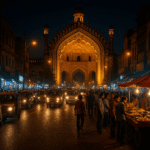
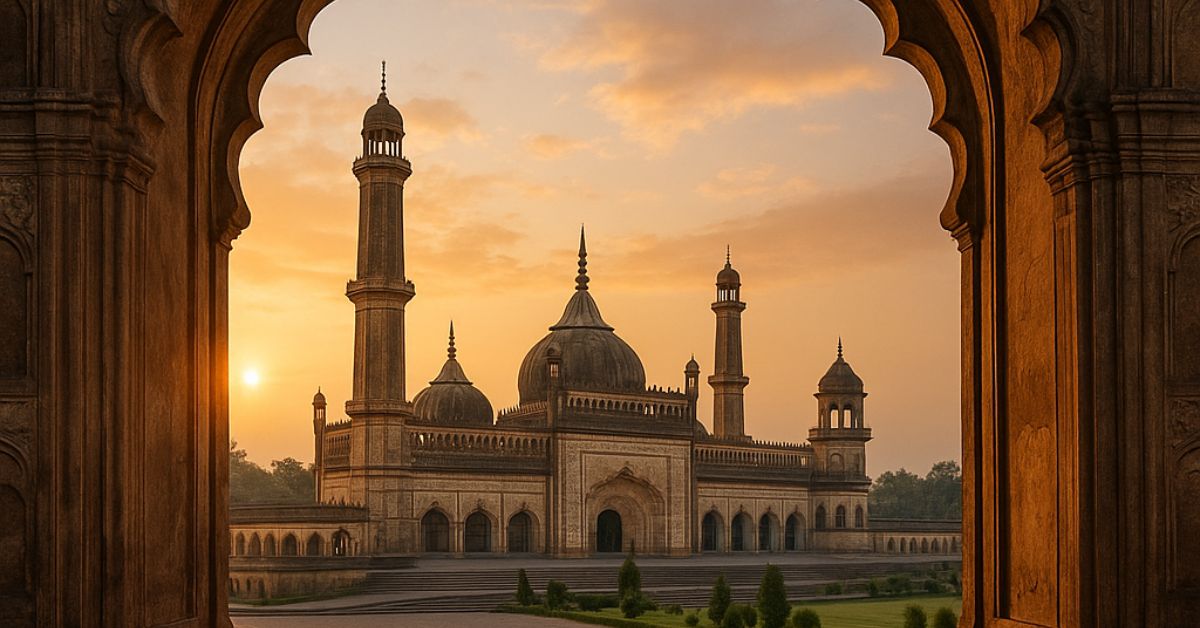
Lucknow tour guide welcomes you to the heart of Uttar Pradesh, where Nawabi elegance meets modern vibrancy in India’s most culturally refined city. Known as the “City of Nawabs,” Lucknow enchants visitors with its architectural grandeur, exquisite cuisine, poetic heritage, and the legendary tehzeeb (etiquette) that defines its gracious people. From the labyrinthine corridors of Bara Imambara to the aromatic streets of old Chowk bazaar, this capital city offers an intoxicating blend of history, art, and culinary excellence that captivates every traveler.
Walking through Lucknow feels like stepping into a living museum where Mughal and Awadhi architecture stand beside colonial structures, where traditional chikankari embroidery thrives alongside contemporary fashion, and where kebabs are not just food but an art form perfected over centuries. Ready to discover why this city earned its reputation as India’s cultural jewel?
Why Lucknow Deserves Your Travel Bucket List
Lucknow stands apart from other Indian cities through its unique cultural identity shaped by centuries of Nawabi rule. The Nawabs of Awadh transformed this city into a center of art, music, dance, poetry, and architecture that rivaled any imperial capital. Today, that legacy lives on in every corner—from the impeccable manners of locals to the intricate craftsmanship in monuments, from the melodious Hindustani classical music traditions to the melt-in-your-mouth galouti kebabs.
What makes Lucknow truly special is how seamlessly it balances preservation with progress. Ancient monuments stand proudly amidst bustling modern markets, traditional adab (courtesy) coexists with cosmopolitan attitudes, and centuries-old recipes find new expression in contemporary restaurants. Whether you’re a history buff fascinated by architectural marvels, a foodie pursuing culinary nirvana, or a culture enthusiast seeking authentic experiences, Lucknow delivers with unmatched charm and sophistication.
Best Time to Visit Lucknow
Planning your Lucknow tour guide itinerary around weather conditions ensures maximum comfort and enjoyment. The ideal period spans from October to March, when temperatures range between 10°C to 28°C, perfect for exploring outdoor monuments and wandering through markets. Winter months (November to February) offer the most pleasant weather, though early mornings and evenings can get quite chilly—pack light woolens.
November through February also coincides with Lucknow’s cultural calendar, featuring festivals, exhibitions, and food festivals that showcase the city’s artistic heritage. The Lucknow Mahotsav (late November/early December) celebrates Awadhi culture through music, dance, craft exhibitions, and food stalls—an excellent time for cultural immersion. The city comes alive during Diwali with spectacular illuminations, especially at historical monuments.
Avoid visiting during summer months (April to June) when temperatures soar above 40°C, making daytime exploration uncomfortable despite air-conditioned venues. Monsoon season (July to September) brings humidity and occasional heavy rainfall, though the city looks beautifully washed and green. Off-season travel offers advantages like lower accommodation rates and fewer crowds at popular monuments, ideal if you can tolerate the weather conditions.
Bara Imambara: Architectural Marvel of Lucknow
The Bara Imambara stands as Lucknow’s most iconic monument, showcasing the architectural genius of Nawab Asaf-ud-Daula who commissioned it in 1784 during a devastating famine to provide employment. This massive complex features the world’s largest arched hall without support beams—spanning 50 meters in length and 15 meters in height, this engineering marvel has baffled architects for centuries.
The Bhul Bhulaiya (labyrinth) within the upper floors offers an adventurous experience with over 1,000 interconnected passages designed to confuse intruders. Navigating these narrow corridors requires a guide—getting lost in the maze is surprisingly easy even for repeat visitors! The passages also serve a practical purpose, creating natural air circulation that keeps the building cool despite Lucknow’s sweltering summers.
Don’t miss the Asfi Mosque within the complex and the stunning view from the rooftop overlooking Lucknow’s skyline. The Bara Imambara showcases Indo-Islamic architecture at its finest, with Persian and Mughal influences blended into a uniquely Awadhi style. Visit during early morning (6:00-8:00 AM) or late afternoon (4:00-6:00 PM) to avoid crowds and harsh midday sun. Entry fee is ₹50 for Indians and ₹500 for foreigners, with additional charges for camera equipment.
Chota Imambara: The Palace of Lights
Officially known as Hussainabad Imambara, the Chota Imambara dazzles visitors with its ornate decorations and stunning chandelier collection. Built by Nawab Muhammad Ali Shah in 1838 as his mausoleum and that of his mother, this monument earned its nickname “Palace of Lights” from the thousands of lamps illuminated during special occasions, particularly during Muharram commemorations.
The interiors feature exquisite chandeliers imported from Belgium, intricate calligraphy, silver throne replicas, and beautiful mirror work that creates a magical ambiance. The complex includes the tombs of Nawab Muhammad Ali Shah and his daughter, maintained with reverence by the Shia Muslim community. The white dome and minarets present stunning photography opportunities, especially during sunset when golden light bathes the white marble.
The adjacent Hussainabad Clock Tower, standing 67 meters tall and designed to resemble London’s Big Ben, adds Victorian charm to this Indo-Islamic complex. The clock mechanism, installed in 1887, still keeps accurate time after over 130 years! The picture gallery near the Imambara displays portraits of Awadh’s Nawabs, offering historical context to your visit. Modest dress is appreciated here as it remains an active religious site, and remove shoes before entering the main hall.
Rumi Darwaza: Gateway to Old Lucknow
The magnificent Rumi Darwaza stands 60 feet tall as Lucknow’s most photographed monument and an enduring symbol of the city. Built in 1784 by Nawab Asaf-ud-Daula, this imposing gateway supposedly modeled after Istanbul’s Sublime Porte (Bab-i Humayun) represents the finest example of Awadhi architecture. Its name “Rumi” refers to Turkey (Roman Empire/Rum), acknowledging its Turkish architectural inspiration.
The ornate structure features intricate floral decorations, calligraphic inscriptions, and an octagonal base supporting the impressive arched gateway. Unlike typical gateways, Rumi Darwaza was never part of any fortification—it was purely decorative, symbolizing the Nawab’s refined aesthetic sensibility and architectural ambition. The structure appears even more spectacular when illuminated at night, though photography is more challenging.
Position yourself at the right angle to capture Rumi Darwaza with Bara Imambara visible in the background—this iconic composition appears in countless Lucknow postcards and tourism materials. The surrounding area, including Hussainabad Imambara and the Clock Tower, forms a heritage zone perfect for a heritage walk covering multiple monuments within comfortable walking distance. Street food vendors near Rumi Darwaza offer excellent snacks for energy between monument visits.
British Residency: Colonial History Preserved
The British Residency complex stands as a poignant reminder of the 1857 Uprising (First War of Independence), where British forces withstood a five-month siege. Now maintained as a protected monument by the Archaeological Survey of India, the ruins deliberately remain in their battle-scarred condition—bullet and cannon marks still visible on walls, creating a powerful historical narrative.
Walking through these atmospheric ruins transports you to one of Indian history’s most significant chapters. The main Residency building, cemetery, treasury, and various other structures spread across well-maintained gardens offer insights into colonial life and the intense conflict that marked India’s freedom struggle. Information plaques throughout the complex explain the siege events, key figures, and strategic importance of different buildings.
The cemetery contains graves of over 2,000 British soldiers, civilians, and Indian loyalists who died during the siege, including Sir Henry Lawrence, the British Commissioner who defended the Residency. The Residency Museum houses artifacts, weapons, photographs, and documents from the siege period, providing historical context that enriches your visit. The site remains remarkably peaceful despite its violent history, with verdant lawns and ancient trees creating a contemplative atmosphere.
Hazratganj: Lucknow’s Shopping and Dining Hub
Hazratganj represents Lucknow’s modern heart while retaining colonial-era charm through its wide avenues, Victorian-style buildings, and sophisticated atmosphere. This main shopping district offers everything from international brands to traditional handicrafts, from modern cafes to legacy restaurants serving authentic Awadhi cuisine. The area seamlessly blends commerce, culture, and cuisine in distinctly Lucknawi style.
Start your Hazratganj exploration at the iconic Mayfair Cinema (now demolished but the area remains significant), then stroll through the main market discovering bookstores like Universal Booksellers (a Lucknow institution since 1928), jewelry shops showcasing exquisite designs, and showrooms displaying chikankari embroidery—Lucknow’s signature craft involving intricate white-on-white hand embroidery.
Don’t miss the legendary Royal Cafe for basket chaat and hot jalebis, Rattilal’s for authentic paan (betel leaf preparation), and the numerous kebab joints serving Lucknow’s famous culinary specialties. Hazratganj comes alive during evenings when locals promenade along the main road, shops display their finest merchandise, and the atmosphere buzzes with energy. The area also hosts cultural events, art exhibitions, and book fairs throughout the year, particularly during winter months.
Discovering Old Lucknow: Chowk and Aminabad
Venture into Old Lucknow’s labyrinthine lanes to experience the city’s authentic character, where time seems to have paused during the Nawabi era. The Chowk area serves as the historic commercial heart, famous for its narrow alleys packed with shops selling everything from attar (traditional perfumes) to intricate jewelry, from silk fabrics to traditional sweets.
Chowk’s culinary fame centers around its legendary street food—Tundey Kababi (serving galouti kebabs since 1905), Prakash Kulfi (kulfi faluda that locals swear by), and countless other stalls offering nihari, paya, khasta kachori, and malai makhan. These aren’t just food establishments but culinary institutions preserving recipes perfected over generations. Early morning visits reward you with fresher products and easier navigation through the crowded lanes.
Aminabad market, adjacent to Chowk, offers slightly wider streets and more organized shopping for textiles, chikankari products, jewelry, and handicrafts. The wholesale market atmosphere means better prices but requires bargaining skills and patience. The Akbari Gate area features additional street food options and traditional sweet shops like Ram Asrey serving specialties like basket chaat, dahi bhalla, and traditional mithais (sweets) that define Lucknawi cuisine.
Lucknow’s Culinary Heritage: A Food Lover’s Paradise
No Lucknow tour guide would be complete without extensive coverage of its legendary cuisine, where kebabs transcend food to become cultural icons. Awadhi cuisine developed in royal kitchens emphasizes slow cooking (dum pukht), aromatic spices, and meat so tender it melts without chewing—the famous galouti kebab supposedly created for a toothless Nawab exemplifies this culinary philosophy.
Begin your culinary journey at Tundey Kababi in Chowk, where galouti kebabs made from over 160 spices represent Lucknow’s culinary pinnacle. The secret recipe remains closely guarded after five generations. Idris Biryani serves fragrant, delicately spiced biryani distinct from Hyderabadi or Kolkata styles—smaller rice grains, subtle spicing, and generous meat portions characterize Lucknawi biryani.
For refined dining experiences, try Dastarkhwan, Oudhyana (at the Taj Hotel), or Falaknuma—restaurants preserving authentic Awadhi cooking techniques and royal recipes. Don’t miss kulcha-nihari for breakfast (bread paired with slow-cooked meat curry), sheermal (saffron-flavored bread), and warqi paratha (flaky layered bread). Vegetarians shouldn’t feel left out—dishes like paneer pasanda, subz korma, and arbi ke kofte showcase Awadhi vegetarian mastery.
Chikankari Shopping: Lucknow’s Signature Craft
Chikankari embroidery represents Lucknow’s most famous handicraft—delicate white threadwork on fine fabrics creating intricate floral and paisley patterns. This 400-year-old craft supposedly introduced by Nur Jahan (Mughal Emperor Jahangir’s wife) employs over 36 different stitches, each creating unique textures and patterns that require years to master.
For authentic chikankari purchases, visit established showrooms like Chikan House, Fab India, or Ada Chikan—these ensure quality craftsmanship and fair artisan compensation. Prices range from ₹500 for simple cotton kurtis to ₹50,000+ for elaborate designer pieces with zari (metallic thread) work. Hazratganj and Aminabad markets offer extensive choices, though quality varies significantly—examine stitching carefully, ensuring it’s hand-embroidered rather than machine-made imitations.
Supporting chikankari directly benefits thousands of artisans, predominantly women working from home in traditional patterns passed through generations. Some organizations offer workshop visits where you can observe artisans creating these beautiful pieces—understanding the intricate, time-intensive process deepens appreciation for this art form. Chikankari isn’t limited to clothing; home furnishings like cushion covers, tablecloths, and curtains also showcase this elegant embroidery style.
Must-Visit Museums and Cultural Centers
The State Museum (formerly Provincial Museum) houses an impressive collection spanning archaeology, natural history, and art. The Buddhist sculpture gallery features remarkable pieces from Mathura and Sarnath, while the anthropology section showcases tribal cultures across India. The Egyptian mummy displayed here remains a curiosity attracting school groups and tourists alike—one of few Egyptian artifacts in Indian museums.
Dr. Ambedkar Memorial Park (Dr. Bhimrao Ambedkar Samajik Parivartan Prateek Sthal) spans 107 acres showcasing modern monumental architecture with massive stone elephants, ornate pavilions, and towering statues. Built from red sandstone and marble, this contemporary complex honors social reformers and represents India’s largest memorial park. The evening light-and-sound show narrates Dr. Ambedkar’s life and contributions to Indian society.
The Sanatkada Art Gallery and Ehsas Kendra promote contemporary Indian art through exhibitions, workshops, and cultural programs. These spaces showcase Lucknow’s living artistic traditions beyond historical monuments. The CDRI (Central Drug Research Institute) Medicinal Plant Garden offers a different experience—over 2,000 medicinal plant species with informative labels, perfect for those interested in Ayurveda and botanical sciences.
Where to Stay in Lucknow
Lucknow offers accommodation ranging from heritage properties to modern business hotels, catering to diverse preferences and budgets. For luxury experiences, Taj Mahal, Lucknow (formerly Taj Residency) and Renaissance Lucknow Hotel provide five-star amenities, fine dining, and impeccable service in prime locations. The Lebua Lucknow offers contemporary luxury with stunning city views and rooftop dining.
Mid-range options include Clarks Avadh, Hotel Gomti, and Comfort Inn Sapphire—properties offering comfortable rooms, convenient locations, and good restaurants at ₹3,000-6,000 per night. These hotels typically position near Hazratganj or Gomti Nagar, providing easy access to shopping, dining, and major monuments. Many offer complimentary breakfast and WiFi as standard amenities.
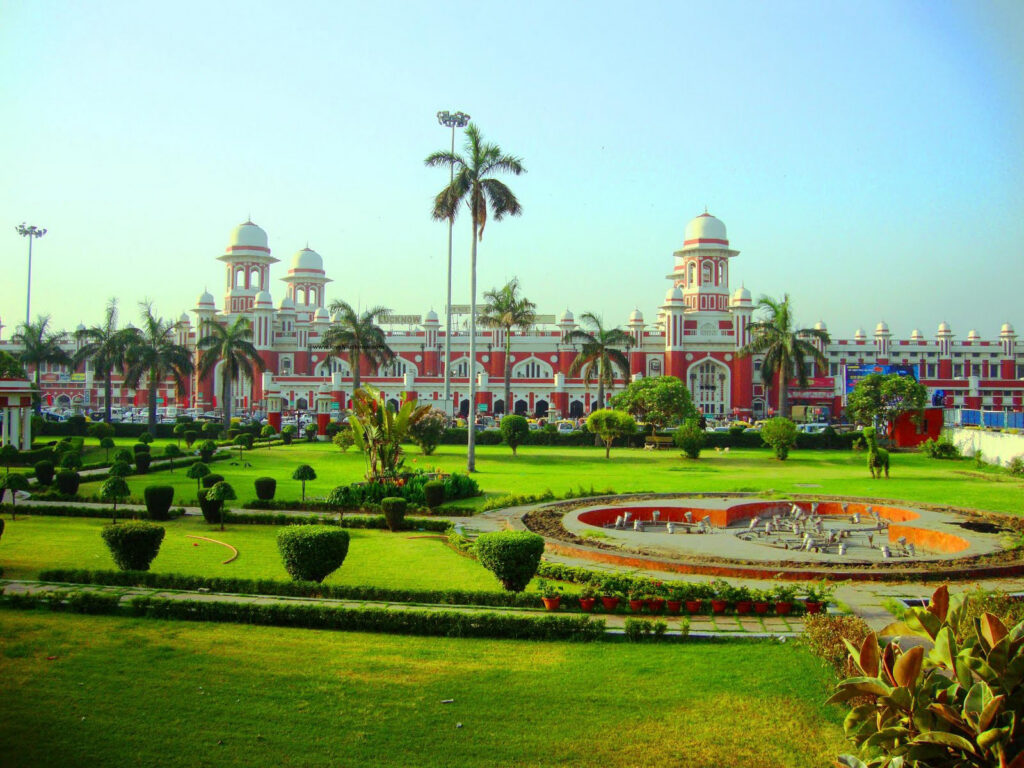
Budget travelers find numerous economical guesthouses and hotels near Charbagh Railway Station and Alambagh areas (₹800-2,000 per night), though luxury and cleanliness standards vary—read recent reviews before booking. For unique experiences, consider heritage homestays in old city areas where traditional Lucknawi hospitality and home-cooked meals create memorable stays. Plan your refined Lucknow experience with TripCosmos.co, ensuring perfect accommodation matching your style and convenient access to the city’s cultural treasures.
Getting Around Lucknow
Navigating Lucknow has improved significantly with the Lucknow Metro (operational since 2017) connecting major areas including Charbagh Station, Hazratganj, Mawaiya, and Munshi Pulia. The metro offers air-conditioned comfort, avoiding traffic congestion, with fares ranging ₹10-60 depending on distance. Stations near major tourist spots make metro travel increasingly practical for visitors.
Auto-rickshaws remain the most popular local transport, operating on meter basis (though convincing drivers to use meters requires negotiation skills). Typical fares within the city range ₹30-150 for short to medium distances. Ola and Uber services operate extensively, offering transparent pricing and convenient app-based booking—particularly useful for airport transfers and longer distances.
Renting a car with driver costs approximately ₹1,500-2,500 per day for local sightseeing, providing comfortable transport between monuments with air-conditioning—valuable during summer months. For authentic experiences, try the cycle-rickshaws in old city areas where narrow lanes prohibit larger vehicles. Walking remains the best way to explore areas like Hazratganj, Chowk, and the heritage zone around Bara Imambara, allowing spontaneous discoveries of hidden gems.
Day Trips and Nearby Attractions
Extend your Lucknow tour guide itinerary with fascinating day trips to nearby historical sites. Naimisharanya (90 kilometers), one of Hinduism’s most sacred pilgrimage sites, features ancient temples and the holy Gomti River where devotees perform rituals. This serene spiritual destination offers respite from urban energy, with the Chakra Tirth temple and numerous ashrams welcoming visitors.
Nawabganj Bird Sanctuary (45 kilometers) attracts migratory birds between November and March, making it paradise for bird watchers and nature photographers. Over 250 species visit this wetland sanctuary, including Sarus cranes, painted storks, and various duck species. Carry binoculars and cameras for optimal wildlife observation.
Dewa Sharif (40 kilometers) hosts the famous annual Urs festival at the Dargah of Haji Waris Ali Shah, attracting devotees from all faiths. The Sufi shrine welcomes visitors year-round, promoting the saint’s message of universal brotherhood. Dudhwa National Park (250 kilometers) requires an overnight trip but rewards wildlife enthusiasts with Bengal tigers, one-horned rhinoceros, and swamp deer sightings in pristine sal forests. Consider organized tours or private vehicles for comfortable day trips—TripCosmos.co offers curated excursions combining multiple attractions efficiently.
Lucknow’s Performing Arts and Cultural Scene
Lucknow nurtured classical Hindustani music and Kathak dance to unparalleled heights during the Nawabi era, traditions that continue thriving today. The Bhatkhande Music Institute Deemed University promotes classical music education, regularly hosting concerts by renowned artists. The Kathak Kendra, established by legendary dancer Birju Maharaj (who hailed from Lucknow), preserves and teaches this graceful classical dance form.
Attend a Kathak performance to witness storytelling through intricate footwork, graceful hand movements, and expressive facial emotions—the Lucknow gharana (school) emphasizes grace over the Jaipur gharana’s vigor. Several cultural centers and hotels host regular performances, especially during winter tourist season. The Bhartendu Natya Akademi stages theatrical productions in Hindi and Urdu, continuing Lucknow’s rich literary and dramatic traditions.
The city’s Urdu poetry heritage lives on through mushairas (poetry symposiums) held throughout the year, where poets recite ghazals and nazms to appreciative audiences. The Kakori Qawwali Festival celebrates Sufi devotional music, while the Lucknow Festival (December) showcases diverse performing arts. Check local cultural calendars or inquire at your hotel for current performances and events during your visit.
Parks and Recreation in Lucknow
Janeshwar Mishra Park ranks among Asia’s largest green spaces, spanning 376 acres with jogging tracks, cycling paths, musical fountains, and serene water bodies. This beautifully landscaped park offers morning walkers, fitness enthusiasts, and families a refreshing escape from urban congestion. The evening musical fountain show (timings vary seasonally) attracts crowds with synchronized water displays and lighting effects.
The Begum Hazrat Mahal Park (formerly Victoria Park) in Hazratganj provides convenient green space for relaxing between shopping and sightseeing. The recently renovated park features children’s play areas, walking paths, and pleasant seating under mature trees. The Kukrail Reserve Forest on the city outskirts houses a gharial (crocodile) rehabilitation center—visit during feeding times for fascinating reptile observations.
The Lucknow Zoo (Nawab Wajid Ali Shah Zoological Garden) makes a worthwhile family visit, particularly the toy train popular with children. The zoo houses diverse species including white tigers, hoolock gibbons, and various bird species in well-maintained enclosures. These recreational spaces offer breathers between intense cultural and historical sightseeing, maintaining balanced itineraries.
Photography Spots in Lucknow
Lucknow rewards photographers with stunning architectural subjects, colorful markets, and vibrant street life. The Bara Imambara complex offers multiple composition opportunities—capture the imposing facade, intricate Islamic geometric patterns, and panoramic city views from the terrace. Sunrise and sunset provide golden hour lighting that enhances these monuments’ grandeur dramatically.
The bustling lanes of Chowk present incredible street photography opportunities—vendors, traditional crafts, colorful textiles, and authentic daily life create compelling visual narratives. Respect people’s privacy and always ask permission before photographing individuals, especially women. The Rumi Darwaza illuminated at night creates magical photographs, though tripods help with longer exposures in low light.
Gomti Riverfront during sunset offers peaceful landscapes with the river reflecting colorful skies and city lights gradually illuminating. The modernist architecture of Ambedkar Memorial Park provides bold geometric compositions quite different from Nawabi monuments. For authentic cultural photography, visit during festivals like Diwali when the city decorates elaborately, or during Muharram when the Imambaras illuminate spectacularly.
Festivals and Celebrations in Lucknow
Lucknow celebrates festivals with distinctive Nawabi elegance and communal harmony. Muharram processions through the old city feature elaborate tazias (bamboo and paper replicas of tombs) carried through streets with mourning rituals—the Chota and Bara Imambaras become focal points for these Shia commemorations. Photography requires sensitivity as these are religious observances, not tourist spectacles.
Diwali transforms Lucknow into a city of lights, with monuments, markets, and homes brilliantly illuminated. The Deepotsav celebration initiated in recent years features massive lighting displays at heritage sites, making this an exceptional time for photography and cultural experiences. Holi celebrations embrace the region’s vibrant spirit with colors, music, and special foods like gujiya and thandai.
Recomended tour package: 2Nights 3Days Royal Nawabi Lucknow Tour Package
Eid celebrations showcase Lucknow’s famous biryani, sewaiyan (vermicelli pudding), and festive atmosphere in Muslim-majority areas. The Lucknow Mahotsav (November/December) celebrates Awadhi culture through food festivals, craft exhibitions, cultural performances, and heritage walks—an excellent introduction to the city’s diverse traditions. Independence Day and Republic Day witness special ceremonies at historical sites, reminding visitors of Lucknow’s role in India’s freedom struggle.
Practical Travel Tips for Lucknow
Lucknow generally offers safe travel experiences with friendly locals upholding the city’s famous tehzeeb. However, standard precautions apply—secure valuables, avoid isolated areas after dark, and use reliable transportation. Women travelers report feeling comfortable in Lucknow, though modest dressing aligns better with local conservative sensibilities, especially in old city areas.
Language-wise, Hindi and Urdu predominate, though English works in tourist areas, hotels, and upscale restaurants. Learning basic Hindi phrases enhances interactions with locals and shows cultural respect. The distinctive Lucknavi accent and Urdu-influenced vocabulary add charm to conversations—locals appreciate visitors attempting their linguistic style.
Bargaining is expected in markets except in government emporiums and fixed-price stores. Start negotiations at 40-50% of the quoted price and settle around 60-70% for fair deals benefiting both parties. During summer, stay hydrated and pace yourself—afternoon hours (noon-3 PM) are hottest, ideal for indoor activities like museum visits or air-conditioned restaurant meals. Carry hand sanitizer and tissues as public restroom facilities vary in cleanliness standards.
Health and Safety Considerations
Lucknow’s healthcare facilities include well-equipped hospitals like King George’s Medical University, Sahara Hospital, and Medanta Hospital handling medical emergencies. Pharmacies are abundant, stocking common medications—however, carry prescription medications from home rather than relying on local availability. Travel insurance covering medical emergencies provides peace of mind, especially for international travelers.
Food safety requires attention, particularly when trying street food. Choose busy establishments with high turnover ensuring fresh preparation, and avoid raw salads or pre-cut fruits at roadside vendors. Drink only bottled water or water from trusted filtered sources—most hotels provide complimentary bottled water. During initial days, your system may need adjustment to local cuisine and spice levels, so carry basic digestive medications.
Mosquito-borne diseases like dengue occur, especially during and after monsoons. Use mosquito repellent, wear covering clothing during evening hours, and ensure accommodations have proper mosquito prevention measures. Air quality can deteriorate during winter months due to fog and pollution—those with respiratory conditions should carry necessary medications and avoid early morning outdoor activities when air quality is poorest.
Sustainable and Responsible Tourism
Practice responsible tourism in Lucknow by respecting cultural sensibilities and supporting local communities. Purchase handicrafts directly from artisan cooperatives ensuring fair compensation rather than middlemen who exploit craftspeople. Organizations like SEWA (Self Employed Women’s Association) run fair-trade shops where purchases directly benefit women artisans preserving traditional crafts.
Minimize plastic waste by carrying reusable water bottles, shopping bags, and refusing plastic straws at restaurants. Many heritage sites lack adequate waste bins, so carry small bags for disposing trash properly later. Photography at monuments is permitted, but respect “no photography” signs in religious sections and always ask permission before photographing people, especially in conservative old city areas.
Support local restaurants and stay in locally-owned accommodations when possible, ensuring tourism revenue benefits Lucknow’s residents. Heritage walks offered by local guides provide authentic insights while generating employment for knowledgeable historians and storytellers. When you choose TripCosmos.co for your Lucknow journey, you’re partnering with responsible tourism advocates committed to preserving cultural heritage while benefiting local communities sustainably.
Best Itinerary: 3 Days in Lucknow
Day 1: Starts with early morning visit to Bara Imambara, exploring the Bhul Bhulaiya and rooftop views before crowds arrive. Walk to nearby Rumi Darwaza for photographs, then visit Chota Imambara and Clock Tower. Afternoon brings British Residency exploration with its historical significance and peaceful gardens. Evening calls for Hazratganj stroll, shopping, and dinner at a heritage restaurant serving authentic Awadhi cuisine.
Day 2: Focuses on old Lucknow—begin with breakfast nihari in Chowk, then navigate the narrow lanes discovering attar shops, chikankari showrooms, and traditional sweet makers. Visit Tundey Kababi for legendary galouti kebabs. Afternoon includes State Museum and Ambedkar Memorial Park. Evening provides Gomti Riverfront relaxation followed by traditional Kathak performance if available, concluding with street food sampling at Aminabad.
Day 3: Explores modern Lucknow starting with Janeshwar Mishra Park for morning freshness and exercise. Visit Constantia (La Martiniere College), an architectural marvel though entry requires permission. Spend afternoon shopping for chikankari and handicrafts, visiting organized emporiums for quality purchases. Consider a day trip to Naimisharanya or Nawabganj Bird Sanctuary if time permits. Conclude with farewell dinner at Dastarkhwan or Oudhyana, savoring final Awadhi culinary masterpieces.
Conclusion
A Lucknow tour guide experience offers far more than sightseeing—it’s an immersion into refined culture where courtesy remains valued, where cuisine reaches artistic heights, and where history resonates through every monument and tradition. The City of Nawabs welcomes you with warmth and grace characteristic of its legendary tehzeeb, sharing centuries of cultural heritage with generous hospitality. From architectural marvels like Bara Imambara to culinary legends like galouti kebabs, from intricate chikankari embroidery to soul-stirring Kathak performances, Lucknow captivates with sophistication and authenticity. As you plan this culturally enriching journey, remember that Lucknow isn’t merely visited—it’s experienced, savored, and cherished. Let TripCosmos.co craft your perfect Lucknow adventure, where Nawabi elegance meets contemporary comfort in India’s most gracious city.
FAQs (frequently asked questions)
1. How many days are sufficient to explore Lucknow’s main attractions comprehensively?
Three to four days provide adequate time for experiencing Lucknow’s major monuments, culinary specialties, and cultural attractions without rushing. This allows two days for historical sites (Imambaras, British Residency, museums), one day for old city exploration (Chowk, Aminabad markets), food experiences, and shopping, plus flexible time for additional interests like cultural performances, parks, or day trips to nearby attractions like Naimisharanya.
2. What are the must-try dishes in Lucknow for first-time visitors?
Essential Lucknawi culinary experiences include galouti kebabs at Tundey Kababi, Lucknawi biryani at Idris or Dastarkhwan, basket chaat at Royal Cafe, kulfi faluda at Prakash Kulfi, and nihari-kulcha for breakfast. Don’t miss sheermal (saffron bread), kakori kebabs, roomali roti, and traditional mithais like malai makhan. Vegetarians should try paneer pasanda and arbi ke kofte showcasing Awadhi vegetarian expertise.
3. Where can I buy authentic chikankari embroidery in Lucknow?
For guaranteed authentic chikankari, visit established showrooms like Chikan House in Hazratganj, Ada Chikan, or government emporium Gangotri. These ensure hand-embroidered pieces and fair artisan compensation. Aminabad and Chowk markets offer extensive choices at various price points, though quality varies—carefully examine stitching to ensure genuine hand embroidery rather than machine-made imitations. Supporting fair-trade organizations directly benefits women artisans.
4. Is Lucknow safe for solo female travelers?
Yes, Lucknow is generally safe for solo female travelers and maintains reputation for respectful behavior reflecting its famous tehzeeb culture. Standard precautions apply—dress modestly especially in old city areas, avoid isolated locations after dark, use reliable transportation, and trust your instincts. Women travelers report positive experiences, appreciating locals’ courteous behavior. Staying in reputable accommodations and using registered transport services enhances safety further.
5. What is the best way to reach Lucknow from other major Indian cities?
Lucknow offers excellent connectivity through Chaudhary Charan Singh International Airport with direct flights from Delhi, Mumbai, Bangalore, Kolkata, and major cities (flight time 1-2.5 hours). The city has multiple railway stations with Lucknow Junction and Charbagh being major terminals connecting to pan-India destinations through numerous trains including Shatabdi and Rajdhani Express services. National highways connect Lucknow by road to Delhi (500 km), Agra (330 km), and Varanasi (320 km) with comfortable bus services and private taxi options available.