
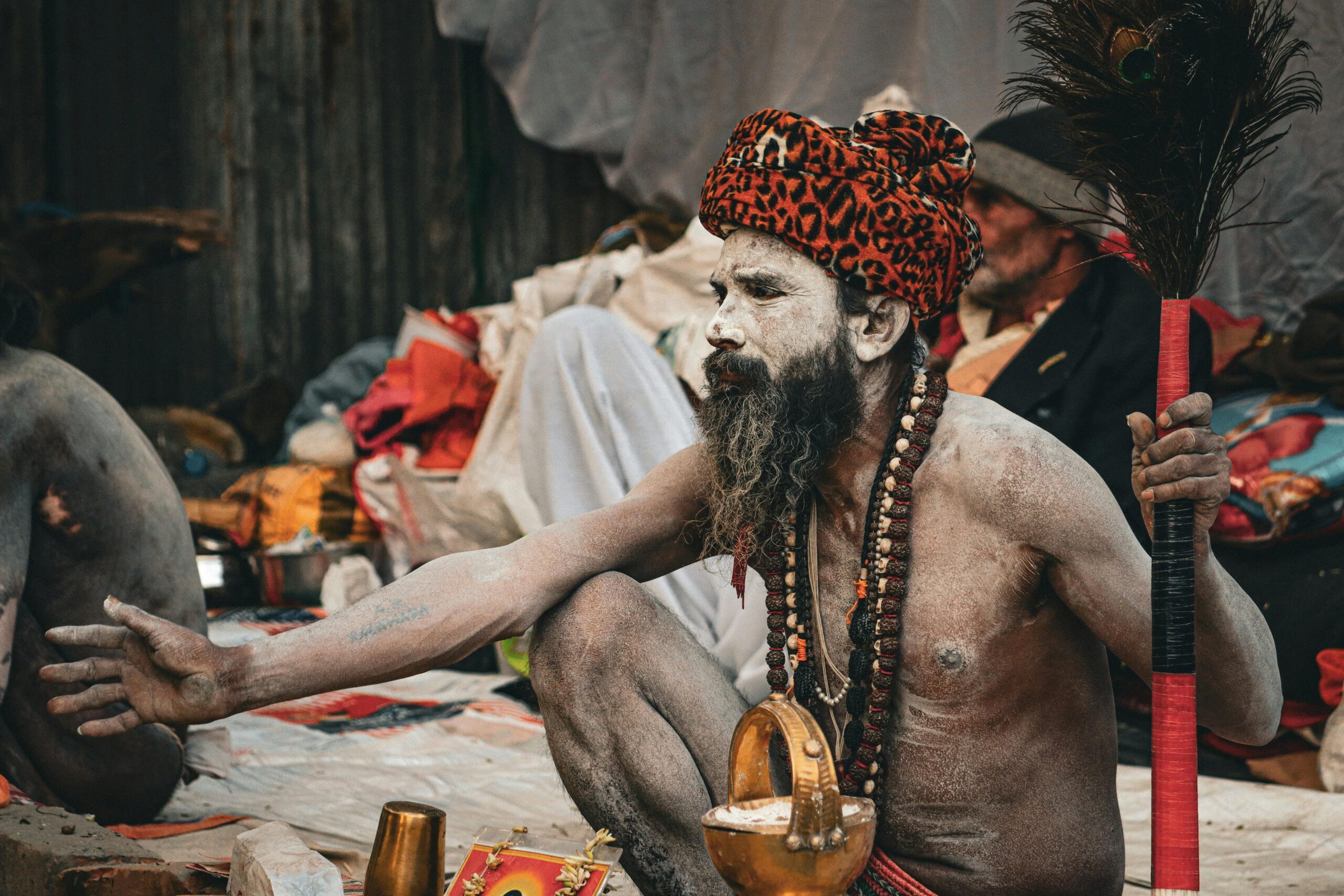
Luxury Varanasi Ayodhya Prayagraj Tour Package , Can spiritual awakening and luxury accommodation coexist? For centuries, pilgrimages meant austerity—sleeping on temple floors, eating simple meals, embracing discomfort as part of the spiritual journey. But modern luxury spiritual tourism challenges this paradigm, suggesting that physical comfort enhances rather than diminishes transcendent experiences.
Luxury Varanasi Ayodhya Prayagraj Tour Package , Imagine beginning your day with sunrise yoga overlooking the Ganges from your private terrace, followed by a gourmet breakfast featuring regional delicacies prepared by expert chefs. Picture arriving at temples in chauffeur-driven luxury vehicles, accompanied by scholarly guides who’ve spent decades studying ancient texts. Envision returning each evening to heritage hotels where every thread count, every amenity, every service detail has been perfected.
Luxury Varanasi Ayodhya Prayagraj Tour Package , This is luxury spiritual tourism—a segment growing rapidly as affluent travelers seek meaningful experiences without sacrificing comfort. But what does this elevated journey actually cost? More importantly, does the premium pricing deliver proportionate value, or are you simply paying for marketing and prestige?
We’re diving deep into the world of luxury Varanasi, Ayodhya, and Prayagraj packages, examining what ₹55,000 to ₹1,50,000+ per person actually buys, where the money goes, which operators deliver genuine luxury versus repackaged mid-range experiences, and whether this represents smart spending or spiritual tourism’s version of emperor’s new clothes.
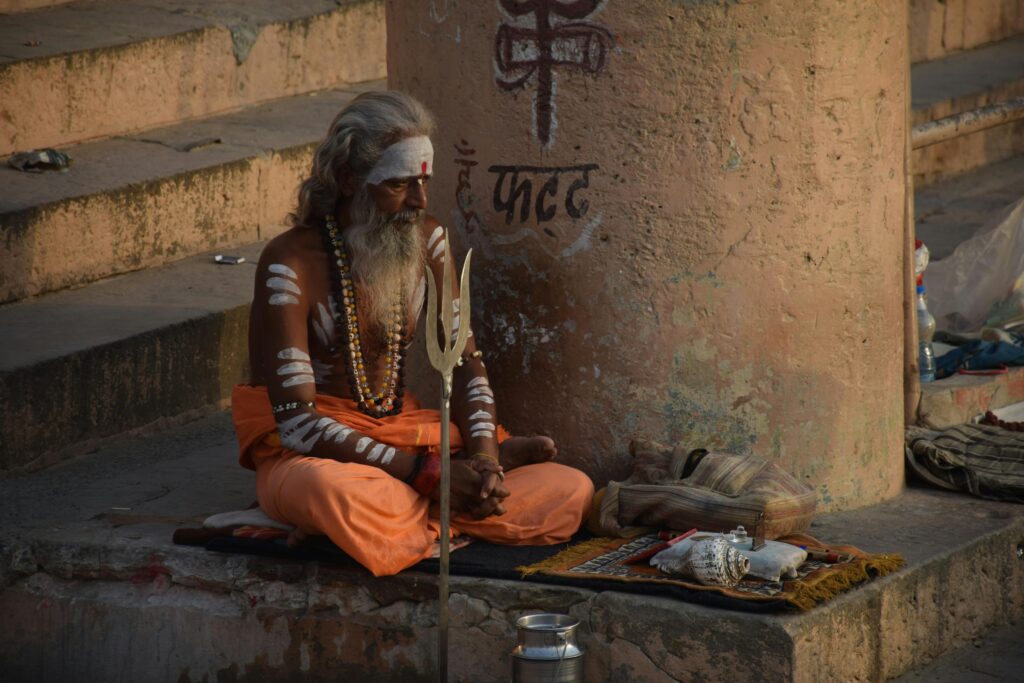
Defining Luxury in Spiritual Tourism
Luxury in this context transcends thread counts and marble bathrooms—though those certainly feature prominently. True luxury spiritual tourism offers three elements that budget and mid-range packages cannot: time, access, and expertise.
Time means freedom from rushed schedules. You’re not herded through temples on tight timelines. If the morning aarti moves you profoundly, you can stay, absorb, reflect—your itinerary bends to your spiritual needs rather than logistical constraints.
Access refers to experiences unavailable to regular tourists. Private ceremonies with head priests, after-hours temple visits when crowds dissipate, exclusive boat positions during major festivals, meetings with scholars and spiritual leaders—these require connections and advance arrangements that only premium operators provide.
Expertise manifests through guides who are subject matter experts, not just licensed tour guides. Think retired professors of religious studies, published authors on Hindu philosophy, or pandits who can discuss Vedic texts in their original Sanskrit while translating nuances into your preferred language.
The physical luxury—five-star hotels, gourmet cuisine, premium vehicles—serves as foundation, not destination. It ensures you arrive at each spiritual experience refreshed, comfortable, and mentally present rather than exhausted, uncomfortable, and distracted by basic needs.
What Makes a Tour Package “Luxury”?
Accommodation Standards
Luxury packages exclusively use five-star hotels or heritage properties rated at equivalent luxury levels. In Varanasi, this means properties like the Taj Ganges, Brijrama Palace, or Suryauday Haveli—hotels where rooms start at ₹12,000-25,000 per night.
These aren’t just larger rooms with nicer furniture. You’re experiencing:
- River-facing suites with private balconies or terraces offering uninterrupted Ganges views
- Designer amenities including premium toiletries, luxury linens with 400+ thread counts, and turn-down service
- In-room spa facilities or access to full-service spas with Ayurvedic treatments
- 24-hour butler or concierge service anticipating needs before you articulate them
- Gourmet restaurants featuring regional cuisine alongside international options
- Heritage architecture in converted palaces and havelis, where your accommodation becomes a cultural experience
Location becomes premium—properties sit meters from major ghats or attractions, eliminating long commutes and maximizing spiritual immersion time.
Transportation Excellence
Forget cramped vans or even standard sedans. Luxury packages deploy:
- Premium vehicles like Toyota Fortuner, Mercedes E-Class, or BMW 5-Series for intercity travel
- Professional chauffeurs with hospitality training, not just driving skills
- Vehicles maintained to showroom standards with impeccable interiors
- Constant amenities—chilled water, phone chargers, WiFi, climate control perfected to your preference
- Flexible timing—vehicles and drivers stay at your disposal, not running other clients between your activities
Some ultra-luxury packages offer helicopter transfers between cities, transforming a 4-hour drive into a 45-minute scenic flight. This isn’t just about saving time—it’s about experiencing sacred geography from perspectives unavailable to ground-bound travelers.
Culinary Experiences
Food transcends mere sustenance in luxury packages. You’re experiencing:
- All meals at premium restaurants or hotels, often featuring tasting menus designed around regional specialties
- Personal chef consultations to customize menus around dietary requirements, preferences, or restrictions
- Curated culinary tours—private cooking classes with renowned chefs, market visits with guides explaining ingredients, meals at exclusive locations like heritage haveli courtyards
- Premium ingredients—saffron from Kashmir, pure ghee from specific regions, heirloom rice varieties
- Wine pairings or premium beverage options (where appropriate and desired)
In Varanasi, this might mean dining at Varuna restaurant in Brijrama Palace, where traditional recipes meet contemporary presentation. In Ayodhya, exclusive temple-town vegetarian cuisine prepared according to ancient principles. In Prayagraj, colonial-era dining experiences reflecting the city’s historical layers.
Personalized Service and Exclusivity
Luxury operators limit group sizes drastically. You’re not part of a 15-person tour. Private packages serve your party exclusively. Even small-group luxury tours cap at 4-6 people maximum, ensuring personalized attention.
Pre-trip planning involves detailed consultations. Operators ask about spiritual interests, physical abilities, dietary needs, preferred pace, and special occasions. Itineraries get customized accordingly—perhaps emphasizing Buddhist heritage if that resonates, or focusing on Ramayana sites, or building in meditation and yoga sessions.
On-ground flexibility allows spontaneous modifications. Fell in love with a particular temple and want to return? Heard about a special ceremony happening tomorrow? Feeling tired and need a spa afternoon? Luxury operators accommodate these pivots seamlessly.
Complete Luxury Itinerary Breakdown
Varanasi – The Elevated Spiritual Experience
Luxury Varanasi experiences typically span 2-3 days, but the depth differs dramatically from budget tours.
Day 1: Private arrival transfer to your heritage hotel. After check-in and welcome refreshments, you have leisure time to refresh from travel. Late afternoon brings a private boat ride with a spiritual guide who explains ghat architecture, cremation rituals, and the Ganges’ religious significance without rushing. As evening approaches, you’re positioned in exclusive seating for the aarti ceremony—front-row views without jostling crowds. Dinner features regional specialties at your hotel’s signature restaurant.
Day 2: Pre-dawn wake-up for a private boat at sunrise, when photographers chase golden hour and the city awakens. Breakfast back at the hotel precedes a guided walk through Varanasi’s ancient lanes—but unlike tourist hordes, you’re visiting master weavers’ workshops by appointment, meeting families who’ve created Banarasi silk for generations. Lunch might occur at a heritage haveli converted to a private dining space. Afternoon brings Kashi Vishwanath Temple via VIP darshan arrangements that bypass hours-long queues. Evening could feature a classical music performance by renowned artists, often arranged privately in atmospheric settings.
Day 3: Visit Sarnath with an expert in Buddhist history—not just the standard sites, but lesser-known meditation spots and archaeological areas closed to general tourists. Return for spa treatments using Ayurvedic principles. Final evening might include a private aarti ceremony arranged specifically for your group at a quieter ghat, creating intimacy impossible at crowded public ceremonies.
Ayodhya – Premium Pilgrimage Journey
Ayodhya luxury experiences gained sophistication recently with infrastructure development.
Journey and Arrival: Rather than a long car journey, some luxury packages offer helicopter transfers from Varanasi (45 minutes vs. 4-5 hours). Arrival brings check-in to the finest available property—currently limited compared to Varanasi, though this is changing with recent development.
Exploration: Private temple visits occur during optimal timing, avoiding peak crowds. At Ram Janmabhoomi, VIP darshan arrangements and expert guides versed in Ramayana texts provide context that transforms architectural viewing into mythological immersion. Visits to Hanuman Garhi, Kanak Bhavan, and other sites occur with scholarly commentary.
Unique Experiences: Private aarti ceremonies at Saryu River ghats arranged exclusively for your party. Meetings with Sanskrit scholars or local spiritual leaders who can discuss Ramayana’s interpretations and contemporary relevance. Dining experiences might include authentic temple cuisine or royal Awadhi preparations reflecting the region’s Nawabi heritage.
Prayagraj – Exclusive Sacred Confluence
Prayagraj’s luxury infrastructure improved dramatically after the 2019 Kumbh Mela.
Sangam Experience: Instead of public boats shared with dozens, you have a private boat with spiritual guide explaining the confluence’s significance. Arrangements for sacred bathing occur with privacy and appropriate ceremonial support if desired. Timing optimizes for lighting and reduced crowds.
Historical Immersion: Visits to Anand Bhavan and Allahabad Fort occur with historians providing political and cultural context. The Akshaya Vat and underground temple within the fort receive detailed explanation of their mythological and historical importance.
Colonial Heritage: Luxury packages might include experiences at heritage clubs or colonial-era buildings, providing historical perspective on Prayagraj’s evolution from Allahabad during British rule to its contemporary identity.
Comprehensive Cost Analysis
Standard Luxury Packages (₹55,000 – ₹85,000 per person)
This tier represents entry-level luxury—significantly elevated from mid-range but not ultra-premium.
What You Get: Five-star hotel accommodation (₹12,000-18,000 per night value), private luxury sedan transportation, all meals at hotel restaurants or select premium venues, expert guides with advanced degrees or specialized knowledge, VIP temple access arrangements, private boat rides, and one or two special experiences like classical music performances or cooking classes.
Typical Inclusions: 4 nights accommodation, all transportation including airport/station transfers, breakfast, lunch and dinner daily, professional guides at all sites, entry fees everywhere, private boats, one spa treatment, one special cultural experience, and 24/7 concierge support.
Group Size: Private packages for your party, or small groups of 4-6 maximum if joining a scheduled departure.
Best For: Affluent travelers seeking significant comfort upgrades and enhanced spiritual experiences without entering ultra-luxury pricing. Couples celebrating anniversaries, families wanting quality time together, or individuals prioritizing knowledgeable guides and comfortable logistics.
Ultra-Luxury Packages (₹85,000 – ₹1,50,000 per person)
This segment delivers premium experiences with exclusive touches.
What You Get: Heritage palace hotels or top-tier five-star properties in premium suites (₹25,000-45,000 per night value), luxury vehicles like Mercedes or BMW, gourmet dining including special venue arrangements, renowned scholars or spiritual experts as guides, multiple exclusive experiences unavailable to standard packages, and helicopter transfers as options.
Typical Inclusions: Everything from standard luxury plus suite-category accommodation, helicopter transfers between cities, private ceremonies arranged exclusively for you, meetings with temple head priests or spiritual leaders, professional photography services, multiple spa treatments, curated shopping experiences with artisans, and personal butler service.
Group Size: Exclusively private—no group joins. The entire tour operates for your party alone.
Best For: High-net-worth individuals, luxury travel enthusiasts, milestone celebrations requiring exceptional experiences, or those who’ve done budget/mid-range travel previously and now seek the ultimate version.
Bespoke Custom Experiences (₹1,50,000+ per person)
The pinnacle of spiritual luxury tourism operates without standardized packages.
What You Get: Completely customized itineraries built around your specific interests. Want to study with a particular guru? Interested in temple architecture conservation efforts? Fascinated by silk production from silkworm to finished saree? Operators design unique experiences.
Accommodation: Presidential suites, entire heritage property buyouts, or ultra-exclusive luxury camps (during Kumbh Mela periods) with all amenities.
Transportation: Helicopter as primary intercity transport, luxury vehicle fleet at your disposal, even private jets for international travelers connecting through Delhi or Mumbai.
Experiences: Anything arrangeable—private concerts by maestros, exclusive access to temple sanctums normally closed to public, meetings with national spiritual leaders, participation in restricted ceremonies, commissioning custom silk creations, or whatever your imagination and operator’s connections can accomplish.
Best For: Ultra-high-net-worth individuals, celebrities requiring privacy and security, serious spiritual seekers with specific goals, or once-in-a-lifetime family gatherings where money is secondary to creating perfect memories.
What’s Included in Premium Packages
Luxury packages adopt all-inclusive philosophies to eliminate decision fatigue and surprise costs. Typical inclusions:
Accommodation: All nights in luxury or heritage properties, including taxes and service charges. Often upgrades to suites or premium categories come standard.
Meals: Breakfast, lunch, and dinner daily at quality venues. This includes special dining experiences—not just hotel buffets but curated menus, private dining setups, and culinary adventures.
Transportation: All intercity travel, all within-city movement, airport/station transfers, and vehicle availability for any spontaneous needs. Premium fuel, driver meals, parking, and tolls all covered.
Guiding: Expert guides throughout, not just at major sites. Your guide often accompanies you for entire days, available for questions and providing ongoing cultural context.
Access: VIP darshan arrangements, boat rides, entry fees to all monuments and museums, special permissions for photography where allowed, and exclusive access to private ceremonies or restricted areas.
Experiences: Specified special activities—spa treatments, cultural performances, cooking classes, photography sessions, shopping tours with artisans, or whatever the package promises.
Support: 24/7 concierge services, emergency assistance, travel insurance (often included at this tier), and problem resolution for any issues that arise.
What Still Isn’t Included
Even all-inclusive luxury packages have boundaries. Common exclusions:
Flights/Trains to Starting Point: Your journey to Varanasi (or wherever the tour begins) remains your responsibility. Some ultra-luxury operators can arrange this, but it’s typically additional.
Personal Shopping: While operators might arrange meetings with silk weavers or artisans, purchasing items comes out of your pocket. That ₹50,000 Banarasi saree or ₹20,000 bronze statue represents separate spending.
Alcohol: Many luxury spiritual tour packages exclude alcohol due to the religious context. If hotels have bars and you want cocktails or wine, expect separate charges.
Personal Spa Treatments Beyond Included: If your package includes one massage but you want three more, additional treatments cost extra.
Tips for Exceptional Service: While tipping isn’t mandatory at luxury levels like it is at budget tiers, extraordinary service might inspire gratuities. Guide tips at luxury levels run ₹2,000-5,000, drivers ₹1,000-2,000, reflecting higher service standards.
Customizations Beyond Itinerary: Want to add an extra day? Visit additional cities? These modifications adjust pricing accordingly.
Top Luxury Tour Operators and Their Offerings
Several operators specialize in luxury spiritual tourism with established reputations:
Abercrombie & Kent India: International operator with Indian presence, offering bespoke spiritual journeys. Expect pricing at the higher end (₹1,00,000-2,00,000+ per person) but impeccable service, established vendor relationships, and experience handling high-net-worth clients.
Tamarind Global: Specializes in cultural and spiritual luxury tours. Their Spiritual Triangle packages run ₹75,000-1,25,000 per person, emphasizing scholarly guides and heritage properties. Strong relationships with historians and spiritual experts.
Banyan Tours: Focuses on sustainable luxury tourism with deep cultural immersion. Pricing typically ₹60,000-95,000 per person. Known for supporting local communities and arranging authentic interactions beyond standard tourist experiences.
Cox & Kings: Established operator with luxury spiritual tour experience. Packages range ₹55,000-85,000 per person for standard luxury, with custom options available. Large operation with resources but sometimes less personalized than boutique operators.
Enchanting Travels: Customization specialists who build entirely bespoke itineraries. Pricing varies wildly based on requirements (₹70,000-₹2,00,000+). Excellent for specific requests and unique experiences unavailable through standardized packages.
Evaluate operators on reputation, client reviews, transparency in inclusions, responsiveness during planning, and whether they own/control resources (hotels, vehicles, guides) or subcontract everything.
Heritage Hotels vs. Five-Star Properties
Luxury spiritual tourism offers two primary accommodation philosophies, each with advantages:
Heritage Hotels occupy converted palaces, havelis, or historic buildings. Properties like Brijrama Palace in Varanasi sit in 200+ year-old structures with period architecture, antique furnishings, and authentic cultural atmosphere.
Advantages: Staying in heritage properties becomes part of the experience. The building itself tells stories. Architectural details, courtyards, and design immerse you in historical periods. They often occupy premium locations—right on ghats or at historic sites. Service tends toward personalized attention since properties are smaller.
Disadvantages: Room sizes might be irregular due to historical layouts. Modern amenities sometimes feel retrofitted rather than integrated. Fewer facilities—don’t expect large swimming pools or extensive spa complexes.
Five-Star Hotels like Taj, Radisson, or international chains provide contemporary luxury.
Advantages: Consistent quality standards, extensive facilities including multiple restaurants, swimming pools, spas, and fitness centers. Modern amenities integrated seamlessly. Larger room inventories mean better availability. International quality standards for travelers who prefer predictability.
Disadvantages: Less cultural immersion—the Taj Ganges in Varanasi could, internally, be a Taj anywhere. Less unique, more standardized experiences.
The choice depends on priorities. Cultural enthusiasts prefer heritage properties where accommodation enhances spiritual immersion. Comfort purists choose five-star properties where facilities and consistency matter more than historic ambiance.
Exclusive Experiences Worth the Premium
Certain luxury experiences justify premium pricing through sheer uniqueness:
Private Aarti Ceremonies: Rather than watching public aarti with thousands, luxury operators arrange private ceremonies performed specifically for your group. Intimate, meaningful, and allowing full participation rather than passive observation. Value: priceless for spiritual seekers.
After-Hours Temple Access: Visiting major temples when closed to public—early morning before opening or evening after closing. Experience sacred spaces in silence and stillness impossible during regular hours. Requires special permissions and connections.
Scholar Accompaniment: Spending time with professors emeritus, published authors, or recognized spiritual experts who provide context far beyond standard tours. Their insights transform sightseeing into deep learning.
Artisan Workshops: Private appointments with master craftspeople—silk weavers, bronze casters, wood carvers—who demonstrate techniques while explaining cultural significance and family histories spanning generations.
Culinary Immersions: Private cooking sessions with expert chefs, market tours identifying ingredients, dining in exclusive venues like heritage haveli courtyards or riverside pavilions arranged specifically for you.
Classical Performances: Private concerts by renowned musicians performing ragas appropriate to time of day and spiritual context, creating auditory experiences complementing visual temple architecture.
Helicopter Perspectives: Viewing sacred geography from aerial perspectives—seeing the Ganges’s flow through Varanasi, Ayodhya’s temple configuration, or Prayagraj’s confluence from above creates geographical understanding impossible from ground level.
When Luxury Pricing Is Justified
Certain scenarios make luxury packages not just worthwhile but necessary:
Physical Limitations: Travelers with mobility issues, elderly family members, or health conditions requiring reliable facilities, medical proximity, and comfortable logistics find luxury packages essential rather than indulgent.
Time Constraints: If you’ve got exactly 5-7 days and want maximum depth, luxury packages optimize every hour through VIP access, skip-the-line arrangements, and expert guides who convey information efficiently.
Once-in-a-Lifetime Occasions: Milestone birthdays, anniversaries, family reunions, or final trips with aging parents deserve special treatment. The incremental cost becomes irrelevant against creating perfect memories.
Spiritual Depth: Serious seekers wanting genuine understanding rather than superficial touring benefit immensely from scholar-guides, exclusive access, and time flexibility allowing meditation and absorption.
Safety and Security: High-profile individuals, celebrities, or families requiring privacy and security find luxury operators’ discretion, private arrangements, and established protocols justify premium pricing.
When You’re Overpaying for “Luxury”
Not all premium pricing delivers proportionate value. Red flags indicating overpriced packages:
Minimal Differentiation: If the “luxury” package’s primary difference from mid-range is a fancier vehicle and marginal hotel upgrade, you’re overpaying. True luxury provides exclusive experiences, not just nicer logistics.
Generic Five-Star Hotels: Staying in chain hotels near cities (not in cultural heart locations) while operators charge ultra-luxury rates doesn’t justify pricing. Location and property uniqueness matter tremendously.
Large Groups: “Luxury” packages with 8-12 person groups aren’t truly luxury. You’re paying premium prices for mid-range experiences with better amenities. Luxury means small groups (4-6 max) or private tours.
Standard Guides: If your “expert guide” is the same person leading budget tours but the operator calls them “expert” for luxury packages, you’re being deceived. True luxury guides have academic credentials, publications, or specialized knowledge.
Limited Included Experiences: Packages charging ₹80,000+ that include only accommodation and transport with special experiences all carrying additional charges aren’t delivering value. At this price point, meaningful inclusions should be standard.
No Customization: Luxury implies personalization. Rigid itineraries without flexibility or customization at premium pricing suggest operators are just marking up standard tours without adding genuine value.
Comparing Value: Luxury vs. Mid-Range Tours
Let’s compare actual value delivery across tiers using a representative scenario:
Mid-Range Package (₹30,000 per person):
- 3-star hotels, clean and comfortable
- Private vehicle, standard sedan
- Breakfast and dinner included
- Certified guides at major sites
- Standard boat rides and temple access
- Total value received: approximately ₹25,000-28,000 in actual costs, ₹2,000-5,000 operator margin
Standard Luxury Package (₹70,000 per person):
- 5-star/heritage hotels
- Luxury vehicle
- All gourmet meals
- Expert guides throughout
- VIP access, private boats, special experiences
- Total value received: approximately ₹55,000-62,000 in actual costs, ₹8,000-15,000 operator margin
Value Analysis: The luxury package costs 2.3x more but doesn’t deliver 2.3x the tangible value—more like 2x in hard costs. However, intangible value—reduced stress, deeper understanding, exclusive access, time savings—can easily justify the premium for appropriate travelers.
The value equation isn’t purely mathematical. If the mid-range package delivers 80% of experiences at 40% of cost, it’s mathematically better value. But if that missing 20% includes the spiritual depth, comfort, and memories you specifically seek, luxury delivers superior personal value despite worse cost-efficiency.
Real Guest Reviews from Premium Packages
Authentic experiences from luxury spiritual tour clients:
Margaret from London (₹95,000 package): “Initially hesitant about the cost, but absolutely worth every pound. The scholar-guide transformed our understanding—his Oxford education combined with Hindu upbringing provided perspectives no guidebook offered. Brijrama Palace exceeded expectations; waking to Ganges views was transcendent. The private aarti ceremony they arranged became our trip’s spiritual pinnacle.”
Rajesh from Mumbai (₹1,20,000 package): “Took my parents on their dream pilgrimage. The luxury logistics—wheelchair accessibility, comfortable vehicles, patient pacing—turned what could have been exhausting into joyful. Father particularly valued meeting the Sanskrit scholar. Mother loved the heritage hotels. Worth the investment to see their happiness.”
David from New York (₹85,000 package): “As someone who’s done luxury travel globally, this delivered. Not just nice hotels but genuine cultural depth. The cooking class, silk weaver visits, classical concert—these aren’t available at any price point without right connections. Guide’s knowledge rivaled professors I had in graduate school.”
Priya from Bangalore (₹65,000 package): “Felt slightly overpriced for what we received. Hotels were nice but not extraordinary. The ‘expert guide’ was good but not remarkably better than guides on previous mid-range tours. Special experiences felt somewhat manufactured. Would probably opt for mid-range next time and pocket the difference.”
Common themes: When luxury packages deliver genuine exclusivity, scholarly depth, and exceptional logistics, clients consider them worthwhile. When packages offer marginal upgrades at premium pricing, regret emerges.
Best Season for Luxury Spiritual Tours
Luxury travel’s season considerations differ slightly from budget tourism:
November-February (Peak Luxury Season): Weather perfection (15-25°C), festival abundance, and optimal spiritual atmosphere make this prime luxury touring season. Expect premium pricing—hotels charge 40-60% above off-season rates. Book 4-6 months ahead for best property availability.
Luxury travelers care less about cost fluctuations than optimal experiences, so peak season makes sense despite higher pricing. The weather ensures all experiences—sunrise boats, evening walks, temple visits—occur in comfortable conditions.
October and March (Shoulder Luxury Season): Slightly warmer but still pleasant. Luxury properties offer 15-25% discounts from peak rates while maintaining full service. Fewer tourists mean better exclusive access and more flexibility.
This represents optimal value for luxury seekers—near-peak conditions with reduced crowds and better pricing power.
April-June (Off-Season): Heat becomes intense (35-45°C). Luxury hotels offer deep discounts (40-60% off peak), but outdoor activities become challenging. Only viable for travelers unbothered by heat or those planning indoor-focused experiences.
July-September (Monsoon): Lowest pricing but unpredictable weather. Luxury packages work better in monsoon than budget ones—if rain cancels plans, at least you’re stranded in a gorgeous hotel with spa, restaurants, and comfort. Some find monsoon’s dramatic skies and reduced crowds appealing.
Is Luxury Spiritual Tourism Worth It?
This question lacks universal answers—it’s intensely personal based on values, finances, and priorities.
It’s Worth It If:
- You value time efficiency and stress minimization highly
- Physical comfort significantly impacts your happiness and spiritual receptivity
- You’re celebrating special occasions deserving exceptional experiences
- You have physical limitations requiring accessible, comfortable logistics
- You seek genuine depth and learning from subject matter experts
- You’ve previously done budget/mid-range spiritual tours and now want the ultimate version
- You can afford the premium without financial stress
It’s Not Worth It If:
- You’re price-sensitive and budget constraints are real
- You find luxury guilt-inducing or spiritually contradictory
- You enjoy the adventure and character-building of budget travel
- You’re young, flexible, and view discomfort as part of the journey
- You can research and arrange exclusive experiences independently
- The money could alternatively fund multiple future trips
The value proposition ultimately rests on personal wealth and values. For someone earning ₹50 lakhs annually, ₹70,000 represents a reasonable vacation expense. For someone earning ₹10 lakhs, it’s a major financial commitment requiring careful consideration.
Beyond finances, consider spiritual philosophy. Some argue luxury contradicts pilgrimage’s ascetic traditions. Others counter that physical comfort allows greater mental focus on spiritual matters. Neither perspective is wrong—they reflect different approaches to sacred journey.
Conclusion
Luxury Varanasi, Ayodhya, and Prayagraj packages represent spiritual tourism’s premium tier, offering experiences ranging from ₹55,000 to ₹1,50,000+ per person. At these price points, you’re purchasing far more than comfortable beds and nice meals—you’re buying time, access, expertise, and exclusivity.
The best luxury packages deliver genuine value through heritage accommodations that become destinations themselves, scholar-guides whose knowledge transforms sightseeing into education, exclusive experiences unavailable at any mid-range price point, and seamless logistics that eliminate all stress and decision fatigue.
However, luxury spiritual tourism also harbors pretenders—operators charging premium prices for marginally upgraded mid-range experiences. Discernment matters. Evaluate what’s actually included, verify operator credentials and reviews, understand what makes experiences truly exclusive, and ensure pricing aligns with delivered value.
For appropriate travelers—those celebrating milestones, seeking deep cultural understanding, requiring accessibility features, or simply valuing comfort and expertise—luxury packages represent worthy investments. The memories, insights, and spiritual depth often justify costs that seem extravagant when viewed purely financially.
For others—budget-conscious travelers, adventure seekers, or those philosophically opposed to luxury-spirituality combinations—mid-range or budget options deliver the essential sacred experiences without premium pricing.
The Ganges flows for everyone, regardless of hotel star ratings. The temples welcome all pilgrims, whether arriving in luxury vehicles or on foot. The spiritual truth you seek exists independent of accommodation quality. Luxury packages simply wrap that universal spiritual journey in exceptional comfort, expertise, and exclusive access—whether that wrapping justifies the premium depends entirely on you.
Choose wisely based on honest self-assessment of values, finances, and what creates meaningful experiences for you personally. There’s no objectively “right” answer—only the answer that’s right for your unique circumstances and spiritual journey.
FAQs
1. What’s the main difference between ₹70,000 and ₹1,20,000 luxury packages?
The primary differences lie in accommodation category (premium suites vs. standard luxury rooms), transportation (luxury vehicles vs. ultra-premium vehicles or helicopters), exclusivity of experiences (private ceremonies vs. VIP access to public ones), guide expertise level (recognized scholars vs. excellent certified guides), and customization depth (fully bespoke vs. semi-customizable standard itineraries). The ₹1,20,000+ tier typically includes professional photography, multiple unique experiences unavailable at lower tiers, and complete personalization of every element. However, both tiers deliver genuinely luxurious experiences—the higher pricing adds layers of exclusivity and customization rather than fundamentally different quality.
2. Can luxury packages accommodate specific spiritual interests or practices?
Absolutely—this is where luxury packages truly shine. Operators can arrange meditation sessions with experienced teachers, yoga classes with renowned instructors, meetings with specific spiritual leaders or scholars, participation in particular ceremonies or festivals, focus on Buddhist heritage or specific Hindu traditions, incorporate Ayurvedic wellness consultations, or design itineraries around specific texts like the Ramayana or Vedas. The key is communicating your interests during planning—luxury operators excel at customization. Some can even arrange extended stays with ashrams or spiritual communities if that aligns with your goals.
3. Are luxury spiritual tours suitable for families with children?
Very much so, often more than mid-range options. Luxury packages accommodate family needs through spacious family suites or interconnected rooms, flexible scheduling allowing for children’s rest periods, child-friendly dining with customizable menus, swimming pools and entertainment facilities during downtime, and guides skilled at engaging young audiences with age-appropriate storytelling. Some operators arrange special children’s activities—art classes, age-appropriate cultural workshops, or simplified spiritual explanations. The comfort and flexibility luxury provides often makes challenging family travel into joyful bonding experiences. However, very young children (under 5) may not appreciate the cultural depth justifying luxury pricing.
4. How far in advance should I book luxury spiritual tour packages?
For standard luxury packages during regular seasons, 2-3 months advance booking suffices and often captures early booking discounts. For peak season travel (November-January) or major festivals, book 4-6 months ahead to secure preferred hotels and dates. Ultra-luxury and fully bespoke packages require longer lead times—6-8 months or more—because arranging exclusive experiences, securing top scholars as guides, and reserving premium suites during busy periods demands significant advance planning. Last-minute luxury bookings (within 4-6 weeks) sometimes work during off-season but severely limit choices and customization options.
5. What’s the best way to verify if a luxury tour operator is legitimate and will deliver as promised?
Start with certifications—verify Ministry of Tourism approval and membership in associations like IATO (Indian Association of Tour Operators). Research extensively across multiple review platforms (TripAdvisor, Google, travel forums) looking for patterns, not isolated reviews. Request references from recent clients with similar requirements. During consultations, evaluate responsiveness, specificity in answers, and willingness to provide detailed itineraries naming specific hotels and experiences. Legitimate luxury operators clearly document inclusions, provide transparent pricing, use contracts specifying services, and maintain professional communication. Red flags include vague itineraries, pressure for immediate booking, unusually low pricing for claimed luxury levels, reluctance to name hotels until after booking, and poor written communication. Trust your instincts—if interactions feel unprofessional during sales, service quality won’t improve during your tour.



Comments are closed.