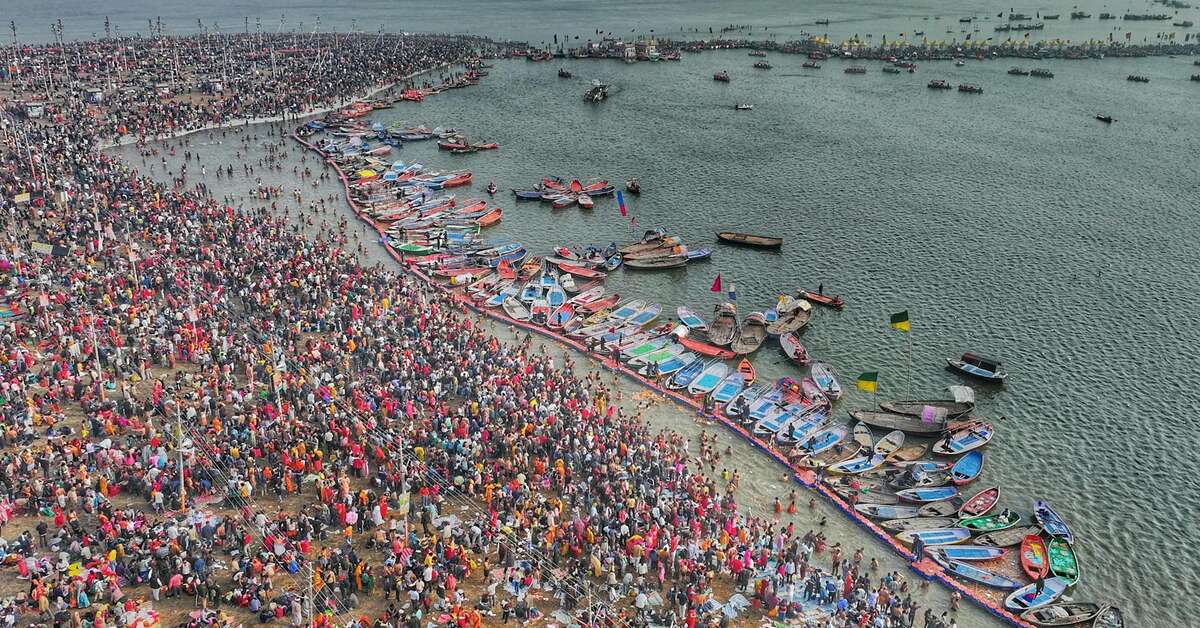
Magh Mela 2026 Complete Guide : Magh Mela 2026 camp cost varies from budget-friendly options starting at ₹3,500 per night to ultra-luxury tents reaching ₹1,00,000 per night, offering pilgrims diverse accommodation choices at the sacred Triveni Sangam in Prayagraj. Following the grand Maha Kumbh 2025 that attracted over 400 million devotees, the annual Magh Mela continues the spiritual legacy with 44 days of divine immersion, sacred bathing rituals, and transformative experiences at the confluence of the Ganga, Yamuna, and the mystical Saraswati. Whether you’re seeking spiritual purification through holy dips on auspicious ashnan dates or planning a comfortable pilgrimage with premium camping facilities, understanding the complete guide to Magh Mela 2026 ensures your journey becomes as seamless as it is sacred.
Imagine standing at the world’s holiest confluence as dawn breaks, witnessing millions of devotees taking synchronized dips in sacred waters while Vedic chants fill the air. This is Magh Mela—not just a festival, but a living testament to India’s ancient spiritual heritage where faith becomes visible and belief walks barefoot upon sacred sands. Ready to embark on this transformative pilgrimage?
Understanding Magh Mela 2026: What Makes It Special
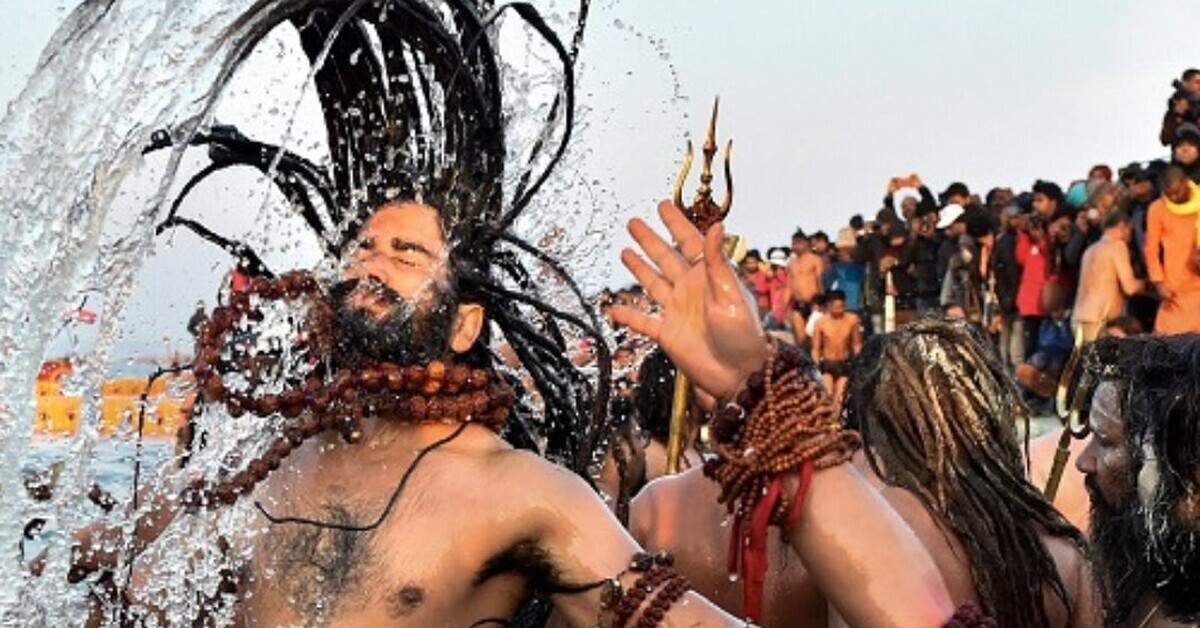
Magh Mela represents one of Hinduism’s most sacred annual gatherings, held every year at Prayagraj during the Hindu month of Magh (January-February). Unlike the Maha Kumbh Mela which occurs once every 12 years, Magh Mela provides devotees an annual opportunity to experience the spiritual power of Triveni Sangam. The festival’s significance lies in its promise of spiritual purification—taking a holy dip during this auspicious period is believed to cleanse sins, fulfill wishes, and bring devotees closer to moksha (liberation from the cycle of rebirth).
The 2026 Magh Mela holds special importance as it immediately follows the monumental Maha Kumbh 2025, which witnessed unprecedented participation. For those who missed the grand Kumbh, Magh Mela 2026 offers another sacred opportunity to experience the divine energy of Sangam. The festival attracts not only householder devotees but also Kalpavasis—spiritual seekers who spend the entire month living on the river banks, following strict spiritual disciplines including daily sacred bathing, extended meditation, and austere living conditions that facilitate profound consciousness transformation.
What distinguishes Magh Mela from other religious gatherings is its perfect balance between spiritual intensity and peaceful contemplation. While Kumbh Mela showcases grand processions of Akharas and elaborate religious ceremonies, Magh Mela offers a more intimate spiritual atmosphere conducive to personal devotion, meditation, and inner reflection. The sacred waters of Triveni Sangam carry the same spiritual potency throughout Magh, making every dip during this period immensely auspicious.
Magh Mela 2026 Complete Dates & Duration
Magh Mela 2026 will unfold over 44 sacred days, beginning on January 3 and concluding on February 15, 2026. Each day during this period holds spiritual significance, but certain dates shine with extraordinary cosmic alignment and spiritual potency. Planning your visit around these key dates ensures you experience Magh Mela at its most powerful and transformative.
The festival commences on Paush Purnima (January 3, 2026—Saturday), marking the official opening when Kalpavasis take their first holy dip and vow to remain at the Sangam for the entire month. The atmosphere on this day combines anticipation with devotion as temporary tent cities spring to life and spiritual seekers from across India converge at the sacred confluence. The administrative machinery also kicks into full gear, with enhanced security, medical facilities, and crowd management systems becoming operational.
The Magh Mela concludes on Mahashivratri (February 15, 2026), when devotees take their final holy dip before the temporary spiritual township begins dismantling. This closing ceremony carries its own profound significance, as pilgrims bid farewell to the sacred river after weeks of spiritual immersion. Between these bookends, the festival maintains continuous spiritual energy with daily rituals, evening aarti ceremonies, spiritual discourses by revered saints, and constant movement of devotees performing their sacred ablutions.
Major Ashnan (Sacred Bathing) Dates for Magh Mela 2026
The spiritual calendar of Magh Mela revolves around specific ashnan or snan dates—auspicious days when the cosmic alignment amplifies the spiritual benefits of bathing at Triveni Sangam. These dates attract the largest crowds and witness the most intense spiritual energy. Understanding these key bathing dates helps pilgrims plan their visit to maximize spiritual benefits while navigating crowd management effectively.
Paush Purnima (January 3, 2026—Saturday): The inaugural sacred bath marking Magh Mela’s commencement. Devotees offer prayers to both the Sun and Moon gods for purification and fulfillment of wishes. Kalpavasis begin their month-long spiritual retreat on this day, making it particularly auspicious for taking vows and initiating spiritual practices. The bathing begins before sunrise, with devotees believing the pre-dawn hours carry maximum spiritual potency.
Makar Sankranti (January 14, 2026—Wednesday): One of the most important bathing days symbolizing the Sun’s transition into Capricorn (Makara Rashi) and the beginning of Uttarayana—the Sun’s northward journey. Celebrated across India, this day holds special significance at Prayagraj where millions gather for spiritual renewal and thanksgiving. The early morning hours witness unprecedented crowds as devotees rush to take the first dip after sunrise, considered highly meritorious.
Mauni Amavasya (January 18, 2026—Sunday): The grandest and most spiritually powerful day of Magh Mela 2026. This new moon day is considered the holiest bathing date when millions of pilgrims and saints gather at Sangam practicing silence (maun) and deep meditation. The spiritual atmosphere on this day becomes almost tangible as devotees observe silence, believing that bathing without speaking amplifies spiritual purification. Expect maximum crowds and plan to arrive very early for optimal bathing access.
Basant Panchami (January 23, 2026—Friday): Celebrating spring’s arrival and honoring Goddess Saraswati, the deity of wisdom and knowledge. Devotees traditionally wear yellow clothing symbolizing mustard fields blooming across North India. This day attracts students, scholars, and knowledge-seekers who pray for educational success and wisdom. The atmosphere becomes particularly colorful with yellow flowers, clothing, and decorations throughout the Mela grounds.
Maghi Purnima (February 1, 2026—Sunday): The final major bathing day for householder devotees who typically conclude their Magh Mela participation on this full moon. Kalpavasis continue their stay until Mahashivratri, but most pilgrims take their concluding dip on Maghi Purnima before returning home. The day carries significance for seeking blessings for family prosperity and household harmony.
Mahashivratri (February 15, 2026—Sunday): The closing bathing day coinciding with the festival dedicated to Lord Shiva. This provides the final opportunity for holy dips during Magh Mela 2026. The day combines Shaivite devotion with Sangam’s sacred energy, creating a uniquely powerful spiritual experience. Devotees perform Shiva puja and take ritual baths believing this grants special blessings.
Kumbh Mela vs. Magh Mela: Understanding the Difference
Many pilgrims confuse Magh Mela with Kumbh Mela, so clarifying these distinctions ensures proper planning and understanding. Kumbh Mela happens once every 12 years at four specific locations—Prayagraj, Haridwar, Nashik, and Ujjain—based on specific astrological alignments of Jupiter, Sun, and Moon. The Maha Kumbh at Prayagraj, occurring once every 144 years, represents the grandest iteration. The 2025 Maha Kumbh attracted over 400 million devotees, making it potentially the largest human gathering in history.
Magh Mela, conversely, occurs annually at Prayagraj during the month of Magh (January-February), regardless of planetary positions. While smaller in scale than Kumbh Mela, it maintains profound spiritual significance and attracts millions of devotees. The sacred potency of Triveni Sangam remains constant, making Magh Mela’s bathing rituals equally meritorious for spiritual purification and blessing seekers.
The infrastructure and organizational scale differ significantly. Kumbh Mela sees massive government investment with extensive temporary infrastructure including hundreds of pontoon bridges, elaborate security arrangements, international media coverage, and participation by all major Akharas (monastic orders) with their grand processions. Magh Mela, while well-organized, operates on a smaller scale with more modest infrastructure suitable for its annual occurrence and smaller (though still substantial) crowds.
The spiritual atmosphere also differs. Kumbh Mela buzzes with festival energy, grand religious ceremonies, elaborate Akhara camps, and constant processions creating a celebratory religious carnival. Magh Mela offers a more serene, contemplative environment conducive to sustained spiritual practice. Kalpavasis practicing month-long meditation and austerities define Magh Mela’s character, while Kumbh Mela emphasizes spectacular religious pageantry and mass participation during specific royal bathing dates.
Camp Accommodation Costs for Magh Mela 2026
Accommodation planning is crucial for comfortable Magh Mela participation, with options ranging from basic tents to ultra-luxury camps. Prices vary significantly based on amenities, location proximity to Sangam, and booking timing. Understanding the accommodation categories and their typical costs helps pilgrims choose options matching their budget and comfort preferences.
Budget Category Camps (₹1,500-5,000 per night)
Budget accommodations provide basic but clean facilities suitable for pilgrims prioritizing spirituality over luxury. These camps typically feature simple tents with basic bedding, shared or attached washrooms (depending on specific package), electricity for limited hours, and vegetarian satvik meals included in the rate. Location-wise, budget camps may be positioned 2-4 kilometers from Sangam, requiring walking or shuttle services for bathing access.
Economy options start around ₹1,500 per night per bed with additional meal charges of approximately ₹700 per day, while better-equipped budget camps range ₹3,000-5,000 per night including meals. These camps suit groups, families on budget, or spiritual seekers unconcerned with luxury amenities. Some religious organizations and ashrams offer even more economical options (₹500-1,000 per night) for their devotees, though availability is limited and bookings require early planning through organizational channels.
Facilities typically include basic security, medical aid access, common bathing facilities for river dips, and community dining areas serving simple satvik food. Don’t expect luxury bathrooms, air conditioning, or extensive room service—these camps emphasize functional simplicity over comfort. The spiritual atmosphere often compensates for basic amenities, with devotional singing, group meditation sessions, and religious discourses creating enriching experiences.
Mid-Range/Deluxe Category (₹5,000-15,000 per night)
Mid-range camps balance comfort with affordability, offering attached bathrooms, better bedding quality, more reliable electricity, improved dining facilities, and closer proximity to Sangam (typically 1-2 kilometers). These camps attract families, middle-class pilgrims, and first-time visitors seeking reasonable comfort while participating in spiritual activities.
Deluxe tent accommodations range ₹8,000-12,000 per night for double occupancy with attached toilets, clean dining facilities serving diverse vegetarian cuisine, better security arrangements, and organized bathing excursions to Sangam. Some operators include guided tours to Akharas, evening aarti attendance, and spiritual discourse sessions in their packages. Premium deluxe options approaching ₹15,000 per night might offer limited air cooling (fans or air coolers), better bathroom fixtures with reliable hot water, and more spacious tents (200-250 square feet).
Mid-range camps typically operate within designated tent city areas approved by UP Tourism, ensuring better infrastructure coordination, sanitation standards, and emergency access. Staff assistance includes help with local transportation arrangements, medical needs, and navigation within the extensive Mela grounds. Many mid-range operators offer package deals for multiple nights with marginally better per-night rates for 3+ night bookings.
Luxury/Premium Category (₹15,000-50,000 per night)
Luxury camps target affluent pilgrims, international visitors, and those seeking premium comfort while experiencing Magh Mela’s spiritual intensity. These accommodations feature spacious tents (280+ square feet) with proper beds (not just mattresses), attached bathrooms with modern fixtures and reliable hot water, air cooling or air conditioning, private sit-out areas, and elegant interior furnishings that blend traditional aesthetics with modern comfort.
Packages typically range ₹15,000-25,000 per night for standard luxury tents, rising to ₹30,000-50,000 for super-luxury categories featuring king-size beds, premium linens, attached verandas with Sangam views, butler service, and exclusive dining arrangements. Meals showcase high-quality satvik cuisine with diverse menu options, often prepared by experienced chefs rather than basic camp cooks. Some luxury operators offer international cuisine alongside traditional Indian vegetarian fare.
Premium camps position themselves closest to Sangam (within 500-1,000 meters), with some featuring dedicated private bathing ghats exclusively for their guests. Additional services include complimentary escort assistance for holy dips, organized yoga and meditation sessions with experienced instructors, guided spiritual tours including Akhara visits and meetings with saints, cultural programs featuring classical music and dance performances, and 24-hour concierge services addressing any guest needs.
Infrastructure at luxury camps exceeds basic standards—think landscaped premises, elegant common areas, well-maintained walkways, sophisticated lighting, and superior security arrangements. Medical facilities include on-site doctors or nurses, while communication facilities ensure guests remain connected if needed. These camps attract business executives, NRI families, and international spiritual tourists seeking authentic experiences without sacrificing comfort.
Ultra-Luxury/Five-Star Category (₹50,000-1,00,000+ per night)
At the pinnacle sit ultra-luxury camps exemplified by operators like The Ultimate Travelling Camp (TUTC), which charged ₹1,00,000 per night during Maha Kumbh 2025 for their Sangam Nivas Prayagraj campsite. These accommodations completely redefine camping, offering hotel-quality amenities in tented settings that blend luxury with the spiritual atmosphere.
Ultra-luxury tents feature en-suite bathrooms with premium fixtures, heating systems for cold January nights, running hot and cold water throughout the day, king-size beds with luxury linens, elegant furniture, private verandas with panoramic Sangam views, and butler services anticipating every need. Some feature air conditioning despite the temporary nature, achieved through sophisticated power generation systems.
Dining experiences match five-star standards with multi-cuisine options, private dining arrangements if desired, premium ingredients, and presentation quality rivaling luxury hotels. Additional experiences include private yoga sessions with renowned instructors, personalized meditation guidance, exclusive meetings with spiritual leaders and saints, guided tours with expert historians, and cultural programs featuring classical artists.
Location-wise, ultra-luxury camps occupy premium sites with unobstructed Sangam views, often on elevated positions providing panoramic vistas of the entire Mela grounds. The exclusivity extends to access—private pathways to bathing areas, dedicated boat services for river ceremonies, and VIP arrangements for major bathing dates avoiding crowds. These camps target ultra-high-net-worth individuals, international celebrities, spiritual leaders, and those seeking the ultimate blend of spirituality and luxury.
What’s Typically Included in Camp Packages
Understanding package inclusions helps evaluate value and avoid surprise expenses. Most organized camps include:
Accommodation: Tent or cottage for specified nights with bedding, pillows, and basic furnishings. Higher categories include better bedding quality, larger space, and superior furnishings.
Meals: Vegetarian satvik meals (cooked without onion, garlic, or meat) typically include breakfast, lunch, evening tea with snacks, and dinner. Budget camps offer simple thalis, while luxury camps provide diverse multi-cuisine options. Meal timing follows traditional schedules—early breakfast (6-8 AM), lunch (12-2 PM), evening tea (4-5 PM), and dinner (7-9 PM).
Bathing Arrangements: Organized escort services to Sangam for holy dips during auspicious times, particularly important during major bathing dates when crowds intensify. Some premium camps include dedicated boats for reaching central Sangam bathing spots, while others arrange early morning walking groups with guides navigating optimal routes.
Basic Amenities: Electricity for specified hours (typically evening through morning), drinking water (filtered or bottled depending on category), shared or attached washrooms based on package tier, and common areas for socializing and rest.
Security and Safety: 24-hour security personnel, emergency medical access, lost and found services, and coordination with Mela administration for safety advisories.
Additional Services (Premium Camps): Yoga and meditation sessions, spiritual discourses and satsangs, guided tours to Akharas and meeting saints, cultural programs featuring devotional music and dance, laundry services, and communication facilities.
Exclusions typically include personal expenses, special tours outside Mela grounds, private transportation, tipping, additional food/beverages beyond meal packages, and any special ritual arrangements (though camps can usually coordinate these for additional fees).
Booking Tips and Strategies for Best Rates
Securing optimal accommodation at reasonable prices requires strategic planning and early action:
Book Early (3-4 Months Advance): Popular camps, especially those near Sangam or offering good value, fill quickly. Booking by September-October 2025 for January-February 2026 ensures better selection and potentially early-bird discounts. Major bathing dates (especially Mauni Amavasya) see camps fully booked months ahead.
Compare Multiple Operators: Prices and inclusions vary significantly between operators for similar accommodation categories. Request detailed quotations from 4-5 operators, carefully comparing what’s included, exact location (distance to Sangam matters significantly), cancellation policies, and additional charges.
Consider Package Deals: Many operators offer better per-night rates for 3+ night bookings versus single nights. If planning to attend multiple bathing dates, negotiating multi-night packages often yields 10-20% savings over individual night bookings.
Location vs. Cost Trade-Off: Camps within 1 kilometer of Sangam command premium pricing but save significant walking time and energy, particularly valuable during major bathing dates. Camps 2-4 kilometers away cost substantially less but require shuttle services or walking. Evaluate this trade-off based on your physical capabilities, group composition (elderly/children), and priorities.
Religious Organizations and Ashrams: If you’re affiliated with any spiritual organization, ashram, or religious group, inquire about their Magh Mela arrangements. Many maintain camps exclusively for devotees at significantly reduced rates or even free accommodation in exchange for seva (volunteer service). These options offer authentic spiritual immersion and community, though amenities remain basic.
Group Bookings: Traveling with family or friends? Group bookings (5+ people) often secure discounted rates, especially from mid-range and luxury operators looking to fill multiple tents. Negotiate directly rather than booking individually.
Verify Legitimacy: Unfortunately, Magh Mela attracts some fraudulent operators. Book only through verified operators with physical offices, verifiable reviews from past Kumbh/Magh Melas, and transparent cancellation policies. Demand written confirmation with complete details—operator contact information, exact tent category, location specifications, and inclusion clarity.
Peak Date Pricing: Rates increase substantially for Mauni Amavasya and Makar Sankranti dates compared to non-peak days. If budget-constrained, consider attending during less crowded dates while still experiencing Magh Mela’s spiritual atmosphere.
Government and Semi-Government Options
UP Tourism operates tent cities during major religious gatherings, offering standardized accommodation at competitive rates with government oversight ensuring service standards. These camps provide good middle-ground options—better than basic private budget camps but more affordable than luxury operators. Booking opens through official UP Tourism channels (online portal and physical offices), though the booking process can be challenging during high-demand periods.
Railway retiring rooms at Prayagraj Junction offer another economical option for those planning brief visits (single night stays for specific bathing dates). These provide basic accommodation at nominal rates but book out extremely quickly. Similarly, dharamshalas (religious guesthouses) operated by various trusts offer economical stays, though facilities remain quite basic and availability is limited.
How to Reach Prayagraj for Magh Mela 2026
Prayagraj’s connectivity has improved significantly, making spiritual journeys increasingly accessible:
By Air
Bamrauli Airport (Prayagraj Airport) stands just 12 kilometers from the city center, offering convenient access. During Magh Mela, airline operations expand with enhanced flight schedules from major cities including Delhi (1.5 hours flight time), Mumbai (2.5 hours), Kolkata (2 hours), Bangalore (3 hours), and Hyderabad (2.5 hours). Lucknow’s Chaudhary Charan Singh International Airport (200 kilometers away) provides additional access with more flight options, requiring a 3-4 hour road journey to Prayagraj.
Pre-book airport transfers as taxis and app-based services (Ola/Uber) can be limited during peak periods. Many camp operators offer complimentary or nominal-cost airport pickup included in their packages, particularly for premium bookings. Verify this service when booking accommodation to ensure seamless arrival experiences.
By Train
Prayagraj’s railway network is extensive, with Prayagraj Junction and Prayagraj Chheoki being major stations connecting to pan-India destinations. During Magh Mela 2026, Indian Railways operates approximately 150 special MEMU trains from Delhi, Lucknow, Kanpur, Varanasi, Manikpur, Mumbai, and other major cities. Regular express and mail trains also increase frequency during the festival period.
Major trains serving Prayagraj include Duronto Express, Rajdhani Express, and numerous Intercity services. Travel time from Delhi is approximately 6-8 hours depending on train type, from Mumbai 20-24 hours, from Kolkata 14-16 hours, and from Varanasi 3-4 hours. Book train tickets well in advance (opening 120 days prior) as quota fills rapidly during Magh Mela season.
Railway stations during Magh Mela witness tremendous crowds, particularly around major bathing dates. Arrange accommodation pickup services rather than relying on station taxis to avoid inflated pricing and confusion. Special shuttle services and e-rickshaws operate from stations to major Mela sectors during the festival period.
By Road
National highways connect Prayagraj to major North Indian cities with good road conditions. Distances include: Delhi 650 kilometers (10-12 hours), Lucknow 200 kilometers (3-4 hours), Kanpur 120 kilometers (2-3 hours), Varanasi 120 kilometers (2-3 hours), and Agra 380 kilometers (6-7 hours). Government and private bus operators run regular services, with increased frequency during Magh Mela including luxury AC Volvo services for comfortable travel.
Private vehicles offer flexibility but require careful planning regarding parking limitations, traffic restrictions, and route diversions during Magh Mela. Major roads leading to Sangam experience heavy congestion during bathing dates. Many camps provide dedicated parking, though availability is limited and advance notification essential. Hiring a car with driver costs approximately ₹10-15 per kilometer for multi-day local use, providing convenient transport between accommodation, Sangam, and other religious sites.
Local Transportation Within Magh Mela Grounds
The Mela area spans several square kilometers with designated sectors requiring efficient internal transportation:
Walking: Most practical for traveling between camps and nearby Sangam bathing points during non-peak times. Well-maintained pedestrian pathways connect major sectors, though distances can be substantial. Comfortable walking shoes essential, along with awareness that January-February mornings can be quite cold and foggy.
E-Rickshaws and Battery Vehicles: Environmentally-friendly electric rickshaws operate throughout Mela grounds, charging nominal fares (₹20-50 depending on distance). These vehicles access narrower lanes where larger vehicles cannot reach, providing convenient last-mile connectivity.
Shuttle Services: Government-operated shuttle vans and mini-buses run designated routes connecting different Mela sectors with Sangam bathing areas. These services intensify during major bathing dates, operating nearly 24-hours to accommodate early morning bathing schedules.
Cycle Rickshaws: Traditional cycle rickshaws remain popular for short distances, particularly in congested areas. Negotiate fares beforehand (typically ₹30-100 for short rides within Mela grounds). These provide leisurely travel allowing better Mela atmosphere absorption compared to motorized transport.
Private Vehicles: Generally restricted during major bathing dates when authorities seal many areas for pedestrian safety. Private vehicles make sense only for traveling between city accommodations and Mela boundaries, not within main Mela sectors.
Organized Camp Services: Premium camps provide dedicated shuttle services for guests, running scheduled trips to Sangam for morning bathing and evening aarti ceremonies. This convenience eliminates navigation stress and ensures timely arrival for auspicious bathing times.
Facilities and Infrastructure at Magh Mela 2026
The UP government invests substantially in Magh Mela infrastructure to ensure pilgrim safety, comfort, and spiritual fulfillment:
Sanitation and Water
Clean drinking water supply through filtered water stations positioned throughout Mela grounds, with camps maintaining individual water filtration systems. Public toilet facilities at regular intervals with ongoing cleaning and maintenance, though standards vary and peak times create pressure. Most camps provide superior washroom facilities included in accommodation packages.
Medical Facilities
24-hour medical camps staffed by doctors and nurses handle emergencies, with ambulance services for serious cases requiring hospitalization. Temporary hospitals equipped with modern facilities including ICUs operate for the festival duration. Medicine distribution camps provide free basic medications. Despite robust medical infrastructure, maintaining personal health through adequate hydration, hand hygiene, and warm clothing proves essential during cold January-February weather.
Security Arrangements
Comprehensive CCTV surveillance across Mela grounds monitored by control rooms coordinating security forces. Thousands of police personnel including specialized units for crowd management, particularly during major bathing dates. River safety teams including trained swimmers and rescue boats monitor bathing areas. Lost and found centers help reunite separated family members—particularly important given the massive crowds. Emergency helpline numbers operate 24/7 for reporting problems or seeking assistance.
Communication and Technology
Enhanced mobile network coverage with temporary towers ensuring connectivity throughout Mela grounds. Public address systems broadcast important announcements regarding bathing schedules, safety advisories, and lost persons. Digital registration systems help authorities track pilgrim numbers and movement patterns, while providing statistical data for better management. Some areas feature WiFi hotspots, though connectivity can be inconsistent during peak congestion.
Pontoon Bridges
Eight temporary pontoon bridges spanning the rivers connect different Mela sectors and facilitate access to central Sangam bathing areas. These engineering marvels support massive pedestrian traffic while allowing boat passage, though authorities occasionally close bridges during extreme crowding for safety. Additional bridges near Phaphamau specifically assist pilgrims arriving from Lucknow and Faizabad directions.
Administrative Organization
Six large sectors divide the Mela area, each with dedicated management teams coordinating various services—health, sanitation, security, fire safety, and disaster management. For the first time, 3D mapping technology shapes the temporary city layout, with drones tracing river curves and marking safe spots for camps and devotee congregation. This technological integration improves both safety and operational efficiency.
Food and Catering
Massive langars (community kitchens) run by ashrams, religious organizations, and volunteers serve free satvik meals to millions, embodying the spirit of seva (selfless service). These typically operate around major bathing dates and along main pathways. Street vendors offer traditional vegetarian food from various Indian states, creating diverse culinary experiences beyond camp dining. However, visitors should exercise caution with street food, choosing busy establishments with visible hygiene practices.
Spiritual Practices and Experiences at Magh Mela
Beyond holy bathing, Magh Mela offers diverse spiritual experiences enriching your pilgrimage:
Kalpvas Practice
The most intensive spiritual practice involves month-long residence at Sangam following strict disciplines. Kalpavasis wake before dawn for daily sacred bathing regardless of cold temperatures, spend hours in meditation and prayer, maintain simple vegetarian diets, sleep in basic tents on river banks, and dedicate themselves to spiritual contemplation away from worldly concerns. While most pilgrims cannot commit to month-long stays, even witnessing Kalpavasis inspires deeper spiritual awareness and respect for dedicated practitioners.
Akhara Visits
Various Hindu monastic orders (Akharas) establish camps during Magh Mela, welcoming visitors for darshan (viewing) of sadhus and spiritual leaders. These visits offer glimpses into ancient ascetic traditions, opportunities to receive blessings from revered saints, and participation in spiritual discourses explaining Hindu philosophy and practices. Premium camp packages often include organized Akhara tours with knowledgeable guides providing context and facilitating meaningful interactions.
Ganga Aarti Ceremonies
Evening aarti ceremonies at Sangam create magical spiritual atmospheres as priests perform elaborate fire rituals accompanied by devotional singing, bell ringing, and conch shell sounds. Thousands gather along riverbanks holding small oil lamps, creating mesmerizing scenes of floating lights reflecting on sacred waters. Participating in or witnessing Ganga aarti provides profound spiritual experiences connecting individual devotion with collective worship.
Spiritual Discourses and Satsangs
Renowned spiritual teachers and saints conduct daily discourses explaining Vedic texts, Hindu philosophy, meditation techniques, and paths to spiritual realization. These satsangs (spiritual gatherings) occur at various Akhara camps and organized venues, often with translation available for non-Hindi speakers. Many camps arrange exclusive satsangs for their guests, providing intimate spiritual learning opportunities.
Meditation and Yoga
The Magh Mela atmosphere naturally facilitates deep meditation, with the sacred river’s presence and collective spiritual energy creating conducive environments for inner exploration. Many camps organize guided meditation sessions, yoga classes, and pranayama (breathing exercises) helping visitors deepen their practices. Early morning meditation sessions beside the river as mist rises from Sangam create transcendent experiences many describe as life-changing.
Ritual Ceremonies
Pilgrims perform various religious rituals including pinda-daan (ancestral offerings), sankalpa (vow-taking), havans (fire ceremonies), and special pujas for specific deities or intentions. Many camps maintain dedicated havan areas and can arrange priests for personal ceremonies. These rituals connect participants with ancient traditions while addressing personal spiritual aspirations and family well-being.
Beyond Bathing: Exploring Prayagraj During Magh Mela
Extend your spiritual journey by visiting Prayagraj’s other significant sites:
Hanuman Temple (Bade Hanuman Ji)
This unique temple features a reclining Hanuman idol in a position where his feet point toward Sangam. According to tradition, the idol remains submerged when river levels rise during monsoons, emerging again as waters recede. The temple’s spiritual energy and architectural distinctiveness make it a must-visit for Hanuman devotees.
Akshayavat (Immortal Banyan Tree)
Located within Patalpuri Temple inside Allahabad Fort, this sacred fig tree appears in Hindu scriptures as existing since time immemorial. Viewing requires special permission as the fort remains under military jurisdiction, though arranging access during Magh Mela is possible through proper channels.
Anand Bhavan
The ancestral home of the Nehru-Gandhi family now operates as a museum showcasing Indian independence history. This well-maintained colonial-era mansion offers respite from intense spiritual activities while educating visitors about India’s freedom struggle. The peaceful gardens provide pleasant surroundings for reflection.
Allahabad Museum
Housing extensive collections spanning archaeology, art, and natural history, this museum includes rare Buddhist sculptures, terracotta artifacts, and historical documents. The Egyptian mummy displayed here attracts curious visitors, while the art gallery showcases works by renowned Indian painters.
Other Temples and Religious Sites
Prayagraj’s religious landscape extends beyond Sangam with numerous temples dedicated to various deities. Mankameshwar Temple (ancient Shiva temple), Someshwar Mahadev Temple, Nagvasuki Temple, Alopi Devi Temple, and Kalyani Devi Temple each offer unique spiritual atmospheres and architectural heritage worth exploring.
Practical Tips for First-Time Magh Mela Visitors
Clothing and Essentials
January-February brings cold weather to North India, particularly during early mornings and nights. Pack layered clothing including warm sweaters or jackets, shawls or wraps for evening aarti, comfortable walking shoes with good grip (riverbanks can be slippery), extra pair of footwear that can get wet during bathing, modest traditional Indian clothing for temple visits, and quick-dry clothes for post-bathing comfort. Essential items include personal medications, hand sanitizer and wet wipes, flashlight or headlamp for early morning bathing in darkness, reusable water bottle, and waterproof bag for protecting valuables during bathing.
FAQ
Q1. How can I book a camp or tent stay?
A: Camps can be booked through the official Kumbh Mela website, authorized tour operators, or reputed travel agencies like Tripcosmos Tours and Travels. It’s best to book early as spots fill up fast.
Q2. What facilities are provided in luxury camps?
A: Luxury camps include comfortable beds, attached bathrooms, air coolers/heaters, power backup, Wi-Fi, and traditional meals. Some camps also offer yoga, meditation sessions, and evening aartis near the Sangam.
A: Magh Mela is an annual mini version of Kumbh held every year in Prayagraj during the Hindu month of Magh (January–February). In Kumbh years like 2026, Magh Mela becomes part of the larger Kumbh celebrations.
Q4. Can foreigners visit Kumbh Mela 2026?
A: Yes, international visitors are warmly welcomed. Many camps provide English-speaking guides and special foreign tourist assistance centers.
Q5. Are photography and videography allowed?
A: Photography is generally allowed, but avoid capturing Sadhus or devotees without permission, especially during private rituals or bathin