Magh Mela and Prayagraj Tour Package A Spiritual Journey , Have you ever felt a deep yearning to connect with something greater than yourself? A desire to wash away the burdens of everyday life and emerge spiritually renewed? That’s exactly what draws millions of devotees to Prayagraj every winter for the Magh Mela—one of India’s most profound spiritual gatherings.
While the world may be familiar with the grand Kumbh Mela, the annual Magh Mela is equally powerful, offering a more intimate yet deeply transformative experience. Imagine standing at the confluence of sacred rivers as the first rays of dawn break through the winter mist, joining countless souls in a timeless ritual of purification and devotion. This isn’t just a festival; it’s a spiritual pilgrimage that has been calling seekers for thousands of years.
A Magh Mela and Prayagraj tour package isn’t merely about visiting a religious fair—it’s about embarking on an inner journey, witnessing faith in its purest form, and experiencing a slice of ancient India that still thrives in the modern world.
What is Magh Mela? Understanding This Ancient Tradition
The Historical Roots of Magh Mela
Magh Mela is an annual gathering held at the Triveni Sangam in Prayagraj during the Hindu month of Magh (January-February). But calling it just a “gathering” would be a gross understatement. This is a living tradition that dates back centuries, mentioned in ancient Hindu scriptures including the Vedas and Puranas.
Magh Mela and Prayagraj Tour Package A Spiritual Journey , According to Hindu mythology and tradition, taking a holy dip at the Sangam during the month of Magh is considered highly auspicious. The scriptures suggest that bathing here during this period cleanses one’s soul of past sins and brings spiritual merit that aids in liberation (moksha). Think of it as a spiritual reset button—a chance to start fresh with divine blessings.
The Magh Mela typically lasts for about 45 days, beginning on Makar Sankranti and concluding on Maha Shivratri. During this period, the otherwise bustling city of Prayagraj transforms into a spiritual hub where the material world seems to fade away, replaced by chants, prayers, and an overwhelming sense of devotion.
Magh Mela vs Kumbh Mela: Understanding the Difference
You might be wondering: “How is Magh Mela different from Kumbh Mela?” Great question! While both take place at the same sacred location, there are key differences.
The Kumbh Mela occurs every 12 years (with Ardh Kumbh every 6 years), drawing over 100 million pilgrims in what becomes the world’s largest human gathering. It’s massive, overwhelming, and often described as organized chaos on an unimaginable scale.
Magh Mela, on the other hand, happens annually and is comparatively smaller, drawing between 10-15 million pilgrims over its duration. This makes it more manageable and, some would argue, more intimate. You get the essence of the Kumbh experience without the overwhelming crowds. It’s like choosing between a massive rock concert and an acoustic session—both are powerful, but one offers a more personal connection.
Why Magh Mela is Special for Spiritual Seekers
The Auspicious Month of Magh
In Hindu cosmology, timing matters immensely. The month of Magh holds special significance because it’s considered one of the most auspicious periods in the Hindu calendar. According to the Bhagavad Gita, Lord Krishna himself declares Magh as the month representing him among all months.
During Magh, the Sun enters the zodiac sign of Capricorn (Makar), marking the end of the winter solstice and the beginning of longer days. This astronomical shift is celebrated as Makar Sankranti and is believed to be particularly favorable for spiritual practices. The cosmic energies during this period are said to be conducive to meditation, prayer, and self-reflection.
Spiritual Benefits of Bathing During Magh Mela
Why do millions brave the cold winter waters of the Sangam? According to Hindu belief, bathing at the confluence during Magh multiplies the spiritual benefits manifold. Each dip is believed to wash away accumulated karma and bring the devotee closer to spiritual liberation.
But beyond religious doctrine, there’s something deeply transformative about immersing yourself in these sacred waters. It’s a physical act with profound psychological and spiritual implications—a symbolic letting go of the past and a commitment to spiritual growth. Many devotees report feeling lighter, more peaceful, and spiritually rejuvenated after their holy dip. Is it divine intervention or the power of faith and ritual? Perhaps it’s both.
Key Dates and Important Bathing Days at Magh Mela
While devotees can bathe any day during Magh Mela, certain dates are considered especially auspicious. Let’s explore the most important bathing days that you should consider when planning your visit.
Makar Sankranti: The First Holy Dip
Makar Sankranti marks the official beginning of Magh Mela and is one of its most important days. Usually falling on January 14th or 15th, this day sees hundreds of thousands of devotees converging at the Sangam for the first sacred bath of the season.
The atmosphere on Makar Sankranti is electric. You’ll witness Naga Sadhus leading processions to the river, their ash-covered bodies and matted locks creating an otherworldly sight. The banks resonate with Vedic chants, temple bells, and devotional songs. Taking a dip on this day is believed to bring prosperity and remove obstacles from one’s life.
Mauni Amavasya: The Most Sacred Day
If you can only attend Magh Mela on one day, make it Mauni Amavasya—the new moon day that typically falls in late January or early February. This is considered the most auspicious bathing day of the entire Magh Mela period, and the crowds reflect this belief.
“Mauni” means silent, and many devotees observe a vow of silence on this day, believing it enhances the spiritual benefits of their bath. The tradition holds that bathing on Mauni Amavasya can wash away sins of multiple lifetimes. The sheer number of people taking the holy dip on this day creates an indescribable energy—it’s devotion made visible, faith made tangible.
Basant Panchami: Welcoming Spring
Basant Panchami, usually falling in late January or early February, marks the onset of spring and is dedicated to Goddess Saraswati, the deity of knowledge and wisdom. Devotees wear yellow clothes to symbolize the mustard flowers that bloom during this season.
The bathing ritual on Basant Panchami is particularly popular among students and seekers of knowledge. Many people initiate their children into learning on this auspicious day. The atmosphere is slightly more colorful and festive compared to other bathing days, with kite-flying competitions adding a playful element to the spiritual proceedings.
The Magh Mela Experience: What to Expect
The Tent City: A Temporary Spiritual Metropolis
One of the most remarkable aspects of Magh Mela is the temporary city that springs up seemingly overnight. Spanning several square kilometers along the Sangam, this tent city is a marvel of organization and logistics. Imagine a completely functional city with roads, electricity, water supply, medical facilities, police stations, and fire services—all assembled for just 45 days!
The Mela administration divides the area into sectors, each serving different purposes. There are residential camps for pilgrims, dedicated areas for different akharas (Hindu monastic orders), zones for commercial activities, and vast bathing areas along the riverbanks. Walking through this temporary metropolis feels surreal—it’s both ancient and modern, chaotic yet organized, temporary yet purposeful.
Daily Life at the Mela Grounds
Life at Magh Mela follows a rhythm dictated by spiritual practice and tradition. The day begins well before dawn, as devotees prepare for their holy bath. The cold winter mornings can be harsh, with temperatures often dropping to single digits, but faith overcomes physical discomfort.
Morning Rituals and Holy Baths
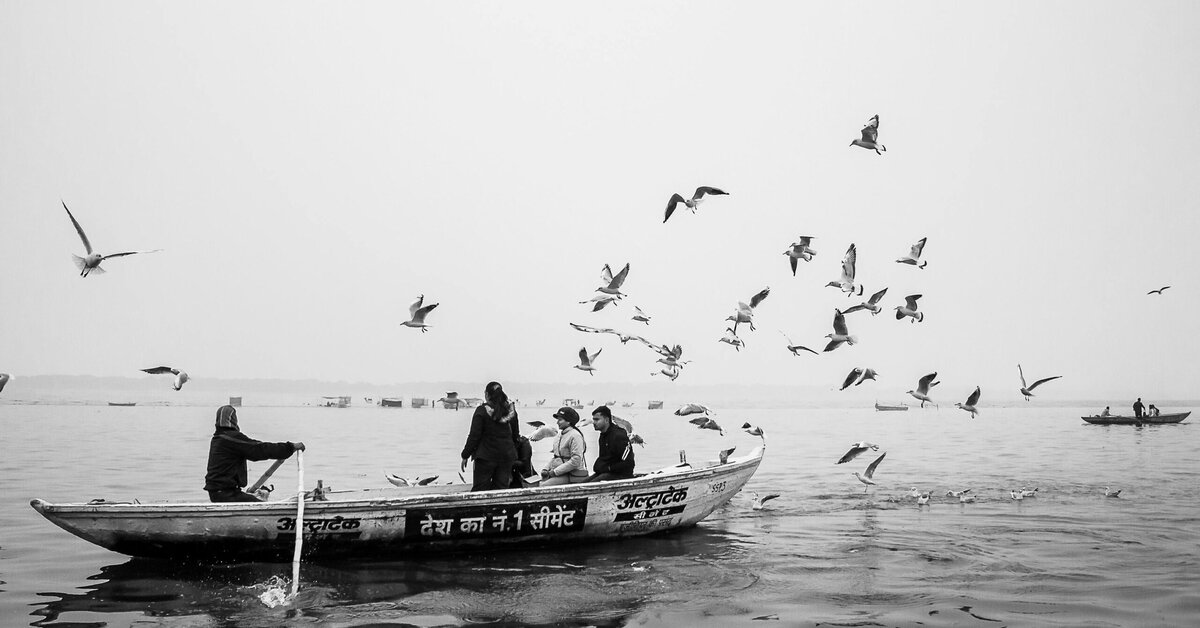
The pre-dawn hours are the most sacred time for bathing. As darkness gives way to the first hints of daylight, thousands make their way to the Sangam. The walk to the bathing ghats is itself a meditative experience—the sound of prayers, the sight of oil lamps flickering in the darkness, and the palpable sense of collective devotion create an atmosphere unlike anywhere else.
After the bath, devotees typically perform prayers, offer water to the rising sun, and sometimes conduct elaborate rituals with the help of priests. Many choose to donate clothes, food, or money to the needy, as charity performed during Magh is believed to bring additional spiritual merit.
Evening Aarti and Spiritual Gatherings
As day transitions to night, the Mela grounds come alive with evening aarti (worship ceremony) at various locations. The most spectacular is the Ganga aarti performed at the riverbanks, where hundreds of lamps are lit simultaneously, their flames reflecting off the water’s surface creating a mesmerizing sight.
Evenings are also when most satsangs (spiritual discourses) and cultural programs take place. Various religious leaders, saints, and spiritual organizations hold gatherings where they share teachings, lead devotional singing, and offer spiritual guidance. It’s an opportunity to learn, reflect, and connect with like-minded seekers.
Spiritual Activities and Attractions at Magh Mela
Akharas and Naga Sadhus
One of the most fascinating aspects of Magh Mela is the presence of various akharas—orders of Hindu ascetics and monks. These ancient monastic traditions maintain specific areas within the Mela grounds where they set up their camps.
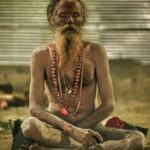
The Naga Sadhus, in particular, capture everyone’s attention. These ash-smeared, often naked ascetics with their dreadlocked hair and tridents represent an ancient tradition of extreme renunciation. Despite their fierce appearance, many are learned scholars and accomplished spiritual practitioners. Visiting the akharas offers a glimpse into a way of life that has remained largely unchanged for centuries.
Satsangs and Spiritual Discourses
Throughout Magh Mela, various spiritual leaders, swamis, and religious organizations conduct satsangs and pravachans (spiritual discourses). These gatherings serve multiple purposes—they educate devotees about scriptures, offer moral and spiritual guidance, and create a sense of community among seekers.
Some of these satsangs attract thousands of attendees, with elaborate tents set up to accommodate the crowds. Topics range from interpretations of ancient scriptures to practical advice on living a spiritual life in the modern world. Many attendees find these discourses as valuable as the ritual bath itself—after all, spiritual transformation requires both outer purification and inner understanding.
Charitable Activities and Langar
True to Hindu tradition’s emphasis on dana (charity) and seva (selfless service), Magh Mela sees extensive charitable activities. Numerous organizations and individuals run langars—free community kitchens that serve simple, nutritious meals to anyone who needs them, no questions asked.
These langars aren’t just about feeding the hungry; they embody the spiritual principle that serving others is serving the divine. Volunteers work tirelessly, cooking massive quantities of food and distributing it with genuine warmth. If you get a chance, participate in langar service—it’s a humbling and spiritually enriching experience that reminds us of our shared humanity.
Planning Your Magh Mela Tour Package
Best Time to Visit During Magh Mela
While Magh Mela lasts about 45 days, your visit timing depends on what you want to experience. If you seek the most intense spiritual atmosphere and don’t mind crowds, visit on the major bathing days—Makar Sankranti, Mauni Amavasya, or Basant Panchami.
For a more peaceful experience with fewer crowds, consider visiting during the middle weeks of Magh when daily bathing continues but the rush is considerably less. This allows you to explore the Mela grounds at leisure, interact more intimately with sadhus and spiritual seekers, and still participate in all the rituals and activities.
Weather-wise, be prepared for cold conditions. January-February in Prayagraj can be quite chilly, especially during early mornings and nights. Daytime temperatures are usually pleasant, but the early morning dip in the river requires some mental preparation!
Accommodation Options: Camps, Hotels, and Dharamshalas
Accommodation during Magh Mela ranges from basic to luxurious:
Tent Camps: Various operators set up tent camps near the Mela grounds offering different levels of comfort—from basic tents with shared facilities to luxury Swiss tents with attached bathrooms, heating, and modern amenities. These provide the most authentic Mela experience.
Hotels in Prayagraj: The city’s hotels fill up quickly during major bathing days, so book well in advance. Staying in the city gives you more comfort but means daily travel to the Mela grounds (about 5-10 km depending on your hotel location).
Dharamshalas and Ashrams: Budget-conscious pilgrims can find accommodation in dharamshalas (religious guest houses) or ashrams. These offer basic facilities at minimal or no cost but get very crowded during peak days.
Government Camps: The Uttar Pradesh government also sets up camps with reasonably priced accommodation. These are clean, safe, and well-maintained options for middle-ground comfort.
What to Pack for Magh Mela
Packing right can make or break your Magh Mela experience. Here’s what you should bring:
Clothing: Multiple sets of warm, modest clothing. Traditional Indian wear is recommended—kurta-pajamas for men, salwar-kameez or sarees for women. Pack extra clothes for after your holy bath. Don’t forget a warm shawl, jacket, and woolen cap for those cold mornings.
Bathing Essentials: Old clothes for bathing (the river water can stain), towels, and a waterproof bag for your valuables. Many people carry extra clothes to donate after their bath.
Personal Care: Hand sanitizer, toilet paper, wet wipes, sunscreen, moisturizer (the winter air is very drying), and any personal medications. Also carry a basic first-aid kit.
Practical Items: Flashlight or headlamp (power can be intermittent), power bank for your phone, reusable water bottle, and some cash in small denominations (card facilities are limited at the Mela grounds).
Spiritual Items: If you plan to perform rituals, carry items like flowers, incense, and a small prayer mat. However, most religious items are also available for purchase at the Mela.
Safety Tips and Essential Guidelines for Magh Mela
While Magh Mela is generally safe, the sheer number of people requires you to take certain precautions:
Stay Alert: Keep your valuables secure and stay aware of your surroundings. Pickpocketing can occur in crowded areas. Consider leaving expensive jewelry and unnecessary valuables at your accommodation.
Don’t Lose Your Group: The crowds can be overwhelming, especially on major bathing days. Establish a meeting point with your group in case anyone gets separated. Keep phone numbers saved and carry a fully charged phone.
Follow Bathing Safety: The river currents can be strong. Bathe only in designated areas where there are lifeguards. If you’re not a confident swimmer, don’t venture into deep water. The water can also be very cold, so limit your time in the river.
Health Precautions: Drink plenty of water, eat from hygienic sources, and avoid consuming raw or improperly cooked food. Carry basic medicines for common ailments like headaches, stomach upset, or cold.
Respect Local Customs: Photography may not be allowed in certain sacred areas or of certain individuals. Always ask permission before photographing people, especially sadhus. Dress modestly and behave respectfully at all times.
Emergency Contacts: Keep emergency numbers handy—police, medical facilities, and your tour operator or accommodation provider. The Mela administration sets up help desks and medical camps throughout the grounds.
Combining Magh Mela with Prayagraj Sightseeing
Must-Visit Places Near the Mela Grounds
Your Magh Mela experience can be beautifully complemented by exploring Prayagraj’s historical and cultural attractions:
Allahabad Fort: Just a short distance from the Mela grounds, this magnificent Mughal fort houses the Ashoka Pillar and the sacred Akshaya Vat. The fort’s architecture and historical significance make it a must-visit.
Anand Bhawan: The ancestral home of the Nehru family offers fascinating insights into India’s independence movement. It’s about 6-7 kilometers from the Sangam and makes for an interesting half-day trip.
Hanuman Mandir: This unique temple with a reclining Hanuman idol is located very close to the Sangam. Many pilgrims visit this temple before or after their holy bath.
All Saints Cathedral: If you appreciate architectural diversity, this Gothic Revival cathedral offers a completely different aesthetic experience from the Hindu temples and Mughal monuments.
Cultural Experiences Beyond the Mela
Evening Ganga Aarti: While the Mela has its own aarti ceremonies, the regular evening aarti at various ghats in Prayagraj offers a more intimate spiritual experience.
Local Markets: Explore markets like Chowk and Civil Lines for authentic local experiences. Shop for rudraksha beads, religious books, traditional handicrafts, and local snacks.
Culinary Adventures: Venture into the old city to sample authentic Prayagraj street food—from the famous chaat to traditional sweets like jalebi and imarti.
Local Food and Prasad at Magh Mela
Food at Magh Mela is an experience in itself. The Mela grounds host numerous food stalls and langars serving everything from simple, sattvic (pure vegetarian) meals to local delicacies.
Langar Meals: Start with the free langar meals—simple yet wholesome food like khichdi (rice and lentil porridge), puris (fried bread), vegetables, and dal. It’s not gourmet, but it’s prepared and served with devotion and love.
Prasad: Various ashrams and organizations distribute prasad (consecrated food)—usually sweets like ladoos, peda, or halwa. Accepting prasad is considered auspicious, and each one carries the blessings of the deity it was offered to.
Street Food: The Mela has countless stalls selling hot chai (tea), samosas, pakoras, jalebis, and other snacks. A hot cup of chai on a cold morning is pure bliss! Look for stalls with good crowds—they’re usually the most hygienic.
Traditional Foods: Don’t miss trying seasonal specialties like til-gud ladoos (sesame and jaggery sweets) typically made during Makar Sankranti, or the famous kachoris and sabzi for breakfast.
Safety Note: While most food is safe, stick to hot, freshly cooked items. Avoid raw salads, pre-cut fruits, and anything that’s been sitting out for long. Carry your own drinking water or buy sealed bottles.
Conclusion: Embracing the Spiritual Transformation
As you conclude your Magh Mela journey, you’ll realize this wasn’t just another vacation or tourist experience—it was a pilgrimage that touched something deep within your soul. Whether you’re a devout believer seeking spiritual merit or a curious traveler exploring India’s rich cultural tapestry, Magh Mela offers something profoundly moving to everyone.
The memories you carry back won’t just be of the crowds or the cold morning dips in the sacred waters. They’ll be of the collective faith of millions, the dedication of volunteers serving in langars, the wisdom shared in satsangs, and that inexplicable feeling of peace that washes over you as you stand at the Sangam watching the sun rise over the converging rivers.
Magh Mela reminds us that in our increasingly fragmented world, there are still places and occasions where millions come together united by faith, hope, and the shared human quest for meaning. It’s a celebration of tradition that has survived millennia, adapting to modern times while retaining its essential spiritual core.
A Magh Mela and Prayagraj tour package isn’t just about checking off items from a bucket list—it’s about opening yourself to transformation, experiencing ancient wisdom in living form, and connecting with the timeless spiritual current that flows through India’s heart. So take that leap of faith, brave the cold waters, immerse yourself in the experience, and let Magh Mela work its magic on your soul.
FAQs
1. Is it safe for women to attend Magh Mela alone or in small groups?
Yes, Magh Mela is generally safe for women, with heavy police deployment and designated women’s bathing areas. However, it’s advisable to stay in groups, especially during peak hours. Many women choose to visit with family or join organized tour groups. Dress modestly, keep valuables secure, and avoid isolated areas late at night. The Mela administration also has women’s help desks and female police officers specifically to assist women pilgrims.
2. Do I need to perform specific rituals, or can I just take a bath at the Sangam?
You’re absolutely free to simply take a holy dip without performing any elaborate rituals. Many pilgrims do just that—bathe, offer prayers in their own way, and leave. However, if you want to perform traditional rituals, there are priests (pandas) available who can guide you through the ceremonies. Be clear about fees beforehand to avoid any misunderstandings. Remember, the spiritual benefit comes from your devotion and faith, not from the complexity of rituals.
3. What is the best way to reach the Sangam from the Mela grounds?
The Mela grounds are quite extensive, and reaching the actual bathing area depends on where your camp or accommodation is located. Most people walk, which can take 20-45 minutes depending on your starting point. On major bathing days, vehicles aren’t allowed close to the river due to crowd management. Wear comfortable walking shoes, start early, and follow the clearly marked routes. Golf cart services may be available for elderly or differently-abled pilgrims in certain areas.
4. Can non-Hindus visit and participate in Magh Mela?
Absolutely! Magh Mela welcomes everyone regardless of religion, nationality, or background. Many international tourists and people from different faiths visit to experience this unique cultural and spiritual event. While you’re not obligated to take the holy bath or participate in religious rituals, respectful observation and cultural sensitivity are expected. Many visitors find the experience spiritually enriching even without subscribing to Hindu beliefs—the universal themes of purification, renewal, and community transcend religious boundaries.
5. How much money should I budget for a Magh Mela tour package?
Budget requirements vary significantly based on your accommodation choice and duration of stay. A basic budget covering tent accommodation, local food, and minimal sightseeing for 2-3 days might cost ₹3,000-5,000 per person. Mid-range packages with better accommodations and organized tours can range from ₹10,000-25,000 per person. Luxury tent camps with all amenities can go upward of ₹30,000-50,000 per person for a 3-day package. Beyond accommodation and food, budget for donations (at your discretion), local transportation, shopping, and incidental expenses. Many activities like langars and satsangs are completely free.