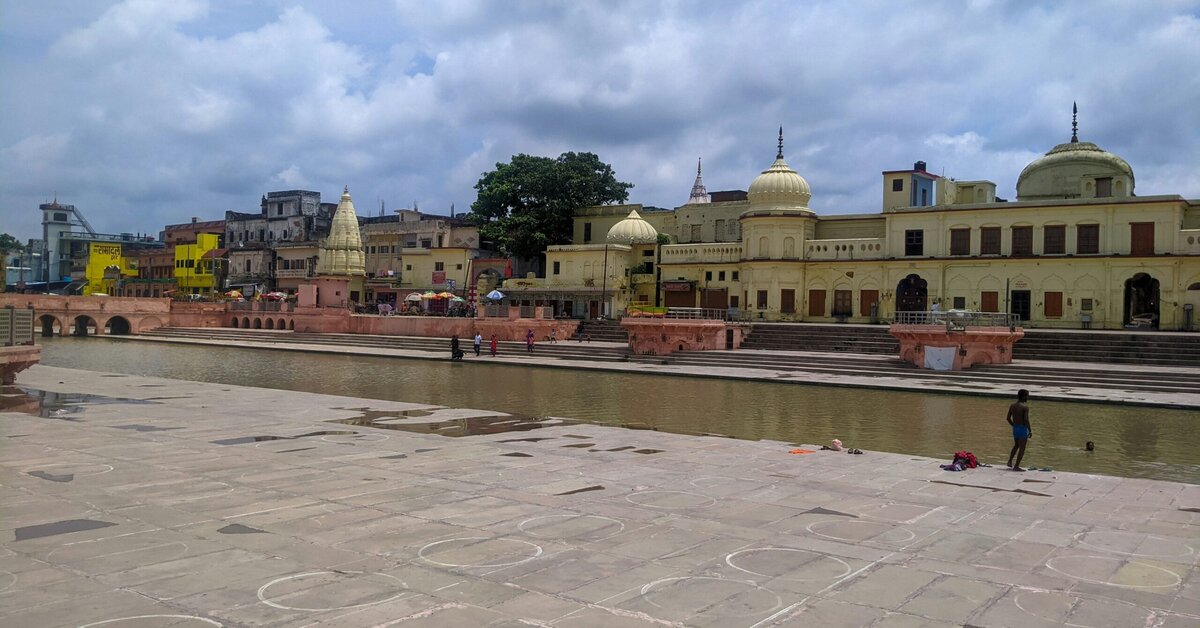
Magh Mela Ayodhya Tour Package , Imagine embarking on a spiritual journey that takes you from the sacred confluence of three holy rivers to the birthplace of Lord Ram himself. Picture yourself taking a purifying dip at the Sangam during the auspicious Magh month, and then standing before the magnificent Ram Mandir in Ayodhya, where centuries of devotion have culminated in a breathtaking temple. Sounds like a dream pilgrimage, doesn’t it?
Well, this dream is now more accessible than ever! The Magh Mela Ayodhya Tour Package combining Ram Mandir Darshan has emerged as one of the most sought-after pilgrimage circuits in India. With Ayodhya’s grand Ram Mandir now open to devotees and Magh Mela continuing its ancient tradition, this combined tour offers spiritual seekers an unprecedented opportunity to experience two of Hinduism’s most sacred destinations in a single, well-organized journey.
Whether you’re a first-time pilgrim or someone who’s been waiting years for this moment, this comprehensive guide will walk you through everything you need to know about planning the perfect Magh Mela and Ayodhya tour package. Let’s dive into this divine journey together!
Why Combine Magh Mela with Ayodhya Ram Mandir?
Spiritual Significance of the Combination
Magh Mela Ayodhya Tour Package , Think about it—where better to cleanse your soul than at the Triveni Sangam, and where better to seek blessings than at Lord Ram’s birthplace? This combination creates a spiritually complete circuit. Hindu scriptures emphasize the importance of holy baths before temple visits, and what could be more auspicious than bathing at the Sangam during Magh month before seeking darshan at Ram Lalla’s temple?
The synergy is powerful. Magh Mela represents purification and renewal—washing away sins and past karma. Ayodhya represents devotion and surrender to Lord Ram. Together, they create a transformative spiritual experience that touches both the ritual and devotional aspects of Hindu spirituality.
Geographic Convenience
Here’s the practical beauty of this combination: Prayagraj and Ayodhya are only about 150-160 kilometers apart! That’s roughly a 3-4 hour journey by road. Both cities are in Uttar Pradesh, well-connected by road and rail. You’re not zigzagging across the country—you’re following a natural, logical route that minimizes travel fatigue while maximizing spiritual experiences.
Creating a Complete Pilgrimage Circuit
This isn’t just about visiting two places; it’s about creating a meaningful spiritual narrative. Your journey follows a sacred progression: purification at Sangam → seeking blessings at Ram Mandir → perhaps extending to Kashi (Varanasi) for Lord Shiva’s blessings. Many pilgrims find this circuit more fulfilling than visiting isolated destinations because each location builds upon the spiritual momentum of the previous one.
Understanding Magh Mela in Prayagraj
The Holy Sangam and Its Significance
The Sangam—the confluence of the Ganga, Yamuna, and the mythical Saraswati—is considered one of the holiest spots on Earth in Hindu tradition. During the month of Magh (typically January-February), bathing here is believed to yield exponentially greater spiritual merit than at other times. Ancient texts suggest that the celestial energies align during this period, making the waters particularly potent for spiritual cleansing.
Best Dates to Visit During Magh Month
While the entire Magh month is auspicious, certain dates stand out:
Makar Sankranti (usually January 14-15): Marks the beginning of Magh Mela and is extremely auspicious Mauni Amavasya: The no-moon day, considered the most sacred bathing day Basant Panchami: Marks the arrival of spring and is highly auspicious Maghi Purnima: The full moon day concluding the mela
For package tours, visiting a few days before or after these peak dates can provide a good balance between religious significance and crowd management.
What to Expect at Magh Mela
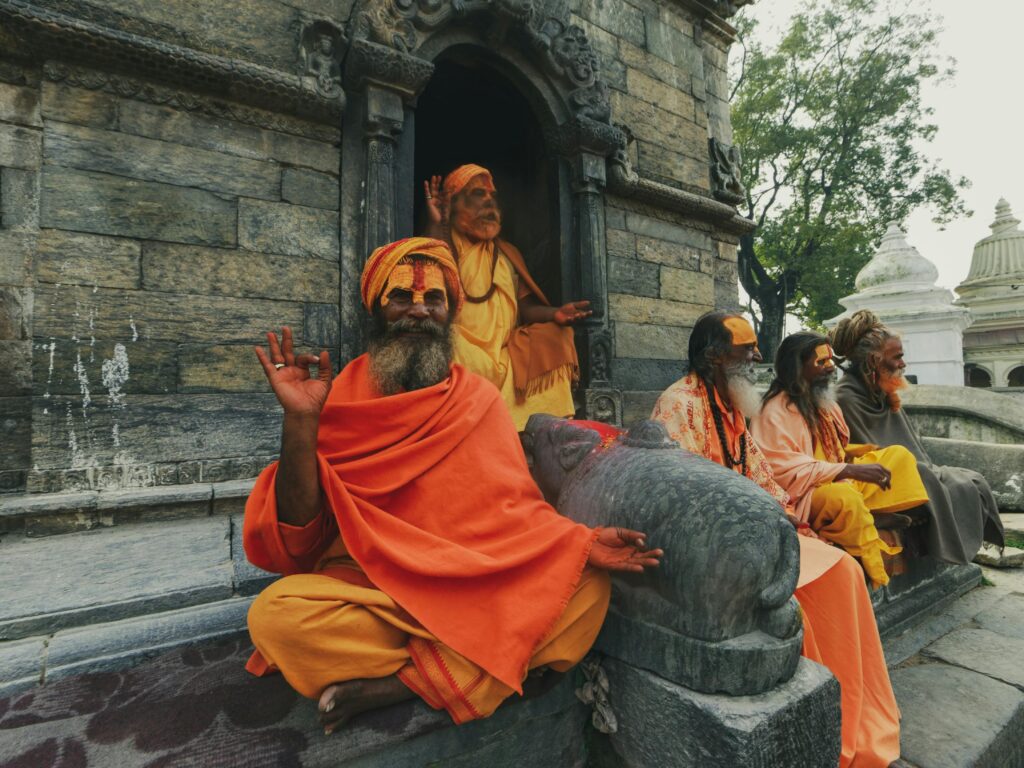
Magh Mela is an experience that engages all your senses. Expect vast temporary tent cities stretching for miles, sadhus from various akharas (spiritual orders), continuous chanting and devotional music, massive crowds (especially on auspicious days), organized bathing areas with proper facilities, and an atmosphere charged with collective devotion. It’s not just a religious gathering—it’s a living, breathing expression of India’s spiritual heritage.
Ayodhya – The Sacred Birthplace of Lord Ram
Historical and Religious Importance
Ayodhya needs no introduction to anyone familiar with the Ramayana. This ancient city, situated on the banks of the Saryu River, was the capital of the Kosala Kingdom and the birthplace of Lord Ram. For Hindus, Ayodhya is one of the seven most sacred cities (Sapta Puri) that grant moksha. The city has been a pilgrimage destination for millennia, with mentions in texts dating back thousands of years.
The New Ram Mandir
The magnificent Ram Mandir, inaugurated in January 2024, represents the culmination of centuries of devotion and decades of modern effort. Built in the traditional Nagara style of architecture, the temple showcases intricate carvings, grand pillars, and stunning craftsmanship. The deity of Ram Lalla (infant Ram) presides in the sanctum sanctorum, drawing millions of devotees who have waited generations for this moment.
The temple complex isn’t just a religious structure—it’s an architectural marvel that blends ancient design principles with modern engineering. Spread across acres, it includes multiple smaller temples, landscaped gardens, and facilities for pilgrims.
Other Significant Sites in Ayodhya
Ayodhya is much more than just the Ram Mandir. The city is dotted with temples and sacred spots, each with its own legend:
Hanuman Garhi: A fortress-temple dedicated to Lord Hanuman, considered Ayodhya’s protective deity Kanak Bhawan: A beautiful temple gifted to Sita by Kaikeyi, featuring golden crowns on Ram and Sita idols Ramkot: The elevated area where Ram’s palace supposedly stood Guptar Ghat: Where Ram is believed to have taken jal samadhi Nageshwarnath Temple: An ancient Shiva temple with connections to Ramayana
Complete Tour Package Overview
Package Duration Options
Tour packages typically come in three durations:
Short Package (4-5 days): Covers essentials—Magh Mela holy dip and Ram Mandir darshan with minimal additional sightseeing
Standard Package (6-7 days): Includes comfortable pacing, more thorough exploration of both destinations, with some rest time built in
Extended Package (8-10 days): Comprehensive experience with additional destinations like Varanasi, leisurely pace, and deeper immersion
What’s Typically Included
Most comprehensive packages include:
- Round-trip transportation from your origin city
- All inter-city travel (Prayagraj to Ayodhya)
- Accommodation in decent hotels (3-star or better)
- Daily breakfast and dinner
- Local sightseeing with guide services
- Temple entry assistance and VIP darshan arrangements
- Assistance for Magh Mela holy dip
- Basic travel insurance
- 24/7 tour manager support
Customization Possibilities
The beauty of modern tour packages is flexibility. Most operators allow you to customize:
- Accommodation upgrades (from budget to luxury)
- Vehicle type (shared coach vs. private vehicle)
- Meal plans (vegetarian/Jain/specific dietary needs)
- Additional destinations (adding Varanasi, Chitrakoot, etc.)
- Duration adjustments based on your schedule
- Special arrangements (elderly assistance, medical support)
Detailed Itinerary Options
5-Day Express Package
Day 1: Arrival in Prayagraj, check-in, orientation, evening visit to Sangam area
Day 2: Early morning holy dip at Sangam, breakfast, visit key temples (Hanuman Temple, Alopi Devi), afternoon rest
Day 3: Morning departure for Ayodhya (3-4 hour journey), check-in, evening Saryu Aarti
Day 4: Early morning Ram Mandir darshan, visit Hanuman Garhi, Kanak Bhawan, other key temples, evening free time
Day 5: Morning leisure or shopping, departure for home city
7-Day Comprehensive Package
Day 1: Arrival in Prayagraj, settle in, local orientation
Day 2: Early morning Sangam holy dip and prayers, return for rest, afternoon sightseeing (Anand Bhawan, Allahabad Fort if accessible)
Day 3: Visit additional Prayagraj temples, attend evening prayers at Sangam, experience mela atmosphere
Day 4: Travel to Ayodhya, check-in, rest, evening Saryu Aarti
Day 5: Ram Mandir darshan (early morning), visit Hanuman Garhi, Kanak Bhawan, Ramkot area
Day 6: Explore remaining Ayodhya sites, boat ride on Saryu River, evening at leisure
Day 7: Morning prayers, departure
9-Day Spiritual Immersion Package
This extended package includes everything from the 7-day version, plus:
Additional days in Ayodhya for deeper exploration, participation in temple rituals, visits to nearby religious sites like Naimisharanya or Deva Sharif
Extended Magh Mela experience with visits to different akharas, attending spiritual discourses
Possible Varanasi extension (2 additional days) for Kashi Vishwanath darshan and Ganga Aarti
More rest days for comfortable pacing, especially suitable for families and senior citizens
Transportation Between Destinations
Prayagraj to Ayodhya Distance and Routes
The distance between Prayagraj and Ayodhya is approximately 150-160 kilometers. The route typically follows:
Via NH27 and NH330: The most common route, well-maintained highway Via Raebareli: An alternative route that’s slightly longer but passes through interesting towns
Best Transportation Options
Private AC Vehicle: Most comfortable, flexible timing, direct journey—ideal for families and groups. Cost: ₹3,000-5,000 for sedan/SUV
Train: Several daily trains connect Prayagraj and Ayodhya, journey time 3-4 hours. Budget-friendly and comfortable. Trains like Ayodhya SF Express are popular choices.
Bus: State transport and private buses available, slightly cheaper than trains but less comfortable. Journey time: 4-5 hours.
Most tour packages include private vehicle transportation, which is definitely the most convenient option for pilgrims.
Travel Time Considerations
Plan for 3-4 hours by car, including one break for refreshments or restroom. Train journeys take similar time but add station arrival/departure time. During Magh Mela season, roads can be busier, so allow extra buffer time. Early morning departures (6-7 AM) help beat traffic and arrive in Ayodhya by lunchtime.
Ram Mandir Darshan – Complete Guide
Booking Darshan in Advance
With millions wanting to visit, advance planning is crucial. Options include:
Online Booking: The official Ram Mandir website offers darshan booking slots. Register, select date/time, and receive confirmation. This is increasingly mandatory during peak seasons.
VIP Darshan: Tour operators can arrange VIP darshan with shorter queues. Costs extra (₹500-2,000 per person) but dramatically reduces waiting time from hours to 30-45 minutes.
General Queue: Free but can involve 2-6 hours of waiting, especially on weekends and auspicious days.
Entry Procedures and Security
Security at Ram Mandir is tight, given its significance:
- No mobile phones, cameras, bags, electronic items allowed inside
- Mandatory security check similar to airports
- Separate queues for men and women
- Lockers available for storing belongings (₹10-20)
- ID proof may be required
- Children must be supervised at all times
Best Time for Darshan
Early Morning (5:00-8:00 AM): Temple opens early; smallest crowds, peaceful atmosphere, perfect for photography (outside areas), cooler temperatures
Late Evening (7:00-9:00 PM): Beautifully illuminated temple, pleasant weather, moderate crowds, evening aarti atmosphere
Avoid: Mid-day (11:00 AM-3:00 PM) when sun is harsh and crowds peak, especially on weekends
Days to avoid: Sundays and public holidays see maximum crowds
What to Expect Inside the Temple
The darshan follows a structured path:
- Entry through security → 2. Shoe storage area → 3. Outer courtyard (photography allowed here) → 4. Main temple entrance → 5. Circumambulation path around sanctum → 6. Brief darshan of Ram Lalla (usually 10-30 seconds) → 7. Exit through designated path
The entire experience takes 10-30 minutes for VIP darshan, or 2-5 hours including general queue wait time.
Dress Code and Restrictions
Mandatory:
- Modest clothing covering shoulders and knees
- Traditional Indian wear preferred (kurta-pajama for men, saree/salwar-suit for women)
- Clean, decent footwear for outside areas (removed before temple entry)
Not Allowed:
- Shorts, skirts above knee, sleeveless tops
- Leather items (belts, wallets, bags)
- Any electronic devices
- Food or drink items
- Tobacco products
Photography Guidelines
- Outside the main temple: Photography allowed in courtyard, exterior architecture, surrounding areas
- Inside the sanctum: Strictly prohibited—no phones allowed anyway
- Professional equipment: Requires special permission
- Respect signage and staff instructions
Accommodation Options
Hotels in Prayagraj
During Magh Mela, accommodation books up fast. Options include:
Budget (₹1,000-2,000/night): Hotel Presidency, Hotel Milan, various dharamshalas Mid-range (₹2,500-5,000/night): Hotel Kanha Shyam, Hotel Allahabad Regency, Shahid Path hotels Premium (₹5,000-12,000/night): Hotel Harsh Ananda, Marriott-managed properties Mela Tent Accommodation: ₹1,500-8,000/night depending on facilities
Hotels in Ayodhya
Ayodhya’s accommodation options have expanded significantly:
Budget (₹800-1,500/night): Hotel Raghav, various budget hotels near Nayaghat Mid-range (₹2,000-4,500/night): The Ramayana Hotel, Hotel Saket, KC Residency Premium (₹5,000-15,000/night): The Ramayana Luxury Hotel, Clarks Inn Ayodhya, Taj Hotel Ayodhya (when operational)
Book accommodations within 2-3 km of Ram Mandir for convenience.
Budget to Luxury Categories
Budget Packages typically include:
- Basic clean hotels/dharamshalas
- Shared transportation
- Limited meals
- General darshan arrangements
Standard Packages offer:
- Comfortable 3-star hotels
- AC vehicles (sometimes shared)
- All meals included
- VIP darshan assistance
- Experienced guide
Premium Packages provide:
- 4-5 star hotels
- Private AC vehicles
- Customized meal plans
- Express VIP darshan
- Dedicated tour manager
- Additional amenities and flexibility
Must-Visit Places in Ayodhya
Hanuman Garhi
This 70-foot tall fortress-temple is Ayodhya’s most visited shrine after Ram Mandir. Dedicated to Lord Hanuman, it requires climbing 76 steps (manageable for most people). According to belief, Hanuman lives here in a cave, guarding Ayodhya. The temple offers panoramic views of the city. Visit early morning (5:00-8:00 AM) to avoid crowds and heat.
Kanak Bhawan
Also called Sone ka Mandir (Gold Temple), this beautiful temple houses idols of Ram and Sita wearing magnificent golden crowns. Legend says Queen Kaikeyi gifted this palace to Sita after her marriage. The temple’s architecture is stunning, with intricate paintings depicting Ramayana scenes. The peaceful atmosphere makes it perfect for quiet contemplation.
Ramkot and Other Ghats
Ramkot, an elevated area, is believed to be where Ram’s palace stood. Several temples dot this region. The ghats along Saryu River each have unique significance:
Guptar Ghat: Where Ram took jal samadhi Naya Ghat: Modern, well-maintained ghat perfect for boat rides Laxman Ghat: Where Laxman performed penance
Saryu River Aarti
The evening aarti at Saryu River’s banks is a mesmerizing experience. Hundreds of lamps float on the river as priests perform synchronized aarti with large brass lamps. The chanting, bells, and devotion create an atmosphere that rivals even Varanasi’s famous Ganga Aarti. Time: Usually 6:30-7:30 PM (varies by season). Arrive 30 minutes early for good viewing spots.
Package Pricing and Budget Planning
Budget Package (₹15,000-25,000 per person)
Includes:
- Economy hotels/dharamshalas
- Shared AC coach
- Basic meals (breakfast + dinner)
- General darshan
- Group tour guide
Best for: Solo travelers, young pilgrims, budget-conscious families
Standard Package (₹25,000-40,000 per person)
Includes:
- Comfortable 3-star hotels
- Semi-private AC vehicle
- All meals with variety
- VIP darshan arrangements
- Experienced guide
- Some flexibility in itinerary
Best for: Families, middle-aged travelers, those seeking balance between comfort and cost
Premium Package (₹40,000-60,000+ per person)
Includes:
- 4-5 star hotels with excellent amenities
- Private AC vehicle (sedan/SUV)
- Customized meal plans
- Express VIP darshan
- Dedicated tour manager
- Maximum flexibility
- Additional services (porter, medical assistance)
Best for: Senior citizens, luxury seekers, those prioritizing comfort and convenience
What Affects Package Costs
Several factors influence pricing:
Timing: Packages during major bathing days cost 30-50% more Group size: Solo travelers pay premium; groups get per-person discounts Hotel category: Biggest cost variable Season: Peak season (January-February) commands premium pricing Inclusions: More meals, VIP services, private transport increase costs Duration: Longer packages offer better per-day rates Origin city: Packages from distant cities include more expensive flights
Best Time to Book This Package
Peak Season Considerations
Peak Season: January-February during Magh Mela
- Maximum crowds, highest prices, advance booking essential
- Book 3-4 months ahead minimum
- Expect price premiums of 40-60% over off-season
Shoulder Season: November-December, March
- Moderate crowds and prices
- Pleasant weather
- Can book 1-2 months ahead
- Miss Magh Mela but Ram Mandir available year-round
Off-Season: April-October
- Fewer pilgrims, best prices
- Very hot (April-June) or rainy (July-September)
- Book 2-4 weeks ahead
- No Magh Mela, but Ayodhya accessible
Advance Booking Benefits
Book early (3-4 months for peak season) to enjoy:
- Better hotel choices near key sites
- Lower prices with early bird discounts (10-20% off)
- Preferred dates and time slots for VIP darshan
- Flexibility in customization
- Peace of mind—no last-minute stress
- Better vehicle options
Last-Minute Booking Challenges
Booking within 2-4 weeks of travel during peak season means:
- Limited accommodation choices, often far from main sites
- 30-50% price premium
- Shared transportation likely
- General darshan only (long queues)
- Less flexibility in itinerary
- Potential unavailability of entire packages
Important Tips for Package Tourists
What to Pack
Clothing: Modest traditional wear, warm layers for January-February, comfortable walking shoes, extra pair of footwear for wet conditions
Religious Items: Small puja thali, flowers, prasad containers, Ganga jal bottle
Documents: ID proofs (original + copies), booking confirmations, medical prescriptions, emergency contacts list
Essentials: Basic medications, hand sanitizer, wet wipes, sunscreen, torch, power bank, small backpack for daily use
Money: Mix of cash (small denominations for donations, rikshaws) and cards, split across multiple pockets/bags
Health and Safety Precautions
- Stay hydrated—winter dryness is deceptive
- Carry prescribed medications plus common ones (pain reliever, antacid, anti-diarrheal)
- Wear comfortable shoes to prevent blisters during temple visits
- Use sunscreen even in winter—reflection from water increases UV exposure
- Follow crowd safety protocols during Magh Mela
- Keep tour manager’s contact readily accessible
- Don’t wander alone in unfamiliar areas
- Be cautious of unofficial guides or touts
Cultural Sensitivity Guidelines
- Dress modestly always—religious sites demand respect
- Remove footwear where indicated without hesitation
- Don’t touch temple deities or sacred objects unless invited by priests
- Ask permission before photographing locals or priests
- Respect queue discipline even when frustrating
- Keep voice low inside temples
- Don’t litter—especially at Sangam and Saryu River
- Be respectful of sadhus but wary of fraudsters
- Follow your tour guide’s cultural briefings
Food and Dining During the Tour
Typical Meal Inclusions
Most packages include:
Breakfast: North Indian breakfast (poori-sabzi, parathas, upma) or continental (toast, eggs, cereal) at hotel
Lunch: Usually excluded to allow flexibility, or at designated restaurant if included
Dinner: Set menu at hotel or selected restaurants, typically vegetarian North Indian cuisine
Beverages: Tea/coffee with meals; packaged water during travel
Local Cuisine to Try
Don’t miss these local specialties:
In Prayagraj: Famous samosas, kachoris, bedai (morning breakfast), aloo tikki chaat, pani puri
In Ayodhya: Ram Laddoo (sweet), peda (milk sweet), chaat varieties, simple vegetarian thalis, lassi
Most foods around pilgrimage sites are vegetarian and prepared hygienically given the religious clientele.
Dietary Restrictions and Requirements
Vegetarian/Vegan: Easily accommodated—most food is already vegetarian in these regions
Jain: Inform tour operator to arrange Jain meals (no onion, garlic, root vegetables)
Gluten-free: More challenging but manageable with advance notice
Allergies: Crucial to inform tour operator and restaurant staff
Satvik Food: Pure vegetarian food without onion/garlic available near temples
Most tour operators accommodate dietary needs if informed at booking time.
Family-Friendly Aspects of the Package
Suitable for Children
This pilgrimage can be wonderful for children with proper planning:
Positives: Teaches cultural/religious heritage, creates lasting family memories, manageable distances, interesting sights and stories
Considerations: Crowds can overwhelm small children, long queues test patience, early mornings might be difficult, heat/cold depending on season
Tips: Bring snacks and entertainment for waits, use strollers where possible, engage kids with Ramayana stories, stay flexible with timing, consider slightly shorter packages
Ideal age: Children 8+ years usually manage better than younger ones
Senior Citizen Considerations
Package tours are actually ideal for senior citizens because:
- All logistics handled—no stress of planning
- Group travel provides security and companionship
- Tour managers assist with mobility challenges
- Pre-arranged VIP darshan reduces physical strain
- Comfortable pacing can be requested
Recommendations: Choose 7+ day packages for relaxed pace, inform tour operator of mobility issues, request ground floor rooms, consider wheelchair rental if needed, pack adequate medications
Group Travel Benefits
Traveling in groups (family or friends) offers:
- Per-person cost reduction
- Shared experiences and memories
- Safety in numbers, especially for women travelers
- Emotional support during challenging moments
- Division of responsibilities (someone watches luggage while others explore)
- More fun and engaging experience
- Better negotiation power for customizations
Choosing the Right Tour Operator
What to Look for in a Tour Company
Experience: Choose operators with 5+ years specifically in pilgrimage tours
Licenses: Verify they’re registered with tourism department and have proper credentials
Transparency: Clear breakdown of inclusions/exclusions, no hidden charges
Reviews: Check Google reviews, TripAdvisor, travel forums for genuine feedback
Customer Support: Responsive before booking (good indicator of during-trip support)
Customization: Willingness to adapt packages to your needs
Safety Record: No history of accidents or major complaints
Local Knowledge: Strong local connections ensure smooth temple access, good hotel choices
Red Flags to Avoid
- Prices significantly lower than competitors (too good to be true usually is)
- Vague itinerary descriptions with lots of “surprise” elements
- Pressure to book immediately with limited-time offers
- No physical office or only mobile numbers as contact
- Unwillingness to provide past customer references
- No written contract or booking confirmation
- Poor grammar/unprofessional communication suggesting inexperience
- Requests for full payment upfront (max 40-50% advance is standard)
Reading Reviews and Testimonials
Where to Check:
- Google Business Reviews
- TripAdvisor
- Facebook company pages
- Travel forums like IndiaMike or Lonely Planet Thorn Tree
- YouTube video reviews
What to Look For:
- Recent reviews (last 6-12 months)
- Specific details (not generic praise)
- How company responds to negative reviews
- Consistency across platforms
- Photos from actual travelers
- Mention of tour manager/guide names
Contact 2-3 previous customers directly if operator provides references.
Additional Optional Add-ons
Varanasi Extension
Add 2-3 days to visit Kashi:
Distance: ~120 km from Ayodhya, 3 hours by road Highlights: Kashi Vishwanath Temple, Ganga Aarti, morning boat ride, Sarnath Buddhist site Additional Cost: ₹8,000-15,000 per person depending on package category Worth it?: Absolutely! Completes the spiritual circuit beautifully
Chitrakoot Darshan
Sacred site where Ram spent 11.5 years of exile:
Distance: ~130 km from Prayagraj, 3 hours Highlights: Kamadgiri Parvat, Ramghat, Hanuman Dhara, Sphatik Shila Additional Cost: ₹5,000-10,000 per person Duration: 1-2 days Worth it?: For Ramayana enthusiasts, yes!
Naimisharanya Visit
One of Hinduism’s oldest pilgrimage sites:
Distance: ~90 km from Ayodhya Highlights: Chakra Tirtha, Lalita Devi Temple, Ved Vyas Gaddi Additional Cost: ₹3,000-6,000 per person Duration: Day trip Worth it?: For those interested in Puranic history
Travel Documents and Requirements
Essential Documents:
- **Government
ID**: Aadhar Card, PAN Card, Driving License, or Passport
- Booking Confirmations: Hotel bookings, tour package receipt, VIP darshan confirmations
- Medical Prescriptions: For all regular medications
- Travel Insurance: Policy document and emergency contact numbers
- Emergency Contacts: List of family, tour operator, local police, hospitals
Digital Copies: Keep scanned copies on phone/email Physical Copies: Carry photocopies of all originals, store separately from originals
For Foreign Nationals:
- Valid passport
- Visa (Indian tourist visa)
- Registration documents if staying over 180 days
- Foreign currency exchange receipts
Conclusion – Your Gateway to Divine Blessings
The Magh Mela Ayodhya Tour Package combining Ram Mandir Darshan isn’t just a trip—it’s a transformative spiritual experience that connects you to India’s ancient heritage and living faith traditions. From the soul-cleansing waters of the Sangam to the divine presence of Ram Lalla in his magnificent new temple, this journey offers blessings that resonate far beyond the days you spend on pilgrimage.
Yes, planning requires effort. Yes, crowds can be challenging. Yes, it demands some physical stamina. But isn’t that what makes it meaningful? The discomforts pale in comparison to the profound spiritual fulfillment awaiting you. Standing at the Sangam as the sun rises over the confluence of three holy rivers, witnessing millions united in devotion—that’s unforgettable. Bowing before Ram Lalla in Ayodhya, feeling the culmination of centuries of faith and devotion—that’s life-changing.
With the right tour package, proper planning, and an open heart, your pilgrimage becomes a smooth, enriching journey rather than a logistical nightmare. Whether you’re traveling solo, with family, or in a group, there’s a package perfectly suited to your needs and budget.
So what are you waiting for? The Sangam’s holy waters are calling. Ram Lalla is waiting to bless you. The time to embark on this sacred journey is now. Book your Magh Mela Ayodhya Tour Package today and step into a spiritual adventure that will nourish your soul for a lifetime.
FAQs
1. What is the best duration for a Magh Mela and Ayodhya combined package?
For most travelers, a 6-7 day package offers the ideal balance. This allows 2 full days in Prayagraj for Magh Mela including the holy dip and local sightseeing, comfortable 3-4 hours travel between cities, 2-3 days in Ayodhya for Ram Mandir darshan and exploring other temples, and buffer time for rest and unexpected delays. If you have limited time, a compressed 4-5 day package is possible but quite hectic. If you want a relaxed, immersive experience or plan to add Varanasi, opt for 8-10 days.
2. Can I visit Ram Mandir without advance booking, or is VIP darshan necessary?
You can visit Ram Mandir without advance booking through the general darshan queue, which is free. However, during peak seasons and weekends, waiting times can extend to 3-6 hours. VIP darshan (costing ₹500-2,000) reduces waiting to 30-60 minutes and is highly recommended for package tourists with limited time. Some peak days now require even general darshan advance registration online. Check the official Ram Mandir website for current requirements before your visit.
3. Is this pilgrimage safe for solo female travelers?
Yes, it’s generally safe, especially when booking with reputable tour operators. Package tours provide group safety, professional guidance, and support throughout. That said, follow standard safety precautions: stay with the group, avoid isolated areas especially at night, dress modestly respecting local customs, keep tour manager’s contact handy, and trust your instincts. Magh Mela and Ayodhya see heavy police presence during season, and the overall atmosphere is respectful given the religious nature. Many women travel solo on these pilgrimages successfully.
4. What’s the total budget including package cost and personal expenses?
For a 7-day mid-range package, budget approximately: Package cost (₹25,000-35,000), personal shopping (₹2,000-5,000 for religious items, souvenirs), additional meals/snacks not included (₹1,500-3,000), donations at temples (₹1,000-3,000 as per your devotion), miscellaneous (rikshaws, tips, etc. – ₹1,000-2,000). Total: ₹30,000-48,000 per person. Budget packages reduce this to ₹20,000-30,000 total, while premium packages can exceed ₹60,000-80,000 depending on luxury level.
5. Can dietary restrictions like Jain food or special medical diets be accommodated in packages?
Absolutely! Most reputable tour operators accommodate dietary restrictions if informed at booking time. Jain food (no onion, garlic, root vegetables) is readily available in these religious destinations as many locals follow similar diets. Vegetarian and vegan needs are easily met. Gluten-free, diabetic-friendly, or allergy-specific diets require advance notice and may involve supplementary costs for specialized meals. Always inform your tour operator at the time of booking about any dietary restrictions, and carry some personal snacks as backup for emergencies or travel days when finding specific foods might be challenging.