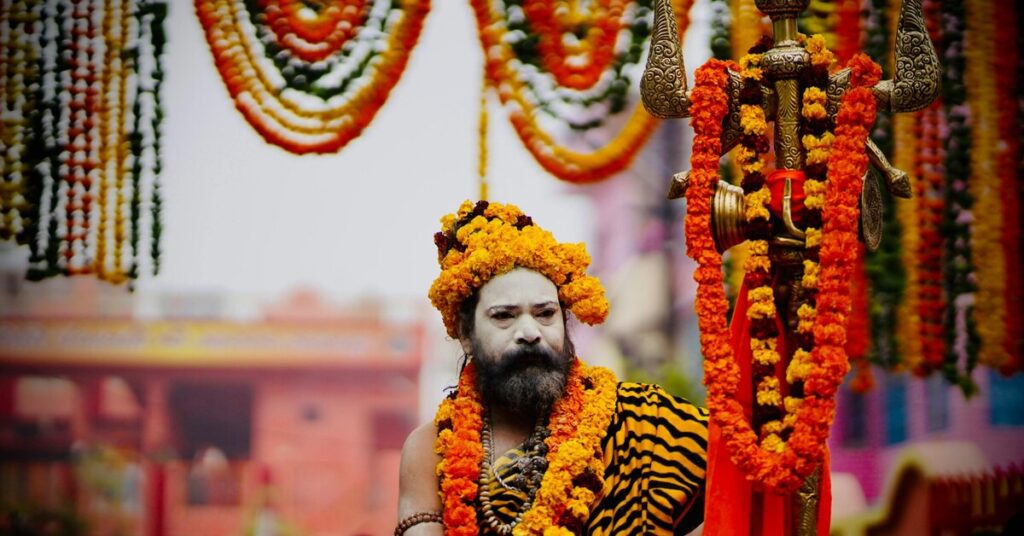
Magh Mela Boat Snan vs Ghat Snan Which Is Better? , Have you ever wondered what draws millions of devotees to the banks of the sacred rivers during winter? Prayagraj Magh Mela, one of India’s most revered religious gatherings, takes place annually during the Hindu month of Magh at Prayagraj, where the Ganga, Yamuna, and the mystical Saraswati rivers converge. This spiritual congregation isn’t just a festival; it’s a journey of faith, purification, and divine connection that has continued for centuries.
The heart of Magh Mela lies in the ritual bathing, or Snan, believed to cleanse sins and bring spiritual merit. But here’s where modern times have introduced an interesting twist to tradition: devotees now have a choice between the traditional Ghat Snan and the relatively newer Boat Snan. Which one offers a better spiritual experience? Let’s dive deep into this sacred comparison.
Understanding the Sacred Snan (Holy Bath)
In Hindu philosophy, water isn’t just H2O—it’s a medium of purification, a carrier of divine energy, and a bridge between the mortal and the eternal. The act of Snan, especially at sacred confluences during auspicious times, is believed to wash away accumulated karmic debts and elevate one’s spiritual consciousness.
During Magh Mela, taking a dip in the Triveni Sangam (the confluence point) is considered especially meritorious. Ancient scriptures suggest that bathing here during Magh multiplies the spiritual benefits manifold. It’s not merely about getting wet; it’s about immersing yourself in faith, surrendering to the divine, and emerging renewed.
What Is Ghat Snan?
The Traditional Approach
Ghat Snan represents the age-old method of taking a holy bath. Picture stone steps leading down to the river, lined with pilgrims chanting prayers, priests performing rituals, and the air thick with incense and devotion. This is the classic Magh Mela experience that has remained largely unchanged for generations.
The Ghats at Prayagraj have witnessed countless pilgrims over centuries. Each step you take down toward the water connects you with millions who’ve walked that same path seeking divine grace. There’s an undeniable energy here—a collective consciousness of faith that’s almost tangible.
How Ghat Snan Works
When you opt for Ghat Snan, you typically arrive at designated bathing areas early in the morning (the most auspicious time). You descend the Ghat steps, often amid thousands of other devotees, and take your ritual bath in the sacred waters. Many pilgrims perform specific rituals—offering prayers to ancestors, making donations, or simply meditating in the water while chanting mantras.
The experience is immersive in every sense. You’re surrounded by the sounds of temple bells, Vedic chants, and the splashing of holy water. It’s communal, raw, and deeply traditional.
What Is Boat Snan?
A Modern Alternative
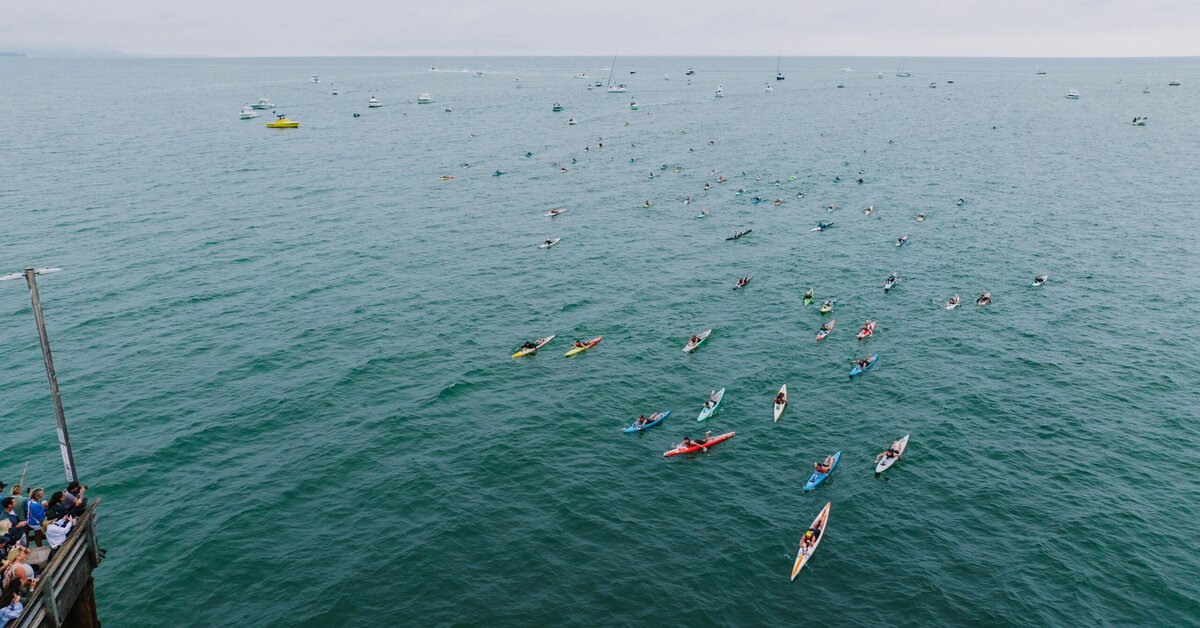
Boat Snan is a relatively recent addition to the Magh Mela experience, though it’s quickly gained popularity among certain segments of pilgrims. Instead of descending crowded Ghats, devotees board boats that take them to the Sangam, where they can take their holy bath directly from the boat or in slightly less crowded waters.
This method emerged partly as a practical solution to the overwhelming crowds at Ghats and partly as an option for those seeking a more peaceful, contemplative experience. While some traditionalists initially viewed it with skepticism, many spiritual leaders have acknowledged that the sanctity of the bath depends on faith, not the method of access.
How Boat Snan Works
For Boat Snan, you hire a boat (often shared with family or a small group) that navigates to the Sangam. The boatman positions the vessel at the confluence point, and you can take your bath from the boat itself or enter the water with the boat nearby. Many find this allows for a more personal, meditative experience without the rush and push of Ghat crowds.
The boat journey itself becomes part of the spiritual experience—watching the sunrise over the sacred waters, observing the Mela from a different perspective, and feeling the gentle rhythm of the river.
The Spiritual Significance of Both Methods
Religious Beliefs Surrounding Ghat Snan
Traditional scholars emphasize that Ghat Snan connects you directly with the ancient practice as described in scriptures. The Ghats themselves are consecrated spaces, blessed by countless saints and sages over millennia. When you bathe at a Ghat, you’re participating in an unbroken chain of tradition.
There’s also the element of tapasya (austerity). Enduring the crowds, the cold water, and the sometimes challenging conditions is seen as part of the spiritual discipline that enhances the merit of the pilgrimage.
Spiritual Value of Boat Snan
Proponents of Boat Snan argue that spirituality is intensely personal. The quieter, more contemplative environment of a boat allows for deeper meditation and connection with the divine. After all, isn’t the quality of your devotion more important than the method?
Many spiritual teachers point out that Lord Krishna himself emphasized intention over ritual in the Bhagavad Gita. If your heart is pure and your faith sincere, the divine grace flows equally whether you’re on a crowded Ghat or in a peaceful boat.
Comparing the Experience
Atmosphere and Ambiance
Ghat Snan offers an atmosphere of collective devotion that’s electrifying. There’s something profound about being part of a sea of humanity, all united in a single spiritual purpose. The energy is palpable, almost overwhelming in its intensity.
Boat Snan, conversely, provides tranquility and space for introspection. You can hear the water lapping against the boat, observe the sunrise without obstruction, and perform your rituals without feeling rushed. It’s more intimate, allowing for a personal dialogue with the divine.
Crowd Management
Let’s be honest—Magh Mela draws enormous crowds, especially on auspicious bathing dates. Ghat Snan can mean navigating through thousands of people, waiting for your turn, and sometimes feeling more concerned about safety than spirituality.
Boat Snan significantly reduces crowd-related stress. While you’ll still see plenty of boats on the water, the experience is decidedly less claustrophobic. For elderly pilgrims, families with children, or anyone who finds dense crowds challenging, this is a considerable advantage.
Safety Considerations
Safety is paramount during any religious gathering. At Ghats, the sheer number of people can create challenging situations—slippery steps, accidental pushing, and difficulty in emergency situations. Authorities work tirelessly to manage these risks, but they exist nonetheless.
Boats come with their own safety considerations—ensuring the vessel is seaworthy, not overloading, and having life jackets available. However, many find the controlled environment of a boat inherently safer than navigating crowded Ghat steps.
Practical Considerations
Accessibility
Ghat Snan is theoretically accessible to everyone—it’s free and open to all pilgrims. However, the physical demands can be significant. Those with mobility issues, elderly pilgrims, or people with health conditions might find the crowds and steps genuinely difficult to navigate.
Boat Snan offers better accessibility for these groups. Getting onto a boat is generally easier than descending and ascending Ghat steps, especially during peak crowd times. The experience can be tailored to physical capabilities.
Cost Factors
Here’s where Ghat Snan has a clear advantage—it’s completely free. You simply arrive and take your bath. The only expenses might be voluntary donations to priests or purchasing puja materials.
Boat Snan involves hiring a boat, which varies in cost depending on the season, time of day, and negotiation skills. During peak Mela days, prices can be substantial. For budget-conscious pilgrims, this could be a deciding factor.
Time Investment
Both methods require time, but differently. Ghat Snan might mean arriving extremely early to beat crowds, waiting in line, and navigating through masses of people. The actual bathing might be quick, but the overall time investment can be considerable.
Boat Snan typically involves less waiting but requires time for the boat journey itself. If you value efficiency and a more predictable schedule, boats might serve you better.
Advantages of Ghat Snan
There’s an authenticity to Ghat Snan that’s hard to replicate. You’re bathing exactly as your ancestors did, in the same locations, following the same rituals. For many devotees, this connection to tradition is non-negotiable—it’s what makes the pilgrimage meaningful.
The community aspect cannot be overstated. There’s something transformative about being part of a massive gathering of faith. Strangers help each other navigate the steps, share prasad, and create bonds through shared spiritual experience. This collective energy is unique to Ghat Snan.
Additionally, all the ritual infrastructure—priests for performing ceremonies, vendors selling puja materials, designated areas for different rituals—is naturally centered around the Ghats. Everything you might need for traditional observances is right there.
Advantages of Boat Snan
Privacy and personal space are the standout benefits of Boat Snan. In our increasingly crowded world, having space to contemplate and connect spiritually without distraction is valuable. You can perform your rituals at your own pace, recite prayers without shouting over the crowd, and simply be present with your thoughts and devotion.
The views from a boat are spectacular. As the sun rises over the confluence, painting the sky in shades of orange and pink, you’re positioned perfectly to witness this natural magnification of divine beauty. Many pilgrims report that this visual grandeur enhances their spiritual experience.
For families, especially those with young children or elderly members, Boat Snan offers comfort and safety. You can keep your group together, ensure everyone’s well-being, and still fulfill your religious obligations without the stress of crowd management.
Disadvantages of Each Method
Challenges with Ghat Snan
The overwhelming crowds are the primary challenge. During main bathing days, the number of people can be genuinely daunting. There’s potential for stampedes, getting separated from your group, or simply feeling too stressed to focus on the spiritual aspects.
Physical demands are significant. The Ghat steps can be slippery, the water cold, and maintaining your footing while performing rituals requires attention. For anyone with mobility limitations, this can transform what should be a joyful experience into an ordeal.
Hygiene concerns also exist. With millions using the same water over the Mela period, some pilgrims worry about cleanliness, despite authorities’ efforts to maintain standards.
Limitations of Boat Snan
The cost barrier is real. Not everyone can afford to hire a boat, especially families or groups who’d need larger vessels. This creates an unfortunate economic divide in accessing what should be a universally available spiritual experience.
Some traditionalists genuinely believe that Boat Snan lacks the full spiritual merit of Ghat Snan. While this is debatable, the perception exists and might affect how fully some devotees can surrender to the experience.
There’s also less access to priests and ritual support. If you want specific ceremonies performed or need guidance on traditional observances, the Ghat infrastructure supports this better than a boat in the middle of the river.
What Pilgrims Say
Real experiences vary widely based on individual preferences and values. Rajesh Kumar, a devotee who’s attended Magh Mela fifteen times, swears by Ghat Snan: “The energy at the Ghat is incomparable. Yes, it’s crowded, but that’s part of the tapasya. When millions of voices chant ‘Har Har Gange,’ you feel the divine presence.”
Conversely, Meera Sharma, who recently opted for Boat Snan with her elderly parents, found it transformative: “My parents couldn’t have managed the Ghat crowds. From the boat, we could perform all our rituals peacefully, and the experience was deeply moving. I felt no less blessed.”
Many experienced pilgrims suggest trying both at different times. The Magh Mela lasts an entire month—take Ghat Snan on less crowded days to experience the tradition, and perhaps opt for Boat Snan on main bathing dates when crowds peak.
Which One Should You Choose?
Here’s the truth: there’s no universally “better” option. The right choice depends entirely on your personal circumstances, physical capabilities, spiritual inclinations, and practical considerations.
Choose Ghat Snan if you value traditional authenticity, want the full immersive experience of collective devotion, are physically capable of navigating crowds and steps, and are traveling on a tight budget. The raw, unfiltered spiritual energy at the Ghats is genuinely unique.
Opt for Boat Snan if you have mobility concerns, are traveling with elderly family members or young children, prefer a quieter, more meditative environment, can accommodate the additional cost, or are visiting during peak crowd days when Ghats become genuinely challenging to navigate.
Remember, your intention and faith matter more than the logistics. The divine doesn’t measure your devotion by whether you used stairs or a boat—it responds to the sincerity in your heart.
Conclusion
The debate between Magh Mela Boat Snan and Ghat Snan ultimately reflects the beautiful diversity within Hindu spiritual practice. Both methods offer valid paths to the same destination: spiritual purification and divine connection. Ghat Snan carries the weight of tradition, the power of collective devotion, and the authenticity of ancient practice. Boat Snan offers accessibility, tranquility, and a personalized spiritual experience.
Rather than viewing them as competing options, consider them complementary approaches that serve different needs and preferences. The sacred waters at Prayagraj hold the same spiritual power whether you access them via centuries-old Ghat steps or a humble boat. What matters is the faith you carry in your heart, the sincerity of your intentions, and the openness of your spirit to receive divine grace.
So which is better? The one that allows you to connect most authentically with your faith while respecting your physical capabilities and circumstances. Trust your intuition, honor your limitations, and embrace whichever method resonates with your spiritual journey. After all, the river doesn’t discriminate—it offers its blessings equally to all who approach with reverence and devotion.
FAQs
1. Is Boat Snan as spiritually valid as Ghat Snan according to Hindu scriptures?
Yes, spiritual leaders generally agree that the validity of any religious practice depends on your intention and faith rather than the specific method. The scriptures emphasize the sanctity of bathing at the confluence during Magh, but they don’t prescribe exactly how you must access the water. Your devotion and sincerity carry more weight than whether you use stairs or a boat.
2. How much does it typically cost to hire a boat for Boat Snan at Magh Mela?
Boat rental costs vary significantly based on timing, boat size, and negotiation. On regular days, expect to pay anywhere from ₹500 to ₹2,000 for a small boat accommodating 4-6 people. During main bathing dates (Makar Sankranti, Mauni Amavasya, Basant Panchami), prices can increase to ₹3,000-₹5,000 or more. It’s advisable to negotiate and clarify all costs upfront, including the duration of the trip.
3. Are there specific times when Boat Snan is more practical than Ghat Snan?
Absolutely. Boat Snan becomes especially practical during the main bathing dates (shahi snans) when crowds at Ghats reach overwhelming levels. Early morning hours (4-7 AM) see peak Ghat crowds, making boats a viable alternative. Additionally, if you’re visiting with mobility-challenged family members or during the later part of the day when Ghat facilities might be strained, boats offer a more comfortable experience.
4. Can I perform all traditional rituals and pujas from a boat?
Most basic rituals can be performed from a boat—taking the holy bath, offering prayers, performing tarpan (offerings to ancestors), and meditation. However, some elaborate ceremonies might be challenging without priest support, which is more readily available at Ghats. If you have specific ritual requirements, consider arranging a priest to accompany you on the boat, which many do for an additional fee, or plan to perform detailed ceremonies at a Ghat and use the boat specifically for the bathing ritual.
5. Is one method safer than the other for elderly pilgrims or families with children?
Safety depends on multiple factors. For elderly pilgrims with mobility issues, boats generally offer safer access than navigating potentially slippery Ghat steps in crowds. However, boats require careful selection—ensure the vessel is in good condition, not overloaded, and operated by experienced boatmen. For families with children, boats provide better control over your group’s safety, though life jackets and constant supervision are essential. Ultimately, both can be safe with proper precautions; choose based on your family’s specific physical capabilities and comfort levels.