Magh Mela Prayagraj Travel Guide Stay Snan Boat , Have you ever dreamed of witnessing millions of souls united in faith, bathing in sacred waters under a winter sky? Welcome to Magh Mela—one of India’s most magnificent spiritual gatherings that transforms Prayagraj into a city of devotion every year. While the Kumbh Mela gets all the global attention, Magh Mela is its equally sacred but somewhat quieter sibling that offers an authentic, deeply spiritual experience.
Magh Mela is an annual congregation held during the Hindu month of Magh (January-February) at Triveni Sangam in Prayagraj, where the holy rivers Ganga, Yamuna, and the mythical Saraswati converge. This isn’t just another religious fair—it’s a 45-day spiritual marathon where pilgrims camp by the riverside, take daily holy dips, and immerse themselves in prayer, meditation, and devotion.
Magh Mela Prayagraj Travel Guide Stay Snan Boat ,What makes Magh Mela truly special? It’s the combination of ancient tradition, spiritual intensity, and the sheer scale of human faith coming together. Imagine temporary tent cities housing millions, saints and sadhus sharing wisdom, and the constant chanting of mantras creating an atmosphere charged with divine energy. Ready to explore this incredible phenomenon?
When Does Magh Mela Take Place?
Timing is everything when planning your Magh Mela visit. The mela spans the entire month of Magh according to the Hindu lunar calendar, which typically falls between mid-January and mid-February in the Gregorian calendar. In 2025, Magh Mela will run from January 13 to February 26, covering the complete lunar month.
The mela officially begins on Paush Purnima (full moon of the previous month) and concludes on Maghi Purnima (full moon of Magh). However, the real action intensifies on specific auspicious bathing dates called “Shahi Snan” or royal baths, when the spiritual merit is believed to be exponentially higher.
Unlike the Kumbh Mela which happens once every 12 years, Magh Mela is an annual event. This makes it more accessible if you can’t wait for the next Kumbh but still want that transformative spiritual experience at Triveni Sangam.
Why Attend Magh Mela in Prayagraj?
Why would someone willingly brave the cold, crowds, and basic facilities to attend Magh Mela? The answer lies in the profound spiritual experience it offers. According to Hindu scriptures, bathing at Triveni Sangam during Magh month washes away sins accumulated over lifetimes and brings one closer to moksha (liberation).
But beyond the religious promises, there’s something magical about being part of such a massive gathering of faith. You’ll witness Naga sadhus covered in ash, hear soul-stirring bhajans echoing across the riverbanks, see elaborate yagnas (fire rituals) being performed, and feel the collective devotion of millions—it’s an experience that transcends religion and touches something universal in the human spirit.
The cultural immersion is unparalleled. Where else can you interact with Hindu saints, listen to philosophical discourses under the stars, participate in ancient rituals unchanged for millennia, and eat simple meals with pilgrims from every corner of India? Magh Mela isn’t tourism—it’s transformation.
Magh Mela vs Kumbh Mela – What’s the Difference?
Let’s clear up the confusion. Both melas happen at the same location—Triveni Sangam in Prayagraj—and share similar spiritual significance. So what sets them apart?
Scale and frequency are the main differences. Kumbh Mela occurs once every 12 years and attracts 100-150 million pilgrims over its duration, making it the world’s largest human gathering. Magh Mela happens annually and draws 10-20 million participants—still massive, but more manageable.
Kumbh Mela lasts about 55 days with designated bathing dates spread throughout. Magh Mela runs for approximately 45 days during the Magh month specifically. The spiritual merit, according to tradition, is considered slightly higher during Kumbh, but Magh Mela devotees would argue that the annual opportunity for purification is equally valuable.
Infrastructure-wise, Kumbh sees larger temporary cities with more elaborate arrangements, international media coverage, and government involvement at a higher scale. Magh Mela has substantial infrastructure too, but it’s somewhat less commercialized and maintains a more traditional, intimate atmosphere.
Think of Kumbh as the mega-festival that captures global imagination, while Magh Mela is the beloved annual tradition for serious devotees and those seeking authentic spiritual experiences without overwhelming crowds.
Key Bathing Dates (Snan) During Magh Mela
Not all days during Magh Mela are equal in terms of spiritual significance. Certain dates are considered especially auspicious for taking the holy dip. Let’s explore the most important ones.
Makar Sankranti
This typically falls on January 14th and marks the beginning of the sun’s northward journey. It’s the first major bathing day of Magh Mela and sees millions taking the plunge. Makar Sankranti represents the victory of light over darkness and is celebrated across India with different names and traditions. At Prayagraj, the pre-dawn dip on this day is considered exceptionally purifying.
Mauni Amavasya
Falling on the new moon day during Magh (typically late January or early February), Mauni Amavasya is arguably the most significant bathing day of Magh Mela. “Mauni” means silent, and many devotees observe complete silence on this day as an act of penance and devotion. The spiritual energy on this day is palpable, with the largest crowds gathering for the sacred bath.
Basant Panchami
Marking the onset of spring, Basant Panchami usually occurs in early February. This day is dedicated to Goddess Saraswati, the deity of knowledge and wisdom. The bathing ritual on this day is believed to bless devotees with learning and enlightenment. The atmosphere becomes especially joyous as people wear yellow clothes and offer prayers for wisdom.
Maghi Purnima
The full moon day that concludes Magh month and the mela itself. This is your last chance for that spiritually charged dip until next year. Many pilgrims who’ve been camping throughout the month take their final bath on Maghi Purnima before returning home, making it an emotionally significant day.
Complete Guide to Holy Bath (Snan) at Magh Mela
Best Time for Snan
Timing your bath can make all the difference. The most auspicious time is Brahma Muhurta—the period approximately 1.5 hours before sunrise (typically 4:30-6:00 AM during Magh). This early morning slot is considered spiritually potent, and the water is cleaner before millions have bathed.
However, if you’re not an early bird, don’t worry. Bathing throughout the day is beneficial, though you’ll encounter larger crowds as morning progresses. Sunset baths have their own charm, especially during evening aartis when the riverbanks glow with thousands of oil lamps.
On major snan dates, arrive at least 2-3 hours before your intended bathing time to navigate crowds and find a good spot. The rush can be intense, but the energy is incredible.
Snan Process and Rituals
Here’s how to approach your sacred bath properly. First, mentally prepare yourself—approach the river with reverence and devotion. Many pilgrims chant mantras or prayers as they walk toward the water.
Before entering, offer prayers to the rivers, seeking permission to bathe in their sacred waters. A simple prayer like “Gange cha Yamune chaiva Godavari Saraswati, Narmade Sindhu Kaveri jalesmin sannidhim kuru” invokes the blessings of all holy rivers.
Wade into the water to a comfortable depth. If you’re a weak swimmer, stay in shallow areas—there are designated zones with depth markers and safety chains. Take three complete dips, fully immersing yourself each time. With each immersion, mentally let go of negativity and visualize purification.
After bathing, many people offer water to the sun (if bathing in morning) by cupping water in their palms and slowly releasing it while facing east. Some float flowers or light earthen lamps as offerings. Change into fresh clothes—traditionally new or freshly washed white or saffron-colored garments.
Safety Tips While Bathing
Let’s be real—sacred or not, the Sangam is a powerful confluence of rivers with strong currents. Safety should be your priority. Always bathe in designated areas marked by ropes and chains. These zones are monitored and relatively safer.
If you can’t swim, don’t venture into deep water no matter how many others you see doing it. Hold onto the safety chains provided along bathing ghats. Children and elderly family members should be constantly supervised—never leave them unattended near the water.
During peak bathing days, the crowd itself can be overwhelming. Move with the flow rather than against it. If you fall, try to cover your head with your arms and let the crowd carry you until you find an opening to stand.
Keep valuables minimal. Wear simple clothes without expensive jewelry. Many pilgrims leave their belongings with fellow devotees or use paid locker facilities available near major ghats.
Be aware of your physical limits. The January-February water is cold, and hypothermia is a real risk. If you start shivering excessively, get out, dry off, and warm up immediately.
Boat Services at Magh Mela
Types of Boats Available
Boats are an integral part of the Magh Mela experience, offering unique perspectives and access to the confluence point. Several types of boats serve pilgrims during the mela.
Rowboats (naav) are the traditional option—simple wooden boats manually rowed by boatmen. They accommodate 4-8 people and offer an authentic, leisurely experience. The gentle rhythm of oars cutting through water creates a meditative atmosphere perfect for reflection.
Motorboats are faster and can carry 10-15 passengers. They’re ideal if you’re short on time or prefer a quicker journey to the Sangam point. However, they’re noisier and less environmentally friendly.
Larger ferry boats accommodate 20-50 people and operate on fixed routes between major ghats. They’re economical for budget travelers but offer less flexibility in terms of timing and stops.
During Magh Mela, authorities also operate special government boats for VIPs and dignitaries, though these aren’t typically available to general pilgrims.
Boat Ride Costs
Boat pricing varies based on type, duration, and demand. On regular days, a shared rowboat ride to the Sangam costs approximately ₹50-₹100 per person. The journey takes about 20-30 minutes each way, and boats usually wait while you perform your rituals before returning.
Private rowboat hire ranges from ₹500 to ₹1,500 depending on negotiation skills and duration. This gives you exclusive use and flexibility regarding timing.
Motorboat rides cost slightly more—₹100-₹200 per person for shared rides, or ₹1,500-₹3,000 for private hire. The faster journey appeals to those who want to maximize their time at the confluence.
On major bathing dates like Mauni Amavasya, expect prices to double or even triple due to massive demand. Early morning slots command premium rates.
Ferry boats are the most economical option at ₹20-₹50 per person, but they stick to fixed schedules and routes without personal flexibility.
Booking Boat Rides
Booking in advance isn’t typically possible for regular boat rides—most transactions happen on-site at the ghats. Arrive early, especially on auspicious days, to secure a boat before the rush.
Several main ghats serve as boat launching points: Saraswati Ghat, Bharadwaj Ghat, and other designated areas. Look for registered boatmen wearing identification badges issued by the mela administration. This ensures you’re dealing with authorized operators.
Negotiate prices before boarding and clarify what’s included—how far they’ll take you, how long they’ll wait, and the return journey. Get verbal confirmation in front of other passengers to avoid disputes.
Many hotels and camps offer package deals that include boat rides as part of their services. If you’re staying at organized accommodations, inquire about such arrangements—they often get better rates through bulk bookings.
Best Boat Routes
The classic route is from any major ghat straight to the Sangam confluence point. This typically takes 20-30 minutes by rowboat. The boatman will position you at the precise meeting point of the rivers where you can see the distinct color difference between Ganga and Yamuna waters.
Some extended routes include stops at Akshayavat temple inside Allahabad Fort (when accessible), various ghats along the riverbanks, and panoramic tours showing the vast expanse of the mela grounds from the water. These longer journeys take 1-2 hours and cost more.
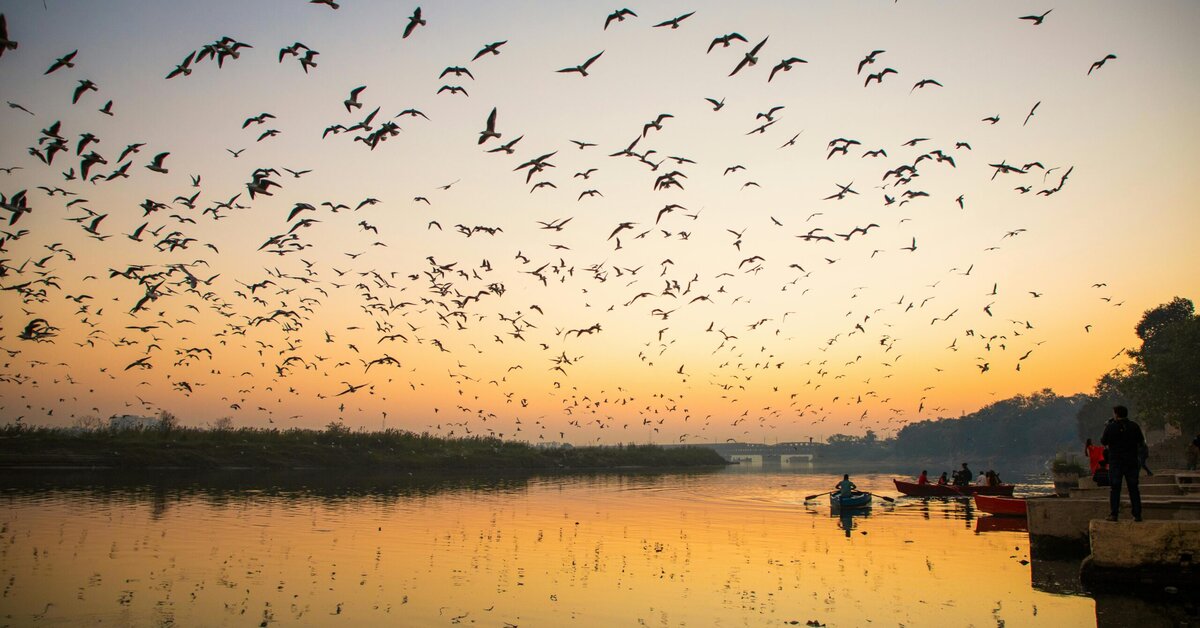
Sunrise and sunset boat rides offer spectacular views with golden light playing on the water and the silhouettes of thousands of pilgrims along the banks. These aesthetic experiences complement the spiritual journey beautifully.
Accommodation Options at Magh Mela
Tent Cities and Camps
The most immersive way to experience Magh Mela is staying in the temporary tent cities erected along the Sangam banks. These range from basic canvas tents to surprisingly luxurious Swiss cottage-style accommodations.
Budget tents offer simple bedding, shared bathroom facilities, and basic amenities for ₹800-₹2,000 per night. They’re clean, safe, and put you right in the heart of mela activities. You’ll fall asleep to devotional chants and wake up to the river at your doorstep.
Mid-range camps provide attached bathrooms, better bedding, heating arrangements, and meals for ₹3,000-₹7,000 per night. These strike a good balance between authenticity and comfort.
Luxury tent packages include air conditioning/heating, premium bedding, attached modern bathrooms with hot water, electricity backup, catered meals, guided tours, and even spa facilities. Prices range from ₹8,000 to ₹25,000 per night, offering glamping experiences that don’t compromise on spiritual proximity.
Many religious organizations, ashrams, and private operators run these camps. Booking through reputable operators or official mela websites ensures quality and safety. Early booking is essential as prime locations near the Sangam fill up months in advance.
Hotels in Prayagraj
If you prefer conventional accommodation, Prayagraj city offers numerous hotel options at varying price points. Budget hotels and guesthouses in areas like Civil Lines, Chowk, and near the railway station charge ₹800-₹2,000 per night for basic but clean rooms.
Mid-range hotels offer modern amenities—air conditioning, attached bathrooms, Wi-Fi, and in-house restaurants—for ₹2,500-₹6,000 per night. Brands like Hotel Milan, Hotel Samrat, and similar properties cater well to pilgrims.
Premium and luxury hotels including ITC Fortune, Hotel Kanha Shyam, and heritage properties charge ₹7,000-₹20,000 per night, providing international-standard facilities, excellent dining, and comfort after long days at the mela.
The downside of staying in the city? You’ll need daily transportation to and from the mela ground, adding travel time and cost. However, you gain comfort, better food options, and escape from the constant hustle.
Dharamshalas and Budget Stays
Dharamshalas (pilgrim rest houses) offer the most economical accommodation, often charging ₹200-₹500 per night or sometimes accepting just donations. Facilities are basic—shared rooms, common bathrooms, simple bedding—but they provide clean, safe shelter.
Many temples and religious organizations run dharamshalas specifically for Magh Mela pilgrims. Some cater to specific communities or regions, so check eligibility before planning.
Ashrams near Prayagraj also welcome pilgrims during Magh Mela. These offer spiritual environments with morning prayers, meditation sessions, and simple vegetarian meals along with basic lodging.
Booking Tips
Start your accommodation search at least 2-3 months before Magh Mela, especially if targeting major bathing dates. Prime locations and good-value options disappear quickly.
Read reviews carefully, particularly for tent camps. Photos can be misleading, so check recent guest experiences regarding cleanliness, safety, and actual amenities provided.
Confirm cancellation policies before booking. Weather, health issues, or travel disruptions might necessitate changes, and flexible booking terms are valuable.
For tent camps, clarify exactly what’s included—meals, transportation, guided tours, boat rides—and what costs extra. Package deals often offer better value than paying separately for each service.
Book through official channels or reputable travel agencies rather than random social media vendors. Scams increase during major religious events, so verification is crucial.
What to Pack for Magh Mela
Packing smart makes your Magh Mela experience significantly more comfortable. Start with clothing: pack layers as January-February mornings and evenings are cold (temperatures drop to 5-10°C), but afternoons can be relatively warm (20-25°C). Thermal innerwear, woolen sweaters, shawls, and jackets are essential.
Bring at least 3-4 sets of clothes for bathing—cotton dries quickly and is comfortable when wet. White or saffron-colored traditional wear is preferred. Don’t forget extra towels, as you’ll be bathing frequently.
Footwear should be practical—comfortable walking shoes or sneakers for general movement, and flip-flops or sandals for bathing and ghats. Waterproof sandals are ideal as you’ll be walking on wet surfaces frequently.
Personal care items include basic toiletries, sunscreen (the winter sun can be surprisingly strong), moisturizer (to combat dry air), hand sanitizer, wet wipes, and toilet paper (many facilities lack this). Bring any prescription medications plus a basic first-aid kit with pain relievers, bandages, and digestive aids.
Spiritual items might include prayer books, mala (prayer beads), small puja kit, and containers if you wish to carry Gangajal (holy water) home. A waterproof bag protects valuables and electronics during boat rides.
Practical essentials: flashlight or headlamp (power cuts happen), power bank, reusable water bottle, snacks, plastic bags for wet clothes, and photocopies of important documents.
What not to bring: expensive jewelry, unnecessary electronics, excessive cash, or anything you can’t afford to lose in crowds.
How to Reach Magh Mela Prayagraj
Getting to Prayagraj is straightforward thanks to well-developed connectivity. Prayagraj Airport (Bamrauli Airport) has direct flights from Delhi, Mumbai, Bangalore, and other major cities. Flight frequency increases during Magh Mela. From the airport, the mela ground is approximately 15 kilometers, taking 30-40 minutes by taxi (₹400-₹600).
Railways offer the most popular option. Prayagraj Junction is a major station with trains from across India. During Magh Mela, Indian Railways operates hundreds of special trains to accommodate increased pilgrim traffic. Book tickets well in advance as they sell out quickly. From the railway station, local transport—auto-rickshaws, cycle rickshaws, shared tempos—take you to the mela (₹50-₹200 depending on vehicle and negotiation).
Road travelers can reach Prayagraj via well-maintained national highways. The city is approximately 200 km from Lucknow, 135 km from Varanasi, and 650 km from Delhi. State-run and private buses operate regular services, with increased frequency during Magh Mela. Driving your own vehicle is possible, but parking near the mela can be challenging.
Once at the mela, walking is your primary mode of transport within the grounds. The tent city and ghats are interconnected by temporary roads. Battery-operated rickshaws, cycle rickshaws, and occasionally golf carts help those who struggle with long walks.
Food and Dining at Magh Mela
Food is an interesting aspect of Magh Mela. The mela ground hosts countless food stalls offering simple vegetarian fare. Hot chai (tea), samosas, kachoris, puris with sabzi, and simple dal-rice meals are readily available for ₹20-₹100 per item.
Many religious organizations and ashrams run langars (community kitchens) offering free vegetarian meals to all pilgrims. These simple but nutritious meals—typically dal, roti, rice, and vegetable—are served with devotion and love. Accepting langar is considered auspicious and supports the tradition of service.
If staying in organized camps or hotels, meals are usually included or available through their dining facilities. This offers more variety and hygienic preparation compared to street food.
What to eat: Stick to hot, freshly prepared foods. Indian winter street food like hot jalebis, steaming tea, roasted peanuts, and corn provide warmth and energy. Simple vegetarian meals sit well in the digestive system.
What to avoid: Non-vegetarian food is not available and culturally inappropriate at the mela. Avoid raw foods, salads, and pre-cut fruits that might have hygiene issues. Tap water should not be consumed—stick to bottled or boiled water.
Many pilgrims fast on major bathing days, consuming only fruits, milk, or completely abstaining until after their holy dip. This is personal choice based on individual devotion and physical capacity.
Cultural Activities and Attractions
Magh Mela isn’t just about bathing—it’s a complete cultural immersion. Religious discourses by renowned saints and spiritual leaders happen daily at various akharas (camps) and specially erected pandals. Topics range from Vedic philosophy to practical spirituality, offering intellectual and spiritual nourishment.
Devotional music fills the air constantly. Classical bhajans, Vedic chanting, kirtan sessions, and occasional qawwalis (by Sufi traditions that also participate) create a soundscape of devotion. Evening aartis along the ghats, where thousands of oil lamps are lit simultaneously, create breathtaking visual spectacles.
The Naga Sadhus—ascetics who’ve renounced worldly life—are fascinating aspects of the mela. Their processions, especially on major bathing days, showcase ancient traditions. These ash-covered, often unclothed sadhus represent the most extreme form of spiritual dedication.
Shopping opportunities abound with temporary markets selling religious items—idols, prayer beads, spiritual books, rudraksha, gemstones—alongside handicrafts, clothing, and local specialties. Bargaining is expected and part of the fun.
Yoga and meditation sessions organized by various spiritual groups welcome participants. Many visitors attend these morning classes, combining physical and spiritual practices.
Cultural programs including folk dances, traditional music performances, and religious dramas (based on epics like Ramayana and Mahabharata) entertain and educate pilgrims in the evenings.
Health and Safety Guidelines
Health preparedness prevents problems during your Magh Mela visit. The mela administration sets up numerous medical camps and hospitals within the grounds offering free basic medical care. Major facilities include temporary hospitals with doctors, ambulances, and emergency services.
Common health issues include cold-related problems (hypothermia from early morning bathing in cold water), digestive troubles from changed diet and water, and respiratory issues from dust and smoke. Pack appropriate medications and dress warmly.
Crowd management is a significant concern. On major bathing dates, millions converge, creating crushing crowds. Stay aware of your surroundings, avoid getting separated from your group, and if caught in a crowd surge, move diagonally toward the edges rather than fighting the flow.
Women should travel in groups and stay in well-lit, populated areas. While incidents are rare given the spiritual context, basic precautions are wise. Family groups should establish meeting points in case someone gets separated.
Keep emergency contact numbers handy: Magh Mela Control Room, local police, ambulance services, and your hotel/camp. Temporary police stations (thanas) are set up throughout the mela ground.
Register yourself at your accommodation and inform someone reliable about your daily plans. This simple step can be crucial if emergencies arise.
Budget Planning for Magh Mela
Let’s break down costs to help you budget effectively. Transportation to Prayagraj varies widely—train tickets range from ₹200 (general class) to ₹2,000+ (AC classes), flights cost ₹3,000-₹10,000 depending on booking time and origin.
Accommodation is your major expense: dharamshalas (₹200-₹500/night), budget hotels (₹800-₹2,000/night), mid-range options (₹3,000-₹7,000/night), luxury stays (₹8,000-₹25,000/night). Multiply by the number of nights you’re staying.
Food costs depend on choices. Relying on langars and simple street food might cost just ₹100-₹300 per day. Restaurant meals run ₹300-₹800 daily. Hotel dining packages typically include food, eliminating daily budgeting concerns.
Boat rides add ₹100-₹500 per person for basic trips, more for private or extended journeys. If taking multiple boat rides, budget accordingly.
Puja materials, donations, and offerings are discretionary but culturally expected—₹500-₹2,000 covers most spiritual expenses. Many pilgrims also donate to langars and temples.
Miscellaneous expenses include local transport (₹200-₹500 daily), shopping for religious items or souvenirs (₹500-₹3,000), and personal needs.
A basic budget-friendly Magh Mela trip for one person for 3 days might cost ₹5,000-₹8,000 (excluding transportation to Prayagraj). A comfortable mid-range experience runs ₹15,000-₹25,000. Luxury experiences exceed ₹50,000 easily.
Money-saving tips: Book early for better rates, use public transport, eat at langars, stay in dharamshalas or budget tents, travel in groups to share costs, and visit on non-peak dates if flexible.
Photography and Memories
Magh Mela offers incredible photographic opportunities, but approach photography respectfully. The sunrise and sunset at Sangam provide stunning natural beauty. The vast tent cities from elevated viewpoints showcase the scale of the gathering impressively.
Human interest photography—sadhus, pilgrims, rituals—requires sensitivity. Always ask permission before photographing people, especially sadhus and women. Many holy men are happy to pose, while others prefer privacy; respect their wishes.
The evening aarti ceremonies with thousands of lamps create magical lighting conditions for photography. The colors, crowds, and devotion combine into powerful images.
Best photo spots include boat perspectives showing the confluence, elevated views from Allahabad Fort (if accessible), ghat views during bathing times, and within the akharas where saints and sadhus camp.
Photography etiquette is crucial. Don’t photograph during your own bathing or ritual moments—focus on the spiritual experience. Avoid using flash during prayers or sermons as it disturbs others. Be discreet rather than intrusive.
Some spiritual leaders and ashrams prohibit photography completely. Honor these restrictions without argument. The memories in your heart matter more than those on memory cards.
Beyond photography, collect memories through journaling, saving small mementos like rudraksha beads or printed prayers, and most importantly, being fully present during your experience.
Conclusion
Magh Mela in Prayagraj is more than a religious gathering—it’s a journey into the heart of India’s living spiritual traditions. From the pre-dawn holy dips at Triveni Sangam to evenings spent listening to ancient wisdom from saints, from boat rides on sacred rivers to meals shared with fellow pilgrims from across the country, every moment contributes to an unforgettable experience.
Planning your visit with proper knowledge about accommodation, bathing rituals, boat services, and practical logistics transforms a potentially overwhelming pilgrimage into a smooth, meaningful journey. Whether you choose budget-friendly dharamshalas or luxury tent camps, whether you visit on the busiest Mauni Amavasya or quieter regular days, the spiritual essence remains constant.
The sacred waters of Triveni Sangam have witnessed countless pilgrims over millennia, each seeking purification, peace, or proximity to the divine. Now it’s your turn to become part of this eternal tradition. Pack your bags, open your heart, and prepare for an experience that will stay with you long after the mela’s tents are dismantled and the crowds disperse. The rivers will still flow, the confluence will still call, and somewhere within you, the memory of this spiritual adventure will continue to ripple through your life.
FAQs
1. Is Magh Mela safe for solo female travelers?
Yes, Magh Mela is generally safe for solo female travelers, though basic precautions are advisable. The spiritual nature of the gathering means the atmosphere is respectful and devotional. That said, stay in reputable accommodations, travel during daylight hours when possible, dress modestly in traditional clothes, and maintain awareness of your surroundings. Many women travel solo or in female groups for Magh Mela. Consider joining organized tours or camps where you’ll have company and guidance. The mela administration deploys female police officers and has established women’s help desks at various points for assistance.
2. Can I visit Magh Mela for just one day, or do I need to stay longer?
Absolutely, one-day visits are common and perfectly acceptable. Many pilgrims from nearby cities make day trips specifically for bathing on auspicious dates. Arrive early morning, take your holy dip, perhaps attend a discourse or explore the mela grounds, and return by evening. However, staying 2-3 days allows you to experience the complete atmosphere—multiple baths, deeper cultural immersion, interaction with saints, and participation in various spiritual activities. The longer you stay, the more the spiritual energy seeps into your consciousness. Choose based on your schedule, interest level, and spiritual goals.
3. What language barriers might I face, and how can I overcome them?
Hindi is the primary language at Magh Mela, with many regional languages also spoken. English is understood by younger priests, hotel staff, and educated volunteers but less common among traditional priests and local vendors. Learn basic Hindi phrases for navigation, bargaining, and communication—simple words go a long way. Many smartphone translation apps work offline and help bridge language gaps. Hiring a local guide who speaks your language and Hindi smooths the entire experience significantly. Despite language barriers, the universal language of devotion and genuine smiles transcends words—most pilgrims help each other regardless of linguistic differences.
4. Are there any restrictions on who can attend or take the holy bath at Magh Mela?
Magh Mela welcomes everyone regardless of caste, creed, nationality, or religious background. The sacred rivers and the spiritual experience are open to all who approach with respect and genuine intent. There are no entry fees or tickets required. Non-Hindus are welcome to observe and even participate in bathing if they wish—many do. The only “restrictions” are behavioral: respectful conduct, modest dress, and honoring the spiritual nature of the gathering. Certain akhara camps of specific sects may have internal rules for who can enter their private spaces, but the mela ground, ghats, and Sangam are accessible to absolutely everyone.
5. What should I do if I lose my belongings or get separated from my group?
Stay calm—the mela administration has systems for such situations. Immediately report lost belongings to the nearest police post (marked with signs throughout the mela ground). The Lost and Found department handles thousands of cases during the mela, from wallets to lost children. If separated from your group, head to your pre-designated meeting point or return to your accommodation. Carry a card with your accommodation address, emergency contact numbers, and basic information in Hindi and English. Many camps have loudspeaker announcements to help locate separated members. Mobile phone connectivity, while sometimes strained by the massive crowds, usually works for coordinating reunions. Consider sharing your live location with family members through smartphone apps for easier coordination.