
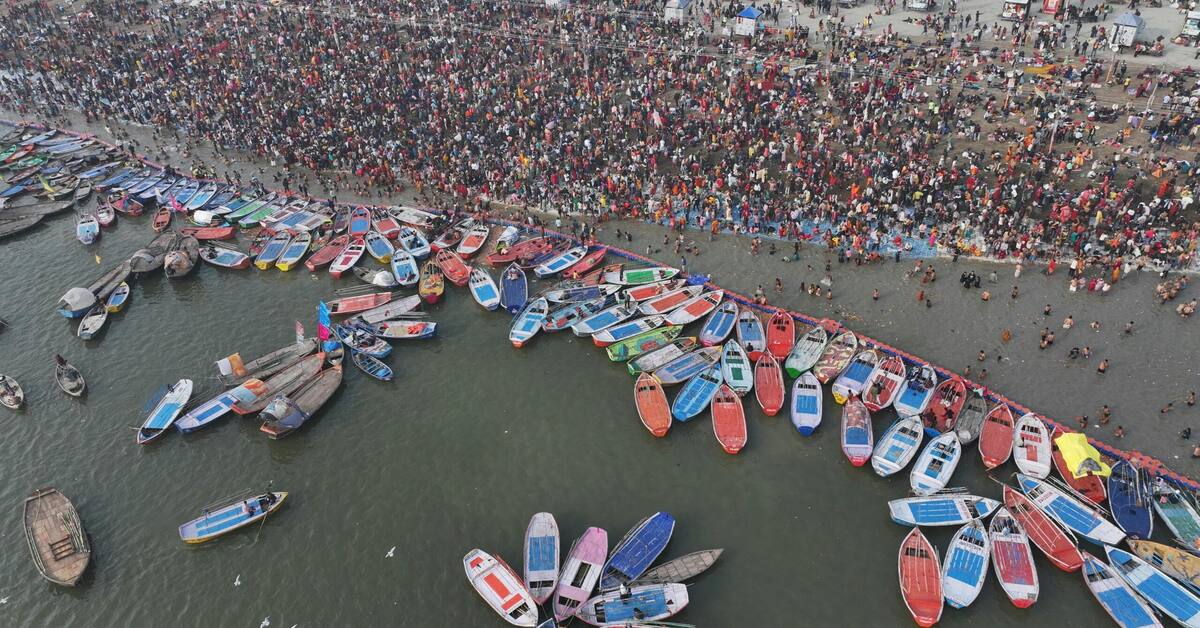
Magh Mela to Ayodhya Tour Complete Family Guide , Picture this: Your entire family—from your toddler to your grandmother—standing together at the sacred Sangam as the sun rises over the confluence of three holy rivers. Your children’s eyes widen with wonder as they take their first holy dip. Your parents’ faces glow with satisfaction at completing a lifelong dream. Your teenager, usually glued to their phone, actually puts it down to absorb the spiritual atmosphere. This isn’t just a vacation—it’s a family pilgrimage that will be talked about for generations.
Planning a Magh Mela to Ayodhya tour with your family might seem daunting at first. How do you manage a spiritual journey with kids who get restless? How do you balance the needs of energetic youngsters with elderly grandparents? Can you make it meaningful without making it miserable? The answer to all these concerns is simple: with the right planning, this can be the most rewarding family trip you’ll ever take.
This comprehensive family guide walks you through every aspect of planning and executing a successful multi-generational pilgrimage from Magh Mela to Ayodhya. Whether you’re traveling with toddlers, teenagers, or your elderly parents—or all three!—we’ve got you covered with practical tips, realistic expectations, and strategies to make this journey smooth, safe, and spiritually fulfilling for everyone.
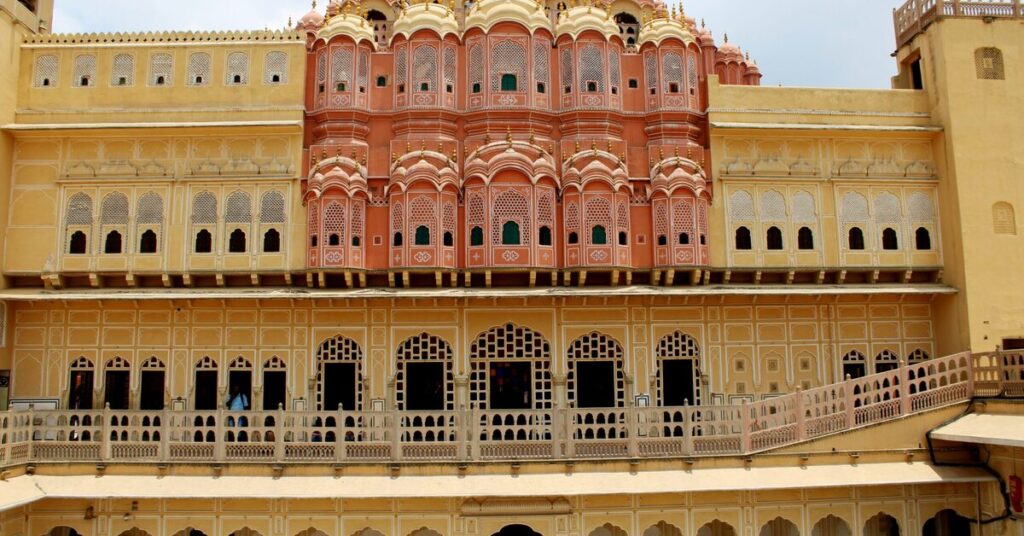
Why This Tour Is Perfect for Families
Multi-Generational Bonding Opportunity
In our fast-paced modern world, how often does your entire family truly spend quality time together? Not the dinner table conversations interrupted by phone notifications, but genuine, undistracted togetherness? A pilgrimage offers exactly this. Away from daily routines, work pressures, and digital distractions, families rediscover each other.
Grandparents share stories from their youth, parents model devotion for their children, and kids learn family traditions firsthand. There’s something profoundly bonding about experiencing spiritual moments together—taking a holy dip as a family, witnessing evening aarti with hands joined, walking through ancient temple corridors side by side. These shared experiences create family memories that transcend individual recollections.
Educational and Cultural Value for Children
Magh Mela to Ayodhya Tour Complete Family Guide ,Think of this tour as the world’s best classroom! Your children aren’t just learning about Indian culture and religion from textbooks—they’re living it. They see the Sangam they studied in school. They walk through Ayodhya, the setting of the Ramayana they heard as bedtime stories. They observe millions of people practicing faith with devotion and discipline.
This experiential learning is invaluable. Children develop cultural pride, understanding of their heritage, and appreciation for India’s diversity. They learn geography (why these rivers meet here), history (the significance of these ancient cities), mythology (Ramayana comes alive), and even social studies (observing how different communities coexist during pilgrimages).
Spiritual Foundation for the Entire Family
In an increasingly materialistic world, giving your children a spiritual foundation is perhaps the greatest gift. This pilgrimage plants seeds of faith that might bloom years later. Even if children don’t fully understand the spiritual significance now, the impressions last. Many adults trace their spiritual journeys back to childhood pilgrimages with family.
For parents and grandparents, it’s an opportunity to reconnect with faith while passing it to the next generation. The family that prays together stays together—and a shared pilgrimage creates a collective spiritual identity that strengthens family bonds long after you return home.
Planning Your Family Tour – When to Go
Best Dates for Families with School-Age Children
School calendars often dictate family travel. Here’s how to work with them:
Winter Break (Late December – Early January): Perfect timing for beginning of Magh Mela. Schools are closed, weather is cold but manageable. However, it’s also peak tourist season with higher prices and bigger crowds.
Republic Day Long Weekend: If Magh Mela extends into late January, this three-day weekend combined with a few additional leave days works well. More affordable than New Year period.
February Mid-Term Breaks: Some schools have breaks in February. Check if Magh Mela dates align. This period sees slightly fewer crowds than early January.
Consider Avoiding Major Bathing Days: Unless experiencing maximum crowds is specifically part of your goal, visit a few days before or after Mauni Amavasya and other peak days for a more manageable family experience.
Weather Considerations for All Ages
January-February in northern India presents unique weather challenges for families:
Temperature Range: 5-20°C (can drop to 3-4°C on cold mornings) Early Mornings: Very cold, especially near water bodies—challenging for elderly and young children Afternoons: Pleasant, 15-18°C—ideal for sightseeing Evenings: Cool, requiring warm layers
Family Strategy:
- Schedule water-related activities (Sangam bath) for mid-morning (8-9 AM) when it’s slightly warmer but still not crowded
- Plan temple visits for pleasant afternoon hours
- Keep early mornings and late evenings light with indoor activities
- Ensure every family member has adequate warm clothing
Avoiding Overwhelming Crowds
For families, especially with young children and elderly members, massive crowds pose significant challenges:
Weekdays are Better: If possible, plan your Sangam visit on a Tuesday, Wednesday, or Thursday rather than weekends.
Timing Within the Day: Early morning (5-7 AM) or late afternoon (3-5 PM) generally see smaller crowds than mid-morning and afternoon.
Skip Peak Bathing Days for Sangam: Consider taking your holy dip on regular auspicious days rather than Mauni Amavasya when literally millions gather. The spiritual merit is still significant, but the experience is far more manageable for families.
Ayodhya Timing: Visit Ram Mandir on weekdays, arrive right when it opens (early morning), or opt for evening slots. Sunday afternoons are chaos—avoid with family.
How Many Days Should Your Family Plan
Recommended Itinerary Duration
For families, pacing is everything. Here are recommendations based on family composition:
Families with Young Children (under 8 years): 5-6 days minimum. Young children tire quickly and need rest days. Rushing creates crankiness that ruins everyone’s experience.
Families with Teenagers: 5-7 days. Teens handle travel better but appreciate downtime for phones and socializing.
Multi-Generational (with seniors): 7-9 days. The extra days allow for slower pace, rest days, and ensure elderly members don’t get exhausted.
Active Families (no very young or elderly): 4-5 days possible but still rushed. Better to take 6-7 days for comfortable experience.
Balancing Activities with Rest Time
The golden rule for family travel: One major activity per day maximum.
What counts as “major activity”?
- Holy dip at Sangam
- Ram Mandir darshan
- Exploring multiple temples in one area
- Long travel days between cities
Rest doesn’t mean doing nothing—it means:
- Leisurely morning at hotel with late breakfast
- Afternoon swimming pool time for kids
- Evening stroll in nearby markets
- Watching movies in hotel room
- Journaling or drawing time for children
- Gentle activities that don’t require physical exertion or early waking
Recommended Balance: 2 days activity + 1 day rest/light activities
Sample Family-Friendly Schedules
6-Day Family Itinerary:
Day 1: Arrive in Prayagraj afternoon, check-in, rest, gentle evening exploration of nearby areas
Day 2: Early-ish morning (7-8 AM) holy dip at Sangam with family, return for rest, afternoon visit to nearby Hanuman Temple (from vehicle), evening leisure
Day 3: Light day—visit Anand Bhawan and Allahabad Fort area (mostly vehicle-based), shopping for religious items, early evening rest
Day 4: Morning travel to Ayodhya (3-4 hours), check-in, lunch, rest, evening Saryu Aarti from ghat
Day 5: Early morning Ram Mandir darshan, return for breakfast and rest, late afternoon visit to Hanuman Garhi, evening leisure
Day 6: Morning visit to Kanak Bhawan, lunch, departure
8-Day Relaxed Family Itinerary:
Follows same flow but adds:
- Full rest day in Prayagraj (Day 3)
- Full rest day in Ayodhya (Day 6)
- Additional buffer day for flexibility
- Option to add Varanasi extension (2 more days)
Preparing Children for the Journey
Age-Appropriate Explanations
For Toddlers (2-4 years): Keep it simple and concrete. “We’re going to see a big river where we’ll take a special bath. We’ll visit a beautiful temple where Lord Ram lived.” Don’t overload with theological concepts—focus on what they’ll actually see and do.
For Young Children (5-8 years): Tell simplified Ramayana stories focusing on Lord Ram’s goodness, bravery, and kindness. Explain that Ayodhya is where Ram was born, just like they were born in their city. Use picture books and animated versions of Ramayana.
For Pre-teens (9-12 years): Provide more historical and cultural context. Discuss why these places are important to millions of people. Share family connections—”Your great-grandmother always wanted to visit here” or “Our family has been devoted to Lord Ram for generations.”
For Teenagers (13+): Engage intellectually. Discuss the spiritual significance, historical importance, architectural marvels. Let them research aspects that interest them—architecture, photography spots, historical conflicts, social dynamics of massive gatherings.
Teaching Ramayana Stories Before the Trip
Make pre-trip story sessions fun and engaging:
Two Weeks Before: Start nightly Ramayana story sessions (15-20 minutes). Use age-appropriate books with colorful illustrations.
Watch Together: Animated Ramayana movies or TV series episodes. Discuss characters, decisions, and values.
Interactive Learning: Ask children questions: “Why do you think Ram chose exile?” “What would you have done in Sita’s place?”
Connect to Visit: “Remember when Ram returned to Ayodhya after defeating Ravan? We’ll visit that very city!”
Creative Activities: Have children draw Ramayana scenes, create family tree of characters, act out favorite stories.
This preparation transforms the visit from “another temple” to “the place where those stories actually happened!”
Setting Realistic Expectations
Be honest about what to expect:
The Good: “We’ll see amazing rivers meeting, beautiful temples, lots of people praying together, take a boat ride, eat special foods.”
The Challenging: “Sometimes we’ll have to wait in lines. It might be cold in the mornings. There will be many people around us. We’ll need to walk carefully and stay together.”
The Rules: “We must dress modestly. Inside temples, we need to be quiet. We might not be able to take pictures everywhere. We need to follow instructions.”
The Rewards: “This is something special our family is doing together. You’ll remember this your whole life. We’re walking where your ancestors walked.”
Making it Exciting Rather Than Scary
Frame challenges as adventures:
Instead of: “There will be huge crowds and you might get lost.” Say: “So many people come here because it’s special! We’ll hold hands and stay together like a team. Let’s play a game—everyone holds the person next to them, and we make a family chain!”
Instead of: “The water will be very cold.” Say: “The holy dip is like being brave explorers! The water will be chilly, but we’ll do it quickly together and then wrap up in warm towels. Who can be the bravest?”
Instead of: “We have to wake up early.” Say: “We’re going to see the most beautiful sunrise over the rivers! It’s like magic when the sun comes up. We’ll have hot chocolate afterward!”
Family-Friendly Transportation Options
Train Travel with Kids
Trains offer unique advantages for families:
Pros:
- Space to move around (unlike car seats)
- Children can play, draw, socialize
- Bathroom facilities onboard
- Affordable for large families
- Experience itself is exciting for kids
- Overnight journeys mean children sleep through travel
Cons:
- Fixed schedules
- Less privacy
- Luggage management with kids challenging
- Cleanliness concerns
- Cannot stop on demand for breaks
Best Classes for Families:
- AC First Class: Private cabins, ideal for families
- AC 2-Tier: Good balance of comfort and cost
- AC 3-Tier: Budget-friendly but crowded
Tips:
- Book lower berths for elderly and children
- Carry entertainment (books, games, tablets with headphones)
- Pack sanitizing wipes for surfaces
- Bring snacks children like
- Keep one change of clothes in hand luggage
Road Trip by Private Vehicle
Private vehicles offer maximum flexibility:
Pros:
- Stop whenever needed (bathroom, snacks, photos)
- Privacy for family
- Control over cleanliness
- Luggage easily accessible
- Can adjust schedule on-the-fly
- Children can sleep comfortably
Cons:
- More expensive than trains
- Long sitting time challenging for active kids
- Need breaks for driver
- Traffic and road conditions variable
Vehicle Recommendations:
- 4-5 people: Sedan (Dzire, City)
- 6-7 people: SUV (Innova, Ertiga, XUV)
- 8+ people: Tempo Traveller
Tips:
- Hire experienced driver familiar with routes
- Plan 2-3 stops on 4-hour journeys
- Keep activities ready for children (audio stories, games, tablets)
- Stock up on snacks and water
- Ensure child safety locks work
Flight Considerations
Flights make sense for distant origin cities:
Pros:
- Fastest option
- Less travel fatigue
- Children handle 1-2 hours better than 10-12 hour journeys
Cons:
- Airport transfers add time
- Luggage restrictions
- Higher cost for families
- Limited flights to Prayagraj
Tips:
- Book seats together well in advance
- Bring change of clothes in cabin baggage (spills happen)
- Pack entertainment in carry-on
- Bring snacks (airplane food might not suit kids)
- Check in early for better seats
- Pre-board with young children
Managing Long Journeys with Children
Entertainment Arsenal:
- Tablets with downloaded movies, shows, games (offline mode)
- Audio stories and songs
- Coloring books and crayons
- Small toys and puzzles
- Card games for older kids
- “I Spy” and other travel games
- Sticker books
- New book or toy revealed mid-journey as surprise
Comfort Measures:
- Neck pillows for sleep
- Favorite blanket or stuffed animal
- Comfortable clothing layers
- Wet wipes for freshening up
- Hand sanitizer
Snack Strategy:
- Variety of snacks (avoid only sweet or salty)
- Healthy options: fruits, nuts, granola bars
- Treats as “good behavior” rewards
- Plenty of water
- Motion sickness medication if needed
Break Schedule:
- Every 2 hours for toddlers
- Every 3 hours for older children
- Combine bathroom, stretching, and snack breaks
Accommodation for Families
Family Rooms and Suites
What to Book:
- Family Rooms: Typically accommodate 4-5 people with extra beds
- Suites: Separate bedroom and living area—better for families with teenagers who need space
- Connecting Rooms: Two rooms with internal door—ideal for large families
Request When Booking:
- Extra beds or rollaway cots for children
- Crib for infants/toddlers
- Ground floor rooms (easier with luggage and strollers)
- Rooms away from elevator/street noise
- Non-smoking rooms
- Rooms near each other for extended family
Hotels with Kid-Friendly Amenities
Must-Have Amenities:
- Attached bathroom with hot water (crucial in winter)
- Heater/climate control
- TV with kid-friendly channels
- Mini-fridge (for milk, medicines, snacks)
- In-room dining option
- Safety features (corner guards, electrical outlet covers)
Nice-to-Have Amenities:
- Swimming pool (great for afternoon downtime)
- Play area or games room
- Kids’ menu in restaurant
- Babysitting services
- Laundry facilities
- Doctor on call
Red Flags to Avoid:
- Hotels near noisy areas (markets, main roads)
- Multiple floors with no elevator
- Far from main sites (more travel time with tired kids)
- No emergency medical facilities nearby
- Poor hygiene reviews
Location Priorities for Families
In Prayagraj:
- Civil Lines area: Good hotels, away from mela chaos, 20-30 minutes to Sangam
- Near Sangam: Basic amenities but closest to mela—only if you can handle noise and crowds
- Best Balance: Hotels 5-10 km from Sangam with reliable transport
In Ayodhya:
- Within 2-3 km of Ram Mandir: Minimizes daily travel with kids
- Near Naya Ghat: Good hotel options, close to Saryu River
- Avoid: Far-flung budget hotels requiring 30+ minute travel each way
Budget vs Comfort Trade-offs
Budget Accommodation (₹1,500-3,000/night):
- Basic clean rooms
- Limited amenities
- May lack child-specific features
- Less space
- Worth it if: Children are easy-going, you’re mostly out during day, short stay
Mid-Range (₹3,000-6,000/night):
- Comfortable rooms with good amenities
- Better hygiene standards
- Some child-friendly features
- Reasonable space
- Sweet spot for most families
Premium (₹6,000-15,000+/night):
- Spacious family rooms
- Excellent amenities (pool, play area, quality dining)
- Superior service and comfort
- Worth it if: Traveling with very young children or seniors, longer stay, budget allows, comfort is priority
Pro Tip: Splurge on accommodation, save on dining. Comfortable hotel becomes sanctuary when traveling with kids—makes everyone happier!
Packing Essentials for the Whole Family
Clothing for All Ages
For Everyone:
- Layers: Thermal wear, sweaters, light jacket, shawls
- Modest Temple Wear: Traditional clothes (kurta-pajama for boys/men, salwar-suits/lehengas for girls/women)
- Comfortable Footwear: Walking shoes + easy slip-on sandals for temples
- Warm Accessories: Caps/monkey caps, scarves, gloves (especially for children)
- Extra Socks: Keep feet warm, especially early mornings
For Infants/Toddlers (0-3 years):
- Double the clothes you think you need (spills, accidents)
- Warm onesies with easy snaps
- Multiple caps (they lose them!)
- Soft socks and booties
- Waterproof outer layer for bath time
- Baby carrier-appropriate clothing
For Young Children (4-10 years):
- Comfortable, modest clothing that’s easy to wear
- Avoid complicated outfits (buttons, belts) for temple visits
- Warm pajamas for cold nights
- Play clothes for hotel downtime
- Swimwear if hotel has pool
For Teenagers:
- Let them participate in packing
- Ensure modest choices for religious sites
- Comfortable jeans/pants + kurtas work well
- Their preferred jacket/hoodie (comfort item)
Entertainment for Children
Screen Entertainment:
- Tablet loaded with age-appropriate content
- Headphones (crucial!)
- Portable charger/power bank
- Adapter and charging cables
Screen-Free Entertainment:
- Favorite books (including Ramayana picture books)
- Coloring supplies
- Small travel games
- Playing cards
- Journal and nice pens (for older kids)
- Small toys (not too many!)
- Sticker books
Educational:
- Simple camera for kids to document journey
- Notebook for “pilgrimage journal”
- Map highlighting route
- List of things to spot (treasure hunt style)
Medical Kit Specific to Families
Basic Medications:
- Fever reducers (Crocin, Calpol for children)
- Pain relievers
- Anti-diarrheal (Econorm sachets, ORS packets)
- Antibiotic ointment
- Motion sickness medication
- Allergy medication (if family members have allergies)
- Cold and cough remedies
- Digestive aids (antacids)
First Aid:
- Bandages various sizes
- Antiseptic wipes/solution
- Cotton and gauze
- Thermometer
- Tweezers (for splinters)
- Insect repellent
- Sunscreen
- Moisturizer (winter dryness)
- Lip balm
Prescriptions:
- Any regular medications for family members
- Copies of prescriptions
- Doctor’s contact information
Baby-Specific (if applicable):
- Formula/milk powder
- Bottles and cleaning supplies
- Diapers (more than you think!)
- Diaper rash cream
- Baby wipes
- Teething gel/toys
- Gripe water
Pro Tip: Pack medications in carry-on, separate from checked luggage!
Comfort Items from Home
For Children:
- Favorite stuffed animal or blanket
- Familiar pillow
- Comfort snacks from home
- Photos of home/pets
- Favorite sippy cup or water bottle
For Everyone:
- Travel pillows
- Small blanket (flights, trains, cold hotels)
- Familiar toiletries
- Flashlight/torch
- Ziploc bags (multiple uses!)
- Laundry detergent packets
- Portable clothesline
- Swiss army knife/multi-tool
- Binoculars (for viewing from distance)
Magh Mela Experience with Children
Timing Your Visit to Sangam
Best Time for Families:
- Mid-morning (8:00-10:00 AM): Water slightly warmer than dawn, crowds moderate, enough light for safety, children are awake and fed
- Avoid very early morning (before 6 AM): Too cold for children, dark, children half-asleep and cranky
- Avoid mid-day (11 AM-2 PM): Peak crowds, harsh sun despite cold season
- Avoid peak bathing days with young children: Unless essential, skip Mauni Amavasya in favor of regular auspicious days
Day of Week: Weekdays significantly less crowded than weekends—plan accordingly if possible.
Safety Protocols for Kids in Crowds
Before Entering Crowds:
- Identification: Write parent’s phone number on child’s arm with permanent marker, or use ID bracelet
- Dress Distinctively: Bright, unique colors help spot your child in crowds
- Meeting Point: Identify clear landmark, explain to children: “If we get separated, stay at the blue information booth”
- Buddy System: Pair each child with an adult, older children with younger
- Pre-brief: “Stay close, hold hands, don’t let go for any reason”
In Crowds:
- Physical contact mandatory—hold hands, toddlers in carriers
- Count heads regularly
- Move slowly, never rush
- Stay toward edges of crowds when possible
- If crowd gets too dense, turn back immediately
- Use child leash/harness for very young children (no shame—safety first!)
If Child Gets Lost:
- Stay calm
- Immediately inform nearby police/volunteers
- Check designated meeting point
- Use loudspeaker announcement system (available at mela)
- Most lost children found within minutes at mela helpdesks
Making the Holy Dip Memorable
Preparation:
- Explain significance in age-appropriate way
- Build excitement: “This is a special bath that millions of people take!”
- Discuss logistics: “It’ll be cold, we’ll be quick, then warm clothes and hot chocolate”
- Bring waterproof bag for clothes
The Experience:
- Go as a family unit—together is memorable
- Quick dip sufficient for young children (full immersion not necessary)
- Take photos before/after (not during for modesty)
- Have warm, dry clothes and towels ready immediately
- Warm beverage (hot chocolate, tea) afterward
- Let children choose small religious item afterward as memento
Making it Special:
- Create a “holy dip certificate” afterward
- Take family photo at Sangam (before bath, in dry clothes)
- Let children collect Ganga water in small bottle to take home
- Share family stories: “Your grandmother took this same bath 40 years ago”
What Children Will Find Interesting
Visual Spectacles:
- The actual meeting point of rivers (different colored waters)
- Boats—dozens of them!
- Colorful tents stretching endlessly
- Sadhus with unique appearances
- Religious processions with music
- Massive crowds (fascinating if not overwhelming)
Interactive Elements:
- Boat ride to Sangam
- Feeding fish in the river
- Watching people perform rituals
- Seeing preparations for aarti
- Observing different regional costumes
Learning Opportunities:
- Geography: “See where three rivers meet?”
- Culture: “These are people from all over India”
- History: “This gathering happens for thousands of years”
- Science: “Why are river waters different colors?”
Pro Tip: Frame it as an adventure, not just religious duty, and children engage more enthusiastically!
Keeping Toddlers and Young Children Safe
Crowd Management Strategies
Carrier vs Walking:
- Under 2 years: Baby carrier (front or back) keeps them secure and leaves your hands free
- 2-4 years: Combination—carrier for very crowded areas, walking in open spaces
- 4+ years: Walking with hand-holding, carrier as backup if they tire
Navigation Tips:
- Let older, stronger adults create protective circle around children
- Move with crowd flow, never against
- Avoid the very center of large moving crowds
- Take breaks before children get exhausted
- If toddler has meltdown, move to side immediately
Identification and Contact Information
Multiple Identification Methods:
- Temporary Tattoo: Write phone number on inner forearm with washable tattoo pen
- ID Bracelet: Silicone bracelets with parent contact
- Tags: Attach to clothing (inside collar)
- Photo: Take daily photo of child in day’s outfit (helps describe if lost)
- Recent Photo: Carry printed photo to show authorities if needed
Information to Include:
- Parent name and phone (two numbers if possible)
- Child’s name
- Hotel name and phone
- “Speaks [language]” if child non-verbal or limited Hindi
Stroller vs Baby Carrier Debate
Stroller Pros:
- Child can rest/nap
- Storage for diaper bag
- Parents’ backs not strained
Stroller Cons:
- Uneven ground at mela
- Difficult in crowds
- Steps and obstacles
- Must be carried sometimes anyway
Baby Carrier Pros:
- Hands-free
- Navigates crowds easily
- Keeps child secure
- Works on all terrain
Baby Carrier Cons:
- Parents’ backs/shoulders tire
- Hot for both parent and child
- Limited use duration
(weight restrictions)
Verdict for Magh Mela + Ayodhya:
- Bring carrier for mela and crowded temple visits
- Optional stroller for hotel and open areas in Ayodhya
- Best: Lightweight, compact stroller that folds easily + carrier for flexibility
Establishing Meeting Points
At Each Location:
- Identify clear landmark visible from distance
- Point it out to all children
- Explain: “If we get separated, go to [landmark] and wait. Don’t leave that spot. We will come get you.”
- For older children: “Stay where you are if lost, don’t go searching for us”
- Make children repeat instructions back
Good Meeting Points:
- Information booths (well-marked, staffed)
- Large distinctive temples
- Hotel entrances
- Police posts
Phone Strategy:
- Older children can carry basic phone (if responsible)
- Pre-saved numbers
- Keep charged
- Teach them to ask authority figure to call if needed
Engaging Teenagers on the Pilgrimage
Connecting Spirituality with Modern Life
Teenagers need intellectual and emotional engagement, not just “because I said so”:
Frame it as Identity Exploration: “This pilgrimage is part of understanding who you are, where you come from, what our family believes. You don’t have to agree with everything, but experiencing it helps you make informed choices about your own beliefs.”
Discuss Big Questions:
- Why do millions of people come here?
- What is faith, really?
- How do different people express spirituality?
- What role does religion play in society?
- How have these traditions survived thousands of years?
Respect Their Skepticism: Don’t force devotion. Allow questions, even challenging ones. “I notice you’re skeptical about [belief]. What do you think about [related philosophical question]?” Teens respect authenticity over forced piety.
Connect to Current Events: Discuss the Ram Mandir’s recent history, the cultural significance, the architectural achievement—intellectual engagement opens emotional doors later.
Photography and Social Media Opportunities
Turn teens’ phone obsession into engagement tool:
Photography Mission:
- Give them “assignment”: Document the pilgrimage through photos
- Encourage artistic shots (architecture, people’s faces, sunrise, water, crowds)
- Respect rules (no photos in restricted areas)
- Create Instagram/photo story afterward
- Frame it: “You’re the family documentarian”
Social Media Sharing:
- Let them share experience online (with guidelines)
- Teach respectful posting (no mocking, no inappropriate captions for religious sites)
- Use storytelling: “Here’s why this place matters to millions”
- Encourage mindful posting, not just selfies
Balance Screen Time:
- Designated phone-free times (during actual rituals, family meals)
- “Experience first, document second” rule
- No phones during temple darshan
- Otherwise, reasonable phone use acceptable
Giving Them Age-Appropriate Responsibilities
Teens want to feel useful, not treated like children:
Navigation Responsibilities:
- Put them in charge of Google Maps
- Research best routes, restaurants
- Track time and schedules
- Handle hotel check-ins (with supervision)
Family Coordinator:
- Keep track of group during outings
- Help with younger siblings
- Assist elderly grandparents
- Carry extra bags/supplies
Financial Involvement:
- Give them budget for certain expenses
- Let them handle small transactions
- Teach them about money management
- Involve in planning affordable alternatives
Cultural Bridge:
- They can often communicate better with local young people
- Handle language translation apps
- Research local customs
- Share fun facts with family
Recognition: Thank them publicly for their help. Teens need validation that they’re contributing meaningfully.
Ayodhya with the Family
Ram Mandir Darshan with Children
Preparation:
- Review Ram’s story night before
- Explain temple rules clearly
- Set expectations about queues and crowd
- Discuss respectful behavior
VIP Darshan Worth It for Families: Paying for VIP darshan (₹500-2,000/person) saves hours of waiting with restless children. The investment pays off in less stress, happier kids, and successful darshan rather than meltdown-induced failure.
During Darshan:
- Keep children close
- Point out architectural details to keep them engaged
- Whispered explanations about what they’re seeing
- Brief is fine—don’t force extended temple stay
- Photo outside temple, not inside sanctum
Post-Darshan:
- Prasad for children
- Discussion: “What did you see? How did it feel?”
- Ice cream or treat (positive association!)
- Let them share experience their way
Child-Friendly Temples and Sites
Hanuman Garhi:
- Why Kids Like It: Climbing the steps feels like adventure, monkeys around (from distance!), fortress-temple is interesting architecture
- Family Tip: Go early morning or late afternoon (less hot), count steps together, reward at top with prasad and view
Kanak Bhawan:
- Why Kids Like It: Beautiful colorful temple, stories about Sita, golden crowns are visually interesting
- Family Tip: Less crowded than Ram Mandir, photography allowed in courtyard, peaceful atmosphere suitable for teaching moments
Saryu River Ghats:
- Why Kids Like It: Boat rides! Feeding fish, watching evening aarti, open spaces to run
- Family Tip: Sunset boat ride is magical, bring bread to feed fish, attend evening aarti from boat for best experience
Ram Katha Park/Museum (if open during visit):
- Why Kids Like It: Visual displays, dioramas of Ramayana stories, educational and engaging
- Family Tip: Interactive learning reinforces stories they heard
Saryu River Activities
Boat Rides:
- Morning Ride (6-8 AM): Peaceful, beautiful light, see people performing rituals
- Evening Ride (5-7 PM): Witness aarti preparations, sunset, more activity
- Duration: 30-60 minutes
- Cost: ₹500-1,500 for private family boat
- Safety: Life jackets for children (ensure available), stable boat selection, experienced boatman
Feeding Fish:
- Children love this activity
- Buy fish food from vendors (₹20-50)
- Do from boat or ghat steps
- Teaches kindness to creatures
Evening Aarti:
- Similar to Varanasi’s Ganga Aarti but smaller scale
- Beautiful synchronized lamp ceremony
- Musical accompaniment
- 30-45 minutes duration
- Arrive 20 minutes early for good spot
- Children usually find this mesmerizing
Educational Opportunities
Living History Lessons:
- “This is the city where the Ramayana actually happened”
- Point out how history lives on in current practices
- Connect stories to physical locations
- Discuss how cities preserve heritage
Comparative Learning:
- Compare temples’ architecture
- Notice different worship styles
- Observe regional diversity among pilgrims
- Discuss how religion influences art and culture
Values Education:
- Ram as ideal king, son, brother, husband
- Sita’s strength and dignity
- Hanuman’s devotion and service
- Lakshman’s loyalty
- How these values apply today
Creative Follow-Up:
- Sketch favorite temples
- Write story about pilgrimage
- Make timeline of Ramayana events
- Create presentation for school
- Scrapbook with tickets, photos, notes
Food and Dining with Family
Finding Kid-Friendly Restaurants
What to Look For:
- Clean, well-maintained
- Family-friendly atmosphere (not just adult/couples-focused)
- High chairs available (for toddlers)
- Varied menu with mild options
- Reasonable prices
- Quick service (hungry children won’t wait 45 minutes)
- Air-conditioned (comfortable environment)
Recommended Types:
- Hotel restaurants (reliable, clean)
- National chains (Bikanervala, Haldiram’s – predictable, children recognize)
- Pure veg family restaurants (common in pilgrimage cities)
Apps to Use:
- Zomato and Swiggy for reviews and ratings
- Filter for “family-friendly,” “kid-friendly menu”
- Check photos for cleanliness
- Read recent reviews
Dealing with Picky Eaters
Strategies That Work:
Bring Familiar Foods:
- Packaged snacks from home
- Favorite cereals for breakfast
- Peanut butter (if no allergy)
- Instant noodles (hotels often have kettles)
Find Safe Options:
- Plain rice
- Roti/chapati with butter
- Curd/yogurt
- French fries
- Plain dosa
- Idli
- Pasta (available in many restaurants)
- Bread and cheese
Meal Strategy:
- Don’t fight food battles on pilgrimage
- Ensure children eat something nutritious
- Supplement with fruits, bananas, nuts
- Multi-vitamins for the duration
- Try new foods without pressure: “Want to taste? No? That’s okay!”
Restaurant Modifications:
- Ask for mild/no spice
- Request separate bowl before adding spices
- Simple preparations (grilled, not gravy-based)
- Most restaurants accommodate polite requests for children
Snacks and Hydration Strategy
Snack Stash: Keep these readily available:
- Packaged biscuits and cookies
- Granola bars
- Nuts and dry fruits
- Fresh fruits (bananas, apples – easily portable)
- Chips/murukku
- Glucose biscuits
- Chocolate (in moderation)
- Juice boxes
- Sandwiches for day trips
Hydration:
- Crucial in Dry Winter: Children don’t feel thirsty but need water
- Carry multiple water bottles
- Set drinking reminders: “Everyone drink now!”
- Avoid too much juice/soda (dehydrating)
- Hot beverages for cold mornings: hot chocolate, warm milk
- ORS packets if anyone gets dehydrated/upset stomach
Dining Schedule:
- Maintain regular meal times when possible
- Have substantial breakfast before major activities
- Carry substantial snacks for between meals
- Early dinner (children get hungry earlier)
- Late-night snack available at hotel room
Food Safety for Children
Golden Rules:
- Only Bottled/Packaged Water: No tap water, even for brushing teeth
- Avoid Street Food: However tempting, children’s stomachs are sensitive
- Hot, Freshly Cooked Food: Safest option
- Peel Fruits Yourself: Bananas, oranges safer than cut fruits
- Avoid Raw Vegetables: In salads, garnishes
- No Ice: Unless you’re certain it’s from purified water
- Milk: Packaged/boiled only, not unpasteurized
Red Flags:
- Crowded unhygienic stalls
- Food sitting out uncovered
- Unclean food handlers
- Reused plates without proper washing
- Street-side cut fruits
Safe Street Food (if you must):
- Packaged items (chips, biscuits)
- Fresh hot samosas/pakoras from busy stalls (high turnover)
- Bananas and packaged snacks
- Hot tea from clean stalls
If Someone Gets Sick:
- ORS immediately
- Probiotics (Econorm)
- Bland diet (rice, curd, banana)
- See doctor if fever, blood in stool, severe symptoms
- Rest until recovered—don’t push
Managing Senior Family Members
Pace Adjustments for Grandparents
Realistic Scheduling:
- One Major Activity Per Day: Holy dip OR temple visit, not both
- Late Start Times: Let them wake naturally, have leisurely breakfast
- Afternoon Rest Mandatory: 2-3 hour rest after lunch
- Early Evenings: Back to hotel by 6-7 PM
- Full Rest Days: At least one every 3 days
Allow Extra Time:
- Walking: Double the time you’d budget for yourselves
- Temple visits: Account for frequent rest breaks
- Meals: Leisurely pacing, not rushed
- Morning routines: Extra time for medications, preparation
Listen to Their Bodies:
- Don’t push if they’re tired
- Skip non-essential activities if energy low
- Offer vehicle support even for short distances
- Be flexible—plans can change
Accessibility Considerations
Walking Challenges:
- Minimize walking distances
- Use wheelchairs when needed (no ego!)
- Plan routes with fewest steps
- Identify resting spots along the way
- Avoid peak crowd times (harder to navigate with mobility issues)
Temple Access:
- VIP darshan essential—reduces waiting and walking
- Request assistance from temple volunteers
- Some temples have chair/wheelchair provisions
- Senior citizens often get priority queue—ask!
Transportation:
- Door-to-door vehicle service
- Ground floor accommodation
- Hotels with elevators (confirm operational!)
- Minimize inter-city travel
Comfort Needs:
- Easy access to clean restrooms
- Seating available at all stops
- Climate-controlled environments when possible
- Handrails and support where available
Medical Preparedness for Elders
Pre-Trip:
- Comprehensive health check-up
- Doctor’s clearance for travel
- Detailed medication list and prescriptions
- Medical summary with conditions, allergies
- Extra medications (double what needed)
- Regular doctor’s phone number
During Trip:
- Daily medication schedule maintained
- Regular blood pressure/sugar checks if applicable
- Watch for signs: unusual fatigue, breathlessness, chest pain, confusion
- Keep emergency numbers handy
- Know location of nearest quality hospital
- Travel insurance with senior citizen coverage
Emergency Protocols:
- Designated family member responsible for medical decisions
- Hospital preferences (multi-specialty, good cardiology dept)
- Evacuation plan if serious issue
- Don’t delay seeking medical care—better safe than sorry
Common Issues and Prevention:
- Exhaustion: Adequate rest, not overscheduling
- Dehydration: Regular water intake
- Cold-related: Proper warm clothing
- Joint pain: Pain management, not excessive walking
- Digestive issues: Careful food choices, familiar foods
Budget Planning for Family Tours
Per-Person vs Per-Room Costing
Hotels:
- Usually per room, not per person
- Family room (accommodates 4-5): ₹3,000-8,000/night
- Additional bed: ₹500-1,000/night
- Children under 5: Usually free
- Children 5-12: 50% charge or free depending on hotel
Transportation:
- Train: Per person (child discounts available)
- Private vehicle: Per vehicle (same cost for 4 or 7 people)
- Flight: Per person (child fares available)
Temple Entry/VIP Darshan:
- Usually per person
- Children under certain age free/discounted
- Package deals sometimes available
Meals:
- Typically per person
- Children’s portions often available at reduced cost
- Hotels: Breakfast often included, children sometimes free
Children’s Discounts and Free Entry
Transportation Discounts:
- Railways: Children under 5 free, 5-12 years half price
- Flights: Infants (0-2) at 10% fare, children (2-12) at 50-75%
- Private vehicles: No per-person charge
Accommodation:
- Children under 5-6: Free (without bed)
- Children 6-12: 25-50% discount or free
- Varies by hotel—always ask!
Attractions:
- Most temples: Free for all
- VIP darshan: Sometimes children discounted
- Museums: Usually children half price
Pro Tip: Always carry age proof for children (birth certificate copy, school ID) to claim discounts!
Smart Money-Saving Tips for Families
Accommodation:
- Book family rooms/suites vs multiple rooms
- Longer stays often get discounts—negotiate!
- Weekday travel cheaper than weekends
- Book well in advance for better rates
- Consider apartment-style hotels (kitchen access saves on meals)
Transportation:
- Trains cheaper than flights for families
- Private vehicle cost-effective for 5+ people vs individual train tickets
- Book early for best train fares
- Group discounts on chartered vehicles
Food:
- Breakfast at hotel (often included)
- Pack snacks from home
- Lunch at economical local restaurants
- Dinner at hotel or budget restaurants
- Avoid hotel room service (hefty markup)
- Share dishes (Indian portions are large!)
- Water bottles from stores, not hotels
Activities:
- Free activities: River ghats, walks, evening aartis
- VIP darshan only where queue really long
- Photography yourself vs professional
- Public transport for short distances
Miscellaneous:
- Carry own water bottles (refill)
- Small denomination cash (better negotiating power)
- Avoid tourist trap shops near temples
- Buy souvenirs from local markets, not hotel shops
Realistic Budget Breakdown
Budget Family Trip (Family of 4 – 2 adults, 2 children under 12, 6 days):
- Round-trip train tickets: ₹12,000
- Accommodation (budget hotels): ₹18,000 (₹3,000 x 6 nights)
- Inter-city travel (Prayagraj-Ayodhya): ₹3,000
- Meals: ₹15,000 (₹2,500/day average)
- VIP darshan & entry fees: ₹3,000
- Local transport: ₹4,000
- Miscellaneous: ₹5,000 Total: ₹60,000 (₹15,000/person)
Mid-Range Family Trip (Same family, 7 days):
- Round-trip flights: ₹32,000
- Accommodation (3-star hotels): ₹35,000 (₹5,000 x 7)
- Private vehicle entire trip: ₹15,000
- Meals: ₹21,000 (₹3,000/day)
- VIP darshan & activities: ₹6,000
- Shopping & miscellaneous: ₹10,000 Total: ₹1,19,000 (₹29,750/person)
Premium Family Trip (Same family, 8 days):
- Round-trip flights (better timings): ₹40,000
- Accommodation (4-star): ₹64,000 (₹8,000 x 8)
- Private SUV + driver: ₹25,000
- Meals (better restaurants): ₹32,000
- VIP darshan, activities, guide: ₹12,000
- Shopping: ₹15,000 Total: ₹1,88,000 (₹47,000/person)
Note: Prices indicative, vary by season, advance booking, specific choices.
Entertainment and Downtime
Balancing Spirituality with Fun
Pilgrimage doesn’t mean non-stop seriousness! Balance is key for family enjoyment:
Structured vs Unstructured Time:
- Mornings: Spiritual activities (temples, rituals)
- Afternoons: Rest and free time
- Evenings: Mix of gentle spiritual (aarti) and family time
Fun Elements:
- Boat rides (adventure + spiritual)
- Swimming at hotel pool
- Exploring local markets
- Trying local sweets and snacks
- Photography contests among family
- Evening ice cream outings
- Movie time in hotel room
Make Spiritual Activities Engaging:
- Story-telling approach to religious significance
- “Treasure hunt” of architectural features
- Photography challenges
- Counting games (steps, boats, temples)
- Observation games (“Find three different kinds of flowers used in offerings”)
Hotel Amenities to Look For
Must-Have for Families:
- TV with decent channels
- Wi-Fi (for children’s entertainment)
- Room service (for late-night cravings)
- Comfortable beds/seating
- Hot water (non-negotiable in winter)
Nice-to-Have:
- Swimming pool (game-changer for afternoon downtime)
- Play area/games room
- Indoor games (carrom, chess)
- DVD player or streaming setup
- Garden/terrace (outdoor play space)
- Library (books for reading time)
- Multi-cuisine restaurant (caters to different tastes)
For Different Ages:
- Toddlers: Safe enclosed spaces, high chairs, baby cots
- Young children: Pool, play area, kids’ menu
- Teenagers: Wi-Fi, charging ports, recreation room
- Seniors: Elevator, ground floor option, medical support
Evening Activities for Families
Spiritual:
- Attend evening aarti at Saryu River
- Gentle temple visits (less crowded than morning)
- Listen to religious discourse (if family interested)
Recreational:
- Family walk along river ghats
- Market exploration (souvenirs, local items)
- Street food tasting (safe options only)
- Photography session at illuminated temples
- Boat ride during sunset
At Hotel:
- Swimming (if available)
- Board games/card games
- Movie night (download favorites beforehand)
- Journal writing time
- Photo organizing and sharing
- Planning next day together
Bonding Activities:
- Sharing day’s experiences over dinner
- Grandparents telling family history stories
- Children sharing what they learned
- Family devotional songs (if inclined)
- Planning future trips together
Cultural Etiquette to Teach Children
Temple Behavior
Before Entering:
- Remove shoes respectfully (don’t fling them)
- Wash hands and feet if facilities available
- Dress modestly (check clothing is appropriate)
- Silence phones or leave outside
Inside Temple:
- Speak in whispers or not at all
- Walk clockwise around sanctum (traditional)
- Don’t point feet toward deity
- Don’t touch deity or sacred objects unless invited
- Accept prasad with both hands, right hand, or cupped hands
- Photography only where permitted
General Conduct:
- No running or playing
- No eating/drinking
- Stand/sit respectfully
- If tired, sit quietly aside
- Watch and learn from others’ behavior
- Follow parents’ lead
Respecting Sacred Spaces
At Sangam/Rivers:
- Don’t use soap or shampoo in river
- No littering (huge issue—teach by example)
- Don’t throw plastic or non-biodegradable items
- Respect people praying or performing rituals
- Don’t splash or play rowdily during religious activities
- Speak quietly near bathing areas
At Magh Mela:
- Respect sadhus’ space (don’t stare, ask before photos)
- Don’t mock unfamiliar practices
- Don’t touch religious items without permission
- Maintain cleanliness in temporary camps
- Follow designated paths
- Listen to volunteers and authorities
General Sacred Spaces:
- Recognize these are houses of worship, not tourist attractions
- Show same respect you’d want in your place of worship
- Teach children: “We might not understand everything, but we respect it”
Interaction with Locals
Polite Behavior:
- Greet with “Namaste” or “Ram Ram”
- Use “please” and “thank you” (dhanyavaad)
- Speak respectfully, especially to elders
- Don’t demand or be entitled
- Learn a few Hindi phrases (children pick up fast!)
Cultural Sensitivity:
- Don’t mock accents or way of speaking
- Respect different ways of doing things
- Show curiosity, not judgment
- Don’t compare unfavorably to home
- Appreciate diversity
Photography Etiquette:
- Ask permission before photographing people
- Especially important for sadhus, priests
- Don’t photograph without permission
- Offer to share photos with subjects
- Respect “no photography” signs
Handling Beggars:
- Prepare children (they’ll see poverty)
- Family decision on giving or not
- If giving, do so respectfully
- Explain social complexity age-appropriately
- Don’t give to aggressive beggars
- Consider donations to dharamshalas/temples instead
Health and Safety for Families
Common Health Issues and Prevention
Digestive Issues (most common):
- Prevention: Bottled water only, careful food choices, hand hygiene
- Treatment: ORS, probiotics, bland diet, rest
- When to worry: Fever, blood in stool, severe dehydration, lasts >48 hours
Respiratory Issues:
- Prevention: Warm clothing, avoid temperature fluctuations, masks in very dusty areas
- Treatment: Steam inhalation, warm fluids, cough medicine
- When to worry: Difficulty breathing, high fever, chest pain
Skin Issues:
- Prevention: Moisturize (winter dryness), sunscreen, clean clothes
- Treatment: Moisturizer, mild rash cream
- When to worry: Infected-looking rashes, severe allergic reactions
Exhaustion/Dehydration:
- Prevention: Adequate rest, regular water intake, proper nutrition, realistic scheduling
- Treatment: Rest, rehydration, electrolytes, skip next activity
- When to worry: Extreme fatigue, confusion, dizziness, fainting
Minor Injuries:
- Prevention: Proper footwear, watch steps carefully, hold children’s hands
- Treatment: First aid kit—antiseptic, bandages
- When to worry: Deep cuts, possible fractures, head injuries
Emergency Protocols
Establish Clear Protocols Before Trip:
- Who’s in charge in emergency: Designate decision-maker
- Hospital plan: Know nearest good hospitals at each location
- Medical contacts: Doctor’s number accessible to all
- Insurance details: Policy number, provider contact
- Family contact: Who to inform back home
In Emergency:
- Stay calm (children take cues from adults)
- Assess severity (minor vs needs immediate care)
- Contact hotel desk (they can help arrange transport/doctor)
- Go to hospital if serious—don’t delay
- Keep one adult with child, another handles logistics
- Document everything (for insurance)
- Update family back home
Emergency Numbers:
- National Emergency: 112
- Ambulance: 102
- Police: 100
- Tourism Helpline: 1363
- Save local hospital numbers when you arrive
Finding Medical Care Quickly
Before Trip:
- Research quality hospitals in Prayagraj and Ayodhya
- Save addresses and phone numbers
- Identify hospitals en route
Quality Hospitals:
Prayagraj:
- Motilal Nehru Medical College
- Tej Bahadur Sapru Hospital
- Multiple private hospitals in Civil Lines
Ayodhya:
- District Hospital
- Several private clinics and nursing homes
- Lucknow (1 hour away) for serious cases
Finding Care Fast:
- Hotel reception can direct/arrange
- Call tour operator if on package
- Google Maps for nearest hospital
- Emergency numbers (102 for ambulance)
- Don’t hesitate to seek care
Language Barrier:
- Many doctors speak English
- Google Translate app helpful
- Hotel staff can translate
- Medical terms often similar across languages
Creating Lasting Memories
Photography Tips for Family Pictures
Best Photo Opportunities:
- Sunrise at Sangam: Golden light, beautiful
- Family at Sangam: Before holy dip (dry clothes!)
- Ram Mandir exterior: Grand architecture
- Temple details: Carvings, decorations, architecture
- Candid moments: Children’s expressions, grandparents’ devotion
- Evening aarti: Lamps, river, atmosphere
- Group photos: Entire family at significant spots
Photography Tips:
- Golden hours: Early morning and evening light best
- Respect rules: No photos where prohibited
- Include everyone: Use timer/selfie stick/ask others
- Backgrounds: Choose meaningful backdrops
- Candid over posed: Natural expressions more memorable
- Details matter: Zoom in on hands during prayer, children’s eyes wide with wonder
- Tell story: Sequence of photos showing journey
Equipment:
- Smartphone sufficient for most
- Portable charger essential
- Clean lens regularly
- Backup storage (cloud upload)
- Print favorites later for scrapbook
Professional Photography:
- Available at major sites
- Weigh cost vs phone photos
- Good for formal family portraits
- Negotiate price beforehand
Journaling and Scrapbooking Ideas
During Trip:
- Family Journal: Each evening, someone records day’s highlights
- Children’s Journals: Age-appropriate notebooks for drawings/writing
- Voice Notes: Quick audio memories
- Video Diary: Short daily clips
- Collect Items: Tickets, pamphlets, temple flowers (pressed), small souvenirs
After Trip Scrapbook:
- Printed photos with captions
- Children’s drawings and writings
- Tickets and entry passes
- Map with route highlighted
- Family stories recorded
- “Things we learned” section
- “Funny moments” page
- Pressed flowers from temples
- Prasad wrappers (clean ones!)
Digital Alternatives:
- Photo book services (Shutterfly, Photojaanic)
- Digital slideshow with music
- Shared family cloud album
- Blog or social media album
- Video montage
Make It Meaningful:
- Include reflections, not just facts
- Children’s perspectives
- Grandparents’ memories
- How experience affected family
- Lessons learned
- Gratitude section
Post-Trip Activities to Reinforce Learning
Immediate Follow-Up (within week):
- Family Viewing: Photos and videos together
- Story Sharing: Each member shares favorite moment
- Thank You Notes: To helpful people (hotel staff, guides)
- Organize Materials: Put everything in dedicated box/album
Continuing Learning:
- Complete Ramayana: Read/watch full story together
- Related Books: Age-appropriate books about pilgrimage sites
- Comparative Study: Compare Ayodhya to other pilgrimage cities
- Art Projects: Paint favorite temple, create dioramas
- School Presentation: Children present to class (with teacher permission)
- Cultural Deep-Dive: Explore rituals you witnessed
- Language Learning: Continue learning Hindi phrases
Making It Living Memory:
- Annual Remembrance: Every year on trip anniversary, watch videos
- Family Tradition: “Remember when…” stories at gatherings
- Future Planning: Discuss next family pilgrimage
- Gratitude Practice: Reflect on blessings from trip
- Continued Devotion: If spiritually inclined, maintain practices learned
Sharing Wider:
- Extended family presentation
- Create blog post or article
- Share photos with people you met
- Social media story (respectfully)
- Recommend to friends planning similar trips
Common Family Travel Challenges and Solutions
Challenge 1: “Children Get Bored with Temples”
Solution:
- Limit temple time—quality over quantity
- Make it interactive: “Find three different gods,” “Count lamps”
- Share stories connected to each temple
- Reward system: Temple visit → fun activity afterward
- Don’t visit every single temple—choose most significant
- Include non-temple activities: markets, boat rides, swimming
Challenge 2: “Different Age Groups Have Different Needs”
Solution:
- Split activities occasionally: Adults/seniors to temple while one adult supervises children at hotel pool
- Choose hotels with multiple amenities
- Flexible scheduling—modify on the go
- Compromise: Everyone does something they want
- Multi-generational activities: Boat rides, evening aartis work for all ages
Challenge 3: “Someone Gets Sick”
Solution:
- Don’t push—rest takes priority
- Modify plans—skip non-essential activities
- Use hotel room service
- Seek medical care promptly
- Travel insurance covers medical costs
- Remaining family members should be sensitive, not resentful
- Build buffer days for exactly this reason
Challenge 4: “Budget Stress”
Solution:
- Plan budget before trip—avoid constant money worry
- Allocate “flex fund” for unexpected expenses
- Choose free activities when possible
- Don’t feel obligated to buy everything children want
- Use budget as teaching moment for kids
- Remember: Memories matter more than money spent
Challenge 5: “Family Members Fight/Get Irritable”
Solution:
- Recognize travel stress affects everyone
- Allow alone time when possible
- Don’t pack schedule too tight (stress multiplier)
- Address issues calmly, not in heat of moment
- Remind everyone of shared goal
- Humor helps—laugh at mishaps when possible
- Grace period: “Everyone’s tired, let’s rest before discussing”
Challenge 6: “Weather Too Cold/Hot”
Solution:
- Adjust timing of outdoor activities
- Appropriate clothing layers
- Warm beverages for cold, cool treats for heat
- Indoor activities during extreme weather
- Accept you can’t control weather—flexibility key
- Make it part of adventure, not complaint fest
**Challenge 7: “Language Barriers”**
Solution:
- Learn basic Hindi phrases
- Translation apps on phone
- Write important addresses in Hindi
- Most people helpful even with limited English
- Children often pick up languages faster—let them try!
- Hand gestures and smiles universal
Challenge 8: “Overwhelming Crowds”
Solution:
- Avoid peak times and days
- Take breaks away from crowds
- Return to hotel for sanctuary
- Recognize when to leave situation
- Use less popular but equally meaningful sites
- Accept you can’t see everything in perfect conditions
Conclusion – Building Family Bonds Through Faith
As your family stands together at the sacred Sangam, takes that collective holy dip in the ancient waters, and later bows before Ram Lalla in his magnificent temple, something profound happens. It’s not just about fulfilling religious obligations or checking destinations off a list—it’s about creating a shared spiritual and cultural experience that binds your family together across generations.
Years from now, your children won’t remember the hotel room number or exactly what they ate for breakfast. But they’ll remember the moment their grandmother’s eyes filled with tears of devotion at the Sangam. They’ll remember holding their father’s hand as they walked up the steps to Ram Mandir. They’ll remember the warmth of collective prayer during the evening aarti, the boat ride at sunrise, the stories their grandfather told about family faith traditions.
This pilgrimage plants seeds—seeds of cultural identity, spiritual curiosity, family unity, and shared heritage. Some seeds will bloom immediately, as children ask more questions about stories and traditions. Some will lie dormant, germinating years later when they’re adults making their own spiritual choices. But all will have been planted during these precious days your family spent together on this sacred journey.
Yes, planning a family pilgrimage to Magh Mela and Ayodhya requires effort, patience, flexibility, and resources. There will be challenging moments—tired children, unexpected delays, minor conflicts. But these become part of the story, the funny memories you’ll share for years: “Remember when little Rohan insisted on counting every single step at Hanuman Garhi?” or “That time the hotel room key got locked inside and we all had to wait in the lobby?”
The key to a successful family pilgrimage isn’t perfection—it’s presence. Be present with your family, absorb these moments together, laugh at mishaps, support each other through difficulties, and celebrate the profound privilege of experiencing these sacred spaces as a family unit.
So pack those bags, prepare those children, gather your family, and embark on this journey. The Sangam awaits to cleanse and renew. Lord Ram awaits to bless. Your family awaits an experience that will resonate through generations. This isn’t just a trip—it’s a gift you’re giving your family, a foundation you’re building, a tradition you’re honoring and passing forward.
May your family’s pilgrimage to Magh Mela and Ayodhya be blessed with joy, safety, spiritual fulfillment, and memories that last lifetimes. Ram Ram!
FAQs
1. What is the ideal age for children to undertake this pilgrimage?
While there’s no strict minimum age, children aged 5-6 years and above generally handle this pilgrimage better. At this age, they can walk reasonably well, follow instructions, appreciate some aspects of the experience, and remember the trip later. Toddlers (2-4 years) are certainly manageable with proper planning, but require more attention and flexibility. Infants (under 2 years) are the most challenging due to feeding, diaper, and sleep schedules, plus crowd safety concerns. That said, many families successfully complete this pilgrimage with children of all ages—it just requires adjusting expectations and planning appropriately for your child’s specific age and temperament.
2. How do we handle bathroom emergencies with young children in crowded areas like Magh Mela?
This is a very practical concern! Plan bathroom breaks proactively—use facilities before leaving hotel, and again before entering very crowded areas. At Magh Mela, government-run toilet blocks are set up at multiple locations (look for signage), though they can have queues during peak times. Hotels near Sangam may allow non-guests to use facilities for a small fee (₹10-20). Carry portable toilet seat covers, wet wipes, and hand sanitizer. For genuine emergencies with toddlers, portable travel potties or even disposable emergency toilet bags can be lifesavers. Most importantly, stay calm—locals understand and are generally helpful with children’s needs.
3. Can we complete this trip during school term time, or should we wait for holidays?
Ideally, plan during school breaks to avoid children missing classes. However, if Magh Mela dates don’t align with your school holidays, consider: (1) Many schools grant leave for religious pilgrimages—request in advance, explaining significance; (2) Elementary-age children can often catch up on missed work more easily than middle/high schoolers with exams; (3) The experiential learning from this pilgrimage offers educational value schools recognize; (4) If possible, avoid exam periods and plan during less academically critical times. Ultimately, balance your family’s religious priorities with educational responsibilities, and communicate with schools professionally when seeking leave.
4. What if someone in our family has a medical emergency during the trip?
First, stay calm—medical care is available in both Prayagraj and Ayodhya, though facilities in Prayagraj are generally more advanced. Before your trip, research quality hospitals, save emergency contacts, ensure travel insurance is current, and carry complete medical history for all family members. In an emergency, contact your hotel immediately (they can arrange doctors or transport), call 102 for ambulance, or go directly to the nearest hospital. For serious issues, Prayagraj has medical colleges and multi-specialty hospitals. Lucknow, about 130 km from Ayodhya, has excellent medical facilities if needed. Most importantly, don’t delay seeking care due to cost or convenience concerns—health comes first always.
5. How do we balance religious devotion with keeping the trip fun for children who might not fully understand the spiritual significance?
The key is integration, not separation. Make spiritual activities engaging through storytelling (“We’re going where Lord Ram lived!”), involvement (“You carry the flowers for offering”), and rewards (“After temple visit, we get ice cream!”). Limit purely religious activities to 1-2 hours daily, balance with fun elements like boat rides, swimming, exploring markets. Use age-appropriate explanations, encourage questions, and don’t force devotion. Children learn by observation—if they see parents and grandparents genuinely engaged and joyful (not just dutiful), they’re more likely to appreciate the experience. Remember, planting seeds of cultural and spiritual identity is the goal—those seeds grow in their own time. Make the journey memorable and positive, and the deeper meanings will resonate when they’re ready