
Morning Ganga Aarti Booking in Varanasi , Have you ever watched the sun paint the sky in shades of gold while ancient hymns echo across sacred waters? The morning Ganga Aarti in Varanasi offers something profoundly different from its more famous evening counterpart—a quieter, more intimate communion with the river goddess as the city awakens. While thousands flock to evening ceremonies, those who rise before dawn discover a Varanasi that belongs to the truly devoted, where spirituality isn’t performed for audiences but flows naturally with the river’s current.
The Magic of Morning Ganga Aarti
Morning Ganga Aarti Booking in Varanasi , There’s something transformative about witnessing Varanasi at dawn. The air carries a crisp coolness, the crowds haven’t yet descended, and the Ganges reflects the soft pastels of sunrise rather than the dramatic flames of evening. Morning aarti feels less like a tourist spectacle and more like stumbling upon an ancient secret—priests performing rituals that have welcomed each new day for centuries.
The ceremony typically begins between 5:30 AM and 6:00 AM, varying slightly with the season. Unlike the choreographed grandeur of evening aarti with its seven synchronized priests, morning rituals are often simpler, more personal, and deeply meditative. You’ll witness local devotees taking their holy dips, sadhus beginning their meditation practices, and the city’s spiritual heartbeat at its most authentic rhythm.
Understanding Morning vs Evening Aarti
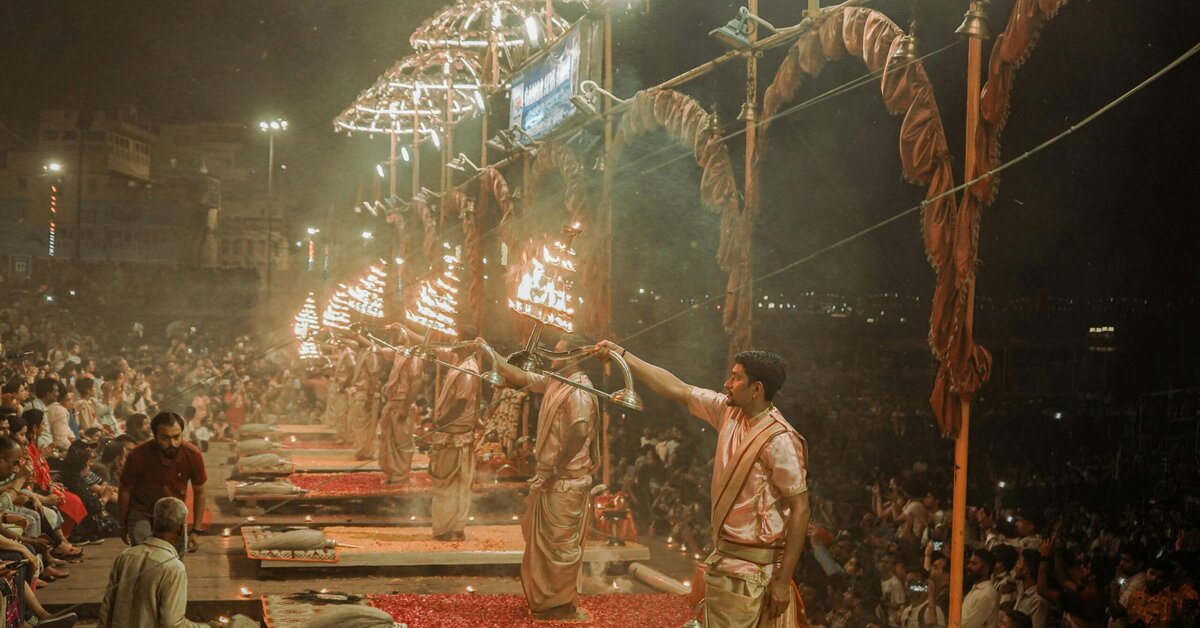
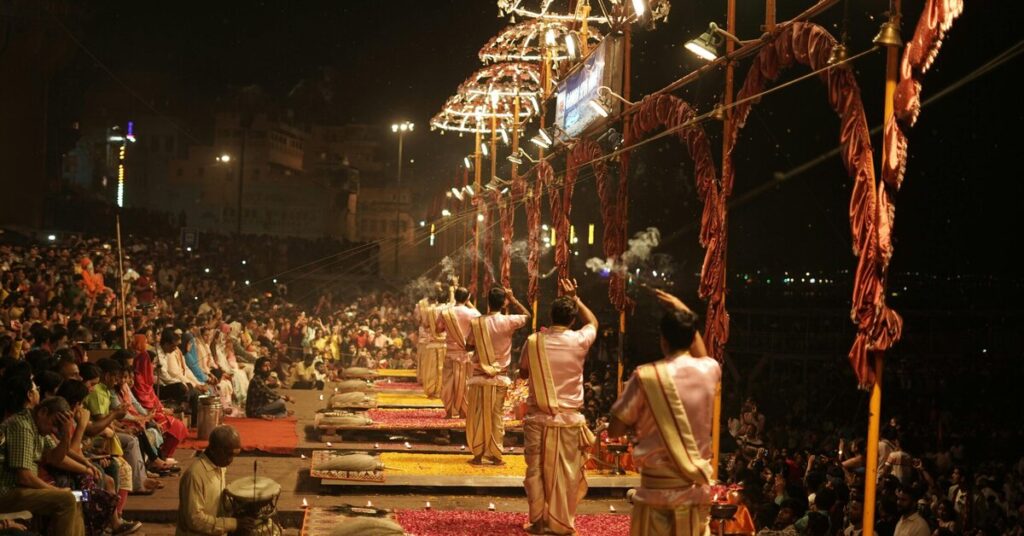
While evening Ganga Aarti at Dashashwamedh Ghat draws thousands with its theatrical presentation, morning aarti serves a different purpose entirely. The evening ceremony is elaborate, designed to bid farewell to the day with spectacular fire offerings and synchronized performances. Morning aarti, conversely, welcomes the sun god Surya and invites blessings for the new day ahead.
The scale differs dramatically—morning ceremonies involve one to three priests rather than seven, smaller brass lamps instead of massive multi-tiered ones, and perhaps 50-200 attendees rather than thousands. This intimacy creates space for personal reflection that larger gatherings simply cannot provide. For photographers, morning light offers softer, more natural illumination compared to the dramatic but challenging lighting conditions of evening flames.
Best Ghats for Morning Aarti Experience
Assi Ghat – The Southern Gem
Assi Ghat stands as the premier location for morning Ganga Aarti, particularly for those seeking authentic spiritual experiences over tourist spectacles. Located at the confluence of the Assi and Ganges rivers, this southern ghat hosts a beloved morning ritual called “Subah-e-Banaras” (Morning of Varanasi) that begins around 5:30-6:00 AM daily.
The ceremony here features young priests and local musicians creating an atmosphere that’s simultaneously devotional and culturally rich. Classical music performances often accompany the aarti, with tabla drums, harmoniums, and traditional singing blending seamlessly with Vedic chants. The setting is more intimate than Dashashwamedh, with better acoustics and a community feel where locals outnumber tourists.
Assi Ghat’s morning aarti attracts yoga enthusiasts, spiritual seekers, and travelers who prefer substance over spectacle. The surrounding area offers numerous cafes and guesthouses where you can enjoy chai afterward while watching the river come alive with morning activities.
Dashashwamedh Ghat – The Grand Spectacle
While Dashashwamedh Ghat is famous for its evening ceremony, morning aarti here offers a completely different experience of the same sacred space. Without the evening crowds, you can appreciate the ghat’s architectural beauty and historical significance more fully. The morning ritual here is simpler but still impressive, performed by resident priests as part of their daily spiritual practice rather than as public performance.
The advantage of Dashashwamedh for morning aarti is its central location, excellent connectivity to hotels, and the sheer beauty of watching sunrise illuminate this most iconic of Varanasi’s ghats. The disadvantage is that even morning ceremonies here draw more tourists than other locations, though still a fraction of evening numbers.
Other Notable Morning Aarti Locations
Several other ghats host morning ceremonies worth considering. Kedar Ghat offers a small, deeply traditional morning aarti attended almost exclusively by locals. Panchganga Ghat, marking the mythical meeting point of five rivers, features morning rituals with particular auspiciousness during certain lunar cycles.
Manikarnika Ghat, the primary cremation ghat, doesn’t host formal aarti but witnessing morning activities here provides profound insights into Varanasi’s relationship with death and rebirth. The combination of cremation rituals and pilgrims taking their morning baths creates a powerful meditation on life’s impermanence.
Booking Options for Morning Aarti
Advance Online Reservations
For structured experiences, particularly at Assi Ghat’s popular Subah-e-Banaras program, advance booking is recommended during peak season (October-March). Platforms like VaranasiDarshan.com, AssiGhatAarti.in, and general tourism sites like GetYourGuide offer packages ranging from ₹300 to ₹800 per person.
These packages typically include reserved seating on raised platforms, sometimes a traditional breakfast afterward, and occasionally transportation from central hotels. Booking 2-3 days in advance ensures availability, though last-minute bookings often succeed outside peak periods.
On-Site Booking Methods
The beauty of morning aarti is that most locations don’t require advance booking at all. Simply arrive 20-30 minutes before the ceremony begins, and you’ll find space on the ghat steps to sit and observe. This spontaneous approach suits the contemplative nature of morning rituals better than rigid reservations.
For those wanting guaranteed seating, small operators at Assi Ghat and Dashashwamedh Ghat set up folding chairs and small platforms. Approach them upon arrival, negotiate a price (typically ₹100-300 per person), and secure your spot. These informal arrangements work remarkably well and support local entrepreneurs directly.
Hotel Package Arrangements
Most hotels and guesthouses in Varanasi offer morning aarti packages as part of their guest services. These typically include early morning transportation to the ghat (crucial since finding transport at 5:00 AM can be challenging), reserved seating or boat arrangements, and return transportation.
Hotel packages cost ₹500-1,200 per person depending on hotel category and what’s included. The convenience factor makes this worthwhile, especially for first-time visitors unfamiliar with Varanasi’s geography or those staying in areas far from the main ghats.
Seating Options and Pricing Breakdown
Free Viewing Spots
The majority of morning aarti attendees simply sit on the ghat steps without any payment—this remains the most authentic way to experience the ceremony. Arrive 30 minutes early, claim a spot on the steps within viewing distance of the main platform, and enjoy the ritual at no cost beyond your alarm clock’s early summons.
Free viewing works particularly well for morning ceremonies since crowds are manageable. You’re close enough to hear the mantras clearly, see the priests’ movements, and feel the ceremonial atmosphere without paying for separation from the experience.
Reserved Platform Seating
Raised platform seating at morning aarti costs significantly less than evening equivalents, ranging from ₹100 to ₹400 per person. Basic folding chairs on small platforms run ₹100-200, while cushioned seating with better elevation and proximity costs ₹300-400.
At Assi Ghat’s organized Subah-e-Banaras program, reserved seating packages (₹300-500) include better infrastructure—proper chairs, covered areas for winter months, and sometimes complimentary tea or snacks. The organized nature here justifies slightly higher pricing compared to informal arrangements at other ghats.
Boat Viewing Experience
Watching morning aarti from a boat on the Ganges provides unparalleled perspective. As the sun rises behind the ghats and the ceremony unfolds along the illuminated shoreline, you’re floating on the very waters being worshipped—a circular, deeply moving experience.
Morning boat rides for aarti viewing cost ₹400-800 for shared boats (per person) and ₹1,500-2,500 for private boats (total cost for 4-6 people). These typically include a longer cruise extending beyond the aarti itself, often covering 5-7 kilometers of riverfront and multiple ghats. The peaceful morning waters make boat experiences particularly pleasant during this time.
Best Seats for Optimal Viewing
For platform seating, positions directly facing the main ceremony platform at a distance of 10-15 meters offer ideal sightlines. You’re close enough for clear views and audio but far enough to capture the entire scene visually. Corner positions on platforms provide better photography angles, capturing both the ceremony and surrounding devotees.
From boats, position yourself 30-40 meters from shore, slightly upriver from the ceremony. This angle allows you to photograph the aarti with the rising sun creating dramatic backlighting effects. Early arrival to boarding points ensures better positions on the boat rather than being crowded to less optimal spots.
On the ghat steps themselves, the northern side of the ceremony area typically has better sightlines with less congestion. Elevated steps (4-5 rows up from the water) balance proximity with perspective, allowing you to see over standing devotees at the water’s edge.
What to Expect During Morning Aarti
Morning aarti ceremonies last 30-45 minutes, shorter than evening performances. The ritual begins with priests lighting smaller brass lamps and offering them in circular motions toward the rising sun and sacred river. Conch shells announce the ceremony’s commencement, their deep resonance echoing across the water.
Devotional songs and Vedic chants create a soundscape that’s simultaneously ancient and timeless. Unlike evening aarti’s amplified, performance-oriented presentation, morning ceremonies often use minimal or no amplification, allowing the natural acoustics of the riverside setting to carry sound.
Simultaneously, devotees perform their own morning rituals—bathing in the Ganges, offering flowers and diyas (small oil lamps) on leaf boats that float downstream, practicing yoga on the ghats, or simply sitting in meditation. This multi-layered activity creates rich visual interest beyond the formal ceremony itself.
Essential Tips for Morning Aarti Visitors
The obvious challenge is waking up—set multiple alarms for 4:30-5:00 AM to allow time for preparation and travel. Wear layers since early morning temperatures, especially in winter (December-February), can be surprisingly cold near the river. By 8:00 AM it might be warm, but at 5:30 AM you’ll want a shawl or light jacket.
Bring a small flashlight or use your phone’s light feature for navigating dark ghat steps before sunrise. The steps can be uneven and slippery from morning dew or previous day’s water splashes. Wear comfortable, secure footwear that you can easily remove when required.
Book transportation the night before if not using hotel services. Auto-rickshaws and cycle-rickshaws are scarce at 5:00 AM, so arrange with your hotel or a driver you’ve used previously. Alternatively, stay within walking distance of your chosen ghat.
Arrive with an open heart and quiet mind. Morning aarti isn’t about perfect photographs or checking off bucket list items—it’s about witnessing and participating in a tradition that connects you to something timeless and profound.
Conclusion
Morning Ganga Aarti in Varanasi offers what evening ceremonies cannot—intimacy, authenticity, and the peaceful beauty of Varanasi at its most sacred hour. Whether you choose the community atmosphere of Assi Ghat, the iconic setting of Dashashwamedh, or the quiet devotion of smaller ghats, booking your morning aarti experience is refreshingly straightforward. With options ranging from free ghat-side seating to organized packages costing ₹300-1,200, accessibility matches every budget and preference.
The best seat isn’t necessarily the most expensive or closest to the ceremony—it’s the one where you can quiet your mind and open your heart to the spiritual current flowing through this ancient city. As the sun rises over the Ganges and priests offer their morning prayers, you’ll understand why seekers have been drawn to these waters for thousands of years. The booking is simple; the experience is profound.
FAQs
Q1: What time does morning Ganga Aarti start in Varanasi?
Morning Ganga Aarti typically begins between 5:30 AM and 6:00 AM, with timing varying slightly based on sunrise times throughout the year. Assi Ghat’s organized Subah-e-Banaras program usually starts at 6:00 AM sharp. Winter months see slightly later start times (closer to 6:30 AM) while summer ceremonies may begin as early as 5:15 AM. Arrive at least 20-30 minutes early to secure good viewing positions.
Q2: Which ghat is best for morning aarti—Assi or Dashashwamedh?
Assi Ghat offers the most authentic and culturally rich morning aarti experience, with better acoustics, fewer tourists, and a strong local community presence. The Subah-e-Banaras program here combines aarti with classical music performances. Dashashwamedh Ghat provides a more iconic setting and central location but draws more tourists even in the morning. For spiritual seekers, Assi is preferable; for those wanting the famous Dashashwamedh experience without evening crowds, the latter works well.
Q3: Do I need to book in advance for morning Ganga Aarti?
For free viewing on ghat steps, no booking is required—just arrive early. For Assi Ghat’s organized Subah-e-Banaras program during peak season (October-March), booking 2-3 days in advance is recommended though not always essential. For boat viewing experiences, advance booking helps secure better boats and positions but same-day arrangements usually work. Hotel packages should be arranged the evening before to ensure early morning transportation.
Q4: How much does it cost to attend morning Ganga Aarti?
Attending morning aarti is free if you sit on the ghat steps. Reserved platform seating costs ₹100-400 per person. Organized programs at Assi Ghat with seating and facilities run ₹300-500. Boat viewing experiences cost ₹400-800 per person for shared boats and ₹1,500-2,500 for private boats. Hotel packages including transportation and seating range from ₹500-1,200 per person.
Q5: What should I wear and bring to morning Ganga Aarti?
Wear modest, comfortable clothing with layers for cool morning temperatures—shawls or light jackets are essential in winter months. Comfortable, easily removable footwear is important for uneven ghat steps. Bring a small flashlight for navigating in pre-dawn darkness, and carry a water bottle. Cameras are permitted, but consider experiencing part of the ceremony without screens. Avoid bringing valuable items or large bags, as facilities are minimal at most ghats during early morning hours.